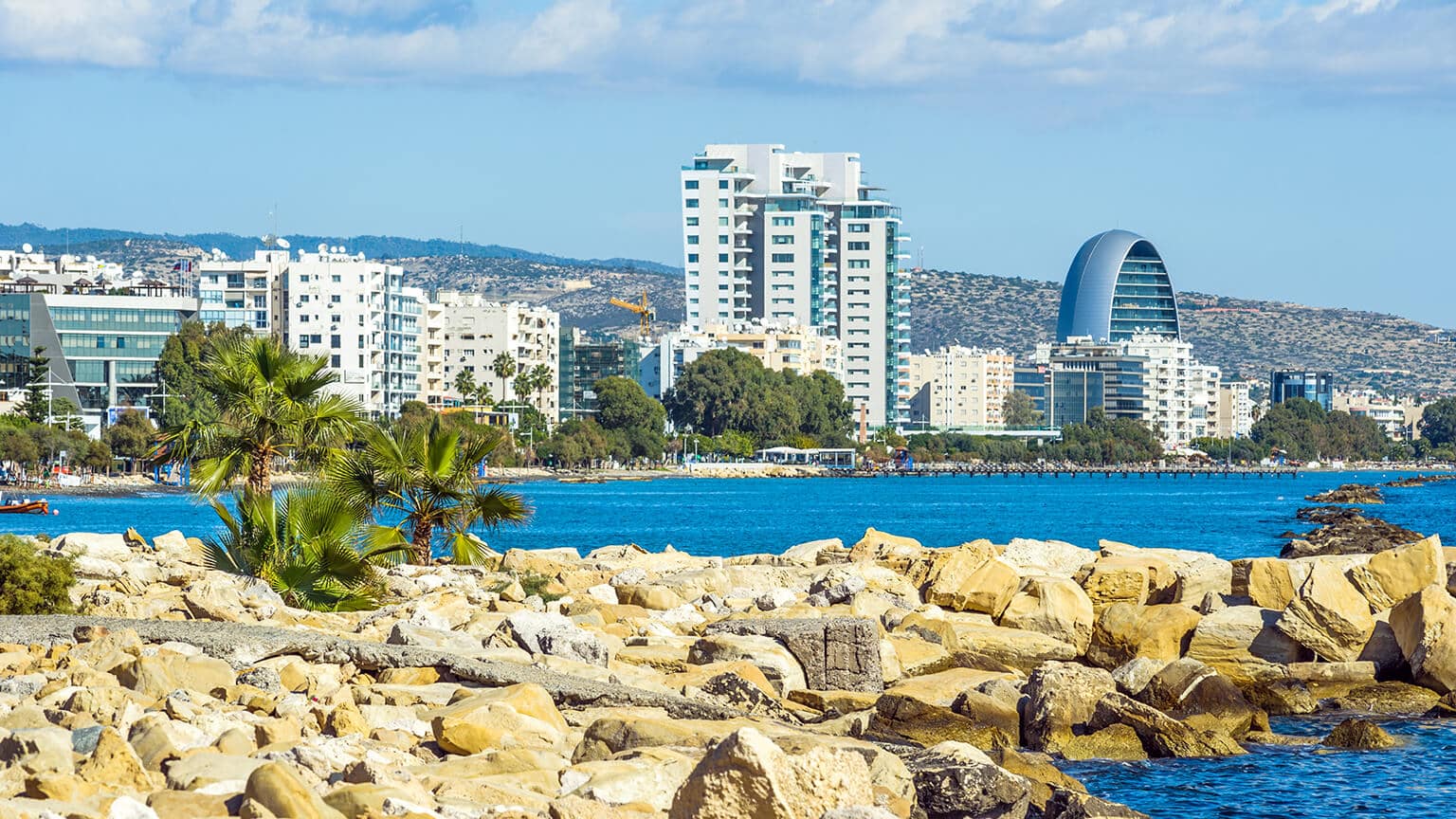









Comment décrire Chypre ? C’est jusqu’à 300 jours de soleil par an et un climat méditerranéen doux. L’anglais y est largement parlé et l’île offre un riche patrimoine culturel ainsi que de nombreux sites touristiques, dont trois biens inscrits au patrimoine mondial de l’UNESCO[1]Source : UNESCO — Liste du patrimoine mondial, Chypre.
Le climat des affaires y est tout aussi attrayant. Le taux maximal de l’impôt sur le revenu des personnes physiques est de 35 % et l’impôt sur les sociétés s’élève à 15 %. Chypre se classe au 18e rang mondial et au 12e rang européen en matière de liberté économique[2]Source : The Heritage Foundation — Indice de liberté économique, profil de Chypre pour 2026 et au 31e rang mondial pour la protection des droits de propriété[3]Source : Property Rights Alliance — Indice international des droits de propriété, profil de Chypre pour 2025.
Un permis de séjour permanent à Chypre permet à un citoyen étranger de vivre sur l’île à long terme et d’y diriger une entreprise. Il peut être obtenu de deux manières : par investissement ou après plusieurs années de résidence. Cet article détaille ces deux voies d’accès.
Types de résidence permanente à Chypre
Un permis de séjour permanent permet à un ressortissant étranger de vivre à Chypre sans limitation de durée, à condition que les exigences liées au statut correspondant continuent d'être respectées.
Pour les ressortissants de pays hors UE, les principales voies d’accès à la résidence permanente comprennent :
- l’investissement dans un bien immobilier éligible, des actions de société ou des parts de fonds d’un montant d’au moins 300 000 € ;
- le statut de résident de longue durée après 5 ans de résidence légale et continue éligible ;
- le permis d’immigration relevant de l’une des catégories A à F ;
- la résidence permanente en tant que membre de la famille éligible d’un citoyen de l’UE, de l’EEE ou de la Suisse ;
- la résidence permanente au titre de l’accord de retrait pour les ressortissants britannique éligibles et les membres de leur famille.
Le département de la migration de Chypre propose également un régime de résidence temporaire distinct pour les membres de la famille de citoyens chypriotes. Bien que le permis lui-même doive être maintenu en validité et renouvelé si nécessaire, les membres de la famille éligibles peuvent résider à Chypre sans limitation de durée tant qu’ils continuent à remplir les conditions.
Toutes les manières de devenir résident permanent à Chypre

Résidence permanente par investissement
L’investissement offre une voie accélérée vers la résidence permanente à Chypre. Les règles actuelles constituent la 4e révision de la politique, en vigueur depuis le 2 mai 2023[4]Source : Département de la migration de Chypre — Permis d’immigration pour les investisseurs.
Le demandeur investit au moins 300 000 € dans le type d’actif choisi. Les fonds doivent provenir de l’étranger, du compte du demandeur ou de celui de son conjoint. Les prêts souscrits auprès de banques locales ne sont pas pris en compte.
Le demandeur doit également justifier d’un revenu annuel garanti d’au moins 50 000 €. Le seuil augmente de 15 000 € pour le conjoint et de 10 000 € pour chaque enfant mineur.
Le Golden Visa Chypre garantit un statut de résidence à vie, mais la carte de séjour doit être renouvelée tous les 10 ans. Il n’est pas obligatoire de résider à Chypre pour maintenir le statut ; il suffit de se rendre dans le pays une fois tous les 2 ans. Cependant, le titulaire doit prouver chaque année qu’il conserve la propriété de l’actif d’investissement. Si le titulaire vend l’actif sans le remplacer, toute la famille perd son permis.

Plus de 10 000 investisseurs nous font confiance
Vérifiez votre éligibilité à la résidence permanente de Chypre
Statut de résident de longue durée
Cette voie est destinée aux ressortissants de pays hors UE éligibles qui ont déjà résidé légalement à Chypre pendant au moins 5 ans[5]Source : Département de la migration de Chypre — Acquisition du statut de résident de longue durée dans la République.
Toutefois, tous les types de résidence légale ne sont pas comptabilisés. Les catégories exclues comprennent :
- les étudiants et les stagiaires en formation professionnelle ;
- certains demandeurs ou bénéficiaires relevant des règles de protection internationale ou humanitaire ;
- les personnes dont le séjour est considéré comme temporaire, comme les travailleurs saisonniers ;
- les personnes bénéficiant d’un statut diplomatique ou d’un statut juridique comparable.
Les périodes passées hors de Chypre n’interrompent généralement pas la période de résidence requise de 5 ans si chaque absence est inférieure à 6 mois consécutifs et que le total des absences sur 5 ans ne dépasse pas 10 mois.
Les demandeurs doivent également remplir des conditions d’intégration, de revenus, de logement et de couverture médicale :
- connaissance du grec d’un niveau au moins A2 ;
- connaissance de la vie politique et sociale de Chypre ;
- exercice d’un emploi salarié ou d’une activité indépendante ;
- logement permanent à Chypre — en propriété ou en location ;
- historique fiscal et de cotisations sociales à jour ;
- couverture médicale.
Les frais de dossier s’élèvent à 30 €, et le département de la migration examine les documents pendant 6 à 12 mois. Le premier permis de séjour de longue durée est valide 5 ans.
Le statut de résident de longue durée peut être retiré après 12 mois consécutifs passés hors de l’UE ou 6 ans hors de Chypre.
Permis d’immigration des catégories A à F
Les catégories A à F sont des permis d’immigration délivrés en vertu de l’article 5 du règlement relatif aux étrangers et à l’immigration[6]Source : Département de la migration de Chypre — Permis d’immigration :
- Catégorie A : agriculture. Travail indépendant dans l’agriculture, l’élevage, l’aviculture ou la pisciculture. Le demandeur doit disposer de terres adaptées ou d’une autorisation d’achat, ainsi que d’un capital d’environ 430 000 €.
- Catégorie B : mines. Travail indépendant dans le secteur minier, avec la licence correspondante et un capital d’environ 350 000 €.
- Catégorie C : commerce ou profession libérale. Travail indépendant avec la licence requise et un capital d’environ 260 000 €.
- Catégorie D : professions recherchées. Travail indépendant dans une profession ou un domaine scientifique où Chypre manque de spécialistes. Le demandeur doit être qualifié pour exercer à Chypre et disposer de fonds suffisants ou de revenus garantis.
- Catégorie E : emploi permanent. Offre d’emploi permanent à Chypre ne créant pas de concurrence déloyale pour les travailleurs locaux.
- Catégorie F : revenus de l’étranger. Revenu annuel garanti d’au moins 9 568 € pour le demandeur, majoré de 4 613 € par personne à charge. Le revenu doit couvrir le coût de la vie sans exercer d’activité professionnelle ou commerciale à Chypre. Les pensions, dividendes, intérêts bancaires et loyers sont tous pris en compte.
Le droit de résidence n’a pas de limite de durée. La carte elle-même est généralement valide pendant 10 ans et doit ensuite être remplacée. Les cartes destinées aux enfants mineurs sont valides jusqu’à leurs 18 ans.
Les membres de la famille à charge comprennent généralement le conjoint et les enfants de moins de 18 ans. Lorsqu’une personne à charge est ajoutée à un permis d’immigration déjà approuvé, le département de la migration facture 50 € par personne ajoutée, plus 70 € si cette personne a besoin d’un certificat d’enregistrement des étrangers.
Le permis devient caduc si la famille ne s’installe pas à Chypre dans l’année suivant son acceptation. Il est également annulé après 2 ans d’absence de Chypre, ou si le titulaire obtient la résidence permanente dans un autre pays.
Résidence pour les membres de la famille de citoyens chypriotes
Le département de la migration classe cette voie sous la résidence temporaire. Toutefois, les membres de la famille de citoyens chypriotes peuvent séjourner à Chypre pour une durée indéterminée tant qu’ils continuent de remplir les conditions et de renouveler leur permis à temps[7]Source : Département de la migration de Chypre — Membres de la famille de citoyens chypriotes.
Cette voie est ouverte aux ressortissants de pays hors UE qui sont :
- mariés à un citoyen chypriote ou liés par une union civile avec ce dernier ;
- parents d’un enfant chypriote de moins de 18 ans, sauf si une décision de justice leur a retiré l’autorité parentale ;
- enfants de moins de 21 ans d’un citoyen chypriote ou de son conjoint, ou enfants plus âgés qui sont à leur charge ;
- parents à charge d’un citoyen chypriote ou de son conjoint.
Sous réserve que la demande soit complète, le département de la migration l’examine dans un délai de 4 mois.
Les frais de dossier dépendent du type de permis :
- 80 € — permis de séjour et de travail pour un emploi rémunéré ;
- 50 € — permis de séjour et de travail pour un emploi non rémunéré ;
- 50 € — permis de séjour sans activité professionnelle.
Les conjoints, partenaires et parents de citoyens chypriotes mineurs peuvent travailler pour un employeur ou être travailleurs indépendants à Chypre. Pour ce faire, ils doivent d’abord obtenir un permis de séjour et de travail. S’ils changent d’employeur, ils doivent demander le renouvellement de leur permis.
Le département de la migration fixe la durée de chaque permis au cas par cas, en fonction de la situation du membre de la famille. Un permis incluant le droit de travailler est délivré pour une durée maximale de 5 ans.
En cas de divorce, d’annulation du mariage ou de décès du conjoint chypriote, le membre de la famille peut demander à séjourner à Chypre de son propre chef. Le département de la migration examine plusieurs facteurs : la durée du mariage, l’existence d’engagements légaux ou financiers à long terme, l’éducation d’enfants en commun, ainsi que l’absence d’antécédents en matière d’immigration.
Résidence permanente pour les membres de la famille de citoyens de l’UE, de l’EEE ou de la Suisse — MEU3
La carte de séjour permanent MEU3 s’adresse aux membres de la famille non ressortissants de l’UE de citoyens de l’UE, de l’EEE ou de la Suisse[8]Source : Département de la migration de Chypre — Résidence permanente des ressortissants de pays tiers membres de la famille de citoyens de l’UE/EEE (MEU3) :
- conjoints et partenaires enregistrés ;
- enfants de moins de 21 ans, ou enfants plus âgés dépendants du citoyen de l’UE, de l’EEE ou de la Suisse ;
- parents à charge.
Les membres de la famille issus de pays tiers peuvent en faire la demande après 5 ans de résidence légale ininterrompue à Chypre, à condition de ne pas avoir eu recours à l’aide sociale durant cette période. Le citoyen de l’UE, de l’EEE ou de la Suisse doit être présent en personne lors du dépôt.
Les frais s’élèvent à 20 €. Si la demande est complète, le département rend sa décision dans un délai de 6 mois. La carte est valide 10 ans et est renouvelable.
Résidence permanente pour les ressortissants britannique — UKW3
Le régime UKW3 s’applique aux ressortissants britannique s’étant installés à Chypre dans le cadre des règles de libre circulation de l’UE avant la fin de la période de transition du Brexit, le 31 décembre 2020, ainsi qu’aux membres de leur famille[9]Source : Département de la migration de Chypre — Ressortissants britannique et membres de leur famille bénéficiant de la libre circulation.
La résidence permanente s’obtient après 5 ans de résidence légale ininterrompue. Les années passées à Chypre avant et après le 31 décembre 2020 sont toutes deux comptabilisées. Les titulaires de l’ancienne carte MEU3 peuvent l’échanger contre un document UKW3.
Les frais de dossier sont de 30 € par personne. Le document est valide 10 ans et est renouvelable.
Plus de 10 000 investisseurs nous font confiance
Vous envisagez de quitter le Royaume-Uni ? Découvrez vos options
9 raisons de choisir Chypre pour la résidence permanente
Près d’un tiers des personnes vivant à Chypre sont des citoyens étrangers. Le recensement de 2021 a compté 923 381 habitants dans les zones contrôlées par le gouvernement. Parmi eux, 187 275 étaient citoyens d’autres pays de l’UE et 107 168 étaient des ressortissants de pays hors UE[10]Source : Service statistique de Chypre — Recensement de la population et des logements 2021, résultats définitifs.
Pour les ressortissants de pays hors UE, la résidence permanente constitue le moyen le plus stable de séjourner sur l’île. Voici sept raisons pour lesquelles ils demandent ce statut.
1. Résidence sans limitation de durée
La résidence permanente n’expire pas. Les titulaires d’un permis d’immigration, que ce soit par investissement ou via les catégories A à F, remplacent simplement leur carte tous les 10 ans. Les résidents de longue durée reçoivent un permis de 5 ans renouvelé sans nouvel examen des motifs de résidence.
Un permis temporaire, en revanche, est délivré pour une durée déterminée et un motif précis, tel qu’un emploi ou des études, et doit être renouvelé. Un résident permanent ne dépend pas d’un employeur ni d’une université en particulier.
Le statut peut toutefois être perdu après de longues absences. Un permis d’immigration est annulé après 2 ans passés hors de Chypre. Le statut de résident de longue durée peut être retiré après 1 an hors de l’UE ou 6 ans hors de Chypre.
2. Avantages fiscaux
Un permis de séjour et la résidence fiscale sont deux notions distinctes. La résidence fiscale dépend du nombre de jours passés à Chypre et des liens entretenus avec le pays. Outre la règle habituelle des 183 jours, Chypre applique la règle des 60 jours. Selon cette règle, une personne devient résidente fiscale si elle[11]Source : Département des impôts de Chypre — Résidence fiscale/Domicile :
- passe au moins 60 jours par an à Chypre ;
- ne réside pas plus de 183 jours dans un autre pays ;
- dirige une entreprise, travaille ou occupe un poste de administrateur de société à Chypre ;
- possède ou loue un logement à Chypre.
Les résidents fiscaux qui ne sont pas domiciliés à Chypre ne paient pas la contribution spéciale pour la défense sur les dividendes et les intérêts[11]Source : Département des impôts de Chypre — Résidence fiscale/Domicile. Après 17 années de résidence fiscale au cours des 20 dernières années, une personne est considérée comme domiciliée à Chypre. L’exonération peut ensuite être prolongée deux fois, pour une durée de 5 ans à chaque fois, moyennant 250 000 € par période.
Chypre ne prélève pas de droits de succession[12]Source : Commission européenne — Communication sur l'élimination des obstacles fiscaux transfrontaliers en matière de droits de succession au sein de l'UE, COM(2011) 864. L’impôt annuel sur les biens immobiliers a été aboli le 1er janvier 2017[13]Source : PwC — Worldwide Tax Summaries, Chypre, Impôts des particuliers.
Le taux maximal de l’impôt sur le revenu des personnes physiques est de 35 %, et le taux global de l’impôt sur les sociétés est de 15 %.
Plus de 10 000 investisseurs nous font confiance
Réglez vos obligations fiscales avant que cela ne devienne un problème
3. Des prix inférieurs à la moyenne de l’UE
Les prix à la consommation à Chypre se situent sous la moyenne de l’UE. En 2025, l’indice des niveaux de prix pour les dépenses des ménages était de 89,2, la moyenne de l’UE étant fixée à 100[14]Source : Eurostat — Indices de niveau de prix. En d’autres termes, le même panier de biens et services coûtait environ 11 % de moins que la moyenne de l’UE.
Les prix varient selon les catégories. En 2024, les restaurants et les hôtels étaient environ 11 % moins chers que la moyenne de l’UE, et les transports environ 12 % moins chers. En revanche, l’alimentation coûtait environ 5 % de plus, et l’électricité ainsi que le carburant environ 8 % de plus[15]Source : Eurostat — Parités de pouvoir d’achat, indices de niveau de prix.
Les coûts de logement dépendent fortement de la ville. Par exemple, le loyer moyen demandé pour un appartement de 3 chambres est de 1 250 € par mois à Nicosie et de 2 600 € à Limassol[16]Source : Global Property Guide — Rendements locatifs bruts à Chypre, septembre 2026.
4. Accès au système de santé public
Les ressortissants de pays hors UE bénéficiant du statut de résidence permanente peuvent accéder à GESY, le système national de santé[17]Source : Système de santé général — FAQ sur l’éligibilité des bénéficiaires. Une fois enregistrés, ils peuvent consulter un médecin de famille, des spécialistes et se rendre à l’hôpital dans les mêmes conditions que les citoyens chypriotes.
Cela permet également d’éliminer certains coûts. Dans le cadre de la voie de l’investissement, par exemple, le titulaire doit conserver une assurance maladie privée uniquement tant que la famille n’est pas couverte par GESY[18]Source : Département de la migration de Chypre — Permis d’immigration pour investisseurs.
5. Droit de travailler ou de gérer une entreprise
Le droit de travailler dépend de la voie d’accès choisie. Les résidents de longue durée peuvent occuper n’importe quel emploi, et l’employeur n’a pas besoin d’un permis distinct pour les embaucher[5]Source : Département de la migration de Chypre — Acquisition du statut de résident de longue durée dans la République. La catégorie E est délivrée pour un emploi permanent à Chypre, et les catégories A à D pour le travail indépendant dans l’agriculture, les mines, le commerce ou une profession libérale[6]Source : Département de la migration de Chypre — Permis d’immigration.
D’autres voies restreignent l’exercice d’une activité salariée. Les titulaires d’un permis par investissement ne peuvent pas occuper d’emploi salarié à Chypre. Ils peuvent toutefois détenir des actions dans des sociétés chypriotes et siéger au conseil d’administration de la société dans laquelle ils ont investi[18]Source : Département de la migration de Chypre — Permis d’immigration pour investisseurs. La catégorie F est destinée aux personnes vivant de revenus provenant de l’étranger[6]Source : Département de la migration de Chypre — Permis d’immigration.
6. Voie vers la citoyenneté chypriote
Les années de résidence légale à Chypre sont comptabilisées en vue de la naturalisation. Une personne majeure peut demander la citoyenneté après 12 mois de résidence continue juste avant le dépôt de la demande, en plus d’au moins 7 ans de résidence au cours des 10 années précédentes.
Les demandeurs doivent également :
- maîtriser le grec au niveau B1 ;
- réussir un examen sur la vie politique et sociale de Chypre ;
- disposer d’un logement et de revenus stables.
Les frais s’élèvent à 500 € pour la demande et 500 € pour le certificat.
Les employés hautement qualifiés d’entreprises à intérêts étrangers remplissent les conditions plus rapidement. Il leur faut 4 ans de résidence avec un niveau A2 en grec ou 3 ans avec un niveau B1, en plus des 12 derniers mois continus. Ils s’acquittent également de 5 000 € pour un examen du dossier sous 8 mois[19]Source : Ministère de l’Intérieur de Chypre — Acquisition de la nationalité chypriote par naturalisation.
7. Appartenance à l’UE
Chypre est membre de l’UE depuis le 1er mai 2004[20]Source : Union européenne — Profil pays de Chypre. Un passeport chypriote est un passeport européen. Il donne le droit de vivre, de travailler et d’étudier dans n’importe lequel des 27 pays de l’UE.
Avant d’obtenir la citoyenneté, le droit de s’installer au sein de l’UE dépend du statut. Les résidents de longue durée dans l’UE peuvent s’installer dans un autre pays de l’UE pour y travailler, y étudier ou s’y établir, à condition de disposer de revenus suffisants et d’une assurance maladie[21]Source : Directive 2003/109/CE du Conseil relative au statut des ressortissants de pays tiers résidents de longue durée. Les permis d’immigration nationaux, y compris le Golden Visa et la catégorie F, ne confèrent pas ce droit.
Chypre n’est pas encore membre de plein droit de l’espace Schengen : les contrôles aux frontières avec les autres pays Schengen restent en vigueur. Une carte de séjour chypriote ne remplace pas un visa Schengen pour les ressortissants qui en ont besoin.
8. Climat doux
Chypre bénéficie d’étés longs et secs de mi-mai à mi-octobre, ainsi que d’hivers doux de décembre à février. Les saisons de transition entre les deux sont courtes.
Durant la moitié estivale de l’année, l’île bénéficie d’une moyenne de 11,5 heures d’ensoleillement par jour. Même en décembre et en janvier, les mois les plus nuageux, l’ensoleillement est d’environ 6 heures par jour[22]Source : Sous-ministère du Tourisme de Chypre — Climat et météo.
En janvier, le mois le plus froid, la température moyenne quotidienne est d’environ +10 °C dans la plaine centrale et de +3 °C sur les sommets du massif du Troodos. La mer reste entre +16 et +17 °C de janvier à mars et dépasse +22 °C de juin à novembre, atteignant +27 °C en août. La neige ne tombe que dans les montagnes, et la saison de ski sur le Troodos commence généralement vers Noël.
Les étés sont toutefois très chauds. En juillet et en août, la température maximale moyenne quotidienne atteint +38 °C dans la plaine centrale et +27 °C dans les montagnes. C’est pourquoi de nombreux résidents passent une partie de l’été sur la côte ou dans les villages de montagne.
9. Riche patrimoine et vie culturelle
Chypre compte trois sites inscrits au patrimoine mondial de l’UNESCO[1]Source : UNESCO — Liste du patrimoine mondial, Chypre :
- la ville antique de Paphos, avec les mosaïques de ses villas romaines et les tombeaux des rois ;
- le site néolithique de Choirokoitia ;
- les églises peintes de la région du Troodos.
La vie culturelle va au-delà des monuments. En 2017, Paphos a été capitale européenne de la culture[23]Source : Commission européenne — Aarhus et Paphos, Capitales européennes de la culture 2017. Depuis 2023, le sous-ministère de la Culture finance des festivals artistiques à travers toute l’île grâce au programme Kypria[24]Source : UNESCO — Programme de parrainage des festivals d'art KYPRIA. De nombreux festivals et événements locaux y sont organisés tout au long de l’année.
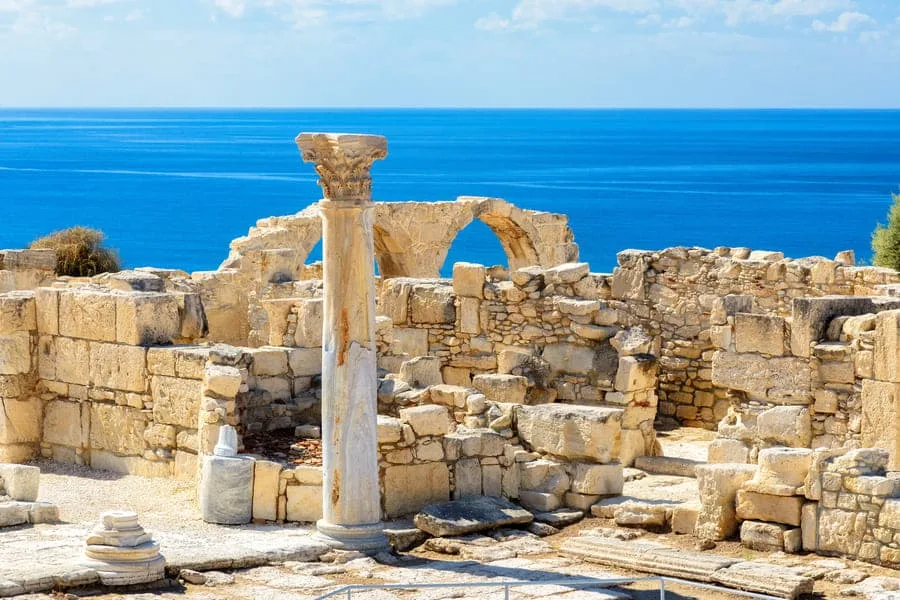
Ruines de l’ancien amphithéâtre de Kourion, construit au IIe siècle av. J.-C.
Conditions applicables aux demandeurs d’une résidence permanente à Chypre par investissement
Chypre accorde la résidence permanente aux ressortissants de pays tiers, c’est-à-dire aux citoyens de pays non membres de l’UE, de l’EEE ou de la Suisse.
Conditions applicables au demandeur principal
En plus de placer 300 000 € dans un actif éligible, le demandeur doit remplir quatre conditions :
- Casier judiciaire vierge. Le demandeur fournit des certificats de son pays d’origine et, s’il est différent, de son pays de résidence.
- Revenu annuel garanti d’au moins 50 000 €. Il peut inclure un salaire, des pensions, des dividendes, des intérêts bancaires ou des loyers. Les revenus du conjoint sont pris en compte dans le total. Si le demandeur achète un logement neuf, l’intégralité des revenus doit provenir de l’étranger. Avec les trois autres options, une partie peut provenir de Chypre.
- Assurance maladie couvrant les soins hospitaliers et ambulatoires, pour le demandeur et chaque membre de la famille figurant sur la demande.
- Absence d’emploi salarié à Chypre. Le demandeur et son conjoint signent une déclaration attestant qu’ils ne travailleront pas à Chypre. La seule exception concerne le rôle d’administrateur au sein de la société dont le demandeur a libéré le capital social. Ils peuvent détenir des actions dans d’autres sociétés chypriotes et siéger à leurs conseils d’administration en tant qu’administrateurs non rémunérés.
Conditions applicables aux membres de la famille
Le permis couvre le conjoint du demandeur et ses enfants de moins de 18 ans. Le seuil de revenu augmente de 15 000 € pour le conjoint et de 10 000 € pour chaque enfant mineur.
Si un seul parent figure sur la demande avec un enfant mineur, le consentement de l’autre parent est requis. Il doit être signé devant un agent consulaire de la République de Chypre.
Les enfants majeurs peuvent obtenir un permis de deux manières :
- pour les étudiants âgés de 18 à 25 ans : les enfants célibataires qui étudient dans une université à l’étranger et dépendent financièrement de leurs parents déposent leur propre demande et s’acquittent de frais distincts. Les parents ajoutent 10 000 € à leur revenu pour chaque enfant dans cette situation. Le permis reste valide après que l’enfant a atteint l’âge de 25 ans, s’est marié ou a terminé ses études. Le futur conjoint et les enfants de cet enfant ne pourront pas y être ajoutés ;
- pour les autres enfants majeurs, le montant de 300 000 € est multiplié : 600 000 € pour un enfant majeur, 900 000 € pour deux. Chaque enfant majeur prouve son propre revenu d’au moins 50 000 €, augmenté de 15 000 € pour son conjoint et de 10 000 € pour chaque enfant mineur.
Les parents du demandeur ou du conjoint ne peuvent pas être inclus dans la demande selon les règles actuelles.

Comment obtenir la résidence permanente dans l’Union européenne avec toute sa famille
4 moyens d’obtenir la résidence permanente à Chypre par investissement
Le Golden Visa Chypre peut être obtenu en investissant au moins 300 000 € dans l’un des quatre types d’actifs. Toutes les options partagent trois règles communes :
- les fonds doivent provenir de l’étranger : du compte du demandeur ou de celui de son conjoint, ou d’une société dont ils sont les uniques propriétaires. Le montant est versé sur le compte du vendeur auprès d’une banque chypriote. Les prêts auprès de banques chypriotes ne sont pas autorisés ;
- le demandeur doit également justifier d’un revenu annuel garanti d’au moins 50 000 €, majoré de 15 000 € pour un conjoint et de 10 000 € pour chaque enfant mineur ;
- l’actif doit être conservé aussi longtemps que la famille souhaite maintenir son statut de résidence permanente. Si le titulaire le vend sans racheter immédiatement un bien de valeur équivalente ou supérieure répondant également aux exigences, toute la famille perd le permis. Chaque année, le titulaire doit prouver au département de la migration qu’il est toujours propriétaire de l’actif.
1. Achat d’un bien immobilier résidentiel neuf
Le demandeur achète une maison ou un appartement directement auprès d’un promoteur, en première vente. La valeur marchande doit être d’au moins 300 000 € hors TVA. Le montant peut être réparti sur deux logements au maximum, qui peuvent provenir de promoteurs différents.
Au moment du dépôt de la demande, au moins 300 000 € hors TVA doivent avoir été versés, même si le bien n’est pas encore achevé.
Les logements neufs sont soumis à une TVA de 19 %. Un taux réduit de 5 % s’applique aux 130 premiers m² d’une résidence principale, si quatre conditions sont remplies[25]Source : PwC — Worldwide Tax Summaries, Chypre :
- la valeur du bien n’excède pas 350 000 € ;
- le montant total de la transaction ne dépasse pas 475 000 € ;
- la superficie totale n’excède pas 190 m² ;
- l’acheteur y réside à titre de résidence principale pendant 10 ans.
Lorsque la vente est soumise à la TVA, aucun droit de mutation n’est prélevé[26]Source : Département du cadastre et de l’arpentage — Calcul des droits de mutation immobilière.
Le bien immobilier peut également être acheté par l’intermédiaire d’une société enregistrée à Chypre ou dans un autre pays de l’UE/EEE, à condition que le demandeur ou son conjoint en soit l’unique actionnaire.
2. Achat d’un bien immobilier commercial
Le demandeur achète des bureaux, des commerces, des hôtels ou des ensembles immobiliers assimilés, ou une combinaison de ces biens, d’une valeur totale d’au moins 300 000 €. Il n’y a aucune limite quant au nombre de biens, et l’immobilier de revente est accepté.
La fiscalité dépend de l’ancienneté du bien. Les bâtiments commerciaux neufs sont soumis au taux de TVA standard de 19 %[25]Source : PwC — Worldwide Tax Summaries, Chypre. Un bâtiment de revente est généralement vendu sans TVA, et l’acheteur s’acquitte des droits de mutation. Ces frais s’élèvent à 3—8 % de la valeur marchande, et sont réduits de moitié lorsqu’aucune TVA n’est prélevée[26]Source : Département du cadastre et de l’arpentage — Calcul des droits de mutation immobilière.
Un bien commercial ne constituant pas un logement, le demandeur doit également fournir un justificatif de domicile pour la famille à Chypre : un titre de propriété, un contrat de vente ou un contrat de location. Une partie des revenus requis peut provenir de Chypre, par exemple sous forme de loyers perçus sur le bien.
3. Investissement dans des actions d’une société chypriote
Le demandeur injecte au moins 300 000 € dans le capital social d’une nouvelle société chypriote ou augmente le capital d’une société existante d’au moins 300 000 €. La société doit être basée et exercer ses activités à Chypre, disposer de bureaux physiques sur l’île et employer au moins 5 personnes.
C’est la seule option permettant au titulaire de travailler à Chypre, en qualité d’administrateur de cette société. Tout comme pour l’immobilier commercial, le demandeur doit fournir un justificatif de domicile, et une partie des revenus peut provenir de Chypre.
4. Achat de parts d’un fonds d’investissement chypriote
Le demandeur achète pour 300 000 € de parts d’un fonds d’investissement collectif chypriote : un AIF, AIFLNP ou RAIF. Le fonds doit détenir ses actifs à Chypre.
Le demandeur fournit également un justificatif de domicile à Chypre. Une partie des revenus peut provenir de Chypre.
Exemples de biens immobiliers à Chypre
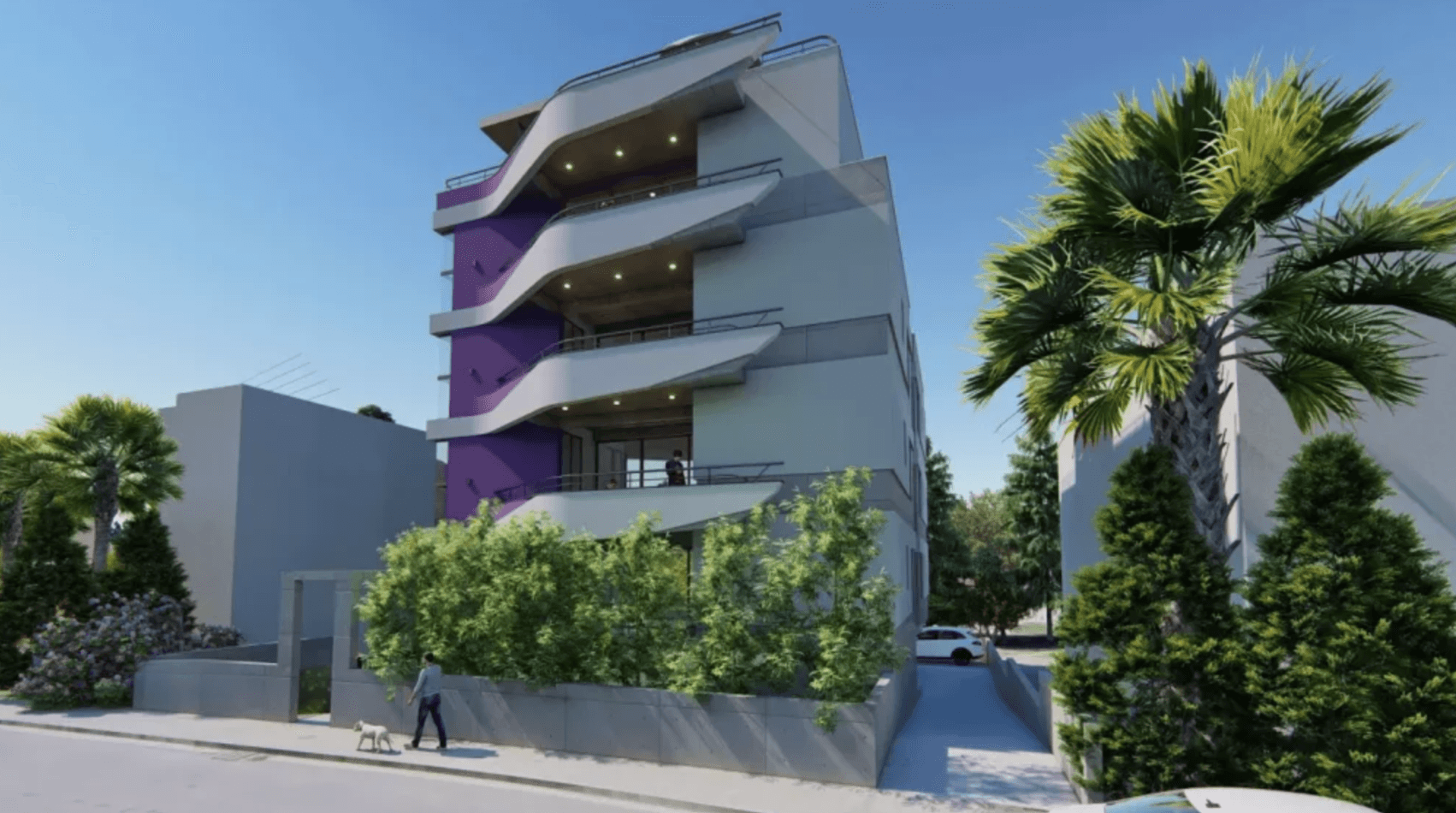

Chypre, Limassol
1 300 000 € — 2 200 000 €
Modern apartments with bright elements, Agios Athanasios, Limassol
 96 m² — 585 m²
 1—6
1—6  1—6
1—6 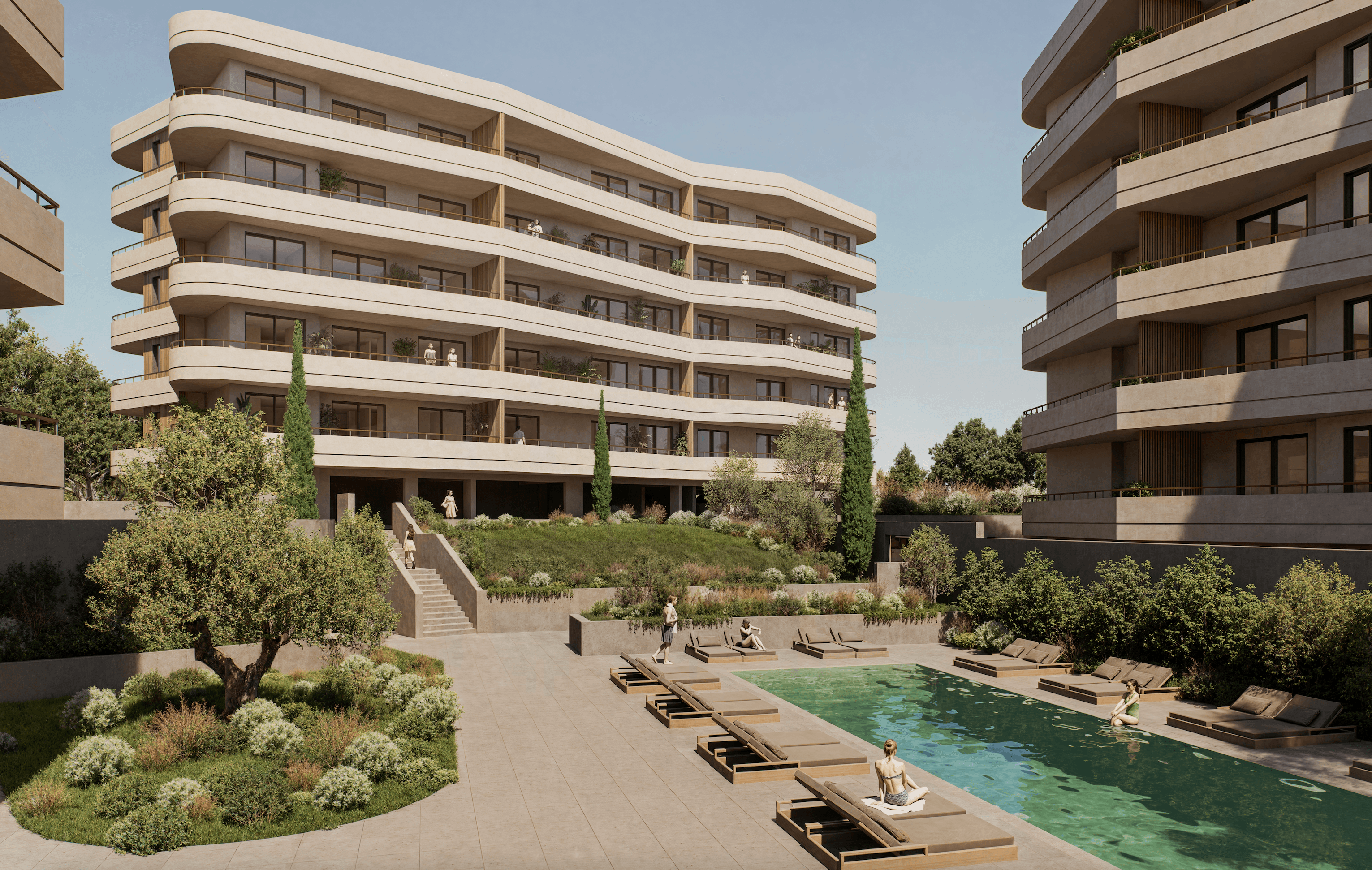
Chypre, Limassol
179 000 € — 508 000 €
Elegant and stylish apartments, Germasogeia, Limassol
49 m² — 145 m²1—4 1—4 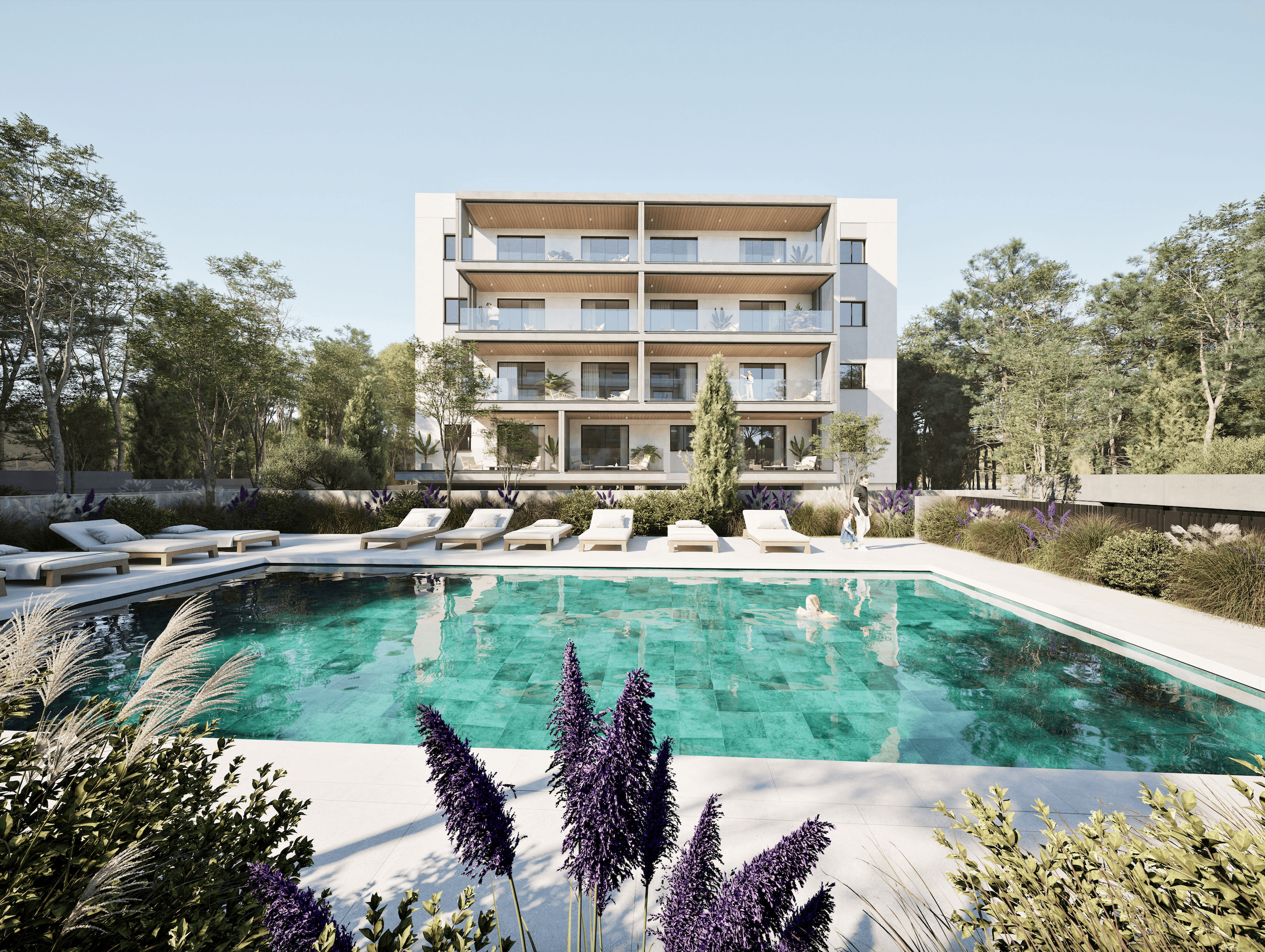
Chypre, Limassol
280 000 € — 730 000 €
Comfortable apartments with pool, Agios Athanasios, Limassol
80 m² — 198 m²1—4 1—4 Coût de la résidence permanente à Chypre pour les investisseurs
Chypre offre quatre moyens d’obtenir la résidence permanente par investissement, décrits ci-dessus. Le montant minimum est de 300 000 €, que le demandeur dépose sa demande seul ou avec son conjoint et ses enfants mineurs. Une famille plus nombreuse augmente le revenu annuel exigé de 15 000 € pour un conjoint et de 10 000 € pour chaque enfant mineur.
En plus des 300 000 €, le demandeur s’acquitte des frais gouvernementaux, des taxes et des coûts annexes.
Le tableau ci-dessous indique les coûts principaux et supplémentaires pour un demandeur seul.
Coûts par option d’investissement
Les actions de sociétés et les parts de fonds d’investissement représentent l’option la moins coûteuse : elles ne sont pas soumises à la TVA, ce qui fait que le demandeur paie au total environ 308 000 €. L’immobilier neuf coûte de 15 000 à 57 000 € de plus en raison de la TVA. Cependant, l’immobilier peut générer des revenus locatifs qui amortissent cette différence avec le temps. Avec les actions et les parts de fonds, les rendements dépendent des performances de l’entreprise ou du fonds.
Le rendement locatif brut moyen d’un appartement à Chypre est de 5,14 % par an. Le rendement net, après impôts, entretien et vacances locatives, est généralement inférieur de 1,5 à 2 points de pourcentage[16]Source : Global Property Guide — Rendements locatifs bruts à Chypre, septembre 2026.
Les loyers varient d’une ville à l’autre. Un appartement de 3 chambres se loue environ 2 600 € par mois à Limassol, 1 900 € à Paphos et 1 250 € à Nicosie. Un budget de 300 000 € permet toutefois d’acquérir un bien plus petit à Limassol. Un appartement d’une chambre y coûte environ 275 000 € et se loue environ 1 450 € par mois, soit un rendement brut de 6,33 %.
Par exemple, avec un rendement net de 3 à 3,5 %, un bien de 300 000 € rapporte entre 9 000 et 10 500 € par an. À ce rythme, les 57 000 € payés au titre de la TVA à 19 % sont rentabilisés en 5 à 6 ans environ.

Obtenez votre estimation personnalisée des coûts pour la résidence permanente de Chypre
Documents requis pour obtenir la résidence permanente à Chypre par investissement
Tous les documents doivent être officiellement traduits et certifiés. Les demandes peuvent être déposées en personne au département de la migration à Nicosie ou par l’intermédiaire d’un représentant autorisé. Les juristes d’Immigrant Invest préparent l’ensemble du dossier : ils s’occupent des traductions et des certifications, remplissent les formulaires et rédigent les déclarations sous serment.
Liste de contrôle des documents
État de préparation des documents
0/12
Prémices. La plupart des documents clés sont manquants. Le Département de la migration n’accepte que les dossiers complets.
Pour un bien immobilier — un titre de propriété ou un contrat de vente enregistré auprès du département du cadastre et de l’arpentage ; pour des actions de société — un contrat d’achat d’actions, un certificat d’actionnaires, un certificat d’immatriculation et les relevés de la sécurité sociale concernant le personnel ; pour des parts de fonds — un justificatif de propriété des parts et une confirmation de la CySEC
Un titre de propriété, un contrat de vente ou un contrat de location
Délivrés par le pays d’origine et le pays de résidence
Obtenez une liste personnalisée de documents pour votre dossier et soumettez la demande sans pièces manquantes
Comment obtenir la résidence permanente à Chypre par investissement
La quasi-totalité de la procédure peut être effectuée à distance. Le demandeur et les membres de sa famille se rendent à Chypre uniquement pour enregistrer leurs données biométriques.
D’après l’expérience d’Immigrant Invest, l’obtention de la résidence permanente prend 9 mois ou plus.
1 jour
Vérification diligente préliminaire
Le responsable de la lutte contre le blanchiment d’argent d’Immigrant Invest vérifie le profil et les documents du demandeur. Cet examen permet d’identifier tout élément risquant d’entraîner un refus, comme des lacunes dans les justificatifs de revenus ou l’origine des fonds. La vérification est strictement confidentielle.
Si la vérification diligente est concluante, Immigrant Invest établit un contrat de prestation de services pour vous accompagner dans la suite des démarches.
Le responsable de la lutte contre le blanchiment d’argent d’Immigrant Invest vérifie le profil et les documents du demandeur. Cet examen permet d’identifier tout élément risquant d’entraîner un refus, comme des lacunes dans les justificatifs de revenus ou l’origine des fonds. La vérification est strictement confidentielle.
Si la vérification diligente est concluante, Immigrant Invest établit un contrat de prestation de services pour vous accompagner dans la suite des démarches.
À partir de 2 semaines
Préparation des documents
Immigrant Invest rassemble les pièces requises pour la demande. Le département de la migration exige des traductions et certifications officielles, que les juristes prennent entièrement en charge.
Immigrant Invest rassemble les pièces requises pour la demande. Le département de la migration exige des traductions et certifications officielles, que les juristes prennent entièrement en charge.
À partir de 1 mois
Achat de l’actif
Le demandeur choisit l’une des quatre options : un logement neuf, un bien commercial, des actions d’une société chypriote ou des parts d’un fonds d’investissement chypriote. Les 300 000 € doivent être transférés depuis l’étranger, depuis le compte du demandeur ou de son conjoint.
Pour un bien immobilier, au moins 300 000 € hors TVA doivent avoir été versés au vendeur au moment du dépôt de la demande, même si le bien n’est pas encore achevé. Le contrat de vente est enregistré et déposé auprès du département du cadastre et de l’arpentage.
Immigrant Invest vous aide à sélectionner le bien, vérifie le contrat de vente et vous accompagne lors de l’achat.
Le demandeur choisit l’une des quatre options : un logement neuf, un bien commercial, des actions d’une société chypriote ou des parts d’un fonds d’investissement chypriote. Les 300 000 € doivent être transférés depuis l’étranger, depuis le compte du demandeur ou de son conjoint.
Pour un bien immobilier, au moins 300 000 € hors TVA doivent avoir été versés au vendeur au moment du dépôt de la demande, même si le bien n’est pas encore achevé. Le contrat de vente est enregistré et déposé auprès du département du cadastre et de l’arpentage.
Immigrant Invest vous aide à sélectionner le bien, vérifie le contrat de vente et vous accompagne lors de l’achat.
3 à 6 mois
Soumission et examen de la demande
Les juristes d’Immigrant Invest soumettent la demande au département de la migration en tant que représentants autorisés.
Les frais s’élèvent à 500 € par demande, ce qui couvre le demandeur, son conjoint et ses enfants de moins de 18 ans. Chaque enfant âgé de 18 à 25 ans qui étudie à l’étranger dépose une demande distincte moyennant 500 € supplémentaires. Un certificat d’enregistrement des étrangers coûte 70 € par personne.
Le département de la migration vérifie le dossier et le transmet au sous-ministre de la Migration et de la Protection internationale, qui prend la décision. Officiellement, l’examen prend environ 2 mois à compter du dépôt d’une demande complète. Dans la pratique, l’ensemble de cette étape dure de 3 à 6 mois.
Les juristes d’Immigrant Invest soumettent la demande au département de la migration en tant que représentants autorisés.
Les frais s’élèvent à 500 € par demande, ce qui couvre le demandeur, son conjoint et ses enfants de moins de 18 ans. Chaque enfant âgé de 18 à 25 ans qui étudie à l’étranger dépose une demande distincte moyennant 500 € supplémentaires. Un certificat d’enregistrement des étrangers coûte 70 € par personne.
Le département de la migration vérifie le dossier et le transmet au sous-ministre de la Migration et de la Protection internationale, qui prend la décision. Officiellement, l’examen prend environ 2 mois à compter du dépôt d’une demande complète. Dans la pratique, l’ensemble de cette étape dure de 3 à 6 mois.
1 jour
Enregistrement des données biométriques
Après approbation, le demandeur et chaque membre de la famille figurant sur la demande se rendent à Chypre pour la prise de photo et le relevé de leurs empreintes digitales. Pour les enfants de moins de 6 ans, seule une photo est nécessaire.
Immigrant Invest réserve les rendez-vous à l’avance et vous aide à obtenir un visa pour le voyage si nécessaire.
Après approbation, le demandeur et chaque membre de la famille figurant sur la demande se rendent à Chypre pour la prise de photo et le relevé de leurs empreintes digitales. Pour les enfants de moins de 6 ans, seule une photo est nécessaire.
Immigrant Invest réserve les rendez-vous à l’avance et vous aide à obtenir un visa pour le voyage si nécessaire.
Jusqu’à 1,5 mois
Réception des cartes
Les cartes de séjour permanent sont prêtes environ 40 jours après l’enregistrement des données biométriques. Le Département de la migration envoie une lettre expliquant comment les retirer.
Les cartes de séjour permanent sont prêtes environ 40 jours après l’enregistrement des données biométriques. Le Département de la migration envoie une lettre expliquant comment les retirer.
Risques liés à la résidence permanente à Chypre
La résidence permanente n’a pas de date d’expiration, mais elle n’est pas inconditionnelle. Certains risques s’appliquent à chaque voie.
Perte du statut en raison d’une absence
Chaque voie de résidence comporte sa propre limite quant au temps passé hors de Chypre :
- le permis d’immigration (Immigration Permit), qu’il soit obtenu par investissement ou au titre des catégories A à F, est annulé après 2 ans passés hors de Chypre, ou si le titulaire obtient la résidence permanente dans un autre pays ;
- le statut de résident de longue durée peut être retiré après 12 mois consécutifs passés hors de l’UE ou 6 ans passés hors de Chypre. Il est également perdu si le titulaire obtient le statut de résident de longue durée dans un autre pays de l’UE ;
- les membres de la famille de citoyens chypriotes ne peuvent revenir à Chypre sous couvert de leur permis que s’ils n’ont pas été absents pendant plus de 3 mois.
Perte du permis en cas de vente de l’actif
L’actif de 300 000 € doit être conservé aussi longtemps que la famille souhaite maintenir sa résidence permanente. Si le titulaire le vend sans acheter immédiatement un bien de remplacement de valeur égale ou supérieure répondant également aux règles, le permis est annulé. Les permis de séjour du conjoint et des enfants sont annulés simultanément.
Chaque année, le titulaire doit prouver qu’il est toujours propriétaire de l’actif et que la famille dispose d’une assurance maladie, sauf si elle est couverte par le système GESY. Tous les 3 ans, les membres adultes de la famille doivent fournir un nouveau certificat de casier judiciaire vierge. Le non-respect de ces vérifications entraîne également l’annulation.
Risques liés à chaque type d’actif
Chaque option d’investissement peut comporter des inconvénients.
Logements neufs. Les demandeurs achètent souvent sur plan : au moment de la demande, au moins 300 000 € hors TVA doivent être payés, même si la construction n’est pas achevée. En cas de retard du promoteur, la famille a payé pour un logement dans lequel elle ne peut pas encore emménager.
Un bien acheté au taux réduit de TVA de 5 % doit servir de résidence principale à l’acheteur pendant 10 ans et ne peut donc pas être mis en location.
Biens immobiliers commerciaux. Les revenus dépendent de la recherche et de la rétention de locataires. Les biens de revente entraînent également des frais de transfert de 3 à 8 % de la valeur marchande, réduits de 50 %.
Parts sociales d’entreprises. L’entreprise doit conserver un bureau à Chypre et employer au moins 5 personnes. Si l’entreprise fait faillite ou réduit ses effectifs, l’actif risque de ne plus respecter les conditions requises.
Parts de fonds d’investissement. La valeur du fonds peut fluctuer en fonction du marché. Le fonds doit conserver ses actifs à Chypre et être enregistré auprès de la CySEC, le régulateur chypriote des marchés financiers.
Limites du statut
Un permis de séjour permanent à Chypre donne le droit de vivre à Chypre, mais pas dans les autres pays de l’UE. Seuls les résidents de longue durée dans l’UE peuvent s’installer dans un autre pays de l’UE pour y travailler, y étudier ou s’y établir, et seulement s’ils disposent de revenus suffisants et d’une assurance maladie.
Chypre n’est pas encore membre à part entière de l’espace Schengen ; la carte de séjour ne remplace donc pas un visa Schengen.
Le droit de travailler dépend également de la voie choisie. Les résidents de longue durée et les membres de la famille de citoyens chypriotes peuvent exercer n’importe quel emploi. La catégorie E est liée à un emploi permanent, et les catégories A à D à un travail indépendant. Les titulaires de la catégorie F vivent de revenus provenant de l’étranger, et les titulaires de la voie d’investissement ne peuvent pas travailler à Chypre, sauf en qualité de directeurs de la société dans laquelle ils ont investi.
Évolution des règles
Chypre révise régulièrement ses règles d’immigration. Les conditions proposées aujourd’hui pourraient donc ne plus l’être demain.
Par exemple, en 2023, Chypre a renforcé les exigences applicables à la voie par investissement[18]Source : Département de la migration de Chypre — Permis d’immigration pour investisseurs et a modifié les règles de naturalisation : la condition de résidence est désormais de 7 ans sur 10, plus 12 mois consécutifs juste avant la demande, avec un niveau B1 en grec requis[27]Source : Ministère de l’Intérieur de Chypre — Acquisition de la citoyenneté chypriote par naturalisation.
En 2020, Chypre a mis fin à son programme de citoyenneté par investissement.
Fluctuations des délais de traitement
Officiellement, le Département de la migration examine un dossier complet en 2 mois environ. En pratique, la phase allant du dépôt à l’acceptation dure de 3 à 6 mois, et l’ensemble de la procédure, y compris l’achat et l’enregistrement biométrique, prend 9 mois ou plus.
Le Département n’accepte pas les demandes incomplètes, et tout document manquant rallonge les délais de plusieurs semaines.
Comment Immigrant Invest peut vous accompagner
Immigrant Invest accompagne les demandeurs à chaque étape de la procédure, du premier contrôle des antécédents jusqu’au retrait des cartes de séjour permanent. Presque toutes les démarches s’effectuent à distance : le demandeur et les membres de sa famille voyageant à Chypre uniquement pour la collecte des données biométriques.
Vérification des antécédents avant tout versement. Le responsable de la lutte contre le blanchiment d’argent d’Immigrant Invest réalise une vérification diligente préliminaire. Celle-ci prend une journée et permet d'identifier tout facteur dans le profil du demandeur susceptible de conduire à un refus. Cet examen est strictement confidentiel. Le contrat de prestation de services n’est signé qu’après la réussite de cette vérification.
Choix de la voie d’accès et de l’actif. Les juristes comparent les différentes voies vers la résidence permanente au regard des projets de la famille : souhait de travailler à Chypre, de se déplacer dans l’UE ou de solliciter ultérieurement la citoyenneté.
Pour la voie de l’investissement, Immigrant Invest vous aide à choisir entre un logement neuf, un bien commercial, des actions de société ou des parts de fonds, et calcule le coût global, incluant la TVA, les droits de mutation et les frais gouvernementaux.
Achat du bien immobilier. Immigrant Invest vous assiste dans la sélection du bien, vérifie le contrat de vente et vous accompagne dans l’acquisition jusqu’à l’enregistrement du contrat auprès du département du cadastre et de l’arpentage.
Gestion des documents. Les juristes préparent une liste personnalisée de pièces pour la famille, organisent les traductions et certifications officielles et rédigent les déclarations sous serment. Le dossier finalisé est transmis à l'agent d’Immigrant Invest à Chypre afin d’être complet le jour de son dépôt.
Dépôt du dossier et suivi. Les juristes d’Immigrant Invest soumettent la demande au département de la migration en qualité de représentants autorisés et en assurent le suivi. Après acceptation, ils réservent les rendez-vous pour la collecte des données biométriques et aident la famille à obtenir ses visas de voyage si besoin.
Accompagnement post-approbation. Immigrant Invest rappelle aux titulaires l’obligation d’apporter la preuve annuelle de la détention de l’actif et de la couverture médicale, ainsi que le renouvellement des certificats de casier judiciaire tous les 3 ans pour les membres adultes de la famille.
Points clés à retenir sur la résidence permanente à Chypre
- La résidence permanente à Chypre n’a pas de limite de durée et le régime fiscal est favorable aux revenus de source étrangère. Les résidents permanents disposent d’une voie vers la citoyenneté chypriote et, avec elle, vers l’ensemble des droits accordés par l’UE.
- Il existe six voies pour obtenir la résidence de longue durée à Chypre : l’investissement, l’emploi au titre des catégories A à F, la résidence de longue durée d’au moins 5 ans, le statut de membre de la famille d’un citoyen chypriote ou de l’UE, ou la qualité de citoyen britannique.
- La voie de l’investissement est l’un des moyens les plus rapides d’obtenir la résidence permanente à Chypre. Le demandeur place au moins 300 000 € et justifie d’un revenu annuel d’au moins 50 000 €.
- Le permis obtenu par investissement couvre l’ensemble de la famille : le conjoint et les enfants de moins de 18 ans. Les enfants âgés de 18 à 25 ans qui poursuivent des études à l’étranger déposent des demandes séparées.
- La procédure d’obtention de la résidence permanente à Chypre par investissement comporte six étapes et s’étend sur 9 mois et plus. Immigrant Invest accompagne les demandeurs à chaque étape.
Immigrant Invest est un agent agréé pour les programmes de citoyenneté et de résidence par investissement dans l’UE, les Caraïbes, l’Asie et le Moyen-Orient. Profitez de notre expertise internationale de 15 ans — prenez rendez-vous avec nos experts en programmes d’investissement.

 Plus de 10 000 investisseurs nous font confiance