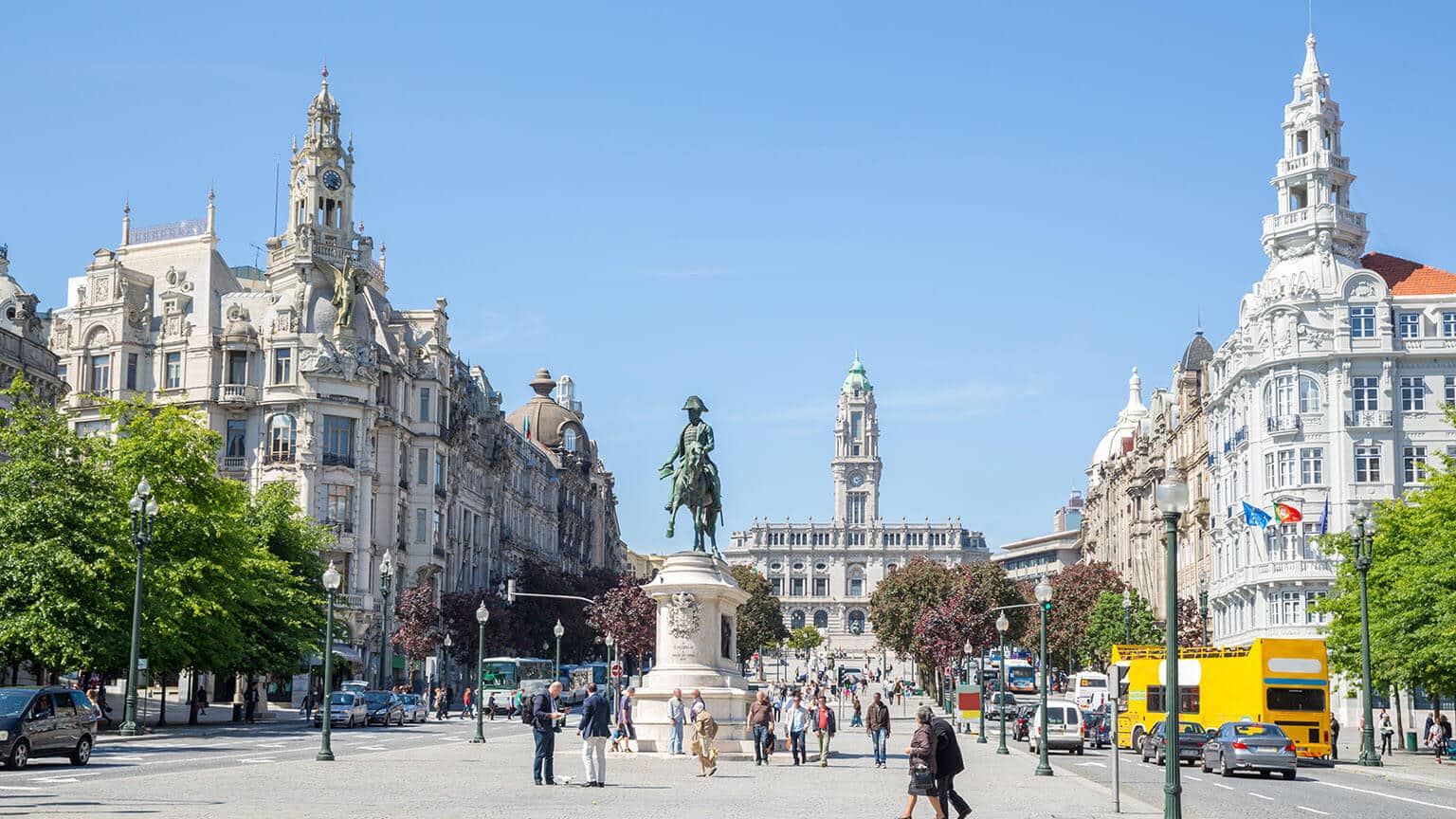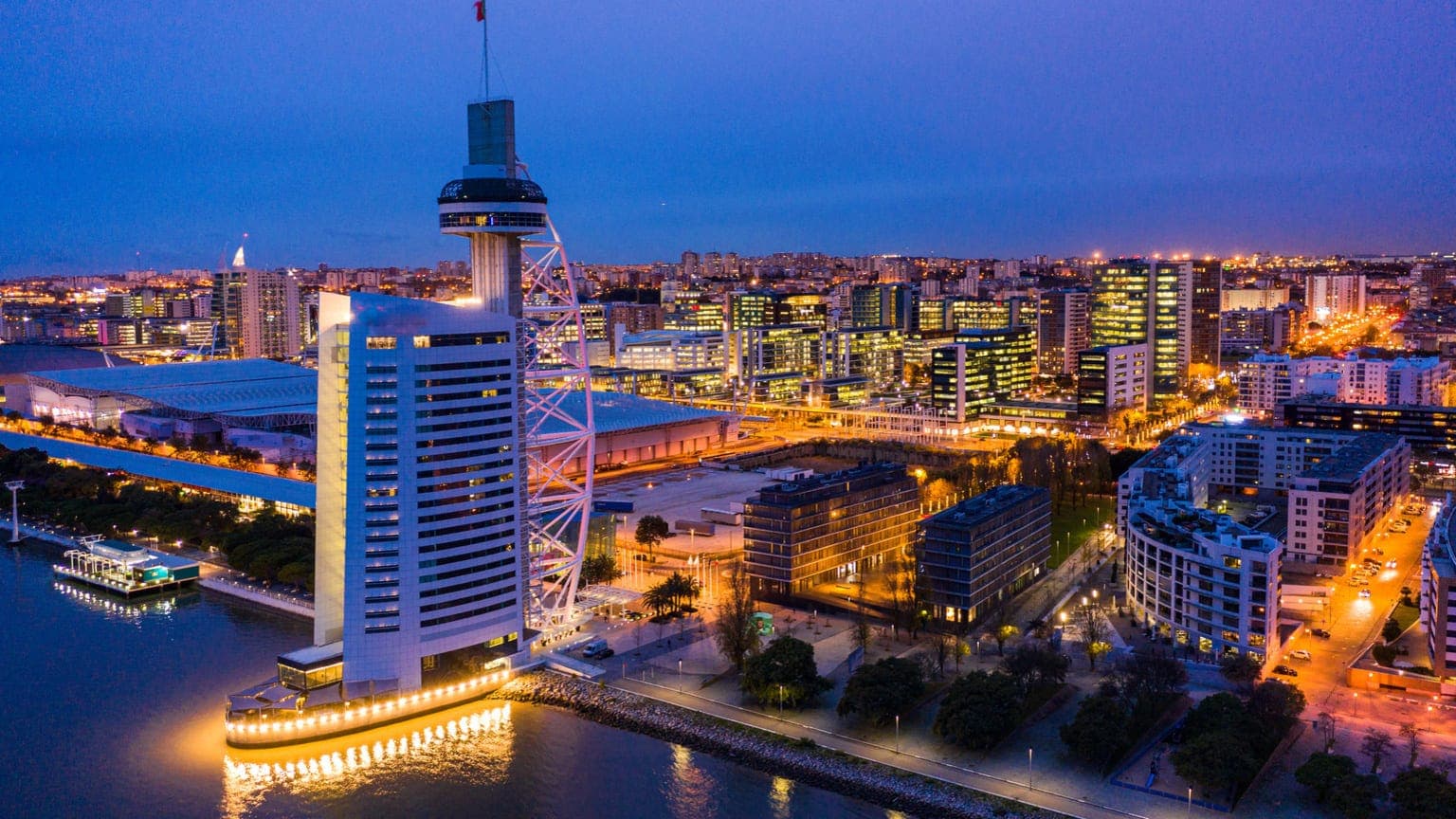










The Portugal Golden Visa was launched in 2012. It provides a pathway to residence — and eventually citizenship — for non-EU investors, including Australian citizens.
The Golden Visa offers various investment options, from supporting cultural heritage to business ventures. The minimum investment is €250,000.
This guide explains how Australians can qualify for and benefit from the Golden Visa in Portugal.
What is the Portugal Golden Visa?
The Portugal Golden Visa allows non-EU citizens to obtain Portuguese residence by investment[1]Source: AIMA — Portugal Residence Permit for Investment Activity (ARI): requirements, investment options and stay rules. Between 2012 and 2023, the programme has awarded over 32,000 Golden Visas to investors and their families.
The minimum investment required to apply for residence is €250,000, which must be contributed to support Portugal’s arts and cultural heritage. If the investment is made in a qualifying low-density area, the required amount can be reduced by 20%.
Other qualifying options include investing at least €500,000 in fund units, local businesses, or research, as well as opening a company and creating at least 10 jobs.
The residence permit is valid for 2 years and can be renewed indefinitely. To maintain residence, investors and their family members must spend at least 7 days each year in Portugal.

Trusted by 10,000+ investors
Check your eligibility for the Portugal Golden Visa
9 benefits of the Portugal Golden Visa for Australians
The Portugal Golden Visa is most useful to Australians who want to establish their presence in the EU without committing to full-time relocation. It can serve both as a route for moving to Portugal and as a long-term residence solution for investors who continue to live primarily elsewhere.
1. Stay in Portugal beyond 90 days
Australian citizens can only spend 90 days in Portugal in a 180-day period without a visa. Time spent in other Schengen countries counts towards the same 90-day limit, so travelling elsewhere in the Area reduces the number of visa-free days available for staying in Portugal. The Golden Visa allows them to stay in the country indefinitely as long as their residence permit is valid.
2. Easy travel across Europe
Living in Portugal makes European travel much more convenient compared to flying from Australia. From Portugal, the whole continent is accessible in five hours by plane. Major cities, like Rome and Paris, can be reached in three hours or less.
3. Low stay requirement
Golden Visa holders are not required to reside in Portugal full-time. They need to spend only 7 days per year in the country to maintain residence and renew their permits every two years.
After 5 years of maintaining the Golden Visa residence permit, applicants may become eligible for permanent residence.
4. Residence permits for family members
The investor can include a spouse, children under 26, and parents in the application, allowing the entire family to relocate to Portugal.
Family members receive their own Portuguese residence permits and can live, study and, where permitted under their status, work in Portugal.
5. Pathway to permanent residence and citizenship in the EU
The Golden Visa offers a route to permanent residence and Portuguese citizenship without requiring investors to move to Portugal full-time.
To maintain the permit and become eligible for permanent residence in 5 years, investors need to spend at least 7 days a year in the country. Australians need at least 10 years of legal residence before applying for Portuguese citizenship, together with the other statutory requirements for naturalisation.
Once Portuguese citizenship is obtained, the person becomes an EU citizen and has the right to live, work, and study across the EU. For an Australian, this can provide access to employment and business opportunities across the Union.
Portugal recognises dual citizenship, so Australians can keep their original citizenship.
6. Moving to a country with a more affordable cost of living
Portugal offers an overall lower cost of living than Australia. A family of four would spend around €2,555 per month in Portugal, excluding rent[2]Source:Numbeo — Cost of Living in Portugal. This is approximately 31% less than in Australia, where estimated monthly expenses are about €3,725[3]Source: Numbeo — Cost of Living in Australia.
Housing is also more affordable. Rent for a three-bedroom apartment in Portugal averages around €1,550 per month, about 29% less than in Australia.
7. Access to European healthcare and education
Residents can receive medical care at Portuguese clinics and travel to other Schengen countries for short-term treatment. The European Health Insurance Card provides access to state-provided healthcare across the EU on the same terms as locals.
Portugal has many international schools for English-speaking children, particularly in Lisbon and Porto. Portuguese university diplomas are widely recognised in Europe due to the Bologna Declaration, unlike many Australian qualifications.
8. Work or business in Europe
Golden Visa holders can seek employment in Portugal or establish a company. For entrepreneurs, Portugal can also serve as a practical base for entering the EU market, building partnerships with European companies, and expanding business operations across the region.
9. Citizenship for newborn children
A child born in Portugal to foreign parents may acquire Portuguese nationality by origin if, at the time of birth, at least one parent has been legally resident in Portugal for at least five years. The child’s legal representative, normally a parent or guardian, must make a declaration that the child wishes to be Portuguese on the child’s behalf.

Having about 850 km of the ocean coast, Portugal boasts major surfing spots like Carcavelos, Ericeira, Peniche near Lisbon
How can an Australian citizen qualify for the Portugal Golden Visa?
Portugal Golden Visa applications are open to non-EU and EEA citizens, making Australian nationals eligible if they meet the following requirements:
-
be over 18;
-
have no criminal record;
-
prove a legal source of income outside Portugal;
-
have no debts in Portugal;
-
hold health insurance.
Investors can include the following family members in their application:
-
a spouse, either in a registered marriage or an unregistered partnership;
-
unmarried children under 26 who are financially dependent on the investor and either registered at the same address or studying at a school or university;
-
parents of the investor and their spouse, provided they are financially dependent on the main applicant.

Investment options for Australians to obtain Portugal residence by investment
The Portugal Golden Visa for Australians offers several ways, allowing applicants to choose an option that matches their financial goals and preferred level of involvement.
The right choice depends on factors such as available capital, investment horizon, risk tolerance, and whether the applicant wants to take an active role in a Portuguese business.
Investment fund units — €500,000+
Investors can qualify with a contribution to a Portuguese investment fund of at least €500,000, which allocates capital to Portuguese companies, industrial facilities, or the European stock market[4]Source: CMVM — Investment funds: what investors need to know.
The investment must be held for a minimum of five years, though returns are typically distributed within 6—10 years. Profits are shared among investors after deducting a commission.
Compared to Greece and Hungary, Portugal offers greater diversity in fund strategies. Options range from renewable energy, agriculture, hospitality, and data centres to more specialised areas like football management, tech innovation, and Bitcoin mining.
Trusted by 10,000+ investors
Quick guide to Portugal Golden Visa investment funds
Supporting arts and restoring cultural heritage — €250,000+
Investors can make a contribution of at least €250,000 to the restoration of national heritage sites or to support cultural activities. Often in partnership with government-approved programmes or local heritage organisations, this pathway suits investors interested in cultural contributions.
If the cultural investment is made in a qualifying low-density territory, the minimum amount is reduced by 20%. Portugal classifies such territories based on criteria including population density and GDP per capita. This reduction applies to the location where the investment activity is carried out and brings the investment threshold down to €200,000.

Pedro Barata,
Head of Portuguese office
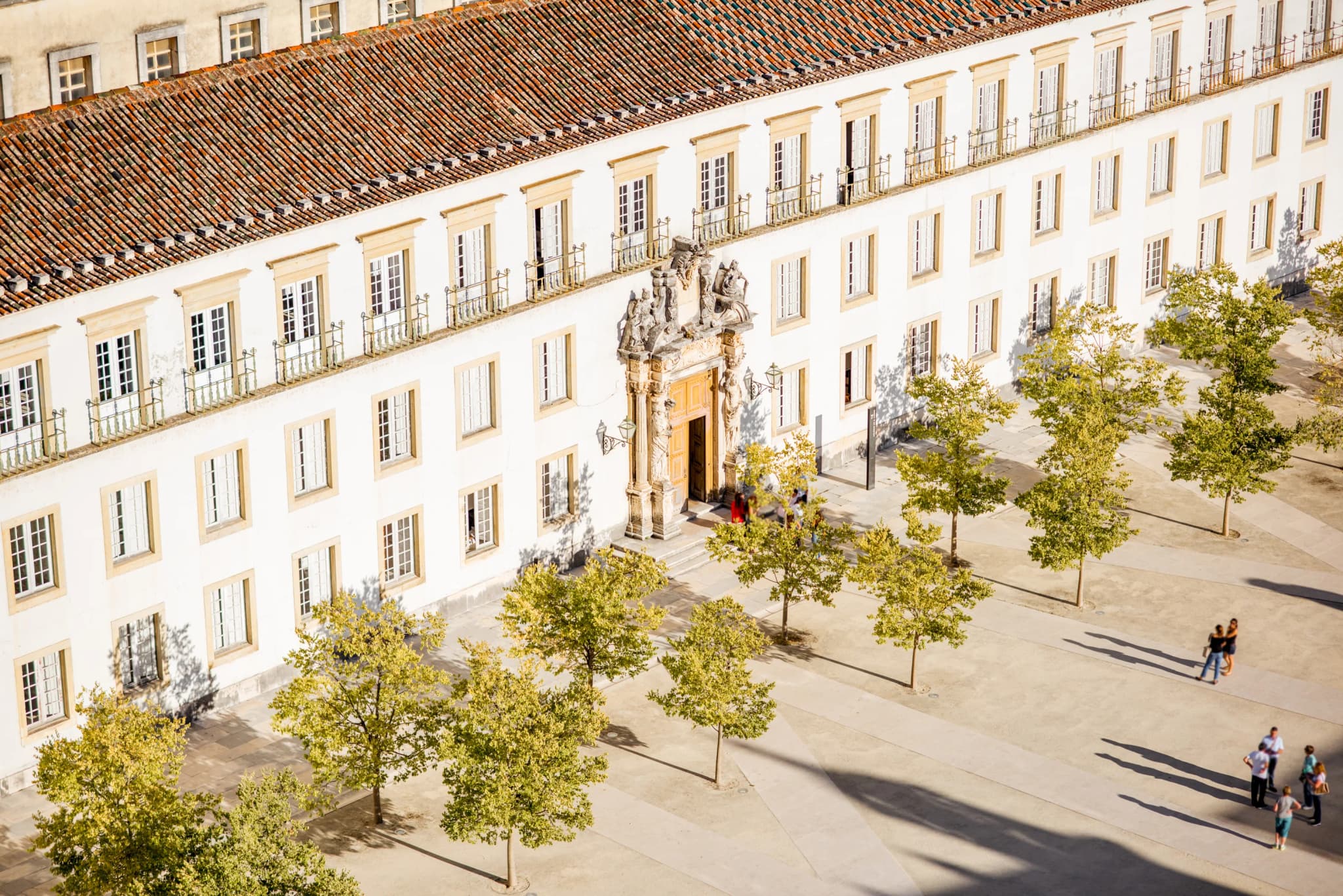
As an alternative, Australians interested in culture can opt for the D3 Global Talent Programme. It is structured around a hosting agreement with a recognised institution; current partners include Coimbra, Évora, Algarve, Beira Interior, ISTEC, and NOVA Medical School. Participation costs €170,000.
Investments in research activities — €500,000+
A €500,000 investment in Portugal’s scientific or technological research qualifies for the Golden Visa. This option attracts investors interested in supporting innovation in sectors like healthcare, technology, and environmental science.
Business investments
Investors can gain residence by investing €500,000 or more in an existing Portuguese company and creating at least five jobs. This route supports economic development and appeals to entrepreneurs looking to impact the local economy directly.
Opening a company
Establishing a new business in Portugal that creates at least 10 local jobs also qualifies. This option has no minimum investment threshold. It is suitable for entrepreneurs aiming to be actively involved in the Portuguese market and contribute to employment growth.
Additional costs of obtaining a Portugal Golden Visa
Costs applicable to all applicants include:
- €632.10 for online Golden Visa application acceptance;
- €6,314.20 for issuing the initial residence permit per applicant;
- €3,157.80 for each residence permit renewal, plus the applicable renewal-processing fee;
- legal support and application preparation;
- certified translations, apostilles, and criminal record certificates;
- health insurance and banking charges.
Family members generally incur their own government and document-preparation fees.
Investment-specific costs depend on the chosen route. For example, fund investors may pay a subscription of up to 7.5%.
These costs come on top of the investment itself, so the total Golden Visa budget is always higher than the €250,000 or €500,000 threshold.
Documents required for the Portugal Golden Visa application for Australians
An investor from Australia must provide a package of documents when applying for the Portugal Golden Visa, including the following:
- a copy of a passport;
- a birth certificate;
- a marriage certificate, if applicable;
- a tax identification number from the country of residence;
- proof of no criminal record;
- a document authorising AIMA to access criminal records in Portugal;
- proof of the investment;
- evidence of proper tax filing;
- evidence of an international and effective transfer of funds for investing;
- health insurance.
Australian civil-status and police documents may need an Apostille issued by the Australian Department of Foreign Affairs and Trade before they are submitted in Portugal.
Authorities also require foreign documents to comply with the applicable translation and certification rules. Documents issued in English may in some cases be accepted without translation if the competent Portuguese official understands English, but applicants are commonly advised to prepare certified Portuguese translations where required.
Applying for the Portugal Golden Visa from Australia: a step-by-step process
According to the experience of the Immigrant Invest, obtaining the Portugal Golden Visa takes at least 12 months.
Lawyers guide applicants through each stage, with most steps not requiring travel to Portugal.
1 day
Preliminary Due Diligence
Immigrant Invest’s certified Compliance Anti-Money Laundering Officer checks the investor’s background through international databases.
The procedure is mandatory and confidential. It helps to decrease the refusal risk to 1%. The potential applicant only needs to submit a passport at this stage.
Immigrant Invest’s certified Compliance Anti-Money Laundering Officer checks the investor’s background through international databases.
The procedure is mandatory and confidential. It helps to decrease the refusal risk to 1%. The potential applicant only needs to submit a passport at this stage.
1—2 weeks
Obtaining a Portuguese tax number
To be able to open a bank account in Portugal, a foreigner must receive a unique nine-digit number, Número de Identificação Fiscal, NIF.
Immigrant Invest assists in obtaining the NIF remotely.
To be able to open a bank account in Portugal, a foreigner must receive a unique nine-digit number, Número de Identificação Fiscal, NIF.
Immigrant Invest assists in obtaining the NIF remotely.
1—1.5 months
Opening an account in a Portuguese bank
Investment funds for the Golden Visa must come from the applicant’s Portuguese bank account. Immigrant Invest helps with document collection and account activation, after which the investor transfers the required money.
Investment funds for the Golden Visa must come from the applicant’s Portuguese bank account. Immigrant Invest helps with document collection and account activation, after which the investor transfers the required money.
2—3 weeks
Fulfiling the investment condition
The applicant completes their chosen investment. Lawyers then gather and prepare the documents confirming the investment for submission.
The applicant completes their chosen investment. Lawyers then gather and prepare the documents confirming the investment for submission.
4—5 months
Submitting application
Immigrant Invest lawyers provide the investor with the list of all the documents required to apply for a residence permit. They also fill out government forms and help notarise documents and arrange translations.
Electronic copies are submitted to Portugal’s Agency for Integration, Migrations and Asylum, AIMA.
Immigrant Invest lawyers provide the investor with the list of all the documents required to apply for a residence permit. They also fill out government forms and help notarise documents and arrange translations.
Electronic copies are submitted to Portugal’s Agency for Integration, Migrations and Asylum, AIMA.
1—2 weeks
Submitting original documents and biometrics
The investor and their family travel to Portugal to submit original documents and fingerprints for residence permits. Appointments are booked online in advance.
The investor and their family travel to Portugal to submit original documents and fingerprints for residence permits. Appointments are booked online in advance.
6—8 months
Application processing
AIMA conducts Due Diligence, verifying the applicant’s documents against international criminal and financial databases.
AIMA conducts Due Diligence, verifying the applicant’s documents against international criminal and financial databases.
2 weeks
Issuance of residence permit cards
Upon approval, the investor pays the issuance fee. The residence permit cards are then issued to the investor or their lawyer, who forwards the cards to the investor.
Upon approval, the investor pays the issuance fee. The residence permit cards are then issued to the investor or their lawyer, who forwards the cards to the investor.
Every 2 years
Renewing residence permit
Residence permits must be renewed every two years. To maintain residence, the investor and family must spend at least 7 days per year in Portugal. Renewal involves the same steps as the initial application, including document submission and fingerprinting, but no new investment is required.
Residence permits must be renewed every two years. To maintain residence, the investor and family must spend at least 7 days per year in Portugal. Renewal involves the same steps as the initial application, including document submission and fingerprinting, but no new investment is required.
Life in Portugal for Australian citizens: an overview
Moving from Australia to Portugal involves more than adjusting to a different immigration system. The countries differ substantially in scale, urban density, and transport habits, while Portugal's location also makes neighbouring European countries much easier to reach.
Climate
Portugal has a mild Mediterranean climate with hot, dry summers and cool, rainy winters. The Algarve in the south enjoys warmer temperatures year-round, while northern regions like Porto are cooler and wetter. Winter temperatures in the coldest regions are +5…14°C.
For Australians, the climate can feel familiar, especially in southern Portugal. The Algarve is broadly comparable to parts of southern and south-western Australia, with dry summers and mild winters, while northern Portugal is noticeably cooler and wetter than most major Australian cities. Compared with inland Australia, Portugal also has fewer extreme temperature swings and generally milder summer heat.
Transport
Portugal’s public transport system is efficient, featuring extensive train, bus, and tram networks, especially in cities like Lisbon and Porto. The country also has a modern road network, and domestic flights are affordable. For exploring rural or coastal areas, renting a car or using a personal vehicle is advisable.
Culture
Portuguese culture is rich in warm hospitality, traditional fado music, and world-renowned cuisine and wines, with a strong emphasis on family and community.
Sports, especially soccer, are highly popular, while surfing and other water sports are enjoyed along the coast.
Languages
In 2023, Portugal was ranked 8th in the world for English proficiency among non-native speakers by the EF English Proficiency Index. Around 27% of the Portuguese population speaks the language, particularly younger residents in urban areas. For Australians, this means that everyday communication is generally manageable without fluent Portuguese, especially in Lisbon, Porto, the Algarve, and other areas popular with international residents.
Learning Portuguese, however, is beneficial for daily life, especially in smaller towns. Individuals aged 16 or over whose native language is not Portuguese can take free Portuguese Host Language courses, sponsored by the government. The participants can acquire certification from A1 to B2 levels.
Education
Australian expats in Portugal have access to public, private, and international schools. Public education is free and generally of good quality, though taught primarily in Portuguese. Many expat families choose private international schools in Lisbon and Porto, where instruction is in English.
Portuguese universities are affordable and increasingly offer English-language programmes.
Healthcare
Portugal’s healthcare system is of high quality, offering both public and private care options.
Public healthcare is available to residents, including expats, at low costs, while private health insurance is also common for quicker access to specialists.
How do prices in Portugal compare to Australia?
The cost of living in Portugal is about 34% lower than in Australia, excluding rent.
A family of four is estimated to spend around €2,555 per month in Portugal, compared to approximately €3,725 in Australia, excluding rent.
With rare exceptions, groceries generally cost significantly less in Portugal, supported by a well-developed agricultural sector. Other regular expenses, such as basic utilities, public transport, and Internet, are also more affordable. However, gasoline and personal transport tend to be more expensive in Portugal.
Cost of living in Portugal vs Australia

Taxes in Portugal for Australians
Tax residency. Australian citizens can become tax residents in Portugal if they live there for at least 183 days per year.
Double taxation. On November 30th, 2023, Portugal and Australia signed their first tax treaty to eliminate double taxation.
According to the terms of the new treaty, individuals avoid paying personal income tax in both countries simultaneously. The document also lowers withholding tax rates on dividends, interest, and royalties from 25% to 10% for Australians investing in Portugal[5]Source: The Treasury. Portugal Tax Treaty.
This treaty was signed in 2023, but as of 2026, it has not yet come into force.
Personal income tax. Tax rates differ for residents and non-residents. Non-residents pay a flat 25% tax on Portuguese-source income. Residents are taxed on their worldwide income at progressive rates ranging from 13% to 48%.
Corporate tax. The standard corporate tax rate in Portugal is 21% on taxable profits for companies based in mainland Portugal and Portuguese branches of foreign entities. In Madeira and the Azores, rates are 20% and 16.8%, respectively.
Certain companies benefit from reduced tax rates. Small and medium-sized enterprises are taxed at 17% on the first €15,000 of taxable income. Entities qualified as startups are taxed at 12.5%.
Trusted by 10,000+ investors
Sort out your tax obligations before it becomes a problem
5 best Portuguese places to live for Australian expats
Daily life varies considerably between metropolitan Lisbon and Porto, the Algarve, Madeira and smaller inland communities. For Australians considering relocation, it makes sense to compare regions as carefully as they compare residence options.
Lisbon
Portugal’s capital is a top choice for expats, with foreign citizens making up about 21% of the population. Lisbon is the most diverse and cosmopolitan city in Portugal, where English is widely spoken.
The city boasts a well-developed public transport system and is easily walkable, though it is also the most expensive city in the country.
Porto
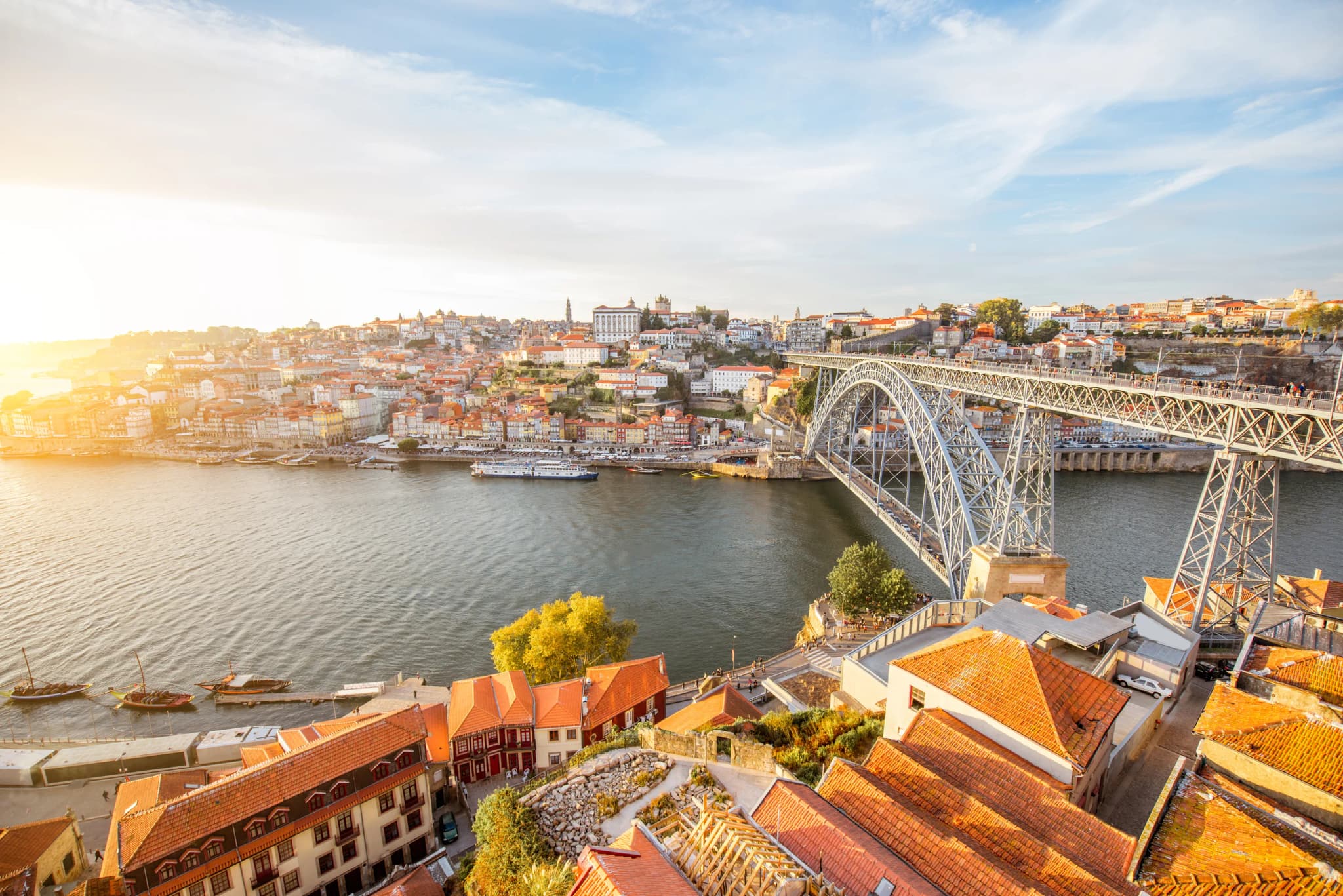
Portugal’s largest northern city is cooler and wetter than Lisbon but more affordable. Porto has a rich cultural and historical heritage, with its centre designated a UNESCO World Heritage Site. Known for its traditional cuisine, Porto is also the birthplace of Port wine.
Algarve
The southernmost region of Portugal is a favourite for retirees and those seeking a relaxed lifestyle. It’s renowned for its beaches, golf courses, and mild, sunny climate.
The cost of living in Algarve is lower than in Lisbon, though prices rise during peak tourist season.
Cascais
This coastal town near Lisbon is known for its family-friendly environment, beaches, and safe neighbourhoods. Just a 30-minute drive from Lisbon, Cascais is popular for its suburban feel. However, rent in Cascais is high—even more than in Lisbon—though other living costs are slightly lower.
Madeira
Located off the coast of Africa, Madeira is known for its subtropical climate and unique landscapes, appealing to those seeking a quieter, nature-centric lifestyle. However, it’s far from mainland Portugal, making travel more challenging, and job opportunities for expats are limited unless they work remotely.

Madeira is the region with the most distinct landscapes in Portugal due to its volcanic origin. The islands also have diverse flora and fauna, largely endemic to the island
Risks and pitfalls when obtaining a Portugal Golden Visa as an Australian
The Portugal Golden Visa offers considerable flexibility, but it also involves financial and administrative commitments that can last for years. For Australians, the main practical risks relate to the investment itself, cross-border taxation, and the long route to Portuguese citizenship. These factors are worth considering before committing capital to the programme.
Investment capital can be tied up for years
Golden Visa applicants must maintain the qualifying investment while they rely on it to renew their residence permit.
For fund investors, this means that at least €500,000 of capital can remain committed for several years and is exposed to the performance of the selected fund. Returns are not guaranteed, and withdrawing the investment too early can affect eligibility for a Golden Visa renewal.
Australians also face exchange-rate risk because the investment is made in euros: changes in the AUD/EUR rate can affect both the initial cost and the value of proceeds when money is eventually converted back into Australian dollars.
Moving to Portugal can create additional tax obligations
Obtaining a Golden Visa does not in itself make an Australian a Portuguese tax resident. However, an investor can become tax resident by spending more than 183 days in Portugal during the relevant period or by maintaining a home there in circumstances indicating that it is intended to be their habitual residence. Portuguese tax residents are generally taxed on worldwide income.
This can make tax planning more complicated for Australians who continue to receive income, hold investments, or own property in Australia. Portugal and Australia signed their first double taxation treaty in 2023, but as of 2026 it has not yet entered into force.
Portuguese citizenship is a long-term goal
The Golden Visa provides a pathway to citizenship, but it should not be treated as a quick route to an EU passport. Since May 2026, foreigners need at least 10 years of legal residence before they can apply for Portuguese citizenship[6]Source: Diário da República — Organic Law No. 1/2026 amending the Portuguese Nationality Law.
Applicants must also meet the other naturalisation requirements, including requirements relating to Portuguese language and culture, knowledge of civic rights and duties, and the ability to support themselves.
How Immigrant Invest helps Australians obtain Portugal Golden Visa
Immigrant Invest is a consulting company that helps investors obtain residence and citizenship by investment in the EU and beyond. We support clients throughout the process, from choosing a suitable programme and completing preliminary Due Diligence to preparing documents, making the required investment and obtaining residence permits.
For Australian applicants seeking a Portugal Golden Visa, our team coordinates the process from selecting a qualifying investment to submitting the application and arranging biometrics. We also assist with practical steps in Portugal, including obtaining a tax number, opening a bank account, and preparing the documents required for the investment and residence application.
Immigrant Invest has its own office in Portugal, allowing local specialists to work directly with Portuguese authorities, banks, fund managers, and other service providers. The team also supports clients after approval with residence permit renewals, family applications, and preparation for permanent residence or citizenship once they become eligible.
Key points about Portugal Golden Visa for Australians
- The Portugal Golden Visa allows Australians to gain residence through various investment options, such as purchasing investment fund units, supporting the arts, or making business investments.
- The minimum investment required is €250,000 for arts and cultural heritage projects and €500,000 for fund units, scientific research, or businesses. No minimum investment threshold applies to starting a new company, provided it creates at least 10 jobs.
- The application process takes at least 12 months. The initial residence permit is valid for two years and can be renewed indefinitely.
- Australian citizens gain multiple benefits, including longer stay within the Schengen Area, an option to move to a country with a lower cost of living, and access to European education and healthcare.
- Residents holding Portugal Golden Visas may apply for a Portuguese passport after 10 years of residency.
Immigrant Invest is a licensed agent for citizenship and residence by investment programs in the EU, the Caribbean, Asia, and the Middle East. Take advantage of our global 15-year expertise — schedule a meeting with our investment programs experts.

 Trusted by 10,000+ investors