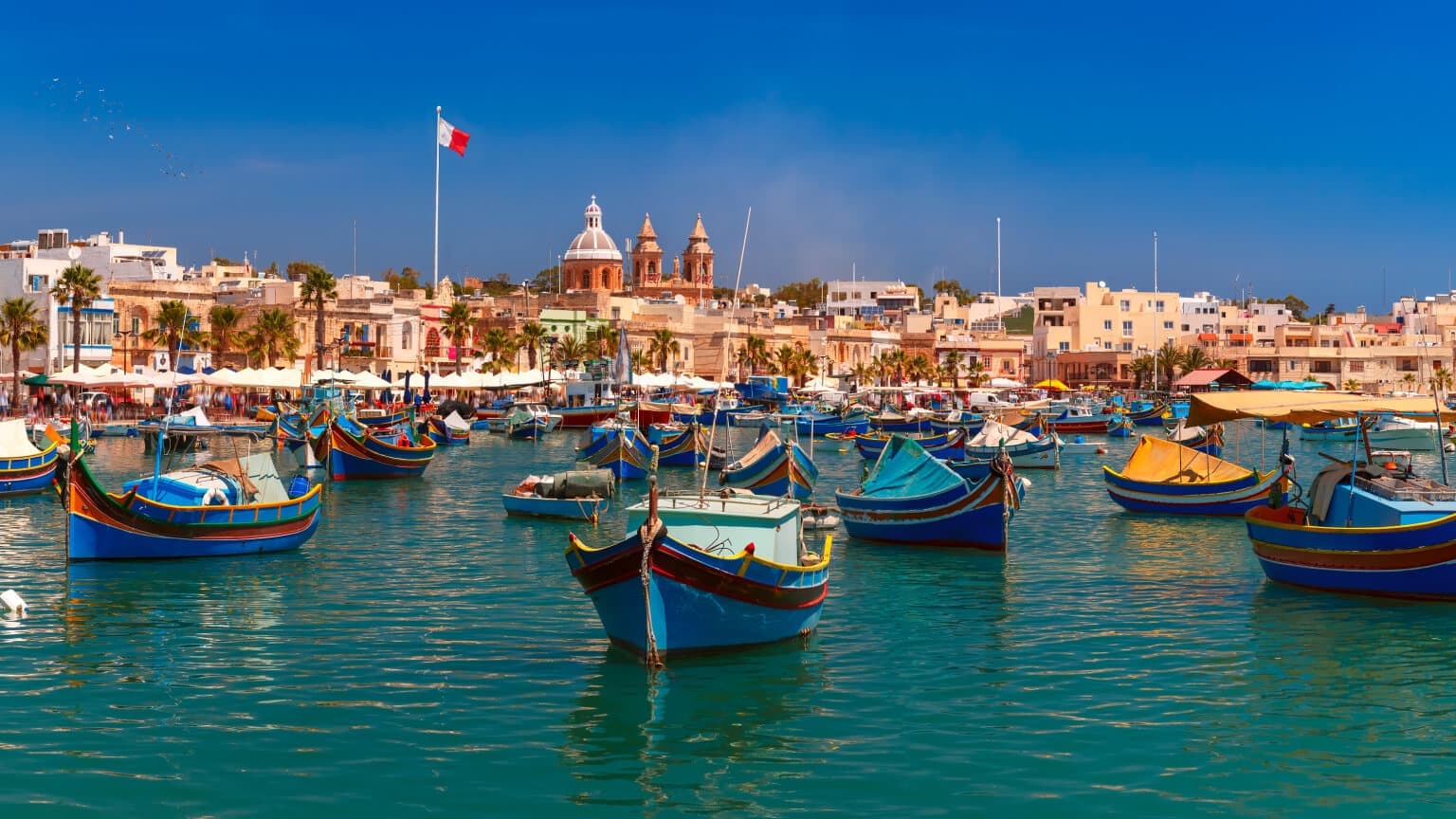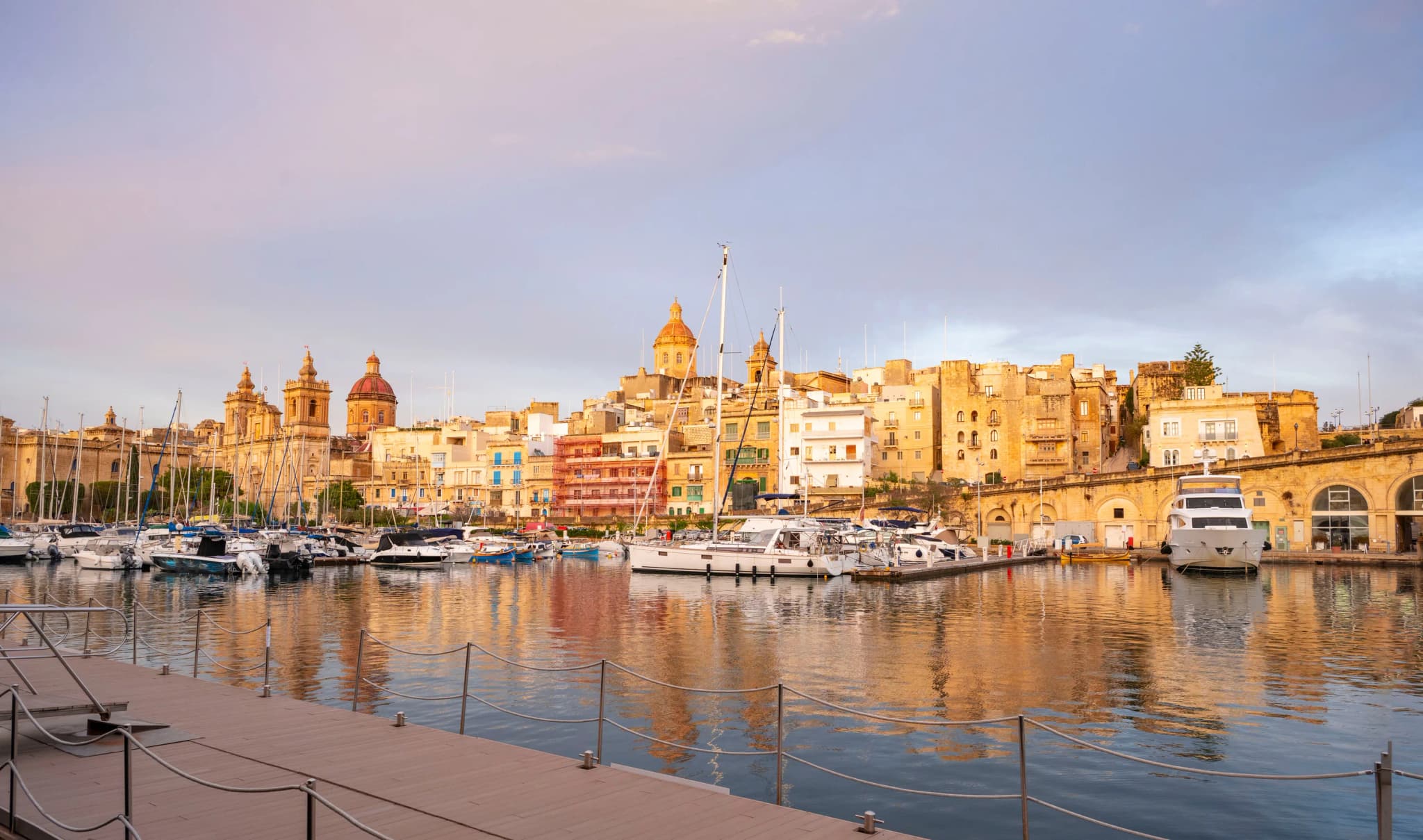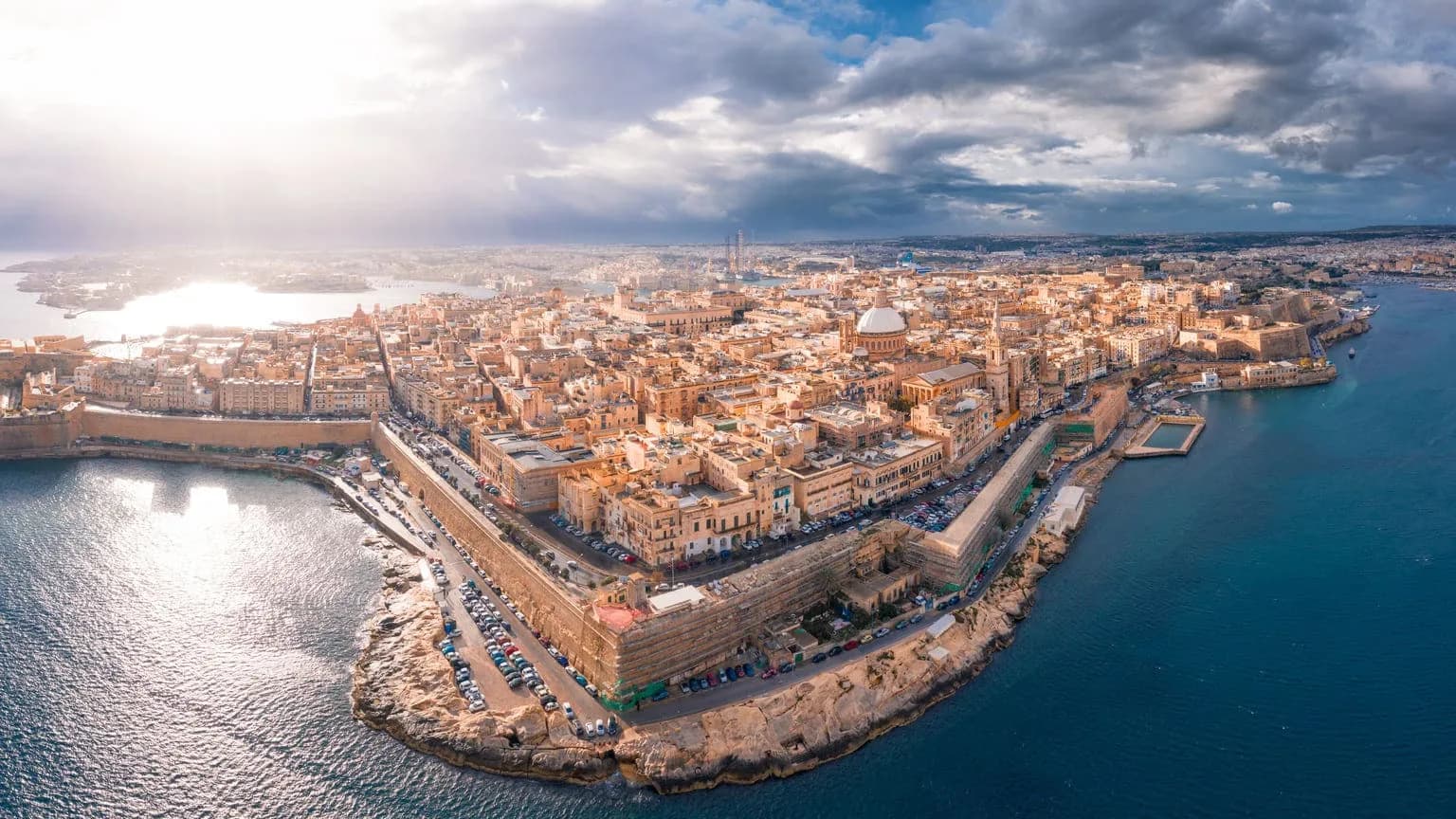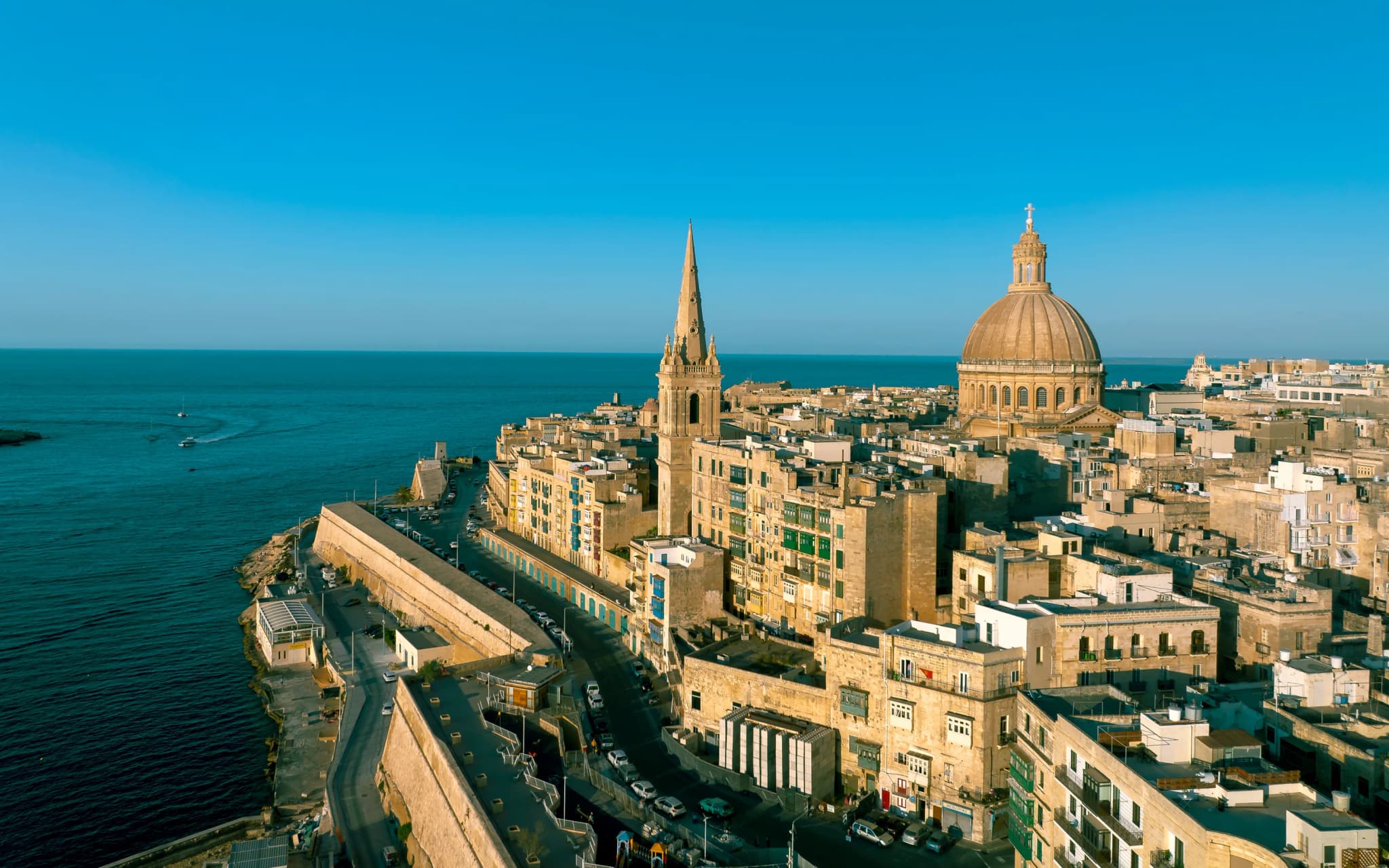








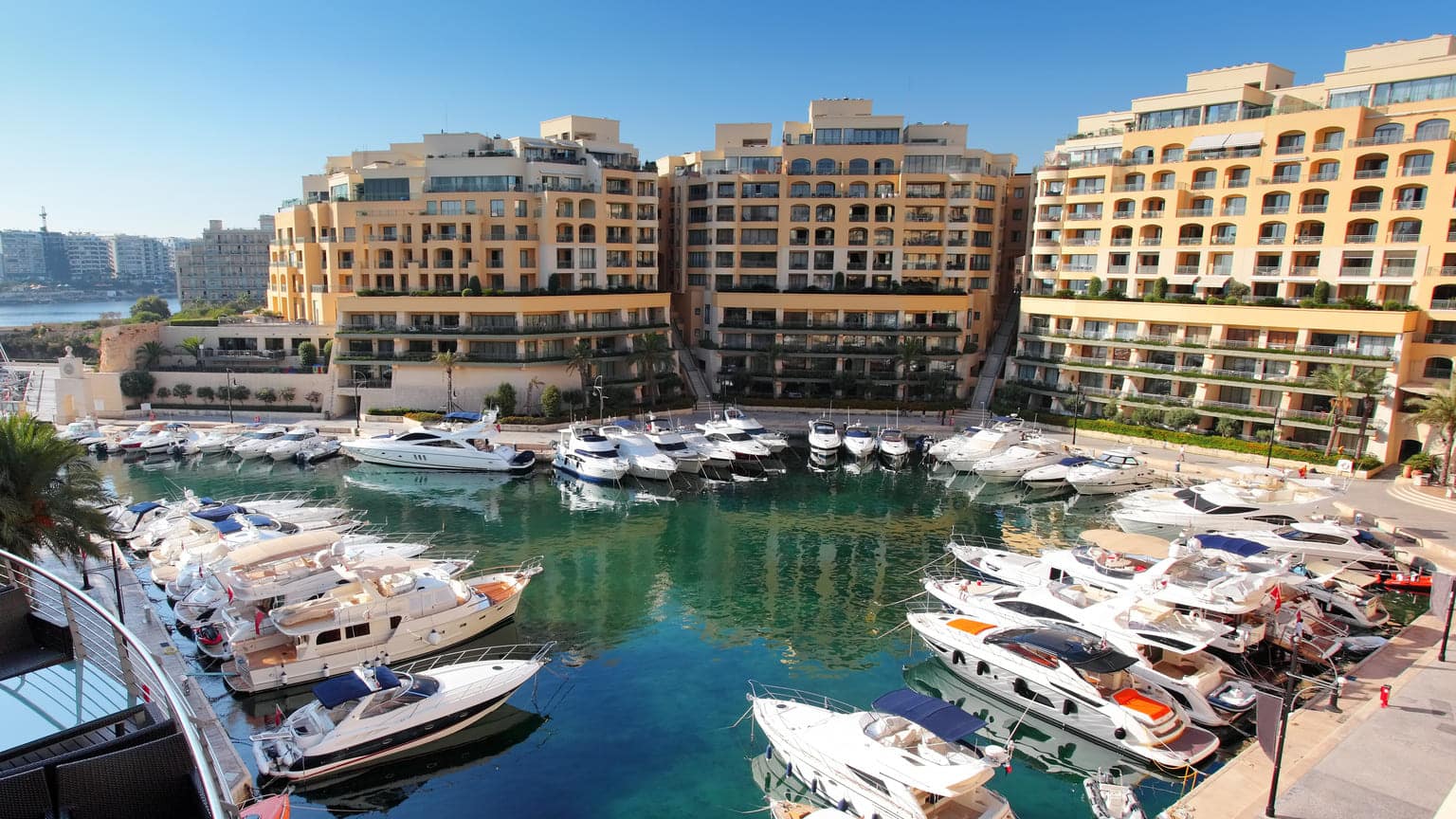

Real estate in Malta may be a good choice for investment: properties are considered liquid assets, and the prices usually grow by 3 to 6% a year. Renting a property out may help you earn 3 to 5% of its cost annually.
In addition, buying a property in Malta helps to get temporary or permanent residency. Let’s take a closer look at Malta’s real estate and the benefits it may provide to investors.
Ways of obtaining Malta residency for real estate investors
Maltese legislation allows foreign investors to obtain an official status in the country. There are two opportunities for non-EU citizens:
- Get a residence permit under the Malta Global Residence Programme.
- Obtain permanent residency under the Malta Permanent Residence Programme.
Each path requires purchasing or renting residential real estate. Rent is more popular because it is cheaper and faster, but the purchase may be more profitable over time.
The minimum housing price depends on the status you apply for and the property’s region.
Property prices for obtaining residency in Malta

This article focuses on getting permanent residency in Malta by purchasing a property. The Malta Permanent Residence Programme allows an investor to get a PR permit in several months, including 6+ months to process the application.
Malta permanent residence by investment in real estate may suit an applicant who wants to get a life-long status in Malta, allowing them to live there, and travel to the Schengen Area visa-free. There is no obligation for the PR permit holders to spend time in Malta or restrict its amount in other countries.
Trusted by 10,000+ investors
Check your eligibility for Malta permanent residence
Best locations for purchasing real estate in Malta
Foreigners may buy properties in any region of Malta. Usually, they may purchase residential real estate for themselves and need a special permit but some areas are exempt from restrictions. Also, some nuances of choosing an object depend on the location and an investor’s goals.
Special Designated Areas, SDAs
SDAs are complexes where non-Maltese citizens may buy a property without any restrictions. They are allowed to purchase several properties and rent them out. Also, there’s no need to get permission for the purchase.
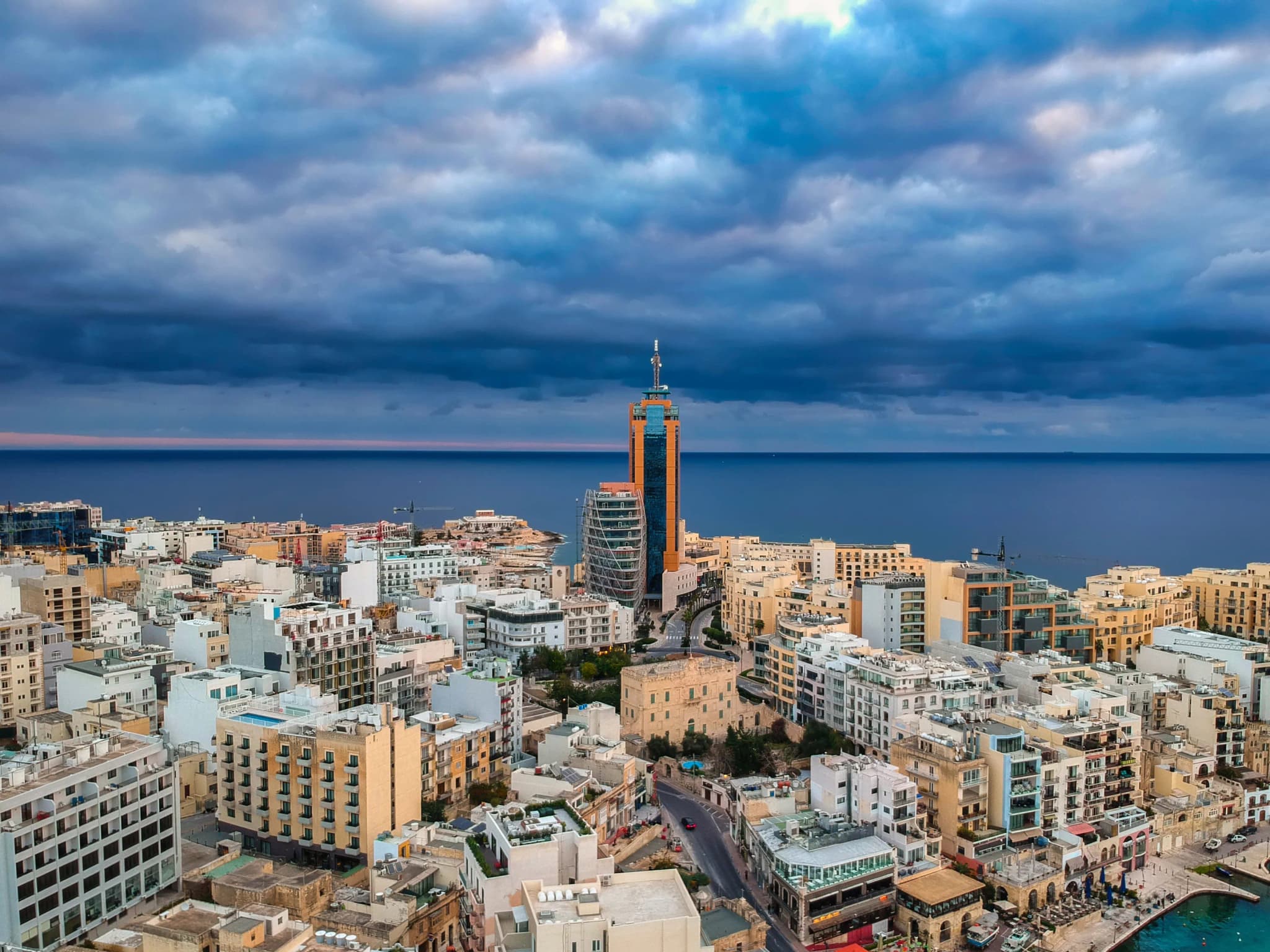
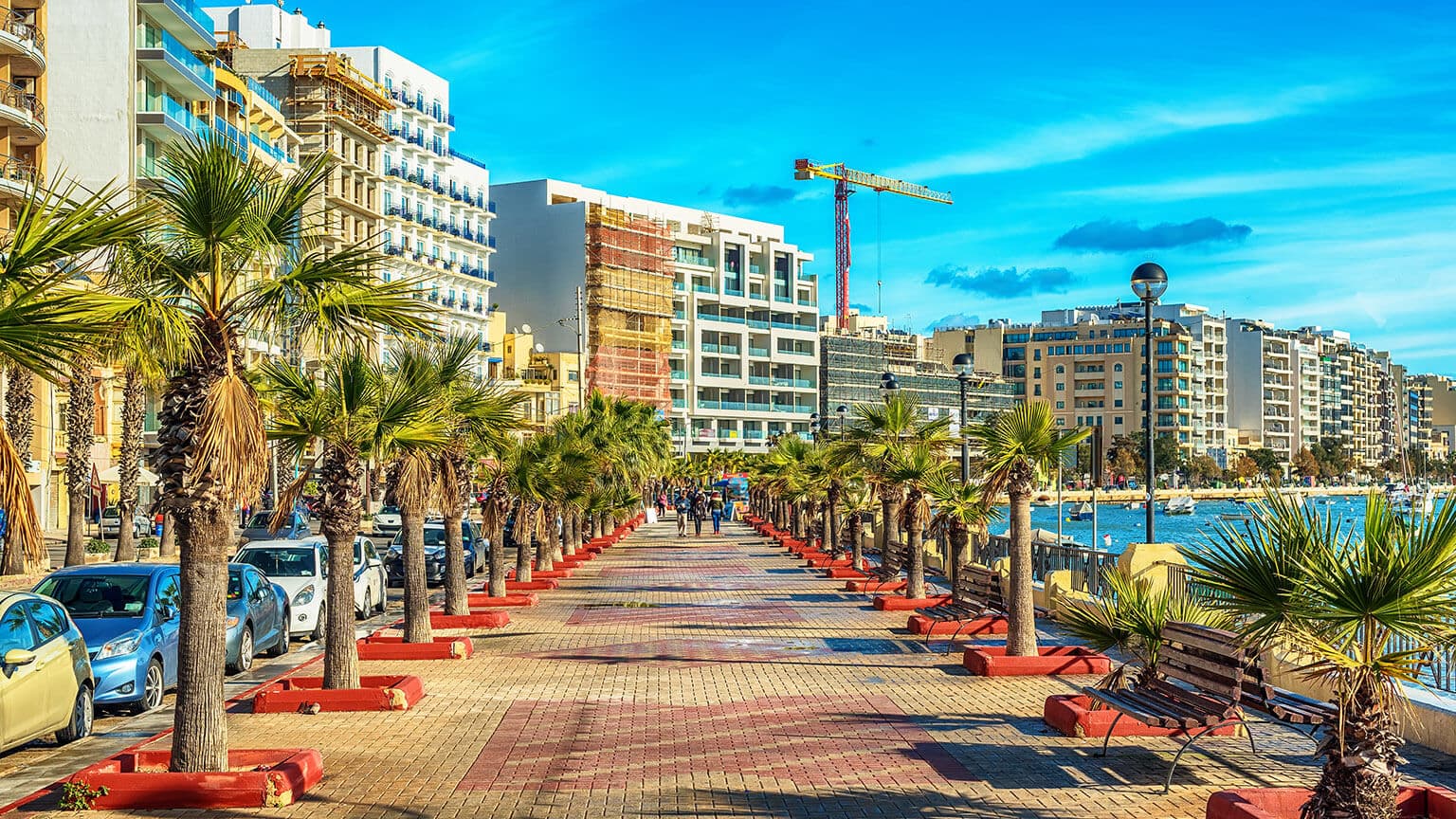
SDA complexes are situated in attractive locations and offer different types of properties. Popular resorts like St. Julian’s and Sliema have their own SDAs. Investors may choose properties on the islands of Malta or Gozo, depending on the minimum investment requirements and locations’ benefits.
Regions and cities
The northern parts of Malta are the most developed and, as a result, expensive. There are developed transport infrastructure and high building density. Small towns flow over one another; they all have schools, hospitals, shops and restaurants.
Investors prefer such coastal locations: Mellieha, St Julian's, Sliema, and Pembroke. St Julian’s, Sliema and Msida are also popular with people moving to Malta for business or work.
The south of Malta and the island of Gozo are not so developed, and their investment attractiveness is lower than in other areas of the country. However, the minimum investment in property for getting a Malta temporary residence permit is also lower there.
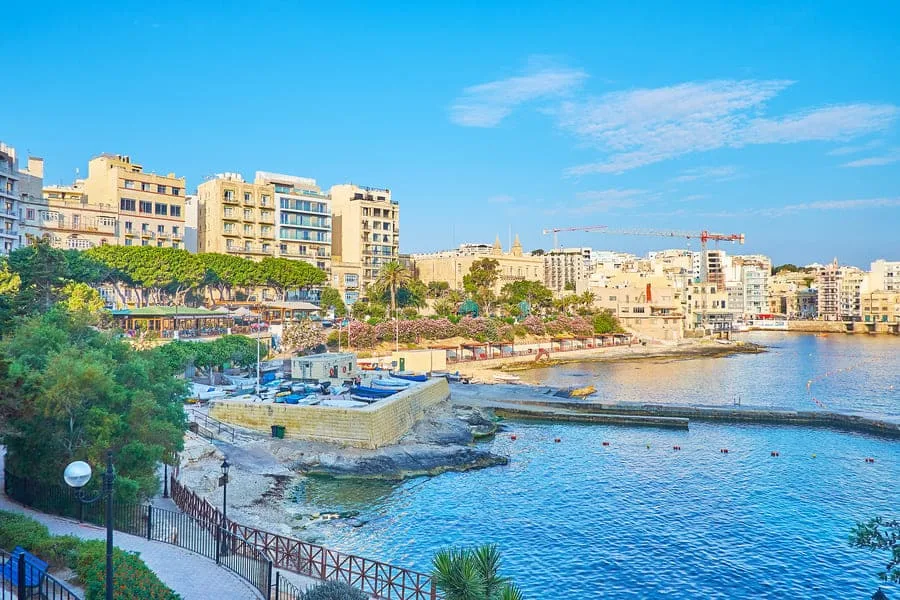
Sliema is a popular resort in Malta, and the minimal cost of real estate per square metre is about €3,985 there[1]Source: The average price per square metre of real estate in Sliema is presented in accordance with the Numbeo database.
Examples of real estate in Malta suitable for residency
Applicants for a residence permit may choose any Malta property for sale: an apartment, a house or another home they prefer. The main requirement is to fit within the price stated by the program.
An average price of an apartment per square metre in Malta is around €2,900 if a property is outside a city centre[2]Source: The average price of properties in Malta is taken from the Numbeo database.. The highest prices are in the places that are centres of tourism and business, for example, Valletta or St. Julian’s. The lowest prices are on the island of Gozo; they may be twice lower than average.
Examples of properties in Malta
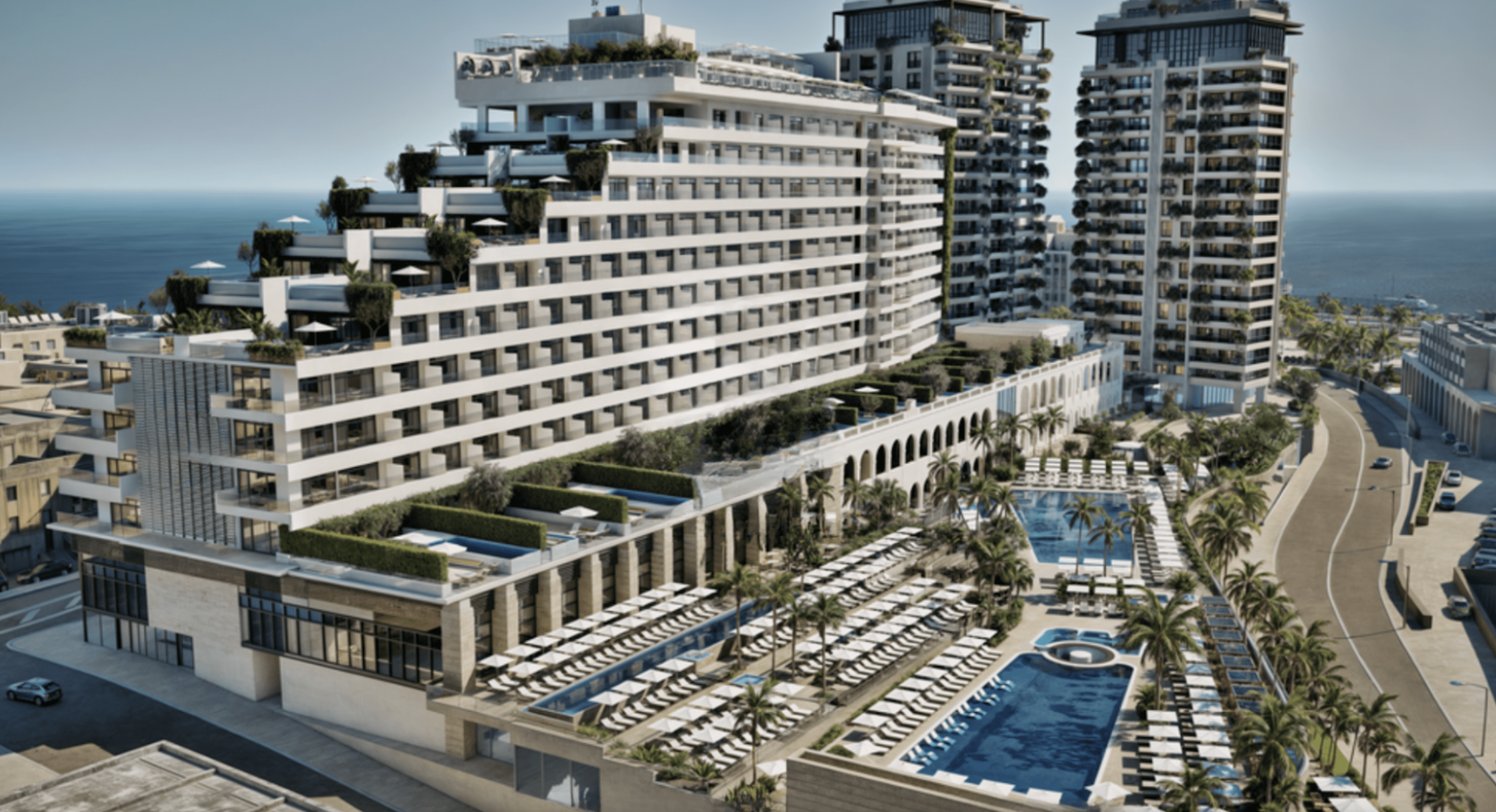

Malta, St Julian's
€950,000 — €2,290,000
Elegant apartments, St. Julians, Malta
 98 m² — 193 m²
 1—3
1—3  1—3
1—3 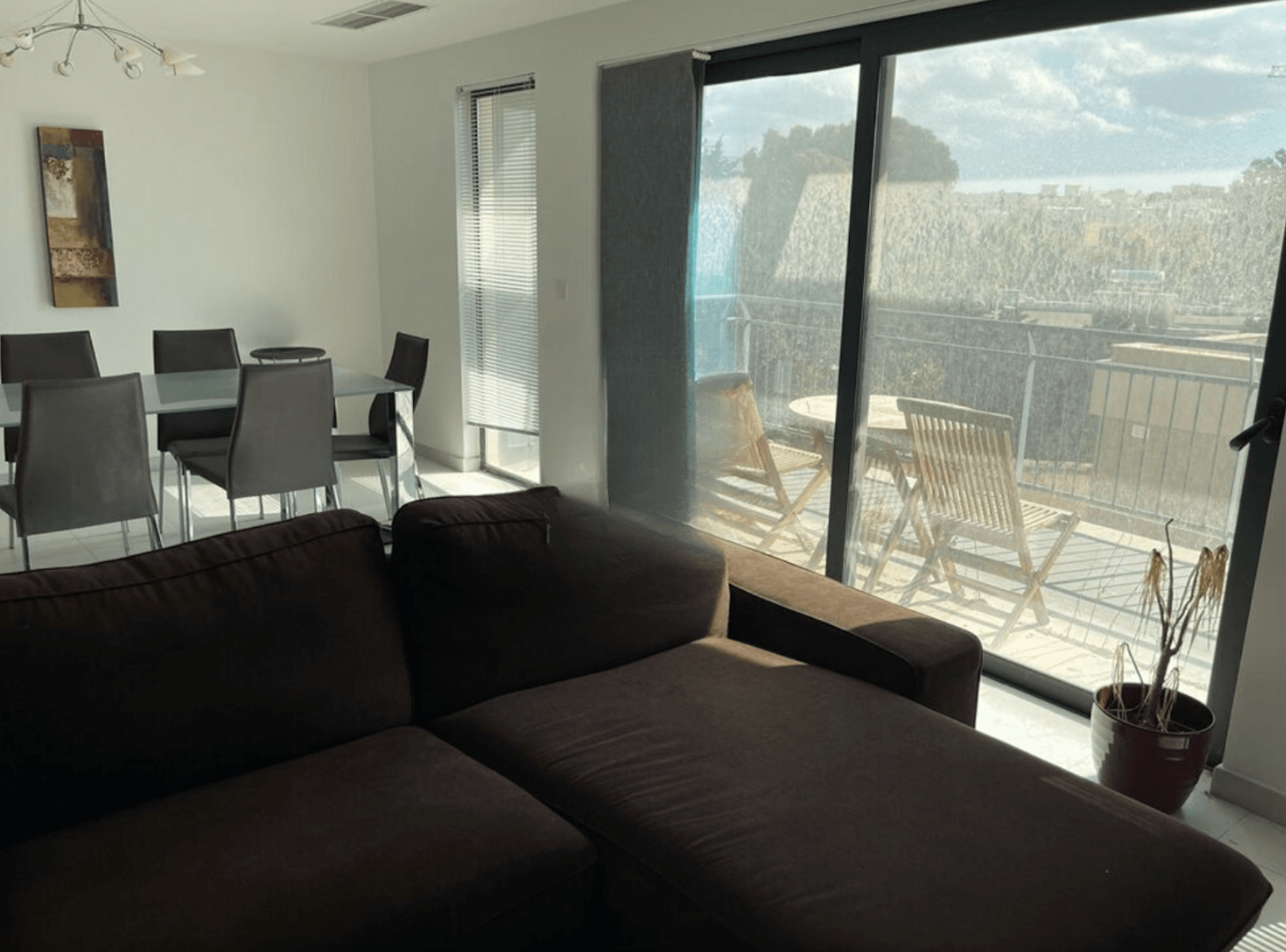
Malta, St Julian's
€750,000+
Apartments in modern style, St. Julians
172 m²3 2 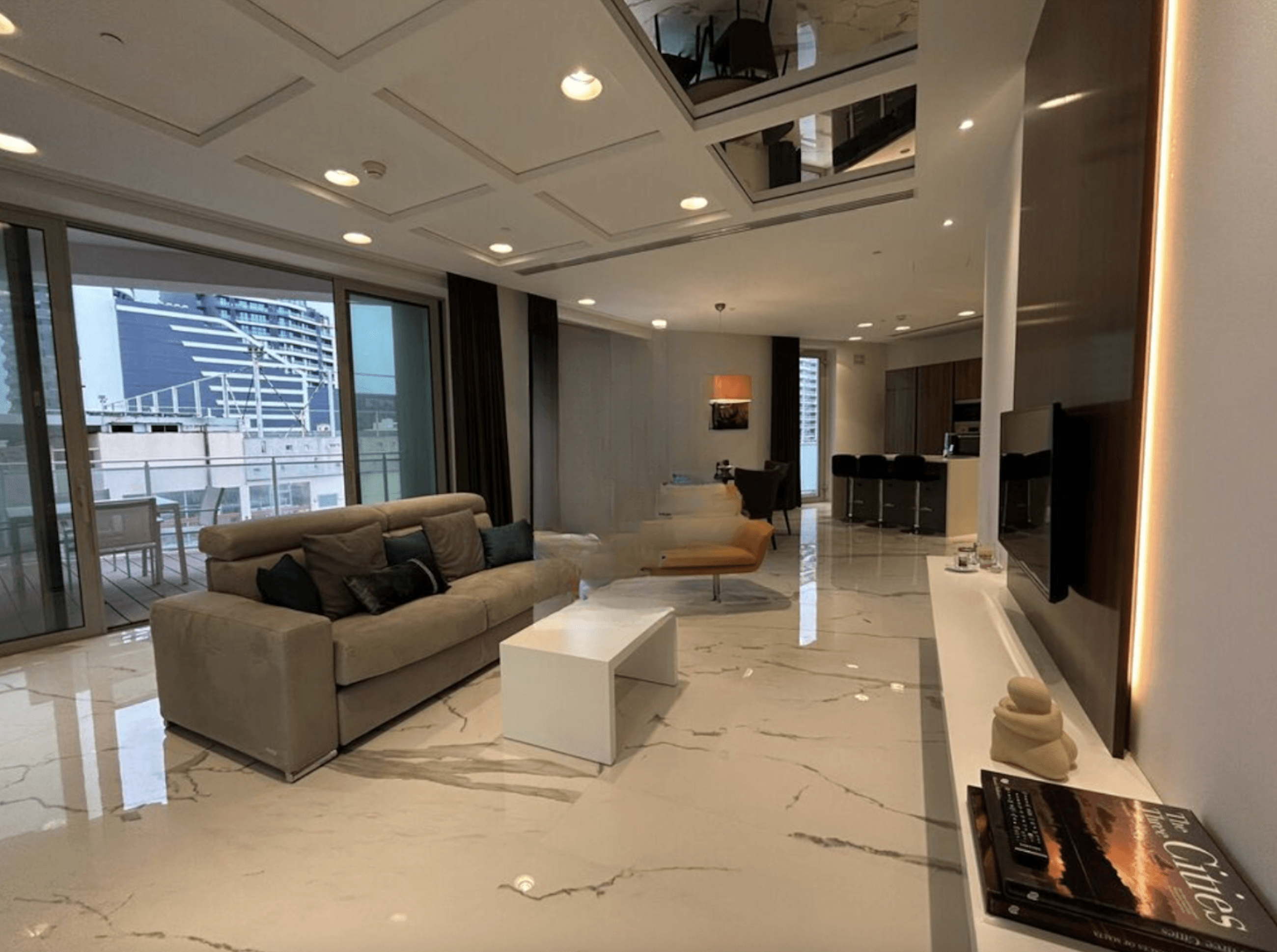
Malta, Sliema
€1,170,000+
Apartments in modern style, Sliema
116 m²1 1 Malta real estate taxes
Malta has no annual property tax, so you pay it once when you buy a home. There is a stamp duty of 5% of the estate cost[3]Source: Tax rates are presented in the Deloitte country guide..
There are additional expenses for the execution of the transaction:
- 1—2.5% notary fee and 18% VAT from its amount;
- 1—2% agency fee and 18% VAT from its amount;
- €233 — Acquisition of Immovable Property permit, not needed for SDA-property.
If the land under a house is in rental, investors pay the land tax of €40 to €250 per year. And the tax on rental income is 15% or up to 35%[3]Source: Tax rates are presented in the Deloitte country guide..
When you sell real estate in Malta, you pay a property transfer tax of 5 to 12%, depending on the term of ownership.
Trusted by 10,000+ investors
Get your Malta TIN in 1—2 weeks without visiting the tax office
Procedure of buying real estate in Malta
The process of buying a property in Malta can be divided into four stages:
- Selection of property, 1—2 weeks. This step includes searching for suitable properties and negotiating about price and conditions. A lawyer is required because the process is in writing; you can't communicate directly with the owner, only with their lawyer.
- Conclusion of a reservation agreement, 1 week. You sign a reservation contract with the deal's conditions and pay 10—15% of the property price as a deposit. If you buy a property with a mortgage, you can't participate in MPRP.
- Getting an AIP, 6—12 weeks. Time for legal verification of the transaction. The Ministry of Finance should approve it. This rule doesn’t apply to objects in SDA complexes, which do not require approval by the Ministry.
- Conclusion of a purchase agreement, 1 week. You sign a contract and pay the remaining amount. The money is credited to the notary’s account, and the investor gets a notarised copy of the agreement.
Benefits of buying real estate in Malta
As we’ve already said, there are two ways of participation in MPRP: renting and buying real estate. The first way may seem more attractive but it is not quite so cut and dried. There are several benefits of buying real estate to consider.
Buying a liquid asset
Real estate in Malta rose in price faster than in other EU countries. It grew 25% in 5 years, from 2015 to 2020. In 2020 despite the pandemic, prices went up by 5—9%. The housing prices index in Malta increased to 149 points in the first quarter of 2023. It means that on average, prices grow by 5% a year.
Overall, property prices in Malta have risen by 65% since 2015, outpacing the EU average[4]Source: Data on property growth in Malta was published by Newsbook Malta..
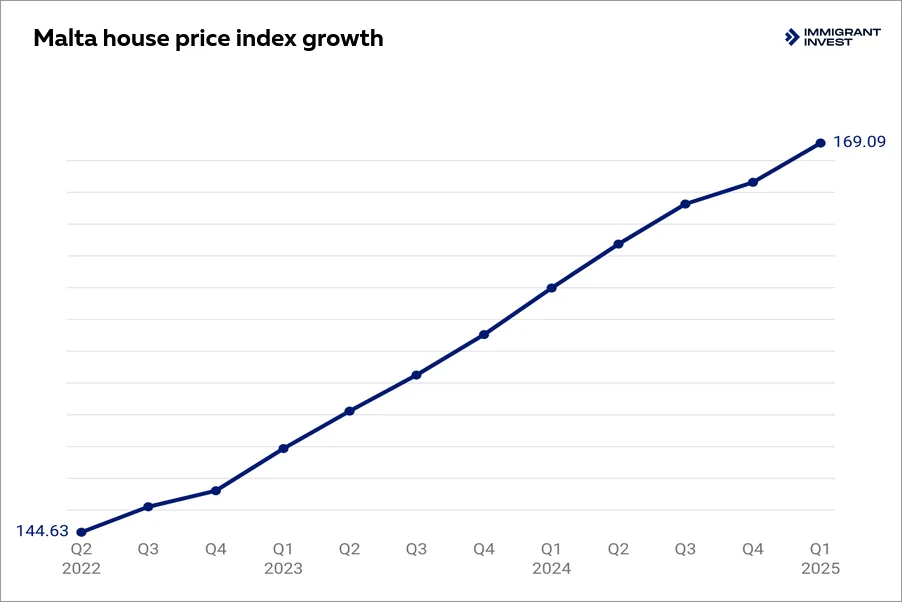
The reference point of 100 for this index is property prices in 2015
Getting passive income
Real estate leasing can give you a gain of about 3—5% per year, and the profit may be higher if you buy a property in a location popular among tourists. In comparison, interest rates in EU banks do not rise higher than 1.5%.
The target audience for rent is foreigners or young families without their property. Villas and houses are not as popular for renting as apartments. The maximum demand is for flats from 75 to 120 m2, accommodating families of three or four. Contract with deposit is standard practice.
Investors can rent their Malta real estate out for short terms if they participate in MPRP. They cannot lease their properties if they obtain a Malta temporary residence permit under the GRP.
Terms and expenses on getting a Malta permanent residence by investment
Malta's Permanent Residence Programme offers a structured pathway to residency by investment, with clear financial thresholds and eligibility criteria. Here is an overview of the key requirements and costs involved.
Requirements for applicants
The Malta Permanent Residence Programme allows getting permanent residence by foreigners without criminal records or violations of migration law. There is no opportunity to participate for citizens of EU, EEA, Swiss and sanctioned countries.
In addition, applicants should have regular and stable financial resources. The amount should be sufficient to maintain themselves and their dependents. And have capital assets of not less than:
- €500,000, out of which a minimum of €150,000 must be financial assets;
- or €650,000, where at least €75,000 are financial assets.
The programme allows adding family to the application:
- spouse or partner;
- children under 29;
- parents;
- grandparents.
Children and parents should be principally dependent on the investor. The family composition has an impact on the investment amount and additional fees.
Financial requirements
Investors have two options for participating in the MPRP: renting or purchasing real estate. The minimum period of rent or ownership is 5 years after obtaining a residence permit.
The minimum property price for rent is €14,000 per year. For purchases, the investment threshold is €375,000.
Mandatory administrative and state fees and a donation to Maltese organisations apply irrespective of buying or renting a property:
- €60,000 — an administrative fee for the investor, with additional €7,500 per dependant aged 18+, except for the spouse;
- €37,000 — a contribution fee;
- €2,000 — a charitable donation.
There are also related expenses on health insurance, document translation, apostille and notary.

Procedure for getting Malta permanent residence by investment
The fastest way of getting a residence permit in Malta is to participate in the investors' programme, and you can get permanent residency immediately after completing the procedures.
Based on Immigrant Invest’s experience, participation in the MPRP takes at least 6 months.
1 day
Preliminary check
It is a provisional Due Diligence procedure when an Anti Money Laundering Officer explores information about investors and evaluates the risk of rejection. The check ImmigrantInvest takes a day; it is confidential.
It is a provisional Due Diligence procedure when an Anti Money Laundering Officer explores information about investors and evaluates the risk of rejection. The check ImmigrantInvest takes a day; it is confidential.
1 day
Conclusion of a contract with an agent
You can't apply to the Malta Permanent Residence Programme directly, only with an agent. This is prescribed in The Malta Permanent Residence Programme Regulations, L.N. 121 of 2021[5]Source: The full text of Regulations L.N. 121 of 2021 is published on the official website of the Residency Malta Agency.. The Government of Malta should accredit the agent, and the agent assists you at every stage.
You can't apply to the Malta Permanent Residence Programme directly, only with an agent. This is prescribed in The Malta Permanent Residence Programme Regulations, L.N. 121 of 2021[5]Source: The full text of Regulations L.N. 121 of 2021 is published on the official website of the Residency Malta Agency.. The Government of Malta should accredit the agent, and the agent assists you at every stage.
1+ months
Getting a temporary residence permit (optional)
Before starting the full MPRP process, an investor can obtain a 1-year temporary residence permit in Malta, allowing them to enjoy residency benefits while preparing the PR application.
Applicants must visit Malta to provide biometrics and pay €100 per card plus €15,000 as the first part of the administrative fee. Residence cards can be collected in person or by a lawyer.
After that, the investor has 6 months to apply for permanent residence. If the application is refused, the temporary permit is withdrawn within 15 days.
Before starting the full MPRP process, an investor can obtain a 1-year temporary residence permit in Malta, allowing them to enjoy residency benefits while preparing the PR application.
Applicants must visit Malta to provide biometrics and pay €100 per card plus €15,000 as the first part of the administrative fee. Residence cards can be collected in person or by a lawyer.
After that, the investor has 6 months to apply for permanent residence. If the application is refused, the temporary permit is withdrawn within 15 days.
3+ weeks
Collecting documents
A lawyer gives you a complete list of documents and helps prepare them. The papers should be translated into English and notary certified.
A lawyer gives you a complete list of documents and helps prepare them. The papers should be translated into English and notary certified.
1 week
Applying for permanent residency
Once all documents are ready, the application is submitted to the Residency Malta Agency. The investor does not need to be in Malta, as all forms are signed remotely and sent by courier.
If no temporary residence permit was obtained, an invoice for €15,000 is issued within 2—5 business days and must be paid within 1 month.
Once all documents are ready, the application is submitted to the Residency Malta Agency. The investor does not need to be in Malta, as all forms are signed remotely and sent by courier.
If no temporary residence permit was obtained, an invoice for €15,000 is issued within 2—5 business days and must be paid within 1 month.
3—6 months
Due Diligence
The Residency Malta Agency provides this check. They can request additional information about the investor, and the agent helps prepare it.
The Residency Malta Agency provides this check. They can request additional information about the investor, and the agent helps prepare it.
Within 8 months after approval
Fulfilment of programme conditions
The Residency Malta Agency issues a Letter of Approval in Principle. After receiving it, the applicant must fulfil the investment conditions within set deadlines:
- remaining €45,000 of the administrative fee is paid within 2 months;
- contribution, donation, and property purchase or rental must be completed within 8 months.
Once all conditions are met, the Agency issues the permanent residence certificate.
The Residency Malta Agency issues a Letter of Approval in Principle. After receiving it, the applicant must fulfil the investment conditions within set deadlines:
- remaining €45,000 of the administrative fee is paid within 2 months;
- contribution, donation, and property purchase or rental must be completed within 8 months.
Once all conditions are met, the Agency issues the permanent residence certificate.
1 day
Submitting biometrics
Biometrics are taken in Malta. The applicant and all dependants must visit the Residency Malta Agency, except children under 2.
Biometrics are taken in Malta. The applicant and all dependants must visit the Residency Malta Agency, except children under 2.
1+ months
Getting permanent residence cards
After biometrics are submitted, the application is sent for card printing. Immigrant Invest lawyers then collect the residence cards and permanent residence certificates on the applicant’s behalf.
After biometrics are submitted, the application is sent for card printing. Immigrant Invest lawyers then collect the residence cards and permanent residence certificates on the applicant’s behalf.
After getting the permanent residence cards, you should pass the 5-year annual review. The sense of review is the confidence that investors follow the programme’s conditions and proceed to rent or own property in Malta.
Trusted by 10,000+ investors
Renew your Maltese passport or residence permit before it expires
5 main benefits of Maltese permanent residence
Maltese permanent residence by investment offers more than the right to live on a Mediterranean island — it comes with a practical set of benefits spanning travel, business, and lifestyle.
1. Right to live in Malta
Investors and their family members may live in Malta with a permanent residence permit as long as they wish. However, they are not obliged to: they will maintain their status even if they don’t visit the country.
Another benefit of Maltese residency is that we could call it a ‘second choice.’ Investors don’t have to live permanently on islands, but they should own or rent real estate. So, in an emergency, investors can relocate promptly to Malta.
2. Visa-free travel to the Schengen Area
A Maltese residence permit allows you to visit the Schengen Area countries without a visa and stay there for 90 days out of 180.
3. Access to high-quality medicine and education
Malta offers residents access to both public and private healthcare, with modern facilities maintaining European standards. The public system is available to all residents, while a private sector provides shorter waiting times and a wider choice of specialists.
Malta’s schools follow a British-style curriculum delivered entirely in English, making the transition smooth for international families. At university level, branches of British and American institutions allow students to earn internationally recognised degrees without leaving the island.
4. Opportunity to get Malta tax residency
Malta attracts investors and entrepreneurs through its taxation system.
Permanent residence doesn’t give you tax benefits, but if you move to Malta or stay in the country at least 183 days during the year, you become a tax resident and pay taxes in accordance with Maltese legislation. In some cases, it may help to reduce the tax burden.
If you transfer your business to Malta, you may enjoy some of the system’s advantages: for example, shareholders of Maltese companies can return up to 100% of the corporate tax paid by the company.
Malta has Double Tax Avoidance Agreements with more than 80 countries[6]Source: The full list of Malta’s Double Taxation Agreements in force is published on the official website of the Tax and Customs Administration of Malta.. The USA, the UK, India, France, Canada, and China are on this list.
5. Gateway to European business opportunities
Maltese permanent residents gain access to the EU single market — over 440 million consumers across 27 countries — making Malta a practical base for structuring businesses, holding assets, and connecting with European partners.
Malta’s legal and financial infrastructure is fully aligned with EU standards, with company registration and asset management conducted in English. A developed financial services sector covering banking, insurance, and investment funds operates under EU regulation, giving investors a stable and internationally recognised environment for their operations.
Explore the benefits and requirements of the Maltese investment programme
Key points about obtaining residency in Malta by buying or renting property
- Residency is available through property investment under official programmes, with both purchase and rental options. Renting is more affordable and flexible, while buying offers long-term capital growth and rental income potential.
- For temporary residency under the Malta Global Residence Programme, the minimum property price depends on the location, with lower entry levels in southern Malta and Gozo.
- Under the Malta Permanent Residence Programme, a rental threshold is €14,000 per year. Purchasing a property requires at least €375,000. Real estate must be held or rented for at least 5 years to maintain residency.
- Malta property is a relatively stable asset, with average annual price growth of around 3—6% and rental yields of 3—5%. Besides, there is no annual property tax, but buyers pay a one-time stamp duty and transaction-related costs.
- Permanent residency does not require living in Malta, but maintaining a registered address is mandatory.
Immigrant Invest is a licensed agent for citizenship and residence by investment programs in the EU, the Caribbean, Asia, and the Middle East. Take advantage of our global 15-year expertise — schedule a meeting with our investment programs experts.

 Trusted by 10,000+ investors