




Malta allows same-sex marriage, adoption, and equal access to investment programmes for temporary and permanent residence.
Let’s explore in detail what makes the island one of the safest and most inclusive places to live in Europe.
Is Malta an LGBT-friendly country?
Malta remains one of Europe’s most LGBT-friendly countries. In the latest ILGA-Europe Rainbow Map, it ranks second with a score of 87.73%[1]Source: Malta ranking, LGBTI Map.
The ILGA-Europe Rainbow Map ranks European countries by their LGBT laws and policies, covering 49 countries and evaluating 7 areas:
- equality and non-discrimination;
- family rights;
- hate-crime legislation;
- gender recognition;
- intersex bodily integrity;
- civil society space;
- asylum protection.

Vladlena Baranova,
Head of Legal & AML Compliance Department, CAMS, IMCM
Malta achieved an impressive score, which is higher than Belgium and Iceland’s 85%.
In the asylum category, Malta achieved 66.7%, recognising sexual orientation and gender identity as valid criteria for refugee protection.
Malta recognises same-sex marriage and civil unions. Same-sex couples can adopt children, and gender recognition laws are among the most progressive in Europe.
LGBT couples applying for the Malta Permanent Residence Programme or the Malta Global Residence Programme are treated equally. Both partners can be included in the same application. They also have equal property rights and full legal protection.
Trusted by 10,000+ investors
Check your eligibility for Malta permanent residence
How does Malta protect LGBT couples under its legal framework?
Malta has one of the most comprehensive legal frameworks for LGBT rights in Europe. Over the past 20 years, it has shifted from conservative traditions to full equality under the law[2]Source: Malta & LGBTIQ+ Rights, Malta Government.
LGBT couples have the same legal, social, and economic rights as heterosexual couples. These include marriage, adoption, inheritance, and property ownership.
Decriminalisation and equality of consent
Malta decriminalised same-sex sexual activity on January 29th, 1973, decades ahead of many other European countries[3]Source: Decriminalisation of homosexuality, MaltaToday. Since then, the country has ensured that the same age of consent applies to everyone, regardless of gender or sexual orientation.
The key points are the following:
- same-sex sexual relations are fully legal;
- age of consent is 16 for all individuals, irrespective of sexual orientation;
- no “morality” or “public decency” clauses can be used to criminalise LGBT relationships.
The change marked a crucial step towards legal equality and paved the way for further reforms in family and anti-discrimination law.
Anti-discrimination protections
The Constitution of Malta explicitly protects against discrimination on the grounds of sexual orientation and gender identity, following an amendment adopted in 2014[4]Source: Constitutional Provisions, Malta Government.
Further legal safeguards are found in the Equal Treatment in Employment Regulations and the Equality for Men and Women Act, both of which make it unlawful to discriminate against anyone based on their sexuality, gender identity, or gender expression.
Protection covers:
- employment and workplace equality;
- housing, education, and access to goods and services;
- healthcare and public administration;
- media and advertising.
Malta’s National Commission for the Promotion of Equality, NCPE, monitors and enforces these laws[5]Source: Civil Unions Act, 2014, Malta Parlament.
Same-sex unions and marriage
Malta recognises same-sex marriage and ensures that LGBT couples enjoy identical legal status to heterosexual couples.
Civil unions were legalised in 2014, granting the same rights as marriage, including adoption[6]Source: LGBTIQ+ equality in Malta, NCPE.
In 2017, the Marriage Act was reformed to adopt gender-neutral language such as “spouse” instead of “husband” or “wife.”
Adoption rights for same-sex couples in Malta
Adoption rights are equal for all married or civilly united couples, regardless of gender composition.
Therefore, same-sex couples in Malta can:
- adopt jointly as partners or spouses;
- share parental responsibility for adopted or biological children.
Gender identity, expression, and intersex rights
Malta protects gender identity and intersex rights. In 2015, Malta passed the Gender Identity, Gender Expression and Sex Characteristics (GIGESC) Act — one of the most progressive laws worldwide[7]Source: GIGESC Act, Global Law and Policy database.
The act allows any citizen or resident to change their legal gender by declaration. No medical or surgical procedures are required. It also protects intersex individuals by banning non-consensual surgeries.
The GIGESC Act guarantees:
- right to self-determined gender identity;
- right to express gender without discrimination;
- legal recognition of new gender identity within 30 days;
- protection for minors with gender variance;
- ban on unnecessary medical procedures on intersex infants.
Malta introduced an ‘X’ marker for ID cards and passports in 2017. In 2024, the GIGESC Amendment Act established legal recognition of non-binary genders, allowing official recognition with the ‘X’ marker on all official documents[8]Source: Legal gender recognition and bodily integrity, humanrights.gov.mt.
Conversion therapy ban
Malta bans conversion therapy in all forms. In 2016, Malta became the first European country to outlaw conversion therapy. The ban was introduced through the Affirmation of Sexual Orientation, Gender Identity and Gender Expression Act[9]Source: Gender identity and gender expression bill, MaltaToday.
The law prohibits any practice, treatment, or counselling aimed at changing or suppressing a person’s sexual orientation or gender identity. Violations can lead to fines or imprisonment.
Hate crime protections
Malta’s Criminal Code includes hate crime legislation that enhances penalties for offences motivated by bias against sexual orientation, gender identity, or gender expression[10]Source: The Criminal Code, Malta Government. Assault, harassment, or incitement of hatred toward LGBT individuals can result in harsher sentences.
Covered offences include:
- physical or verbal attacks motivated by homophobia or transphobia;
- online hate speech;
- vandalism of LGBT property or community centres.
The Police Hate Crime Unit, established under the Ministry for Home Affairs, monitors incidents and supports victims in reporting them.
Military, domestic violence, and other protections
Malta’s inclusivity extends across various areas of civic life:
- Military service. LGBT individuals can serve openly in the armed forces without restrictions or discrimination.
- Domestic violence legislation. The Gender-Based Violence and Domestic Violence Act, 2018, protects all victims, regardless of gender or relationship type[11]Source: Act No. XIII of 2018, Malta Parlament.
- Healthcare. The public health system must provide equal access to services for LGBT patients.
- Inheritance and property. Spouses in same-sex marriages have the same rights to joint property ownership and inheritance as heterosexual spouses.
These measures ensure that equality for LGBT couples is not only symbolic but fully practical in everyday life.

What is the social climate like for LGBT expats?
Malta’s strong legal protections are only part of the picture. Just as important is the everyday reality for LGBT people. Many expats say Malta feels not only safe but welcoming. Social acceptance turns legal equality into a lived experience.
Growing public support and shifting attitudes
In recent years, public attitudes in Malta have shifted strongly in favour of LGBT rights.
The latest Special Eurobarometer 535 shows broad social acceptance of LGB people in Malta, especially in public and workplace settings. 87% of respondents in Malta said they would feel comfortable having a lesbian, gay, or bisexual colleague, while 81% would feel comfortable with a lesbian, gay, or bisexual person holding the highest elected political position in the country.
The picture is more nuanced in family-related contexts: 50% of Maltese respondents said they would feel comfortable if one of their children were in a relationship with a person of the same sex, while 26% said they would feel uncomfortable. At the same time, 78% agreed that school lessons and materials should include information about sexual orientations[13]Source: 2023 Special Eurobarometer 535.
Support is growing, especially among younger generations. Cities and university communities are among the most welcoming. This change is significant, given Malta’s conservative past and strong Catholic traditions.
LGBT community and culture in Malta
A visible, active LGBT community helps reinforce acceptance:
- Malta Pride is a major annual event that draws wide participation, including from public officials, and serves as both celebration and visibility tool.
- Malta LGBTIQ Rights Movement offers essential support to both locals and newcomers: legal advice, social services, youth outreach, advocacy, and community building.
- In 2024, the first shelter for LGBTI people supported accommodation was inaugurated — a signal that institutional support is expanding[14]Source: Human rights review, Malta-legal-Europe.
This infrastructure helps LGBT expats find community, navigate challenges, and feel less isolated.
Everyday life: acceptance, but with nuance
While Malta is broadly welcoming, the lived experience can vary depending on location, social circle, and visibility.
Positive signs:
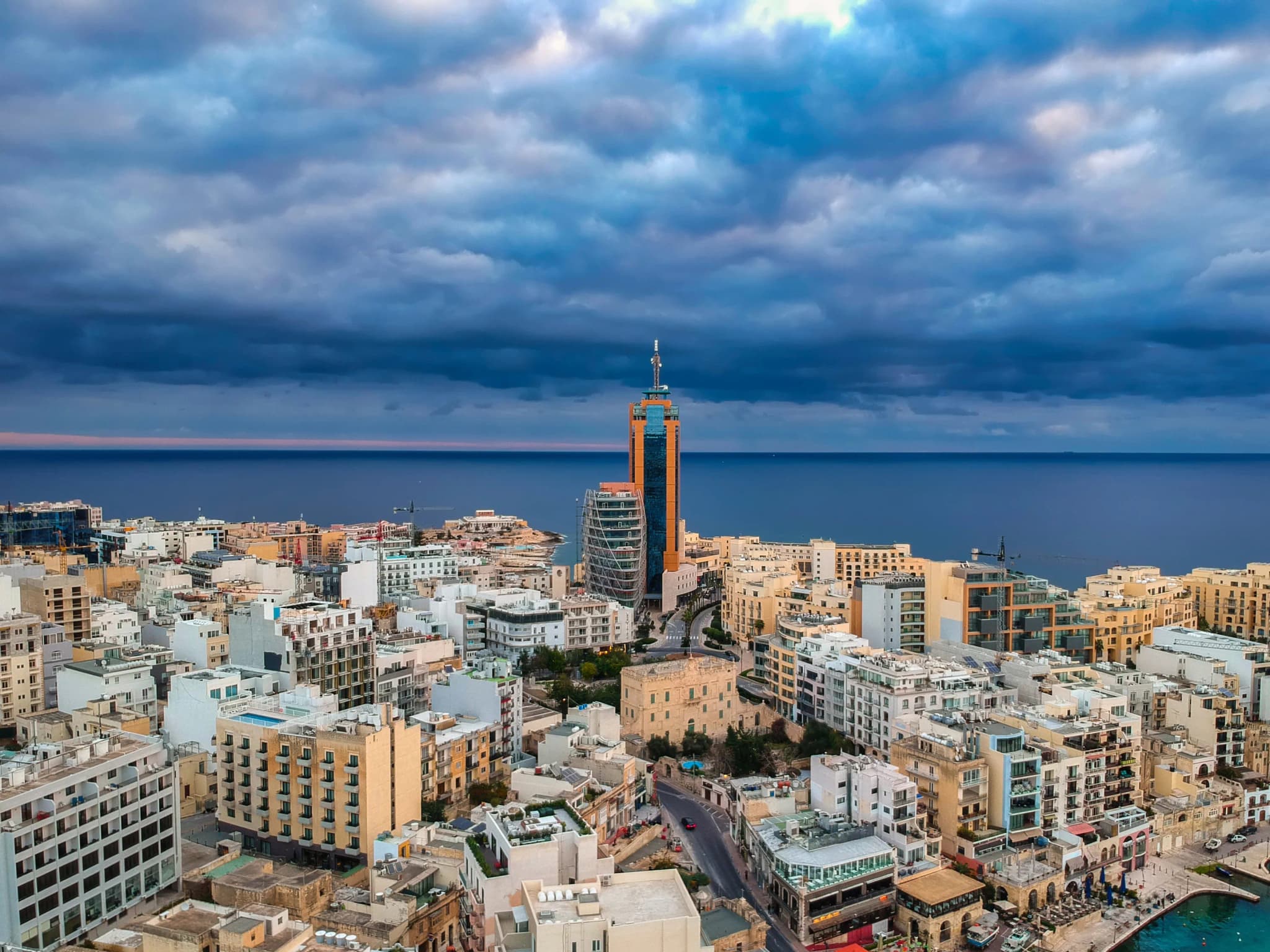
- in towns like St Julian’s, Sliema, Valletta, you’ll find LGBT-friendly cafés, bars, social events, and mixed crowds;
- English is widely spoken, which makes social integration easier for many expats;
- many LGBT expats say they do not hide their relationships in public, though modest discretion is sometimes practiced in more conservative or rural areas.
Challenges and caveats
In smaller towns or villages, particularly those more traditional or isolated, conservative social norms may hold more sway. Some LGBT people still report microaggressions, occasional prejudice, or discomfort in very conventional environments.
A EU survey FRA shows that while many LGBT individuals in Malta feel comfortable in daily life, a non-negligible share still experiences discrimination or hesitates to be fully open at work[15]Source: EU survey FRA, EU Agency for Fundamental Rights.

LGBT expats report that they feel accepted in social, workplace, and neighbourhood settings in Malta
What is the real estate landscape for expats in Malta?
For foreign buyers and renters, Malta’s property market is relatively open and accessible — and in practice, landlords and agencies rarely discriminate based on sexual orientation. What matters most are legal status, financial stability, and compliance with local rules.
Choosing your neighbourhood
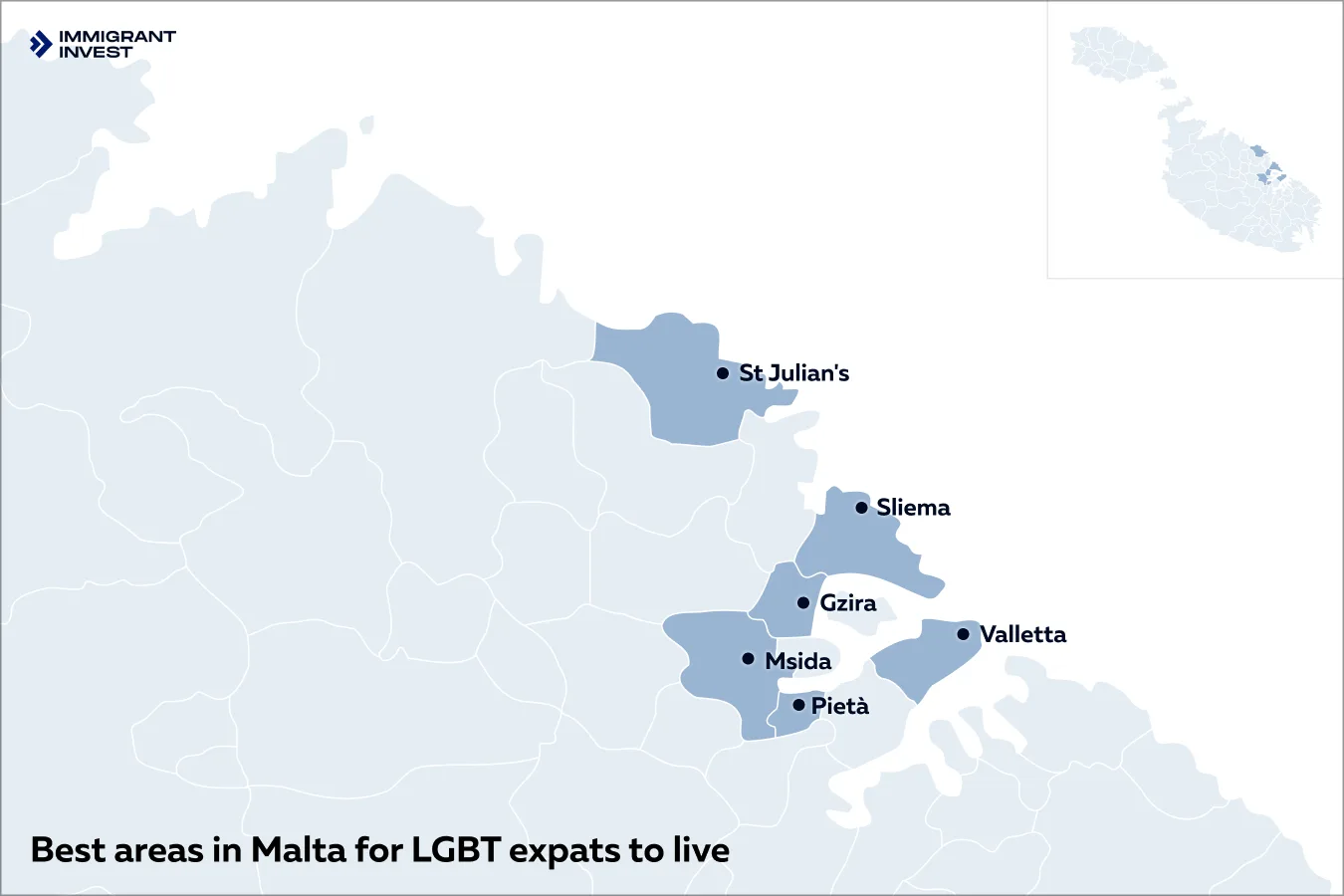
Most expats settle in or around Malta’s central coastal belt, where transport links, nightlife, and services are concentrated.
Each area has its own character, depending on what kind of lifestyle you want:
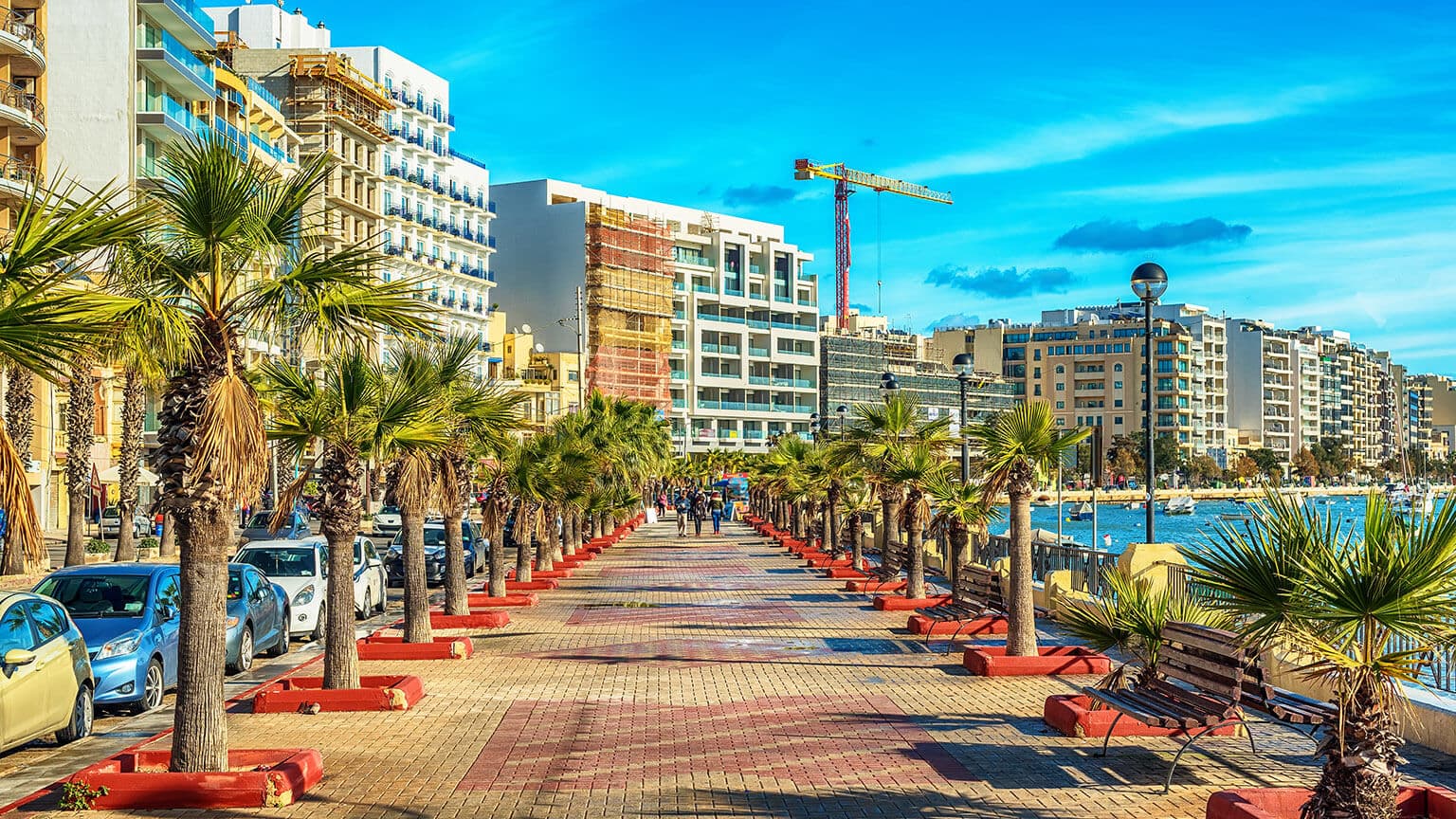
- Sliema and Gzira — popular urban hubs close to the sea, full of cafés, shops, gyms, and co-working spaces. They offer great connectivity and an active social scene but come with higher rents and heavy traffic.
- St Julian’s and Paceville — lively, cosmopolitan neighbourhoods famous for their nightlife and international community. Ideal for younger professionals or social expats, though they can be noisy and busy, especially in summer.
- Msida and Pietà — quieter, more affordable districts close to the University of Malta and major hospitals. They suit long-term residents and families seeking good value, though the areas are more residential and less upscale.
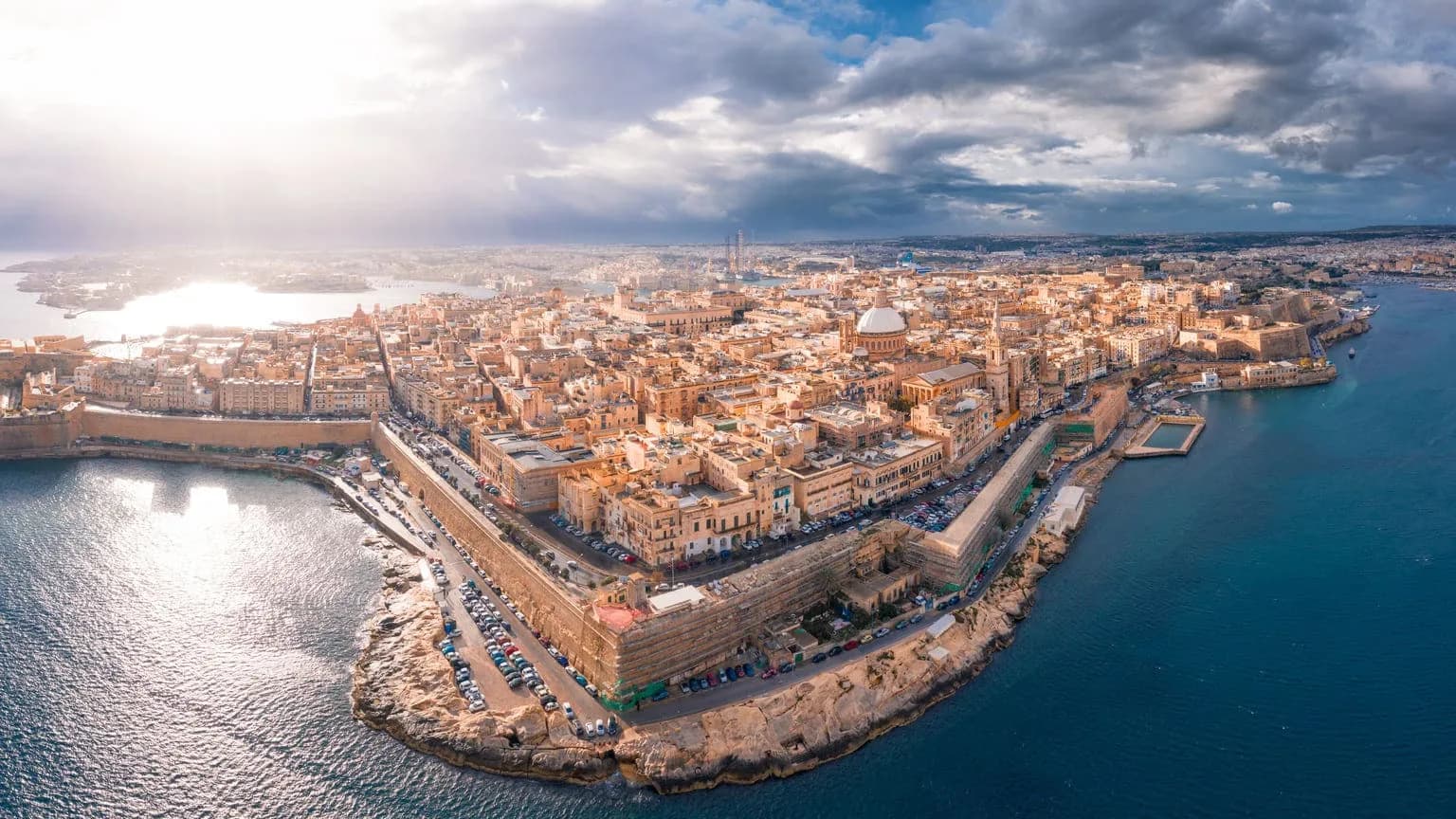
- Valletta and nearby suburbs — Malta’s capital and cultural centre, perfect for those who appreciate history, architecture, and arts. Apartments here tend to be smaller and costlier per square metre, but the atmosphere is unique.
Buying vs renting
What expats should know:
- ownership by non-EU citizens is generally allowed, though in some cases special licences or permissions may be required;
- many expats begin by renting, which lets them test neighbourhoods and communities before committing;
- in popular districts like Sliema, St Julian’s, Gzira, Msida, parts of Valletta, there is a higher supply of modern apartments, international real estate agents, and expat-friendly services;
- property prices and rents tend to be higher in prime locations or near the coast, so many expats accept trade-offs for cost savings.
Working with real estate agents in Malta
Real estate agents rarely ask about personal matters like sexual orientation or relationship type; their focus is on legal documents, proof of income, and compliance with regulations.
Agencies operating in Malta tend to cater to international audiences, so they are accustomed to diverse clients.
In the more cosmopolitan areas, you’ll find communities of mixed nationalities, LGBTQ+ residents, and shared amenities that feel inclusive by default.
Find your home in Malta
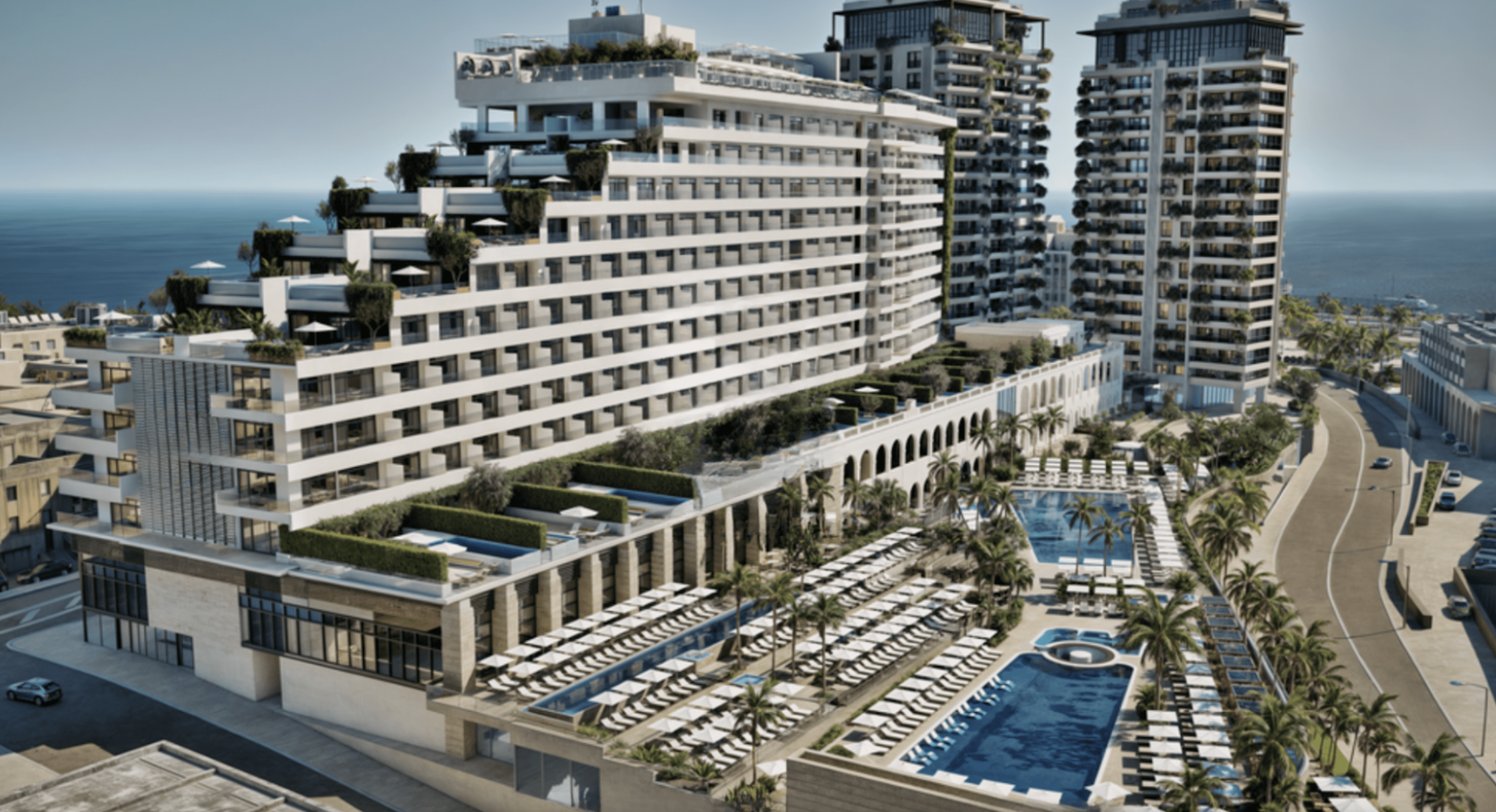

Malta, St Julian's
€950,000 — €2,290,000
Elegant apartments, St. Julians, Malta
 98 m² — 193 m²
 1—3
1—3  1—3
1—3 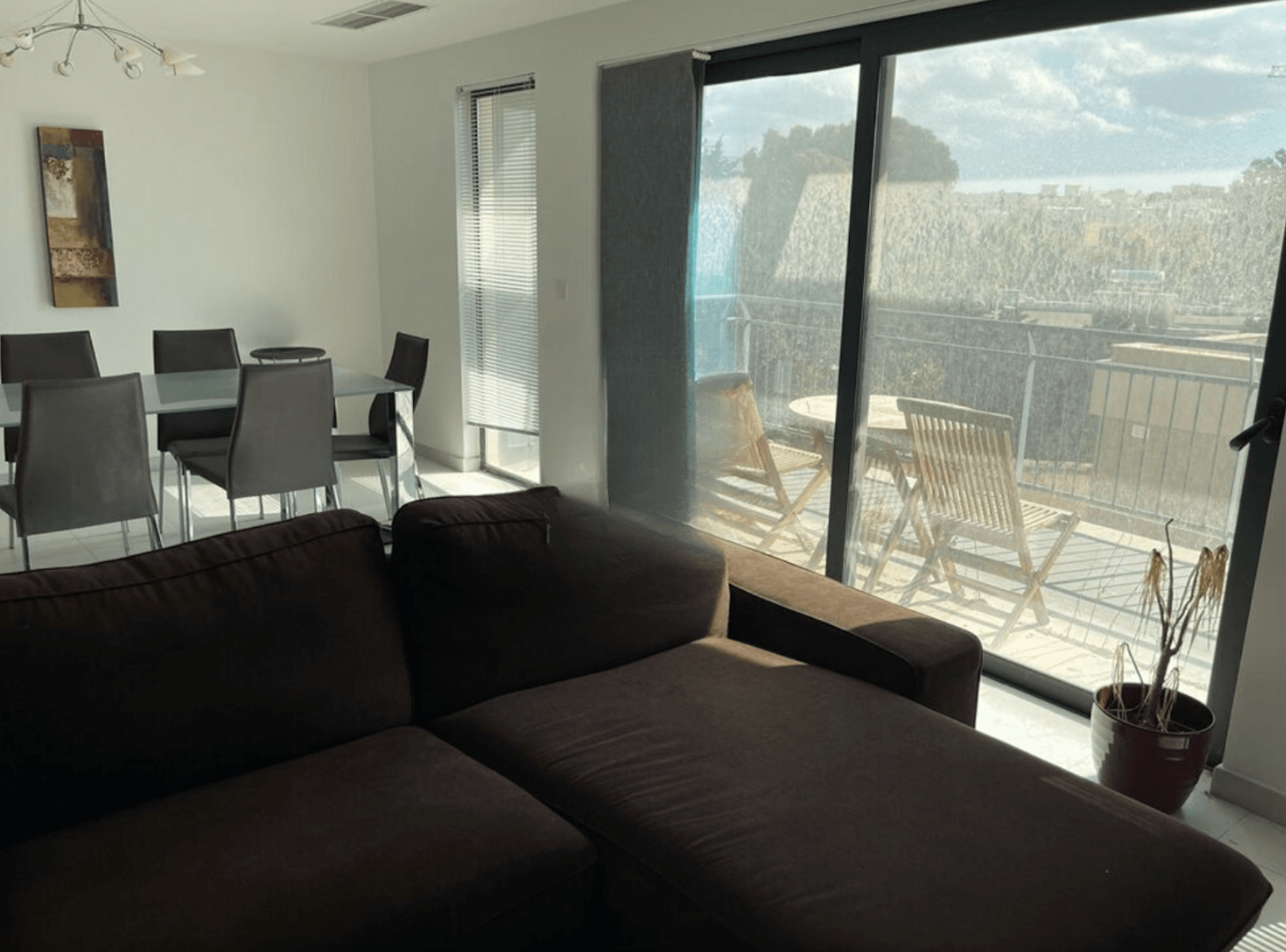
Malta, St Julian's
€750,000+
Apartments in modern style, St. Julians
172 m²3 2 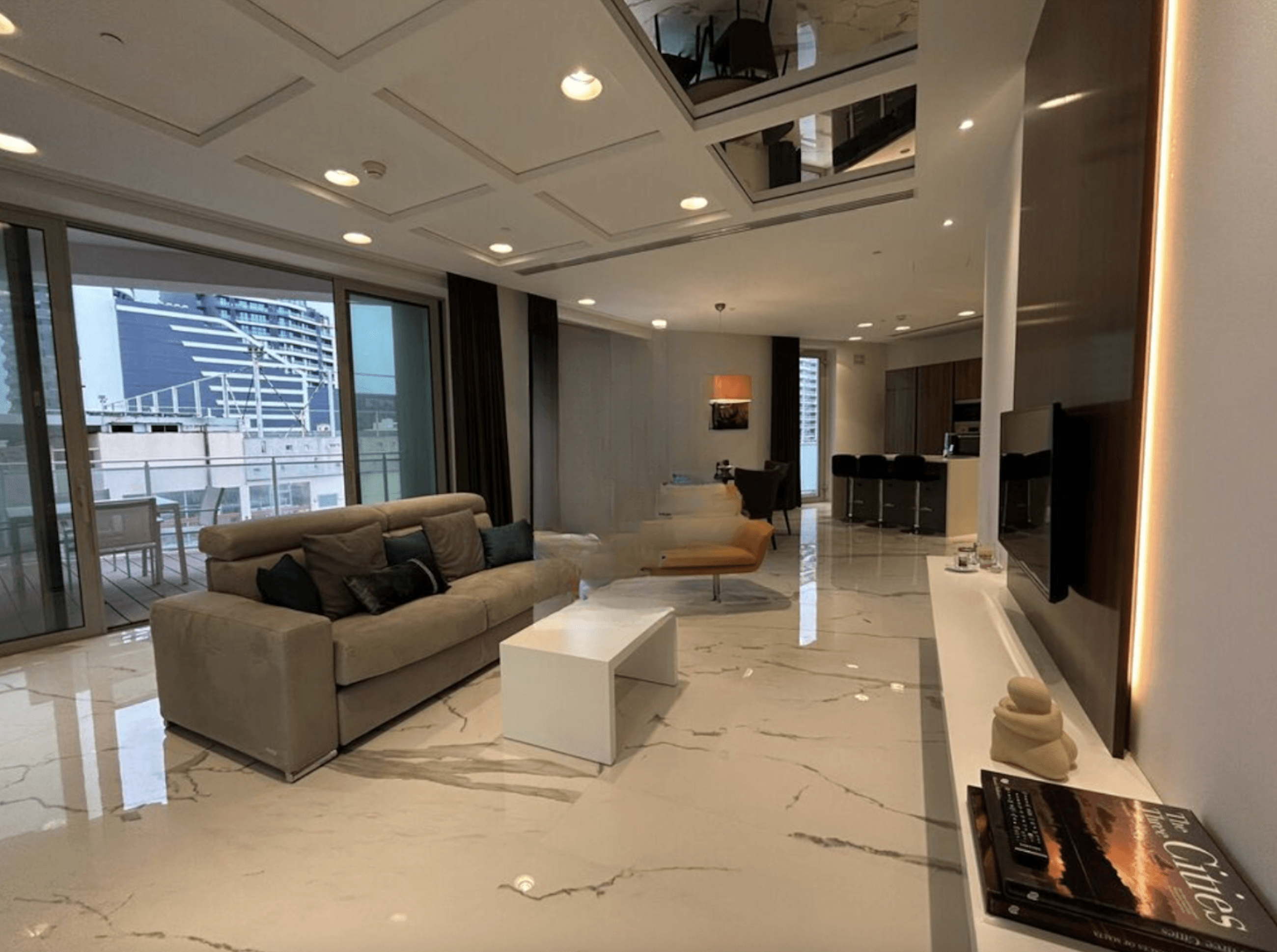
Malta, Sliema
€1,170,000+
Apartments in modern style, Sliema
116 m²1 1 What residence by investment programmes can LGBT couples apply for in Malta?
LGBT couples can apply together for residence by investment programmes — the Malta Permanent Residence Programme, MPRP, and the Malta Global Residence Programme, GRP. Both routes offer residence rights, property options, and tax advantages on equal terms with heterosexual couples.
Malta Permanent Residence Programme
The Malta Permanent Residence Programme is the flagship residence by investment pathway for non-EU, non-EEA, and non-Swiss nationals. It grants permanent residence status to applicants and their approved dependants.
Applicants must satisfy three mandatory pillars:
- Property — either purchase or rent a qualifying property in Malta.
- Government fees — a non-refundable contribution and administration fee.
- Charitable donation — a donation to a recognised Maltese NGO or registered charity.
Family members eligible for inclusion may include spouse, children, including adopted, and sometimes principally dependent parents and grandparents, according to the programme rules and eligibility.
Costs and amounts:
- minimum asset levels — €500,000 in total assets, of which €150,000 must be financial assets, or alternative thresholds of €650,000 with €75,000 of assets;
- qualifying property purchase: €375,000;
- rented property option: minimum annual rent of €14,000;
- contribution fee: €37,000;
- administration fee: €60,000;
- charitable donation: €2,000.
The updated rules are regulated under Legal Notice 310 of 2024 and Legal Notice 146 of 2025[16]Source: Malta MPRP regulations, Malta Agency.

Malta Global Residence Programme
The Malta Global Residence Programme is a special residence pathway that offers favourable tax status for non-EU nationals.
Tax-oriented advantages and favourable regime:
- Flat 15% tax rate on foreign income remitted to Malta with a minimum annual tax payment of €15,000.
- 0% on global income not transferred to Malta.
- 35% on income earned in Malta.
This regime allows residents to benefit from Malta’s high living standards and EU access, while optimising taxation.
Property ownership or rental requirements. Applicants must own or rent a qualifying property in Malta or Gozo:
- property purchase thresholds: €275,000 in Malta or €220,000 in Gozo;
- minimum annual rent: €8,750 in Malta’s south or Gozo; €9,600 in the north and centre.
The property must be the applicant’s main residence; subletting is generally not allowed.
The GRP allows for inclusion of spouses, children, siblings, parents and grandparents in the same application[17]Source: Malta GRP regulations, Tax and Customs Administration .
What challenges do LGBT expats still face in Malta?
Access to trans healthcare remains limited, with long waiting lists for treatment. Outside major cities, social conservatism persists, and surrogacy is banned for all couples.
Gaps between strong laws and real-life enforcement
Malta’s legal system offers full equality on paper, but enforcement can be inconsistent. Some LGBT residents report subtle discrimination in employment, housing, or healthcare, particularly when dealing with older institutions or individuals unfamiliar with inclusion policies.
Limited access to trans healthcare
Transgender individuals face long waiting lists for hormone therapy and gender-affirming surgeries. Although Malta’s GIGESC Act protects the right to gender identity, the public healthcare system still lacks enough specialised services. Many residents rely on private clinics or travel abroad for treatment, increasing financial and emotional strain.
Social conservatism in some rural areas
In cities like Valletta, Sliema, and St Julian’s, LGBT visibility is normalised. However, smaller towns and rural villages can remain socially conservative. Public displays of affection might draw attention, and some locals still hold traditional views rooted in religion and family norms.
Restrictions on surrogacy and reproductive options
While Malta allows same-sex marriage and adoption, surrogacy is illegal for all couples, regardless of orientation. Access to IVF and other reproductive technologies is available only under specific conditions, which may limit options for LGBT families seeking to have biological children.
Tax and inheritance benefits for LGBT couples in Malta
Malta applies the same tax and inheritance laws to all married couples, regardless of gender or sexual orientation. Since the legalisation of same-sex marriage in 2017, LGBT spouses have been fully equal to heterosexual couples in matters of taxation, property, and estate planning.
Equal taxation and financial rights
Married or civilly united couples, including same-sex partners, can file joint tax returns and benefit from the same deductions, allowances, and rates as any other family.
Both partners are recognised as spouses for tax purposes, allowing access to standard family-related benefits, such as transfer of tax credits or inheritance of tax-advantaged assets.
Under the Global Residence Programme, LGBT couples also qualify equally for the 15% flat tax on foreign income remitted to Malta, if they apply together.
Inheritance and property rights
Spouses in same-sex marriages enjoy the same succession and property ownership rights as heterosexual couples under the Civil Code of Malta. They may hold property jointly, inherit each other’s estate automatically under Maltese inheritance law, and benefit from spousal tax exemptions in asset transfers.
These protections extend to family homes, investments, and bank accounts, ensuring that surviving partners are legally protected.
Is Malta the right choice for LGBT expats?
- Malta has led the ILGA-Europe Rainbow Map for ten consecutive years, scoring 89% overall and achieving 100% in categories such as hate-crime legislation, gender recognition, and civil society freedom.
- Same-sex marriages, civil unions, and adoption are all legal, ensuring LGBT couples the same rights as heterosexual families.
- Malta grants permanent residence to non-EU nationals who invest in property, make a government contribution, and donate to a Maltese charity. Same-sex couples can apply jointly, enjoying equal rights to property ownership and family inclusion.
- Malta offers residence status with favourable tax conditions for non-EU nationals who own or rent property in Malta. LGBT couples are recognised equally, benefiting from the 15% flat tax on foreign income and inclusion of family members.
- Surveys show that over 80% of LGBT residents feel comfortable showing affection in public. Social acceptance is strongest in cities like Valletta, Sliema, and St Julian’s, where inclusive communities thrive.
Immigrant Invest is a licensed agent for citizenship and residence by investment programs in the EU, the Caribbean, Asia, and the Middle East. Take advantage of our global 15-year expertise — schedule a meeting with our investment programs experts.

 Trusted by 10,000+ investors