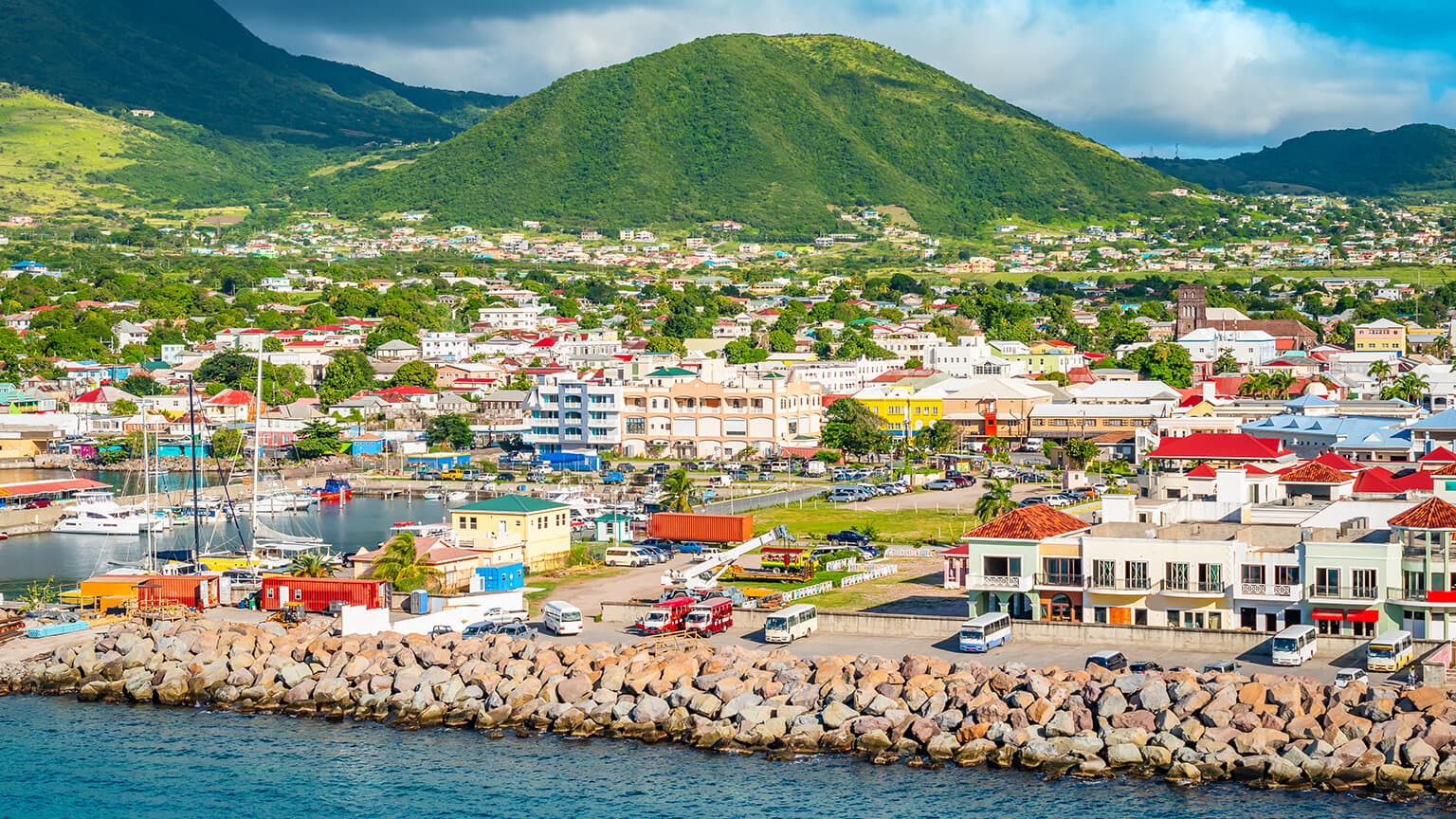










Five Caribbean countries offer citizenship by investment programmes: Antigua and Barbuda, Dominica, Grenada, St Lucia, and St Kitts and Nevis. To apply for citizenship, a foreigner makes a charitable donation, buys property, or invests in business in the chosen country.
The minimum investment amount for one applicant starts at $200,000, depending on the programme. When applying with the family, the threshold increases.
Find answers to questions that may arise when choosing a Caribbean country for citizenship in the interview with Zlata Erlach, an investment migration expert and the head of Austrian Office at Immigrant Invest.
What benefits does a Caribbean passport grant?
Foreign investors choose Caribbean passports for global opportunities, simple procedures, and quick processing times.
Here are some of the key advantages investors can enjoy with a Caribbean passport.
Increased global mobility
One of the main benefits of Caribbean citizenship is visa-free travel. Citizens of all five Caribbean countries offering citizenship by investment can visit the Schengen Area for up to 90 days within any 180-day period without a visa. They can also travel visa-free to Singapore, Hong Kong, and numerous other destinations.
Citizens of Antigua and Barbuda, Grenada, and St Kitts and Nevis can visit the UK with an Electronic Travel Authorisation, eTA.
Besides, Caribbean citizenship may offer an additional option when applying for a US visa. Citizens of St Lucia and St Kitts and Nevis can apply for B-1/B-2 visitor visas valid for up to 10 years.
Safe haven abroad
After obtaining a Caribbean passport, an investor and their family can quickly travel to another country in the event of unforeseen circumstances in the country of their origin. Citizens are allowed to enter the country even if the borders are closed for foreigners.
A Caribbean country can also serve as a second home for the family, offering a warm climate, beautiful beaches, and a relaxed lifestyle. Investors can spend holidays there, enjoy extended stays, or choose to relocate for a longer period without applying for residence permits.
Obtaining of citizenship remotely
All Caribbean countries with citizenship-by-investment programmes, except St Kitts and Nevis, offer a fully remote process that does not require investors to visit the country.
Application and documents are submitted via a licensed programme agent, interviews are conducted online, and citizenship documents are sent to the investor’s specified address.
For a St Kitts and Nevis passport, investors need to travel to an authorized centre to submit biometrics. The country has set up multiple centres across the world.

Trusted by 10,000+ investors
Compare Caribbean citizenship by investment programmes
Fast processing
Caribbean citizenship by investment programmes allow obtaining a second passport in under a year. The minimal expected timeframes are:
- 4 months in St Kitts and Nevis;
- 6 months in Antigua and Barbuda, Dominica, St Kitts and Nevis, and St Lucia;
- 8 months in Grenada.
No residency requirement
To maintain their citizenship, investors do not need to permanently move to the chosen country.
Antigua and Barbuda is the only one requiring investors to spend time in the country. To keep their passports, investors must come to Antigua and Barbuda for at least 30 days within the first 5 years after obtaining citizenship.
Dominica is also introducing a physical presence requirement. Under the announced changes, investors will need to spend at least 30 days in the country within the first 5 years of obtaining citizenship. The requirement has not yet been implemented, and no official start date has been confirmed.
Favourable tax conditions
The five Caribbean countries offer favourable tax regimes, without inheritance, gift, or personal capital gains taxes.
Antigua and Barbuda and St Kitts and Nevis do not levy personal income tax. Dominica, Grenada, and St Lucia do tax certain types of income, including employment earnings, interest, and royalties.
Tax benefits depend on an investor's tax residency and sources of income. Obtaining Caribbean citizenship alone does not change their tax obligations.
Freedom to live and work across the Caribbean
Citizenship in any of the five Caribbean countries offers additional opportunities to live, work, and do business across the Caribbean through membership in CARICOM and the Organisation of Eastern Caribbean States, OECS.
Under the OECS Free Movement of Persons Regime, citizens can live and work indefinitely without a work permit in six other participating territories. The regime covers Antigua and Barbuda, Dominica, Grenada, Montserrat, St Kitts and Nevis, St Lucia, and St Vincent and the Grenadines[1]Source: OECS — Free Movement of Persons Regime.
CARICOM membership also allows citizens to visit other participating member states visa-free, generally for up to six months, subject to immigration requirements. The CARICOM Single Market facilitates business establishment, cross-border services, and employment for eligible skilled workers, subject to applicable regulations[2]Source: CARICOM — Free Movement Under the Single Market.
Together, these arrangements provide greater flexibility to pursue employment, establish businesses, and spend extended periods across the Caribbean

Are you a perfect fit for Caribbean citizenship?
Discover your eligibility with our simple quiz!
How to choose the best Caribbean passport by goal?
The five Caribbean countries offering citizenship by investment have similar requirements. However, investors should note the subtle differences in investment options and opportunities after obtaining citizenship.
While the benefits provided appear comparable, each country has unique aspects that can significantly impact an investor’s decision, depending on their specific goals and needs.
Second passport at the lowest investment
If the investment budget is limited, consider citizenship by investment in Dominica and Antigua and Barbuda.
In Dominica, the minimum investment for one applicant is $200,000, both for a fund contribution and real estate purchase.
In Antigua and Barbuda, the minimum contribution to the state fund is $230,000. Large families can benefit from the university fund donation option, obtaining passports for $260,000 for at least 6 applicants.
Return of capital
If an applicant is interested in returning their initial investment, it would help to consider buying property.
St Kitts and Nevis and Antigua and Barbuda typically allow the purchase of villas and houses, not just shares in hotels, providing more flexibility in the type of property investment.
However, it’s important to consider that hurricanes frequently affect Antigua and Barbuda, Dominica, and St Lucia, potentially damaging buildings and impacting the long-term value of investments. In contrast, properties in Grenada or St Kitts and Nevis might offer a safer option due to their lower susceptibility to hurricanes.
The minimum investment in real estate ranges from $200,000 in Dominica to $400,000 in St Kitts and Nevis.
All the countries allow selling property after several years to return the investment. Each country poses a mandatory holding period for real estate:
- 3 or 5 years in Dominica;
- 5 years in Antigua and Barbuda, Grenada, and St Lucia;
- 7 years in St Kitts and Nevis.
An alternative option is to purchase St Lucia non-interest-bearing government bonds for $300,000. Bonds can be fully redeemed in 5 years.
A passport that will make US visas more accessible
Citizens of St Kitts and Nevis and St Lucia can apply for B-1/B-2 visitor visas for tourism and business. In exceptional cases, citizens of Grenada might also be eligible for this visa, with a requirement to post a refundable bond of up to $20,000. The amount is determined during the visa interview and refunded if the traveller meets the visa conditions.
If the applicant needs a business visa to the United States, it is advisable to consider Grenadian citizenship.
Grenadian citizens can apply for a US E-2 treaty investor visa if they make a substantial investment in a qualifying US business. Investors who acquired Grenadian citizenship through investment and have not previously held qualifying E status generally must have been domiciled in Grenada for at least three continuous years before applying.
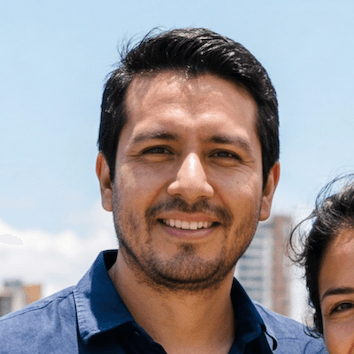
Grenada citizenship for a family from Bolivia
Matías invested in Grenada citizenship to create a potential pathway for himself and his family to move to the US in the future. Purchasing a house in Grenada also gave them a second home in the Caribbean.
Currently, Matías is on the way his goal to obtain a long-term visa to the US.
Citizenship for as many relatives as possible
If the investor applies with a big family, the best choice would be Grenada or Antigua and Barbuda. Both countries allow the main applicant to include spouses, children under 30, parents, grandparents, and siblings.
Additionally, in Antigua and Barbuda, investors do not need to prove financial dependency for children included in the application. In Grenada, siblings are not required to be financially dependent on the main applicant.

What are the rules of traveling with a Caribbean passport?
Holding a Caribbean passport offers significant travel benefits, allowing visa-free access to over 140 countries, including the entire Schengen Area, Singapore, and Hong Kong. For citizens of countries like Grenada, this extends to visa-free entry into China as well.
Also, some Caribbean passport holders are eligible to apply for a 10-year tourist visa to the United States, which can be processed at any US consulate within approximately two weeks.
When traveling with two passports, it’s essential to use each one correctly during different travel stages:
- When departing, present your passport at the airline check-in counter and again at the boarding gate to ensure you meet the entry requirements of your destination country.
- At departure passport control, use the passport with which you entered the country.
- For entry into your destination or return home, present the appropriate passport at arrival passport control, aligning with the country’s citizenship or visa policies.
Let’s imagine you hold dual citizenship with Turkey and Grenada and you’re planning a trip from Turkey to Italy. At the check-in desk in Turkey, present your Grenada passport to comply with Italy’s entry requirements. However, at the Turkish exit controls, you need to present your Turkish passport to comply with Turkish exit requirements.
Upon arrival in Italy, present your Grenadian passport, as it serves as a visa replacement for entry into EU countries.

Is it safe to purchase St Lucian government bonds?
Investing in St Lucia's National Action Bonds for citizenship is considered low risk. These bonds, guaranteed by the government, do not bear interest and must be held in the applicant's name for 5 years.
The government reserves the exclusive right to repurchase them, which mitigates the risk of non-repayment unless the government faces complete insolvency. In such an unlikely scenario, the bond's term is automatically extended.
The bond investment requires an initial payment of $300,000 plus fees, with several specific procedural steps to finalize the citizenship and bond issuance.
Can family members get citizenship with the main applicant?
All Caribbean citizenship by investment programmes allow investors to include family in the application. The list of eligible members differs depending on the country.
Family members are usually included in the initial application. Some countries allow adding relatives later, depending on their rules. In Grenada, children receive citizenship only if they apply with the investor. The exception is children born after the main applicant obtains citizenship.
Qualifying family members for Caribbean citizenship

Country
 Antigua and Barbuda
Spouse
Yes
Children under 18
Yes
Adult children
18—30 years old
Parents
Yes
Grandparents
Yes
Yes
Country
 Dominica
Spouse
Yes
Children under 18
Yes
Adult children
18—30 years old
Parents
Yes
Grandparents
Yes
No
Country
 Grenada
Spouse
Yes
Children under 18
Yes
Adult children
18—30 years old
Parents
Yes
Grandparents
Yes
Yes
Country
 St Kitts and Nevis
Spouse
Yes
Children under 18
Yes
Adult children
18—25 years old
Parents
Yes
Grandparents
No
No
Country
 St Lucia
Spouse
Yes
Children under 18
Yes
Adult children
18—30 years old
Parents
Yes
Grandparents
No
Yes
Country | Spouse | Children under 18 | Adult children | Parents | Grandparents | |
|---|---|---|---|---|---|---|
| Yes | Yes | 18—30 years old | Yes | Yes | Yes |
| Yes | Yes | 18—30 years old | Yes | Yes | No |
| Yes | Yes | 18—30 years old | Yes | Yes | Yes |
| Yes | Yes | 18—25 years old | Yes | No | No |
| Yes | Yes | 18—30 years old | Yes | No | Yes |
How much does it cost to add family members?
The cost of adding family members varies by country and depends on the chosen option and the number of applicants: the more family members included, the more additional fees must be paid.
As a general rule, the threshold for a fund contribution increases for families of 5 or more members. The minimum investment in real estate does not depend on the family composition.
In the Dominica citizenship by investment programme, the investment amount required for a family of four or more increases. For a family of four, the non-refundable fund contribution rises to $250,000 from the standard $200,000 for a smaller family.
Similarly, for each additional family member beyond the fourth, the investment increases by $25,000 for those under 18 and $40,000 for those over 18. This increment applies whether investing through a fund contribution or real estate purchase, although the base real estate investment remains at $200,000 regardless of family size.
Cost of Caribbean citizenship for a family of four
Country
Dominica
Fund contribution
$272,700+
Real estate purchase
$322,700+
Country
Grenada
Fund contribution
$267,700+
Real estate purchase
$365,700+
Country
St Lucia
Fund contribution
$265,100+
Real estate purchase
$323,500+
Country
Antigua and Barbuda
Fund contribution
$271,700+
Real estate purchase
$342,700+
Country
St Kitts and Nevis
Fund contribution
$283,500+
Real estate purchase
$418,500+
Country | Fund contribution | Real estate purchase |
|---|---|---|
| $272,700+ | $322,700+ |
| $267,700+ | $365,700+ |
| $265,100+ | $323,500+ |
| $271,700+ | $342,700+ |
| $283,500+ | $418,500+ |
How to prove that a child aged over 18 is entirely financially dependent on the investor?
Documentary proofs. The principal applicant has to prove that their adult child is financially dependent on them: this can be done by showing checks used for payments or bank statements.
Antigua and Barbuda is the only Caribbean country which does not require children aged 18 to 30 to be financially dependent on the investor.
Other conditions for adult children. In Dominica and St Kitts and Nevis, the adult child of the investor has to be a university student to be granted citizenship.
Thus, conditions for the participation of an adult child of an investor in a Caribbean citizenship by investment programme are as follows:
- Grenada — financial dependency required;
- Dominica — financial dependency and university enrolment required;
- St Lucia — financial dependency required;
- Antigua and Barbuda — financial dependency required;
- St Kitts and Nevis — financial dependency and university enrolment required, child must be aged up to 25.
What is easier and more beneficial: a non-refundable contribution or buying real estate?
The easiest way to apply for second citizenship by investment is by making a non-refundable contribution. However, this option may not be the most advantageous, as the investment cannot be recovered. Additionally, when including family members, the required investment amount may increase.
A more beneficial option is to purchase real estate. Although this is more expensive than a non-refundable contribution, the property can be used for living or rented out to generate income. Later, it can be sold at a profit.
Real estate investments in different Caribbean countries
Country
Antigua and Barbuda
Minimum investment
$300,000+
Annual yield
2—6%
Return on investment
5 years
Country
Dominica
Minimum investment
$200,000+
Annual yield
3—7%
Return on investment
3 or 5 years
Country
Grenada
Minimum investment
$270,000+
Annual yield
3—5%
Return on investment
5 years
Country
St Lucia
Minimum investment
$300,000+
Annual yield
4%
Return on investment
5 years
Country
St Kitts and Nevis
Minimum investment
$325,000+
Annual yield
2—8%
Return on investment
7 years
Country | Minimum investment | Annual yield | Return on investment |
|---|---|---|---|
| $300,000+ | 2—6% | 5 years |
| $200,000+ | 3—7% | 3 or 5 years |
| $270,000+ | 3—5% | 5 years |
| $300,000+ | 4% | 5 years |
| $325,000+ | 2—8% | 7 years |
Which properties qualify for citizenship by investment?
In all the countries, investors can buy real estate only in government-approved projects. Typically, these are shares in hotels or residential complexes.
St Kitts and Nevis also allows purchasing a share in a condominium unit or a single-family private dwelling, both designated as an Approved Private Home.
When selling the property, investors must pay a stamp duty or property transfer tax of up to 15%, depending on the country. Capital gains tax on the property price increase is not levied in any of the countries.
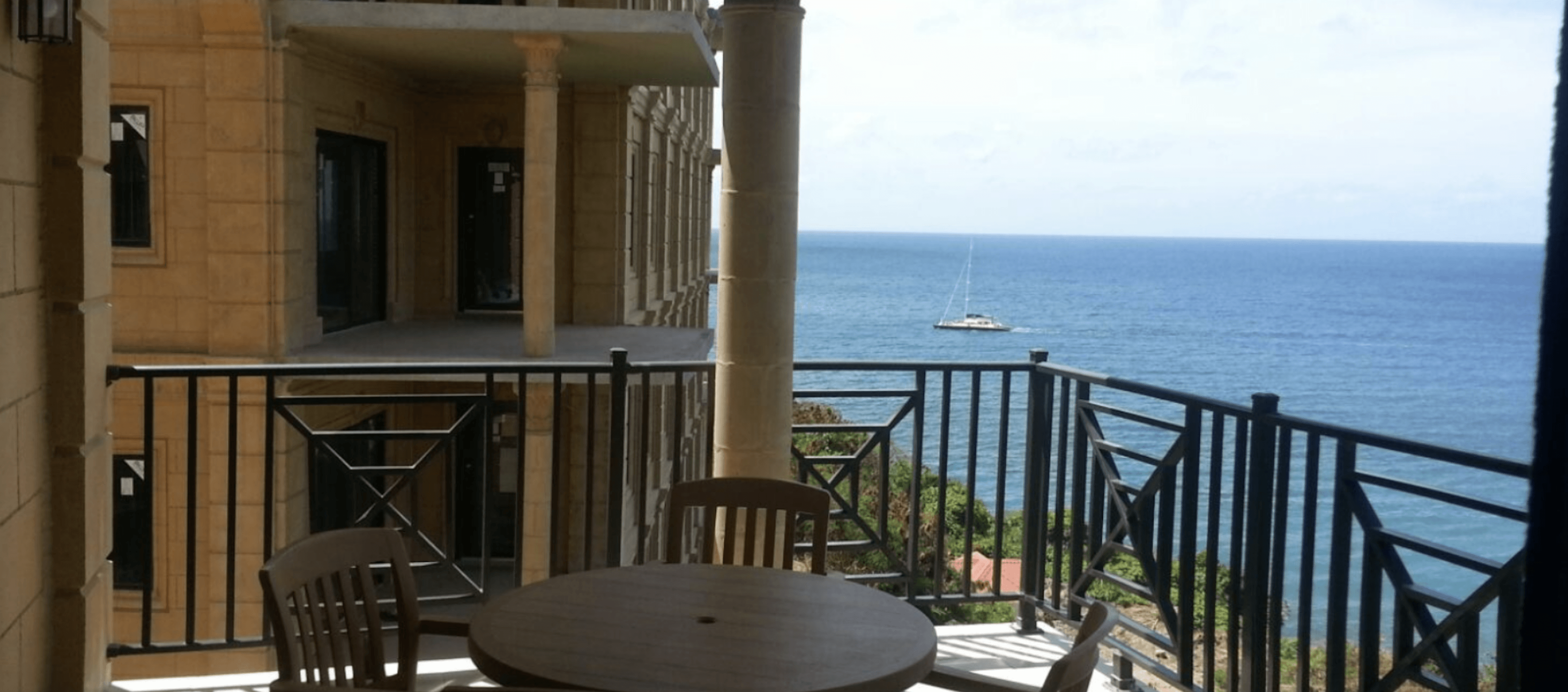
Examples of investment properties in St Kitts and Nevis


St Kitts & Nevis, Basseterre
$350,000+
Apartments in modern style, Basseterre
 223 m²
 3
 2
St Kitts & Nevis, Basseterre
$385,000+
Elegant apartments, Basseterre, St Kitts and Nevis
149 m²3 3 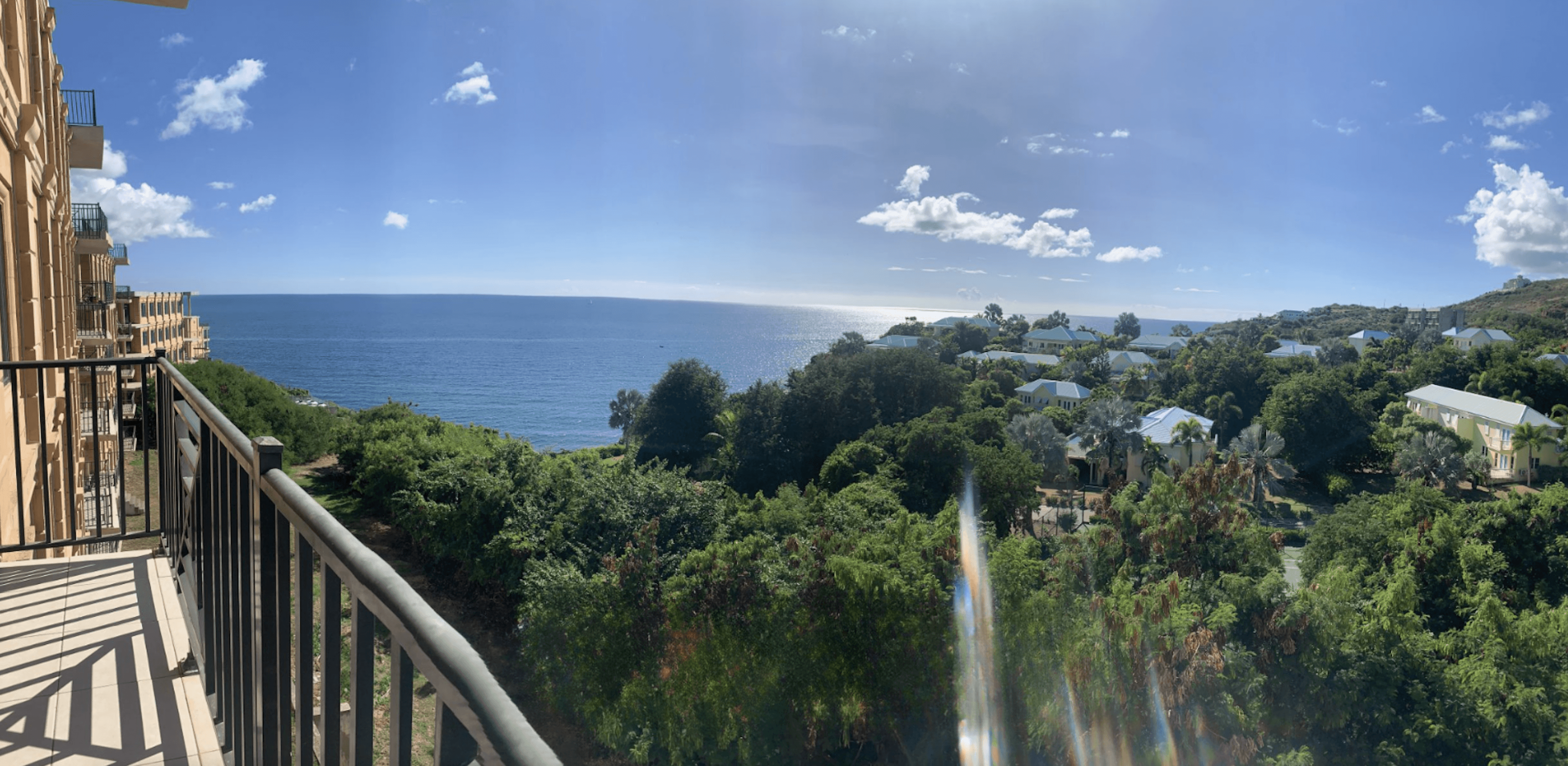
St Kitts & Nevis, Basseterre
$400,000+
Stylish apartments, Basseterre
149 m²3 3 What is the fastest way to get citizenship in the Caribbean?
The minimum period of obtaining a Caribbean passport is 4 months in St Kitts and Nevis. In Antigua and Barbuda, Dominica, and St Lucia it takes at least 6 months. In Grenada, the entire process takes 8 or more months.
The final processing time of an application may be affected by external factors such as authority overload or unexpected events like hurricanes. Working with an experienced agent that runs Preliminary Due Diligence, such as Immigrant Invest, will likely expedite the process. Qualified lawyers will prepare all the required documents specific to each case, helping to avoid additional requests and delays.
What is the procedure for obtaining citizenship by investment in a Caribbean country?
Applications for citizenship in all five Caribbean countries are submitted without travelling there. Applicants turn to a licensed agent such as Immigrant Invest, select the suitable citizenship by investment programme, and provide the required documents to the agent’s lawyers to apply on their behalf. Here is how the application process is organised step by step.
The entire process of obtaining a second citizenship by investment in the Caribbean lasts from 4 to 8 months, depending on the country selected.
Investors do not have to live in the country of their Caribbean citizenship after obtaining their second passport. Antigua and Barbuda is the only exception, as the terms of its citizenship by investment programme require the applicant to spend at least 30 days in the country during the first 5 years of citizenship.
1 day
Preliminary Due Diligence
Immigrant Invest conducts a preliminary check of the investor before signing a service agreement. The check helps to timely identify any risks of refusal and address them.
Immigrant Invest conducts a preliminary check of the investor before signing a service agreement. The check helps to timely identify any risks of refusal and address them.
2+ weeks
Document preparation
The investor collects a pack of documents required by the chosen programme. Immigrant Invest experts translate and notarise documents, when required.
The investor collects a pack of documents required by the chosen programme. Immigrant Invest experts translate and notarise documents, when required.
3 to 6 months
Due Diligence and application processing
A CBI unit of the chosen country conducts Due Diligence of the investor and their family against international databases.
At this step, applicants also undergo an interview. It is carried out in person or remotely. When required, a translator is provided.
A CBI unit of the chosen country conducts Due Diligence of the investor and their family against international databases.
At this step, applicants also undergo an interview. It is carried out in person or remotely. When required, a translator is provided.
Up to 30 days
Implementing the investment condition
After the application is approved, the applicant invests in the chosen option.
After the application is approved, the applicant invests in the chosen option.
4+ weeks
Getting citizenship documents
Once the investment is made, authorities issue naturalisation documents and passports.
Once the investment is made, authorities issue naturalisation documents and passports.
Differences in the application process. In most cases, applicants receive their citizenship documents by courier at a specified address.
The only exception is St Kitts and Nevis. After obtaining approval and before receiving citizenship documents, investors and their family members are required to submit biometric data at an authorised centre. Such centers are set up in China, the UAE, the UK, Canada, Taiwan, Morocco, and Türkiye.
St Kitts and Nevis also requires successful applicants to visit the country to collect their passport in person. However, this can be performed though a licensed agent using a Power of Attorney.
When obtaining citizenship in Antigua and Barbuda, investors must also visit the country once to take an oath within five years of an approved application. They need to spend at least 30 days in the country during this period.
In Grenada, applicants need to successfully pass a bank Due Diligence before the main Due Diligence process. The investor provides information about all their sources of income to prove their legitimacy. If the bank gives a positive decision, the application proceeds to the main Due Diligence. If the bank Due Diligence is not passed, the application is rejected.
Which country is best for long-term residency?
All five countries offering citizenship by investment are similar in terms of their economy, social life, healthcare and education systems, and the number of tourists they attract each year. Therefore, investors should choose the country that best suits their personal needs and preferences.
However, investors should be aware that the levels of infrastructure and services in Caribbean countries might be lower compared to those in the EU or the USA.

Antigua and Barbuda citizenship for retirement and tax optimisation
After retirement, George and Cristin dreamt of moving to a country with a pleasant climate and a slower pace of life. As American citizens, they also looked for a place where they could optimise their taxes.
Having previously vacationed in the Caribbean and appreciating the islands’ proximity to the US, they decided to obtain citizenship in one of the Caribbean countries.
Following a consultation with Immigrant Invest experts, they chose to buy a villa in Antigua and Barbuda. Their application was approved in 3 months, and the entire process of obtaining citizenship took just half a year.
Where in the Caribbean is it more profitable to open a bank account and conduct business?
If an investor becomes a tax resident of Antigua and Barbuda or St Kitts and Nevis, their global income will be taxed at 0%. However, to achieve tax residency, they must spend at least 183 days per year in the country.
Investors can legally reduce their tax obligations and open foreign currency accounts in any of the five Caribbean countries. Therefore, it’s advisable to select a citizenship programme based on the additional options offered by each country. For example, eligibility for a US E-2 business visa, which is offered by the citizenship by investment programme in Grenada.
Starting a business in a Caribbean country is slightly more complex. Applicants must detail their business activity, understand taxation-related issues, and prove the legitimacy of their income. Immigrant Invest experts can assist entrepreneurs with obtaining a tax number, opening a bank account, and registering a company.
What are the risks and pitfalls of obtaining Caribbean citizenship?
Caribbean citizenship by investment offers several advantages, but investors should consider potential financial losses, application delays, and restrictions before choosing a programme.
Application rejection and non-refundable fees
Citizenship is not guaranteed, even if an investor meets the minimum investment requirement. Applications may be rejected following Due Diligence, while certain fees are non-refundable.
For example, Antigua and Barbuda charges an $8500 Due Diligence fee for the main applicant, which is not refunded if the application is unsuccessful. Investors should undergo preliminary eligibility checks before submitting their documents and paying government fees.
At Immigrant Invest, we run Preliminary Due Diligence on each client that allows us to address possible issues beforehand by additional documentation and reduce the rejection risk.
Unauthorised intermediaries and fraudulent offers
Investors risk losing money by working with intermediaries who are not authorised to submit citizenship applications. All applications must be submitted through government-authorised agents.
Investors should verify their representative's credentials against official government registers and avoid offers promising guaranteed approval or investment amounts below the legal minimum. The lists of authorised agents are usually available on a country’s CBI Unit’s website.
Additional expenses beyond the minimum investment
The advertised investment threshold does not represent the full cost of citizenship. For example, Dominica's real estate option starts at $200,000, but a single applicant must also pay a $75,000 government fee, alongside Due Diligence, processing, interview, and other charges.
Investors should request a complete cost breakdown for every family member before choosing an investment option.
Restrictions on selling investment property
Real estate purchased under citizenship programmes cannot be resold immediately. In Dominica, qualifying property must generally be held for at least 3 years after citizenship is granted, or 5 years if it is to qualify another citizenship applicant.
In Antigua and Barbuda, Grenada, and St Lucia, the minimum holding period is 5 years, while St Kitts and Nevis requires 7 years.
Government approval of a development also does not guarantee rental income or profitable resale. Investors should assess the project's commercial prospects and exit conditions before purchasing.
Changes to visa-free travel privileges
A Caribbean passport's travel benefits may change after citizenship is granted. For example, the UK introduced visa requirements for St Lucian citizens on March 5th, 2026.
The US also restricted visa issuance for nationals of Antigua and Barbuda and Dominica from January 1st, 2026. Investors should not base their citizenship decision solely on access to a particular destination, as foreign governments can revise entry requirements.
How Immigrant Invest can help investors obtain a Caribbean passport?
Immigrant Invest is an international investment migration company that has helped investors obtain residence and citizenship by investment since 2006. We have assisted more than 10,000 clients worldwide and are a licensed agent for Caribbean citizenship by investment programmes.
Our in-house Legal and AML Compliance Department helps investors select the most suitable citizenship programme based on their goals, family composition, budget, and personal circumstances.
Before submitting an application, our AML Compliance Officers conduct a preliminary background check to identify potential risks of rejection, while our lawyers calculate the total investment costs and prepare the required documents.
Immigrant Invest also provides on-the-ground support in the Caribbean. Investors choosing the real estate route can rely on our local representative to inspect properties, communicate with developers, and assist in selecting a government-approved project. The representative also liaises with local authorities and handles permitted formalities on the investor's behalf, including coordinating the collection of citizenship documents and passports.
We support investors throughout the entire process, from choosing a programme to receiving their Caribbean passports. After citizenship is granted, our team can also assist with passport renewals, adding eligible family members, and other citizenship-related matters.
Instead of the conclusion: which Caribbean country to choose?
- Caribbean countries with citizenship by investment programmes include St Kitts and Nevis, St Lucia, Antigua and Barbuda, Grenada, and Dominica.
- For visa-free travel to the Schengen Area, Hong Kong, and other popular destinations, any Caribbean passport will suffice. Citizens of Dominica, Antigua and Barbuda, and Grenada can travel to China without a visa.
- If the investor’s goal is to earn income from their initial investment, the most profitable option is to invest in real estate in any of these countries.
- If the applicant needs to start a business in the United States, they should consider Grenadian citizenship which allows applying for a US E-2 business visa for the whole family.
Immigrant Invest is a licensed agent for citizenship and residence by investment programs in the EU, the Caribbean, Asia, and the Middle East. Take advantage of our global 15-year expertise — schedule a meeting with our investment programs experts.

 Trusted by 10,000+ investors