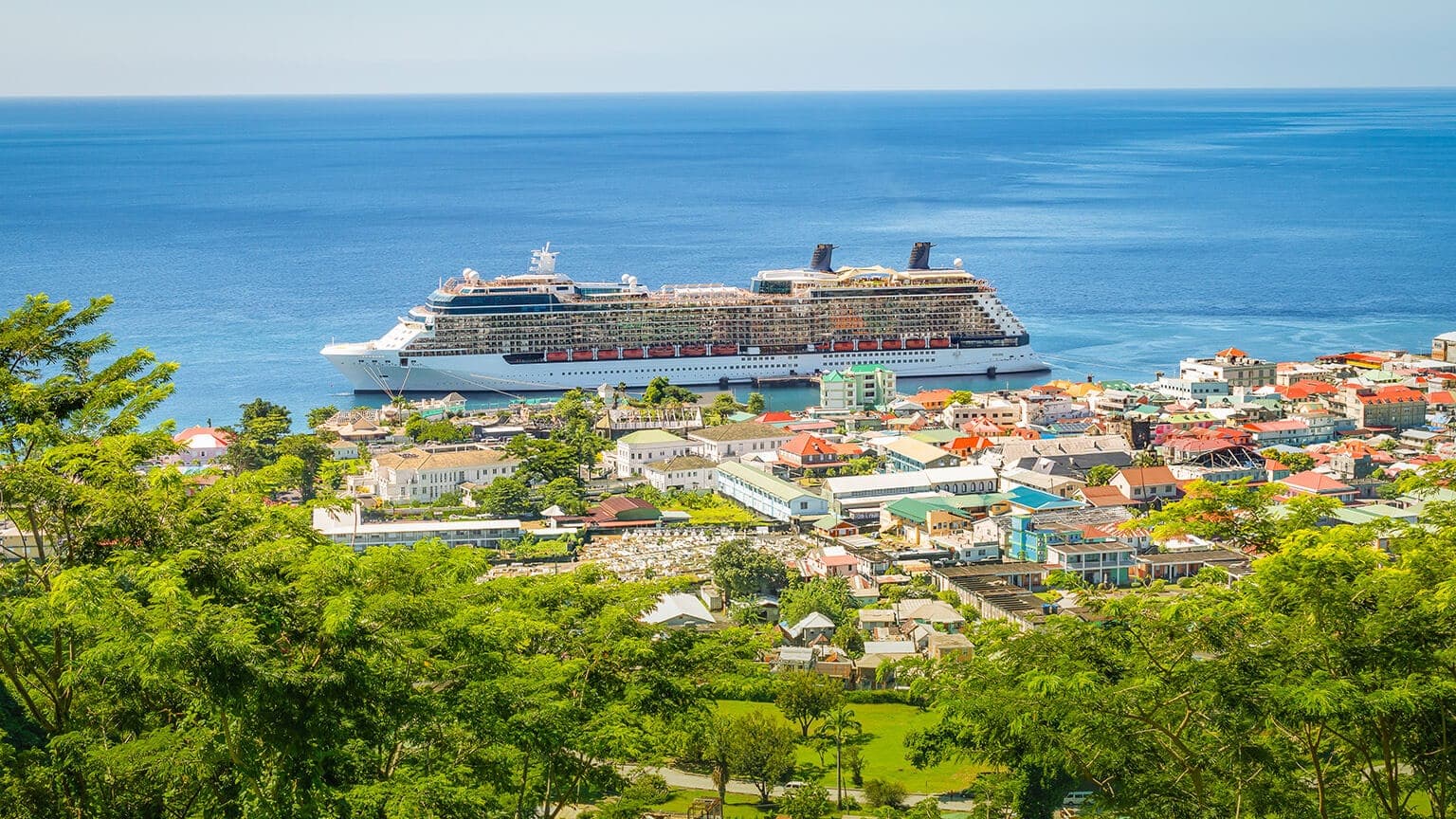








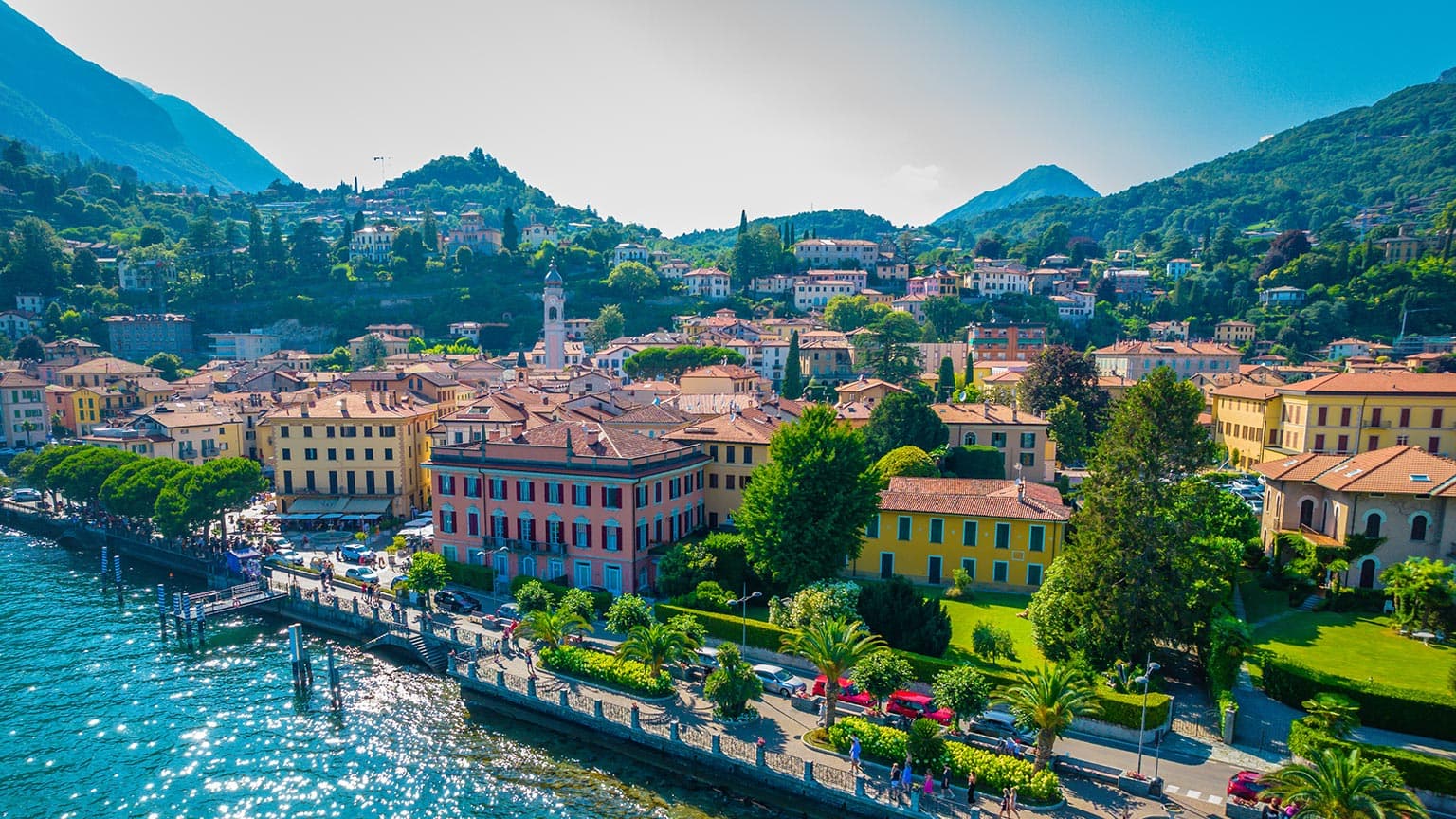

The capitals of the UK, Spain, France, Germany, and the Netherlands rank among Europe's five most attractive destinations for property investment in 2026, according to the PricewaterhouseCoopers and the Urban Land Institute[1]Source: PwC — Emerging Trends in Real Estate Europe 2026.
Meanwhile, Greece, Malta, Cyprus, and Andorra offer another opportunity for international buyers: purchasing real estate there can provide a pathway to European residence.
Property prices, taxes, maintenance costs, and purchasing rules vary considerably across Europe. This guide gives an overview of the costs of buying and owning property in different countries and explores the opportunities available to investors seeking a second home or residence.
Europe real estate at a glance: country comparison
Europe's property market spans affordable homes in the Balkans, Mediterranean seaside villas, and luxury apartments in Monaco and Switzerland. Each market offers different opportunities, from rental income and capital appreciation to holiday homes and permanent relocation.
Property investment can also provide a route to residence or citizenship in several countries, with minimum requirements varying by programme:
Choosing where to buy depends on budget, investment goals, climate, and foreign ownership rules. Portugal leads the EU in annual house-price growth[2]Source: Eurostat — House prices up by 4% in the euro area, while San Marino stands out among non-EU markets[3]Source: Wikicasa — Property Prices in San Marino. Ireland attracts income-focused investors with its strong rental yields[4]Source: Global Property Guide — Rental Yields in Europe and high rents[5]Source: Numbeo — Europe: Apartment in City Centre.
Purchase taxes, maintenance costs, and local demand also shape investment returns. High rental income does not always translate into strong capital appreciation, so both short- and long-term potential matter.
The table below compares property prices per m², annual price growth, monthly rents, and long-term rental yields across European countries.
Average property prices, growth, rents, and yields across Europe

 Real estate in Greece
Greece attracts property buyers with its Mediterranean lifestyle and diverse real estate market. Prices range from affordable homes in mainland regions to luxury villas on popular islands. For non-EU investors, purchasing property can also open the door to a renewable residence permit under the Golden Visa programme.
Property prices
In 2026, the average property price in Greece stands at €2,780 per m²[6]Source: Indomio — Real estate quotes in Greece. The most expensive properties are found in Santorini, Mykonos, the Secondary Cyclades, the Athens Riviera, and central Athens.
Prices in Athens vary considerably, from €2,170 per m² in the more affordable Kypseli neighbourhood to €5,030 per m² along the Athens Riviera.
Despite their popularity among foreign buyers and tourists, Crete and Rhodes have average property prices of around €2,400 per m². The most affordable properties are found in Western Macedonia, where prices start at €650 per m².
Trusted by 10,000+ investors
Your shortcut to Greece residency: top properties from €250k
Property taxes and maintenance costs in Greece
Property transfer tax in Greece is 3.09% of the taxable property value, including the municipal surcharge. It applies to resale properties and new developments covered by the VAT suspension.
The transfer tax is expected to rise to 15% for non-EU buyers of residential property from July 1st, 2027, under a proposed reform[7]Source: Office of the Prime Minister of Greece — Speech by Prime Minister Kyriakos Mitsotakis at the 90th Thessaloniki International Fair. We recommend starting the purchase process no later than January 15th, 2027, to allow sufficient time to complete the transaction before the proposed increase.
VAT is 24% on new properties. Its application to eligible new developments is suspended until December 31st, 2026, allowing buyers to pay the lower transfer tax instead.
Annual property tax, known as ENFIA, varies according to the property's location, size, age, and other characteristics. The basic tax rate for buildings ranges from €2 to €16.20 per m², before adjustments and discounts[8]Source: Greek Independent Authority for Public Revenue — ENFIA Tax Rates. Owners of higher-value property portfolios may face additional charges.
Additional property purchase costs typically include:
- 1.5% — legal fees;
- 0.5% — cadastral registration fee;
- 0.3% — engineer's fee.
Together with the transfer tax, these expenses add approximately 5.5% to the purchase price. For a €400,000 property, this amounts to around €22,000 in additional costs.
Monthly utilities for an 85 m² apartment average around €190, depending on consumption, season, and location.
Examples of real estate in Greece
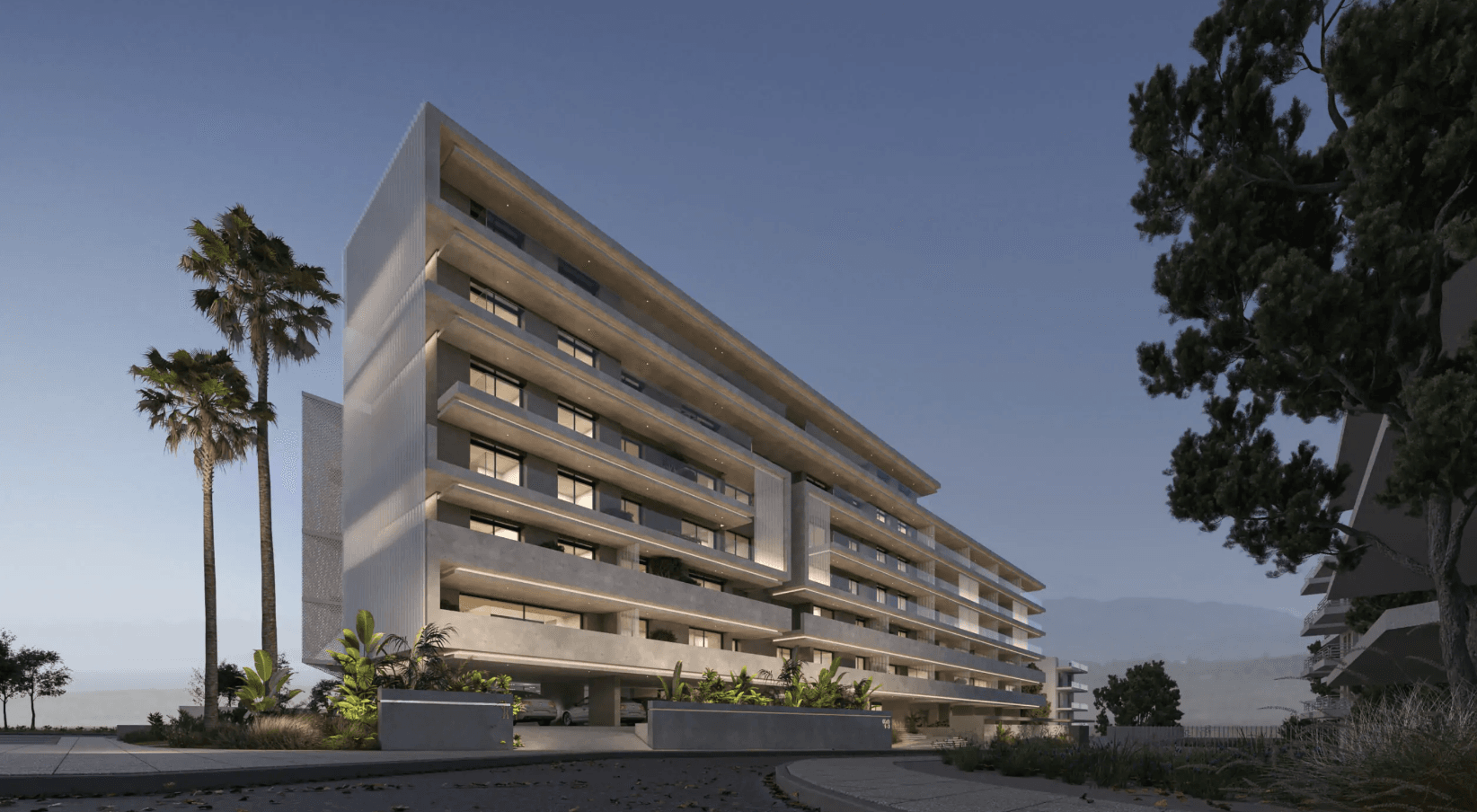

Greece, Athens
€720,000+
Cosy and stylish apartments in modern style, Glyfada, Athens
 98 m²
 2
 2
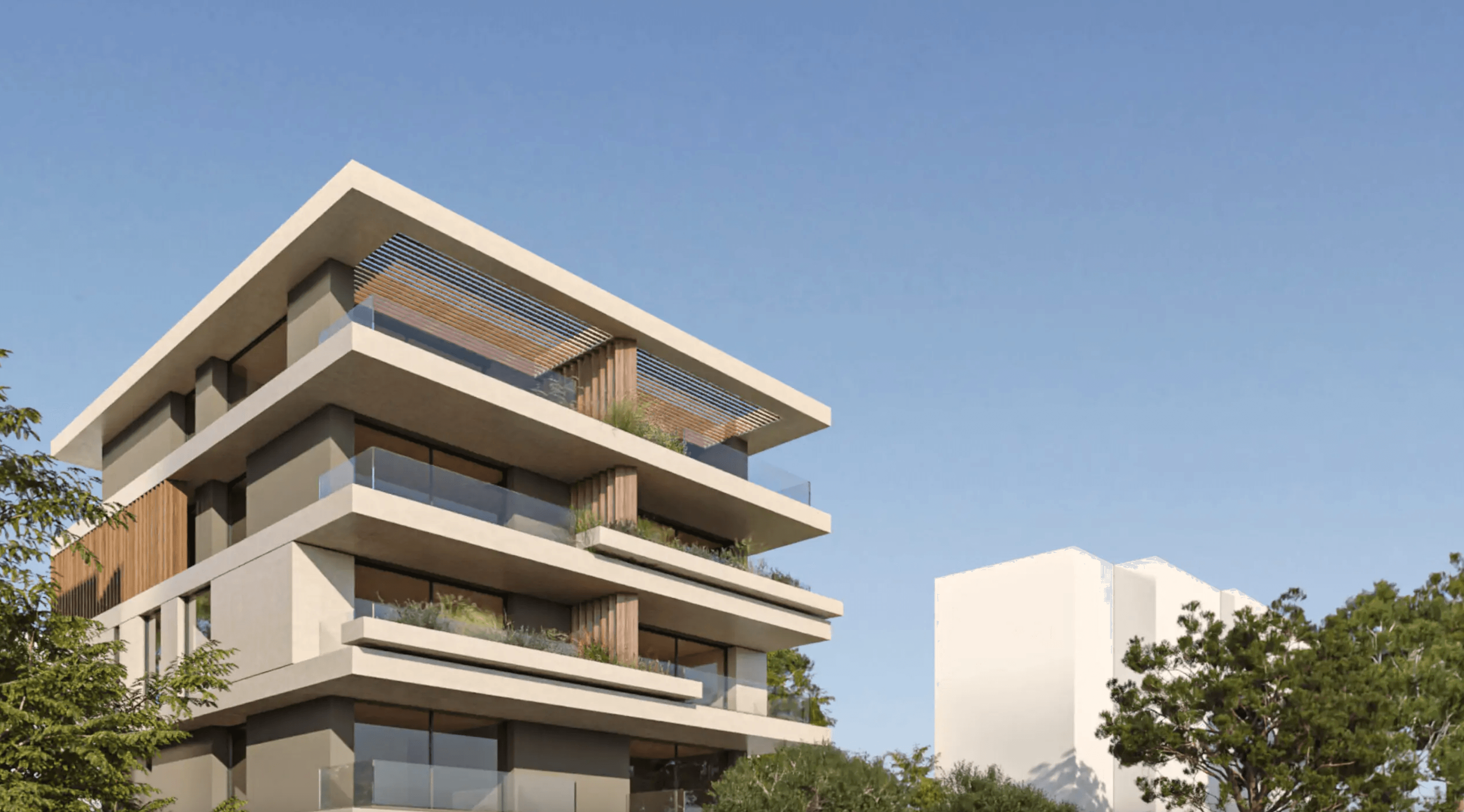
Greece, Athens
€1,185,000+
Luxury apartments, Varkiza, Athens
207 m²4 4 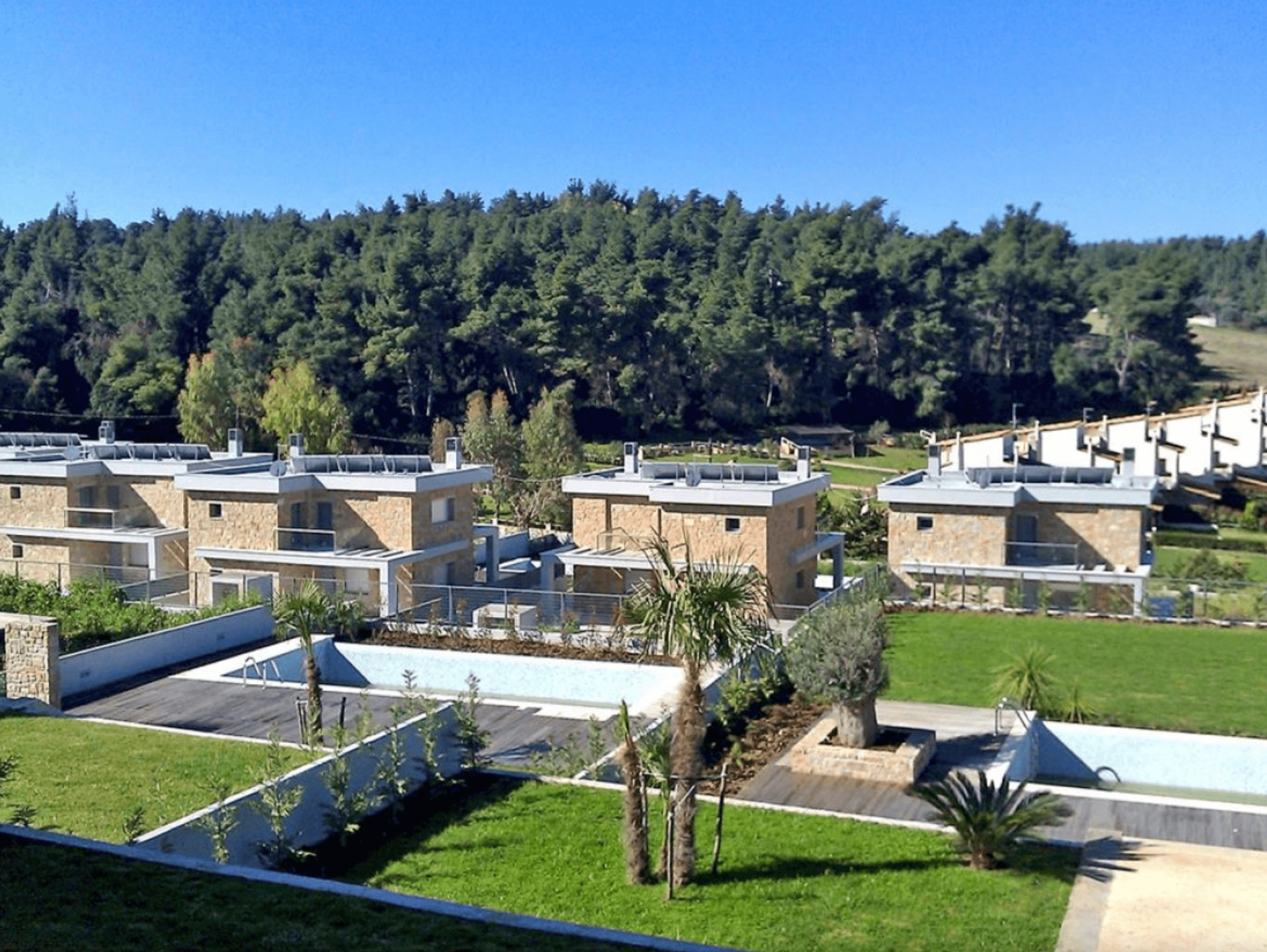
Greece, Kassandra
€505,000+
Modern villa, Sani, Kassandra
170 m²4 3 Residence permit through property purchase
Buying property in Greece can provide non-EU citizens with a residence permit under the Golden Visa programme. The minimum investment depends on the property's location and type:
- €800,000+ — in Athens, Thessaloniki, Mykonos, Santorini, and islands with more than 3,100 residents;
- €400,000+ — in other regions of Greece;
- €250,000+ — in properties converted from commercial to residential use or historic buildings requiring restoration.
For investments of €400,000 or €800,000, buyers must purchase a single property with an area of at least 120 m². It can be rented out on a long-term basis.
The residence permit is valid for 5 years and can be renewed for another 5 years as long as the investor retains ownership. There is no minimum stay requirement in Greece.
Investors can sell their property at any time, but must make another investment to keep their residence permit.
Family members can also obtain residence permits, including the investor's spouse, children under 21, and parents of both spouses.

 Real estate in Cyprus
Cyprus offers everything from city apartments in Nicosia to seaside homes in Limassol and Paphos. Beyond personal use and rental income, property investment can also secure permanent residence for non-EU buyers and their families.
Property prices
Residential property prices in Cyprus average €2,000 per m² for houses and apartments[9]Source: Landbank Properties — Market Intelligence. Prices vary depending on the property's location and type:
- Limassol — €2,680 per m²;
- Paphos — €1,750 per m²;
- Nicosia — €1,580 per m²;
- Larnaca — €1,530 per m².
Property taxes and maintenance costs in Cyprus
Property transfer fees range from 3 to 8% and are calculated progressively according to the property's value:
- 3% — on the first €85,000;
- 5% — on the next €85,000;
- 8% — on the amount exceeding €170,000.
Buyers of resale properties receive a 50% discount on the calculated transfer fees, reducing the effective rates to 1.5—4%. If the purchase is subject to VAT, no transfer fees are charged[10]Source: Cyprus Department of Lands and Surveys — Calculation of Real Estate Transfer Fees.
VAT is 19% on new properties. If the property is the only housing and the investor plans to live there and not rent it out, VAT is reduced to 5%.
Monthly utilities cost around €80—150 for a 2-bedroom apartment in Cyprus, rising to €250—450 during periods of intensive air-conditioning use.
Permanent residence through property purchase
Buying property in Cyprus can provide non-EU citizens with permanent residence. The minimum investment is €300,000, excluding VAT. Eligible properties include new houses and apartments purchased directly from developers, as well as new or resale commercial properties, such as offices, shops, and hotels.
Permanent residence is granted for life, although the residence card must be renewed every 10 years. Investors can sell their property, provided they replace it immediately with another investment of equal or greater value to retain their status.
Family members can also obtain residence permits, including the investor's spouse and financially dependent children aged 18 to 25 who are studying at university.
 Real estate in Malta
Malta combines a premium property market with a route to lifelong permanent residence. Unlike most investment-based residence programmes, it allows investors to sell their property after 5 years without losing their status, provided they maintain a residential address in the country.
Non-EU buyers need an Acquisition of Immovable Property, AIP, permit and can purchase only one property outside designated zones without the right to rent it out. In Special Designated Areas, SDAs, foreigners can buy multiple properties without an AIP permit or restrictions on the number of properties owned. Real estate located in SDA can also be rented out.
Property prices
Apartments in Malta cost an average of €4,630 per m². Prices vary by property type, with maisonettes averaging €3,810 per m² and penthouses €4,730 per m²[11]Source: MIRA Estate — Malta Property Market Data.
Sliema and Portomaso are among the most expensive areas, with premium apartments costing €6,000—8,000 per m², while prices in Valletta range from €4,500 to €7,500 per m². The most affordable properties are found in Gozo, where prices can be 30—50% lower than on Malta's main island[12]Source: MIRA Estate — Malta Real Estate Market Report 2026.
Property taxes and maintenance costs in Malta
Stamp duty in Malta is 5% of the property's purchase price. If the assessed market value is higher, the tax is calculated on that amount instead. Buyers pay an initial 1% when signing the preliminary agreement, with the remaining 4% due upon completion of the purchase.
Notary fees range from 1 to 2.5% of the property value, depending on the transaction's complexity. Additional charges, including VAT on professional services, may apply.
Monthly utilities for an 85 m² apartment cost around €80—140. Electricity and water account for most expenses, with bills depending on metered consumption.
Permanent residence in Malta through property purchase
Property investment in Malta can provide a path to lifelong permanent residence. Investors must rent or purchase property, pay the required government fees, and make a charitable donation. All conditions are mandatory, except that applicants can choose between renting and buying.
The costs include:
- Property — annual rent of at least €14,000 or a purchase worth €375,000+.
- Legal fees for property purchase — €26,250+.
- Government contribution — €37,000.
- Administration fee — €60,000.
- Charitable donation — €2,000 to an approved Maltese non-governmental organisation.
The total investment starts at €100,200 for renting or €474,000 for purchasing property.
Permanent residence is granted for life. There is no minimum stay requirement in Malta.
Investors can sell their property after 5 years, provided they maintain a residential address in Malta, either by purchasing another property or renting one.
Family members can also obtain permanent residence, including the investor's spouse, dependent children under 29, parents, and grandparents. All adult family members included in the application must rely primarily on the main applicant for financial support.
 Real estate in Austria
To buy real estate in Austria, non-EU buyers need approval from the regional property transfer authority, which assesses the purpose of the purchase. To obtain approval, applicants submit their passport, purchase agreement, and property documents. Requirements vary by federal state, and some regions allow purchases without special authorisation[13]Source: Austrian Government — Authorisation Procedure for Nationals of Third Countries.
The average asking price of apartments in Austria is €6,250 per m². Prices vary significantly by city and neighbourhood[14]Source: ImmoScout24 Austria — Property Price Analysis. Vienna remains one of the country's most expensive property markets, with apartments averaging €6,730 per m². In the prestigious Innere Stadt district, prices can exceed €13,000 per m².
Taxes. When acquiring property in Austria, buyers pay 7—11% of the purchase price in taxes and additional fees[15]Source: Austrian Government — Property Purchase Costs. The main costs include:
- Property transfer tax — 3.5% of the purchase price.
- Land Registry fee — 1.1% of the property value.
- Estate agent's commission — negotiable, but capped at 3% of the purchase price, plus 20% VAT, for properties worth more than €48,448.51.
Annual property tax is calculated using the property's assessed value rather than its market price. Municipalities determine the final amount by applying a multiplier of up to 500% to the statutory tax assessment[16]Source: Austrian Federal Ministry of Finance — Real Estate Tax. For example, a property with a tax assessment of €50 would attract €250 in annual property tax at the maximum multiplier. For apartments, this tax is included in monthly building charges.
Monthly maintenance costs for an apartment may range from €100 to €300, covering building management, cleaning, and communal areas. Utilities for an 85 m² apartment average around €315 per month.
 Real estate in Belgium
Belgium's property market caters primarily to residential buyers rather than luxury or holiday-home investors. Its appeal lies in a high standard of living, well-connected cities, and easy access to neighbouring European countries.
The average cost of housing in Belgium is €2,420 per m²[17]Source: Immoweb Property Price Index. The most expensive properties are found in Brussels, where premium locations can exceed €4,000. The cheapest housing is found in Hainaut province, where prices average €1,500 per m².
Taxes. New properties in Belgium are subject to 21% VAT, while resale homes incur registration tax, with rates varying by region:
- Flanders — 12%, reduced to 2% for a qualifying primary residence.
- Wallonia — 12.5%, reduced to 3% for a qualifying primary residence.
- Brussels — 12.5%, with an exemption on the first €200,000 for eligible primary residence purchases worth up to €600,000.
The reduced rates apply to buyers who intend to use the property as their main home, rather than as a rental investment.
Annual property tax is calculated on the property's indexed cadastral income. Rates vary by region and municipality. For example, a property in Brussels with an indexed cadastral income of €1,500 may attract around €920 in annual property tax, depending on the municipality[18]Source: Brussels-Capital Region — Property Tax.
Monthly utilities for an 85 m² apartment average €200.

Belgium has a substantial stock of historic properties. Bruges is particularly notable for its older architecture: around 37% of its buildings date from before 1946, including 15% built before 1900
 Real estate in Bulgaria
Bulgaria ranks 2nd in the EU for house price growth[19]Source: National Statistical Institute of Bulgaria — House Price Index. In the second quarter of 2026, property prices rose by 15.5% compared with the previous year, far above the EU average of 4.7%. Resale homes saw the strongest growth, with prices increasing by 17.6%, compared with 12.3% for new properties.
Property prices in Bulgaria vary widely by city, with Sofia being the most expensive[20]Source: ImotMax — Property Prices in Bulgaria. Apartments in the capital cost a median of €2,890 per m², compared with €2,080 in Varna, €1,890 in Burgas, and €1,680 in Plovdiv.
Taxes. The main expenses include:
- Property transfer tax — 0.1—3% of the purchase price or assessed value, whichever is higher.
- Property registration fee — 0.1% of the property value.
Annual property tax ranges from 0.01 to 0.45% of the property's assessed value, with the exact rate set by the municipality.
Monthly utilities for an 85 m² apartment average around €115.
 Real estate in Hungary
Hungary's property market offers everything from historic apartments in Budapest to lakeside homes in popular resort towns. Although buying property directly does not qualify investors for residence, they can obtain a 10-year residence permit by investing at least €250,000 in Hungarian real estate funds.
Resale apartments in the capital cost an average of around €3,500 per m², with prices rising further in prestigious central districts[21]Source: Global Property Guide — Hungary Residential Property Market Analysis 2026. The resort town of Hévíz is another popular property market, with apartments advertised at an average of around €3,600 per m²[22]Source: Költözzbe — Hévíz Property Price Statistics.
Taxes. The property transfer tax in Hungary is 4% of the property's value up to HUF 1 billion, or ≈ €2.75 million. The rate drops to 2% on the amount above this threshold, with a maximum tax of HUF 200 million, or ≈ €550,000.
Hungary has no nationwide annual property tax, but local authorities may levy taxes on buildings and land. For example, in Hévíz, the annual building tax is HUF 900, or ≈ €2.50, per m². An 85 m² flat would therefore attract around €210 in annual tax. Owners who use their property as their permanent home may qualify for a full exemption.
Monthly utilities for an 85 m² apartment average €130.
 Real estate in Germany
Germany is one of Europe's major real estate investment markets, attracting buyers with its strong rental demand, developed infrastructure, and stable employment centres. More than half of Germans rent their homes, the highest proportion in the EU, creating opportunities for buy-to-let investors.
Resale apartments in Germany cost an average of €2,650 per m², while new ones — €4,200 per m²[23]Source: ImmoScout24 — Residential Property Market Report.
Munich remains the country's most expensive major property market, with resale apartments costing €8,030 per m². Prices are lower in other cities:
- Hamburg — €6,000;
- Frankfurt — €5,580;
- Berlin — €5,000.
Taxes. Buyers pay an additional 5.5 to 12.5% in taxes and fees. This includes property transfer tax of 3.5 to 6.5%, notary and land registry fees of around 2%, and estate agent commissions where applicable.
Annual property tax depends on the property's assessed value, applicable tax rate, and municipal multiplier. For example, a property with a tax base amount of €100 and a municipal multiplier of 400% would incur an annual tax of €400. The calculation rules vary by federal state.
Monthly utilities for an 85 m² apartment average €230 and can exceed €300.
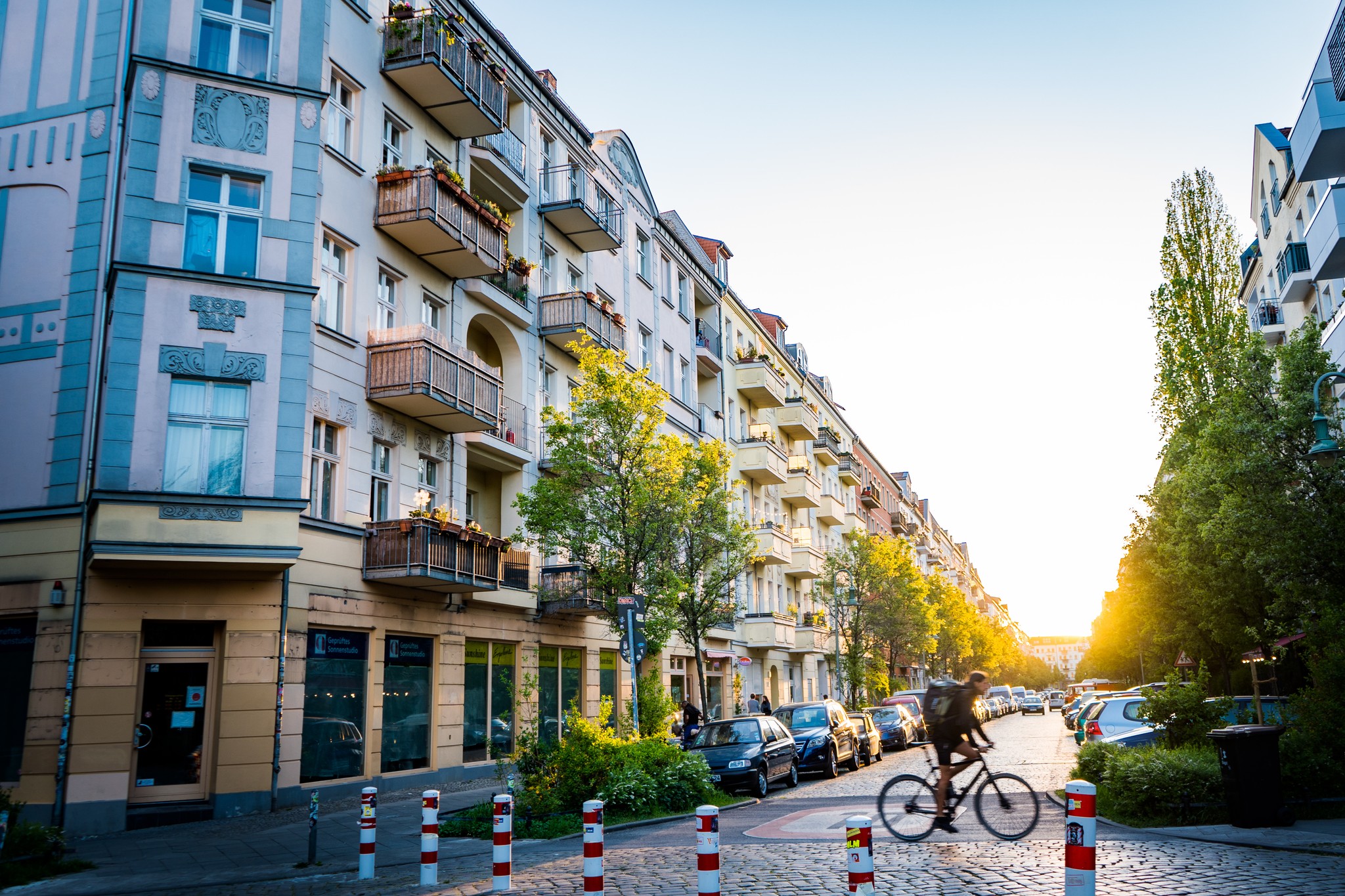
Germany has the highest share of tenants in the EU. In 2025, 52.8% of the population lived in rented accommodation, compared with an EU average of around 32%[24]Source: German Federal Statistical Office — Germany Has the Highest Share of Tenants in the EU
 Real estate in Denmark
Denmark restricts property purchases by foreign nationals, particularly holiday homes. Non-EU buyers can purchase property without government permission if they have their permanent home in Denmark or have previously lived there for at least 5 years. Otherwise, they must obtain permission from the Danish Department of Civil Affairs. Permission to buy a primary residence requires legal residence in Denmark, while purchasing a holiday home requires particularly strong ties to the country[25]Source: Danish Ministry of Foreign Affairs — Acquisition of Real Property: Frequently Asked Questions.
Apartments in Denmark cost an average of €6,250 per m² nationwide, up 15% between September 2025 and September 2026[26]Source: Boligsiden — Apartment Prices in Denmark.
The capital region is the most expensive, with apartments averaging €8,900 per m². Prices are lower in other areas, varying between €2,610 in North Jutland and €4,670 in Central Denmark.
Taxes. Property buyers pay a registration fee of 0.6% of the purchase price plus DKK 1,850, or ≈ €250.
Annual property taxes consist of two separate charges:
- State value tax — 0.51% on the property's assessed value up to DKK 9,007,000, or ≈ €1.21 million. The rate rises to 1.4% on the amount exceeding this threshold.
- Municipal land tax — calculated on the assessed land value, with rates varying by municipality. For example, Copenhagen applies a rate of 0.51%, while Frederiksberg charges 0.31%.
Both taxes are calculated on 80% of the relevant assessed value, rather than the full market price.
Monthly utilities for an 85 m² apartment average around €190.

In Copenhagen, more than a third of apartment buildings are cooperatives, where buyers own a share in a housing association rather than the property itself
 Real estate in Ireland
Ireland attracts property buyers with its historic Georgian townhouses, modern city apartments, and coastal homes overlooking the Atlantic. Foreigners can purchase property throughout Ireland without nationality-based restrictions.
Property prices in Ireland vary considerably by city, with Dublin remaining the most expensive market[27]Source: EuroPropertyData — Ireland Property Prices by City. In 2026, apartments in the capital cost around €7,450 per m², compared with:
- €5,400 in Galway;
- €4,300 in Cork;
- €3,450 in Waterford.
More affordable options can be found in Limerick, where prices average around €3,200 per m².
Taxes. Property buyers in Ireland pay a stamp duty, which depends on the purchase price:
- 1% on the first €1 million;
- 2% on the portion between €1 million and €1.5 million;
- 6% on the amount exceeding €1.5 million.
Registration fees also apply, ranging between €400 and €800, depending on the property.
Annual property tax is based on the property's market value. For example, a home worth €400,000 is subject to a basic annual tax of €333, while one valued at €500,000 incurs €428. Local authorities can adjust these rates by up to 15%.
Monthly utilities for an 85 m² apartment are approximately €250.

Energy efficiency affects property costs in Ireland. Homes advertised for sale must have a Building Energy Rating, helping buyers compare heating expenses and anticipate renovation costs before purchasing
 Real estate in Spain
Spain's Mediterranean coastline, year-round lifestyle, and established holiday-home market continue to draw international buyers. Foreigners accounted for almost 16% of property purchases in the second quarter of 2026, buying more than 26,800 homes[28]Source: Spanish Property Registrars — Foreign Buyer Statistics.
Resale homes in Spain cost an average of €3,130 per m² in September 2026, up 13.8% from September 2025. San Sebastián is among the most expensive cities, with prices reaching €7,030 per m², followed by Madrid at €6,580, and Barcelona at €5,350 per m²[29]Source: Fotocasa — Spanish Property Price Report.
Taxes. Buyers pay an additional 10 to 15% of the purchase price in taxes and fees. The amount depends on the region and property type.
Resale properties are subject to a transfer tax of 6 to 10%, although rates can reach 13% in certain regions. New-build homes are subject to 10% VAT and stamp duty, which ranges from 0.5 to 1.5%, depending on the region.
Annual property tax ranges from 0.4 to 1.1% of the cadastral value for urban properties and from 0.3 to 0.9% for rural properties. The exact rate depends on the municipality.
Monthly utilities for an 85 m² apartment average €130.
 Real estate in Italy
Italy attracts international property buyers with its historic villas, Tuscan farmhouses, and coastal homes, often purchased as holiday retreats or for retirement. In 2025, enquiries from foreign buyers increased by 65% compared with 5 years earlier[30]Source: Gate-away.com — International Property Demand in Italy. Americans, Britons, and Germans are among the most active buyers.
Residential property in Italy costs an average of €2,220 per m², up 4.9% from 2025[31]Source: Immobiliare.it — Italy Property Market. Milan is the country's most expensive major city, with homes averaging €5,660 per m², followed by Venice at around €4,950 per m². In Milan's historic centre, prices can exceed €11,000 per m².
Taxes. When purchasing property in Italy, the main taxes include:
- Registration tax — 2% for a primary residence or 9% for a second home purchased from a private seller. The tax is calculated on the cadastral value rather than the purchase price.
- VAT — 4% for a primary residence, 10% for most other residential properties, or 22% for luxury homes purchased from developers when the sale is subject to VAT.
Annual property tax applies to second homes and investment properties. The standard rate is 0.86% of the taxable cadastral value, although municipalities can adjust it. Primary residences are usually exempt, except for luxury properties.
Monthly utilities for an 85 m² apartment average €200.
 Real estate in Latvia
Latvia offers some of the most affordable property prices in the EU, with options ranging from Art Nouveau apartments in Riga to seaside homes in Jūrmala. Riga has one of Europe's largest collections of Art Nouveau architecture, while Jūrmala attracts buyers with its Baltic beaches, pine forests, and historic wooden villas.
Apartments in Riga cost an average of €1,790 per m², exceeding €3,000 in prestigious areas such as Old Riga and Ķīpsala[32]Source: EMMEK — Riga and Jūrmala Real Estate Market.
Older apartments are more affordable, averaging €980 per m² in the capital and €800 in nearby Jelgava. Prices for this type of housing in Riga rose by more than 10% between January and September 2026.
Taxes. When purchasing real estate in Latvia, buyers pay a state registration fee of 1.5% of the property value for individuals or 2% for companies, capped at €50,000.
Annual property tax in Latvia ranges from 0.2 to 0.6% of the cadastral value of residential buildings.
Monthly utilities for an 85 m² apartment average €270. Heating costs can be particularly high during winter.
 Real estate in Lithuania
Lithuania's property market spans historic apartments in Vilnius, modern homes in Kaunas, and Baltic seaside retreats. Demand remains strong, with apartment prices in the five largest cities rising by 13.7% year on year in September 2026.
Property prices in Lithuania vary by city, with Vilnius remaining the most expensive market[33]Source: Ober-Haus — Lithuanian Apartment Price Index. Average apartment prices per m² are:
- Vilnius — €3,200;
- Kaunas — €2,340;
- Klaipėda — €2,100;
- Šiauliai — €1,460;
- Panevėžys — €1,430.
Taxes. When acquiring property in Lithuania, buyers pay around 0.5 to 1% of the purchase price in notary, registration, and administrative fees.
Annual property tax depends on the property's taxable value and whether it is a primary residence. Since January 2026, primary homes have been exempt on values up to €450,000, while the amount exceeding this threshold is taxed at 0.1 to 1%.
Second homes and investment properties are taxed progressively at 0.2 to 1% on their combined taxable value exceeding €50,000.
Landowners, including non-residents, pay an annual land tax of 0.01 to 4% of the land's taxable value.
Monthly utilities for an 85 m² apartment average €200.
 Real estate in Luxembourg
Luxembourg's property market is shaped by its compact size, high incomes, and international workforce. Nearly half of the country's residents are foreign nationals, driving demand for housing in Luxembourg City and its well-connected suburbs. Limited land availability and strong demand keep property prices among the highest in Europe[34]Source: Immotop — Luxembourg Property Prices.
The average price of resale apartments is €7,800 per m², while new ones cost €9,800 per m². Prices are even higher in Luxembourg City, averaging around €10,200 per m² for resale apartments. Premium neighbourhoods such as Belair and Rollingergrund command asking prices exceeding €12,000 per m².
Taxes. Property buyers in Luxembourg pay 7% of the purchase price in registration and transcription taxes: 6% for registration and 1% for transcription. Individuals purchasing a primary residence may qualify for a tax credit of up to €40,000 per person.
Annual property tax is relatively low, often around €100 to €300 per year for residential properties.
Monthly utilities for an 85 m² apartment average €270 and typically range from €180 to €400.
 Real estate in the Netherlands
Property demand in the Netherlands is driven by local families, first-time buyers, and professionals working in cities such as Amsterdam, Rotterdam, and Utrecht. Housing remains in short supply, with a shortage of around 384,000 homes in 2026.
The average property price in the Netherlands is around €4,700 per m². Amsterdam remains the most expensive major market, with homes averaging €8,600 per m²[35]Source: Amsterdam Real Estate Agents Association — Q2 2026 Market Report.
Taxes. Property transfer tax in the Netherlands is 2% for a primary residence and 8% for second homes and investment properties. First-time buyers aged 18 to 34 may qualify for a tax exemption on homes worth up to €555,000.
New-build properties are subject to 21% VAT instead of transfer tax, with VAT usually included in the advertised price.
Annual property tax is based on the property's assessed municipal value. Municipalities set their own rates, which are around 0.1% of the assessed value. For example, a home valued at €400,000 with a municipal rate of 0.1% incurs an annual tax of €400.
Monthly utilities for an 85 m² apartment average €230.
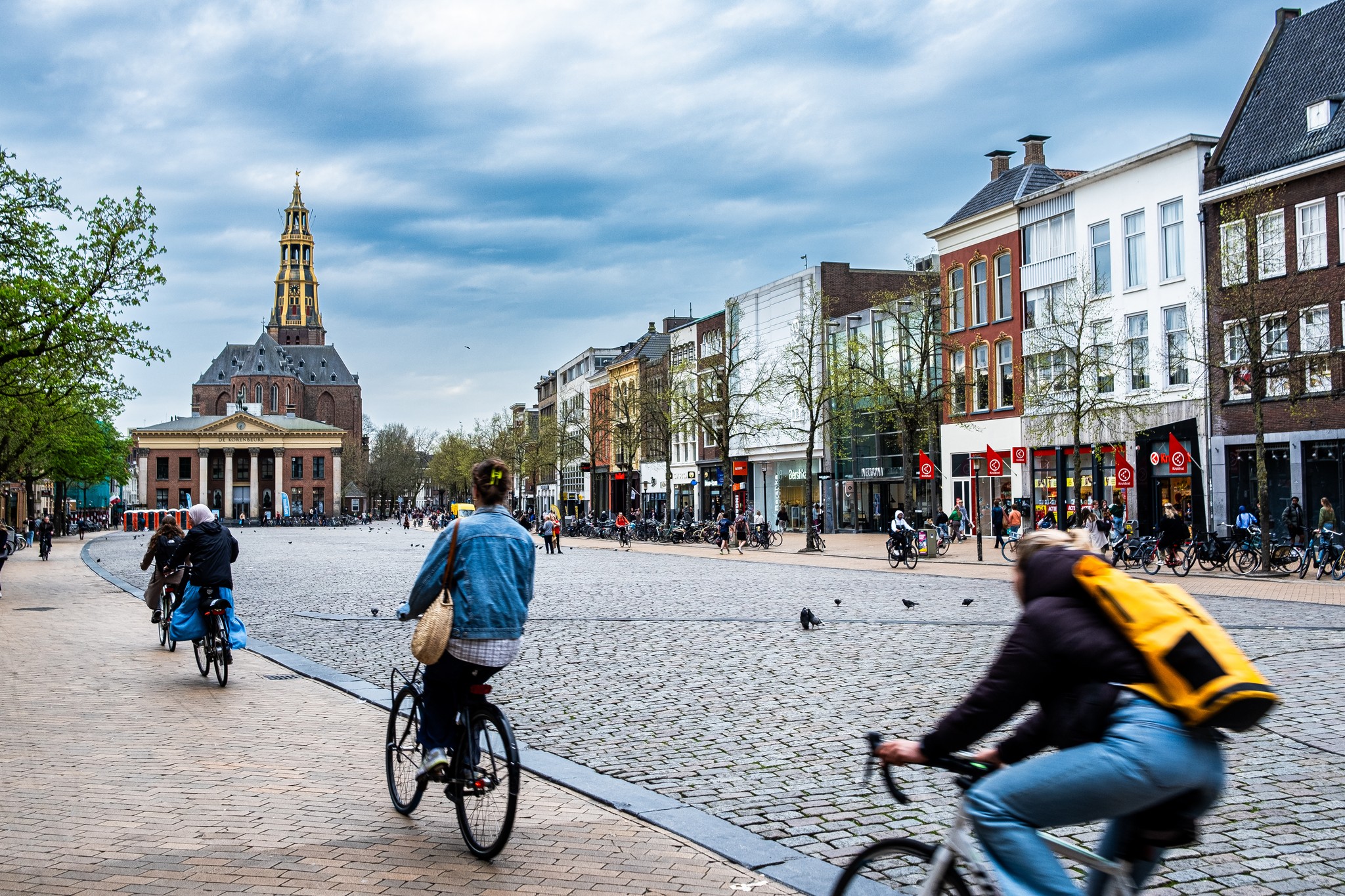
The Netherlands has an extensive road and railway network, making smaller towns within commuting distance of major cities attractive to property buyers
 Real estate in Poland
EU and EEA citizens enjoy broad property purchasing rights in Poland, while non-EU buyers need government approval to purchase houses or land. Applicants must demonstrate ties to Poland, such as residence or business activity. For properties purchased to meet personal housing needs, the land area is limited to 0.5 hectares[36]Source: Polish Ministry of the Interior and Administration — Property Purchases by Foreigners.
New apartments in Poland cost an average of approximately €3,600 per m², up 6% from 2025. Warsaw remains the most expensive major city, followed by Gdańsk and Kraków[37]Source: RynekPierwotny.pl — Apartment Prices in Poland.
Taxes. When purchasing real estate, buyers pay a 2% property transfer tax on resale homes, unless they qualify for a first-home exemption. New-build properties purchased from developers are subject to VAT, which is usually included in the purchase price.
Annual property tax is calculated based on floor area rather than property value. In 2026, the maximum rate for residential buildings is PLN 1.25, or ≈ €0.29, per m². For example, an 85 m² apartment incurs up to PLN 106.25, or ≈ €24, in annual building tax, excluding any tax attributable to land.
Monthly utilities for an 85 m² apartment average €260.
 Real estate in Portugal
Portugal leads the EU in property price growth, with residential prices rising by 16.5% year on year in the second quarter of 2026. Demand comes from local buyers and international investors seeking rental income, holiday homes, or long-term capital appreciation.
The average price of residential property in Portugal is €3,230 per m², up 7.9% from 2025. Lisbon remains one of the country's most expensive markets, while smaller cities and the Azores offer more affordable options[38]Source: idealista — Portugal Property Price Report.
Taxes. Transfer tax in Portugal varies according to the property's value, location, and intended use. For a primary residence in mainland Portugal, the first €106,346 is exempt, with progressive rates of 2 to 8% applied above this threshold. Properties valued between €660,982 and €1,150,853 are subject to a flat rate of 6%, while those worth more than €1,150,853 are taxed at 7.5%.
Stamp duty adds 0.8% of the purchase price.
Annual property tax ranges from 0.3 to 0.45% of the taxable value for urban properties and is set by each municipality. For example, a property with a taxable value of €200,000 incurs an annual tax of €600 to €900. Primary residences and renovated properties may benefit from tax exemptions.
Monthly utilities for an 85 m² apartment average €120.
 Real estate in Romania
Property demand in Romania comes primarily from local buyers, while Bucharest and university cities such as Cluj-Napoca also appeal to investors targeting long-term tenants. Despite rising prices, interest remains strong: 42.5% of urban residents surveyed in 2026 planned to buy a home within the next year[39]Source: Colliers — Romanian Homebuying Intentions.
Apartments cost an average of €2,020 per m² nationwide[40]Source: Romania Property Market Statistics. Romania's property market continues to grow. In the second quarter of 2026, residential property prices rose by 12.1% year on year, compared with the EU average of 4.7%.
Taxes. When purchasing property in Romania, buyers pay notary fees and a land registration fee of 0.15% of the property value. There is no separate stamp duty.
Sellers pay a transfer tax of 1% or 3%, depending on how long they have owned the property. New-build homes are subject to 21% VAT.
Annual property tax for residential buildings ranges from 0.1 to 0.2% of the taxable value.
Monthly utilities for an 85 m² apartment average €145.
 Real estate in Slovakia
Slovakia's property market offers everything from city apartments in Bratislava, just an hour from Vienna, to mountain retreats in the High Tatras. With no property transfer tax, purchasing costs are relatively low.
The nationwide average reaches €3,040 per m², with housing pricing having risen 13.6% year on year in the second quarter of 2026[41]Source: National Bank of Slovakia — Residential Property Prices.
New-build apartments are considerably more expensive, particularly in major cities. Average asking prices per m² are[42]Source: Urbs — New-Build Apartment Prices:
- Bratislava — €5,350 per m²;
- Žilina — €4,650 per m²;
- Trenčín — €3,100 per m²;
- Banská Bystrica — €4,020 per m²;
- Prešov — €3,570 per m².
Taxes. In Slovakia, there is no property transfer tax. The cadastral registration fee is €100 for paper applications or €50 for electronic submissions.
Annual property tax is calculated based on floor area, with rates set by municipalities. For example, in Košice, the 2026 tax rate for residential apartments ranges between €1.143 and €1.27 per m², depending on the district. An 85 m² flat therefore incurs €97 to €108 in annual apartment tax.
Monthly utilities for an 85 m² apartment average approximately €225.
 Real estate in Slovenia
Slovenia's property market combines city apartments in Ljubljana, Alpine retreats, and homes along the Adriatic coast. Its growing tourism industry creates opportunities for holiday rentals: in 2025, the country recorded a record 17.8 million tourist overnight stays, 75% of them by foreign visitors[43]Source: Statistical Office of Slovenia — Tourism in 2025.
The median price of an apartment in Slovenia exceeds €3,000 per m², although costs vary significantly by location. Ljubljana is the most expensive city, with prices exceeding €5,000 per m². More affordable properties can be found in smaller towns and areas outside the capital[44]Source: Surveying and Mapping Authority of Slovenia — 2025 Property Market Report.
Taxes. When purchasing property in Slovenia, buyers face the following taxes and fees:
- Resale properties: 2% transfer tax, normally paid by the seller unless agreed otherwise.
- New-build properties: 22% VAT, reduced to 9.5% for apartments up to 120 m² and houses up to 250 m².
Annual property charges in Slovenia include a municipal land-use fee, calculated according to property size, location, and local rates. Owners may also pay property tax, with progressive rates ranging from 0.1 to 1% of the assessed taxable value.
Monthly utilities for an 85 m² apartment average €260.
 Real estate in Finland
Finland appeals to buyers seeking city apartments in Helsinki, lakeside cottages, and holiday homes in Lapland. Demand comes largely from domestic buyers, with growing interest in second homes and rural properties.
The average price of apartments and terraced homes is €2,560 per m² nationwide[45]Source: Statistics Finland — Prices of Dwellings in Housing Companies. Examples include:
- Helsinki — €5,030 per m²;
- Greater Helsinki — €4,280 per m²;
- other major cities — €3,730 per m²;
- areas outside major cities — €1,580 per m².
Taxes. When purchasing property in Finland, buyers pay a transfer tax of 1.5% for apartments purchased through housing company shares or 3% for houses and land.
Annual property tax ranges from 0.41 to 1% of the taxable value for permanent residential buildings, depending on the municipality.
Monthly utilities for an 85 m² apartment average €125.
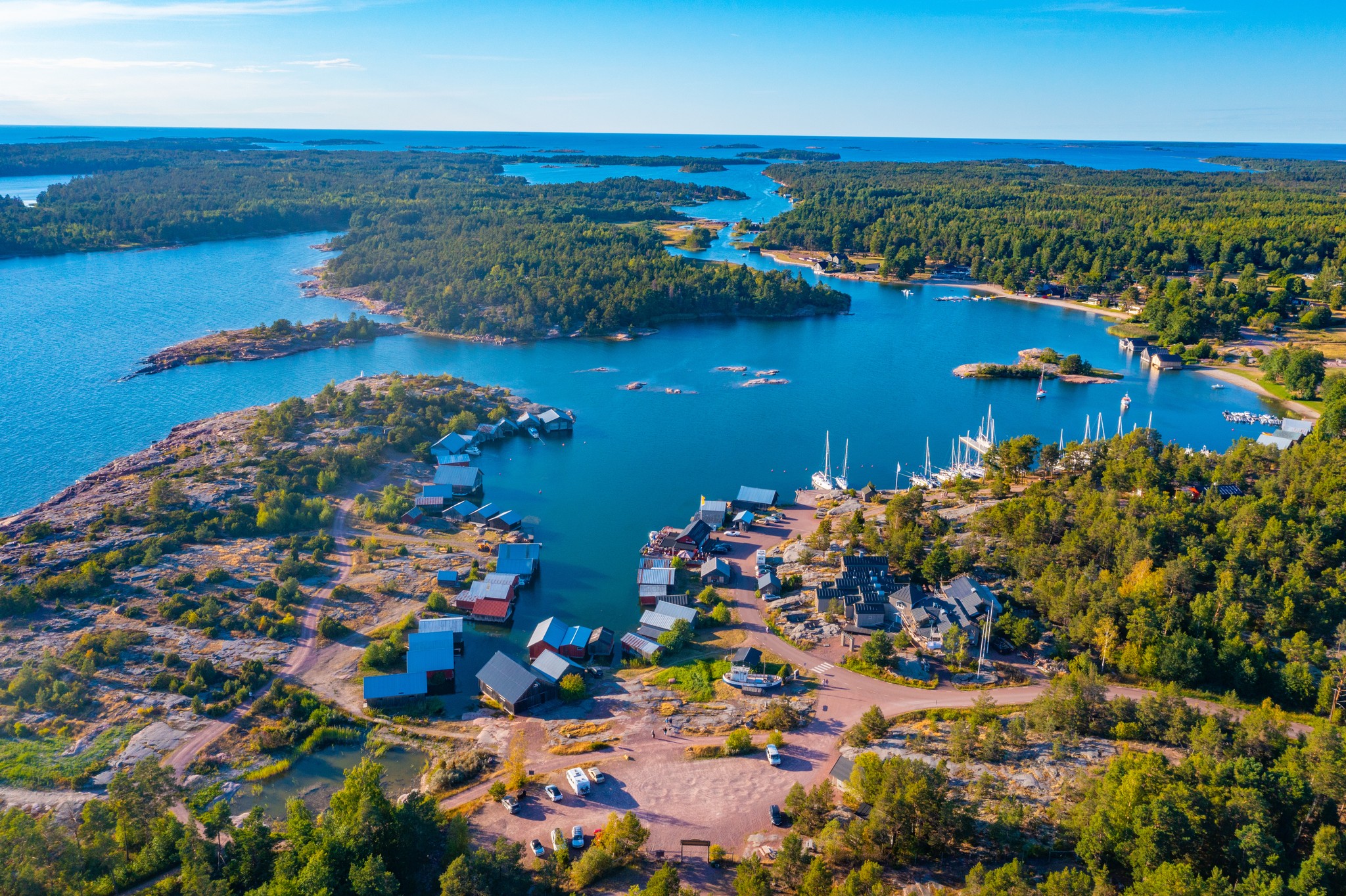
Buying a house or land in the Åland Islands requires government permission for those without local domicile rights. Apartments purchased through housing company shares are exempt
 Real estate in France
France attracts international buyers seeking everything from Parisian apartments to countryside houses and Riviera holiday homes. Belgian and British buyers are particularly active in the market for rural properties, while Americans favour Paris.
Property prices in France vary considerably by location[46]Source: Paris Notaires — Apartment Prices by Department:
- Paris — €9,600 per m²;
- Île-de-France — €6,170 per m²;
- Petite Couronne, inner suburbs — €4,960 per m²;
- Grande Couronne, outer suburbs — €3,210 per m²;
- Hauts-de-Seine — €6,020 per m².
Taxes. Real estate buyers pay an additional 7 to 8% of the purchase price for resale homes or 2 to 3% for new builds. These costs include transfer taxes, notary fees, and registration charges.
New properties purchased from developers are subject to 20% VAT, which is usually included in the advertised price.
Annual property tax is calculated using the property's cadastral rental value and applicable local tax rates. For residential buildings, the taxable base is 50% of the cadastral rental value. For example, a property with an annual cadastral rental value of €6,000 and a combined local tax rate of 40% would incur €1,200 in annual property tax, excluding any additional charges.
Monthly utilities for an 85 m² apartment average €190.
 Real estate in Croatia
Croatia’s thriving tourism industry makes coastal properties appealing for holiday use and seasonal rentals. In 2025, Croatia recorded 94.8 million tourist overnight stays in commercial accommodation, more than 90% of them by foreign visitors[47]Source: Croatian Bureau of Statistics — Tourist Arrivals and Nights in Commercial Accommodation.
EU citizens can buy residential property on the same terms as Croatians. Non-EU buyers need government approval, subject to reciprocal property ownership rights between Croatia and their home country.
The average asking price is €3,940 per m² nationwide[48]Source: Croatian Bureau of Statistics — House Price Indices, ranging between €5,810 in Split and €2,410 in Osijek[49]Source: Nekretnine.hr — Croatia Property Prices. Prices are rising steadily, with an increase of 12.7% year on year in the second quarter of 2026.
Taxes. Buyers pay an additional 5 to 8% of the purchase price in taxes and fees, including a 3% property transfer tax, estate agent commissions, and legal and registration costs.
New-build properties purchased from developers are subject to 25% VAT instead of transfer tax, with VAT usually included in the advertised price.
Annual property tax ranges from €0.60 to €8 per m², depending on the municipality.
Monthly utilities for an 85 m² apartment average €175.
 Real estate in the Czech Republic
The Czech Republic attracts foreign property buyers, particularly in Prague and Brno, where international professionals purchase homes or invest in rental apartments. Foreigners account for roughly 20—25% of purchases.
Property in the Czech Republic averages €6,020 per m² nationwide, up 9.7% from 2025[50]Source: Czech Banking Association — Apartment Prices. Prague remains the most expensive market, with apartments of €7,350 per m², around 22% above the national average[51]Source: Czech Banking Association — Regional Apartment Prices.
Taxes. There is no property transfer tax in the Czech Republic, as it was abolished in 2020. The cadastral registration fee is CZK 2,000, or ≈ €83.
Annual property tax is based on the property's floor area and municipal coefficients. In 2026, the basic rate for residential apartments is CZK 3.50, or ≈ €0.14, per m². For example, an 85 m² apartment could incur €53 annually with a municipal coefficient of 3.5, excluding any additional local multiplier.
Monthly utilities for an 85 m² apartment average €280.
 Real estate in Sweden
Sweden attracts buyers seeking city apartments, lakeside cottages, and holiday homes surrounded by nature. International interest is particularly strong in rural retreats: in 2025, foreigners owned more than 38,000 Swedish holiday homes, representing 6% of the total[52]Source: Statistics Sweden — Foreign Ownership of Holiday Homes.
Sweden's apartment prices average €4,260 per m²[53]Source: Svensk Mäklarstatistik — National Housing Prices. They vary sharply by location, from €1,920 in Östersund and €2,270 in Kiruna to €8,230 in Stockholm and €10,910 in central Stockholm.
Taxes. When purchasing property in Sweden, individuals pay a stamp duty of 1.5% plus a registration fee of SEK 825, or ≈ €75. Mortgage registration may add 2% of the loan amount. Cooperative apartments are exempt from stamp duty.
Annual property tax for houses is 0.75% of the assessed value, capped at SEK 10,425, or ≈ €950. Cooperative apartment owners pay this tax indirectly through their housing association.
Monthly utilities for an 85 m² apartment range from €60 to €250.
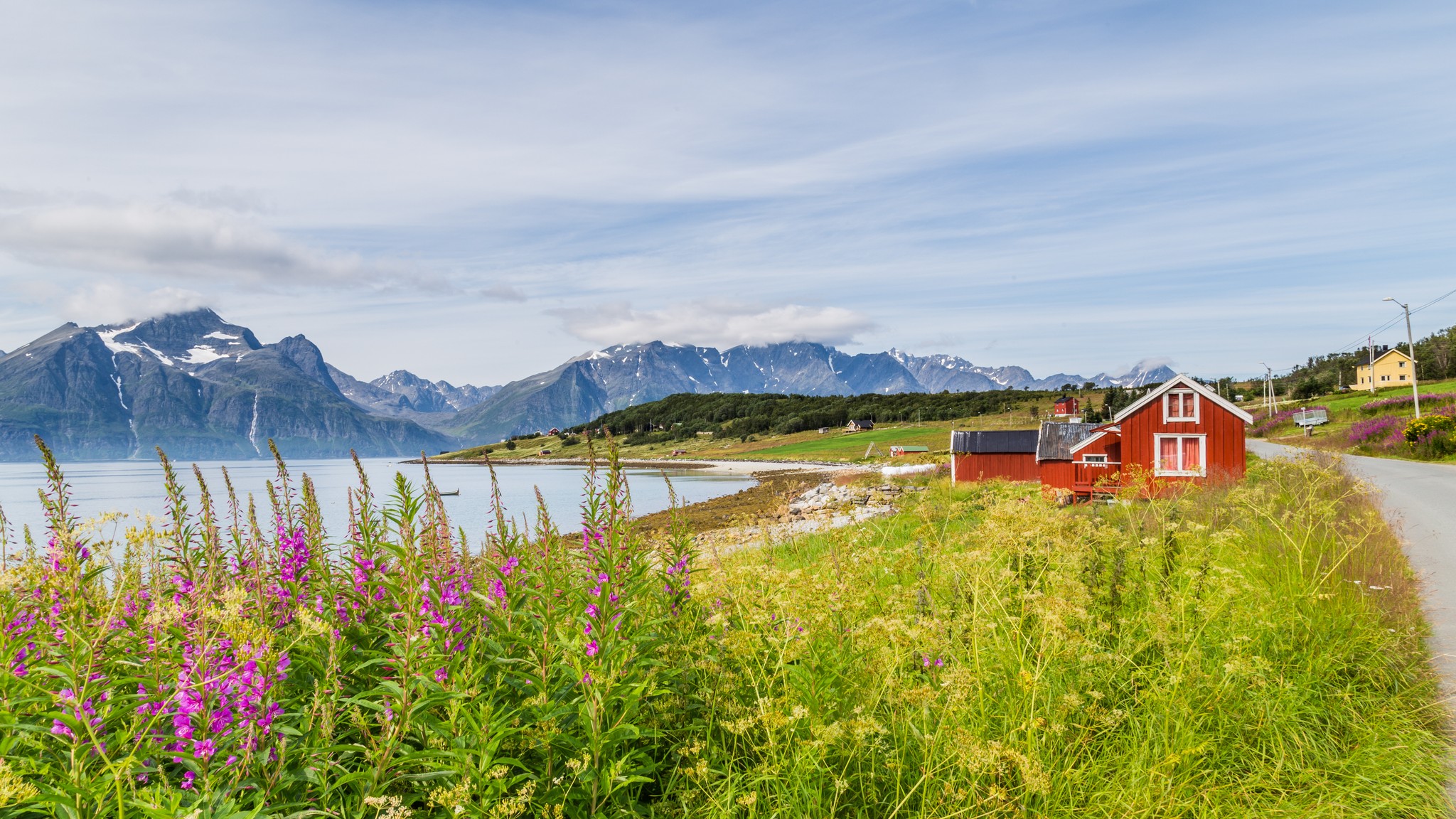
Sweden's holiday homes cost an average of €233,000, with lakeside cottages particularly sought after
 Real estate in Estonia
Estonia attracts international buyers with Tallinn's historic apartments, seaside homes in Pärnu, and a thriving digital economy. Foreign nationals participated in 17% of property transactions in 2025[54]Source: Kinnisvara24 — Foreign Property Buyers in Estonia
Apartment prices in Tallinn average €3,180 per m², reaching around €4,250 in the city centre. New-build properties are considerably more expensive, with asking prices averaging €5,330 per m². Smaller cities such as Tartu and Pärnu offer more affordable alternatives[55]Source: Estiq — Property Market Reports.
Taxes. When purchasing real estate in Estonia, buyers pay around 0.3 to 1% of the purchase price in notary and registration fees. There is no transfer tax or stamp duty.
Annual property tax applies only to land, not buildings. Residential land is taxed at 0.1 to 1% of its taxable value, depending on the municipality. Homeowners may qualify for tax relief of up to €1,000 annually.
Monthly utilities for an 85 m² apartment average €270.
 Real estate in Andorra
Foreigners need government authorisation to buy property in Andorra. They can purchase one detached house or up to two apartments. Foreign investment tax is 6% on the first property and 10% on the second, although exemptions may apply[56]Source: Government of Andorra — Foreign Property Investment Tax Changes.
Property investment can provide a route to residence. Applicants must invest at least €1 million, either entirely in real estate or across other eligible Andorran assets. If investing in property, the purchased unit must be worth more than €800,000. The residence permit requires a minimum stay of 90 days per year and does not grant access to the local labour market.
The average property price in Andorra is €4,460 per m²[57]Source: Canal Andorra — Property Market Report. Escaldes-Engordany is the most expensive area, with apartments of around €6,120 per m², while Encamp offers the lowest prices at €3,240 per m².
Taxes. When purchasing property in Andorra, buyers pay a 4% transfer tax on resale homes or 4.5% VAT on new builds, plus notary fees. Annual property tax varies by municipality and property size, amounting to tens or a few hundred euros per year.
Monthly utilities for an 85 m² apartment average €120.
 Real estate in Albania
Albania's real estate market faces challenges with inaccurate cadastral records, unregistered buildings, and disputed ownership rights[58]Source: European Commission — Albania 2025 Report. Before purchasing, investors should work with a reputable real estate agency and an independent lawyer to check the property's legal status, registered area, and construction permits.
Property prices in Albania average €1,580 per m², varying considerably between the capital, coastal resorts, and smaller towns[59]Source: BalkanHome — Apartment Prices.
Taxes. When acquiring property in Albania, buyers pay notary fees of 0.23—0.35% of the purchase price, plus cadastral registration fees of approximately €130. Annual property tax ranges from 0.035 to 0.065% of the assessed value.
Monthly utilities for an 85 m² apartment average €80.
 Real estate in Bosnia and Herzegovina
Bosnia and Herzegovina attracts buyers with affordable city apartments, mountain retreats, and opportunities for holiday rentals. Tourism supports interest in investment properties: in 2025, foreign visitors accounted for over 70% of overnight stays in the Federation of Bosnia and Herzegovina[60]Source: Agency for Statistics of Bosnia and Herzegovina — Tourism.
Newly built apartments sell for an average of €1,690 per m² nationwide, making the country relatively affordable compared with much of Europe.
Taxes. Transfer taxes in Bosnia and Herzegovina depend on the location: for example, Sarajevo Canton charges 5% of the property's value, payable by the buyer. Annual property tax also varies by jurisdiction. In Republika Srpska, municipalities can charge up to 0.2% of the assessed property value.
Monthly utilities for an 85 m² apartment average €150.
 Real estate in the UK
The UK attracts property investors with its established rental market, global business centres, and leading universities. In 2024/25, 685,565 international students attended UK universities, supporting demand for rental accommodation in London and other major cities[61]Source: HESA — UK Higher Education Student Numbers.
Property prices across England and Wales average £3,500, or ≈ €4,140, per m². London is considerably more expensive, with homes costing nearly twice the average[62]Source: Plumplot — Property Prices per Square Metre.
Average residential property prices per m² are:
- London — £6,800, or ≈ €8,040;
- Manchester — £3,100, or ≈ €3,660;
- Birmingham — £3,100, or ≈ €3,660;
- Wales — £2,500, or ≈ €2,950;
- Liverpool — £2,400, or ≈ €2,840.
Taxes. Property buyers in the UK pay taxes and fees depending on the value and location. In England and Northern Ireland, stamp duty ranges from 0 to 12%, with an additional 5% surcharge for second homes. Scotland and Wales have separate tax rates.
Annual council tax depends on the property's valuation band and local authority. People living alone qualify for a 25% discount. Northern Ireland has a separate domestic rates system.
Monthly utilities for an 85 m² apartment average around €280, ranging from €175 to €490.
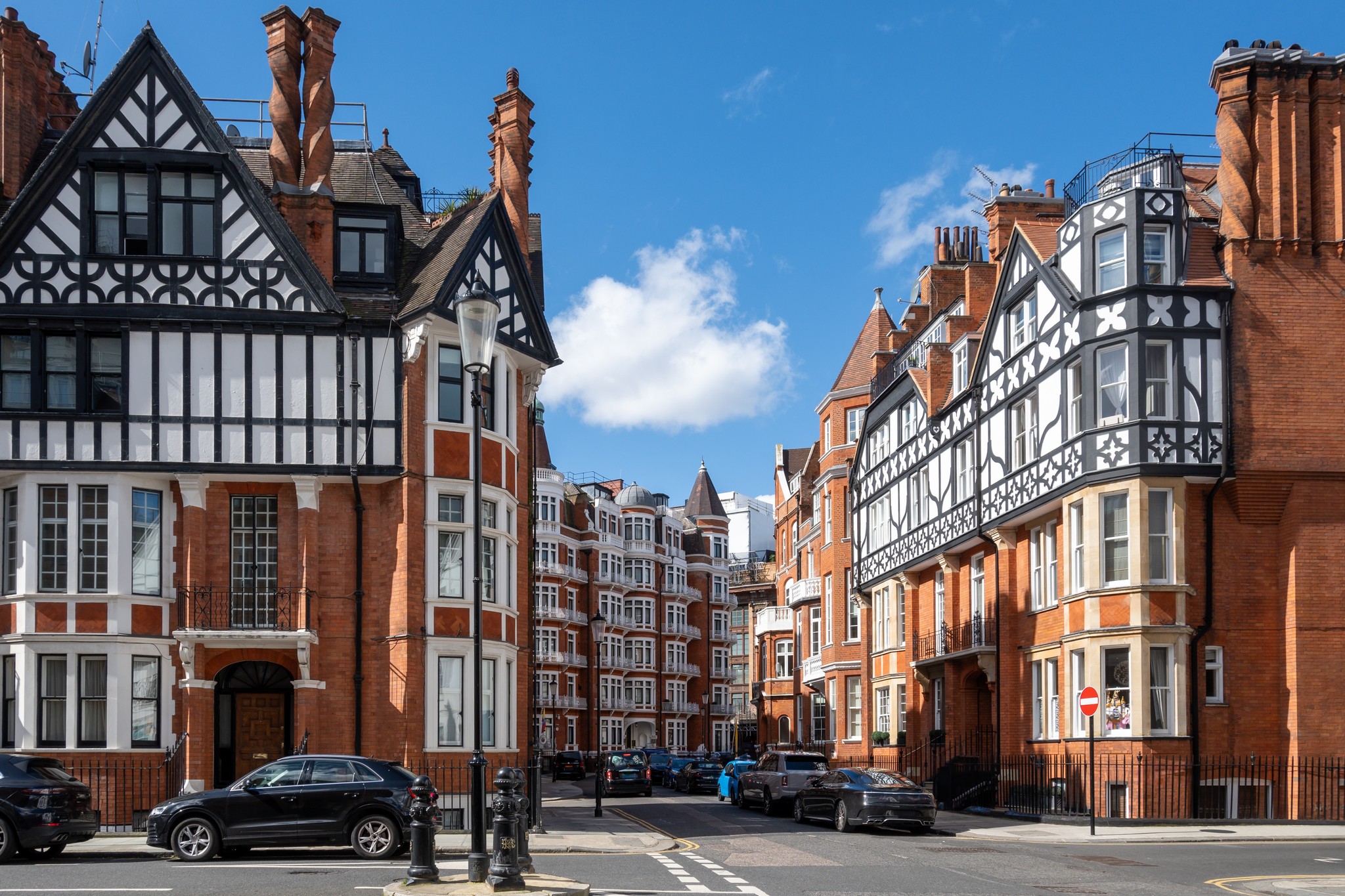
Rental demand is strong across the UK, with 19% of households renting privately, rising to 30% in London[63]Source: UK Department for Work and Pensions — Family Resources Survey
 Real estate in Iceland
Iceland's property market is shaped by limited housing supply and strong demand in the Reykjavík area, home to roughly 65% of the population. To buy real estate, non-EEA buyers need approval from the Ministry of Justice unless they qualify for an exemption, such as having lived in Iceland for at least 5 years[64]Source: Government of Iceland — Act on the Right of Ownership and Use of Real Property.
Residential property prices average €5,480 per m² nationwide. Housing is more affordable outside the capital[65]Source: Húsgreind — Reykjavík Property Prices: around €4,970 per m² in Akureyri and €2,660 in Ísafjörður.
Taxes. Property buyers pay stamp duty of 0.8% of the assessed value, reduced to 0.4% for first-time homebuyers. Legal entities pay 1.6%. Annual property tax for residential buildings is set by municipalities at up to 0.5% of the assessed value.
Monthly utilities for an 85 m² apartment average around €80.
 Real estate in Liechtenstein
Liechtenstein's property market is small and tightly regulated, appealing mainly to residents seeking homes rather than international investors. At the end of 2025, the country had just 22,447 residential units, with only 232 added during the year. Property purchases require government approval, making speculative investment difficult.
Apartment prices in Liechtenstein average €14,840 per m² in central locations, compared with €6,500 per m² outside city centres[66]Source: Numbeo — Cost of living in Liechtenstein.
Taxes. When purchasing property in Liechtenstein, buyers pay a land registration fee of 0.6% of the transaction value, subject to a minimum of CHF 200, or ≈ €216, plus applicable notary, legal, and administrative fees. There is no separate property transfer tax.
Liechtenstein does not levy a separate annual real estate tax. Instead, property is included in the owner's taxable wealth. A notional annual return of 4% on taxable net assets is treated as income and taxed at the applicable income tax rates.
Monthly utilities for an 85 m² apartment are around €200.
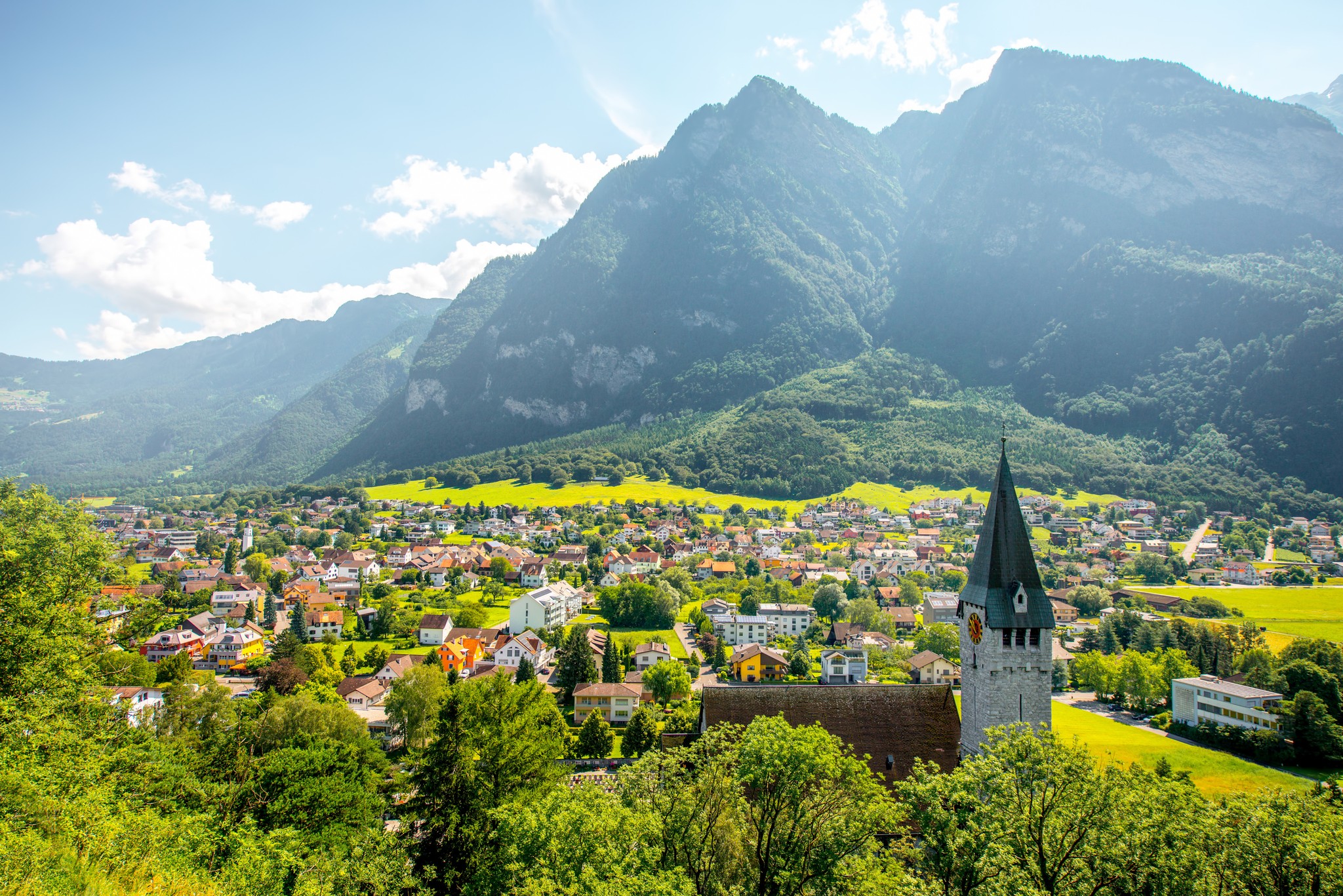
Property purchases in Liechtenstein are strictly regulated. Non-EEA nationals need at least 10 years of continuous residence to qualify for permission to buy a home[67]Source: Government of Liechtenstein — Property Purchase Eligibility
 Real estate in North Macedonia
Foreigners can buy property in North Macedonia, subject to nationality-based restrictions. EU and OECD citizens have the same rights as local buyers, while others can purchase homes and building land only where reciprocal ownership rights exist. Foreigners cannot own agricultural land.
Apartments average €2,150 per m² in Skopje[68]Source: Realtor.mk — North Macedonia Property Market, compared with around €1,270 in Ohrid. The market continues to grow, with apartment prices in Skopje rising by 13.3% year on year in the second quarter of 2026.
Taxes. Property transfer tax in North Macedonia ranges from 2 to 4% of the property's market value, depending on the municipality. The tax is paid by the seller, but the purchase agreement may require the buyer to pay it instead.
New-build residential properties qualify for 5% VAT on their first sale within 5 years of construction, instead of transfer tax. The reduced VAT rate is valid until December 31st, 2028.
Annual property tax ranges from 0.1 to 0.2% of the property's assessed market value, with the exact rate determined by the municipality.
Monthly utilities for an 85 m² apartment average €130.
 Real estate in Monaco
Monaco is one of the world's most exclusive property markets, attracting wealthy international buyers with its favourable tax environment, Mediterranean lifestyle, and limited housing supply. Despite covering just 2.08 km², the principality recorded 493 property transactions worth nearly €5.9 billion in 2025.
Residential property prices average €57,570 per m²[69]Source: Monaco Statistics — Real Estate Observatory. The most expensive district is Larvotto, where prices average €71,170 per m².
Taxes. Property buyers pay 4.75% in registration tax, around 1.5% in notary fees, and 3% plus VAT in estate agent commissions. New-build properties are subject to 20% VAT, usually included in the purchase price, alongside reduced registration duties. Annual property tax is not levied in Monaco.
Monthly utilities are relatively expensive, averaging around €350 for an 85 m² apartment, with costs ranging between €190 and €510.
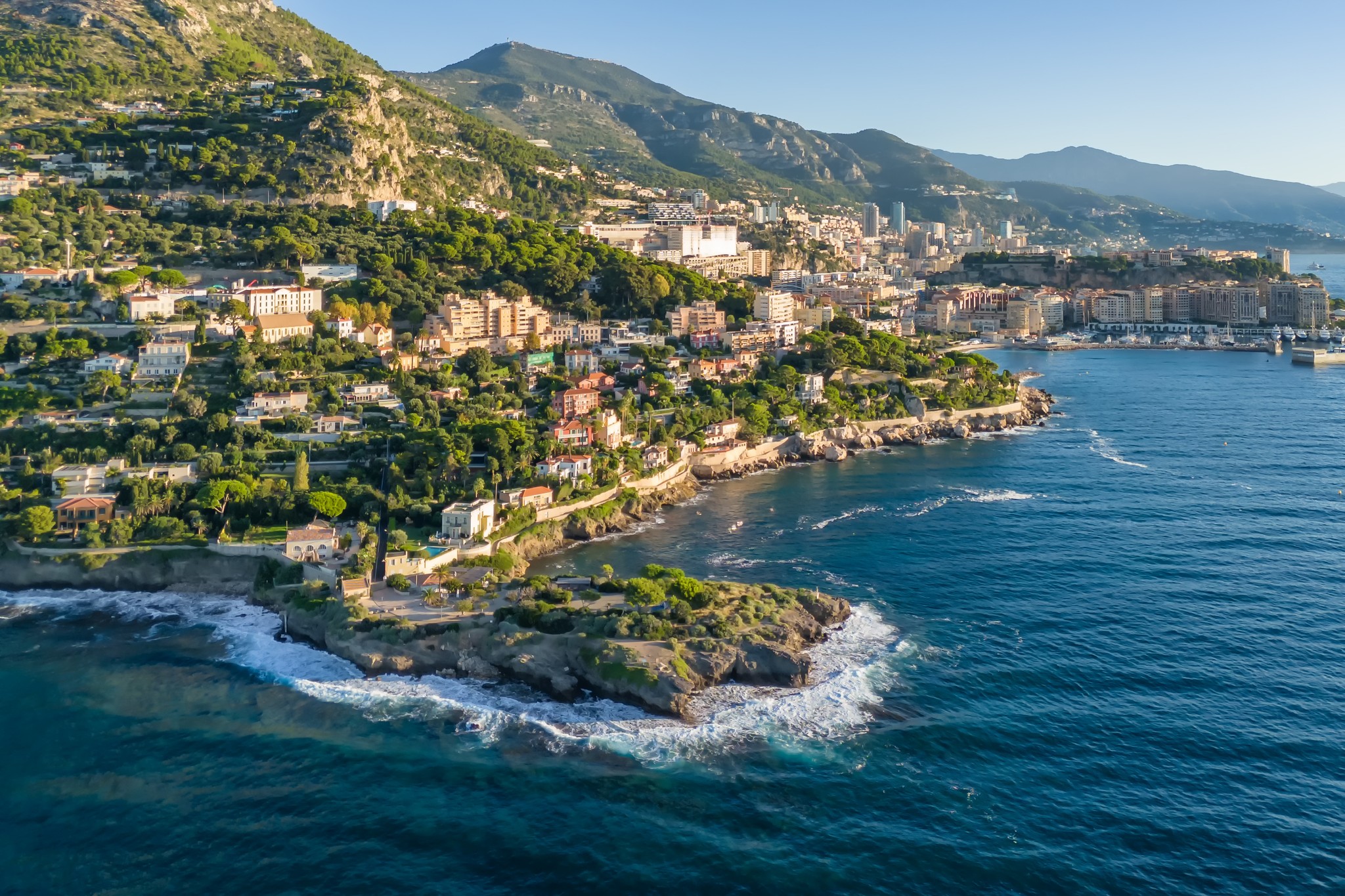
Newer luxury developments command even higher prices, with some individual transactions exceeding €100 million
 Real estate in Norway
Norway's property market is driven largely by domestic buyers, with homeownership deeply rooted in the country's housing culture. In 2025, 72.7% of Norwegian households owned their homes, while 33.8% of households in Oslo rented[70]Source: Statistics Norway — Living Conditions, Register-Based Housing Statistics.
Residential property in Norway costs €5,630 per m² nationwide. Oslo remains the most expensive major market, while Bergen and Trondheim offer more affordable alternatives[71]Source: Boligpris.no — Norway Property Price Overview.
Taxes. Buyers pay a stamp duty of 2.5% of the property's market value, plus a registration fee of NOK 545, or ≈ €47. Housing cooperative apartments are exempt from stamp duty.
Annual wealth tax is 1% of net taxable wealth exceeding NOK 1.9 million, or ≈ €163,000, rising to 1.1% for higher wealth levels. Primary residences are assessed at 25% of their market value for this tax.
Annual municipal property tax ranges from 0.1 to 0.4% of the assessed taxable value for residential properties, depending on the municipality. Not all municipalities levy this tax.
Monthly utilities for an 85 m² apartment average €220.
 Real estate in San Marino
San Marino has a small property market with limited housing supply. Foreigners can buy up to two properties without special authorisation, while additional purchases require government approval.
Residential properties cost an average of €3,870 per m², with asking prices ranging between €1,550 and €6,250 per m²[72]Source: Wikicasa — Property Prices in San Marino.
Taxes. Real estate buyers pay 3.9% of the property value in registration, transcription, and cadastral transfer taxes, plus fixed fees and notary charges.
Monthly utilities for an 85 m² apartment in San Marino average around €100.
 Real estate in Serbia
Foreigners can buy apartments and houses in Serbia if reciprocal ownership rights exist. Eligible buyers include citizens of most EU countries, the UK, US, Canada, Russia, China, and more than 70 other countries. Agricultural land remains subject to restrictions[73]Source: Serbian Ministry of Justice — Property Ownership Rights for Foreigners.
The average apartment price in Serbia is €1,800 per m², compared with approximately €3,250 in central Belgrade, the country's most expensive area[74]Source: Republic Geodetic Authority of Serbia — Real Estate Market Report.
Taxes. A 2.5% property transfer tax applies to resale homes. The seller is legally responsible for payment, but the buyer may cover the cost if agreed in the contract. New-build properties are subject to 10% VAT instead.
Annual property tax is set by municipalities, with rates of up to 0.4% for residential properties valued at no more than RSD 10 million, or ≈ €85,000.
Monthly utilities for an 85 m² apartment average around €170.
 Real estate in Türkiye
Türkiye attracts foreign property buyers with seaside apartments in Antalya, villas in Bodrum, and investment opportunities in Istanbul. Housing prices rise by 20—30% year on year, although inflation outpaces this growth. Properties marketed to international buyers are priced in dollars or euros, helping investors assess costs in a more stable currency without eliminating exchange-rate or inflation risks.
Purchasing property worth at least €400,000 can provide a route to citizenship for investors, their spouses, and children under 18. The property can be resold after 3 years without losing citizenship.
Residential property prices in Türkiye average €770 per m² nationwide, rising to €1,580 in Muğla, the country's most expensive market[75]Source: CNBC-e — Regional Property Prices.
Taxes. When purchasing property in Türkiye, buyers and sellers are jointly subject to a title deed transfer fee totalling 4% of the declared transaction value, legally divided equally between them at 2% each. In practice, buyers often agree to cover the entire amount. The declared transaction value cannot be lower than the property's official taxable value.
Annual residential property tax is 0.1% of the statutory taxable value outside metropolitan municipalities and 0.2% within metropolitan municipalities. Certain qualifying homeowners may be eligible for tax exemptions.
Monthly utilities for an 85 m² apartment average around €60.
 Real estate in Montenegro
Montenegro attracts foreign buyers seeking Adriatic holiday homes, rental properties, and investment opportunities in coastal resorts such as Budva, Kotor, and Tivat. Foreign nationals own around 50,000 properties in the country[76]Source: Government of Montenegro — Foreign Property Ownership.
Property prices in Montenegro vary between the capital and the Adriatic coast. New-build apartments cost an average of €2,560 per m² nationwide, rising to €2,840 in coastal areas[77]Source: MONSTAT — Prices of Dwellings in New Residential Buildings.
Taxes. When purchasing property in Montenegro, buyers pay a progressive transfer tax of:
- 3% on properties worth up to €150,000;
- 5% on the portion between €150,000 and €500,000;
- 6% on the portion exceeding €500,000.
New-build properties purchased from developers are subject to 21% VAT instead, usually included in the purchase price.
Annual property tax ranges from 0.25 to 1% of the property's market value, depending on its location and characteristics.
Monthly utilities for an 85 m² apartment average around €110.
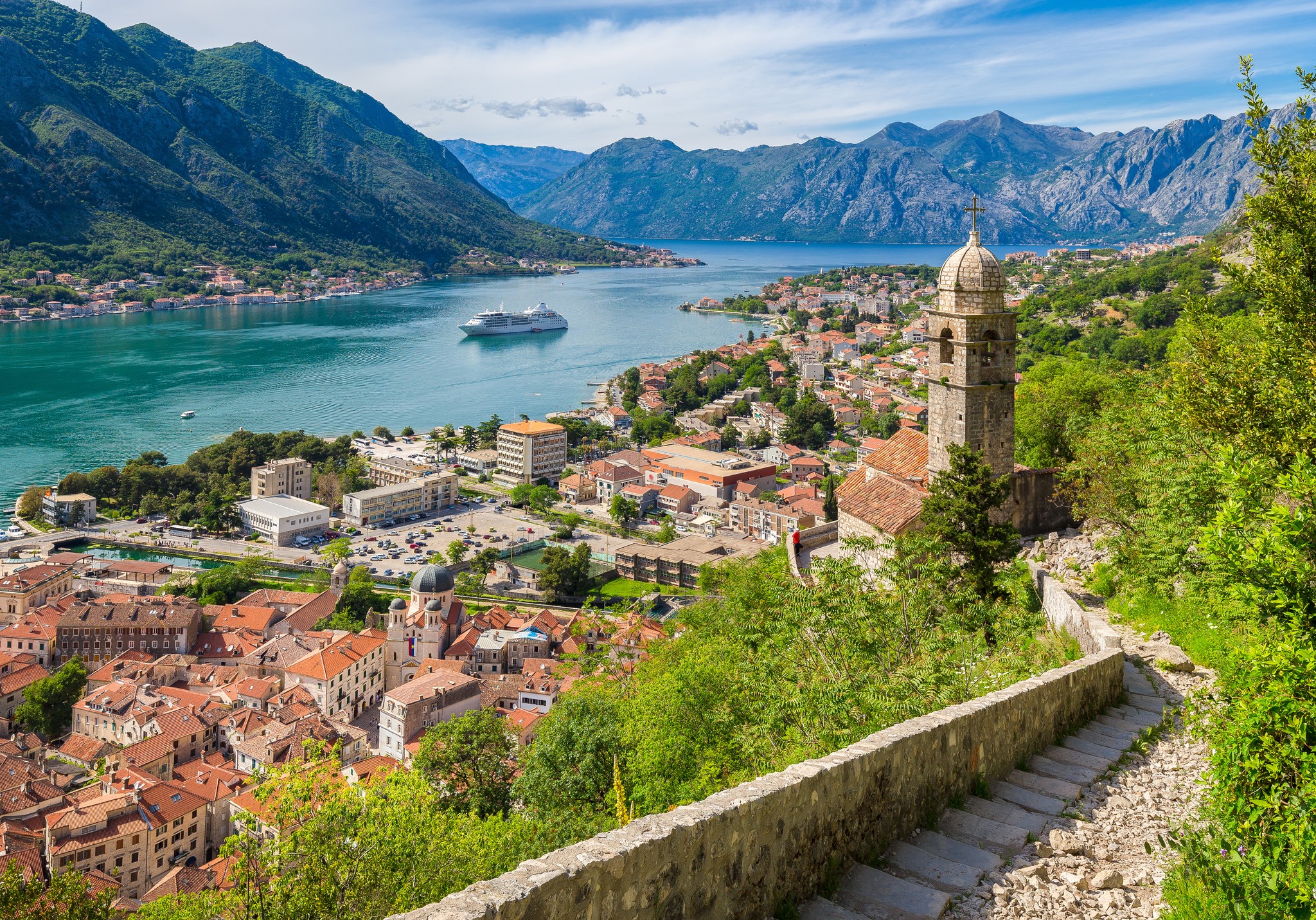
Montenegro's property market is driven by coastal tourism. In 2025, private accommodation recorded 10.2 million overnight stays, while seaside resorts accounted for over 92% of all tourist nights[78]Source: MONSTAT — Montenegro Tourism Statistics
 Real estate in Switzerland
Foreign non-residents face strict restrictions when buying property in Switzerland. Holiday homes require cantonal authorisation and are subject to an annual nationwide quota of up to 1,500 permits, with limits on location, size, and use[79]Source: Swiss Federal Office of Justice — Property Purchases by Foreign Nationals.
Switzerland has one of Europe's most expensive property markets. Average apartment prices per m² are:
- Zurich — CHF 17,810, or ≈ €19,140;
- Geneva — CHF 15,950, or ≈ €17,140;
- Lausanne — CHF 12,640, or ≈ €13,580;
- Basel — CHF 11,550, or ≈ €12,410;
- Bern — CHF 9,530, or ≈ €10,240[80]Source: RealAdvisor — Swiss Property Prices.
Taxes. When purchasing property in Switzerland, buyers pay transfer taxes and registration fees of approximately 1 to 3.3% of the purchase price, depending on the canton. Zurich and Aargau do not levy transfer tax, although administrative fees apply.
Annual property tax ranges from 0.01 to 0.3% of the assessed property value in cantons that levy it.
Monthly utilities for an 85 m² apartment average around €240.
Who can buy property in Europe as a foreigner?
Ownership rules vary sharply across the continent. Most Western and Southern European countries allow foreign nationals, resident or not, to buy freely. A smaller group of countries, mostly in the Nordics and among microstates, impose permits, residence tests, or outright restrictions on certain purchases.
EU nationals
EU citizens enjoy the same property purchase rights as local nationals across all 27 EU member states. They can buy primary residences, holiday homes, and investment properties without obtaining citizenship or permanent residence in the destination country.
Some restrictions still apply, particularly to agricultural land, protected areas, and holiday properties. Outside the EU, countries such as Switzerland and Liechtenstein have their own ownership rules, which may restrict purchases by EU citizens.
Non-EU buyers
Non-EU nationals, including buyers from Tier 1 countries such as the US, UK, Canada, Australia, and Singapore, can purchase residential property in most European countries. In some destinations, their rights depend on reciprocity agreements, meaning that foreign buyers may qualify for ownership if citizens of the destination country enjoy similar rights in their home country.
For example, Croatia recognises reciprocity with the UK and many US states, allowing eligible buyers to apply for property acquisition approval. Australian buyers face additional restrictions on existing properties until March 2027. Other countries impose specific requirements based on nationality, residence status, or property type.
Examples of countries with restrictions on foreign buyers include:
- Cyprus. Non-EU citizens need permission from the local District Administration. They can buy up to two residential units or a plot of land up to 4,000 m² for building a home[81]Source: Cyprus Ministry of the Interior — Purchasing Property.
- Malta. Non-EU citizens need an Acquisition of Immovable Property, AIP, permit to buy real estate. EU citizens may also need permission when purchasing a second home if they have lived in Malta for less than 5 years. Properties in Special Designated Areas can be purchased without an AIP permit, regardless of nationality[82]Source: Malta's Government Services Portal — Acquisition of Immovable Property.
- Croatia. Non-EU and non-EEA buyers need approval from the Ministry of Justice to purchase property. Approval depends on reciprocity agreements between Croatia and the buyer's home country. Agricultural land and certain protected properties face additional restrictions[83]Source: Croatian Ministry of Justice — Property Acquisition by Foreign Nationals.
- Liechtenstein. Property purchases require approval from the Office of Justice. Buyers must demonstrate a legitimate need for the property, such as housing. Non-EEA and non-Swiss nationals need at least 10 years of continuous residence[84]Source: Government of Liechtenstein — Land Transfer and Domestic Housing Needs.
Foreign ownership restrictions also apply in Austria, Denmark, Switzerland, Finland, Croatia, Poland, Hungary, Slovenia, Iceland, and Liechtenstein.
What is the step-by-step process for buying property in Europe?
Based on Immigrant Invest's experience, buying property in Europe takes 2 to 6 months and follows five key steps. Procedures vary by country, especially when the purchase is linked to obtaining residence.
In Greece, investors must obtain a Greek tax identification number. Cyprus requires proof of annual income of at least €50,000 and investment funds transferred from abroad. In Malta, applicants first undergo Due Diligence through a licensed agent and can purchase or rent property after receiving approval in principle, within the prescribed deadline.
Choose a property and check its legal status
Research local prices, taxes, and rental potential before selecting a property. Hire an independent lawyer to verify ownership, check for outstanding mortgages or debts, and confirm that the building has the necessary permits.
Foreign buyers should also check whether they need government approval to purchase property, particularly in countries with ownership restrictions.
Sign a preliminary contract and pay a deposit
Once the price is agreed, buyers may sign a reservation or preliminary sales agreement and pay a deposit, often around 5—10% of the purchase price, although some markets require more.
The contract should specify the final price, completion deadline, and conditions for a refund. Have a lawyer review it before paying: deposits are not always refundable, and some preliminary agreements are legally binding.
Complete legal and financial checks
Before completion, the lawyer confirms the property's legal status and checks for unpaid taxes, ownership disputes, or unauthorised alterations.
Buyers must also provide identification and proof of the origin of their funds to satisfy anti-money-laundering requirements. Those using a mortgage should secure final financing approval at this stage.
Sign the final contract and pay purchase costs
The buyer and seller sign the final sale agreement, usually before a notary or another authorised professional, depending on the country.
The buyer pays the remaining purchase price, along with applicable transfer tax or VAT, notary fees and registration costs. In some countries, a solicitor or conveyancer handles completion instead.
Register ownership and arrange utilities
The final step is to register the purchase with the relevant land registry, where required to complete or formally record ownership.
Once the handover is complete, buyers can transfer electricity, water, and other utility accounts, arrange property insurance and set up payments for annual taxes and building maintenance.
Risks and pitfalls of purchasing European real estate
Buying property in Europe involves more than choosing a location and negotiating a price. Foreign ownership rules, legal defects, unexpected costs, and immigration requirements can complicate a transaction. Understanding these risks before signing a contract helps buyers avoid costly mistakes.
Property eligibility risk for residence or citizenship
Not every property qualifies for an investment-based residence programme, even if its price meets the minimum threshold. In Greece, the Golden Visa starts at €250,000 only for property conversions and historic buildings, while standard purchases require €400,000 or €800,000, depending on location.
Buyers should verify both property eligibility and ongoing investment obligations before signing a contract, as purchasing real estate alone does not guarantee residence approval.
Examples of real estate in Greece
Greece, Athens
€720,000+
Cosy and stylish apartments in modern style, Glyfada, Athens
98 m²2 2 Greece, Athens
€1,185,000+
Luxury apartments, Varkiza, Athens
207 m²4 4 Greece, Kassandra
€505,000+
Modern villa, Sani, Kassandra
170 m²4 3 Rental restrictions and resale risks
Properties bought for investment may face rental restrictions, licensing requirements, or limits on their use. For example, properties for Greece's Golden Visa cannot be rented out short-term, although long-term rentals are permitted. In Malta, properties purchased under the MPRP can be rented out only while their owners are temporarily abroad.
Investors seeking residence or citizenship must also consider how long they need to retain their property. In Greece and Cyprus, selling can lead to the loss of the residence permit unless the investor obtains another status or citizenship. Malta requires investors to maintain a property for at least 5 years.
Besides, a property may appreciate in value but still take months to sell, especially in small towns, seasonal resorts, or luxury markets with few buyers. Investors should assess local transaction volumes and resale demand, not just projected price growth.
Currency fluctuations
Property investments outside the eurozone carry exchange-rate risks. A home may appreciate in local currency but lose value when converted into euros or dollars.
Buyers should consider currency movements when comparing purchase prices, rental income, and potential resale returns.
Property purchase restrictions
Some European countries restrict where and what foreigners can buy. However, that does not necessarily prevent investors from purchasing property. In some countries, buyers can obtain special permission or use an eligible ownership structure. The best approach depends on their nationality, residence status, and the type of property.

Elena Kozyreva,
Managing Director for Real Estate projects
Immigrant Invest helps clients navigate the requirements, particularly in Cyprus and Malta, where non-EU buyers face additional approval procedures. The legal team checks eligibility, prepares the required documents, and assists with obtaining purchase permits. This allows investors to address ownership restrictions before completing their property purchase and secure permanent residence.
Hidden legal and ownership issues
A property may have outstanding mortgages, ownership disputes, unpaid charges, or unauthorised alterations. These can delay registration, prevent renovation, or lead to unexpected expenses.
An independent lawyer should check the land registry, title deeds, building permits, and any outstanding liabilities before the buyer signs a binding agreement.
Overestimated rental returns
Advertised rental yields are usually gross figures, calculated before expenses. Property management, repairs, taxes, and vacant periods can substantially reduce actual returns.
Investors should calculate net yields and check local occupancy rates before purchasing a rental property.
How Immigrant Invest can help with property purchases and residence permits in Europe
Immigrant Invest has helped investors obtain residence permits and citizenship since 2006. With 20 years of experience and more than 10,000 clients worldwide, we combine legal expertise with property selection and immigration support.
We have 11 offices worldwide, including local teams in Malta, Greece, Cyprus, and Türkiye — countries offering residence or citizenship programmes linked to property investments. This local presence helps investors navigate real estate transactions and immigration procedures in their chosen jurisdiction.
We support clients throughout the process including:
- Initial consultation. Lawyers assess the investor's goals, eligibility, and budget to recommend a suitable country and programme.
- Preliminary Due Diligence. Compliance specialists check potential risks before the investor commits to a property or submits an application.
- Property selection. Real estate experts present suitable properties, check their eligibility for the chosen programme, and assist with purchase arrangements.
- Legal and transaction support. Lawyers prepare and review documents, coordinate the purchase, and assist with ownership registration.
- Residence or citizenship application. The team prepares the application, communicates with the relevant authorities, and supports the investor until a residence card or passport is issued.
- Post-approval support. Immigrant Invest assists with permit renewals, adding family members, property-related matters, and other services needed to maintain immigration status.
Investors can explore our real estate catalogue, featuring properties selected for investment-based residence and citizenship programmes in Greece, Cyprus, Malta, and Türkiye.
Key takeaways on European real estate
- Property prices vary significantly across Europe. Affordable markets include Latvia, Albania, and Türkiye, while Monaco, Switzerland, and Liechtenstein command premium prices.
- Ireland and the UK offer some of the highest rental yields, while Portugal leads the EU in property price growth.
- Purchase taxes and ongoing expenses affect the total investment. Buyers in Spain may pay an additional 10—15% in taxes and fees, compared with minimal registration costs in Slovakia and the Czech Republic.
- Greece offers renewable 5-year residence permits for property investments from €250,000 in conversions and historic buildings, or €400,000—800,000 for standard properties.
- Cyprus grants permanent residence for investments of at least €300,000 in residential or commercial property. The status is lifelong.
- Malta also offers lifelong permanent residence through renting or buying property, with total costs starting at €100,200 or €474,000, respectively.
- Türkiye offers citizenship through property investment of at least $400,000.
Immigrant Invest is a licensed agent for citizenship and residence by investment programs in the EU, the Caribbean, Asia, and the Middle East. Take advantage of our global 15-year expertise — schedule a meeting with our investment programs experts.