









Nigerian citizens can obtain a second passport through citizenship by investment programmes, with minimum investment thresholds starting at $90,000.
A second passport can provide visa-free access to up to 140 countries, compared to around 40 destinations available to Nigerian passport holders. It can also support asset diversification, facilitate international business activities, and provide a long-term backup plan for investors and their families.
With around 200 millionaires leaving Nigeria in 2025[1]Source: The Punch — Capital flight: Nigeria to lose 200 millionaires in 2025, demand for second citizenship remains strong among wealthy Nigerians seeking greater international mobility and wealth protection. This guide explains how citizenship by investment works, how Nigerians can obtain a second passport, and which programmes offer the best opportunities.
Can Nigerians have dual citizenship?
Some countries do not allow multiple citizenship and require nationals to revoke their citizenship if they acquire a passport of another country. That's not the case for Nigerians.
Under the Constitution of the Federal Republic of Nigeria[2]Source: Constitution of the Federal Republic of Nigeria, citizens who acquired Nigerian citizenship by birth may obtain another nationality without renouncing their Nigerian passport. However, the country in which the second passport is obtained must also allow dual citizenship. Almost half of the countries worldwide support dual citizenship.
What is citizenship by investment?
Citizenship by investment is obtained through government programmes which allow foreign nationals to acquire the country’s nationality in exchange for a qualifying contribution to the economy. Each programme is regulated by national legislation and administered by authorised government bodies.
Depending on the programme, investors may qualify through a government contribution, real estate purchase, business investment, bank deposit, or other approved investment option.
Unlike traditional naturalisation, citizenship by investment offers a faster route to a second passport, usually within a few months and without a residence requirement.
How citizenship by investment works
Citizenship by investment follows a government-regulated application process. Investors first choose a programme and submit an application. Government authorities then conduct Due Diligence and background checks to verify the investor's identity, source of funds, and eligibility.
Once approved, the main applicant completes the qualifying investment and receives citizenship certificates and a passport.
Eligibility criteria for the main applicant
Requirements vary by country, but most citizenship by investment programmes apply similar standards to the main applicant. Investors must:
- be at least 18 years old;
- have a clean criminal record;
- demonstrate a legal source of income and investment funds;
- pass government Due Diligence and background checks;
- not be subject to international sanctions or restrictions;
- not pose a security, financial, or reputational risk to the host country.
Can family members be included
Citizenship by investment programmes allow family applications. Depending on the country, the main applicant may include a spouse, children, parents and grandparents, and siblings in certain programmes. Family eligibility rules vary by jurisdiction.
Family members aged 16 and above usually undergo government Due Diligence checks. Approval is granted at the sole discretion of the relevant government authority and is never guaranteed.
6 benefits of getting a second citizenship for Nigerians
A second passport can help Nigerian investors achieve both personal and business goals. The most important benefits include greater mobility, international diversification, and enhanced family security.
1. Visa-free travel
The Nigerian passport offers limited visa-free travel compared to many citizenship by investment passports.
Caribbean citizenship programmes provide visa-free or visa-on-arrival access to around 140 countries, including the Schengen Area, the United Kingdom, Singapore, and Hong Kong. This makes international business trips, family travel, and spontaneous journeys significantly easier.
2. Easier access to US visas
Citizens of Caribbean countries can typically apply for long-term US B-1/B-2 Visitor Visas.
Grenada, Türkiye, and Egypt offer an additional advantage: their citizens may qualify for the US E-2 Investor Visa. This visa allows entrepreneurs with their families to live in the United States and operate a business there, provided they make a qualifying investment.
3. International banking opportunities
Opening bank accounts and accessing financial services abroad can be challenging for investors from Nigeria.
A second passport may simplify banking procedures, expand access to international financial institutions, and support global wealth management strategies.
4. Asset diversification
Citizenship by investment often involves acquiring assets denominated in foreign currencies or investing in overseas real estate. This allows investors from Nigeria to diversify their wealth geographically and reduce exposure to economic risks concentrated in a single country.
5. Backup plan for the family
A second citizenship provides the right to live, work, and study in another country. Many investors view a second passport as a long-term security solution that can help protect their families during periods of political or economic uncertainty.
6. Tax and business planning opportunities
Several Caribbean citizenship by investment countries, as well as Vanuatu, do not impose wealth, inheritance, or capital gains taxes. However, these benefits generally apply to tax residents rather than passport holders alone.
Some jurisdictions offer additional business advantages. For example, in Vanuatu, investors can establish an International Business Company. These companies are exempt from corporate taxes and are only required to pay an annual fee of $300 for 20 years.
Best countries to obtain a second passport as a Nigerian citizen
Nigerian investors can choose from several citizenship programmes worldwide. The most popular options are Caribbean ones, while alternative routes are available in the Middle East, Africa, and the Pacific region.
All countries currently offering citizenship by investment permit dual citizenship. Therefore, Nigerian investors can obtain a second passport without renouncing their existing nationality.
Countries in the Caribbean
Five Caribbean countries offer citizenship in exchange for investment:
Applicants can obtain Caribbean citizenship within 4 to 8 months without residence requirements. The minimum investment starts at $200,000 in Dominica.
Caribbean passports provide visa-free access to more than 140 destinations, including the Schengen Area, the UK, Hong Kong, Singapore, and, in the case of Grenada, China. Citizens of St Kitts and Nevis, St Lucia, and Grenada may also apply for a 10-year US B-1/B-2 Visa for tourism, business trips, and short-term stays.
Grenada citizenship provides access to the United States through the E-2 Visa, allowing investors to start a business in the US and relocate there with their families. Under the visa, the investor may manage the business, while their spouse and children can live, work, and study in the country.
E-2 applicants are expected to demonstrate a genuine connection to Grenada, which may include residing in the country for at least 3 years before applying. The visa can be renewed indefinitely, provided the qualifying business remains operational.

Countries in other regions
Nigerian investors may also consider citizenship by investment in the following countries:
Each programme offers different advantages. Türkiye and Egypt provide eligibility for the US E-2 Investor Visa. Additionally, Turkish citizens can obtain long-term Schengen visas. Vanuatu is known for its fast processing time, with citizenship granted in just 2 months. Nauru and São Tomé and Príncipe offer some of the lowest investment thresholds, starting from $90,000.
Citizenship by investment programmes for Nigerian citizens

Country
 Nauru
Nauru
Minimum investment
$90,000+
Processing time
3+ months
Key advantage
No age restrictions for any family member
Country
 São Tomé and Príncipe
Minimum investment
$90,000+
Processing time
4+ months
Key advantage
Lowest entry threshold globally
Country
 Vanuatu
Minimum investment
$130,000+
Processing time
2+ months
Key advantage
Fast processing
Country
 Dominica
Minimum investment
$200,000+
Processing time
6+ months
Key advantage
Lowest investment threshold among Caribbean programmes
Country
 Antigua and Barbuda
Minimum investment
$230,000+
Processing time
6+ months
Key advantage
A dedicated investment option for big families
Country
 Grenada
Minimum investment
$235,000+
Processing time
8+ months
Key advantage
Access to the US E-2 Investor Visa
Country
 St Lucia
Minimum investment
$240,000+
Processing time
6+ months
Key advantage
5 diverse investment options, including refundable bonds
Country
 St Kitts and Nevis
Minimum investment
$250,000+
Processing time
4+ months
Key advantage
World’s first and longest-running programme
Country
 Egypt
Egypt
Minimum investment
$250,000+
Processing time
10+ months
Key advantage
Access to the US E-2 Visa and refundable bank deposit option
Country
 Türkiye
Minimum investment
$400,000+
Processing time
8+ months
Key advantage
Refundable real estate option and E-2 Visa eligibility
Country | Minimum investment | Processing time | Key advantage |
|---|---|---|---|
| $90,000+ | 3+ months | No age restrictions for any family member |
| $90,000+ | 4+ months | Lowest entry threshold globally |
| $130,000+ | 2+ months | Fast processing |
| $200,000+ | 6+ months | Lowest investment threshold among Caribbean programmes |
| $230,000+ | 6+ months | A dedicated investment option for big families |
| $235,000+ | 8+ months | Access to the US E-2 Investor Visa |
| $240,000+ | 6+ months | 5 diverse investment options, including refundable bonds |
| $250,000+ | 4+ months | World’s first and longest-running programme |
| $250,000+ | 10+ months | Access to the US E-2 Visa and refundable bank deposit option |
| $400,000+ | 8+ months | Refundable real estate option and E-2 Visa eligibility |
Antigua and Barbuda
The Antigua and Barbuda citizenship by investment programme allows foreign investors to obtain citizenship in about 6 months with a qualifying contribution starting at $230,000.
Investment options
Investors can choose one of the following routes:
- Non-refundable contribution to the National Development Fund — $230,000+.
- Real estate purchase in a government-approved project — $300,000+.
- Contribution to the University of the West Indies Fund — $260,000+ for families of 6 or more.
- Business investment — $400,000+ in a joint venture or $1.5+ million as a sole investor.
Investors who choose the real estate route may recover their investment by selling the property after the mandatory holding period of 5 years.
Family eligibility
Antigua and Barbuda offers one of the broadest family inclusion policies among Caribbean citizenship by investment programmes. The main applicant may include:
- spouse;
- children under 30;
- children of any age who are mentally or physically incapacitated and fully supported by the investor;
- parents and grandparents over 55 who are financially dependent on the investor;
- parents and grandparents of any age who are mentally or physically incapacitated and fully supported by the investor;
- unmarried siblings.
Residence requirement
Applicants are not required to live in Antigua and Barbuda before or after obtaining citizenship to maintain the status. However, citizens must spend at least 5 days in the country during the first 5 years after obtaining citizenship.
Benefits
Antigua and Barbuda citizens enjoy visa-free access to more than 169 countries and territories, including the Schengen Area, the UK, Hong Kong, and Singapore.
For families of 6 or more, the University of the West Indies Fund is a cost-effective option. A $260,000 contribution covers all applicants, making it one of the most affordable routes among Caribbean programmes. One eligible family member receives a one-year scholarship at the University of the West Indies, a top-ranked university[3]Source: Times — Higher Education World University Rankings 2026 whose degrees are recognised internationally, including in the UK and Canada.
Antigua and Barbuda does not tax personal income, inheritance, or capital gains. Tax residents don't pay taxes on dividends, interest or royalties.
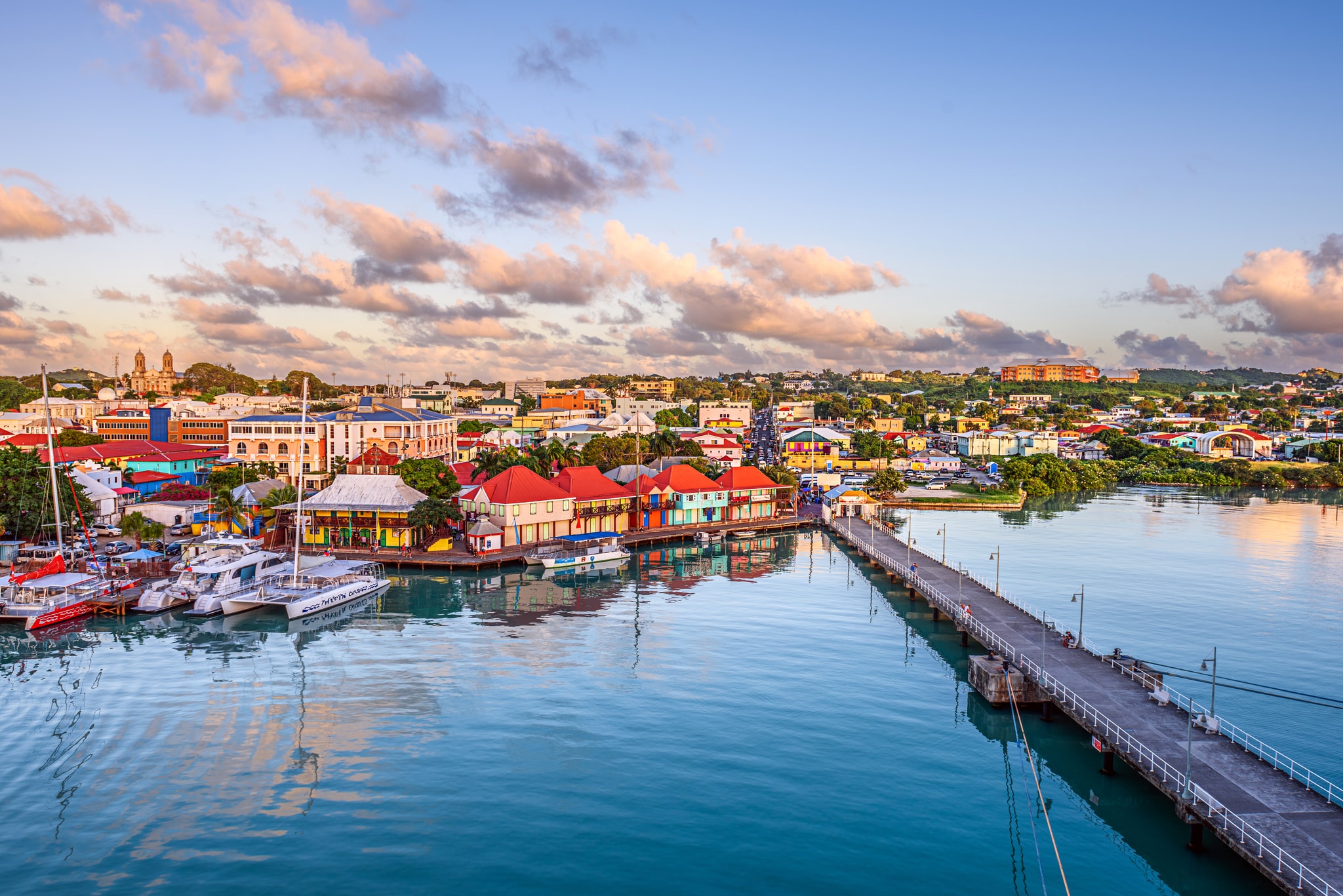
English is the official language on the islands, which makes relocation and business integration relatively easy for international investors
Dominica
The Dominica citizenship by investment programme offers a fully remote path to citizenship in 6 months with a qualifying contribution from $200,000.
On June 11th, 2026, the Dominica government announced new measures to strengthen its Citizenship by Investment Programme. The proposed reforms include requiring successful applicants to visit Dominica in person and spend time in the country. The exact length of stay and other details are expected to be announced with the 2026/2027 National Budget[4]Source: OPM Pressroom — Government to Introduce New Measures to Strengthen CBI Programme.
Investment options
Investors can choose one of the following routes:
- Non-refundable contribution to the Economic Diversification Fund — $200,000+.
- Purchase of government-approved real estate — $200,000+.
The real estate option allows investors to recover their capital by selling the property after the mandatory holding period of 3 or 5 years.
Family eligibility
Investors may include the following family members in one application:
- spouse;
- children under 18;
- financially dependent children aged 18 to 30 studying at a university or recognised institution;
- unmarried daughters under 25 who are financially dependent on the investor;
- parents and grandparents over 65 who are financially dependent on the investor or spouse.
Citizenship is granted for life and can be passed on to future generations[5]Source: Dominica Citizenship by Investment Unit.
Benefits
Dominica citizens enjoy visa-free or visa-on-arrival access to more than 160 countries and territories, including the Schengen Area, Hong Kong, and Singapore.
Dominica has no taxes on wealth, gifts, capital gains, or inheritance. Non-tax residents pay taxes only on income generated in Dominica.
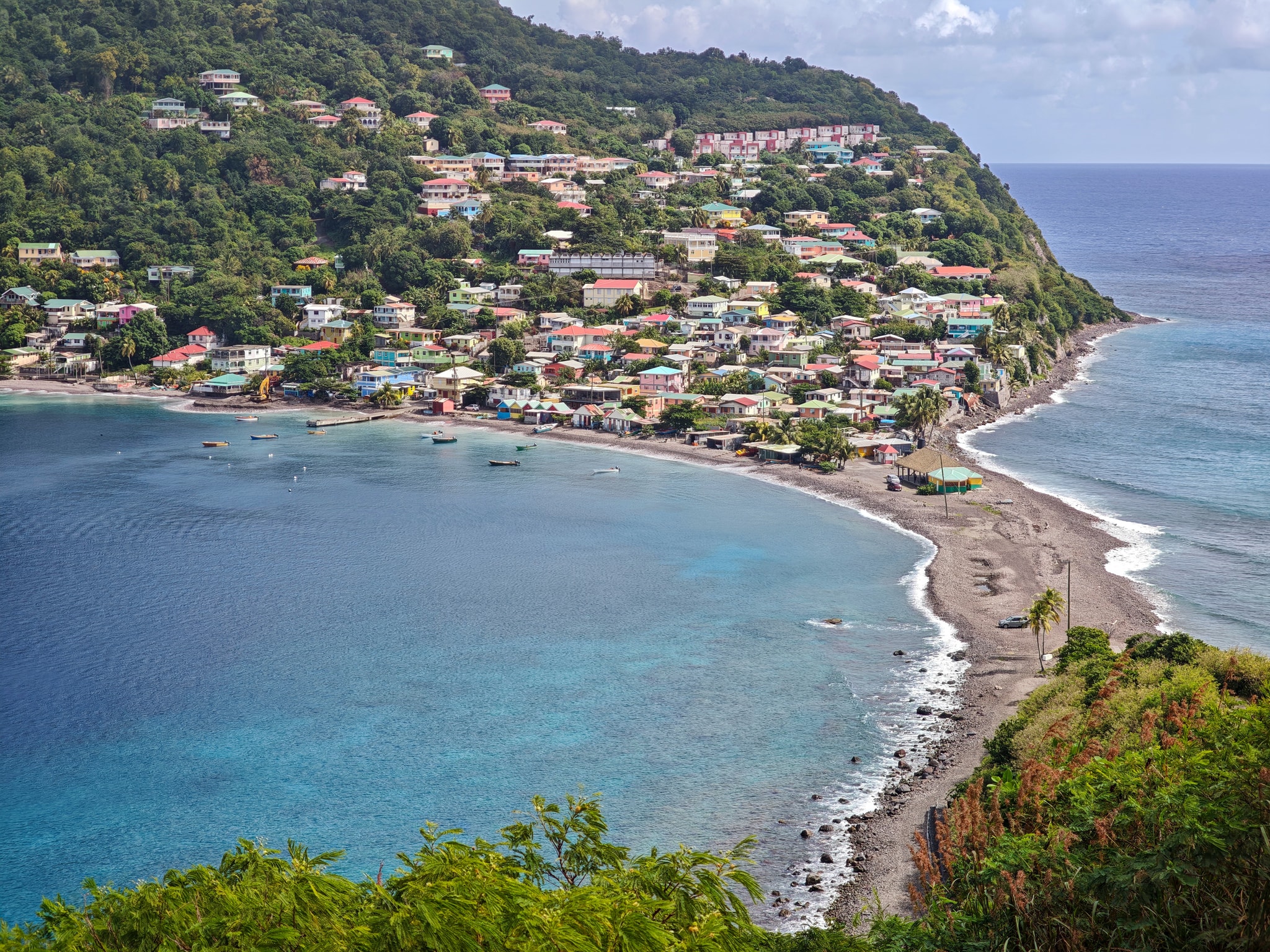
The island nation of Dominica is a part of the Windward Islands, surrounded by the Caribbean Sea and the Atlantic Ocean. Located 650 km north of South America
Grenada
The Grenada citizenship by investment programme provides citizenship to foreign investors who contribute at least $235,000 to the National Transformation Fund. The process takes 8+ months.
The programme does not require applicants to reside in Grenada, pass language tests, or travel to the country during the application process.
Investment options
Investors can choose one of the following routes:
- Non-refundable contribution to the National Transformation Fund — $235,000+.
- Purchase of government-approved real estate — $270,000+.
The National Transformation Fund option is designed for applicants seeking the most straightforward route to citizenship. The real estate option allows investors to earn rental income and recover their capital by selling the property after the mandatory holding period of 5 years.
Family eligibility
The following eligible family members receive citizenship together with the main applicant and may be included in the initial application:
- spouse;
- children under 30 who are financially dependent on the investor;
- parents and grandparents of any age who are financially dependent on the investor;
- unmarried siblings over 18 without children.
Benefits
Grenadian citizens enjoy visa-free or visa-on-arrival access to more than 162 countries and territories, including the Schengen Area, the UK, Hong Kong, and Singapore.
Grenada is the only Caribbean country with a citizenship by investment programme that provides access to the US E-2 Investor Visa. The country also maintains a visa-waiver agreement with China, making its passport attractive for investors with business interests in both the United States and Asia.
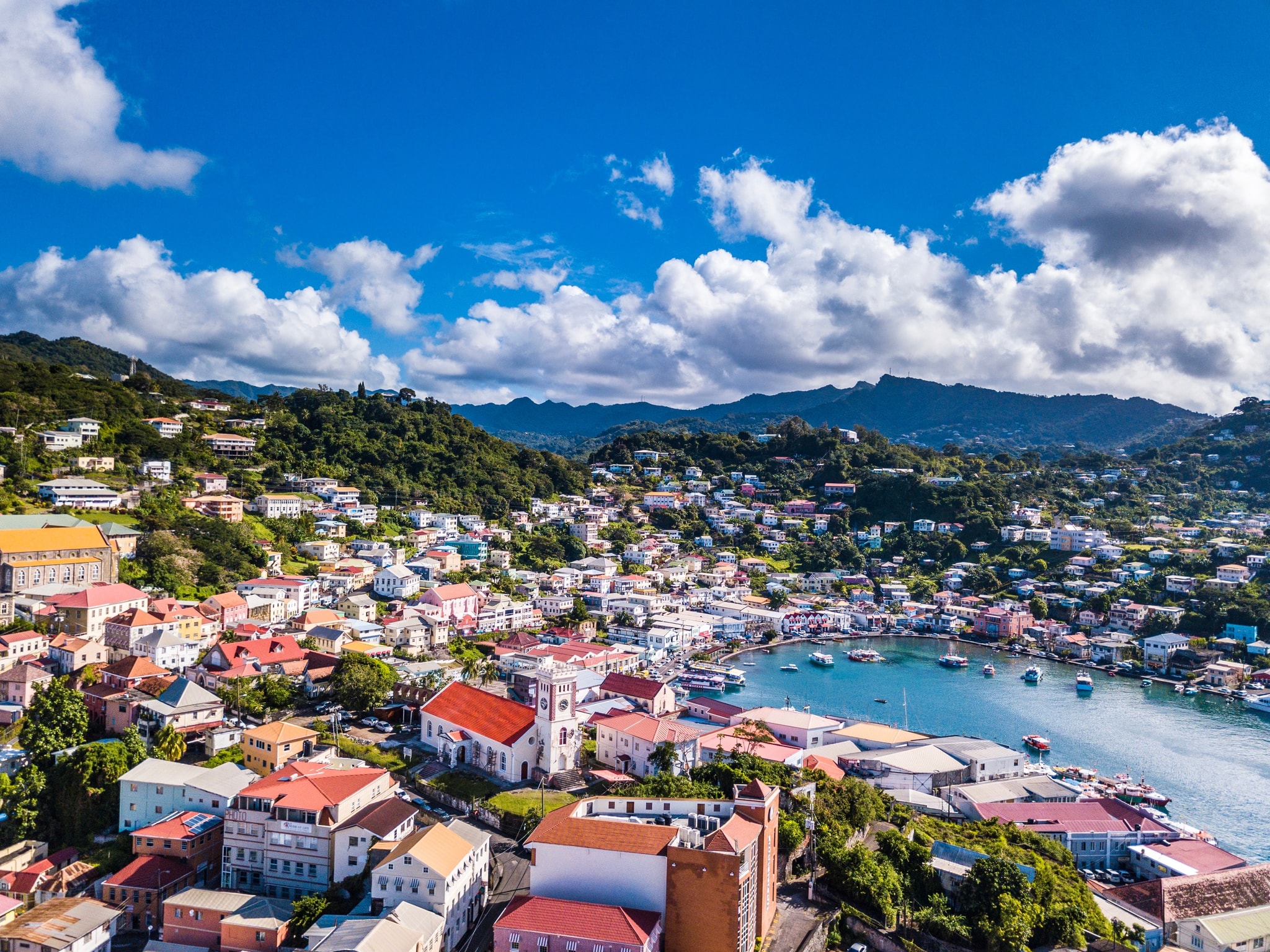
Grenada is known as the ‘Spice Isle’ for its large production and export of nutmeg, mace, cinnamon, and cloves
St Kitts and Nevis
The St Kitts and Nevis citizenship by investment programme grants citizenship through a minimum investment of $250,000. Investors obtain citizenship in at least 4 months.
Established in 1984, the St Kitts and Nevis CBI programme is the world's oldest programme of its kind. It does not require language tests, history exams, or residency. However, applicants must provide biometrics either in St Kitts and Nevis or at authorised application centres abroad, and collect their passports in person.
Investment options
Investors can choose one of the following routes:
- Non-refundable contribution to the Sustainable Island State Contribution — $250,000+.
- Investment in government-approved real estate — $325,000+ with a 7-year holding period.
- Investment in private real estate — $600,000+ with a 7-year holding period.
- Public benefit contribution — $250,000+ to approved national projects.
Real estate investments may generate rental income during the holding period and can be resold after the required period, allowing tha capital recovery.
Family eligibility
The main applicant may include the following family members:
- spouse;
- children under 25 who are financially dependent or enrolled in full-time education;
- children of any age with physical or mental disabilities who are fully supported by the investor;
- parents and aged 55+ who are financially dependent.
St Kitts and Nevis citizenship is granted for life and may be transmitted to future generations in accordance with the country’s citizenship laws[6]Source: Constitution of St Christopher and Nevis — Chapter VIII, Citizenship.
Benefits
St Kitts and Nevis has no taxes on global and local income, capital gains, and inheritance. Tax residents are exempt from taxes on dividends, interest, and royalties.
The St Kitts and Nevis passport provides global mobility, including visa-free access across Europe and Asia. Citizens are eligible for a 10-year US B-1/B-2 Visa for tourism, business, family visits, and medical care.
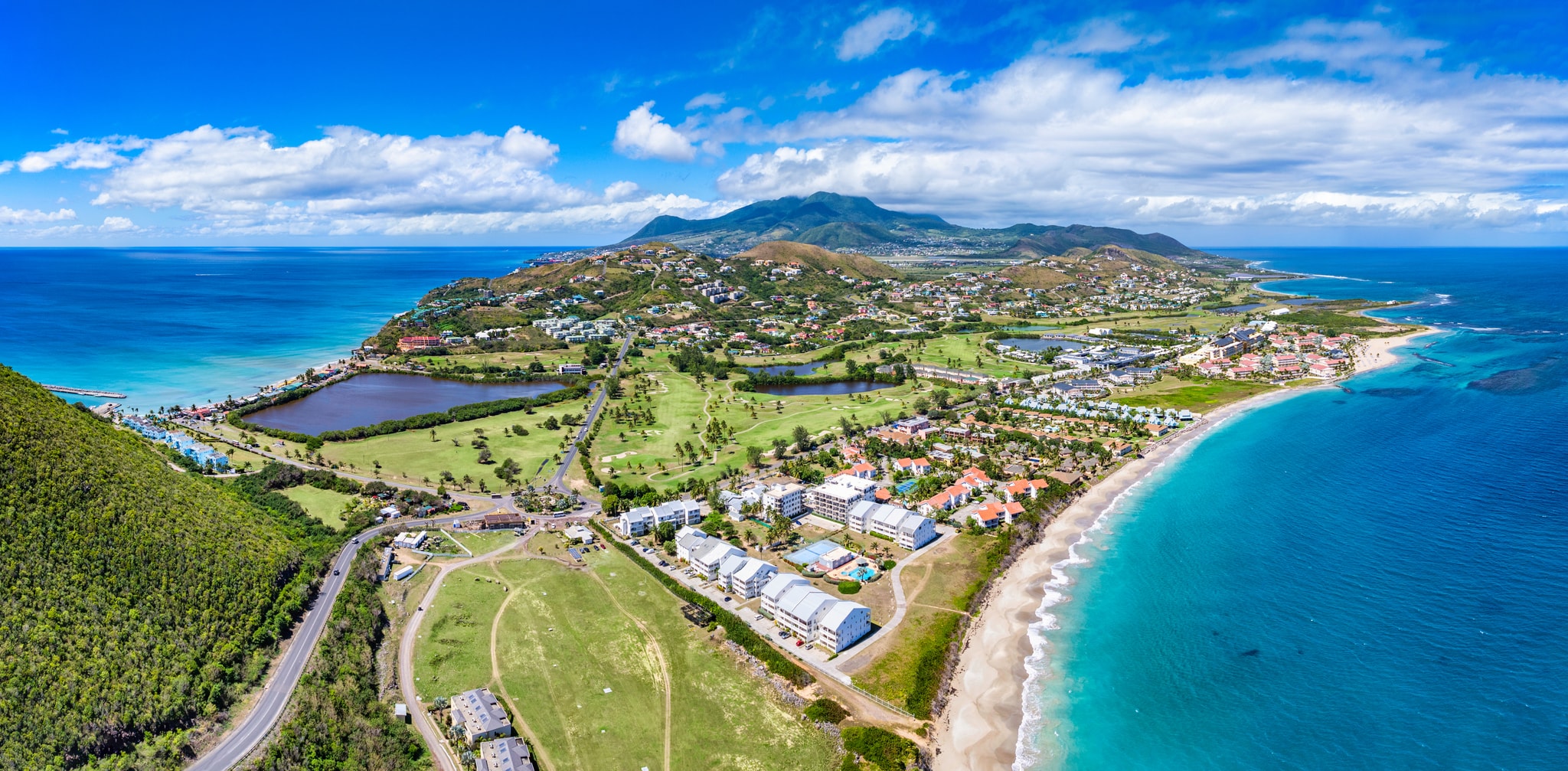
St Kitts and Nevis is a dual-island country, washed by the Atlantic Ocean in the east and the Caribbean Sea in the west
St Lucia
The St Lucia citizenship by investment programme grants citizenship through a minimum investment of $240,000. Citizenship is typically granted in 6+ months.
The programme does not require physical residence in St Lucia before or after obtaining citizenship, and applicants are not required to visit the country during the process.
Investment options
Investors choose one of the five options:
- Non-refundable contribution of $240,000+ to the National Economic Fund.
- Purchasing of government bonds for $300,000+ with a minimum holding period of 5 years.
- Real estate investment of $300,000+ in approved projects with a minimum holding period of 5 years.
- Business investment of $1,000,000+.
- Investment in infrastructure projects of $250,000+.
The bond and real estate options allow investors to recover their capital after 5 years. In addition, real estate may provide rental income throughout the holding period.
Family eligibility
The investor may include the following family members:
- spouse;
- children under 21;
- children aged 21—30 who are financially dependent on the investor;
- parents over 55 who are financially dependent;
- siblings under 18 with parental or guardian consent.
Benefits
St Lucia citizenship enhances global mobility by reducing visa requirements and simplifying entry to many destinations worldwide. Citizens may also obtain a 10-year B-1/B-2 Visa in the US for stays of up to 6 months yearly, allowing travel, business visits, and medical care.
St Lucia does not tax foreign income, dividends, inheritance, and capital gains.
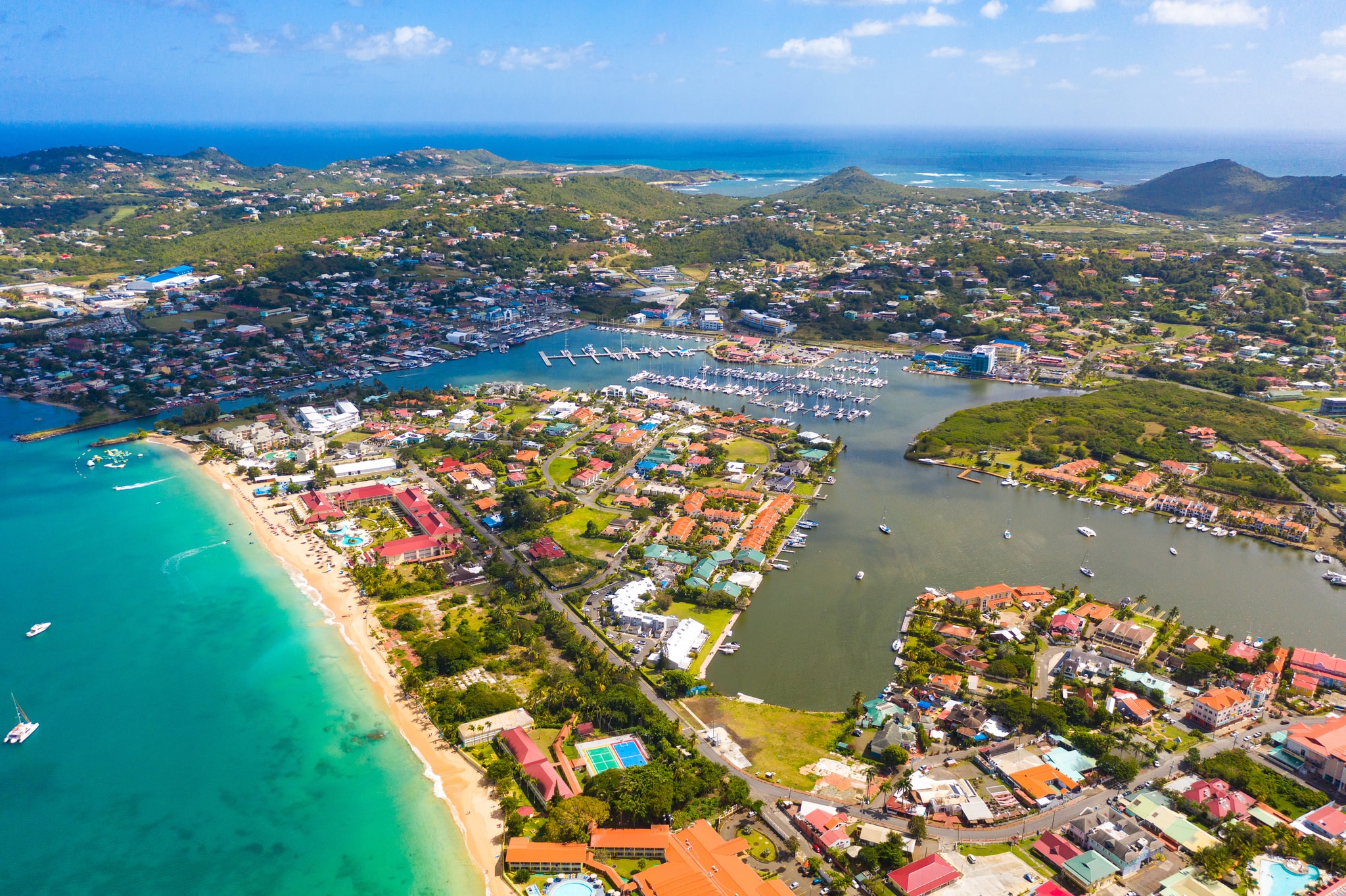
St Lucia has a population of around 180,000 people and is one of the most densely populated Caribbean islands
Vanuatu
The Vanuatu citizenship by investment programme grants citizenship through a minimum contribution of $130,000 to a government fund. Investors obtain a second passport in approximately 2 months, making it one of the fastest citizenship routes worldwide.
The programme has no language or integration requirements, and applicants are not required to reside in Vanuatu before or after approval.
The process of obtaining citizenship is remote, but requires biometric data collection in the Vanuatu Immigration Service or at designated consulates in Hong Kong, Dubai, or New Caledonia.
Investment options
Investors can choose between two main routes:
- Non-refundable contribution of at least $130,000 to a government development fund.
- Contribution of at least $165,000 to the Cocoa Sustainable Development Fund.
Under the Cocoa Sustainable Development Fund, investors may recover $50,000 after 5 years.
Family eligibility
The investor may include the following family members:
- spouse;
- children up to 25, financially dependent on the investor;
- parents over 50 who are financially dependent on the investor.
Benefits
Vanuatu citizens receive visa-free or visa-on-arrival access to 121 destinations, including Malaysia, Singapore, and Hong Kong.
Investors can establish an International Business Company, IBC, in Vanuatu. IBCs and their shareholders are exempt from corporate and personal income taxes and pay only a $300 annual fee, valid for 20 years.
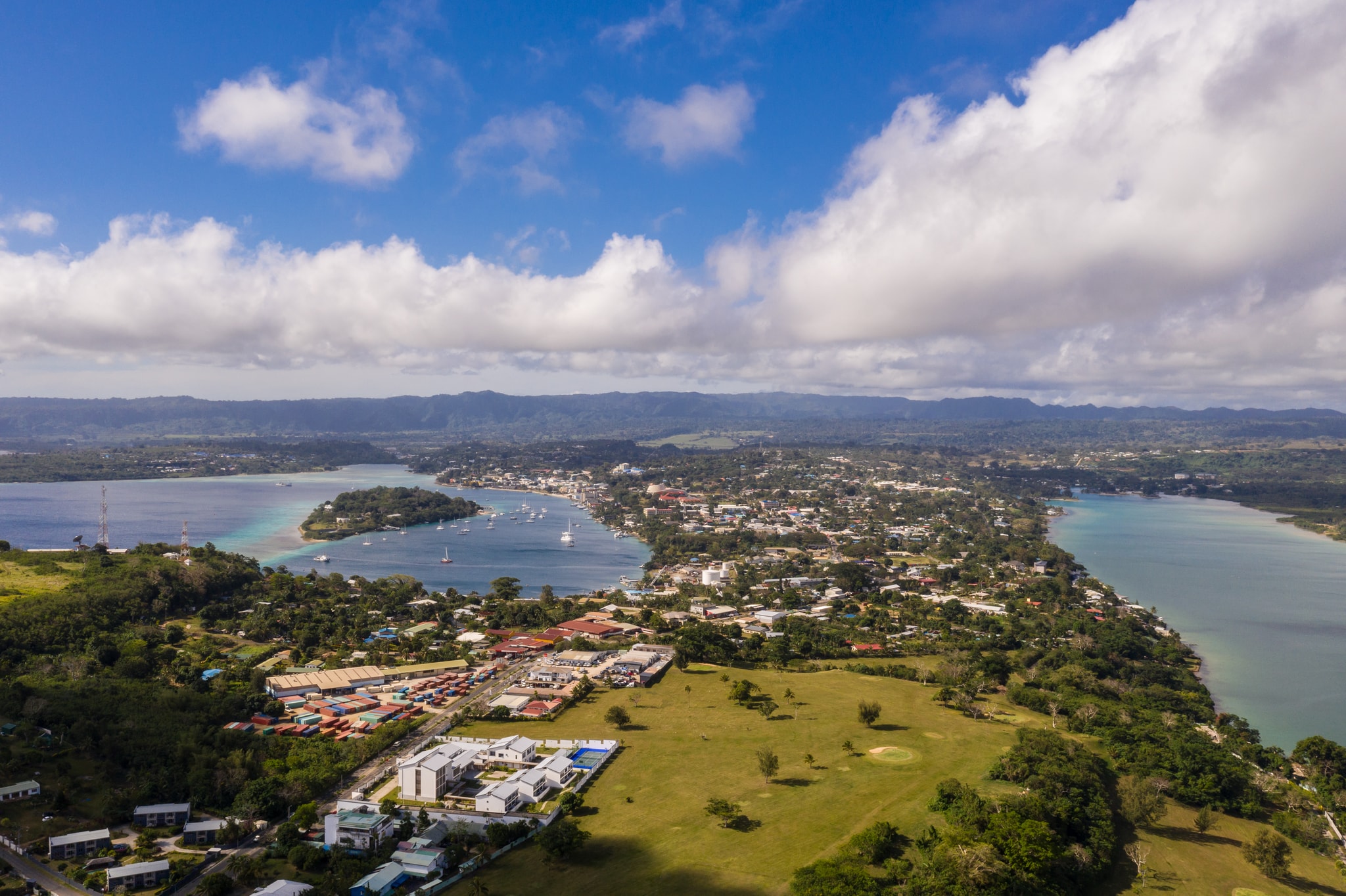
The Republic of Vanuatu is an archipelago state in the Pacific Ocean, between Australia and New Zealand. The country has three official languages: English, French, and Bislama, a local creole widely used in daily communication
São Tomé and Príncipe
The São Tomé and Príncipe citizenship by investment programme offers citizenship to investors and their families in around 4 months. With a minimum contribution of $90,000, it provides one of the lowest entry points for a second passport worldwide.
The application process is fully remote and does not require residence, interviews, language, or history tests. To participate in the programme, applicants can have no more than 2 citizenships.
Investment options
Investors may obtain citizenship through a non-refundable contribution to the National Transformation Fund — $90,000+ for a single applicant or $95,000+ for a family of up to four. An additional $5,000 is required for each dependant starting from the fifth applicant.
The contribution is non-refundable and supports national development projects such as infrastructure, education, and renewable energy.
Family eligibility
The main applicant may include the following family members:
- spouse or legally recognised partner;
- children under 18;
- parents and grandparents over 55 who are financially dependent on the main applicant.
All eligible dependents receive citizenship under a single application.
Benefits
São Tomé and Príncipe citizenship grants visa-free or visa-on-arrival access to 102 destinations, including Singapore, Hong Kong, and South African countries.
Citizens of São Tomé and Príncipe open accounts in the country, keep savings, and make international transfers.
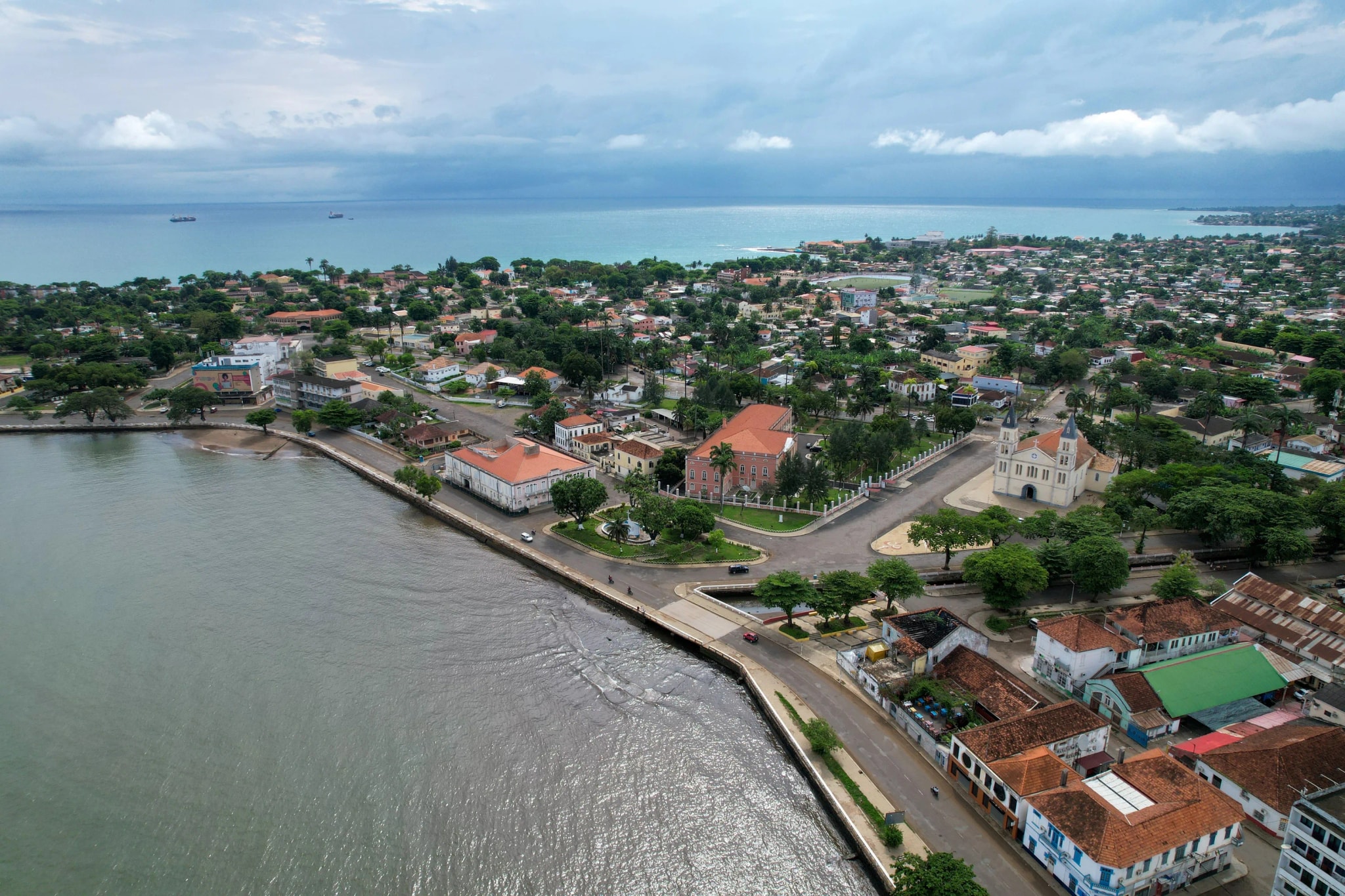
São Tomé and Príncipe is a Portuguese-speaking country and occupies a strategic position in the Gulf of Guinea, between Africa and Europe, serving as a gateway to both regions
Türkiye
The Türkiye citizenship by investment programme grants citizenship through a minimum investment of $400,000 in real estate. Investors obtain citizenship in approximately 8 months.
The programme does not require applicants to live in Türkiye or pass language or cultural tests.
Citizenship is granted for life and extends to the investor’s spouse and children under 18.
Investment options
Investors can choose from 5 investment routes:
- Real estate purchase.
- Bank deposit.
- Government bonds.
- Investment fund units.
- Fixed capital investment.
The minimum investment is $400,000 in real estate, while the remaining options require at least $500,000.
All investments must be maintained for at least 3 years. The real estate option is the most popular, as investors can rent out the property during the holding period and recover their capital upon sale.
Examples of real estate in Türkiye


Turkey, Istanbul
$420,000+
Elegant apartments, Beylikduzu, Istanbul
 177 m²
 3
3  1
1 
Turkey, Istanbul
$475,000+
Elegant and stylish apartments, Istanbul
149 m²3 2 
Turkey, Istanbul
$455,000+
Cosy apartments, Zeytinburnu, Istanbul
53 m²2 3 Benefits
Turkish citizens enjoy visa-free or visa-on-arrival access to more than 138 countries, including Singapore, Japan, South Korea, and Hong Kong. They may also obtain a 5-year Schengen visa and stay in the Schengen Area for up to 90 days within any 180-day period.
Turkish citizenship also provides access to US visa opportunities. Citizens are eligible for the E-2 Visa, which allows investors and their family members to live in the United States while operating a business there. Turkish citizens may also apply for a B-1/B-2 Visitor Visa for tourism, business travel, and short-term visits.
Egypt
The Egypt citizenship by investment programme grants citizenship to foreign investors who contribute at least $250,000 to the country's economy. Investors obtain citizenship in 10+ months and can choose from four investment options.
The programme does not require applicants to live in Egypt or pass exams on the Arabic language or Egyptian history.
Family eligibility
The main applicant may add:
- spouse;
- children under 21 who are unmarried.
Family members are included under a single application and follow the same process as the main applicant.
Investment options
Investors choose one of the four routes:
- Non-refundable contribution of at least $250,000 to the State’s public treasury.
- Real estate purchase of $300,000+.
- Business investment starting at $350,000, plus a $100,000 non-refundable contribution.
- Bank deposit of $500,000+.
Capital under the real estate and business routes can be recovered after 5 years. In the business option, the $100,000 contribution is non-refundable.
Bank deposits are returned in full after 3 years at the end of the holding period.
Examples of real estate in Egypt

Egypt
$106,000 — $509,000
Apartments, villas, townhouses and commercial premises in New Cairo
114 m² — 425 m²3 2—4 
Egypt, Cairo
$418,000 — $803,000
Сommercial premises in downtown Cairo
117 m² — 243 m²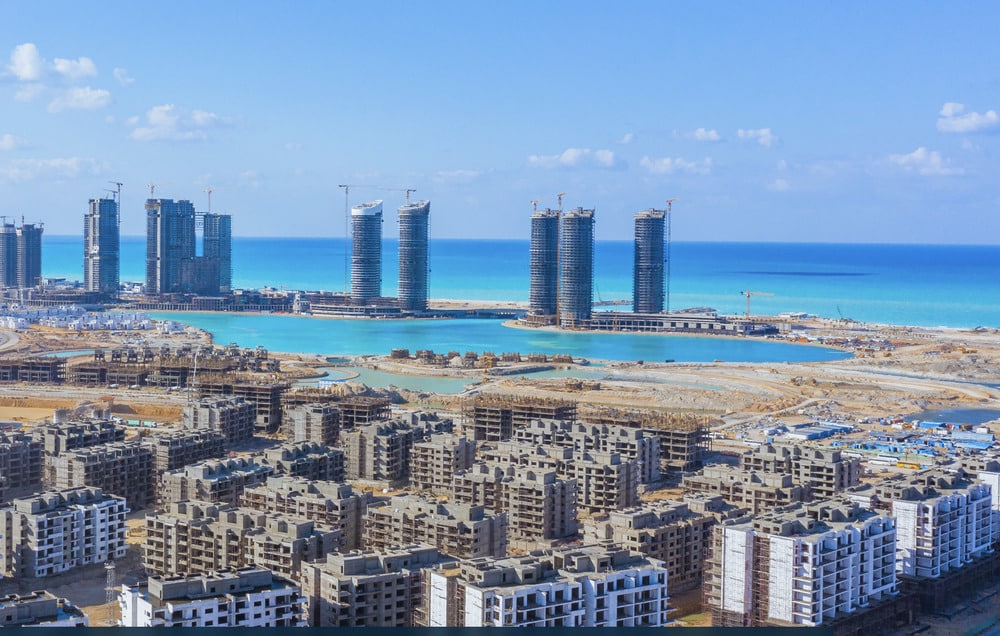
Egypt
$195,000 — $389,000
Apartments and villas near laguna el Alamein
145 m² — 240 m²2—5 2—5 Benefits
Egyptian citizens benefit from visa-free or visa-on-arrival access to more than 100 countries. They are eligible for the E-2 Investor Visa, which allows them and their families to live in the United States while running a business. The citizens can also obtain a 10-year US B-1/B-2 Visitor Visa for tourism and short-term business trips.
Within Egypt, passport holders have the right to live, work, study, establish businesses, and invest without restrictions applicable to foreign nationals. They also receive Egyptian consular protection when travelling or residing abroad.
Nauru
The Nauru citizenship by investment programme offers citizenship through a non-refundable contribution to the Nauru Treasury Fund. Until December 31st, 2026, the minimum contribution is reduced to $90,000. Afterwards, the standard $115,000 threshold will apply.
Investors obtain citizenship in approximately 3 months. The process is fully remote, with no requirement to visit Nauru and no language or integration tests.
Investment options
Investors may participate through a single route — a non-refundable contribution to the Nauru Treasury Fund.
The cost is $90,000 for the main applicant, plus $2,000 for each family member aged 16 and above, and an additional $15,000 for each sibling. Other costs include application and document issuance fees.
Family eligibility
Nauru has one of the widest family inclusion policies among citizenship by investment programmes, allowing several generations of a family to be included in one application. The investor may add:
- spouse;
- children, including adopted;
- parents and grandparents of the investor or spouse;
- siblings of the investor or spouse.
There are no age limits for family members. Relatives may also join after the investor has received initial approval from the CBI Unit.
Citizenship is hereditary, and parents can pass it on to future generations[7]Source: Department of Justice and Border Control, Republic of Nauru — Naoero Citizenship Act 2017.
Benefits
Nauru citizens receive visa-free or visa-on-arrival access to 116 destinations, including key Asian hubs: Singapore, Hong Kong, and the UAE.
Citizens of Nauru can access international banking services, including opening accounts with established foreign banks, holding funds, and sending money abroad. This ensures secure cross-border financial operations within a regulated banking environment.
Best residence permits by investment for Nigerians
Alongside citizenship by investment, Nigerians may also consider residency by investment programmes. Unlike second citizenship, a residence permit provides a legal right to live in a chosen country and can serve as a pathway to citizenship over time through naturalisation.
Residence programmes allow investors and their families to reside in the country and typically include access to healthcare, education, and local banking systems. Certain European residence permits also enable visa-free travel across the Schengen Area.
The timeline to citizenship by naturalisation varies by country. In European countries, it becomes available after 5—10 years of legal residence, subject to minimum stay requirements, language criteria, and integration conditions. Some countries outside Europe have shorter timelines — Paraguay, for example, allows naturalisation after 4 years of legal residence.
Nigerian citizens can obtain residence by investment in the following countries:
Factors to consider when choosing citizenship by investment as a Nigerian citizen
The best citizenship programme depends on what an investor wants to achieve. Some prioritise mobility, others focus on business expansion, tax planning, family inclusion, or obtaining citizenship as quickly as possible.
Processing time
Vanuatu offers some of the fastest citizenship by investment programmes, with processing times starting from 2 months.
Among Caribbean programmes, St Kitts and Nevis processes applications the fastest — in as little as 4 months via the Public Benefit Option.
Affordability
São Tomé and Príncipe and Nauru offer the lowest entry threshold globally — $90,000 for a single applicant. Vanuatu follows at $130,000.
Among Caribbean programmes, Dominica has the lowest minimum investment of $200,000.
Family-friendly options
Antigua and Barbuda and Nauru have the most flexible family inclusion policies among all programmes.
In Antigua and Barbuda, the University of the West Indies Fund offers a dedicated investment option for large families. A single contribution of $260,000 covers a family of six or more.
Nauru places no age restrictions on any family member, allowing the inclusion of children, parents, grandparents, and siblings.
Real estate investment opportunities
Nigerians can obtain citizenship through real estate investment in Türkiye, Antigua and Barbuda, Dominica, Grenada, St Kitts and Nevis, and St Lucia. Depending on the programme, the minimum investment ranges from $200,000 to $400,000, and the property must typically be held for 3 to 7 years.
During the holding period, investors may generate rental income before selling the property to recover their investment. Türkiye, in particular, stands out for its dynamic real estate market, offering strong potential for both attractive rental yields and long-term capital appreciation.
Visa-free travel
Caribbean citizenship by investment programmes offer the widest visa-free travel opportunities among all investment migration programmes. Depending on the country, investors gain visa-free or visa-on-arrival access to around 140 destinations, including the Schengen Area, the UK, China, Hong Kong, and Singapore.
Other citizenship by investment programmes generally provide visa-free access to fewer destinations. For example, the Türkiye passport allows visa-free travel to about 138 destinations, while Egypt provides access to 100 countries.
Access to the US
Grenada, Türkiye, and Egypt are particularly attractive for entrepreneurs interested in the United States. Citizens of these countries may qualify for the US E-2 Investor Visa, which allows investors to live in the United States and operate a business there.
Business expansion and regional market access
Caribbean citizenship by investment programmes provide entrepreneurs with access to the CARICOM market, enabling business opportunities across the Caribbean region.
Egypt and Türkiye offer access to markets in Africa, the Middle East, and Europe due to their geographic location, large domestic markets, and established trade links.
How to apply for citizenship by investment as a Nigerian: step-by-step process
The application process varies slightly from country to country, but most citizenship by investment programmes follow a similar structure.
Investors cannot apply directly to the authorities. Applications must be submitted through a government-authorised agent, who prepares the file, conducts compliance checks, and communicates with the relevant citizenship unit on the applicant’s behalf.
Programme selection
The first step is determining which programme aligns with the investor's goals, budget, family composition, and long-term plans.
For example:
- Vanuatu is often chosen for speed;
- São Tomé and Príncipe for affordability;
- Grenada and Türkiye for access to the US E-2 Investor Visa.
Immigrant Invest investment migration experts help investors compare available options and select the programme that best matches their personal objectives and circumstances.
The first step is determining which programme aligns with the investor's goals, budget, family composition, and long-term plans.
For example:
- Vanuatu is often chosen for speed;
- São Tomé and Príncipe for affordability;
- Grenada and Türkiye for access to the US E-2 Investor Visa.
Immigrant Invest investment migration experts help investors compare available options and select the programme that best matches their personal objectives and circumstances.
1 day
Preliminary Due Diligence
Preliminary Due Diligence is a pre-screening check conducted before the application is submitted. It helps identify potential issues, including concerns related to the source of funds, sanctions exposure, criminal records, or previous visa refusals.
Immigrant Invest has its own Compliance Department and conducts a confidential preliminary Due Diligence check before signing an agreement with the investor. Early risk identification helps reduce the likelihood of refusal and avoid unnecessary expenses.
Pass a quick test and learn the nuances that can prevent you from obtaining residency.
Preliminary Due Diligence is a pre-screening check conducted before the application is submitted. It helps identify potential issues, including concerns related to the source of funds, sanctions exposure, criminal records, or previous visa refusals.
Immigrant Invest has its own Compliance Department and conducts a confidential preliminary Due Diligence check before signing an agreement with the investor. Early risk identification helps reduce the likelihood of refusal and avoid unnecessary expenses.
Pass a quick test and learn the nuances that can prevent you from obtaining residency.
2+ weeks
Documents collection
Applicants gather documents confirming identity, family relationships, source of funds, and personal background. All documents must usually be translated, notarised, and legalised where required.
An assigned Immigrant Invest lawyer supports the investor throughout the process and assists with translations and notarisation.
Applicants gather documents confirming identity, family relationships, source of funds, and personal background. All documents must usually be translated, notarised, and legalised where required.
An assigned Immigrant Invest lawyer supports the investor throughout the process and assists with translations and notarisation.
1 day
Application submission
The complete Application package is sent to the CIU through the licensed agent authorised by the relevant citizenship programme. Direct applications are generally not accepted.
As a government-licensed agent, Immigrant Invest lawyers ensure full accountability and strict adherence to international laws.
The complete Application package is sent to the CIU through the licensed agent authorised by the relevant citizenship programme. Direct applications are generally not accepted.
As a government-licensed agent, Immigrant Invest lawyers ensure full accountability and strict adherence to international laws.
2—10 months
Government Due Diligence
The government conducts comprehensive background checks on the main applicant and family members included in the application. The duration of this stage depends on the specific country, the complexity of the case, and the workload of the relevant authorities.
Authorities review financial history, business activities, criminal records, sanctions databases, and other relevant information. In some countries, applicants may also be required to attend an interview.
The government conducts comprehensive background checks on the main applicant and family members included in the application. The duration of this stage depends on the specific country, the complexity of the case, and the workload of the relevant authorities.
Authorities review financial history, business activities, criminal records, sanctions databases, and other relevant information. In some countries, applicants may also be required to attend an interview.
Up to 1 month
Fulfilment of the investment condition
The investor completes the required contribution, real estate purchase, or other qualifying investment. Depending on the programme, the investment may be made before or after the citizenship application is submitted.
The duration of this stage varies by country and depends on the applicable legal requirements and the type of investment.
The investor completes the required contribution, real estate purchase, or other qualifying investment. Depending on the programme, the investment may be made before or after the citizenship application is submitted.
The duration of this stage varies by country and depends on the applicable legal requirements and the type of investment.
1 day
Biometric submission
For several citizenship by investment programmes, including St Kitts and Nevis and Vanuatu, the main applicant and dependants aged 16 and over are required to provide biometric data — fingerprints and photograph. Biometrics may be submitted at an authorised centre or at a consulate.
Antigua and Barbuda requires the oath of allegiance, which can be taken via videoconference, at a consulate, or in person in the country.
For several citizenship by investment programmes, including St Kitts and Nevis and Vanuatu, the main applicant and dependants aged 16 and over are required to provide biometric data — fingerprints and photograph. Biometrics may be submitted at an authorised centre or at a consulate.
Antigua and Barbuda requires the oath of allegiance, which can be taken via videoconference, at a consulate, or in person in the country.
2 weeks to 2 months
Obtaining citizenship
Once the investment is confirmed, the documents, including the Certificate of Registration, national ID card, and passport, are issued and delivered to the authorised representative for onward transfer to the applicant.
Once the investment is confirmed, the documents, including the Certificate of Registration, national ID card, and passport, are issued and delivered to the authorised representative for onward transfer to the applicant.
What documents Nigerians need to apply for citizenship by investment
Document requirements vary slightly between programmes, but applicants are generally asked to provide:
- valid passport;
- birth certificate;
- national identity documents;
- proof of residential address;
- marriage certificate, if applicable;
- police clearance certificate;
- medical records or health declarations;
- bank statements;
- evidence of the source of funds;
- employment or business documentation;
- professional references;
- curriculum vitae.
Additional documents may be required depending on family composition, business activities, and the selected programme.
Due Diligence: what Nigerian applicants need to know
Due Diligence is one of the most important stages of the citizenship by investment process.
Governments conduct comprehensive checks to ensure applicants have a lawful source of wealth and do not present security, financial, or reputational risks.
During Due Diligence reviews, authorities may examine:
- business ownership structures;
- banking history;
- tax compliance;
- litigation records;
- criminal records;
- sanctions exposure;
- media coverage.
Applications may be refused if concerns arise regarding the origin of funds or the applicant's background. For this reason, transparency is essential throughout the process.
Providing accurate information and complete documentation significantly improves the chances of approval.

Lyle Julien,
Investment programmes expert
Many applicants assume that passing the government’s Due Diligence check is a formality. In reality, even minor inconsistencies in documents or questions about the source of funds can lead to delays or refusal. That is why we conduct a Preliminary Due Diligence check before the application is submitted — it helps identify potential risks early and significantly increases the chances of approval.
Risks of obtaining citizenship by investment for Nigerians
Citizenship by investment programmes involve financial, legal, and procedural risks. Many government and third-party fees are non-refundable in case of rejection.
Higher total investment than expected
The qualifying investment is not the final cost of obtaining citizenship by investment. Applicants must also budget for government fees, Due Diligence checks, legalisation and translation of documents, passport issuance, bank charges, and professional service fees.
For Nigerian families, the total amount can increase significantly if a spouse, children, parents, or other dependants are included in the application, as additional fees are usually charged for each family member.
Loss of visa-free travel benefits
One of the main reasons Nigerians apply for citizenship by investment is improved global mobility. However, visa-free access is not guaranteed permanently. Countries may revise their visa policies, suspend agreements, or introduce new entry requirements. As a result, the practical value of the passport may change after citizenship has already been obtained.
Application rejection after payment
Applications can be refused if the applicant fails Due Diligence checks, provides incomplete information, has inconsistencies in financial records, or cannot satisfy the programme’s compliance requirements. Rejection decisions are usually final, and it may be difficult or impossible to appeal them.
Although the investment is made after approval, government fees, Due Diligence fees, and professional fees are usually non-refundable. This makes proper pre-screening especially important before making any payments.
Inability to prove the source of funds
Applicants must prove that the money used for investment was earned legally. This may include income from business ownership, employment, dividends, sale of property, inheritance, or other legitimate sources.
Weak financial trails, missing tax records, unclear company ownership, or inconsistent bank statements may raise concerns during Due Diligence and lead to delays or refusal.
Investment in ineligible real estate
Some citizenship by investment programmes allow applicants to invest in real estate, but only specific government-approved projects qualify. Buying a property that is not approved by the programme will not lead to citizenship.
Immigrant Invest's Real Estate Department selects only properties that meet the requirements of each citizenship by investment programme. The team evaluates investment projects and offers a curated portfolio of government-approved real estate.
Incorrect assumptions about tax residence
Obtaining citizenship by investment does not automatically change a person’s tax residency. Nigerian citizens who receive a second passport may still have tax obligations in Nigeria or in any other country where they live, work, own assets, or generate income.
Assuming that a new passport alone reduces tax obligations can lead to unexpected liabilities, penalties, or compliance issues.
Working with unlicensed agents
Only licensed or government-authorised agents can submit citizenship applications in most CBI countries. Choosing an unauthorised intermediary may result in financial losses, as the application may never be submitted to the government or processed under the programme.
How Immigrant Invest can help Nigerians obtain a second passport
Immigrant Invest has been helping investors obtain second citizenship for over 20 years. We are a licensed agent for leading citizenship by investment programmes and provide end-to-end support throughout the application process. Our team guides clients at every stage, from programme selection to receiving their passport.
Immigrant Invest's services include:
- Assistance with selecting the most suitable programme, based on the applicant’s profile, family composition, and goals.
- Preliminary Due Diligence check and source of funds assessment.
- Review of documentation to ensure compliance with immigration, banking, and programme requirements.
- Transparent breakdown of all costs depending on the selected programme and investment route.
- Coordination of the full application process from eligibility assessment to citizenship issuance and passport renewals.
- Assistance with banking procedures, fund transfers, and compliance requirements where applicable.
- Communication with government authorities on the client's behalf.
- Post-approval support, including document renewals and replacements, as well as banking, property, and relocation arrangements
With our in-house Compliance Department, real estate experts, and extensive experience in investment migration, Immigrant Invest helps investors minimise risks, avoid common mistakes, and navigate the citizenship process efficiently.
In conclusion: choosing second passport options for Nigerians
- Nigeria allows multiple citizenships. This means that investors and their families can obtain passports from a foreign country without giving up their Nigerian nationality.
- Nigerians can greatly benefit from getting a second citizenship. Another passport may mean increased global mobility, financial stability, tax optimisation, and a better quality of life.
- Citizenship by investment programmes are government-regulated initiatives that grant citizenship through a qualifying contribution of $90,000+. Processing times start at 2 months.
- Caribbean citizenship programmes remain among the most popular options for Nigerians due to their fast processing times and broad international mobility. They provide access to around 140 destinations visa-free or with visa-on-arrival, including the Schengen Area and the UK, and may also offer eligibility for US visa opportunities.
- Attractive citizenship options for Nigerians are also available in countries such as Türkiye, Egypt, Vanuatu, Nauru, and São Tomé and Príncipe, each offering different advantages in terms of cost, processing time, and global mobility.
- Residence by investment programmes provide investors with the right to live, work, study, and conduct business in the country, depending on the specific jurisdiction. Unlike citizenship by investment, residence does not grant a passport, voting rights, or the same level of mobility associated with citizenship.
Immigrant Invest is a licensed agent for citizenship and residence by investment programs in the EU, the Caribbean, Asia, and the Middle East. Take advantage of our global 15-year expertise — schedule a meeting with our investment programs experts.

 Trusted by 10,000+ investors