









Among wealthy Indians, international mobility and access to global opportunities are becoming increasingly important. One of five Indian individuals with assets exceeding ₹25 crore is now considering a second residence or citizenship abroad[1]Source: The Times of India — “1 in 5 Indians with over Rs 5 crore assets plans to move abroad”.
Many investors use Golden Visas — residence permits or second passports granted for investment — to secure global mobility and a high quality of life for their families. In 2026, programmes are available across Europe, the Middle East, the Caribbean, and other regions. Thresholds start at €50,000 for residence and $90,000 for citizenship by investment.
This guide compares the best Golden Visa programmes for Indians, including investment requirements, timelines, family inclusion, stay conditions, and citizenship prospects.
What is a Golden Visa
“Golden visa” is a residence permit granted in exchange for an investment. This is the term's main meaning, though it is sometimes used more broadly to describe citizenship by investment programmes as well. In this article, the Golden Visa covers both residence and citizenship by investment programmes.
Residence by investment
Residence by investment programmes provide either temporary or permanent residence in the selected country. The status usually allows investors and their family members to live in the country, access healthcare and education, and open local bank accounts. Some European residence permits also allow visa-free travel within the Schengen Area.
Popular residence by investment programmes for Indian investors are available in the following countries:
Some residence by investment programmes may eventually lead to permanent residence or citizenship after 5 to 10 years. This is not a guarantee, and naturalisation requires meeting minimum stay requirements, passing language exams, and living in the country for a significant part of the year.
Citizenship by investment
Citizenship by investment programmes grant a passport in exchange for a significant contribution to the country’s economy. They require little to no physical presence and do not oblige applicants to take language tests.
A second passport gives investors full citizenship rights in another country and expands the number of destinations available for visa-free travel. Citizenship can also be passed to future generations.
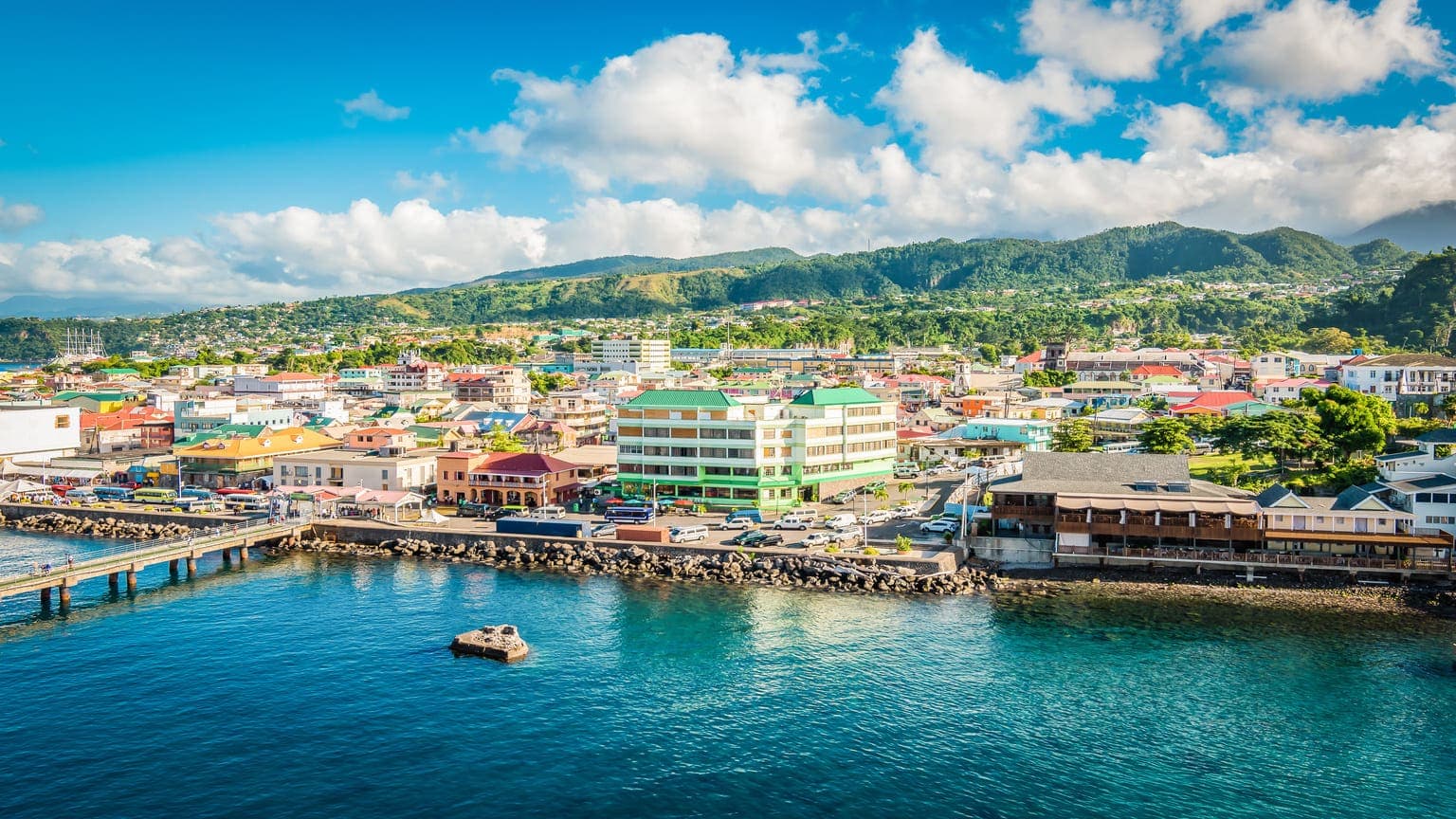
For Indian investors, the most commonly chosen citizenship by investment programmes include:
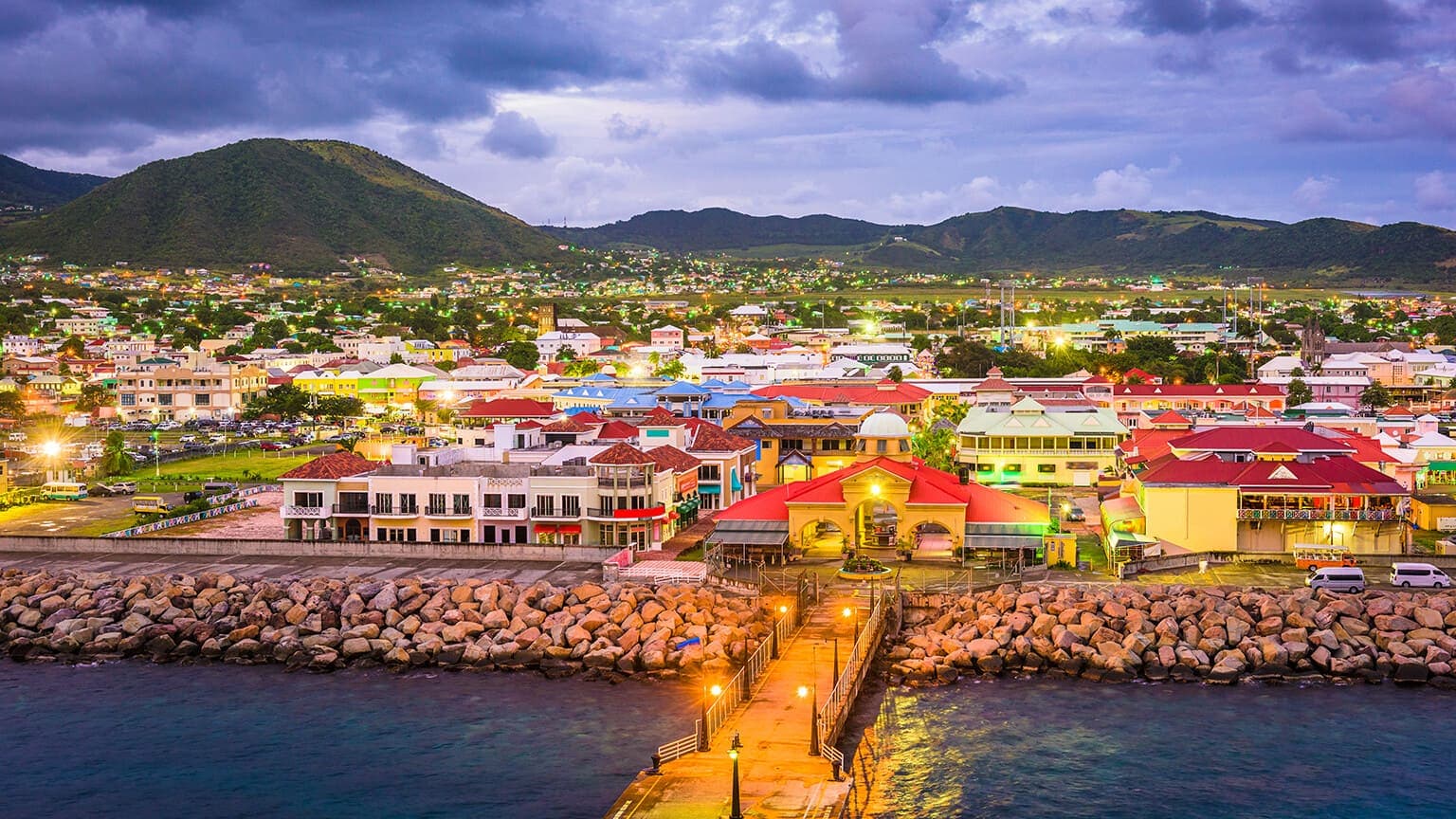
- St Kitts and Nevis,
- Dominica,
- Antigua and Barbuda,
- St Lucia,
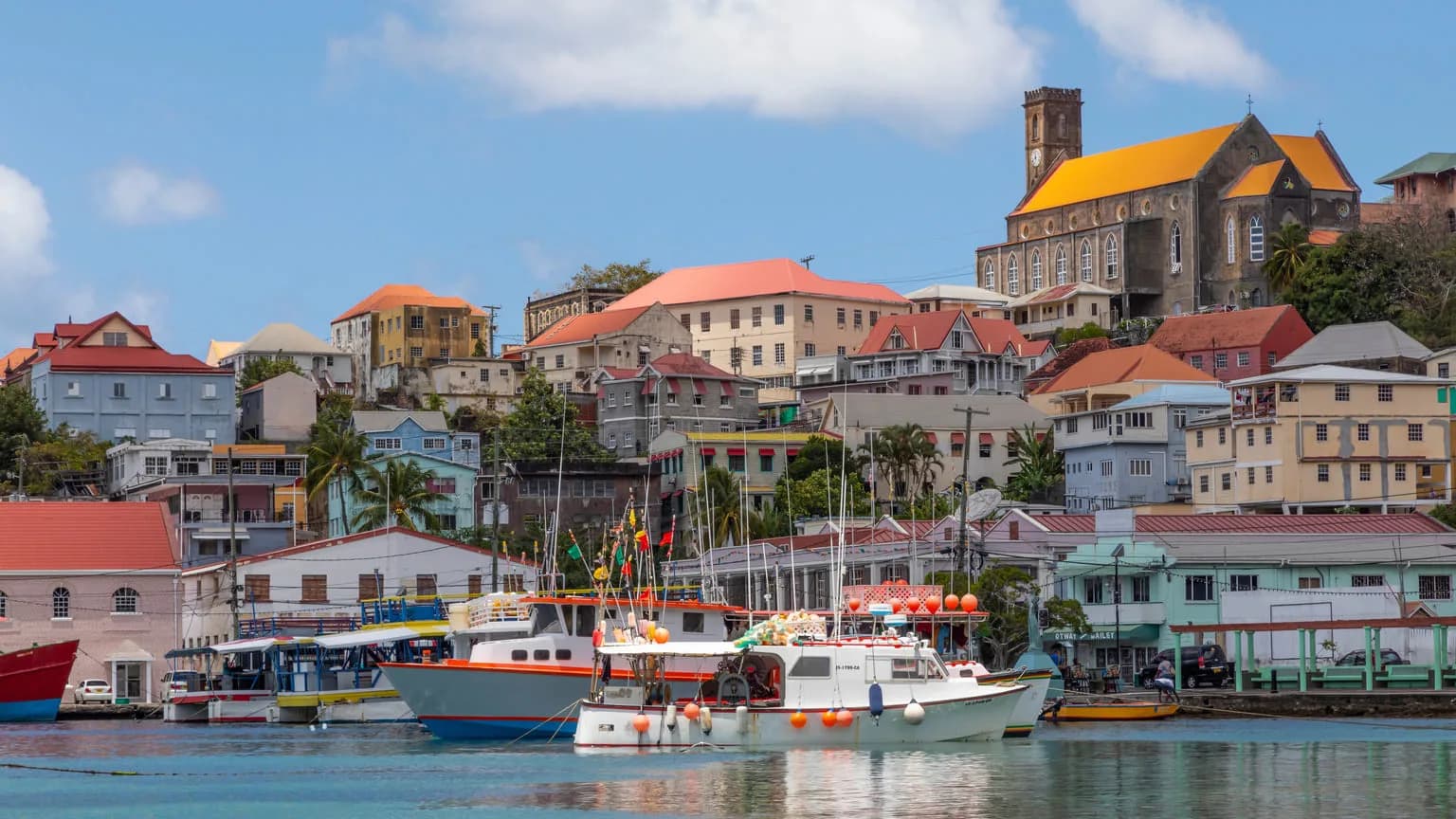
- Grenada,
- Türkiye,
- Egypt,
- São Tomé and Príncipe,
- Vanuatu,
- Naoero,
- Paraguay.
Citizenship by investment programmes differ in terms of cost, processing time, and compliance checks. Caribbean nations offer some of the most popular and long-lasting programmes in the world, while Vanuatu, Naoero, and São Tomé and Príncipe offer a lower entry threshold.
Trusted by 10,000+ investors
Citizenship vs residence by investment: compare all options
Golden Visa to citizenship for Indian investors
A Golden Visa can provide a pathway to citizenship in some countries after the required period of legal residence. Applicants typically need to meet physical presence requirements and may also have to pass language, civic knowledge, or integration tests.
For Indian investors, an important consideration is that India does not recognise dual nationality. Therefore, those who obtain a second passport through a citizenship by investment programme must give up their Indian nationality and surrender their Indian passport. They may later apply for Overseas Citizen of India status to maintain long-term ties with India.

Lyle Julien,
Investment programmes expert
For Indian citizens, residence permits are often a preferred alternative to second citizenship. Applicants gain residence benefits and, in some cases, international mobility while keeping their Indian citizenship.
This approach suits business owners and families who want cross-border flexibility without cutting ties to India.
Why are Indians choosing residence or citizenship by investment?
Indian investors use residence and citizenship by investment to gain greater international mobility, create alternative residence options, and secure long-term opportunities for their families.
Residence by investment provides legal residence abroad while retaining Indian citizenship. Citizenship by investment grants a second nationality, but for Indian citizens this means giving up Indian citizenship under India’s nationality rules.
1. Access to high quality of life
Residence by investment gives families more options for where to live, study, and access healthcare. A second residence can provide an alternative place to base the family while keeping business and other ties in India.
For example, Portugal has a universal public healthcare system[2]Source: European Observatory on Health Systems and Policies — Portugal Health System Summary 2024. Malta provides public healthcare to eligible residents[3]Source: Government of Malta — Healthcare Entitlement.
Citizenship provides a permanent legal connection with the country of nationality and can give citizens broader rights there.
2. Greater travel freedom
Residence permits can simplify international travel. A residence permit issued by a Schengen Area country allows visa-free travel to other Schengen countries for up to 90 days in any 180-day period. It does not give the right to live or work freely across the Schengen Area[4]Source: European Commission — Short-stay calculator but significantly easies travelling and doing business internationally.
Citizenship can provide broader visa-free or visa-on-arrival access because travel rights depend on the new passport. Depending on the country, this can include destinations that require Indian citizens to obtain a visa in advance. For example, Grenadian citizens can travel to the Schengen Area and China without a visa.
3. Backup residence without immediate relocation
Many investors do not plan to move permanently. Residence programmes with low or no minimum stay requirements can provide a legal status that can be used later if circumstances change.
Citizenship by investment can serve as a more permanent backup option because citizenship does not normally depend on maintaining residence.
4. Education access and continuity for children
Residence can give families access to education in the country of residence, subject to local admission and tuition rules. This expands international education options for children and can support a longer-term relocation plan.
Citizenship may provide broader rights in the country of nationality, including access to education on terms applicable to citizens.
5. Asset protection and succession planning
Residence or citizenship in another country can diversify an investor’s legal and personal ties across jurisdictions. A second residence can support property ownership, business activity, and future relocation, while citizenship provides a longer-term legal connection with the country.
Neither status automatically changes tax residence or creates tax advantages. Tax treatment depends on where the investor lives and the rules of the relevant countries.
6. Faster access to a second nationality
Citizenship by investment can be faster than standard naturalisation, which often requires years of residence and physical presence. Applicants qualify through an approved investment and due diligence process rather than long-term relocation.
For Indian citizens, acquiring another nationality has an important consequence: India does not permit dual citizenship. An Indian citizen who voluntarily acquires another country’s citizenship ceases to be an Indian citizen[5]Source: Government of India, Ministry of Home Affairs — The Citizenship Act, 1955.
Top Golden Visa programmes for Indians in 2026
In Europe, Portugal and Greece offer some of the most established residence by investment programmes for international investors. Portugal has issued around 15,000 residence permits under its Golden Visa programme since 2012, including 2,081 in 2024 alone[6]Source: AIMA — 2024 Migration and Asylum Report. Greece has granted more than 27,000 active investor residence permits since 2013[7]Source: Ministry of Migration and Asylum, Greece — Παράρτημα Β' (Annex B).
The UAE is among the leading residence by investment destinations for Indian nationals, and real estate is one of the main routes to obtaining a UAE Golden Visa. Indian citizens have long topped the list of foreign property buyers in Dubai[8]Source: Times of India — Indians among leading foreign property investors in Dubai.They remained the top foreign buyer nationality in the first half of 2026, accounting for 20.6% of all purchasing activity — well ahead of British buyers in second place at 13.3%[9]Source: Dubai Land Department Open Data, via TruHauz — "Dubai Real Estate Market Report: H1 2026 Insights".
Five Caribbean nations — Antigua and Barbuda, Dominica, Grenada, Saint Kitts and Nevis, and Saint Lucia — offer citizenship for a minimum investment starting at $200,000. Vanuatu, Nauru, São Tomé and Príncipe, Egypt, and Türkiye complete the list, with entry costs of at least $90,000 and processing starting from as little as 2 months.
Popular Golden Visas for Indians

Residence permits and permanent residence by investment
Programme
Minimum investment
Return of investment
Processing time
Residence permit duration
Stay requirements
Time to citizenship
Residence permits and permanent residence by investment

100,200+
Partial
6+ months
Permanent, card renewals every 5 years
Not applicable
Not applicable
Residence permits and permanent residence by investment

€250,000+
Yes
12+ months
2 years, renewable
7 days a year
10 years
Residence permits and permanent residence by investment

€250,000+
Yes
4+ months
5 years, renewable
None
7 years
Residence permits and permanent residence by investment

€250,000+
Yes
4+ months
2 years, renewable
None
10 years
Residence permits and permanent residence by investment

€250,000+
Yes
5+ months
10 years, renewable
None
11 years
Residence permits and permanent residence by investment

€50,000+
Yes
3+ months
5 years, renewable
1 visit per year
10 years
Residence permits and permanent residence by investment

€300,000+
Yes
9+ months
Permanent, card renewals every 10 years
None
8 years
Residence permits and permanent residence by investment

€1,000,000+
No
4+ months
2 years, renewable
90 days per year
Not applicable
Residence permits and permanent residence by investment

$300,000
Yes
3+ months
Permanent
1 visit every 2 years
5 years
Residence permits and permanent residence by investment

No
Yes
2+ months
2 or 10 years, renewable
1—2 visits per year
Not applicable
Residence permits and permanent residence by investment
Citizenship by investment
Residence permits and permanent residence by investment
Programme
Minimum investment
Return of investment
Processing time
Status
Stay requirements
Time to citizenship
Residence permits and permanent residence by investment

$230,000+
Yes, real estate option
6+ months
Citizenship
30 days in 5 years
From the outset
Residence permits and permanent residence by investment

$200,000+
Yes, real estate option
6+ months
Citizenship
None
From the outset
Residence permits and permanent residence by investment

$235,000+
Yes, real estate option
8+ months
Citizenship
None
From the outset
Residence permits and permanent residence by investment

$250,000+
Yes, real estate option
4+ months
Citizenship
None
From the outset
Residence permits and permanent residence by investment

$240,000+
Yes, real estate or government bonds
6+ months
Citizenship
None
From the outset
Residence permits and permanent residence by investment

$130,000+
Yes, Cocoa Sustainable Development Fund option
2+ months
Citizenship
None
From the outset
Residence permits and permanent residence by investment

$90,000+
No
3+ months
Citizenship
None
From the outset
Residence permits and permanent residence by investment

$90,000+
No
4+ months
Citizenship
None
From the outset
Residence permits and permanent residence by investment

$250,000+
Yes, real estate or bank deposit
10+ months
Citizenship
None
From the outset
Residence permits and permanent residence by investment

$400,000+
Yes, real estate option
8+ months
Citizenship
None
From the outset
Residence permits and permanent residence by investment | ||||||
|---|---|---|---|---|---|---|
Programme | Minimum investment | Return of investment | Processing time | Residence permit duration | Stay requirements | Time to citizenship |
100,200+ | Partial | 6+ months | Permanent, card renewals every 5 years | Not applicable | Not applicable | |
€250,000+ | Yes | 12+ months | 2 years, renewable | 7 days a year | 10 years | |
€250,000+ | Yes | 4+ months | 5 years, renewable | None | 7 years | |
€250,000+ | Yes | 4+ months | 2 years, renewable | None | 10 years | |
€250,000+ | Yes | 5+ months | 10 years, renewable | None | 11 years | |
€50,000+ | Yes | 3+ months | 5 years, renewable | 1 visit per year | 10 years | |
€300,000+ | Yes | 9+ months | Permanent, card renewals every 10 years | None | 8 years | |
€1,000,000+ | No | 4+ months | 2 years, renewable | 90 days per year | Not applicable | |
$300,000 | Yes | 3+ months | Permanent | 1 visit every 2 years | 5 years | |
No | Yes | 2+ months | 2 or 10 years, renewable | 1—2 visits per year | Not applicable | |
Citizenship by investment | ||||||
Programme | Minimum investment | Return of investment | Processing time | Status | Stay requirements | Time to citizenship |
$230,000+ | Yes, real estate option | 6+ months | Citizenship | 30 days in 5 years | From the outset | |
$200,000+ | Yes, real estate option | 6+ months | Citizenship | None | From the outset | |
$235,000+ | Yes, real estate option | 8+ months | Citizenship | None | From the outset | |
$250,000+ | Yes, real estate option | 4+ months | Citizenship | None | From the outset | |
$240,000+ | Yes, real estate or government bonds | 6+ months | Citizenship | None | From the outset | |
$130,000+ | Yes, Cocoa Sustainable Development Fund option | 2+ months | Citizenship | None | From the outset | |
$90,000+ | No | 3+ months | Citizenship | None | From the outset | |
$90,000+ | No | 4+ months | Citizenship | None | From the outset | |
$250,000+ | Yes, real estate or bank deposit | 10+ months | Citizenship | None | From the outset | |
$400,000+ | Yes, real estate option | 8+ months | Citizenship | None | From the outset |
1. Malta Permanent Residence Programme
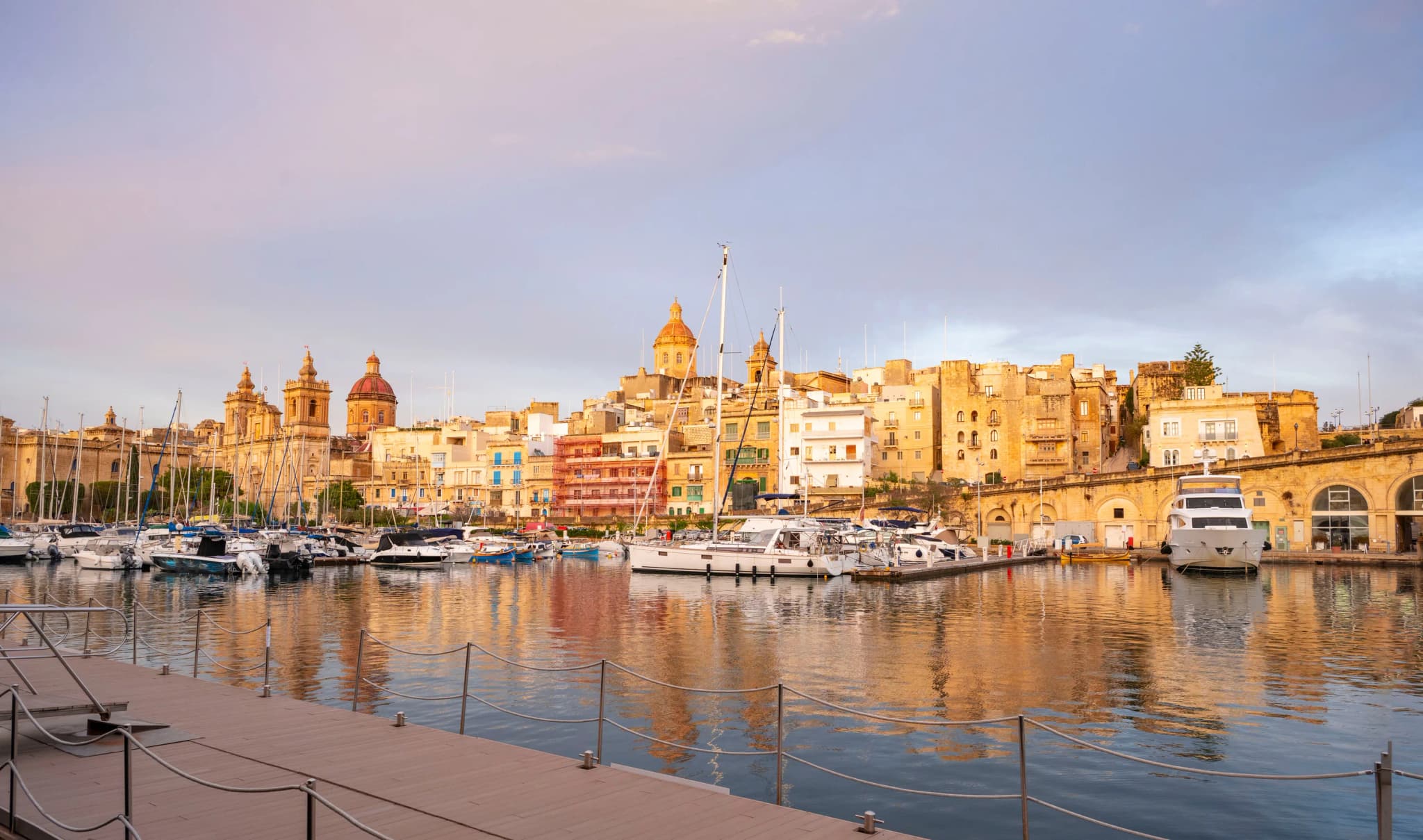
The Malta Permanent Residence Programme grants permanent status to the main applicant and their family in one application, allowing holders to live in Malta indefinitely. It is typically issued within 6 months. Investment starts at €100,200 when renting property, or €474,000 when purchasing.
Maltese permanent residents can travel across the Schengen Area for up to 90 days in any 180-day period without a visa. Malta offers free public healthcare for residents, English as an official language, and a life expectancy of over 83 years[10]Source: European Observatory on Health Systems and Policies & OECD — Malta Health Profile. The country is among the safest in the EU, ranking 7th for personal safety — ahead of Germany, Spain, France, and Italy[11]Source: TVMnews — "Malta places 12th for order and security out of 143 countries".
Family inclusion
Investors can include family members in the Malta Permanent Residence application. Eligible dependants include:
- a spouse;
- unmarried and financially dependent children under 29;
- dependent parents and grandparents.
There is no limit on the number of dependants.
Investment conditions
To qualify for Maltese permanent residence, applicants must secure accommodation in Malta, pay a government contribution, and make a charitable donation.
Accommodation must be maintained for at least 5 years and can be secured either through renting or purchasing a property in Malta:
- renting real estate with a minimum annual rent of €14,000, resulting in total rental costs of at least €70,000 over the required period;
- purchasing real estate worth at least €375,000, plus property-related fees of around 7% of the property's value, or at least €26,250.
Government contribution. Applicants must pay a fixed government contribution of €37,000 and an additional administration fee of €60,000. For each adult dependant over 18, excluding the spouse, the investor pays €7,500.
Charitable donation. The investor donates €2,000 to a registered Maltese non-governmental or other approved organisation.
Financial solvency. Investors must hold available assets of at least €500,000, including a minimum of €150,000 in liquid financial assets, or at least €650,000 with €75,000 in liquid financial assets.

Investment maintenance
Purchased property must be maintained for at least five years, remaining under the investor's control as their qualifying address. It may be rented out for short-term, with typical Maltese yields of 5—7% annually. After five years, the investor may sell it. But they must still maintain a registered residential address in Malta — purchased or rented — with no minimum value requirement at this stage.
For rental cases, the lease must meet a minimum of €14,000 per year throughout the five-year period. Afterward, the investor may renew the lease under different terms or secure alternative accommodation, provided a valid registered address is maintained for renewal.
Real estate for Malta residence
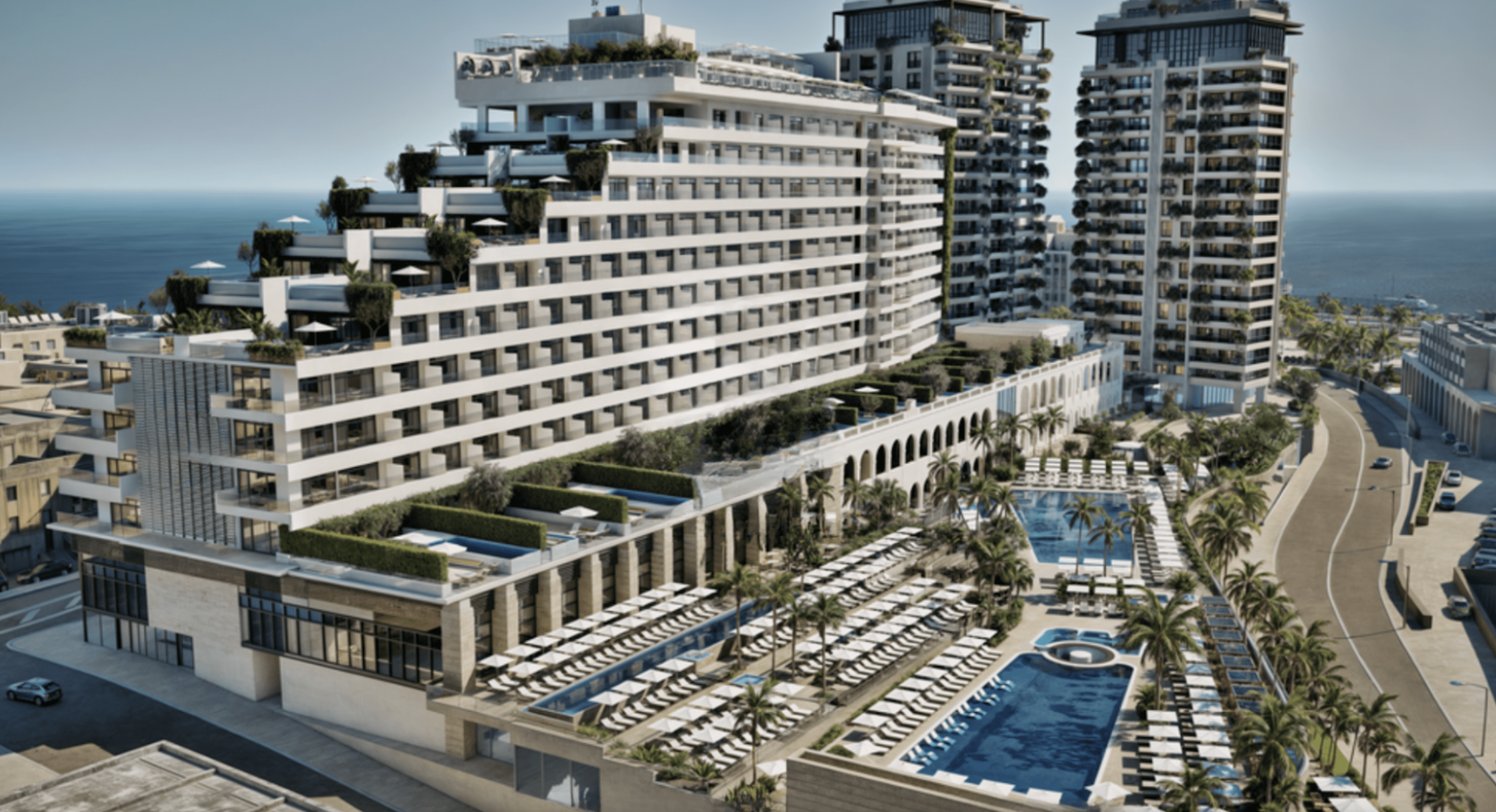

Malta, St Julian's
€950,000 — €2,290,000
Elegant apartments, St. Julians, Malta
 98 m² — 193 m²
 1—3
1—3  1—3
1—3 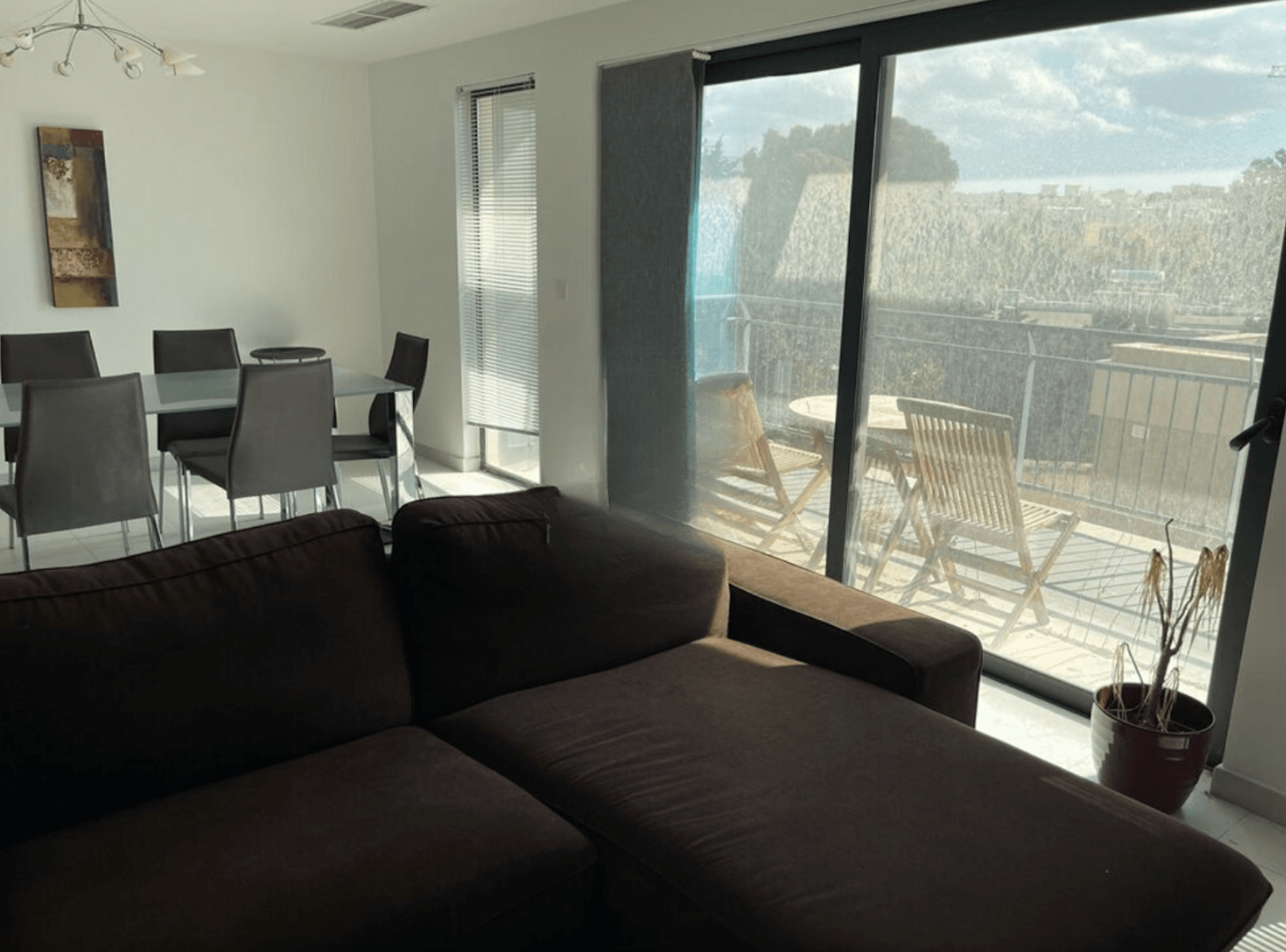
Malta, St Julian's
€750,000+
Apartments in modern style, St. Julians
172 m²3 2 
Malta, Sliema
€1,170,000+
Apartments in modern style, Sliema
116 m²1 1 2. Portugal Golden Visa
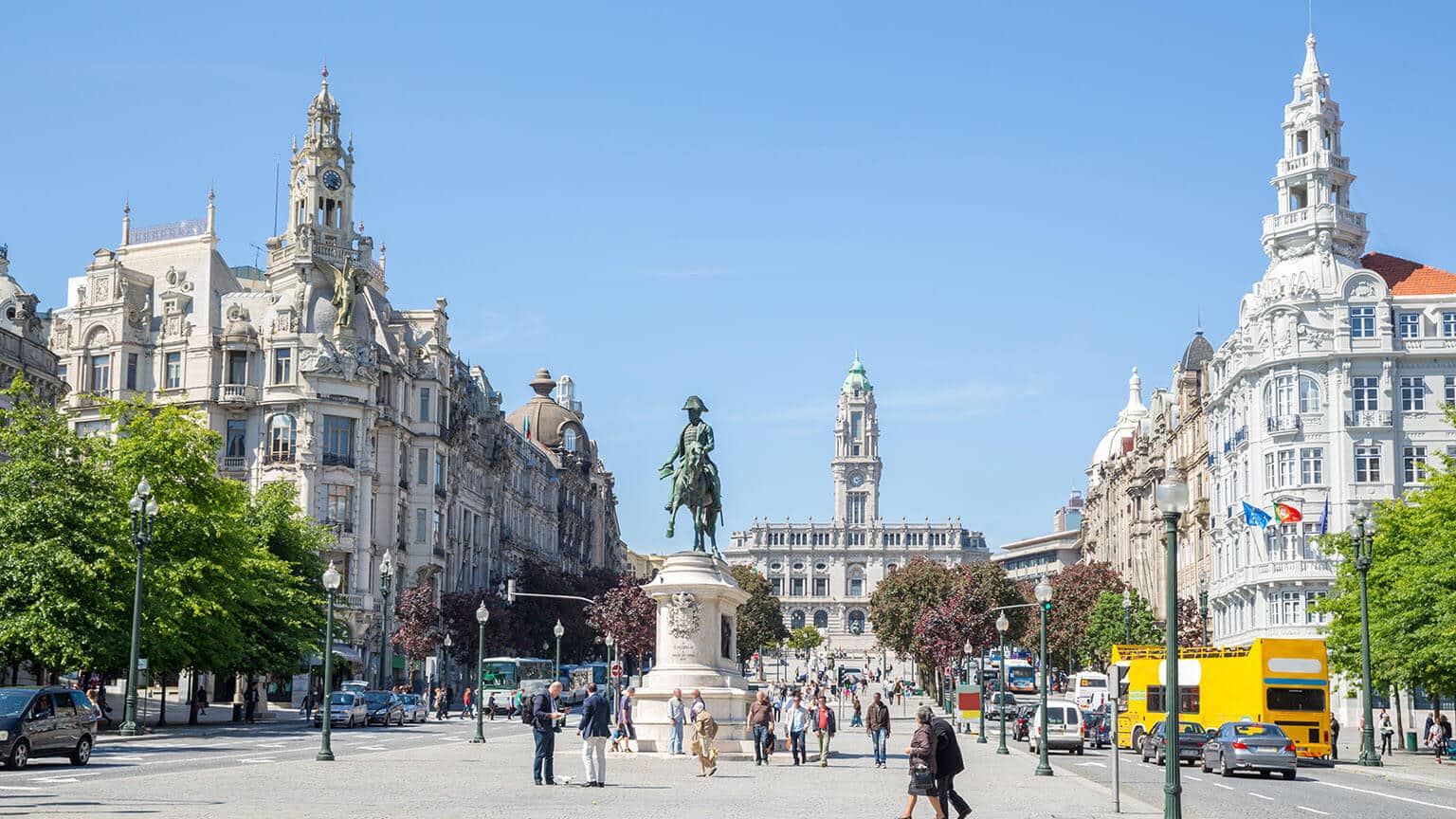
The Portugal Golden Visa grants a 2-year renewable residence permit in exchange for an investment of at least €250,000. Portuguese residence status gives investors and their families the right to live, work, and study in Portugal, access public healthcare, and travel visa-free across the Schengen Area.
Family inclusion
The investor can include a single application:
- a spouse or partner;
- children under 18;
- children aged 18—25 who are financially dependent on the investor and unmarried;
- parents.
Investment options
Investors choose one of five routes:
- Investment fund units — €500,000+. Funds pool capital in Portuguese companies or European stocks and are redeemable in 6—10 years with annual returns of approximately 10%.
- Support of arts and culture — €250,000+. Investors contribute to the restoration of national heritage sites or cultural activities. In low-density areas, the minimum investment can be reduced to €200,000.
- Research and development projects — €500,000+. The capital is directed to accredited Portuguese universities or research and development institutions.
- Business investment — €500,000+. The investment goes into an existing company with the creation of at least 5 jobs.
- Company establishment — no fixed minimum investment threshold. A new business must create at least 10 jobs.
Refundability and additional costs
Each investment option has different costs and levels of capital exposure. The fund route includes a subscription fee of up to 7.5%, but allows potential capital recovery after the holding period. Business investment may involve additional operational costs.
The arts and culture and research and development routes are fully non-recoverable contributions. Funds are allocated to approved institutions or projects without any repayment mechanism.
Regardless of the chosen route, applicants must pay government and administrative fees per family member. These include:
- health insurance €400+ per applicant;
- application fee of €632.1 per applicant;
- residence permit fee of €6,314.2 per applicant.
For a family of four, per-person fees alone can add €25,000—30,000 on top of the base investment. Government fees are non-refundable regardless of the outcome.
Residence terms and path to citizenship
Residence permit is issued for a 2-year period and is renewable. To keep the status active, the investor must spend at least 7 days per year in Portugal — this can be a single trip or several short visits across the year. The investment must also be maintained.
Permanent residence is accessible after 5 years of holding a residence permit. Applicants are not required to relocate to the country to obtain the status, as the minimum stay requirement remains 7 days per year. This is significantly lower than most EU countries, where residents typically must spend the majority of the year in the country to qualify.
Applicants must also demonstrate A2-level Portuguese language, show sufficient financial means, hold valid health insurance, and have no criminal record.
For Indians, Portuguese citizenship may be obtained after 10 years from the issue date of the first residence permit. Applicants must demonstrate A2-level Portuguese language proficiency, maintain lawful residence, have no criminal record in Portugal or their country of origin, and show ties to the Portuguese community.

Ojasvat, one of the founders of an Indian IT company, faced a practical challenge: with 40% of European clients in Spain, managing everything from Mumbai no longer made sense.
Through the Portugal Golden Visa, he opened an EU branch, obtained a residence permit, and benefited from a favourable corporate rate in Madeira — all within eight months.
He now lives in Lisbon, manages European operations, and flies back to India when needed. The permit gave his business a legitimate home in Europe without cutting ties with India.
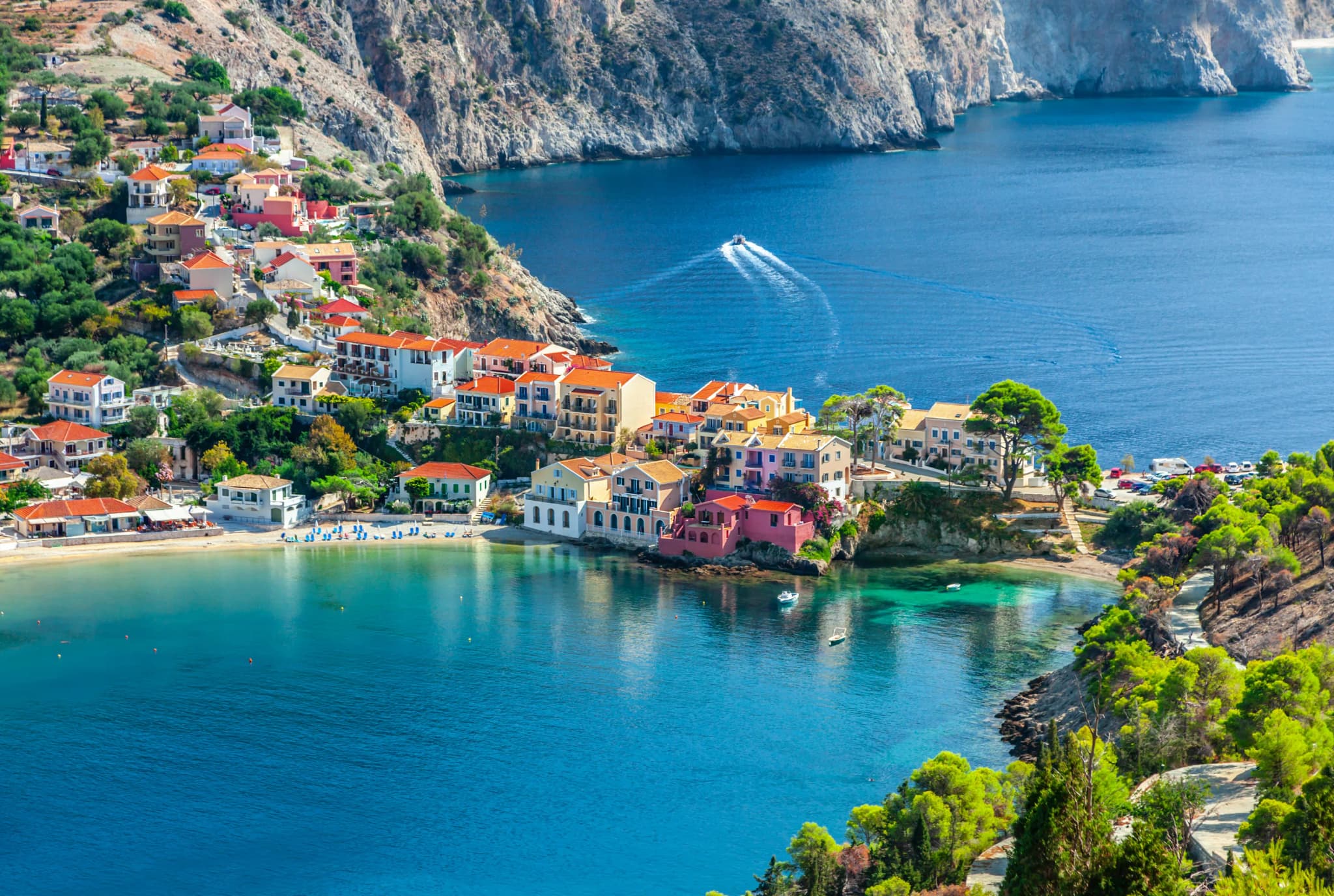
3. Greece Golden Visa
The Greece Golden Visa grants a renewable 5-year residence permit with no minimum stay requirement, starting at €250,000. Processing takes 4+ months.
Greek residence status gives investors and their families the right to live and work in Greece and travel visa-free across the Schengen Area for up to 90 days in any 180-day period.
Greece offers one of the lowest entry thresholds for EU residence by investment. Investors do not need to relocate to Greece or spend a set amount of time in the country. The permit can be renewed indefinitely as long as the investment is maintained.
Family inclusion
The investor can include in a single application:
- a spouse or registered partner;
- unmarried children under 21;
- parents of both the investor and the spouse with no age restriction and no requirement to prove financial dependency.
Investment options
Investors can choose between real estate, investment funds, and bank deposits depending on their priorities — higher rental yields, fully passive investment, or capital preservation.
1. Real estate investment — €250,000+. The minimum threshold depends on the property type and location:
- €250,000 — projects for renovation or conversion from commercial to residential use, regardless of location;
- €400,000 — standard residential properties in most regions, with a minimum size of 120 m²;
- €800,000 — standard residential properties in central Athens, Thessaloniki, Santorini, Mykonos, and several other high-demand areas, with a minimum size of 120 m².
The properties cannot be used for short-term rentals, such as Airbnb, but long-term leasing is allowed. The investment must be maintained to keep residence status. If investors sell the property, they must purchase another qualifying asset to retain the permit.
Rental yields can reach up to 5% annually depending on the property and location.
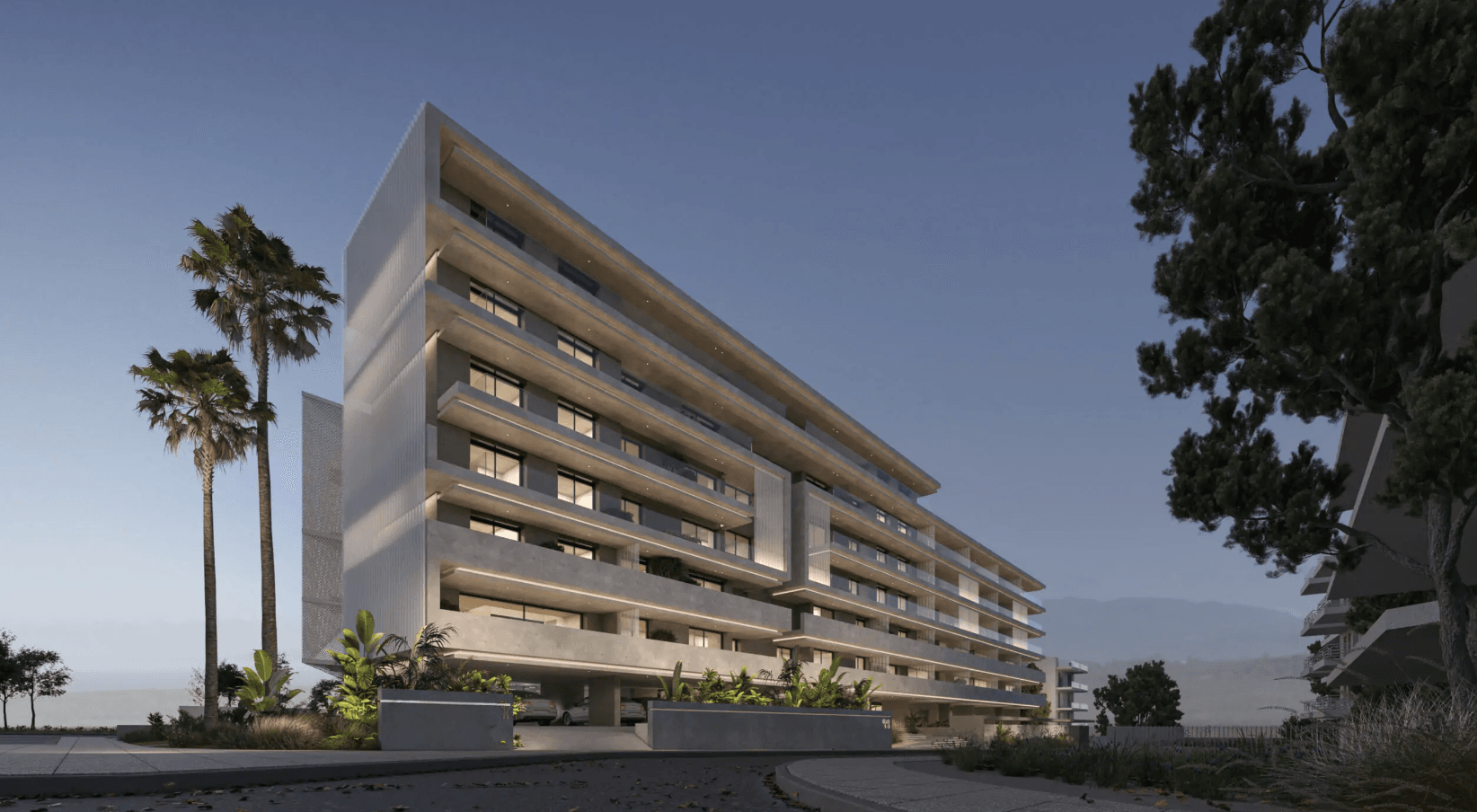
Greece, Athens
€720,000+
Cosy and stylish apartments in modern style, Glyfada, Athens
98 m²2 2 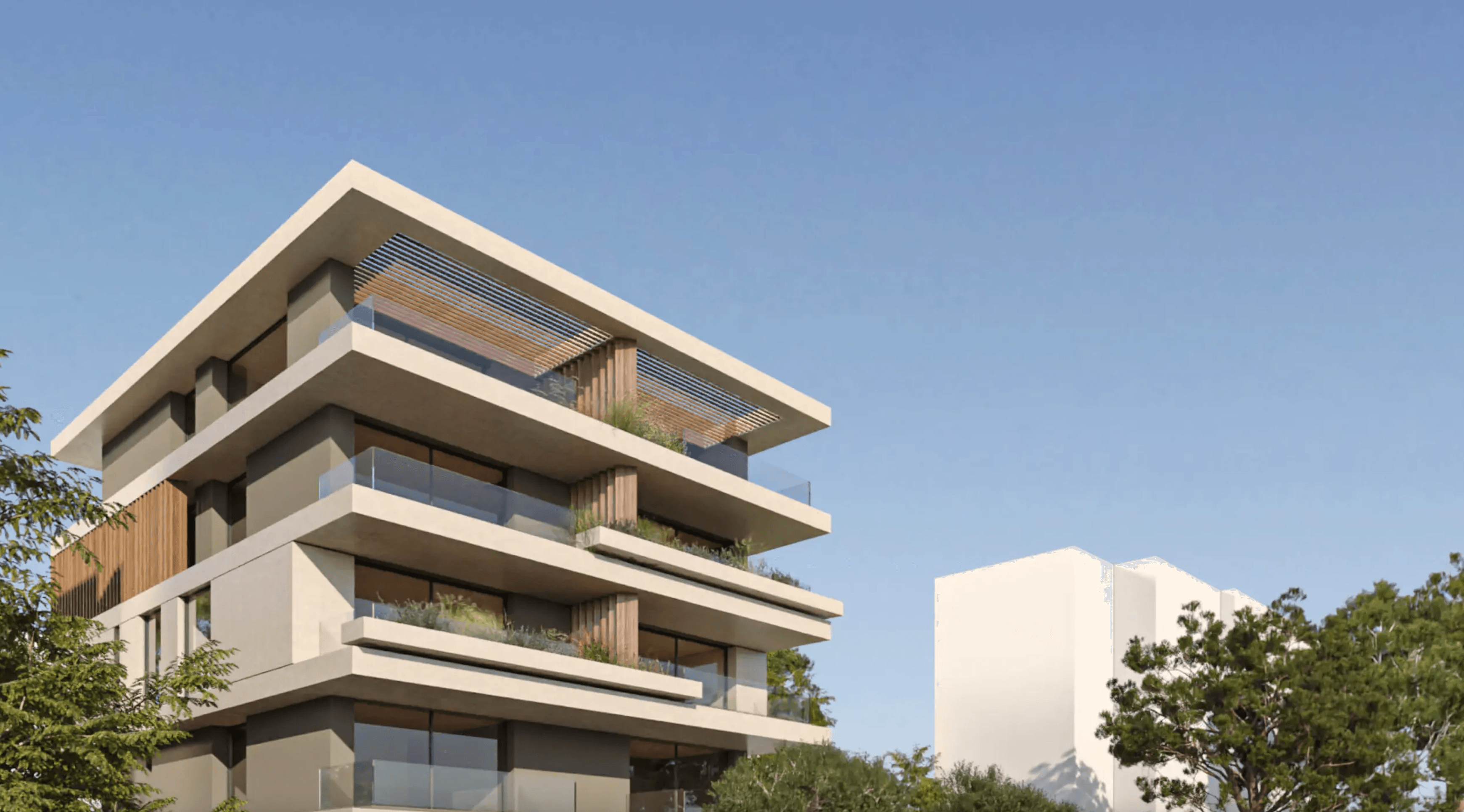
Greece, Athens
€1,185,000+
Luxury apartments, Varkiza, Athens
207 m²4 4 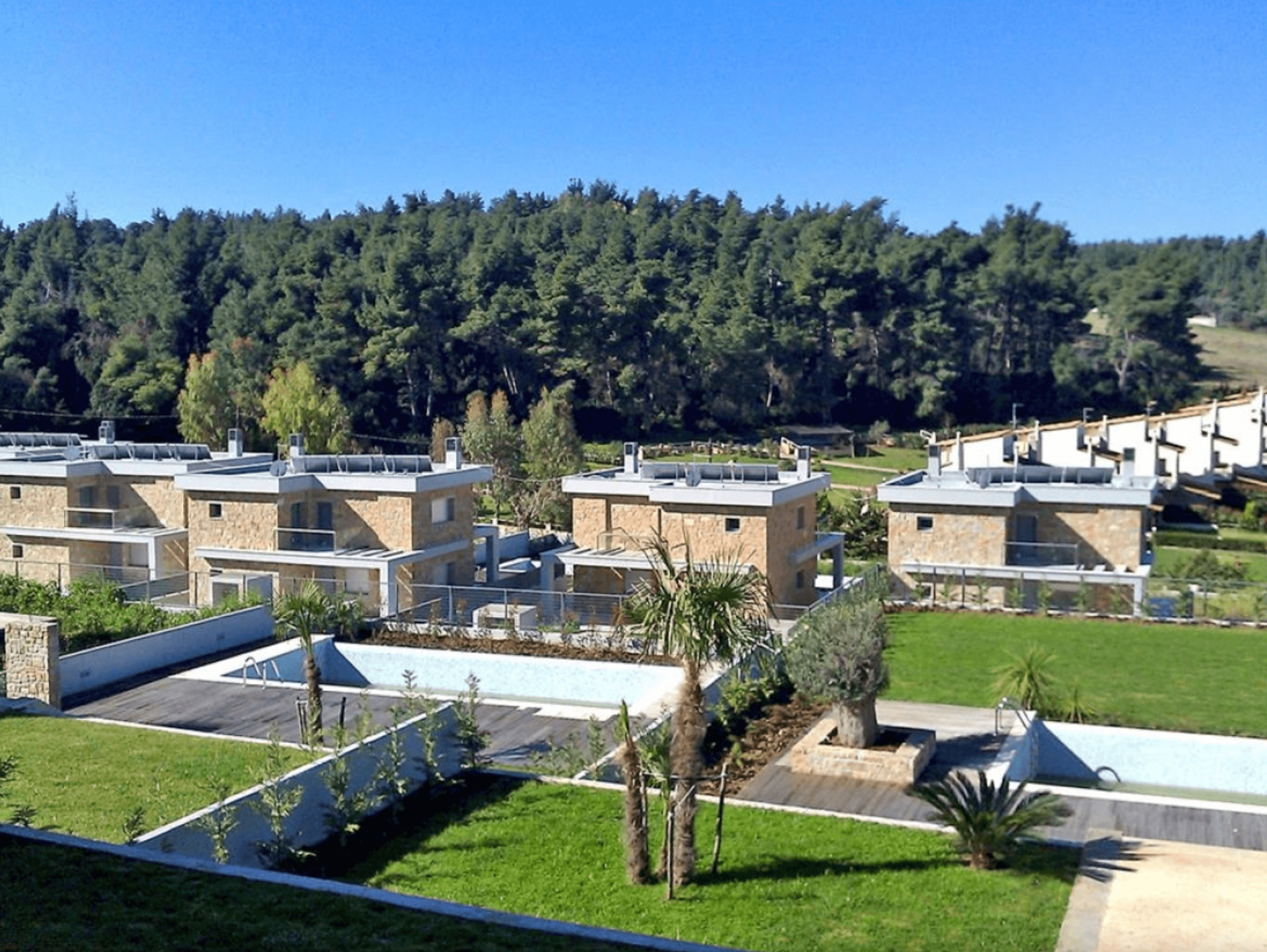
Greece, Kassandra
€505,000+
Modern villa, Sani, Kassandra
170 m²4 3 2. Investment funds — €350,000+. Applicants may invest in Greek mutual or alternative investment funds. The structure is fully passive and does not require property management or operational involvement. Expected annual returns average around 4—5%, depending on the fund strategy and market conditions.
The investment must be held for at least 5 years. Selling fund units without reinvesting into another qualifying asset results in loss of residence status.
3. Fixed-term bank deposit — €500,000. This route requires placing a fixed-term deposit in a Greek bank for a minimum period of 1 year, set to renew automatically. No active management is required from the investor. The deposit must remain in place to maintain residence status.
The option focuses on capital preservation rather than investment returns.
Additional costs
Regardless of the investment route, applicants must also pay:
- €2,000 application fee for the investor, plus €150 per adult family member;
- €300+ per applicant for health insurance, depending on age and coverage;
- €180 per person for the national entry visa, if applicable;
- €16 per person for the residence permit card.
Under the real estate route, additional property acquisition taxes and registration-related expenses typically add around 5.5% of the property value.
For families, government and administrative fees increase proportionally with the number of adult dependants included in the application.
Residence terms and path to citizenship
Residence permits are issued for 5-year periods and are renewable as long as the investment is maintained. There is no minimum stay requirement to renew the permit.
Citizenship eligibility requires 7 years of physical residence in Greece — at least 183 days per year — as well as passing Greek language, history, and civic integration exams. Investors who use the Greece Golden Visa as a backup residence or travel base will not qualify for citizenship unless they meet these residence requirements.
4. Italy Investor Visa
The Italy Investor Visa grants a 2-year renewable residence permit to non-EU investors and their families in exchange for an investment of at least €250,000. Processing takes 4 months.
Italian residence gives investors and their families the right to live, work, and study in Italy, access public healthcare, and travel visa-free across the Schengen Area.
Italy also offers a flat-tax regime for new residents: those who transfer their tax domicile to Italy may pay a flat €300,000 annual tax on all foreign-source income.
Family inclusion
The investor can include in a single application:
- a spouse;
- children under 18
- children over 18 who are financially dependent on the investor due to their state of health leading to total disability;
- parents who are financially dependent on the investor, have no other children in their country of origin, or are over 65 with no other children able to support them for documented serious health reasons.
Investment options
Investors can choose between two routes depending on their priorities — higher-growth potential through startups or established business investment with lower risk.
1. Innovative startup — €250,000+. This route requires an investment in a government-approved innovative startup in Italy. The list of eligible companies is maintained and updated weekly on the Italian Chambers of Commerce portal[12]Source: Italian Chambers of Commerce — Register of Innovative Startups.The option is fully equity-based and aimed at supporting early-stage innovative businesses with high growth potential.
2. Existing business — €500,000+. The option involves investing in an Italian limited liability company that has already filed at least one financial statement at the time of application. It is designed for investors seeking exposure to established operating businesses with proven financial history.
Additional costs
Applicants should also account for mandatory administrative and government-related fees. The startup route requires a subscription fee of €12,200 — this is the amount paid to acquire newly issued shares in the company as part of the share subscription process.
Other fees apply regardless of the investment route:
- power of attorney — €605;
- tax ID and digital signature registration — €781;
- residence permit fees — €3,406 for the main applicant, €567 per dependent aged 18 and above, €313 per dependent under 18.
Health insurance, Italian Social Security Number registration, and accommodation costs apply on top. The total budget depends on both the chosen investment route and the number of family members included.
Residence terms and path to citizenship
Residence permits are issued for 2-year periods and are renewable. There is no minimum stay requirement to maintain the status, provided the qualifying investment remains active.
Permanent residence is accessible after 5 years of continuous legal residence, meaning the investor must spend the majority of the year in Italy. To qualify, applicants must demonstrate sufficient financial means, hold valid health insurance, have no criminal record, and pass an Italian language test at A2 level.
Italian citizenship requires 10 years of lawful residence in Italy, during which the applicant must live in the country for the majority of each year. To be eligible, the applicant must hold a clean criminal record in both Italy and their country of origin, demonstrate stable and sufficient income, and prove Italian language proficiency at B1 level through an approved language certificate.
5. Hungary Golden Visa
The Hungary Guest Investor Residence Permit grants a 10-year renewable residence status — one of the longest initial validity periods among EU programmes — for a minimum €250,000 investment. Processing takes approximately 5 months. No minimum stay requirement applies.
A Golden Visa allows investors to work, establish and manage businesses, or serve as company executives in Hungary.
A Hungarian residence permit allows its holder to live in Hungary and travel visa-free across the Schengen Area for up to 90 days within any 180-day period.
Family inclusion
The investor can include in a single application:
- a spouse or registered partner,
- children under 18;
- parents of either spouse.
Family members receive 10-year residence permits on the same terms as the main applicant.
Investment options
Investors can choose between 2 routes depending on their priorities — a return-generating fund investment or a non-refundable donation.
1. Investment fund units — €250,000+. Investors purchase units in a government-approved real estate investment fund and hold them for at least 5 years. Average annual returns are typically 5—6%, and capital can be recovered after the holding period.
2. Donation to a higher education institution — €1,000,000+ . A non-refundable contribution is made to a Hungarian higher education institution. No holding period or ongoing investment obligations apply. The residence permit is renewed automatically upon request, with no need for a new investment.
Additional costs
Regardless of the chosen investment option, investors pay an administrative fee:
- €25,000 for the investor;
- €1,000 for each family member included in the application.
Under the real estate fund option, investors also pay €8,700 for managing a brokerage account over five years.
Total costs depend on the chosen investment option and the number of family members applying together.
Residence terms and path to citizenship
Residence permits are valid for 10 years and are renewable once for the same period.
Hungarian permanent residence is available after 3 years of continuous residence, with no absences exceeding 4 consecutive months or 270 days in total during a 3-year period.
Hungarian citizenship becomes available after 8 years of permanent residence in the country. Applicants must pass language, culture, and constitution exams.
6. Latvia Golden Visa
The Latvia Golden Visa offers the most affordable route to EU residence by investment, with an entry point of €50,000. Processing takes 3+ months.
Latvian residence gives investors and their families the right to live and work in Latvia and travel visa-free across the Schengen Area for up to 90 days in any 180-day period.
Family inclusion
The investor can include a spouse and minor children in the application. Parents are not eligible.
Applicants must also prove sufficient financial means for themselves and their family members. The required amount is:
- €8,880+ in the bank account balance for the investor;
- €8,880 for spouse;
- €2,664 per minor child.
The required funds are calculated based on the number of family members applying together.
Investment options
Investors can choose between 2 investment options depending on their priorities — higher-growth business exposure or capital preservation through purchasing units of an alternative investment fund. The real estate option was eliminated in September 2026.
1. Business investment — €50,000+. Applicants invest in the share capital of a qualifying Latvian company. The minimum investment is €50,000 for companies with fewer than 50 employees and annual turnover below €10 million. Larger companies require an investment of €100,000.
The investment is non-refundable and is valid for 6 to 8 years, meaning that the investor can extend their permit during this period without additional investments.
2. Alternative investment fund — €150,000+. The investor contributes at least €150,000 to a state alternative investment fund. The option is not yet operational, and a dedicated fund is yet to be created.
Additional costs
Applicants should also account for mandatory government and administrative costs depending on the chosen investment route and family composition.
The state fee for either option is €10,000. Application processing fees range from €160 to €560 per applicant depending on processing time and case complexity. Service fees start at €1,000, while bank account opening fees start at €1,000 where applicable. Health insurance is also required.
Residence terms and path to citizenship
Residence permit is issued for 2 years under the business option and for 5 years under the fund option. The Golden Visa holder must visit Latvia for every extension to submit biometrics.
Permanent residence in Latvia is available after 5 years of continuous legal residence. During those 5 years, the applicant must not be absent from Latvia for more than 6 consecutive months or more than 12 months in total.
Applicants must also demonstrate stable income, registered accommodation, and knowledge of the general history of Latvia and the national anthem.
Permanent residence removes the need to maintain the Golden Visa investment and allows long-term residence without renewal of temporary permits.
Latvian citizenship is available after 10 years of physical residence. The applicant must pass language and history exams and demonstrate integration. Citizenship grants full EU rights, including the right to live, work, and study in any EU member state.
7. Cyprus Permanent Residence
The Cyprus Permanent Residence by Investment Programme grants permanent status with no expiry date and no minimum stay obligation. Unlike most European programmes, there is no temporary permit stage. Processing takes approximately 9 months.
Cypriot permanent residence gives investors and their families the right to live and work in Cyprus indefinitely.
Cyprus offers one of the most favourable tax environments in the EU: no tax on global income or inheritance, a corporate tax rate of 12.5%, a personal income tax rate ranging from 0 to 30%, and no annual property tax.
Family inclusion
Under the Cyprus Permanent Residence by Investment Programme, the investor can include in one application:
- a spouse or a partner;
- children under 18, including those from previous marriages;
- children under 25 — unmarried and financially dependent on the investor;
- children of any age with physical or mental disabilities.
Investment options
Investors can choose between four routes: residential or commercial property, shares in Cypriot companies, or investment funds, with a minimum investment of €300,000.
1. Purchase of residential property. Applicants may purchase one or two new residential properties with a total value of at least €300,000 plus VAT. Resale properties are not eligible.
VAT is 19%, or 5% if the property is used as the main residence and is not rented out.
Real estate investment in Cyprus allows for potential passive income through rental yields or capital growth through property appreciation. Residential property in Cyprus grows in value by 1—4% annually, with rental income yielding the same range.
2. Purchase of commercial property. Applicants may invest in one or more commercial properties with a total value of at least €300,000 plus VAT. Eligible assets include offices, retail spaces, hotels, or mixed-use properties. The property may be new or resale.
If the applicant chooses non-residential property, they must also secure accommodation in Cyprus.
3. Shares in Cypriot companies. This route involves equity investment in a Cypriot company that conducts business in Cyprus and employs at least five people locally. It provides partial ownership in an operating business that meets the programme requirements.
4. Units of investment funds. Applicants may invest in units of Cypriot investment funds, including AIF, AIFLNP, and RAIF structures. This is a regulated, diversified investment option managed by licensed fund managers.
Additional costs
Applicants should also account for mandatory financial requirements in addition to the investment.
Government and administrative fees include:
- immigration submission fee: €500 for a family with minor children, plus €500 per each dependent child over 18 included in the application;
- registration fees — €70 per person;
- fee for a permanent residence card — €70 per person.
Investors must also demonstrate a secure annual income of at least €50,000 from sources outside Cyprus.
Residence terms and path to citizenship
Cyprus permanent residence is granted for life. The residence ID card is renewed every 10 years. The investor must visit Cyprus within the first year to submit biometric data and collect the residence card. After that, a visit once every 2 years is sufficient to maintain the status.
Cyprus citizenship may be obtained after 8 years of legal residence. At least 5 of these years must be spent as a permanent resident with actual physical residence in Cyprus. During the final year before applying, the applicant must reside in Cyprus continuously and demonstrate basic knowledge of the Greek language.
8. Andorra Passive Residence
The Andorra Residence Permit grants renewable passive residence in exchange for an investment starting at €1,000,000. Processing takes 4+ months.
Andorran residents can travel to France and Spain without visas and may obtain Schengen, UK, US, and Canadian visas through simplified procedures.
With no wealth, inheritance, or capital gains tax, and income tax capped at 10%, Andorra is one of the most tax-efficient residence options in Europe. In addition, Andorra holds the top safety ranking in Europe as of 2026.
Family inclusion
The investor can include in a single application:
- a spouse or partner;
- children under 18;
- children aged 18—25 who are financially dependent, unmarried, and are students.
Investment options
Investors can choose between real estate and financial assets depending on their priorities — property ownership or passive financial investment. €1,000,000 is the minimum investment threshold for both routes.
1. Real estate investment. Applicants may purchase Andorran real estate. The value of the property must exceed €800,000, while the total investment threshold remains €1,000,000. To reach the threshold, the applicant can invest in another unit or other eligible assets. Government approval is required for property purchases.
Additional purchase taxes apply: 6% for the first property and 10% for additional units.
The property cannot be rented out and must remain in the investor’s ownership to maintain residence status.
2. Financial assets. Applicants may invest in shares of local companies, debt or financial instruments, or life insurance products from local providers. Financial investments are limited to 36 months, after which the funds must be reinvested into permanent Andorran assets.
Additional mandatory costs
Regardless of the investment route, applicants must also pay:
- a non-refundable AFA deposit of €50,000 for the main applicant and €12,000 per dependant;
- Due Diligence fee of €18,000;
- residence permit fee of €3,000 for the investor and €1,000 per dependant;
- administrative fee of €1,000 per applicant;
- document processing fee of €2,000;
- health insurance costs.
Applicants must also demonstrate annual income of at least €54,900 for the main applicant and €18,300 per dependant, as well as owned or rented accommodation in Andorra.
Residence terms and path to Andorran citizenship
The first residence permit is issued for 2 years and renewed if investment and residence requirements continue to be met. Applicants must spend at least 90 days per year in Andorra to maintain status.
Andorran citizenship is generally available after 20 years of residence. There is no separate permanent residence stage before naturalisation under Andorran law. Applicants must also demonstrate long-term physical presence and integration.
9. Panama Qualified Investor Visa
The Panama Qualified Investor Visa grants immediate permanent residence in exchange for an investment of at least $300,000. Processing takes approximately 3 months. There is no temporary permit stage.
Panama offers a territorial tax system — foreign-sourced income is not taxed locally, making it a tax-efficient jurisdiction for global investors. The country runs on the US dollar, providing currency stability.
Family inclusion
The investor can include in a single application:
- a spouse;
- minor children;
- financially dependent adult children if they are unmarried and in full-time education;
- dependent parents.
The main applicant must also demonstrate financial solvency: $5,000 for themselves and $2,000 for each dependant.
Investment options
Investors can choose between real estate, securities, and a bank deposit. Each investment must be maintained for at least 5 years to retain status.
1. Real estate investment — $300,000+. Investors may purchase residential or commercial property in Panama. The minimum depends on the property type: $300,000 for a new-build from a developer, including off-plan, and $500,000 for secondary-market property.
The property may generate rental income and potential capital growth. After 5 years, investors can sell the asset or reinvest it under legal and tax rules.
2. Securities — $500,000+. Applicants may invest in approved Panamanian securities regulated by local authorities.
3. Bank deposit — $500,000. Investors qualify by opening a fixed-term deposit for 5 years: from $500,000 in Banco Nacional or Caja de Ahorros, or from $750,000 in a private bank. Early withdrawal may lead to loss of residence status.
Additional costs
In addition to the investment, applicants should budget for government fees and document-related expenses:
- $5,000 government fee to the National Migration Directorate for the investor, plus $1,000 per dependant;
- $5,000 government fee to the National Treasury for the investor, plus $1,000 per dependant;
- $2,000+ for document certifications and legalisation.
Total costs depend on the number of family members applying together.
Residence terms and path to citizenship
Panama grants immediate permanent residence under this programme. Citizenship by naturalisation is available after 5 years of continuous permanent residence. Applicants must also meet Spanish language and civic integration requirements.
10. UAE Golden Visa
The UAE Golden Visa is a 2 or 10-year renewable residence permit available to foreign investors who purchase real estate.
The permit can be renewed indefinitely if the investment is maintained. Investors are not required to reside permanently in the UAE but must visit the country 1—2 times a year to keep their status.
With the UAE Golden Visa, investors and their families can live, work, open bank accounts, access healthcare, and enroll children in schools in the country.
Indians who relocate for business reasons also benefit from zero personal income tax. The UAE is roughly a 3-hour flight from Mumbai, making it a practical base for Indian entrepreneurs managing business across both countries.
Family inclusion
The UAE Golden Visa allows investors to include family members in the application:
- a spouse;
- unmarried children: sons until 21 years, daughters with no age limit;
- parents.
The main applicant first receives residence status and then sponsors family members.
Real estate for the UAE Golden Visa
For a 10-year visa, investors purchase real estate worth at least AED 2,000,000 or approximately €468,000. The investment amount doesn't depend on family composition.
For a 2-year visa, applicants can invest in freehold residential property. There is no minimum property value for sole ownership. For jointly owned properties, each investor must hold a share worth at least AED 400,000 or approximately €94,000, even if ownership is split equally. Off-plan and commercial properties are not eligible.
For mortgaged or installment-plan properties, a No Objection Certificate from the bank or developer is required, confirming the total amount paid, outstanding balance, and mortgage status. For completed properties, applicants must provide a payment statement showing that at least 50% of the property value or AED 375,000, approximately €93,000, has been paid.
Non-nationals of the Gulf Cooperation Council can only buy property in designated freehold zones under the UAE Golden Visa. There are currently 23 freehold areas in Dubai, each with their own distinctive features and benefits.
Real estate purchased in a freehold zone can be used for both personal and investment purposes — rented out, used as a primary or seasonal residence, resold, gifted, or inherited. If an investor decides to sell the property, they will no longer be able to extend their visa.
Examples of real estate in the UAE

UAE, Dubai
$521,000 — $1,250,000
Elegant and luxury apartments, Jumeirah Lake Towers, Dubai
65 m² — 144 m²1—2 1—2 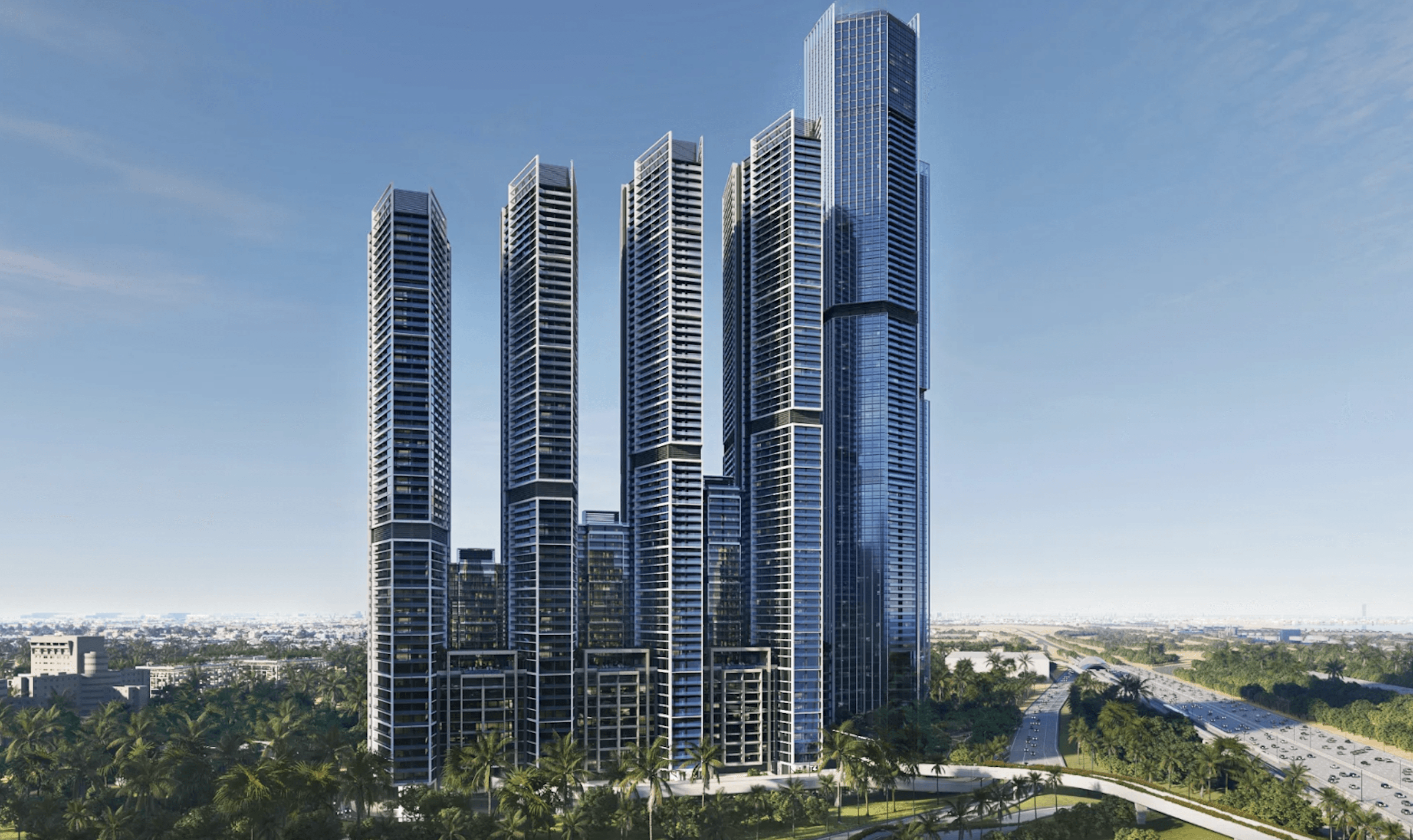
UAE, Dubai
$505,000 — $707,000
Apartments in luxury style, Jumeirah Lake Towers, Dubai
60 m² — 80 m²1—2 1—2 
UAE, Dubai
$495,000 — $707,000
Elegant Apartments, Sheikh Zayed Road, Dubai
60 m² — 79 m²1—2 1—2 Additional costs
Besides the investment itself, applicants budget for registration and government fees:
- $21,800+, or AED 160,000, — registration fee;
- $1,043, or AED 3,860, per person — state fees for issuing visas and identity cards;
- $220+ per person — medical checkup;
- $400+ per person — health insurance;
- $1,000+ per person — translation of documents, notarisation and consular legalisation.
11. St Kitts and Nevis
The St Kitts and Nevis Citizenship by Investment Programme is one of the world’s oldest citizenship programmes, established in 1984. It offers the fastest processing times in the Caribbean, taking approximately 4 months. The minimum investment starts at $250,000.
Family inclusion
The investor can include in one application:
- a spouse or registered partner;
- children under 18;
- financially dependent children aged 18 to 25;
- financially dependent parents over 55.
Citizenship is hereditary and passes to future generations.
Investment options
Applicants can choose between 3 investment options:
- Sustainable Island State Contribution — $250,000. A non-refundable transfer supports the Federal Consolidated Fund, which finances health, education, tourism, culture, and green energy.
- Real estate — $325,000+ in approved condominium units or shares, or $600,000+ for a private residence. The property may be sold after 7 years. Investors earn rental income of 2—5% annually.
- Public Benefit Option — $250,000+. Funds go toward cultura, educational, and infrustructure projects aimed at community development of the country.
Additional cost
Regardless of the chosen route, all applicants pay:
- Due Diligence fee of $10,000 for the main applicant and $7,500 per family member over 16;
- application processing fee of $250 per applicant;
- passport fee of $361 per applicant;
- certificate of naturalisation fee of $50 per applicant.
The real estate route also requires a state fee paid per family member: $25,000 for the main applicant, $15,000 for the spouse, $15,000 per dependant over 18, and $10,000 per dependant under 18.
12. Dominica
The Dominica Citizenship by Investment Programme offers the most affordable programme in the Caribbean, with a minimum investment of $200,000. It is the lowest threshold for both the contribution and real estate routes among the five Caribbean states.
The citizenship processing takes about 6 months.
Family inclusion
The investor can include in one application:
- a spouse;
- underage children;
- financially dependent children under 30;
- parents over 65.
Citizenship is hereditary.
Investment options
Applicants can choose between two investments routes:
- Contribution to the Economic Diversification Fund — $200,000+.
- Purchasing real estate — $200,000+.
The contribution involves no ongoing costs or asset management — straightforward and faster. The real estate route requires holding the property for 3—5 years, but allows rental income during that period and capital recovery upon sale.
Additional costs
Regardless of the chosen route, all applicants pay:
- Due Diligence fee: $7,500 for the investor + $4,000 for each family member over 16;
- administrative fees: $3,300+ for the investor, $4,100+ for a family of up to 4, and $6,500+ for a family of 5 or more.
The total amount of additional fees depends on the family composition.
13. Antigua and Barbuda
The Antigua and Barbuda Citizenship by Investment Programme offers the broadest family inclusion among all Caribbean programmes. Processing takes approximately 6 months. The minimum investment starts at $230,000.
Family inclusion
The investor can include in a single application:
- a spouse;
- children under 30;
- parents and grandparents over 55;
- unmarried siblings.
To maintain citizenship, holders must spend at least 30 days in Antigua and Barbuda within the first 5 years. Citizenship is hereditary.
Investment options
There are four ways to qualify for Antigua and Barbuda citizenship:
- University of the West Indies Fund — $260,000 for a family of at least 6. The contribution grants the right for one family member to study at the University of the West Indies for one year — the most cost-effective family route in the Caribbean.
- National Development Fund — $230,000+. The contribution supports national infrastructure and economic development projects in Antigua and Barbuda.
- Real estate — $300,000+. Investors purchase government-approved property that may be sold after 5 years. During the holding period, the property can generate rental income.
- Business investment — $400,000+. Investors fund an approved business project in Antigua and Barbuda — either alone, with at least $1,500,000, or jointly with others, contributing at least $400,000 as part of a $5,000,000+ group investment.
Real estate can be sold after 5 years to return the invested capital. Investors can also earn rental income during the holding period.
Additional costs
Regardless of the chosen investment route, all applicants pay:
- processing fee: $10,000 for a single investor, $20,000 for a family of up to 4, plus $10,000 per additional member;
- Due Diligence fee: $8,500 for the investor, $5,000 for the spouse, $4,000 per family member over 18, and $2,000 per family member aged 12—17;
- other fees: $2,400+ for a single investor, $3,300+ for a family of 4, and $3,600+ for a family of 5 or more.
The total amount of additional fees depends on the family composition. For an example, for a family of 4 total additional costs come to $42,800+, on top of the investment.
14. St Lucia
St Lucia Citizenship by Investment Programme offers five investment routes — more flexibility than any other Caribbean programme. Processing takes approximately 6 months. The minimum investment is $240,000.
Family inclusion
The investor can include in an application:
- a spouse;
- children under 21;
- financially dependent children aged 21 to 30;
- financially dependent parents over 55;
- siblings under 18.
The investor can include eligible family members in the same application, with additional fees depending on the number and age of dependants.
Investment options
Saint Lucia offers five routes to citizenship:
- National Economic Fund — $240,000+. A non-refundable contribution supports national economic development programmes in Saint Lucia.
- Government bonds — $300,000+. Investors purchase government-issued bonds redeemable after 5 years. The full capital is returned upon maturity.
- Real estate — $300,000+. Investors purchase government-approved property that may be sold after 5 years. During the holding period, the property can generate rental income.
- Infrastructure project — $250,000+. The investment finances approved infrastructure development projects that contribute to Saint Lucia's economic growth.
- Business investment — $1,000,000+. Investors fund an approved business in tourism, education, healthcare, or social development — either alone with at least $3,500,000, or jointly with others contributing at least $1,000,000 as part of a $6,000,000+ group investment.
Investors may recover their capital under the government bonds and real estate options after 5 years. During the holding period, real estate generates rental income.
Additional costs
Regardless of the chosen investment option, applicants pay:
- administrative fee: $50,000;
- Due Diligence fee: $8,000 for the investor + $5,000 for each family member aged 16 or over;
- processing fee: $2,000 for the investor + $1,000 for each family member;
- other fees: $1,950+.
For real estate, a state fee starting at $30,000 applies. For infrastructure projects, the fee starts at $15,000 for the investor and scales with family size.
15. Grenada
Grenada Citizenship by Investment Programme grants citizenship to foreign investors and their families in approximately 8 months. The minimum investment starts at $235,000.
The programme is especially popular among investors with long-term plans related to the United States, as Grenada is the only Caribbean country with an E-2 Investor Visa treaty with the US, allowing citizens to establish a business and live in the States. The visa can be renewed without a fixed limit and extends to the investor's spouse and dependent children.
Family inclusion
The investor can include in one application:
- a spouse;
- children under 30;
- financially dependent parents and grandparents over 55;
- unmarried siblings over 18.
A newborn child can be added within 12 months after the application is approved.
Investment options
Applicants can choose between two routes:
- Contribution to the National Transformation Fund — $235,000+.
- Purchasing real estate — $270,000+ if at least two people invest in a government-approved tourism project, or $350,000 in other cases.
Real estate may be sold after 5 years with rental income permitted during the holding period.
Additional costs
For the real estate option, applicants pay:
- $50,000 administrative fee for a family of up to 4;
- $5,000 Due Diligence fee per applicant aged 17 or over;
- $11,000 share registration fee;
- $4,500+ in additional expenses.
The fund contribution option includes only the Due Diligence fee and additional expenses.
16. Vanuatu
Vanuatu Citizenship by Investment Programme offers one of the fastest programmes in the world — a passport in as little as 2 months. The minimum contribution is $130,000.
Vanuatu levies no personal income tax, capital gains tax, or inheritance tax. International business companies pay no taxes on profits — only a $300 annual fee for 20 years.
Family inclusion
The investor can include in an application:
- a spouse;
- financially dependent children up to 25;
- parents over 50.
Vanuatu citizenship cannot be inherited. However, the investor can later add a spouse or child to their citizenship for an additional fee.
Investment options
Applicants can choose between two routes:
- Non-refundable contribution to the state fund — $130,000+.
- Contribution to the Cocoa Sustainable Development Fund — $165,000+.
Under the contribution to the Cocoa Sustainable Fund option, the applicant receives a $50,000 fund unit after passport issuance. The unit can be redeemed after 5 years, allowing the investor to recover part of the initial investment.
Additional costs
Investors pay the following fees in addition to the investment:
- $5,500 Due Diligence fee per application;
- $2,000+ for document translation and notarisation;
- $1,000 for the issuance of an ID card and birth certificate per applicant;
- $1,000 per applicant for biometric submission in Vanuatu, or $3,000 in Dubai or when a consul visits the applicant’s location.
The final cost depends on the family composition.
17. Naoero
Naoero Economic and Climate Resilience Citizenship Programme is one of the most affordable citizenship by investment programmes in the world. The minimum contribution is $90,000. Processing takes about 3 months and is fully remote.
Naoero passport provides visa-free or visa-on-arrival access to 121 destinations, including Singapore, Hong Kong, and the UAE. Nauru levies no taxes on global income, inheritance, or capital gains. There is no residency requirement.
Family inclusion
The Republic of Naoero offers one of the broadest family inclusion policies among citizenship by investment programmes, allowing multiple generations of a family to be included in a single application:
- a spouse or partner;
- children, including adopted children;
- parents and grandparents of the applicant or their spouse;
- siblings of the applicant or their spouse.
There are no age restrictions for any family member. Citizenship is hereditary and can be passed on to future generations.
Investment option
To qualify for Naoero citizenship, investors make a non-refundable contribution to the Naoero Treasury Fund of at least $90,000. The standard contribution of $115,000 is temporarily reduced until 31 December 2026 for single applicants. Payment is required only after approval in principle.
Additional costs
Applicants also pay the following fees:
- $5,000 application fee for the main applicant + $2,000 for each additional dependant;
- $6,000 Due Diligence fee for the main applicant + $3,000 for each additional dependant aged 16 or over;
- $500 passport fee per applicant;
- $1,200 bank facilitation and transaction fee for a single investor, $1,700 for a family of up to 3, and $2,200 for a family of 4 or more.
The final expenses depend on the family composition.
18. São Tomé and Príncipe
The São Tomé and Príncipe Citizenship by Investment Programme grants citizenship to foreign investors and their families in approximately 4 months. The application process is conducted remotely, with no travel required at any stage.
São Tomé and Príncipe passport holders travel visa-free to 106, including Singapore and South Africa. The country is a member of the Community of Portuguese Language Countries, which provides simplified residence and visa pathways in Portugal and Brazil.
São Tomé and Príncipe imposes no residency requirement, permits dual citizenship, and does not tax non-residents on foreign income, capital gains, dividends, or inheritance.
Family inclusion
The investor can include in one application:
- a spouse;
- children up to 30;
- parents and grandparents over 55.
After obtaining citizenship, the investor can add a newborn child or other eligible family members for an additional fee.
Investment option
The is only one investment option under the São Tomé and Príncipe CBI programme. Investors make a non-refundable contribution to the National Transformation Fund — $90,000 for a single applicant, $95,000 for a family of 2 to 4 people, and $5,000 per additional dependant, starting from the 5th applicant.
The fund supports renewable energy, education, and infrastructure projects.
Additional costs
Applicants pay the following fees in addition to the contribution:
- $5,000 application fee;
- $350 passport fee per applicant;
- $250 Certificate of Registration fee per applicant;
- $150 National ID card fee per applicant;
- $2,000+ for document translation and notarisation.
The total amount depends on the number of applicants.
19. Egypt
The Egypt Citizenship by Investment Programme grants citizenship to foreign investors and their families in approximately 10 months. The minimum investment starts at $250,000. The programme is particularly attractive to investors seeking access to the United States through the E-2 Investor Visa.
Egypt is one of only a few citizenship by investment destinations with access to the US E-2 Investor Visa. It allows Egyptian citizens to live and run a business in the United States, while their spouses can work and children can study there. The visa can be renewed indefinitely.
Egyptian passport holders travel visa-free to 105, including Singapore. Companies operating in Egypt's public free zones pay no corporate tax. Egypt imposes no residence requirement and permits dual citizenship.
Family inclusion
The investor can include in one application:
- a spouse;
- unmarried children under 21.
Children obtain citizenship together with the investor, while the spouse receives citizenship 2 years later.
Investment options
Applicants can choose from 4 routes to Egyptian citizenship:
- Contribution to the state treasury — $250,000+. A non-refundable payment is made to Egypt’s public treasury.
- Real estate — $300,000+. Investors purchase government-approved property.
- Business investment — $350,000+ plus a non-refundable contribution of $100,000. Investors place capital into a government-approved business.
- Bank deposit — $500,000+. Investors make an interest-free deposit with an Egyptian bank.
Investors can recover their capital under 3 of the 4 options. Real estate and business investments can be sold after 5 years, while the bank deposit is returned in full after 3 years.
Additional costs
Applicants pay the following fees in addition to the investment:
- $10,000 state fee for the whole family;
- $1,000+ for translation and notarisation of documents.
The state fee and document processing costs do not depend on the number of family members.
20. Türkiye
The Türkiye Citizenship by Investment Programme grants citizenship to investors and their families in approximately 8 months. The minimum investment starts at $400,000.
Türkiye has an E-2 Investor Visa treaty with the United States, allowing Turkish citizens to establish or acquire a business and reside in the US with their families.
Turkish passport holders travel visa-free to 139, including Japan, Singapore, and South Korea, and can obtain a 5-year C-2 Schengen visa.
Companies operating in Türkiye's free zones pay no corporate tax, and the country imposes no residence requirement.
Family inclusion
The investor can include in one application:
- a spouse;
- children under 18.
No additional investment is required for family members.
Investment options
Investors can choose from five qualifying investment options. $400,000 is required for real estate and $500,000 for bank deposits, government bonds, investment fund units, or business investments.
All investments are refundable after 3 years. Real estate can be rented out and later sold on the open market.
Additional costs
Government fees under the citizenship programme are $574 per family member. For the real estate option, applicants also pay $14,000+ in related taxes and fees. Other investment options may involve additional transaction or banking costs, depending on the investment type.
Obtaining a Golden Visa as an Indian step-by-step
The full application journey typically takes 3—18 months in total, depending on the programme, documentation readiness, and authority processing times.
The following describes a typical application process based on residence by investment programmes. The actual steps may vary depending on the selected country, programme requirements, and individual circumstances, and certain stages may include exceptions or additional checks.
1 day
Programme selection and Preliminary Due Diligence
Immigrant Invest reviews the applicant’s profile, family composition, mobility, and goals. The team conducts eligibility checks and Preliminary Due Diligence of the applicant’s background to find out if there is any risk of denial.
Immigrant Invest reviews the applicant’s profile, family composition, mobility, and goals. The team conducts eligibility checks and Preliminary Due Diligence of the applicant’s background to find out if there is any risk of denial.
2—4 months
Preparation of financial and supporting documents
The applicant collects Income Tax Returns, bank statements, net worth certificates, audited accounts, personal documents, and documents confirming the source of funds.
Immigrant Invest checks the documentation, assists with notarisation and apostille through the Ministry of External Affairs, and prepares the application package.
The applicant collects Income Tax Returns, bank statements, net worth certificates, audited accounts, personal documents, and documents confirming the source of funds.
Immigrant Invest checks the documentation, assists with notarisation and apostille through the Ministry of External Affairs, and prepares the application package.
2—4 weeks
Reserve Bank of India and remittance compliance
India places restrictions on outbound fund transfers, and applicants must complete specific formalities to ensure compliance.
To proceed correctly, Form A2 must be submitted to the applicant’s bank in India as part of the authorised remittance process for transferring funds abroad.
India places restrictions on outbound fund transfers, and applicants must complete specific formalities to ensure compliance.
To proceed correctly, Form A2 must be submitted to the applicant’s bank in India as part of the authorised remittance process for transferring funds abroad.
1—3 months
Investment fulfilment
The applicant completes the investment according to the selected option, such as purchasing real estate, subscribing to investment funds, or investing in a business. Depending on the programme, this step may take place before or after the application is submitted.
Immigrant Invest oversees the transaction process and prepares supporting documents for the application.
The applicant completes the investment according to the selected option, such as purchasing real estate, subscribing to investment funds, or investing in a business. Depending on the programme, this step may take place before or after the application is submitted.
Immigrant Invest oversees the transaction process and prepares supporting documents for the application.
1—6 months depending on country
Application submission and processing
The application is submitted to the relevant immigration authority. Immigrant Invest monitors the process, communicates with government departments, and provides updates on the application status.
The application is submitted to the relevant immigration authority. Immigrant Invest monitors the process, communicates with government departments, and provides updates on the application status.
2—4 weeks after approval
Residence permit issuance
The applicant receives a residence permit card. If required by the programme, applicants provide biometrics at the designated location, such as a visa centre or consulate. Residence rights for family members are activated simultaneously.
The applicant receives a residence permit card. If required by the programme, applicants provide biometrics at the designated location, such as a visa centre or consulate. Residence rights for family members are activated simultaneously.
1—5 years after issuance
Residence permit renewal
Temporary residence permits are valid for 2 to 10 years depending on the programme. Investors must maintain the required investment and meet the programme conditions throughout the validity period. After the permit expires, they apply for renewal.
Immigrant Invest monitors renewal deadlines, reminds clients in advance, and assists with preparing and submitting the required applications.
Temporary residence permits are valid for 2 to 10 years depending on the programme. Investors must maintain the required investment and meet the programme conditions throughout the validity period. After the permit expires, they apply for renewal.
Immigrant Invest monitors renewal deadlines, reminds clients in advance, and assists with preparing and submitting the required applications.
Risks and pitfalls of obtaining Golden Visas as an Indian
Golden Visa programmes offer attractive residence opportunities, but investors should consider risks related to Due Diligence, fund transfers, and investment liquidity.
Application refusal due to Due Diligence checks
All programmes conduct strict background checks, including criminal record, financial history, and source of funds. Incomplete or inconsistent documentation may lead to rejection.
Investors should prepare supporting documents in advance, including tax returns, bank statements and records confirming the origin of their assets.
Transferring funds from India
India limits how much residents can transfer abroad under the Liberalised Remittance Scheme[13]Source: Reserve Bank of India — Liberalised Remittance Scheme. An individual can generally remit up to $250,000 per financial year for permitted investments[14]Source: Reserve Bank of India — Foreign Exchange Management Act, framework and notifications.
If the investment exceeds $250,000, eligible family members can use their individual remittance limits, or the investor can spread transfers across financial years. Each transfer must comply with RBI requirements and include Form A2[15]Source: Reserve Bank of India — Form A2.
Investment risks and liquidity
Real estate and fund routes may involve price fluctuations, lock-up periods and limited exit options. Investors should review resale conditions and access to capital before investing.
Professional advice and thorough Due Diligence can help investors assess these risks before committing funds.

How to successfully undergo Due Diligence check?
Take an anonymous 10-question test to learn more about Due Diligence checks.
How Immigrant Invest can help Indian applicants obtain Golden Visas
Immigrant Invest is a government-licensed consulting company with 20 years of experience in citizenship and residence by investment. Since 2006, over 10,000 clients from more than 100 countries have secured second passports and residence permits with us.
We hold official licences from relevant government authorities in the European Union and the Caribbean, ensuring clients access only trusted, legitimate programmes with no intermediaries.
Immigrant Invest's support for Indian applicants includes:
- Preliminary Due Diligence check and source of funds assessment.
- Review of documentation to ensure compliance with immigration, banking, and programme requirements.
- Development of a personalised investment strategy based on the applicant’s profile, family composition, and goals.
- Transparent breakdown of all costs depending on the selected programme and investment route.
- Coordination of the full application process from eligibility assessment to residence permit issuance and renewals.
- Assistance with banking procedures, fund transfers, and compliance requirements where applicable.
- Ongoing support throughout the application process and post-approval stage.
Immigrant Invest applies a strict internal compliance-first approach to every application. Each case is carefully assessed before submission to ensure alignment with programme requirements and risk standards.
All applications are reviewed in line with international Due Diligence practices, allowing the team to identify potential risks early and ensure the highest level of approval certainty for clients.
Lyle Julien,
Investment programmes expert
Every case begins with a comprehensive in-house Due Diligence review, examining sanctions exposure, PEP status, criminal history, and source of funds before an application is ever submitted. This allows us to identify potential issues early, clarify what additional documents may be required, and build a stronger application from the outset — resulting in a 99% success rate.
Final thoughts on Golden Visas for Indian citizens
- Golden Visa programmes let Indian investors secure legal residence or citizenship abroad — from EU residence permits to Caribbean citizenship by investment.
- Investment thresholds start at €50,000 for residence, as with the Latvia Golden Visa, and at $90,000 for citizenship, as with Naoero.
- Most programmes allow investors to include a spouse and children, with many also covering parents and grandparents.
- Residence permits let Indians keep their Indian citizenship. Citizenship by investment requires renouncing it, as India does not allow dual nationality.
- Beyond mobility, a Golden Visa supports education access, asset protection, and tax planning across jurisdictions.
- Applicants from India must comply with the RBI's Liberalised Remittance Scheme and submit Form A2 for outward transfers, and should prepare for Due Diligence checks and investment liquidity conditions in advance.
Immigrant Invest is a licensed agent for citizenship and residence by investment programs in the EU, the Caribbean, Asia, and the Middle East. Take advantage of our global 15-year expertise — schedule a meeting with our investment programs experts.

 Trusted by 10,000+ investors