





Investors with St Kitts and Nevis or Dominica citizenship visit at least 140 countries freely. The first passport has more visa-free destinations than the second one. But Dominica citizens can enter China for up to 30 days without visas, and it’s a rare opportunity.
Discover the CBI programmes of St Kitts and Nevis and Dominica and compare their conditions.
Opportunities for St Kitts and Nevis or Dominica citizenship holders
Citizenship of St Kitts and Nevis or Dominica can provide additional opportunities for international travel, residence, work, study, and business. The specific rights and entry conditions depend on the country of citizenship and the rules in force at the time of travel.
Visa-free international travel
Citizens of St Kitts and Nevis and Dominica can visit a number of destinations without obtaining a visa in advance, although the lists of available destinations and entry conditions differ between the two passports.
Both passports currently provide visa-free access to the Schengen Area for short stays of up to 90 days in any 180-day period, subject to the applicable border-entry requirements. They also provide visa-free or simplified entry to a range of destinations in other regions.
Entry rules may differ for countries outside the Schengen Area. Depending on the destination and nationality, travellers may need a visa, an electronic travel authorisation, a visa on arrival, or another form of approval. As entry policies can change, travellers should check the latest requirements before each trip.
Living, working, and studying in the country of citizenship
Citizens of St Kitts and Nevis and Dominica have the right to reside in their respective country of citizenship. Subject to applicable national rules, they can also work, study, establish or manage a business, and spend as much time in the country as they choose without relying on a residence permit.
This can provide an additional country for long-term residence, education, professional activity, or business operations.
Business and international mobility
A second citizenship can make it easier to plan international business trips and maintain connections across several jurisdictions where visa-free or simplified entry is currently available. It also gives citizens the option to conduct business in their country of citizenship under the rights available to nationals.
The practical benefits depend on the individual’s destination, type of activity, and applicable immigration, tax, and corporate rules.
Trusted by 10,000+ investors
Check your eligibility for St Kitts and Nevis citizenship
Comparison of CBI programmes
The citizenship by investment programmes of St Kitts and Nevis and Dominica differ in minimum investment amounts, government fees, processing times, investment options, and requirements for family members.
Both programmes allow investors to obtain citizenship without permanently relocating to the country. Applicants undergo Due Diligence, confirm the legal source of their income and investment capital, and meet the requirements applicable to the selected investment option.
Investment options
Dominica offers two main routes: a non-refundable contribution to the Economic Diversification Fund and an investment of at least $200,000 in government-approved real estate.
St Kitts and Nevis offers more investment options. Applicants can make a non-refundable contribution from $250,000, invest in approved real estate from $325,000, or donate at least $250,000 to an Approved Public Benefit Project.

Lyle Julien,
Investment programmes expert
Dominica allows investors to sell government-approved real estate after 3 years. If the property is resold to another CBI applicant, the holding period increases to 5 years. Under the St Kitts and Nevis programme, real estate must be held for at least 7 years.
Processing time and Due Diligence
The programmes also differ in expected processing times. Dominica citizenship is generally obtained in 6+ months, while the St Kitts and Nevis process starts from around 4 months.
Applicants under both programmes undergo Due Diligence and must confirm the legal source of their income and investment capital.
The Due Diligence fee in Dominica is $7,500 for the main applicant and $4,000 for each family member over 16. In St Kitts and Nevis, the corresponding fees are $10,000 and $7,500.

Family eligibility
Both programmes allow the main applicant to include a spouse and financially dependent relatives.
Dominica has broader age limits for children: eligible children can generally be included up to the age of 30. Financially dependent parents and grandparents over 65 may also qualify.
Under the St Kitts and Nevis programme, eligible children can generally be included up to the age of 25, while financially dependent parents must usually be over 55. Grandparents cannot be included.
Other requirements
Neither programme requires applicants to permanently relocate before obtaining citizenship.
St Kitts and Nevis also requires biometric enrolment as part of the application process. Additional government, passport, application, interview, and professional fees apply under both programmes.
The final cost depends on the selected investment option, family composition, and the ages of included dependants.
Overview of conditions of Dominica and St Kitts and Nevis citizenship by investment

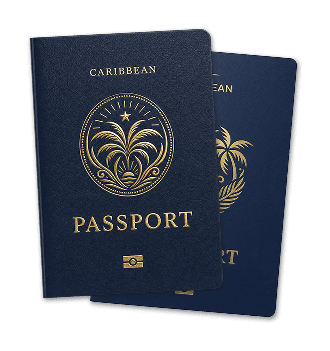
Validity of Dominica and St Kitts and Nevis passports
Requirements for Dominica passports are the following:
-
to renew the document every 10 years for holders over 16;
-
to renew the document every 5 years for holders under 16;
Requirements for St Kitts and Nevis passports are the same as Dominica’s.
St Kitts and Nevis and Dominica taxes
If the investor with a second passport decides to relocate to St Kitts and Nevis or Dominica for over 183 days a year, they will become tax residents and have to obtain a tax ID.
Sometimes wealthy people get tax residency in Caribbean countries to reduce their tax costs.
Comparison of taxes Dominica and St Kitts and Nevis
How to become a citizen of Dominica or St Kitts and Nevis
If an investor decides to obtain a second passport, they contact a licensed programme agent, for example, Immigrant Invest. Our lawyers assist the investor in comparing the Dominica and St Kitts and Nevis programmes and choosing the best one for the investor’s goals.
Before selecting, we always tell investors how to get Dominica citizenship or St Kitts and Nevis passports. The main stage of any citizenship programme is Due Diligence which is conducted by the CBI unit, the programme department of the country’s government. Immigrant Invest performs preliminary Due Diligence to prepare for the check qualitatively.
1 day
Preliminary Due Diligence
An Anti-Money Laundering Officer of the Immigrant Invest law company conducts the check. Preliminary Due Diligence allows our lawyers to find “red flags” in the investor’s biography. We need only an investor’s passport at that point.
An Anti-Money Laundering Officer of the Immigrant Invest law company conducts the check. Preliminary Due Diligence allows our lawyers to find “red flags” in the investor’s biography. We need only an investor’s passport at that point.
2 to 4 weeks
Preparation of documents
The lawyers recommend the best programs for the investor’s goals with consideration of the results of preliminary Due Diligence. When a program is chosen, the lawyers will begin to prepare the investor’s documents.
They collect, translate and notarise them and file affidavits. The affidavit helps get through the Due Diligence of the CBI unit faster. Lawyers will apply to the CBI unit when the document set is ready.
The lawyers recommend the best programs for the investor’s goals with consideration of the results of preliminary Due Diligence. When a program is chosen, the lawyers will begin to prepare the investor’s documents.
They collect, translate and notarise them and file affidavits. The affidavit helps get through the Due Diligence of the CBI unit faster. Lawyers will apply to the CBI unit when the document set is ready.
2 to 6 months
Due Diligence
The CBI unit conducts Due Diligence of investors and their family members over 16. If information about the investor and the relatives is furnished incompletely, Due Diligence time frames may be extended.
The lawyers recommend the best programmes for the investor’s goals with consideration of the results of preliminary Due Diligence. When a programme is chosen, the lawyers will begin to prepare the investor’s documents.
They collect, translate and notarise them and file affidavits. The affidavit helps get through the Due Diligence of the CBI unit faster. Lawyers will apply to the CBI unit when the document set is ready.
The CBI unit conducts Due Diligence of investors and their family members over 16. If information about the investor and the relatives is furnished incompletely, Due Diligence time frames may be extended.
The lawyers recommend the best programmes for the investor’s goals with consideration of the results of preliminary Due Diligence. When a programme is chosen, the lawyers will begin to prepare the investor’s documents.
They collect, translate and notarise them and file affidavits. The affidavit helps get through the Due Diligence of the CBI unit faster. Lawyers will apply to the CBI unit when the document set is ready.
Up to 30 days
Investment terms fulfilment
The CBI unit approves the investor’s application and notifies the licensed agent. Upon notification, the principal applicant invests within 30 days under the Dominica programme conditions and 90 days under St Kitts and Nevis’s.
At this stage, applicants for St Kitts and Nevis citizenship also undergo biometric enrolment at the chosen location.
The CBI unit approves the investor’s application and notifies the licensed agent. Upon notification, the principal applicant invests within 30 days under the Dominica programme conditions and 90 days under St Kitts and Nevis’s.
At this stage, applicants for St Kitts and Nevis citizenship also undergo biometric enrolment at the chosen location.
Up to 4 weeks
Getting passport
After the financial conditions are confirmed, the CBI unit instructs to issue the naturalisation certificates and passports to the investor’s family. Investors get the documents at the licensed agent’s office or by delivery service.
After the financial conditions are confirmed, the CBI unit instructs to issue the naturalisation certificates and passports to the investor’s family. Investors get the documents at the licensed agent’s office or by delivery service.
St Kitts and Nevis and Dominica: country profiles
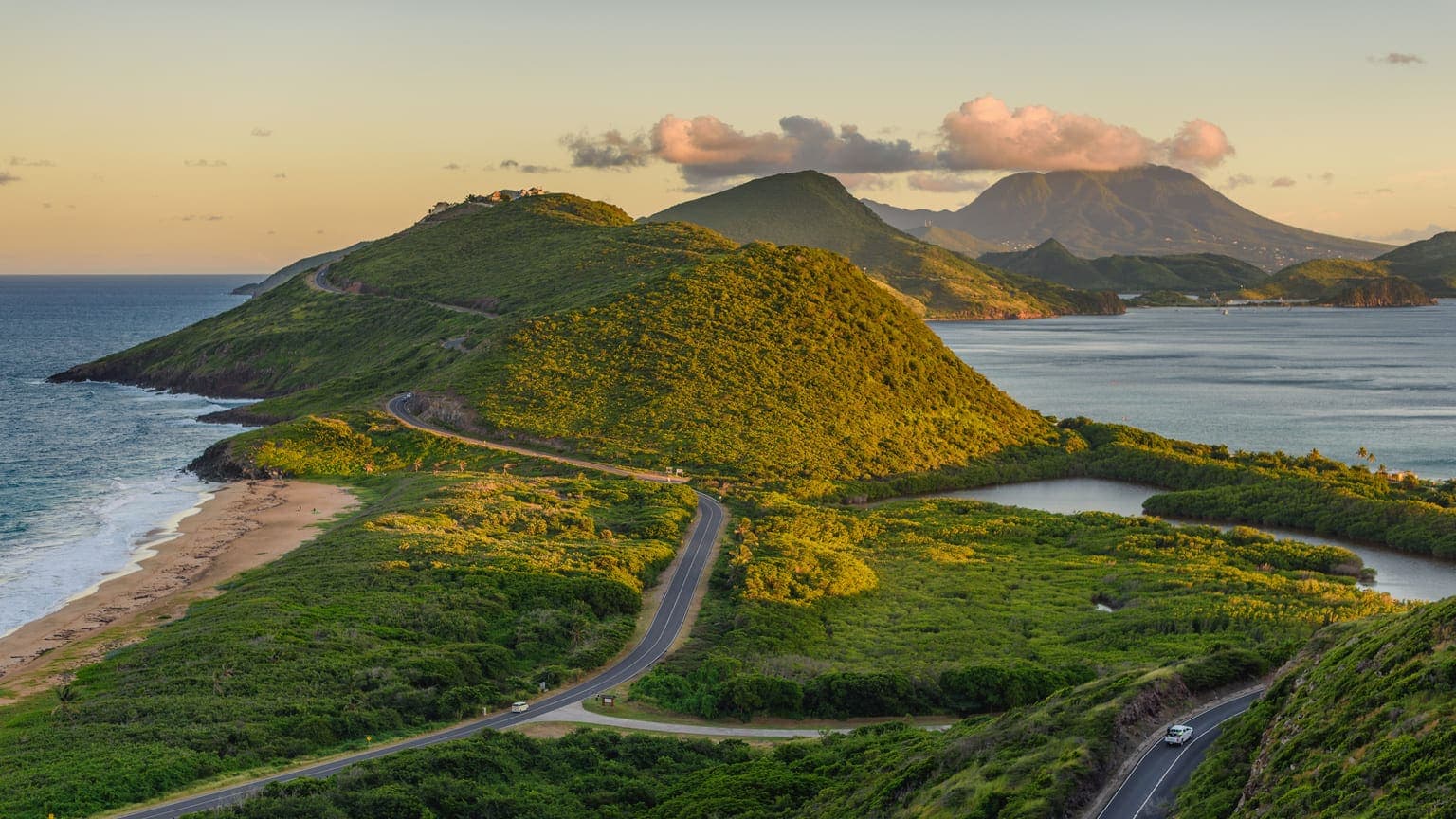
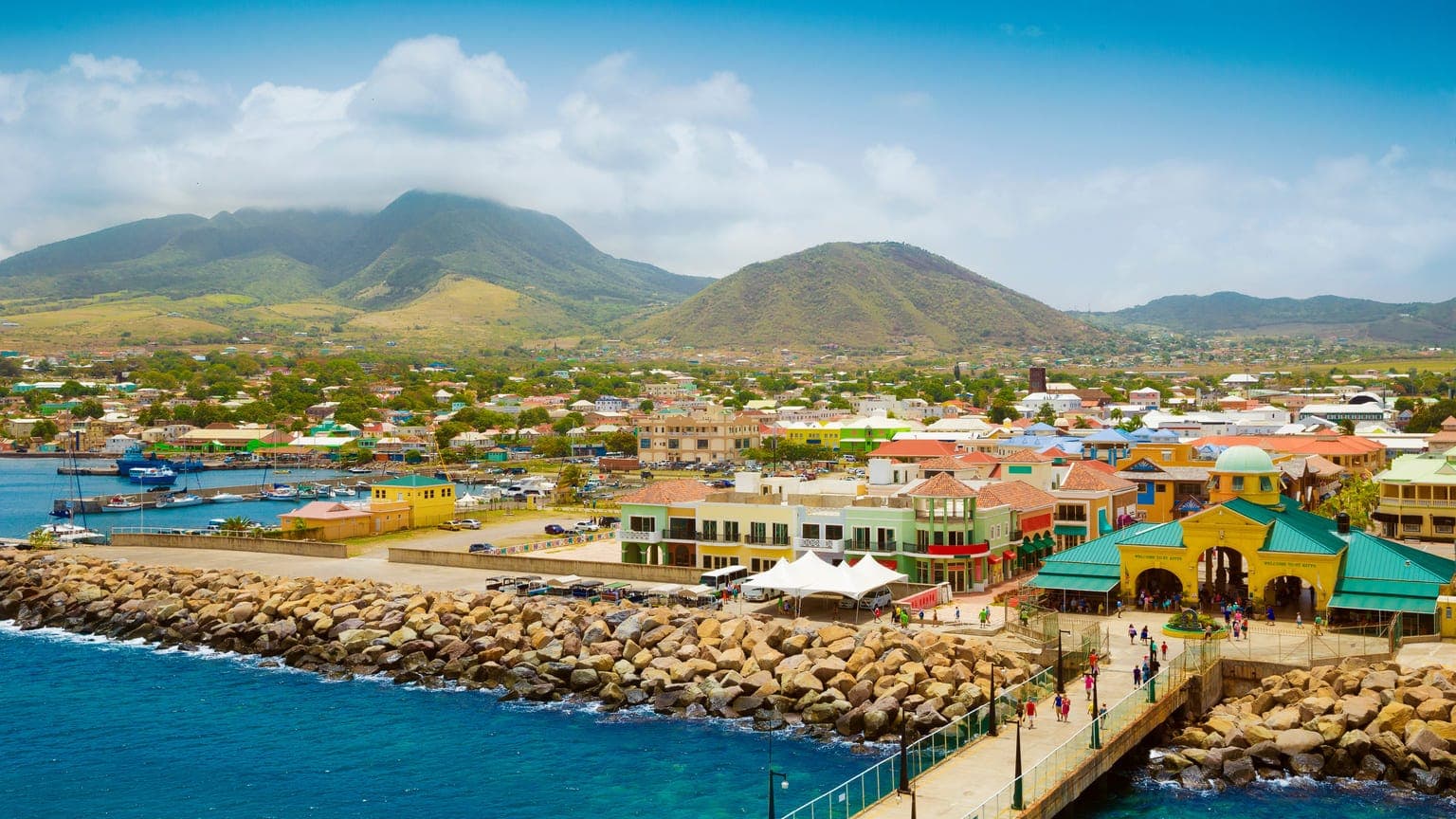
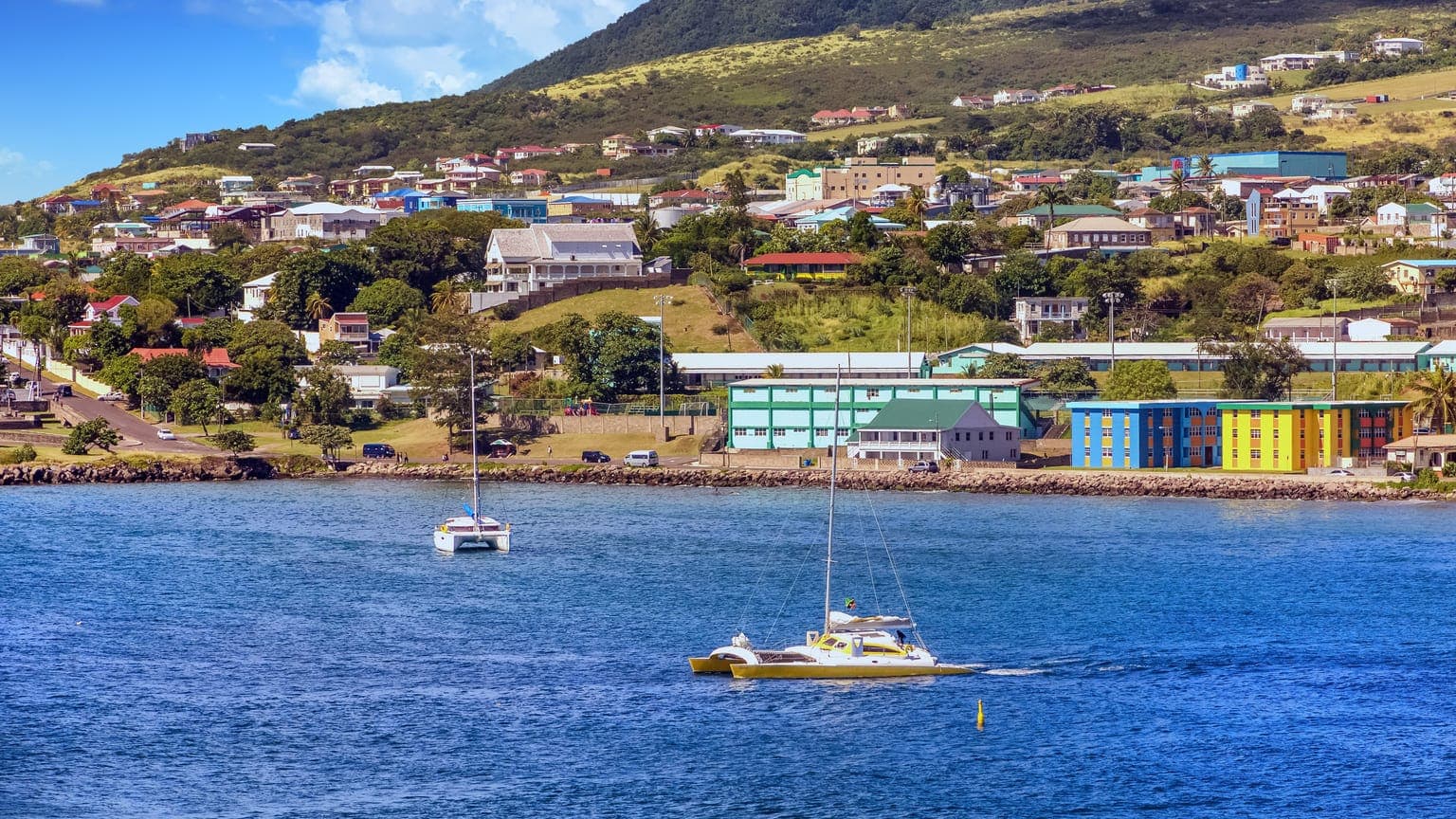
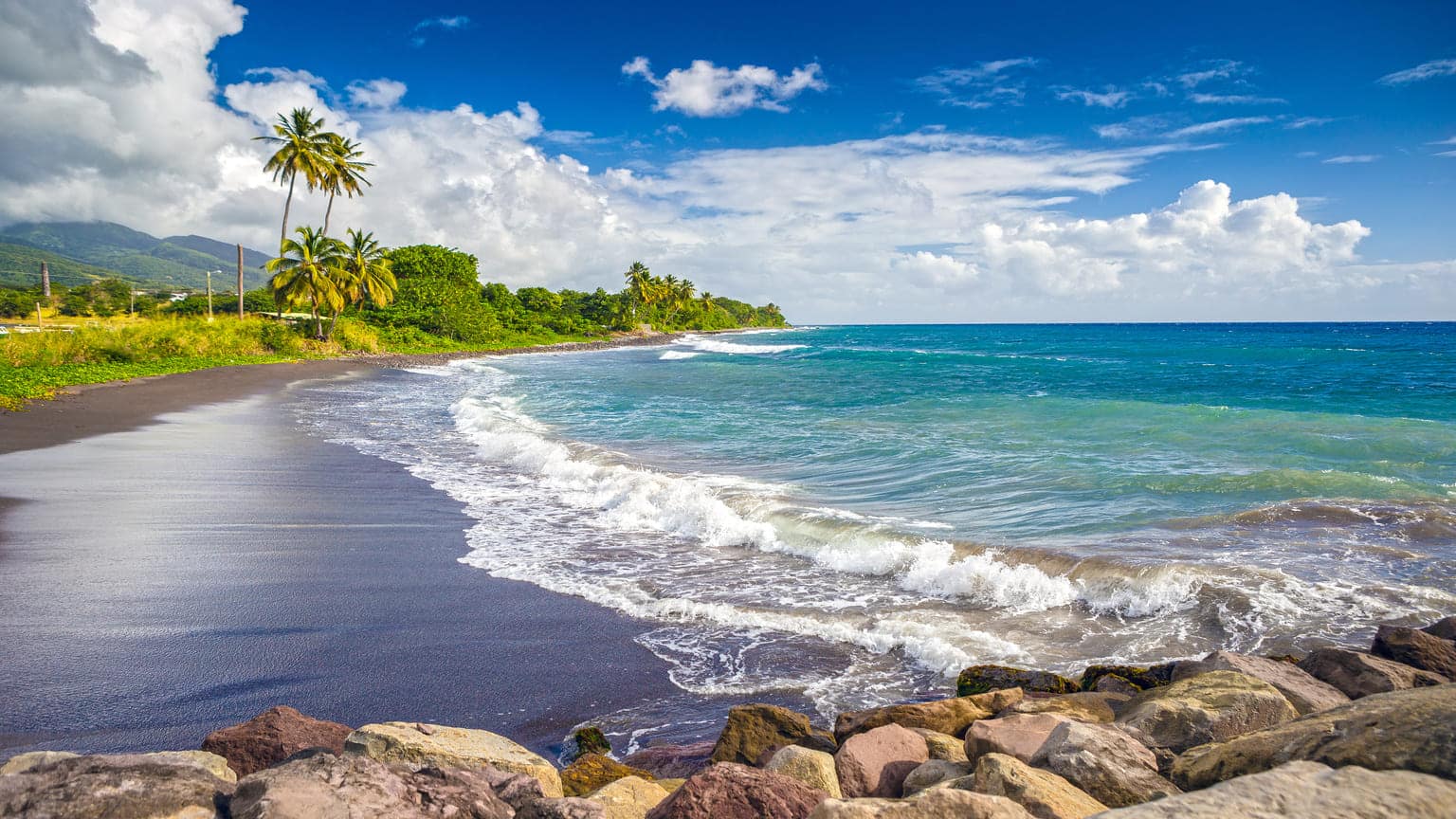
The Caribbean countries have warm climates all year round. Winter is the best season for vacation in St Kitts and Nevis and Dominica. At this time, air and water temperature fluctuates between +25℃ and +30℃, and booking prices for apartments and villas increases by 2一3 times compared to August, for example.
St Kitts and Nevis and Dominica are members of CARICOM, the Caribbean commonwealth. It is a political and economic community of 15 countries with a common currency called the Eastern Caribbean dollar. 1 Eastern Caribbean dollar always costs 37 US cents.
There is no St Kitts and Nevis or Dominica nationality. For the most part, the population of these countries is of African descent. Approximately 10% of the population is Caribbean Indians and Europeans. Christianity is the main religion in St Kitts and Nevis and Dominica. The official language is English.
Antigua and Barbuda, US Virgin Islands, Puerto Rico, Guadeloupe, and Martinique are countries near St Kitts and Nevis and Dominica. Their residents can get to neighbouring states by plane or ferry in 2 to 5 hours.
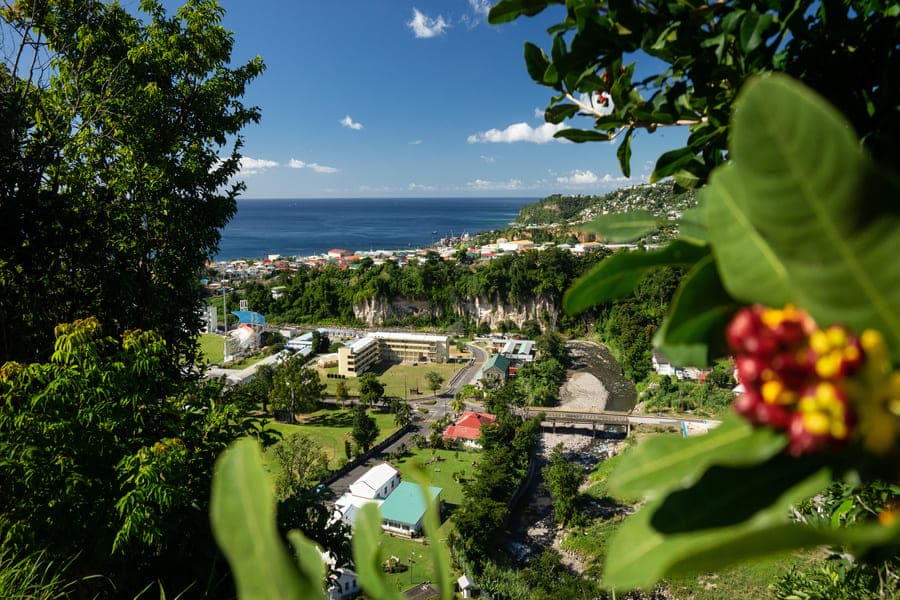
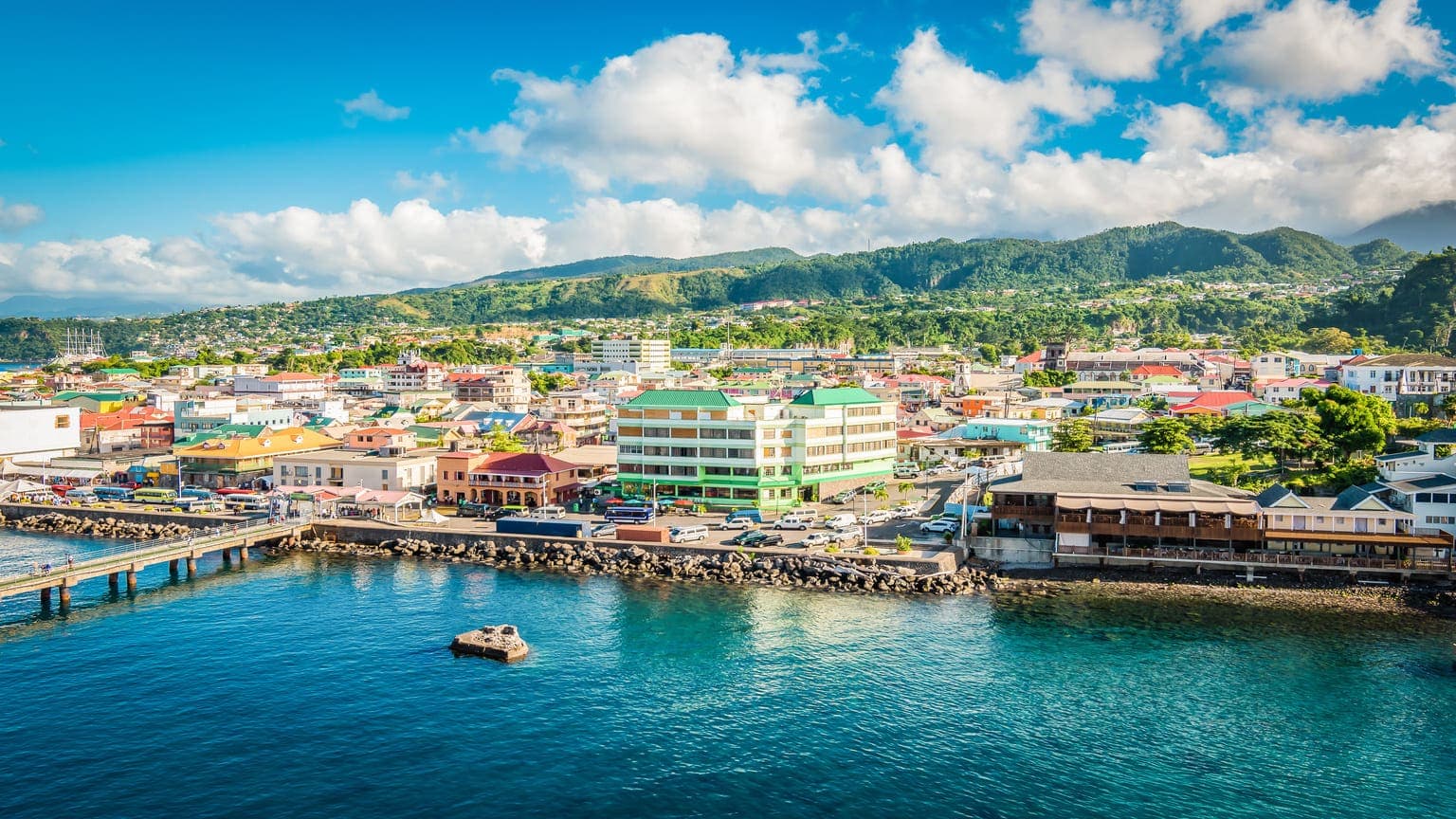
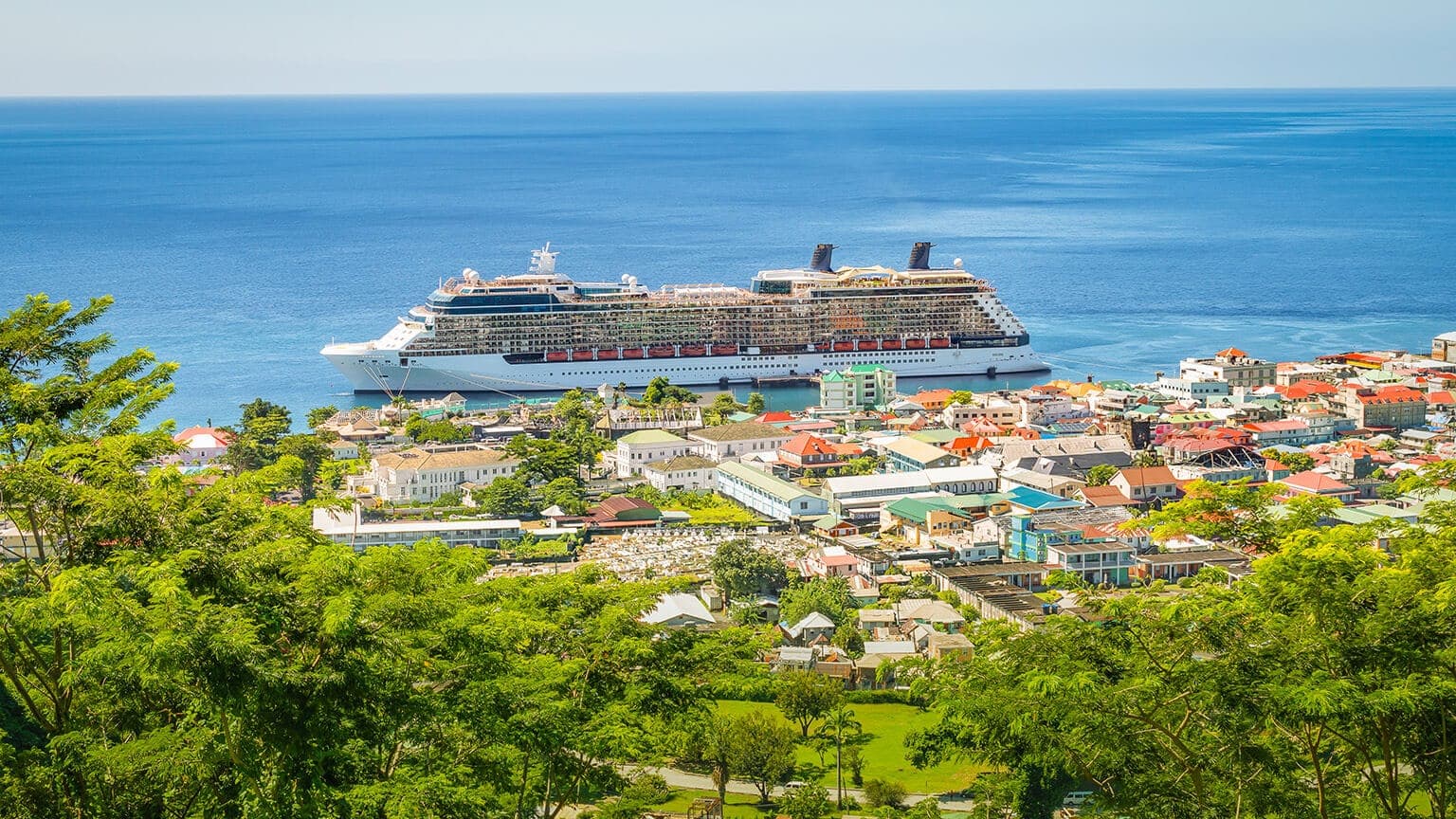
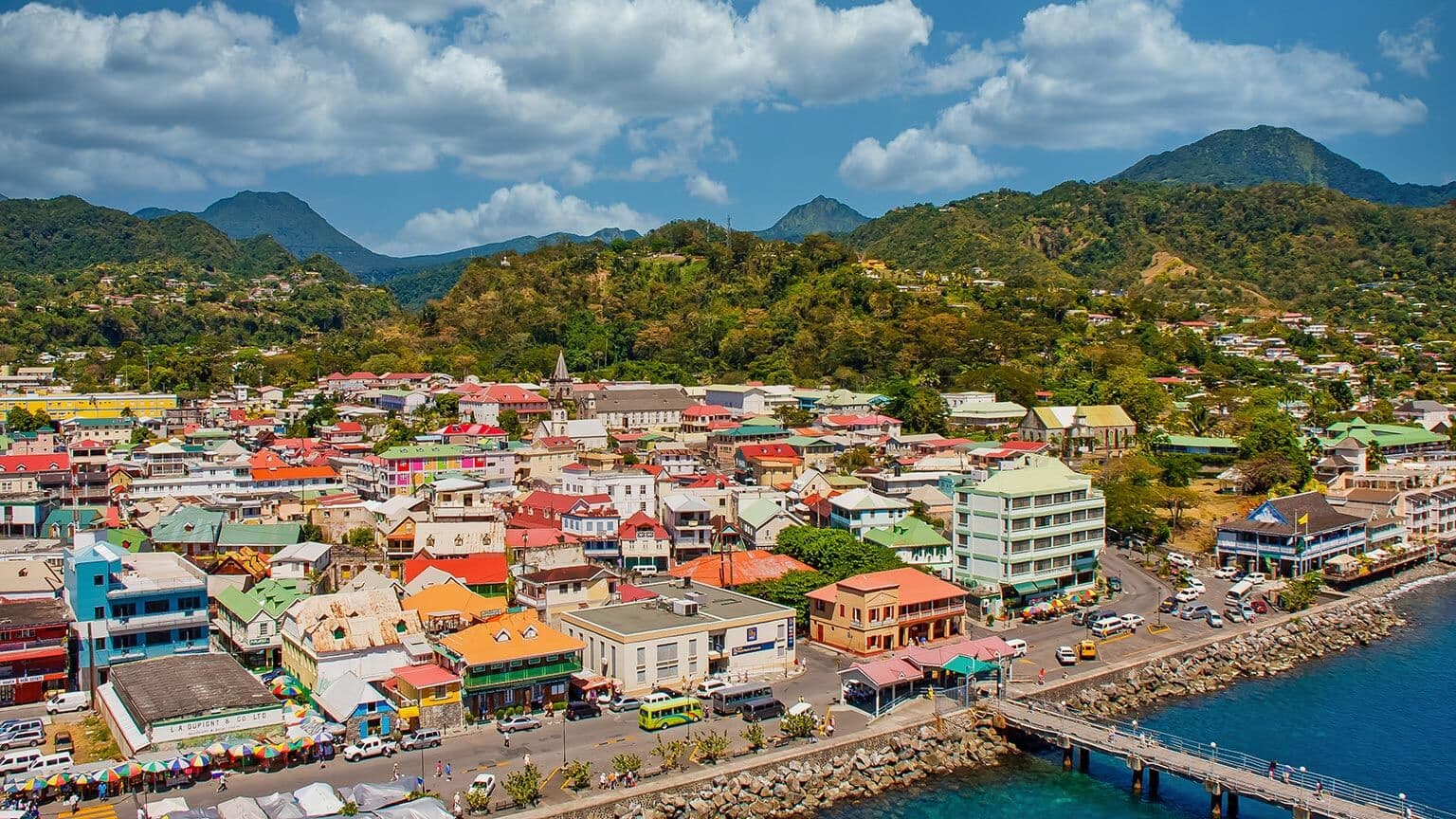
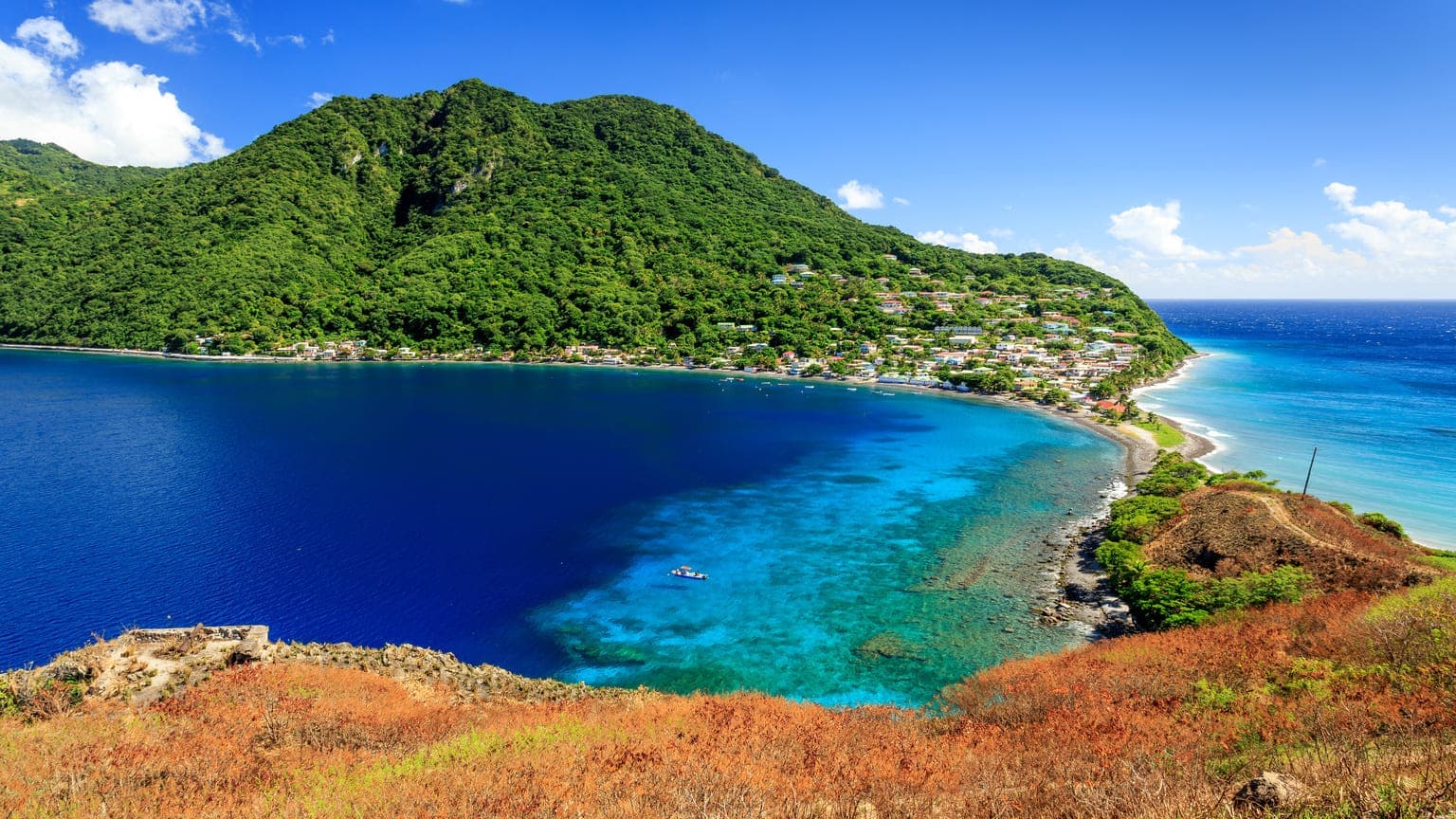
The country of Dominica is officially called the Commonwealth of Dominica. The state capital Roseau with a population of about 15,000, is located on the west seashore of the island
Comparison of Dominica or St Kitts and Nevis citizenship with other Caribbean passports
If you're considering obtaining Dominica or St Kitts and Nevis citizenship, you can compare their requirements and benefits with those of other Caribbean countries to make an informed choice:
Checklist for investors who choose the CBI programme of Dominica or St Kitts and Nevis
Reduce costs. If you decide to reduce the costs of getting a second passport, we recommend the Dominica CBI programme. Investments under the programme conditions are less than under St Kitts and Nevis’s.
Fast-track procedure. If you want to obtain a second passport as soon as possible, we recommend the St Kitts and Nevis CBI programme. The minimum processing time is 4 months compared to 6 months in Dominica.
Return investment. If you prefer to spend more but return your money, choose a real estate option. You can sell a property after 7 years of ownership under the St Kitts and Nevis programme and 5 years later under Dominica’s.
Key takeaways on Dominica and St Kitts and Nevis citizenship
- Dominica has a lower minimum investment threshold of $200,000, while St Kitts and Nevis starts from $250,000 and offers more investment options.
- St Kitts and Nevis has a shorter minimum processing time of around 4 months, compared with 6+ months for Dominica.
- Dominica offers a non-refundable contribution and real estate investment, while St Kitts and Nevis also includes investment in an Approved Public Benefit Project.
- Real estate under the Dominica programme can generally be sold after 3 years, or after 5 years if resold to another CBI applicant, while St Kitts and Nevis requires a 7-year holding period.
- Family eligibility is broader in Dominica. The country generally allows children under 30 and dependent parents and grandparents over 65, while St Kitts and Nevis applies lower age limits and does not include grandparents.
- Both citizenships provide additional travel opportunities and the right to live, work, study, and conduct business in the respective country of citizenship.
Immigrant Invest is a licensed agent for citizenship and residence by investment programs in the EU, the Caribbean, Asia, and the Middle East. Take advantage of our global 15-year expertise — schedule a meeting with our investment programs experts.


 Trusted by 10,000+ investors