






For years, I studied Greece from the United States, visiting whenever I had the chance. But those trips never lasted more than a few weeks. When it came time to write my dissertation, I knew I wanted to spend much longer there. The problem was that I had no job or grant to fund such a move, and I wasn't sure how to make it happen.
That's when my father stepped in. He gave me the financial means to pursue my dream, and Immigrant Invest helped me turn that opportunity into a residence permit.

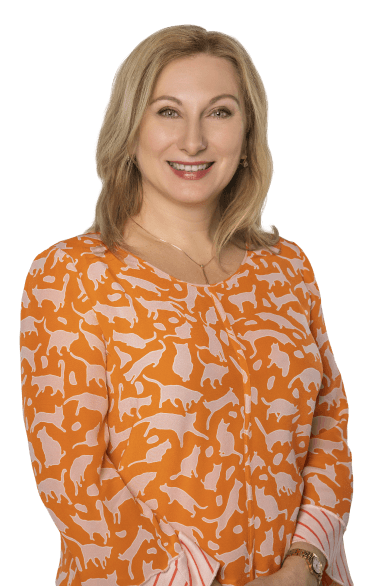
Brooke
PhD candidate from the US
To protect our clients' privacy, names are changed and photos are AI-generated.
Case at a glance
Applicants
PhD candidate with a passive income
Strategic goal
Relocation to Greece
Current citizenship
United States
Chosen status
Greece FIP
Greece, a few weeks at a time
On the last evening of her trip in the summer of 2025, Brooke sat on a rooftop in Athens and watched the Acropolis turn gold, then pink, then grey. Her suitcase was already packed. It was her fifth visit to Greece, and once again it was ending too soon.
Greece had been part of her life for as long as she could remember. As a child, she fell in love with Greek myths, reading stories about gods, heroes, and monsters under the covers long after lights out. Then came history books, Ancient Greek at university and, finally, a PhD in classics.
At 28, Brooke was entering the final stage of her PhD: completing her research and writing her dissertation. She hoped to spend a couple of years in Greece, studying the history and places she had devoted so much of her life to. But her fellowship had ended, leaving her without a job or grant to support a long-term stay.
Right answer was there all along
As an American, Brooke could visit Greece without a visa for 90 days in any 180-day period. That was a summer vacation, not a relocation option.
Determined to find a way to stay longer, Brooke spent several late nights reading forums and consulate websites. But the options she found didn't fit her circumstances. The Digital Nomad Visa required remote work, while the Golden Visa demanded an investment she could not afford.
Brooke considered returning to Greece for 3 months at a time, but the thought of repeated flights and interrupted research was hardly appealing.
The solution came at Thanksgiving, during a conversation with her father. Richard, 61, was a retired civil engineer. Years earlier, after selling his share in an engineering firm, he had placed part of the proceeds in an irrevocable family trust with Brooke as its beneficiary. A trustee managed the money and made regular monthly distributions for her education and living expenses.
Brooke had always saved the payments rather than spending them. In her mind, the money was for later: a first home, perhaps, or a rainy day decades away.
Brooke,
Obtained residence in Greece
I remember telling my father over dinner that I wasn't sure how I could afford to spend a couple of years in Greece. He reminded me about the family trust, which I'd always thought of as something for the distant future. I'd never considered using it to support my research abroad, but my father encouraged me to find out whether it could make my move to Greece possible. That conversation changed everything for me.
Consultation that brought clarity
After talking with her father, Brooke began looking for a way to make her long-term stay in Greece possible. She found the answer in the residence permit for financially independent persons.
However, Brooke wasn't sure whether income from her family trust would meet the programme's requirements. To get reliable answers, she turned to Immigrant Invest.
During the consultation, the expert explained that the FIP permit was designed for people who could support themselves through stable passive income from sources outside Greece. Brooke's trust distributions could qualify, provided the income was sufficient and properly documented.
Why the FIP permit made sense for Brooke

Brooke had little time to handle the application herself. With dissertation research, university commitments and academic deadlines already competing for her attention, she wanted to avoid the added burden of navigating immigration procedures. Entrusting the process to experienced professionals would help her minimise the risk of mistakes or delays.
With Immigrant Invest's guidance, Brooke gained a clearer understanding of the application process and what she needed to qualify. The team also explained the conditions attached to the FIP permit, including some she hadn't considered and that could affect her everyday life in Greece.
Trusted by 10,000+ investors
Check your eligibility for Greece residence for FIPs
Fine print: what the permit asks in return
The FIP permit gives a lot: three years of residence, renewable, with no investment required. But it comes with conditions, and Immigrant Invest walked Brooke through each of them before preparing a single document. She later called it ‘the part I would never have caught myself.’
Income that is stable and regular
Brooke had been receiving monthly distributions from her family trust for several years, but she had always saved the money rather than spending it. Immigrant Invest's experts explained that she could use this income to qualify for the FIP permit, provided she could prove that the payments were stable, regular and sufficient.
The team offered 2 ways to demonstrate her financial independence:
- Use her existing monthly distributions, supported by bank statements and trust documents.
- Apply on the basis of savings, with at least €126,000 generally considered sufficient to cover the 3-year residence permit period for a single applicant.
Although Brooke had accumulated some personal savings, they fell short of €126,000. The trust deed also restricted large distributions of the principal until she turned 35, so she could not withdraw a lump sum to cover the difference.
The team therefore recommended using her regular trust income. To support the application, Immigrant Invest helped prepare the trust deed, a letter from the trustee confirming the payment arrangements, and bank statements showing her history of monthly distributions.

Anna Semenyuk,
Acting Client Manager Director
Income from a family trust can be more complicated to document than a pension or rental income. We needed to demonstrate not only that Brooke received regular payments, but also where the money came from and why she could rely on it.
The trust deed, a letter from the trustee confirming the payment arrangements, and bank statements showing regular distributions helped us build a clear case for the consulate.
Income counted in euros
Brooke's trust paid her $4,000 a month, but the FIP income requirement is calculated in euros. At the exchange rate in December 2025, her payments amounted to approximately €3,400, below the €3,500 threshold.
On Immigrant Invest's advice, Brooke arranged with the trustee to increase her monthly distributions to $4,400. This brought her income above the required minimum and provided a buffer against exchange-rate fluctuations between the visa and residence permit applications.
No work in Greece
The permit does not allow employment or business activity in Greece. Writing her own dissertation for an American university, without a salary, is research, not employment. But it is easy to cross that line without noticing.
The team advised Brooke to turn down any paid tutoring or teaching in Greece, however informal, for as long as she holds this permit.
At least 183 days in Greece
Brooke planned to spend most of the year in Greece, but she had not considered what this would mean for her taxes. Spending more than 183 days in the country within a 12-month period would generally make her a Greek tax resident.
Immigrant Invest explained these implications and recommended seeking professional tax advice. While the company does not provide tax advice itself, the team could connect Brooke with a Greek tax specialist upon request to help her understand her obligations and plan accordingly.
Finding a home in Athens
Brooke wanted to live in a quiet neighbourhood with easy access to the research libraries where she planned to work on her dissertation.
Immigrant Invest's real estate team helped her find a suitable flat in Athens. They suggested several properties based on Brooke's preferences and budget, and helped coordinate viewings with landlords and estate agents.
After some consideration, Brooke chose a one-bedroom flat with a balcony in Mets, a peaceful residential neighbourhood near the historic centre, for €850 a month.
Immigrant Invest reviewed the rental agreement and arranged its registration with the Greek tax authorities. The registered lease served as proof of accommodation for Brooke's residence permit application, completing the documents she needed to apply.
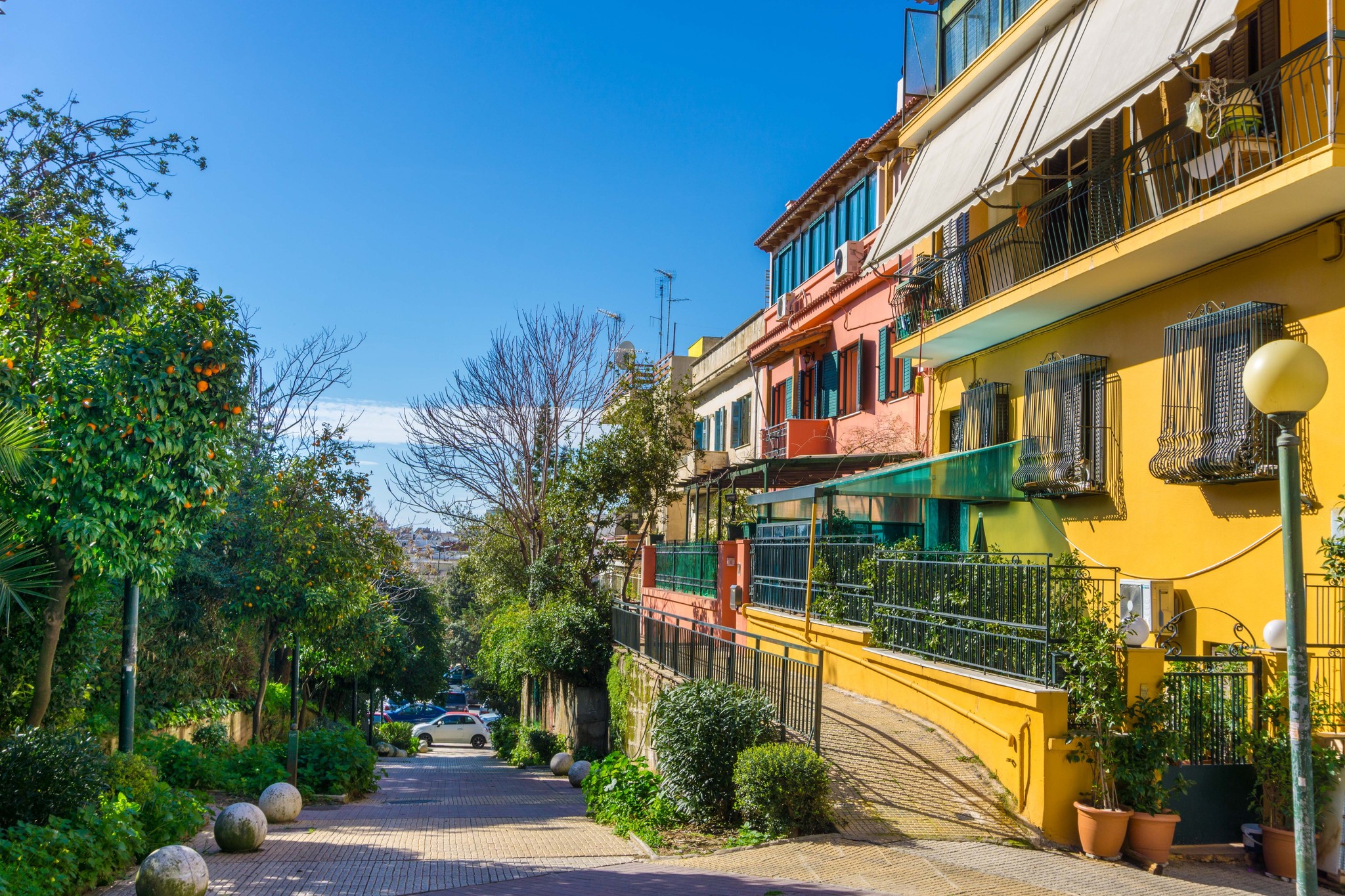
Mets is within walking distance of the historic centre, the National Garden, and the Panathenaic Stadium. Bus and trolleybus routes connect it to other parts of Athens
How Brooke obtained her residence permit
The whole process of obtaining the residence permit took about 5 months, with Immigrant Invest assisting Brooke at every step. The total expenses amounted to around €4,800, including document preparation, government fees, health insurance, the first month's rent, and a security deposit.
Most of the work was completed while Brooke was still in the US. Here is how the process unfolded.
December 15th, 2025
Preliminary Due Diligence
Immigrant Invest's compliance team checked Brooke against legal and business databases. The check took a day, and she signed the service agreement.
Immigrant Invest's compliance team checked Brooke against legal and business databases. The check took a day, and she signed the service agreement.
+ 4 weeks, €1,750
Document preparation and obtaining a tax number
Immigrant Invest's lawyers prepared the government forms and a personalised document list: the trust documents, an FBI background check with an apostille, a medical certificate on the official Greek form, and certified Greek translations.
The team also obtained Brooke's Greek tax number remotely, as she would need it to rent a flat.
Document processing cost €1,000, the medical certificate €50, and annual health insurance €700.
+ 2 weeks, €180
Obtaining a national D visa
A D visa cannot be applied for from inside Greece, only at a Greek consulate in a country where the applicant is a citizen or legal resident. Brooke submitted her file at a Greek consulate in the US, which accepted a short-term booking of an Airbnb as proof of accommodation.
After a short interview about her income and plans, Brooke paid the €180 consular fee.
+ 2 weeks, €1,700
Leasing an apartment
Brooke signed the lease for a flat in Mets, paying €1,700 for the first month's rent and security deposit. The Immigrant Invest’s team reviewed the agreement and handled its registration with the Greek tax authorities.
Brooke signed the lease for a flat in Mets, paying €1,700 for the first month's rent and security deposit. The Immigrant Invest’s team reviewed the agreement and handled its registration with the Greek tax authorities.
+ 1 day, €1,166
Permit application and biometrics
Immigrant Invest's lawyers submitted the residence permit application digitally and paid the required government fee. Brooke later attended a separate appointment to provide her fingerprints, digital photograph, and signature. At this stage, she paid:
- €1,000 — an application fee;
- €150 — administrative fee;
- €16 — fee for issuing the residence card.
May 19th, 2026
Residence permit issuance
Brooke collected her residence permit card valid for 3 years.
Brooke collected her residence permit card valid for 3 years.
New chapter in Greece
With her residence permit for financially independent persons, Brooke could finally make Greece her home. She had visited the country many times, but this time was different. There was no return flight waiting for her, no need to fit everything into a few weeks. She could take her time and focus on the research she loved.
Her days settled into a comfortable rhythm: mornings at the library, afternoons writing at home and evenings walking through Athens. On weekends, she visited museums and ancient sites, enjoying the freedom to explore without rushing.
In September, her father came to visit. Together, they walked through the city that had become her new home, celebrating the dream he had helped her achieve.
Brooke hopes to complete her dissertation and defend it in 2028. She also has time to explore postdoctoral opportunities in Europe, with her residence permit for financially independent persons valid until 2029.
Greece can become your new chapter too, whether you're an investor, a digital nomad, or a financially independent person like Brooke. Contact Immigrant Invest to discover your options, find the residence permit that fits your goals, or make your move to Greece a reality with expert guidance every step of the way.