









Relocation to Portugal offers many advantages: a pleasant climate, beautiful beaches along the Atlantic, mountains nearby, a low crime rate, and a relatively low cost of living. The country is also known for its friendly locals and rich cultural heritage.
However, challenges like the language barrier and bureaucracy may arise.
In this article, you will learn all the good and bad things about living in Portugal.
11 advantages of living in Portugal
Relocating to Portugal is possible with a residence by investment programme with a minimal financial requirement of €250,000. The D7 and D8 visas, as well as the Global Talent Programme, are also available to financially independent persons, digital nomads, and professionals, respectively.
Below are the main benefits that expats from all over the world find worth moving to Portugal for.
1. Warm climate
Portugal enjoys a Mediterranean climate with long summers, mild winters, and over 300 days of sunshine yearly. Portugal has a fairly pleasant climate, which varies by region:
- south is more arid;
- northwest is rainy;
- northeast has long and warm summers.
The warmest month is August. In Lisbon, the average daytime temperature is +27.8°C. The sea is warmest in August and September, with temperatures ranging between +13℃…19℃ throughout the year.
Winters are mild, with January temperatures averaging +14.7°C in Lisbon. Snow is rare and melts quickly when it does occur, more commonly in mountainous areas.
Portugal is often sunny, especially in July, August, and September.
2. Abundant entertainment and recreation
One of the reasons to move to Portugal is its variety of activities to suit everyone. Surfing, fishing, and diving are definitely main parts of a Portugal lifestyle. You can swim in the Atlantic Ocean, explore the Serra da Estrela mountain range, or visit castles and fortresses.
According to the European edition of the World Travel Awards 2025[1]Source: The full list of European winners is available for the World Travel Awards 2025 website, Portugal was named Europe's Leading Destination. In addition:
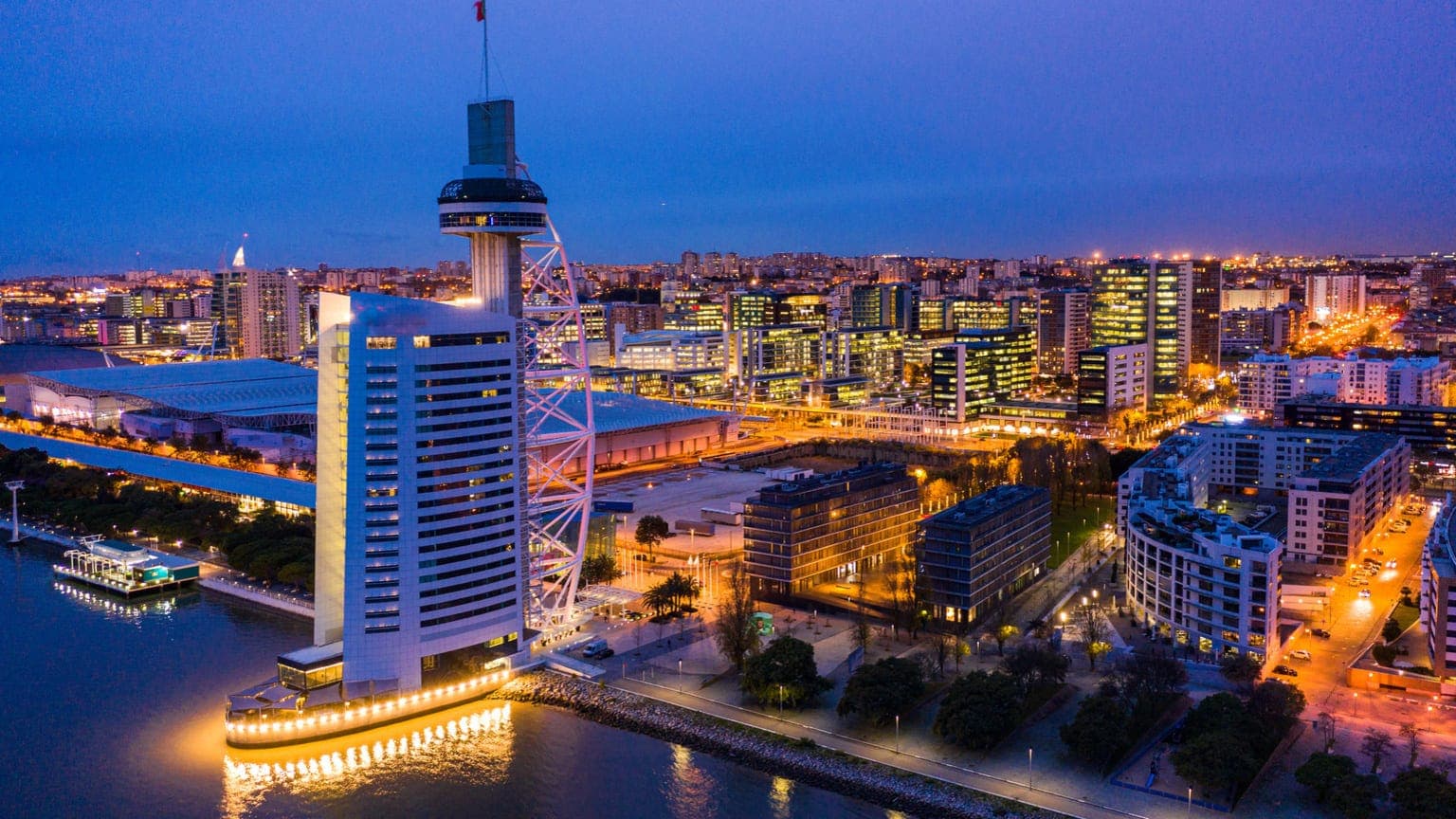
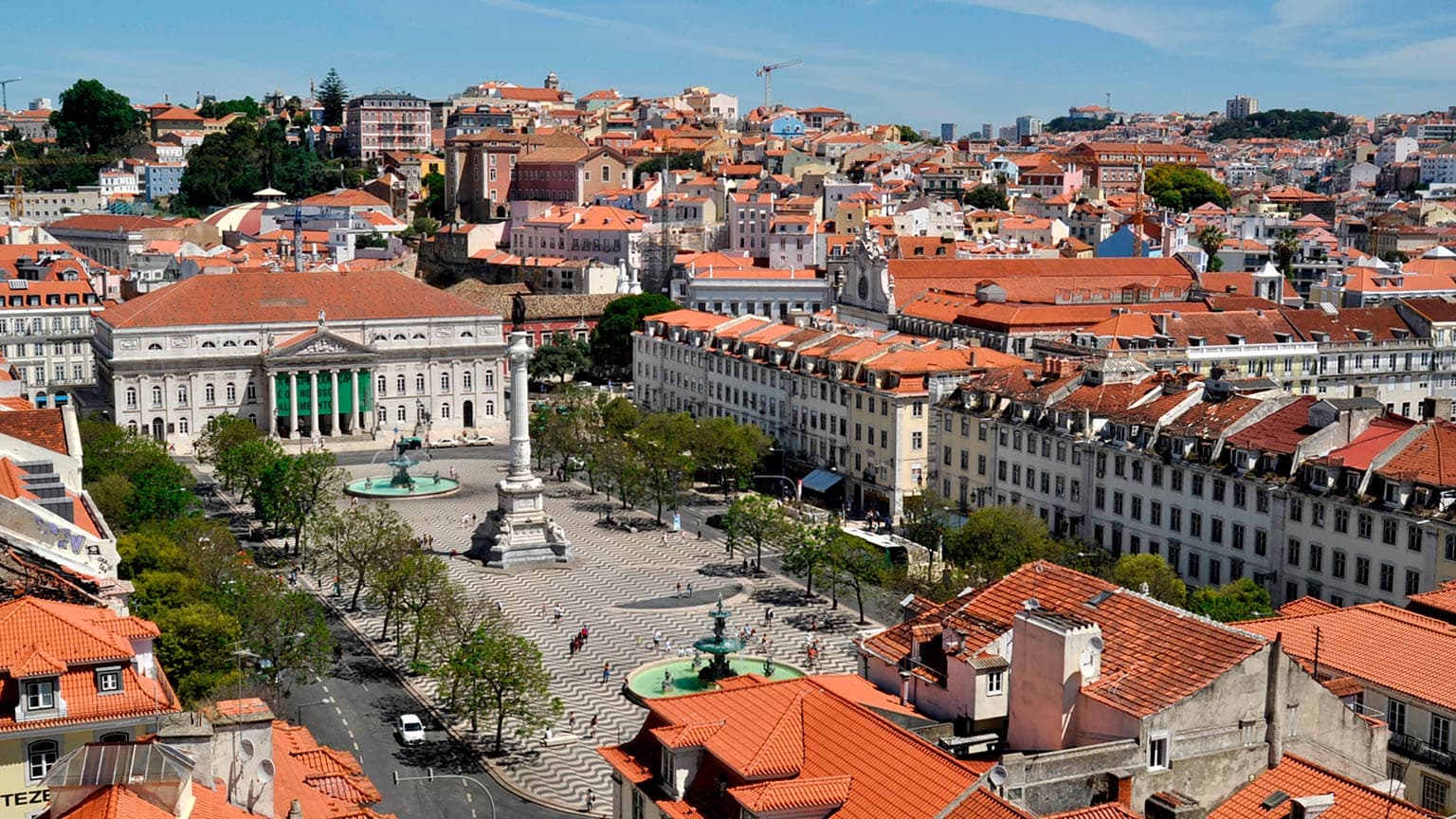
- Lisbon became Europe’s Leading City Break Destination;
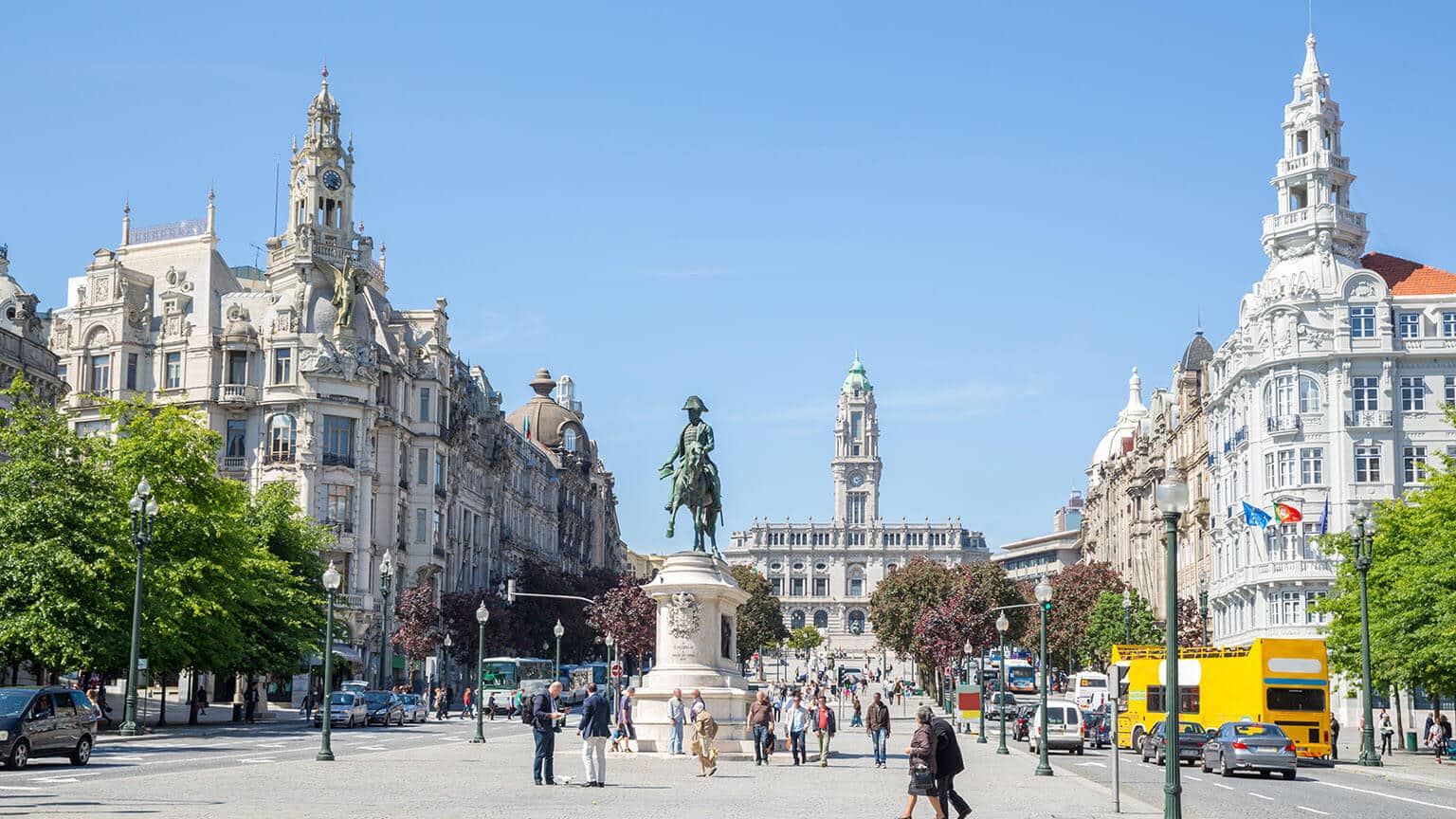
- Porto — Europe’s Leading City Destination;
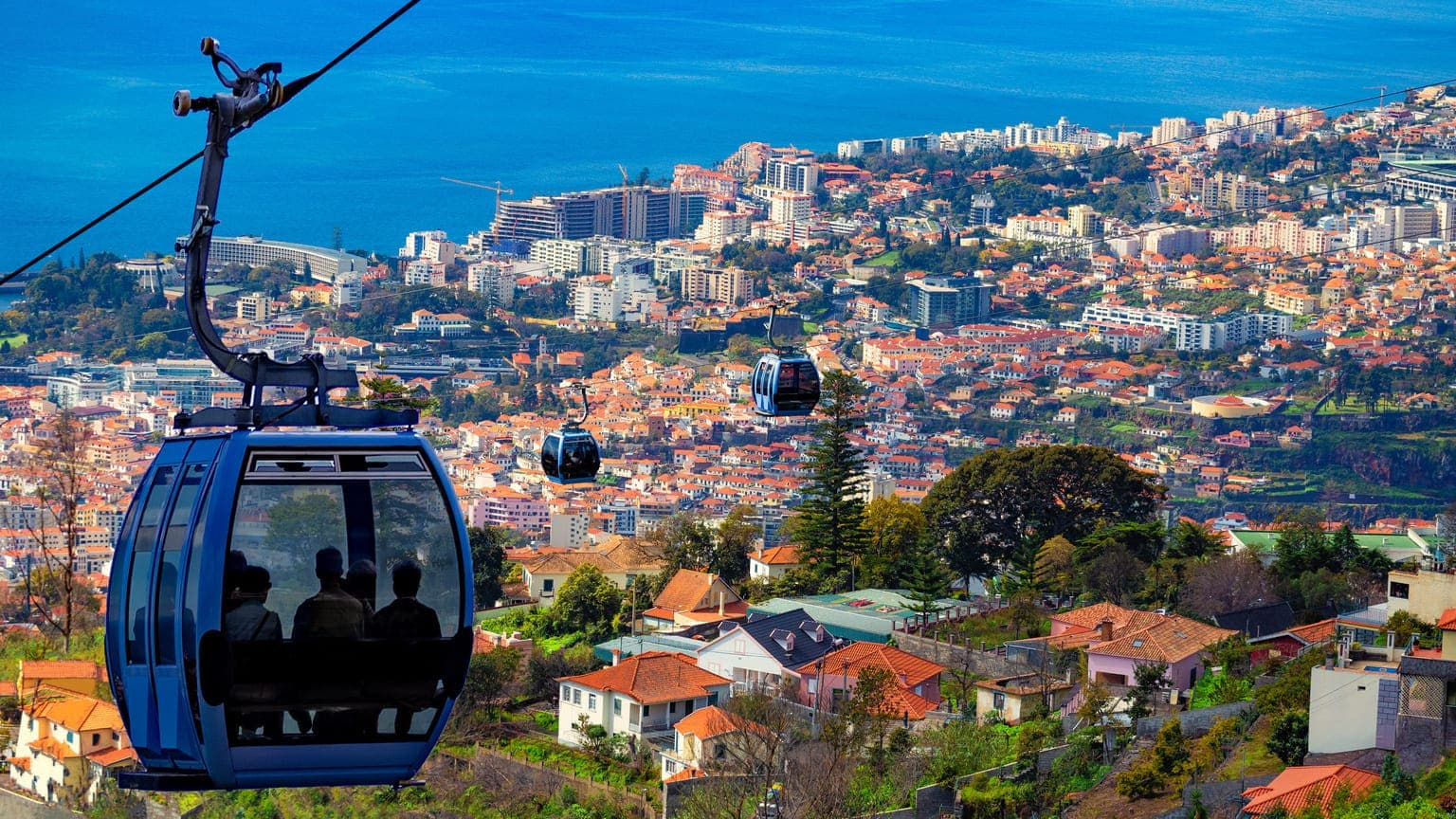
- Madeira — Europe’s Leading Island Destination;
- Arouca UNESCO Global Geopark was named Europe’s Leading Adventure Tourist Attraction;
- Dark Sky Alqueva — Europe’s Leading Tourist Attraction;
- Aquashow Water Park — Europe’s Leading Water Park.
3. Safety
Portugal ranks 7th on the 2025 Global Peace Index[2]Source: The Global Peace Index measures the peacefulness of 163 countries made up of 23 quantitative and qualitative indicators as one of the safest countries in the world, with a low crime rate. The Portuguese people are friendly and welcoming, treating guests with warmth, kindness, and openness.
4. Relatively low cost of living
The basic cost of living in Portugal is about 30% lower than in the US[3]Source: The cost of living comparison is presented according to the Numbeo data. A monthly budget of $1,300—1,800 is sufficient for a comfortable lifestyle in smaller towns, while $2,000—2,500 is ideal for larger cities[4]Source: The cost of living estimates and prices are presented according to the Numbeo data.
Prices in Portugal are generally lower than in other European states, such as Austria, Switzerland, the UK, and neighbouring Spain. Compared with average prices in the European Union, living in Portugal is relatively inexpensive.
The average prices in Portugal are the following[4]Source: The cost of living estimates and prices are presented according to the Numbeo data:
- €45 — a 3-course dinner for two in an ordinary restaurant;
- €1.83 — a cappuccino;
- €1.40 — a loaf of bread;
- €2.95 — a dozen eggs;
- €10.30 — local cheese, 1 kg;
- €0.95 — milk, 1 litre;
- €2 — apples, 1 kg;
- €1.80 — gasoline, 1 litre;
- €119 — utility bills for an 85 m² apartment;
- €36.50 — unlimited Internet, per month;
- €38 — fitness club membership for 1 month.

5. Attractive tax framework
Portugal offers a competitive and flexible tax system. For example, non-residents benefit from a flat 25% income tax on Portuguese-source employment and self-employment income, while tax residents are subject to progressive rates that can reach up to 48%.
Besides, the IFICI regime provides a 20% flat tax rate on eligible employment and self-employment income for up to 10 years for qualified professionals in high-value activities.
6. High quality of education
Portugal offers a strong education system with various public, private, and international schools.
Degrees from Portuguese universities are recognised in the European Union and the US, which helps graduates find work and build a career almost anywhere.
University courses are taught in Portuguese and English. However, English-taught programmes are not available at every institution and are generally more expensive. Besides, tuition fees for international students can be higher: for example, a bachelor's degree in Physics at the University of Porto costs €4,000 per year for international students and €697 for Portuguese and EU nationals[5]Source: Annual tuition fees for a bachelor’s degree in Physics for 2025/2026 are presented on the University of Porto official website.
7. High quality of medicine
Portugal spends 10.2% of GDP on healthcare[6]Source: Health spending data is presented according to OECD’s Health at a Glance 2025. In 2024, Portugal had 63,965 doctors registered with the Portuguese Medical Association, equivalent to 6.0 doctors per 1,000 inhabitants. The country had 35,400 hospital beds available for immediate hospitalisation, corresponding to 3.3 beds per 1,000 inhabitants[7]Source: Data on the number of doctors and hospital beds is published by Statistics Portugal.
Medical care is available free of charge at public hospitals to both citizens and residents of the country.
Private clinics offer faster appointments and a higher level of service, including options for telephone consultations with doctors. Private health insurance policies cover either part or all of the cost of treatment.
8. Laid-back pace of life and widespread English
Portugal is ideal for those who prefer a relaxed lifestyle. The Portuguese tend not to rush, and cities are quieter compared to metropolitan areas in the US or UK, making it a bit different for Americans or Brits living there.
English is widely spoken, so fluency in Portuguese isn’t necessary for expats. This is a significant point for many when considering whether to relocate to Portugal or another European country.
The recent EF Global Ranking ranked Portugal 6th out of 123 countries for its high proficiency in English[8]Source: The latest global ranking for 2025 is available on the English Proficiency Index’s website. The regions with the highest scores are Coimbra, Braga, Aveiro, Viseu, and Madeira[9]Source: Data on English proficiency by regions, cities, age, job function and other parameters is available on Portugal's country page on EP Index’s website.
9. Gorgeous beaches
The country is famous for its diverse coastline, with Algarve standing out as one of Europe’s top beach destinations. It is renowned for its stunning landscapes with golden sands and impressive sandstone cliffs.
Portugal has 396 Blue Flag designations for beaches, marinas, and boats — sites recognised for their safety and water quality[10]Source: The number of awarded sites for 2026 is published on the Blue Flag official website.
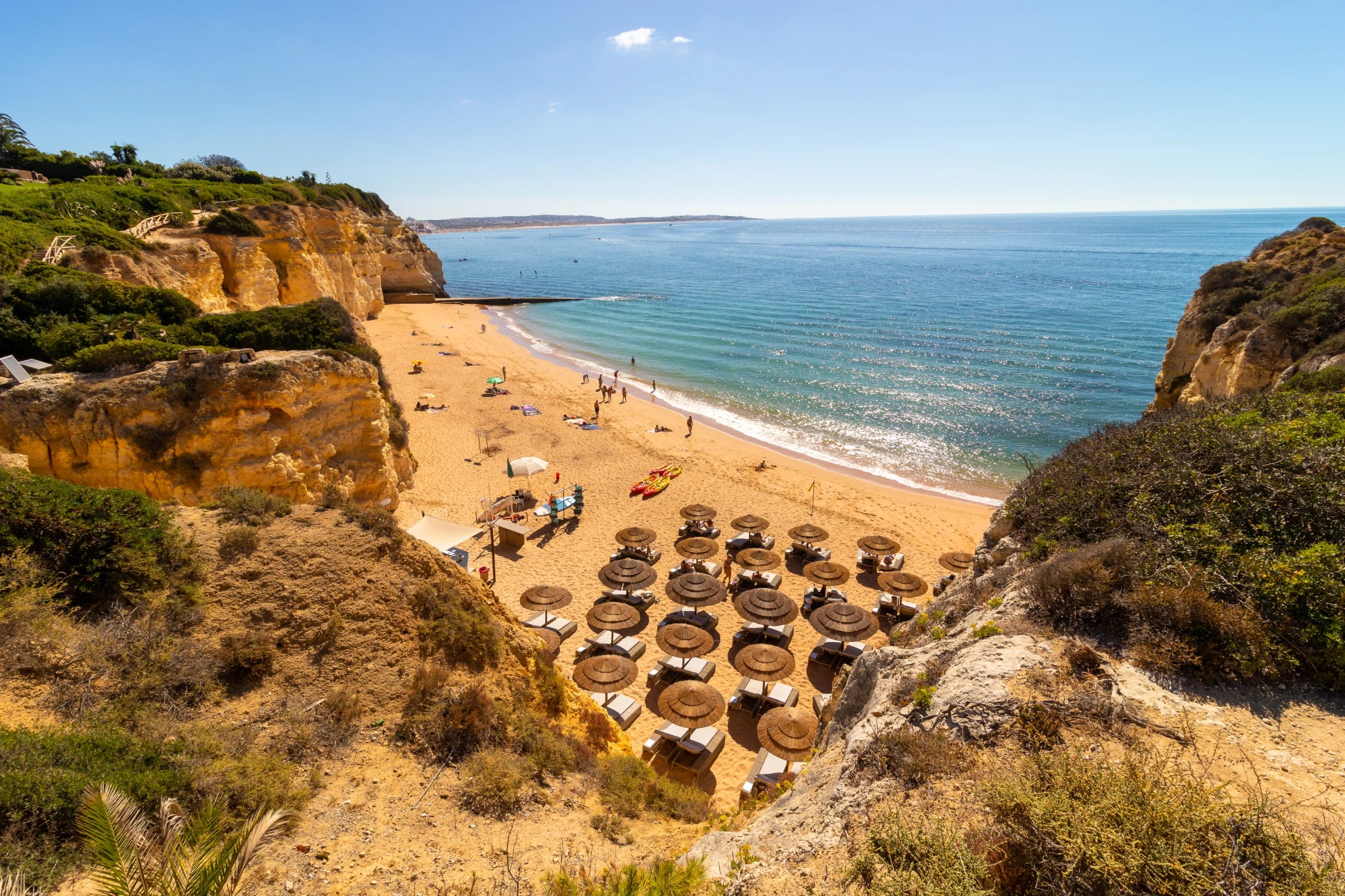
Praia Armacao de Pera is a long, sandy beach lined with family-friendly resorts. There, you can enjoy watersports and an inflatable water park
10. Affordable public transportation
Portugal’s public transport system includes trains, buses, trams, and metro services, making it easy to navigate both urban and rural areas.
Single bus tickets in Portugal usually cost around €1.40 to €2.30 for standard urban journeys, depending on the city and ticket type. In zonal metropolitan networks, such as Porto’s Andante system, occasional bus-valid tickets can cost up to €4.65 for longer multi-zone trips[11]Source: Tariffs for 2026 are indicated as per Andante website.
The rail network connects major cities like Lisbon, Porto, Faro, and Coimbra, as well as smaller towns and regional areas. In October 2024, Portugal launched a €20 monthly pass that allows unlimited travel on most national train services, except for urban trains in Lisbon and Porto and premium high-speed routes.
Lisbon Metro has four lines serving Lisbon and nearby municipalities, including Amadora, Odivelas, and Loures. A Metro single ticket costs €1.90, a Metro zapping journey costs €1.72, and direct contactless bank-card payment at the Metro gates costs €1.92[12]Source: Metro tariffs are presented as of 2026, according to Metropolitano de Lisboa’s official website.
Also, the historic tram network serves as both a practical transportation option and a tourist attraction, with the most popular route offering a scenic ride through Lisbon’s historic neighborhoods.
11. Welcoming communities
The Portuguese are known for their friendliness and hospitality. Whether in urban or rural areas, locals are often willing to help newcomers, engage in conversation, and share their culture and traditions.
Festivals, local markets, and communal gatherings are common, creating a sense of belonging and inclusion.
Expats can find numerous support groups and communities across Portugal, especially in popular areas like Lisbon, Porto, and the Algarve. These groups offer support, social activities, and networking opportunities, helping newcomers settle in and make friends.
For example, the Digital Nomad Village in Madeira is a pioneering initiative designed to attract remote workers from around the globe to the island’s picturesque landscapes. The village offers coworking facilities equipped with high-speed internet and organises various events, including workshops, fitness sessions, and cultural activities.

Trusted by 10,000+ investors
Check your eligibility for the Portugal Digital Nomad Visa
Disadvantages of living in Portugal as an expat
Some disadvantages of life in Portugal are intertwined with its benefits, such as the climate or the pace of life.
1. The need to learn Portuguese. While English is widely spoken in shops, museums, and on the streets, government agencies generally operate in Portuguese. Learning Portuguese to at least a basic conversational level is necessary, especially for those seeking permanent residence or citizenship, as language proficiency at the A2 level is a requirement[13]Source: Requirements for citizenship applicants are regulated by Lei Orgânica n.º 1/2026.
Portuguese is relatively easier to learn for English speakers and those familiar with Romance languages like Spanish, French, or Italian. Additionally, since Portuguese is taught in schools for nine years, many locals, especially younger generations, have a good command of English.
2. Difficulties with paying by card. In Portugal, bank cards are issued in the Multibanco system, meaning Visa or MasterCard are not accepted everywhere. It’s important to check if international cards are accepted and always carry cash as a backup.
3. Hot summers and rainy winters. The Portuguese climate remains fairly consistent throughout the year, with rainy winters and little snowfall. In summer, temperatures can sometimes soar to +40°C, making it uncomfortably hot at times.
4. No central heating. During the winter, apartments can get cold as most do not have central heating. Portable heaters are necessary to stay warm.
5. The pace of life. For some expats, the quiet life can be a downside of retiring to Portugal. Locals tend to be in no hurry and can be unpunctual. Restaurants and shops often close for several hours in the middle of the day and are closed on Sundays.
6. Cold ocean . The Atlantic Ocean remains cold year-round, which may not be ideal for swimming. In general, water temperatures range from about +15°C in winter to +20°C…22°C in summer.
7. High unemployment rates. Job opportunities in Portugal can be limited, with relatively low salaries. While the unemployment rate has improved since the financial crisis of the late 2000s, it remains high compared to other European countries. The overall unemployment rate stands at 5.8%[14]Source: The unemployment rate is stated as of March 2026 by Trading Economics.
8. Petty crime. Tourist areas can experience petty theft and pickpocketing. This is most common in crowded areas such as public transport, tourist spots, markets, and festivals.

How to move to Portugal and how fast you can do it via the D7 visa
Best places to live in Portugal as an expat
When thinking of how to live in Portugal enjoying all its benefits, it’s essential to first define your goals and preferences. Portugal has countless charming cities to settle in, each catering to different lifestyles. Here are some ideas for places in Portugal, sorted by purpose.
For retirement: Cascais, Algarve, Braga, Óbidos, Tomar
Portugal often takes the top spot among the best destinations for retirement. In nearly every city, you will find high-quality medical care, stunning landscapes, and a pleasant climate.
Braga combines history, culture, and modern amenities, offering the benefits of a big city at a more affordable price than Lisbon or Porto.
Cascais is one of the most expensive places to live, but this picturesque town offers plenty of opportunities for outdoor activities, including golf and boating. Also, it’s just a 30-minute drive from Lisbon.
Obidos and Tomar are best for those who want to slow down. These towns have fewer English-speaking expats and a lower cost of living.

For intentional work: Lisbon, Porto, Faro, Portimão
These cities are the cities with the highest number of expats in Portugal, offering the most job, business, and networking opportunities.
Lisbon is home to numerous sectors, including finance, technology, tourism, and startups. Porto is known for textiles, wine production, and the creative arts. Faro and Portimão are both prominent in the tourism sector.
For raising children: the Algarve, Aveiro, Lisbon, Porto
These regions and cities provide a range of international schools and a family-friendly environment.
The Algarve region has 13 international schools, most teaching the British curriculum. Lisbon ranks second among the healthiest cities to raise a family due to its high safety, quality of education, and variety of activities.
Porto is recognised as one of the best cities for families living in Europe, with plenty of family activities and ‘good for kids’ attractions.
Aveiro offers a quieter life but can boast excellent ratings for local schools. Also, the University of Aveiro is among the country's top higher education institutions[15]Source: In the QS World University Rankings 2026, the University of Aveiro is listed 5th among Portuguese universities.
For saving money: Vila Real, Castelo Branco, Portalegre
These are the most affordable cities to live in Portugal. These towns offer low rent prices, good infrastructure, and convenient transport links to larger cities.
In such smaller inland Portuguese cities, rent for a one-bedroom apartment in the city centre may vary widely. The average monthly rent for a one-bedroom city-centre apartment is €420 in Castelo Branco[16]Source: The average rent in Castelo Branco is presented according to Numbeo’s data and €700 in Vila Real[17]Source: The average rent in Vila Real is presented according to Numbeo’s data and Portalegre[18]Source: The average rent in Portalegre is presented according to Idealista’s listings.
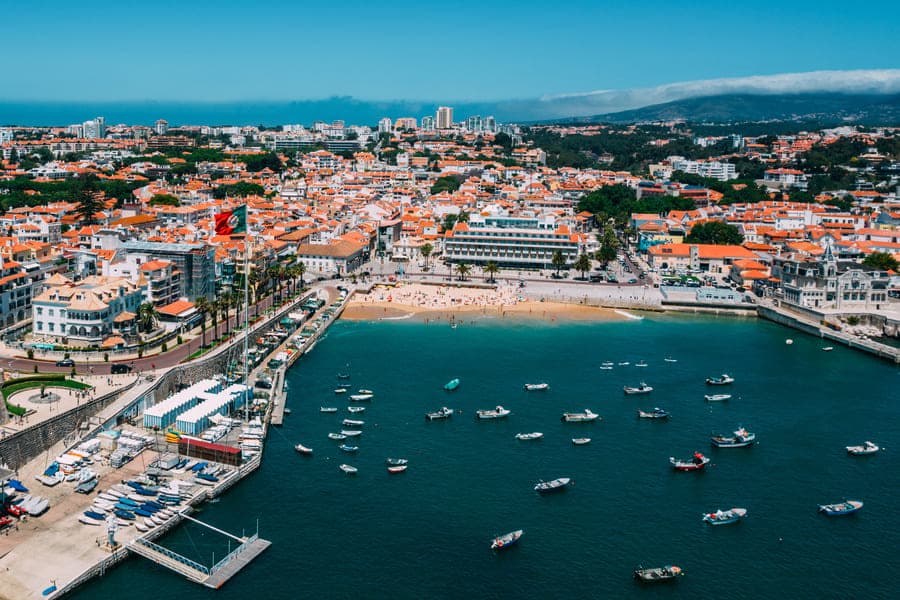
Cascais is a town near Lisbon filled with natural beauty, cultural attractions, and leisure activities
Deciding to move to Portugal: how to make a decision
Here are some steps to help you draw preliminary conclusions about life in Portugal:
- Learn about Portugal’s lifestyle, culture, language, and traditions.
- Evaluate the climate and geography.
- Research the cost of living in Portugal, including housing, food, transportation, and healthcare.
- Compare taxes and potential sources of income.
- Check if there are opportunities in Portugal for your professional activity.
- Understand the healthcare system and quality of medical care.
- Explore educational institutions and opportunities for your children, if applicable.
- Learn about visa requirements and residency procedures.
- Assess your willingness to learn the Portuguese language.
- Study the safety level in the country.
- Find out if there are expatriate communities and other resources for adaptation in Portugal.
Don’t know where to start?
Download our one-page pathways navigator to compare the options and pick the best one
How to start relocating to Portugal
To move to Portugal, you need to obtain a residence permit. Typically, it is issued to those who plan to work or study there, marry a Portuguese citizen, or contribute significantly to the country.
Portugal also issues residence permits by investment. The process takes at least 12 months.
In July 2023, the Portuguese Parliament approved a bill restructuring the Portugal Golden Visa Programme. Investors are no longer able to obtain residence permits by purchasing real estate.
Applicants now have four investment options. They can invest at least €250,000 in supporting Portugal’s cultural heritage or €500,000 or more in local businesses, research activities, or investment fund shares.

Pedro Barata,
Head of Portuguese office
The fund investment option is the most popular choice among foreign investors. A commitment period required is of no less than 5 years. Typically, the funds are returned after 6 to 10 years. The profits generated by the fund are shared among investors, with a portion taken as a commission upon withdrawal.
There are some more ways of how to move to Portugal and obtain residence permit:
- Portugal D7 Visa requires a monthly passive income of €920;
- Portugal Global Talent D3 Visa requires active participation with a partner university;
- Digital Nomad Visa requires earning at least €3,680 a month.
Foreign citizens with a Portuguese residence permit can live, study, and work in Portugal. They can also travel without a visa to the Schengen states for up to 90 within a 180-day period.
After 5 years of holding a residence permit, individuals can apply for permanent residence. Under Lei Organica No. 1/2026, citizenship by naturalisation requires 7 years of legal residence for EU nationals and citizens of Portuguese-speaking countries, and 10 years for other nationalities[13]Source: Requirements for citizenship applicants are regulated by Lei Orgânica n.º 1/2026.
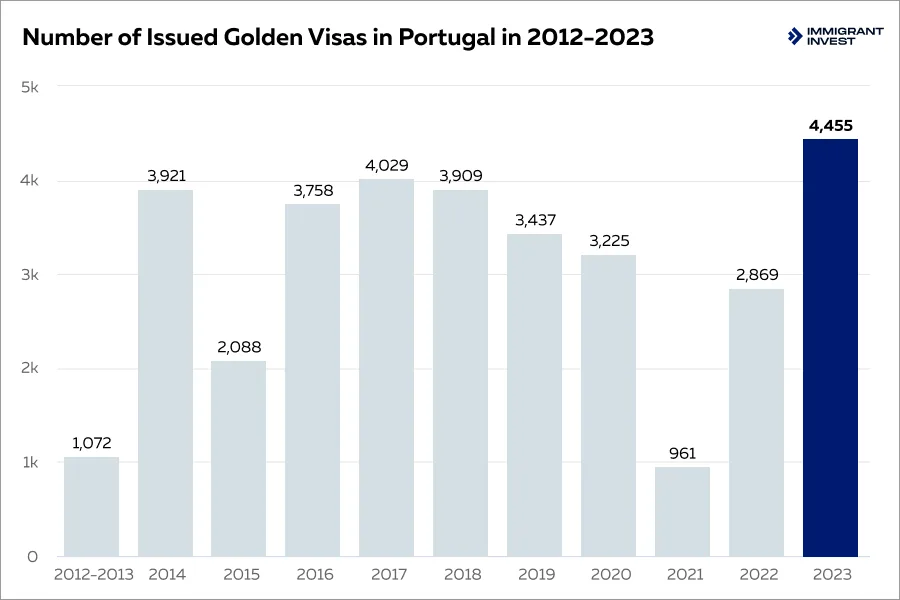
Statistics on issued Portugal Golden Visas
Since its inception in 2012, the Portugal Golden Visa Program has granted over 33,000 residence permits. Chinese nationals make up approximately 38.4% of investors, followed by notable contributions from Brazil (9.88%), the US (6.14%), Turkey (4.82%), and South Africa (4.51%).
As of 2024, investments through Portugal's Golden Visa program are projected to exceed €7.3 billion, surpassing previous years' figures.
Investment in fund shares has become one of the most popular routes, accounting for nearly 30% of all Golden Visa permits issued by 2023, reflecting a significant rise in investor interest.
Additionally, the cultural investment option saw remarkable growth in 2024, attracting nearly €12 million — €7.5 million more than the €4.5 million raised in 2023.
How to become a Portuguese citizen: 2026 Nationality Law update
On May 3rd, 2026, the President António José Seguro promulgated Decreto AR 48/XVII, which amends Portuguese Nationality Law[19]Source: The news on signing the law was published on the official website for information of the presidency of the Portuguese Republic. Under the amended framework, the residency requirement for citizenship by naturalisation rises from 5 years:
- to 7 years of legal residence for EU nationals and citizens of Portuguese-speaking countries;
- to 10 years — for most foreign nationals, including holders of the Golden Visa, D7, D8, and Global Talent residence permits.
The countdown for citizenship starts from the date when the first residence permit is issued.
Applicants must also meet the existing language, clean-criminal-record, integration, and tax-compliance requirements[13]Source: Requirements for citizenship applicants are regulated by Lei Orgânica n.º 1/2026.
The amendments entered into force upon publication in the Diário da República on May 18th, 2026. For citizenship applications submitted to the IRN before or on May 18th, 2026, the IRN clarified that the prior 5-year regime continues to apply. For investors at the residency stage who have not yet filed a citizenship application, the new regime applies.
Moving to Portugal: key points
- The Portugal Golden Visa is an investment programme designed for wealthy foreigners and their family members. Within 12 months, you can obtain a residence permit in an EU country, freely live in Portugal, and travel throughout the Schengen Area without visas. Other popular visa options for relocation are a Digital Nomad, a D7, and a Startup Visa.
- Portugal is a safe country, with over 1 million expats in the total population.
- However, there are some challenges. Summers can be extremely hot, especially in July and August, and non-Portuguese speakers may find it difficult to apply for jobs or visit government departments.
- Portugal has seven main regions: Porto, Center, Lisbon and Tagus Valley, Alentejo, the Algarve, the Azores, and Madeira. The region you choose to live in will depend on your budget and lifestyle. For example, the Algarve is known for its stunning coastline and idyllic countryside. This region is the most popular choice for British expats.
- Relocating to Portugal with kids is considered an excellent choice. The country offers many international schools that are welcoming to expats. Additionally, degrees from Portuguese universities are recognized across the EU, which helps graduates find employment in other European countries.
Immigrant Invest is a licensed agent for citizenship and residence by investment programs in the EU, the Caribbean, Asia, and the Middle East. Take advantage of our global 15-year expertise — schedule a meeting with our investment programs experts.


 Trusted by 10,000+ investors