








In fiscal year 2025, 57% of US B-visa applications from Nigerian nationals were refused. For frequent travellers, investors, and internationally minded families, this is more than an inconvenience — it is a real limit on mobility and long-term planning.
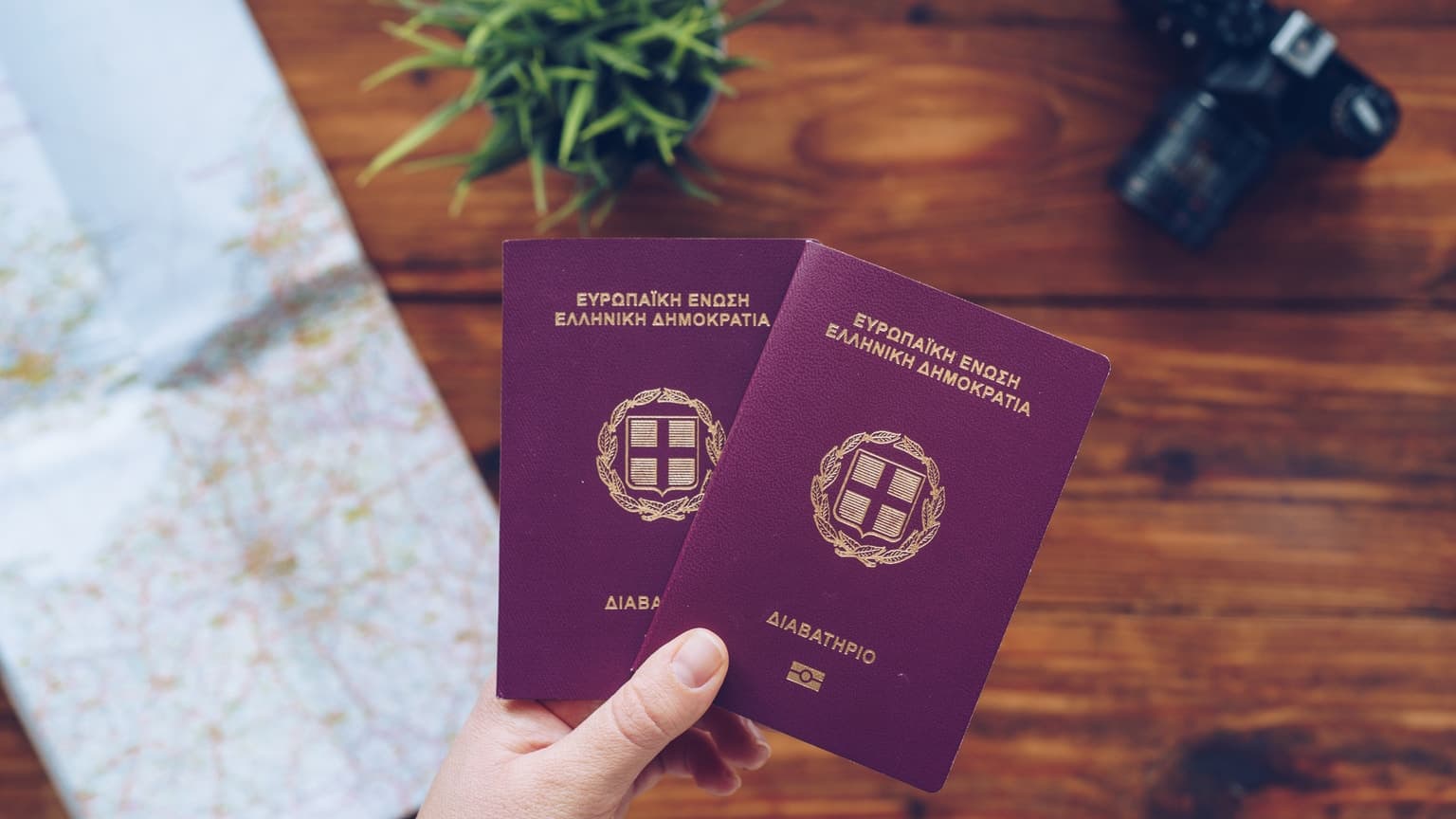
A second passport can remove many of these barriers. Nigerian citizens by birth may legally hold two, three, or more citizenships at the same time.
This guide explains who can have dual citizenship in Nigeria, which routes to second citizenship are available, how the process works, and what pitfalls to avoid.
What is dual citizenship for Nigerians?
Dual citizenship means a person is legally recognised as a citizen of two countries at the same time, with rights and obligations in both. For Nigerians, this means a citizen can hold a Nigerian passport alongside another country’s passport, live in either country, and receive consular protection from both while travelling.
The rules are set out in Chapter III of the 1999 Constitution of the Federal Republic of Nigeria, which defines who can hold more than one nationality and in what cases citizenship may be lost. The legal basis for dual citizenship is set out in Sections 25 to 30[1]Source: Constitution of the Federal Republic of Nigeria 1999.
Who can keep Nigerian citizenship after obtaining a second passport
Nigerian citizens by birth may acquire another nationality without losing their Nigerian citizenship. This allows them to hold two or more passports at the same time.
The right to keep Nigerian citizenship along with another nationality applies to people:
- born in Nigeria before independence whose parents or grandparents belonged to an indigenous community of Nigeria;
- born in Nigeria after independence with at least one Nigerian parent or grandparent;
- born abroad to a Nigerian parent.
In practice, this means a Nigerian citizen by birth can keep their Nigerian citizenship if they obtain another passport through marriage, naturalisation, or investment.
Who must renounce Nigerian citizenship
People who are not Nigerian citizens by birth are subject to stricter rules. They may lose Nigerian citizenship if they acquire or retain another nationality.
Those who become Nigerian citizens by registration or naturalisation while already holding another nationality must renounce it within 5 months, unless they are also citizens of that country by birth.
Any adult citizen may also renounce Nigerian citizenship voluntarily by making a formal declaration.
Trusted by 10,000+ investors
Thinking of getting second citizenship or residence as a Nigerian citizen? Discover your options
Benefits of dual and multiple citizenship for Nigerians
Visa barriers, economic volatility, and long-term family planning drive demand for second citizenship among Nigerians. The benefits of Nigerian dual citizenship depend on a person’s priorities. For business professionals, a second passport improves travel flexibility. For investors, it provides a structured plan B for assets and family security.
1. Easier travel and fewer visa restrictions
Nigerian nationals face high visa refusal rates. US B-visa refusals reached 46.51% in 2024 and increased to 57% in 2025[2]Source: US Department of State — B-Visa Refusal Rates by Nationality. In addition, the US introduced partial restrictions on B-1/B-2 visas for Nigerians in 2026[3]Source: US Embassy Nigeria — Mission Nigeria Update on Visa Issuance.
A second passport from Caribbean countries provides visa-free or visa-on-arrival access to around 130—140 destinations, including the Schengen Area, Singapore, Hong Kong, and South Korea. Some of these passports also allow travel to the UK with an Electronic Travel Authorisation.
2. Asset protection and financial flexibility
Currency depreciation and regulatory risks in Nigeria push many investors to diversify internationally. Second citizenship allows individuals to open bank accounts, acquire real estate, and structure assets in stable jurisdictions with strong legal systems. This reduces reliance on a single country and provides more control over wealth management.
3. Business expansion opportunities
A second passport can widen access to international markets and banking systems. Grenadian and Turkish citizenship, for example, may open a route to the US E-2 investor visa, as both countries are on the US list of treaty countries.
Caribbean citizenship can also support regional mobility within CARICOM, along with company formation and banking in common law jurisdictions, while Türkiye provides access to a large domestic market and a strategic position between Europe and Asia.
4. Security and family protection
Second citizenship guarantees the right to live in another country, regardless of political or economic developments in Nigeria. Families gain flexibility to relocate, access education systems abroad, and secure long-term stability. In times of crisis, this option becomes immediately available without the need to apply for visas or permits.
5. Tax benefits
Nigeria taxes residents on worldwide income, personal income, and capital gains. By contrast, Caribbean jurisdictions generally offer lighter tax regimes: they do not levy inheritance or capital gains tax, and some also reduce or eliminate tax on personal income.
St Kitts and Nevis and Antigua and Barbuda do not levy personal income tax at all. Grenada, Dominica, and Saint Lucia do not tax foreign income, but they do tax income earned within the country.
Vanuatu also stands out, as it does not levy personal or corporate income tax, capital gains tax, or inheritance tax, which makes it particularly attractive for wealth protection.

In March 2026, the first direct charter flight was launched from St Kitts and Nevis to Nigeria, carrying more than 100 passengers and cutting travel time by over 30 hours[4]Source: Leadership Newspaper — Firm Begins Direct Caribbean–Nigeria Flights, Reduces Travel Time By 30 Hours
What are the ways Nigerians can obtain citizenship abroad?
Nigerians can obtain citizenship in another country in four main ways: by descent, marriage, naturalisation, or investment. The best route depends on a person’s family ties, budget, and how quickly they want to get a second passport.
Citizenship by descent
Citizenship by descent is available to Nigerians who can prove family ties to another country, usually through a parent or grandparent. In most cases, applicants need to provide official documents such as birth and marriage certificates to confirm the family line.
Some countries, including Ireland and Italy, allow citizenship by descent under certain conditions. Residence in the country is usually not required before applying.
Citizenship by marriage
A Nigerian who marries a foreign citizen may become eligible for citizenship after a certain period of marriage and living together. The rules vary by country, but applicants are usually required to register the marriage, prove that the relationship is genuine, and sometimes meet language or residence requirements.
Citizenship by naturalisation
Naturalisation is the standard route for foreigners who live in another country for a long time and then apply for citizenship. This is usually the longest path, as most countries require several years of legal residence and a strong level of integration before a person becomes eligible. In many Western countries, the qualifying period is 5 to 10 years.
Citizenship by investment
Citizenship by investment allows Nigerians to obtain a passport by making a qualifying contribution to a country’s economy. It is the fastest and simplest route to a second citizenship, as it does not require years of residence, language tests, or civic exams.
The five Caribbean countries consistently rank among the best citizenship by investment, CBI, options in the world: St Kitts and Nevis, Dominica, Grenada, St Lucia, and Antigua and Barbuda. Vanuatu ranks 6th, and Türkiye 8th[5]Source: CBI Index — 2025 Report.
All of these countries allow dual citizenship for Nigerian citizens by birth, so they can obtain a second passport without giving up their Nigerian one.
Best citizenship by investment programmes for Nigerians: complete comparison
Programme | Minimum investment | Processing time | Family inclusion | Investment return |
|---|---|---|---|---|
$250,000 | 4+ months | Spouse, children under 25, parents over 55 | 7 years for real estate | |
$235,000 | 8+ months | Spouse, children under 30, parents and grandparents, siblings over 18 | 5 years for real estate | |
$240,000 | 6+ months | Spouse, children under 30, parents over 55, siblings under 18 | 5 years for real estate and bonds | |
$200,000 | 6+ months | Spouse, children under 30, parents and grandparents over 65 | 3—5 years for real estate | |
$230,000 | 6+ months | Spouse, children under 30, parents and grandparents over 55, siblings | 5 years for real estate | |
$130,000 | 2+ months | Spouse, children under 25, parents over 50 | 5 years for cocoa fund | |
Nauru | $90,000 | 3+ months | Spouse, children, parents, grandparents, siblings | Not applicable |
$400,000 | 8+ months | Spouse, children under 18 | 3 years for real estate, bonds, business, and funds |


St Kitts and Nevis citizenship by investment for Nigerians
Launched in 1984 as the world’s first citizenship by investment programme, St Kitts and Nevis ranks 1st globally[6]Source: St Kitts and Nevis CIU — CBI programme home. Passports can be obtained in as little as 4 months, with applicants only required to visit the country to collect them.
Investment options
1. Fund contribution — $250,000+. Investors transfer money to the Federal Consolidated Fund, supporting health, education, tourism, culture, and green energy. The contribution is non-refundable and yields no income.
2. Real estate — $325,000+. Investors may buy shares or condominiums worth at least $325,000, or a private home worth at least $600,000. The property can be sold after 7 years and may generate rental income of 2 to 5% per year.
Example of real estate in St Kitts and Nevis


St Kitts & Nevis, Basseterre
$350,000+
Apartments in modern style, Basseterre
 223 m²
 3
3  2
2 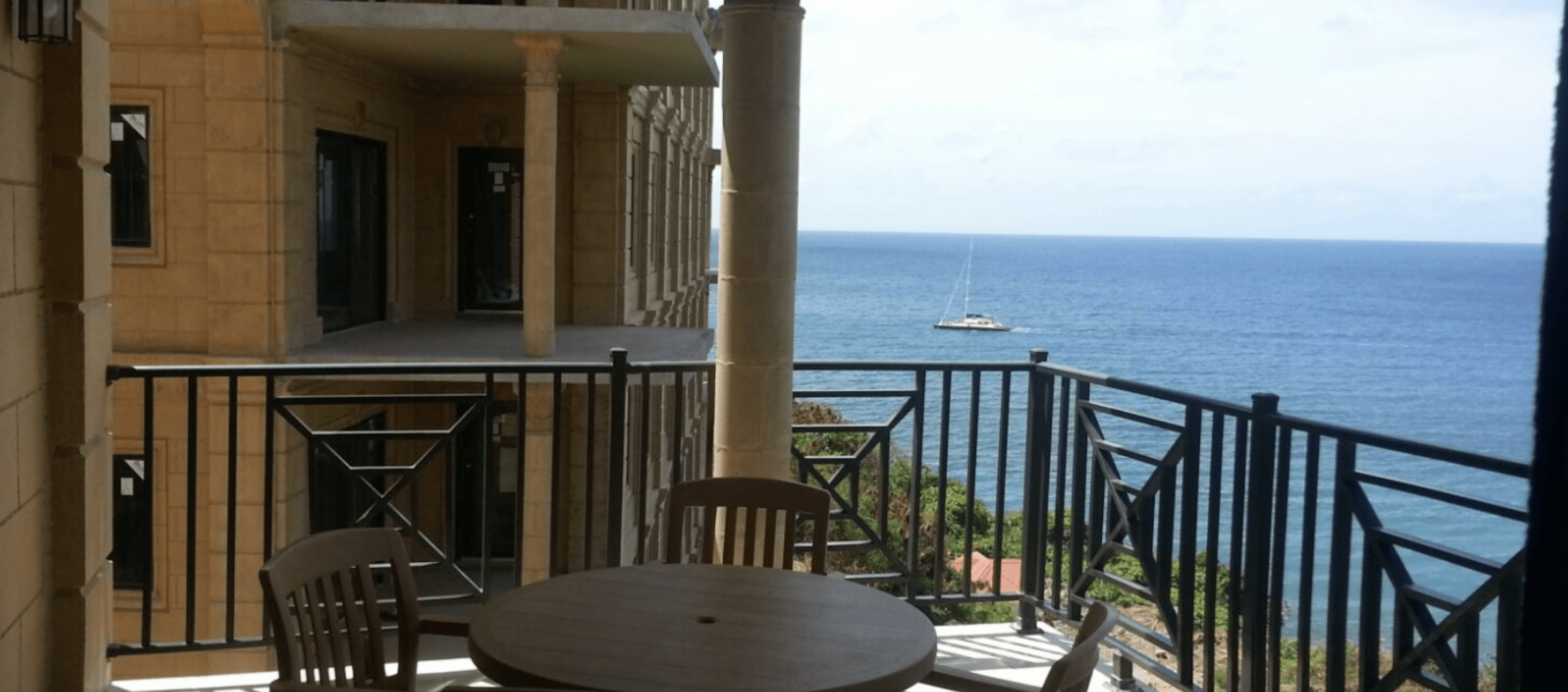
St Kitts & Nevis, Basseterre
$385,000+
Elegant apartments, Basseterre, St Kitts and Nevis
149 m²3 3 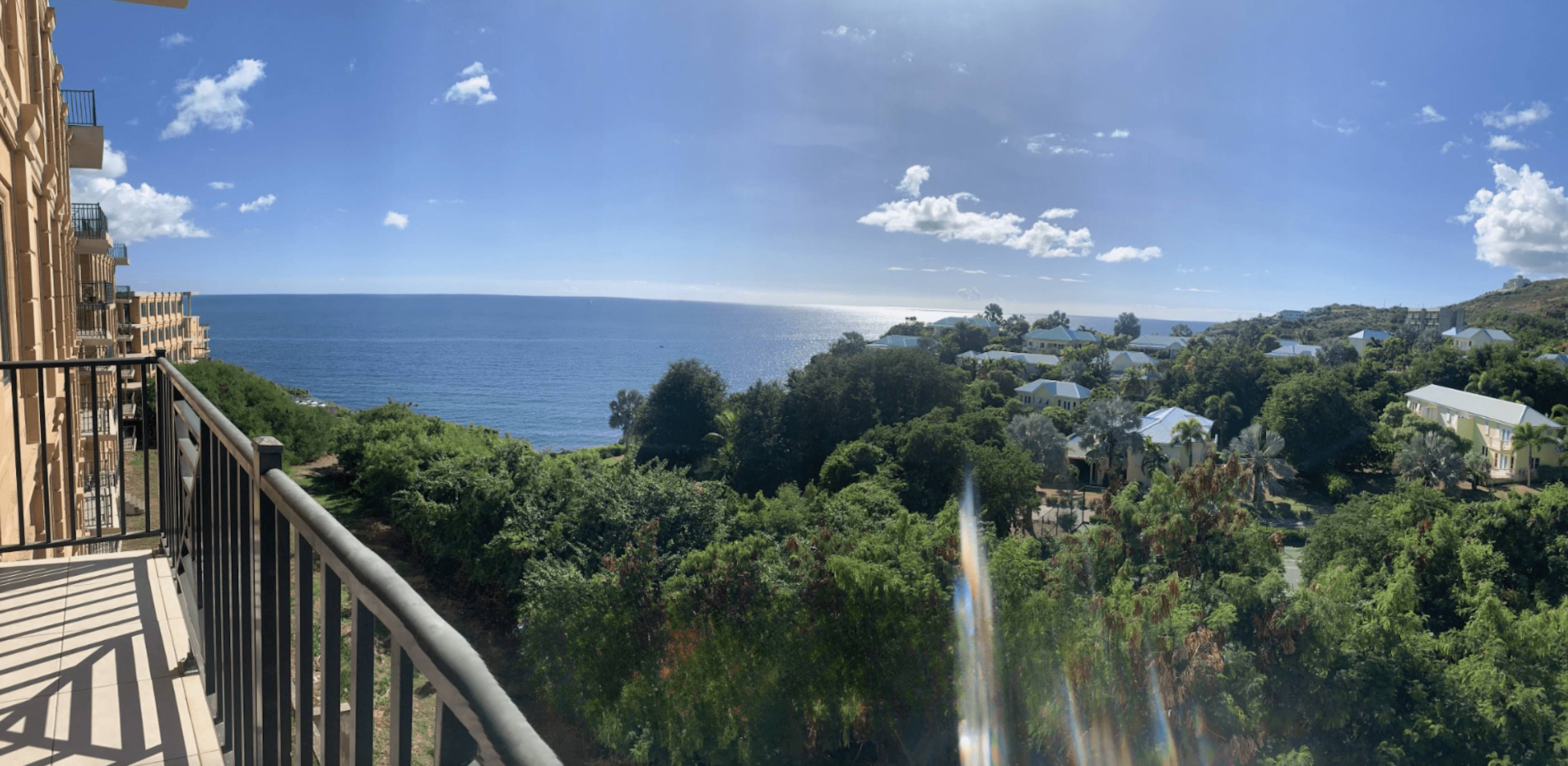
St Kitts & Nevis, Basseterre
$400,000+
Stylish apartments, Basseterre
149 m²3 3 3. Public Benefit Option: Prime Creative Arts Centre — $250,000+. Investors contribute to cultural and educational projects linked to the arts, creative industries, and community development.
4. Public Benefit Option: National Housing Corporation — $250,000+. Investors contribute to the official state body responsible for expanding housing stock in St Kitts and Nevis. The funds are paid directly to government accounts, which adds transparency and security.
Family inclusion
Family members included in a St Kitts and Nevis CBI application must meet the following criteria:
- spouse — opposite sex, with no criminal record;
- children under 18;
- children 18 to 25 — enrolled in full-time education and financially dependent on the main applicant;
- parents over 55 — fully financially dependent on the main applicant.
Trusted by 10,000+ investors
Check your eligibility for St Kitts and Nevis citizenship
Dominica citizenship by investment for Nigerians
The Dominica CBI programme is considered the second-best citizenship by investment option in the world, launched in 1993[7]Source: Commonwealth of Dominica — Citizenship by Investment Unit. Passports can be obtained in as little as 6 months through a fully remote application process.
Citizens of Dominica can travel visa-free or with visa on arrival to more than 130 destinations, including the Schengen Area, China, Singapore, and Hong Kong.
Investment options
1. Non-refundable contribution — $200,000+. Applicants make a one-time contribution to the Economic Diversification Fund. The amount is not returned.
2. Real estate purchase — $200,000+. This relates to shares of government-approved property.
The investment property can be sold after 3 years, which makes Dominica’s programme the most flexible in the Caribbean in terms of minimum holding period. If the property is sold to another citizenship by investment applicant, it must be held for at least 5 years.
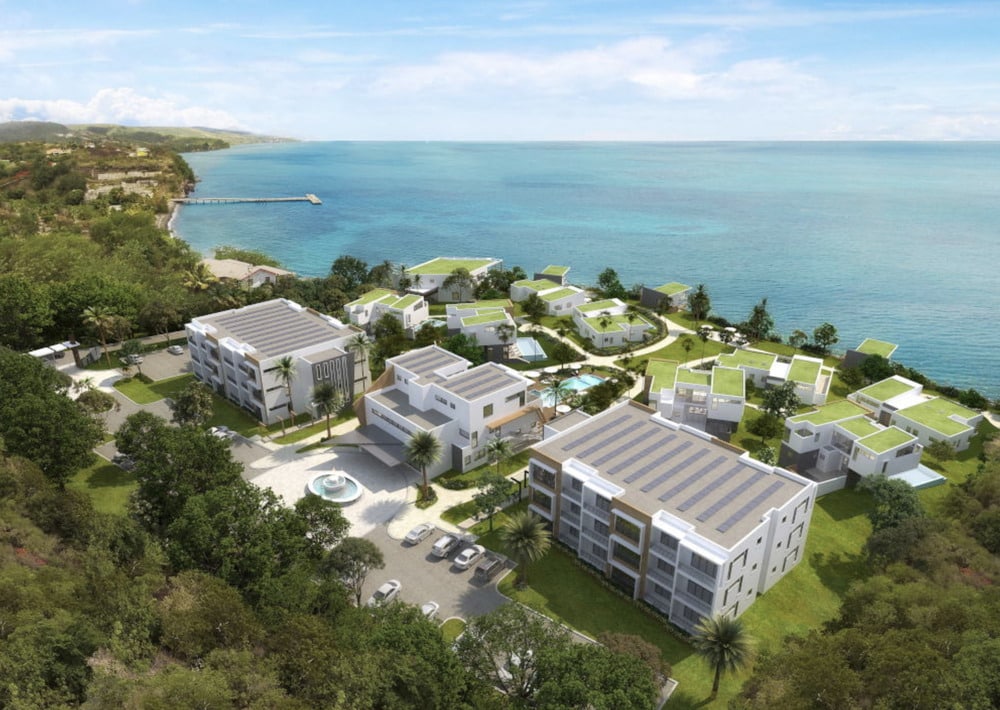
Examples of real estate in Dominica
Dominica, Roseau
$220,000+
Share in a resort on the coast of Dominica managed by Hilton
1—3 
Dominica, Portsmouth
$220,000+
Share in a five-star hotel managed by Intercontinental

Dominica, Roseau
$216,000 — $3,800,000
Share and villas in a six-star resort
1—2 1 Family inclusion
Dominica CBI programme extends to the following family members:
- spouse;
- children under 18;
- children aged 18 to 30 — enrolled at a university and financially dependent on the investor;
- daughters under 25 — unmarried, living with the investor, and fully financially dependent;
- parents over 65 — fully financially dependent on the investor.
Grenada citizenship by investment for Nigerians
Launched in 2013, the Grenada CBI programme ranks 3rd globally. Citizenship can be obtained in as little as 8 months, with no visit requirement[8]Source: Investment Migration Agency of Grenada.
A Grenada passport provides visa-free or visa-on-arrival access to around 140 countries, including the Schengen Area, the UK, China, Singapore, and Hong Kong. It also allows eligibility for the US E-2 Investor Visa, as well as easier access to B-1/B-2 visas.
Investment options
1. Fund contribution — $235,000+. Investors can support projects in sectors such as tourism, renewable energy, and agriculture.
2. Real estate — $270,000+. This minimum applies to the share in a tourism project if at least two investors participate and the total project value is at least $440,000. In other cases, the minimum investment is $350,000.
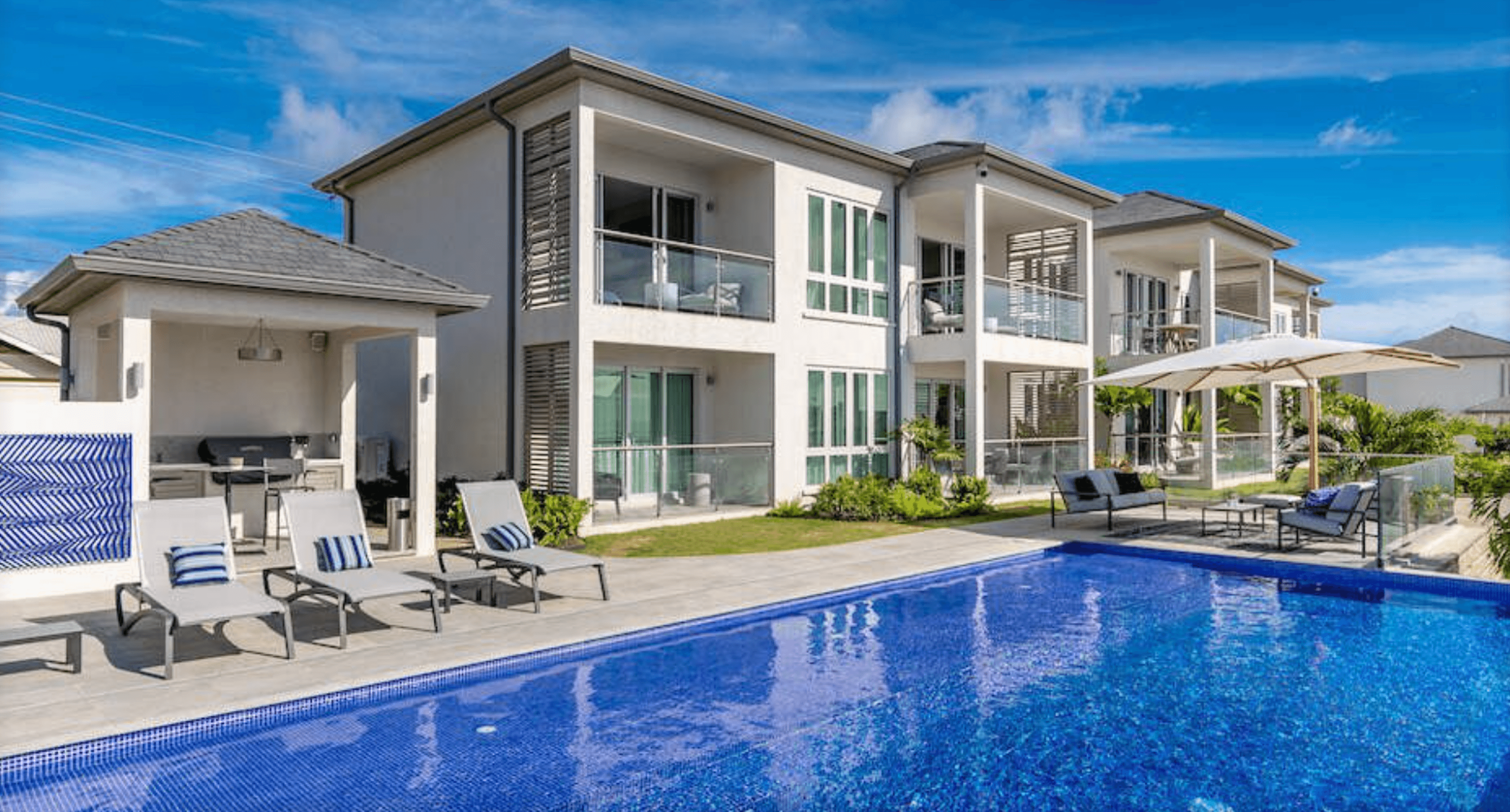
Examples of real estate in Grenada
Grenada, St. George's
$197,000+
Apartments with ocean view, St. Georges, Grenada
138 m²2 2 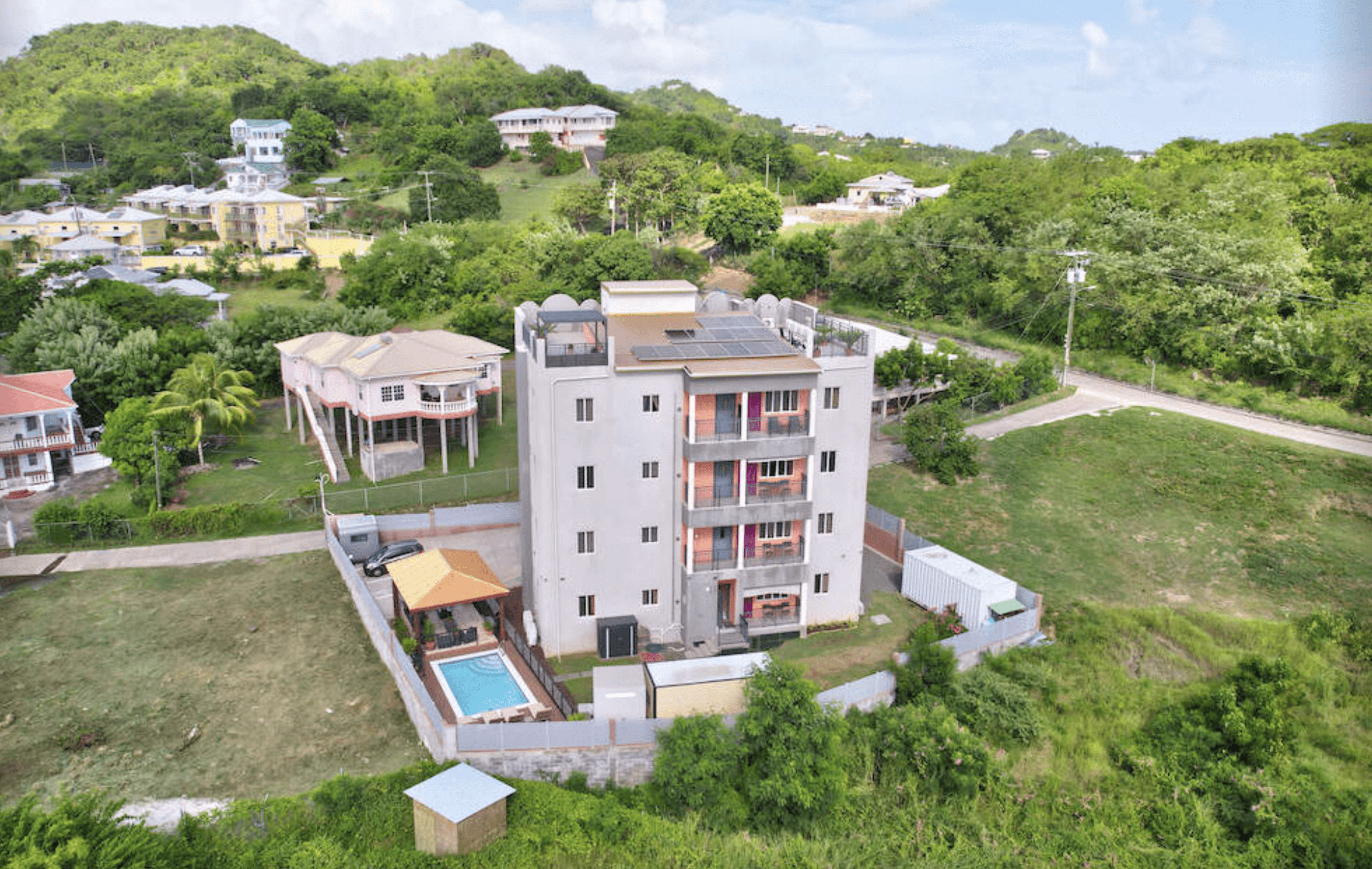
Grenada, St. George's
$250,000 — $375,000
Apartments in modern style, St. Georges, Granada
43 m² — 79 m²1—2 1—2 
Grenada, St. George's
$395,000+
Elegant apartments with ocean view, St. Georges
118 m²2 2 Family inclusion
Under the Grenada CBI programme, the following family members can be included in the application:
- spouse — opposite sex, with no criminal record;
- children under 18;
- children 18 to to 30 — fully financially dependent;
- parents — fully financially dependent;
- siblings over 18 — unmarried, with no children.
St Lucia citizenship by investment for Nigerians
Launched in 2016, the St Lucia CBI programme ranks 4th globally. Citizenship can be obtained in around 6 months, with no visit requirement[9]Source: St Lucia Citizenship by Investment Unit.
Investment options
1. Fund contribution — $240,000+. Investors make a non-refundable contribution to St Lucia’s National Economic Fund, which finances areas such as healthcare and tourism.
2. Real estate — $300,000+. The investment can be recovered after 5 years by selling the property.
Examples of real estate in St Lucia

St Lucia, Rodney Bay
$559,000 — $15,000,000
Apartments and villas in luxury resort on the seaside
93 m² — 300 m²1—8 1—8 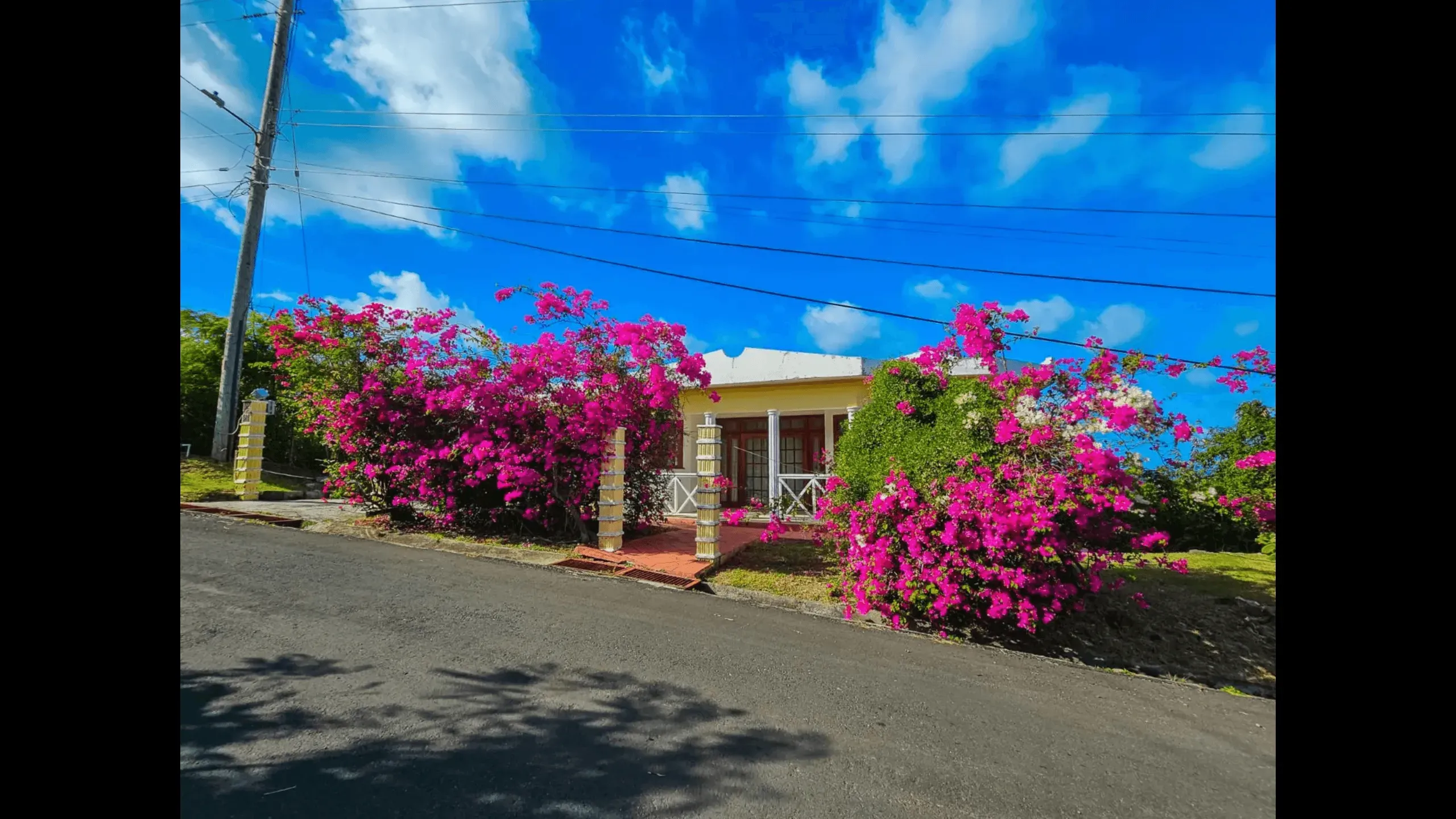
St Lucia, Castri
$290,000+
Charming house with 3 bedrooms and Ocean View, Gros Islet
279 m²3 3 
St Lucia, Micoud
$3,000,000+
Luxurious villa with panoramic ocean and island views
929 m²10 10 3. Bonds — $300,000+. Investors purchase non-interest-bearing government bonds, which can be redeemed in full after 5 years.
4. Infrastructure projects — $250,000+. Applicants invest in approved infrastructure projects, such as ports and roads.
5. Business — $1,000,000+. Investors may contribute at least $3.5 million in an approved business individually, or join a group investment worth at least $6 million with a minimum individual share of $1 million. Eligible sectors include tourism, education, healthcare, and social development.
Family inclusion
St Lucia citizenship application can cover the following family members:
- spouse — opposite sex, with no criminal record;
- children under 21;
- children 21 to 30 — fully financially dependent;
- parents over 55 — fully financially dependent;
- siblings under 18 — with a parent or guardian’s consent.
Antigua and Barbuda citizenship by investment for Nigerians
Established in 2013, the Antigua and Barbuda CBI programme ranks among the global top 5. It stands out as one of the most flexible options for large families, thanks to a dedicated investment option[10]Source: Antigua and Barbuda Citizenship by Investment Unit. To keep citizenship, family members must spend at least 5 days in Antigua and Barbuda during the first 5 years after passport issuance.
Antigua and Barbuda citizens gain visa-free or visa-on-arrival access to over 140 countries, including the Schengen Area, the UK, China, Singapore, and Hong Kong.
Investment options
1. Non-refundable contribution — $230,000+. A contribution to the National Development Fund is the most affordable option for single applicants and families of up to 5 people.
2. Real estate purchase — $300,000+. Investors buy shares or property in government-approved real estate projects. The asset can be sold after 5 years.
Examples of real estate in Antigua and Barbuda
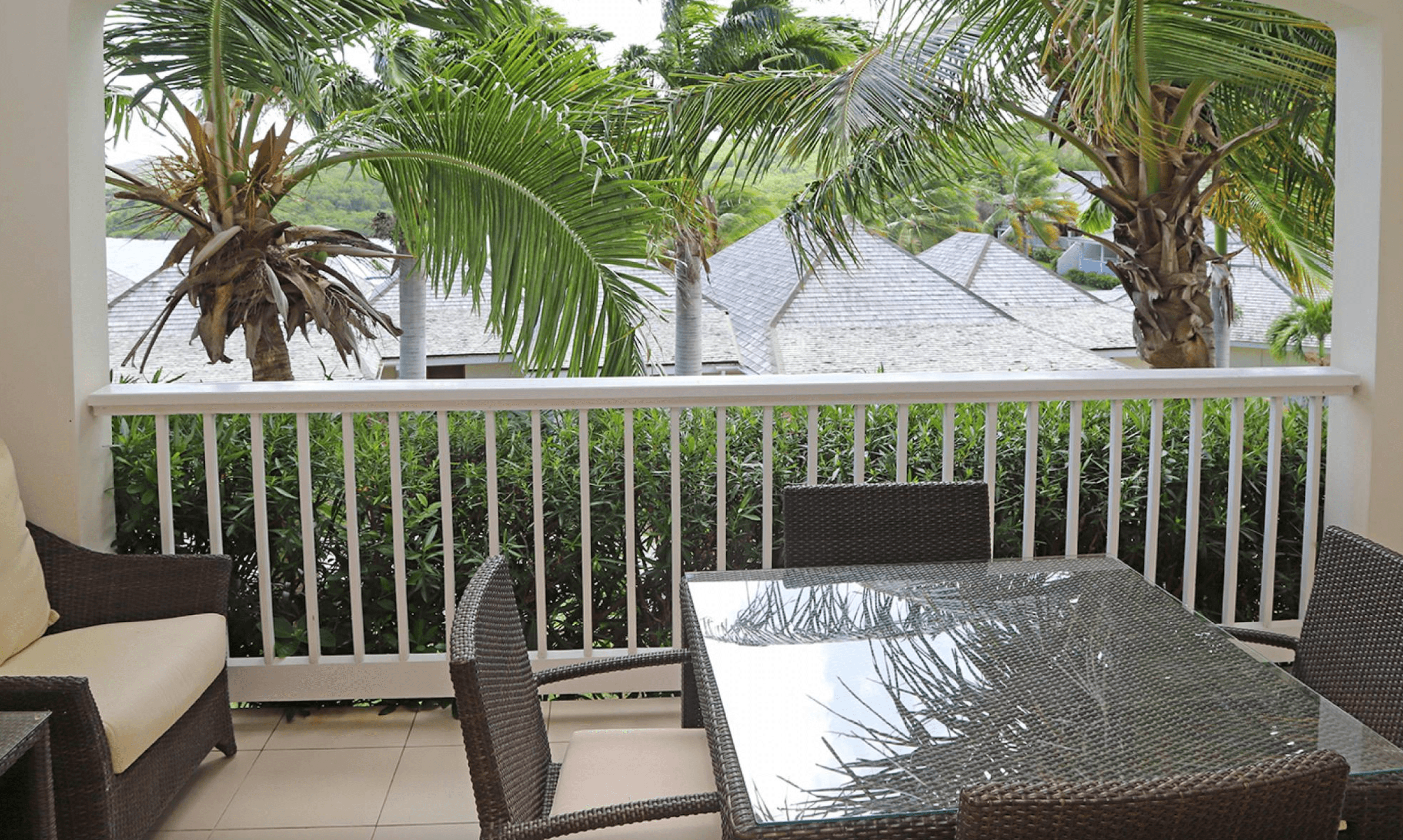
Antigua & Barbuda, Freetown
$325,000+
Stylish apartments, Nonsuch Bay, Freetown
84 m²1 1 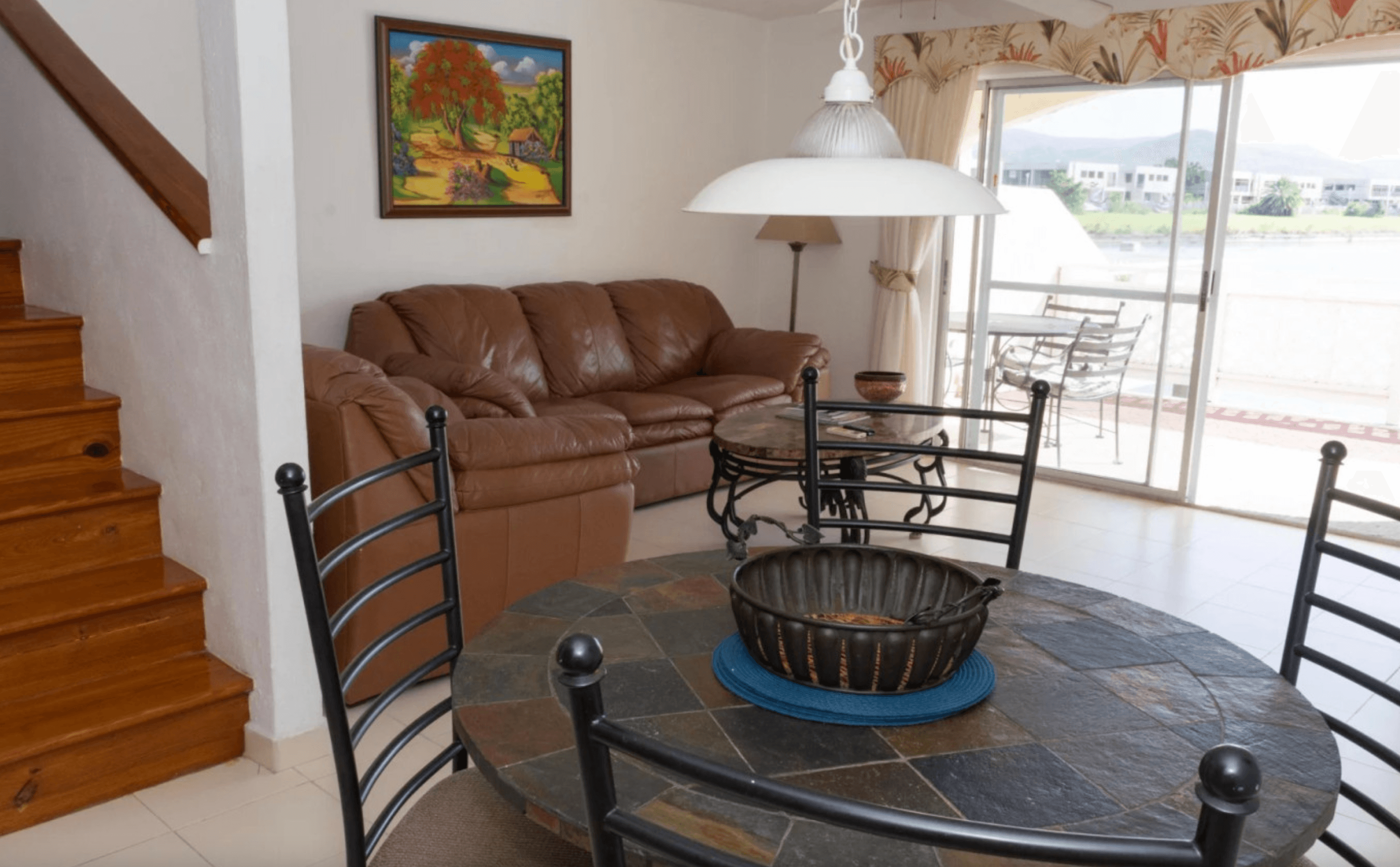
Antigua & Barbuda, Jolly Harbour
$350,000+
Elegant villa, Jolly Harbour
100 m²2 3 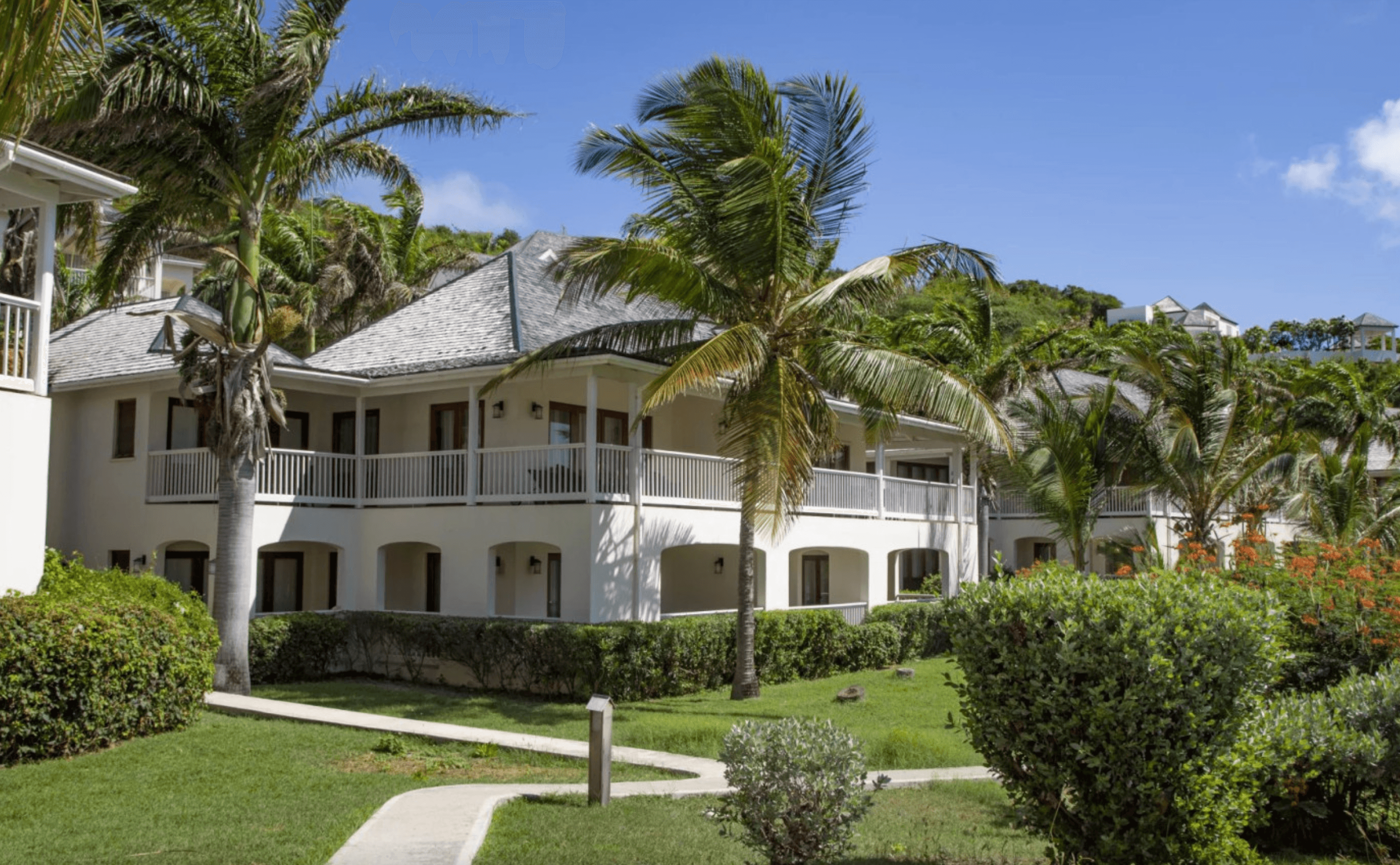
Antigua & Barbuda, Freetown
$395,000+
Stylish and comfortable apartments, Nonsuch Bay, Nonsuch Bay, Freetown
84 m²1 1 3. Donation to a higher education institution — $260,000+. This is a non-refundable option for families of at least 6 people. Unlike other routes, the minimum required investment already includes processing fees, with only Due Diligence fees charged separately.
One family member under 29 may study at a university in Antigua and Barbuda free of charge for one year.
4. Business investments — $400,000+. Applicants may join a group investment of at least $5 million, with a minimum contribution of $400,000 each. A sole investor may invest at least $1.5 million in a business in Antigua and Barbuda.
Family inclusion
The following family members can be included in the Antigua and Barbuda CBI application:
- spouse — opposite sex, with no criminal record;
- children under 30 — financial dependency is not required, with no age limit if mentally or physically incapacitated and fully supported by the investor;
- parents over 55 — fully financially dependent, with no age limit if mentally or physically incapacitated and fully supported by the investor;
- siblings — unmarried, with a parent or guardian’s consent if under 18.
Trusted by 10,000+ investors
Check your eligibility for Antigua and Barbuda citizenship
Vanuatu citizenship by investment for Nigerians
The Vanuatu CBI programme stands out for its fast processing time of around 2 months and the lowest investment requirement[11]Source: Vanuatu CBI programme. It requires one visit to the country or the country’s qualified consulate abroad to submit biometrics.
A Vanuatu passport allows visa-free or visa-on-arrival travel to around 100 countries, including Singapore and Hong Kong, and supports applications for a US B-1/B-2 visa.
Investment options
1. Fund contribution — $130,000+. Applicants make a contribution to support Vanuatu’s economic development and disaster recovery efforts, including rebuilding after events such as Cyclone Harold. Bank charges apply separately.
2. Cocoa Sustainable Development Fund — $165,000+. This option supports the development of Vanuatu’s cocoa industry. After citizenship is granted, the applicant receives a $50,000 unit in the Cocoa Sustainable Fund, which can be redeemed after 5 years to recover part of the investment.
Family inclusion
Vanuatu CBI application covers the following investor’s relatives:
- spouse — opposite sex, with no criminal record;
- children under 18;
- children 18 to 25 — financially dependent on or residing with the investor and full-time students at a university;
- parents over 50 — financially dependent on and residing with the investor.
Nauru citizenship by investment for Nigerians
Nauru citizenship by investment programme is one of the newest options on the market. It offers a fast-track route to a second passport through a government contribution, with a fully remote process and no residence requirements.
Investment option
Nauru offers a single investment route: a non-refundable contribution starting from $90,000, available until June 30th, 2026. The funds are paid into the Nauru Treasury Fund and used to support national priorities such as infrastructure, healthcare, and economic development.
The contribution is not refundable and does not provide a return. The total amount increases depending on the number of family members included in the application.
Family inclusion
An investor can include the following family members in the application:
- spouse — officially married to the investor or in de facto partnership, if can be proved documentally;
- children of any age, including adopted children;
- parents and grandparents of any age;
- siblings of any age.
The programme is one of the most flexible in terms of family inclusion, as these relatives can be added with no age restrictions. Proving financial dependency of family members is also not required.

Türkiye citizenship by investment for Nigerians
Türkiye’s citizenship by investment programme, launched in 2017, takes 8th place in the global CBI index[12]Source: Presidency of the Republic of Türkiye — Acquiring Property and Citizenship. It allows the main applicant to include a spouse and children under 18.
The programme offers 5 investment options:
- Purchase of real estate — $400,000+.
- Business investment — $500,000+. Investors may invest in the capital of a Turkish company or start a business that creates at least 50 jobs.
- Bank deposit — $500,000+.
- Government bonds — $500,000+.
- Investment fund units — $500,000+. This option may generate passive income during the holding period.
Real estate is the most popular option, as property prices have grown by up to 30% annually in recent years. The investment can be recovered after 3 years.
With a Turkish passport, holders can travel to around 120 countries, including Singapore and Hong Kong, and can apply for US E-2 and B-1/B-2 visas. Turkish citizens can also obtain multiple-entry Schengen visas under a cascade system — starting with a visa for a specific trip, then 6 months or 1 year, followed by 3 years, and eventually up to 5 years.

What are the general eligibility requirements for citizenship by investment?
All citizenship by investment programmes have a basic set of eligibility requirements, regardless of the country chosen. Applicants from Nigeria must meet them before filing.
Age and criminal record requirements
The main applicant must be at least 18 years old and have a clean criminal record. Applicants must disclose any arrests, charges, convictions, detention, probation, investigations, visa refusals, deportations, or previous citizenship refusals.
Convictions may affect eligibility if they raise concerns about the applicant’s character. Any unresolved legal issues should be settled before starting an application.
Proof of legal source of funds
Every CBI programme requires the applicant to demonstrate that the investment funds originate from legal, traceable sources. Compliance teams at each government unit conduct independent source-of-funds verification. Documents required include:
- personal and business tax returns for the preceding 3—5 years;
- bank statements covering the same period;
- audited financial statements if the applicant operates a business;
- corporate ownership documents, such as shareholder registers and certificates of incorporation, if the applicant’s wealth comes from business activities;
- explanation letters for any large or irregular transactions.
Document checklist for CBI applicants
The exact document list varies by CBI programme. For most applications, the standard checklist includes the following:
- valid passport, typically with at least 6 months' validity and clean pages;
- national identity card;
- certified birth certificate;
- marriage certificate where applicable, or divorce decree;
- police clearance certificates from Nigeria and every country of residence for the past 10 years;
- medical examination certificate completed by an approved physician;
- certified passport-size photographs, with specifications varying by programme;
- bank reference letter;
- source-of-funds documentation including tax returns, bank statements, and corporate records;
- proof of legal name if ever changed;
- dependency proof documents for children and dependants included in the application.
Documents in languages other than English must be translated, certified, apostilled, and fully legalised.
How does the citizenship by investment process work for Nigerians step by step?
Processing times vary by CBI programme, ranging from about 2 months in Vanuatu to up to 8 months in Türkiye and Grenada, based on Immigrant Invest’s experience.
Throughout the process, Immigrant Invest supports applicants at every stage — assessing eligibility, preparing documents, completing the investment, submitting the application, and guiding the family through Due Diligence, approval, and passport issuance.
1 day
Preliminary Due Diligence
Before the investor collects documents or makes an investment, Immigrant Invest runs its internal Anti-Money Laundering checks. This includes a preliminary Due Diligence and KYC review to estimate the chances of approval and lower the risk of rejection before the contract is signed.
The compliance team examines possible criminal exposure, sanctions records, politically exposed person status, adverse media, source of funds, and any previous visa or immigration refusals. This helps identify risks at an early stage and, where possible, adjust the strategy before the application moves forward.
Before the investor collects documents or makes an investment, Immigrant Invest runs its internal Anti-Money Laundering checks. This includes a preliminary Due Diligence and KYC review to estimate the chances of approval and lower the risk of rejection before the contract is signed.
The compliance team examines possible criminal exposure, sanctions records, politically exposed person status, adverse media, source of funds, and any previous visa or immigration refusals. This helps identify risks at an early stage and, where possible, adjust the strategy before the application moves forward.
2—5 weeks
Document preparation
Immigrant Invest lawyers assist applicants with collecting, certifying, apostilling, and translating the documents required for a citizenship by investment application.
Immigrant Invest lawyers assist applicants with collecting, certifying, apostilling, and translating the documents required for a citizenship by investment application.
1—2 weeks
Fulfilling the investment condition
The applicant completes the required investment. Depending on the programme, this step may take place either before or after the main Due Diligence review.
The applicant completes the required investment. Depending on the programme, this step may take place either before or after the main Due Diligence review.
3—6 months
Application submission and Due Diligence
Once the documents are ready, Immigrant Invest files the application with the relevant Citizenship by Investment Unit or other authorised body.
Due Diligence is mandatory for all applicants aged 18 and over. In some jurisdictions, screening starts earlier:
- 17 and over — Grenada;
- 16 and over — St Kitts and Nevis, Dominica, St Lucia;
- 12 and over — Antigua and Barbuda.
All Caribbean citizenship by investment programmes also require a mandatory Due Diligence interview. It is usually held online and covers the applicant’s background, source of funds, business activity, travel history, and reasons for applying for second citizenship. The purpose is to confirm the information in the file and assess the applicant’s credibility.
Applicants must also provide biometrics. In Vanuatu, this requires an in-person appointment.
In Türkiye, Due Diligence is carried out by the relevant government authorities during the citizenship process itself. Unlike the Caribbean programmes, there is no separate paid Due Diligence stage.
Once the documents are ready, Immigrant Invest files the application with the relevant Citizenship by Investment Unit or other authorised body.
Due Diligence is mandatory for all applicants aged 18 and over. In some jurisdictions, screening starts earlier:
- 17 and over — Grenada;
- 16 and over — St Kitts and Nevis, Dominica, St Lucia;
- 12 and over — Antigua and Barbuda.
All Caribbean citizenship by investment programmes also require a mandatory Due Diligence interview. It is usually held online and covers the applicant’s background, source of funds, business activity, travel history, and reasons for applying for second citizenship. The purpose is to confirm the information in the file and assess the applicant’s credibility.
Applicants must also provide biometrics. In Vanuatu, this requires an in-person appointment.
In Türkiye, Due Diligence is carried out by the relevant government authorities during the citizenship process itself. Unlike the Caribbean programmes, there is no separate paid Due Diligence stage.
Up to 5 months
Approval, oath, and passport issuance
After successful completion of Due Diligence, the authority informs Immigrant Invest and issues an approval letter confirming that citizenship has been granted. In St Lucia and Antigua and Barbuda, applicants must also take an oath of allegiance.
A citizenship certificate is then issued as formal proof of nationality. Passport applications are usually processed within 2—4 weeks, and passports are issued with a validity period of 5 to 10 years.
In St Kitts and Nevis, passports must be collected in person.
After successful completion of Due Diligence, the authority informs Immigrant Invest and issues an approval letter confirming that citizenship has been granted. In St Lucia and Antigua and Barbuda, applicants must also take an oath of allegiance.
A citizenship certificate is then issued as formal proof of nationality. Passport applications are usually processed within 2—4 weeks, and passports are issued with a validity period of 5 to 10 years.
In St Kitts and Nevis, passports must be collected in person.
Risks and common pitfalls of dual citizenship for Nigerians
Dual citizenship offers clear advantages, but it also involves legal obligations, financial exposure, and procedural risks that should be assessed in advance.
Dual citizenship rules in Nigeria
Nigeria allows dual citizenship only for citizens by birth. Those who became Nigerian through naturalisation or registration may be required to renounce their citizenship when acquiring another. Confusion between these categories can lead to legal issues. It is essential to confirm one’s citizenship status before applying for a second passport.
Legal obligations in multiple jurisdictions
A dual citizen is simultaneously subject to the laws of each country of citizenship. This includes military service obligations where applicable, mandatory jury service, and restrictions on holding public office that some countries impose on dual nationals.
Travelling on the correct passport — for example, entering Nigeria on a Nigerian passport — is typically required by law. Applicants should review the specific legal obligations of the second citizenship with qualified legal counsel before applying.
Tax residency and double taxation risks
Holding two passports does not automatically mean paying tax in two countries, but it can create that possibility. In many countries, tax residence may arise after spending 183 days or more there within a 12-month period. If a person becomes a tax resident in both jurisdictions, dual tax liability may arise without proper planning.
Nigeria taxes its residents on worldwide income. Vanuatu and Caribbean countries generally do not tax foreign income, while Türkiye taxes worldwide income only for tax residents. Independent tax advice is recommended before applying.
Due Diligence requirements
All programmes require detailed background checks and proof of source of funds. Weak documentation or inconsistencies may lead to refusal. In some Caribbean countries, a rejection may affect applications in other jurisdictions. Pre-application screening helps identify and resolve issues early.
Trusted by 10,000+ investors
Understanding Due Diligence: what it involves and how to prepare
Budgeting gaps
The minimum investment amount does not reflect the full cost of obtaining citizenship. In addition to the main contribution or investment, applicants pay Due Diligence charges, government processing fees for family members, authorised agent fees, and costs for translation, certification, and legalisation of documents. Real estate options also involve extra expenses such as transfer taxes and legal fees.
A detailed cost breakdown at the start helps avoid unexpected expenses and makes financial planning more accurate.
Document validity and logistics
Many required documents remain valid only for a limited period. Police clearance certificates, medical reports, and bank reference letters, for example, are often accepted only within 3 months of issue and must still be valid when the application is filed.
The process is more demanding for applicants who have lived in several countries, as they may need certificates from each jurisdiction. Early planning helps coordinate the full document package and reduces the risk of delays.
Regulatory changes during application
Citizenship by investment programmes have historically changed their investment thresholds, eligible asset categories, and physical presence requirements with limited notice.
Completing at least the compliance pre-check and initial document phase promptly — rather than delaying — reduces exposure to mid-process rule changes. Staying current with programme announcements through a licensed agent is part of effective risk management.
Investment risks and exit challenges
Real estate purchased for a CBI programme must meet programme-specific criteria: minimum value, eligible use category, absence of legal encumbrances, and clear title.
Beyond acquisition, applicants sometimes underestimate the difficulty of reselling qualifying assets — particularly in fractional or shared ownership structures — once the holding period has passed. Legal Due Diligence on the specific property and selecting assets from government-approved inventories reduces both entry and exit risks.

Lyle Julien,
Investment programmes expert
Immigrant Invest’s support does not end once citizenship is granted. We continue to assist clients after approval, including with the resale of property, the return of invested funds where the programme allows it, and the full exit from the investment.
How Immigrant Invest can help with dual citizenship for Nigerians
Immigrant Invest is a government-licensed investment migration company with more than 20 years of experience, over 10,000 clients worldwide, and 11 offices in different countries. We work with CBI programmes and support applicants throughout the entire process, from the first assessment to approval and post-citizenship matters.
Immigrant Invest holds licences for the relevant citizenship by investment programmes and helps clients with the following:
- preliminary compliance screening before the application, to identify possible issues in advance;
- case strategy based on the applicant’s goals, family composition, and source of funds;
- document collection, certification, translation, apostille, and legalisation;
- preparation and submission of the application in line with programme requirements;
- AML and KYC review by an in-house Compliance Department;
- support throughout Due Diligence, including help with additional requests from government units;
- clear cost breakdowns, including investment thresholds, government fees, and other charges;
- guidance after approval, including passport issuance, renewal, and investment exit where applicable.
Every case is handled by a dedicated advisor with support from legal, compliance, and client services teams. This structure helps reduce delays, avoid mistakes, and give applicants a clearer path through a complex procedure.
Key takeaways about multiple citizenship for Nigerians
- Nigeria recognises dual citizenship only for citizens by birth. Naturalised citizens are required to renounce Nigerian citizenship when acquiring another nationality.
- Citizenship by investment programmes can help Nigerians expand travel opportunities, secure a safe haven, and protect their assets.
- For the fastest route, Vanuatu offers citizenship in 2 months with a minimum investment of $130,000.
- For the lowest entry threshold, Nauru stands out, with a minimum investment of $90,000.
- For the most established programme, St Kitts and Nevis remains the top choice, with a minimum investment of $250,000.
- For broad family coverage, Antigua and Barbuda is the most flexible option, as it does not require financial dependency for children and parents.
- For access to the US E-2 business visa, Grenada and Türkiye are the relevant options.
- For access to China, the suitable programmes are Grenada, Dominica, and Antigua and Barbuda.
- For the lowest real estate threshold, Dominica offers an entry point at $200,000.
- For a bond investment option, St Lucia and Türkiye are the relevant choices.
- For a capital-efficient investment with exit potential, Türkiye’s $400,000 real estate option provides a resale opportunity after 3 years and may generate rental income during the holding period.
Immigrant Invest is a licensed agent for citizenship and residence by investment programs in the EU, the Caribbean, Asia, and the Middle East. Take advantage of our global 15-year expertise — schedule a meeting with our investment programs experts.