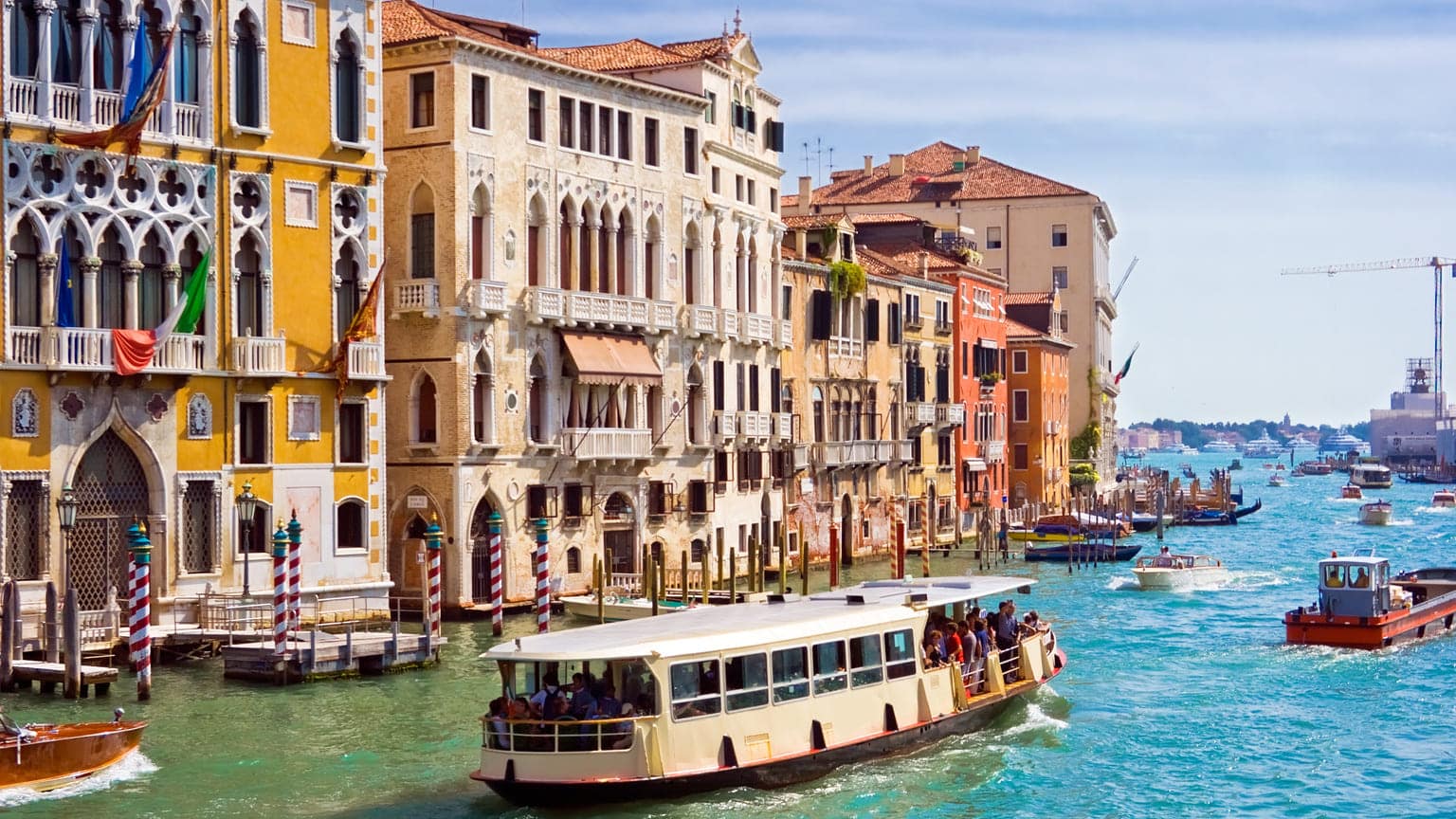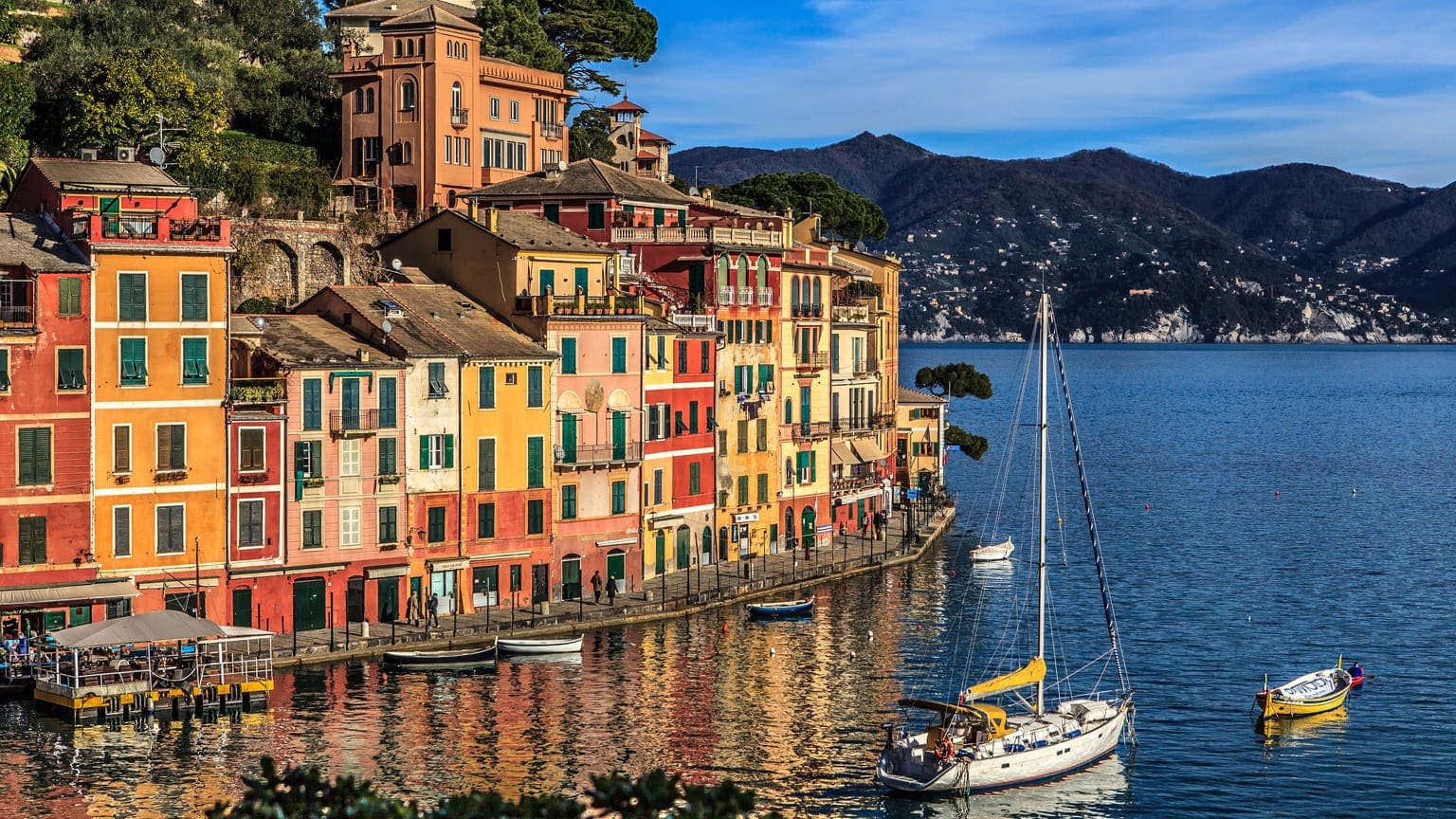








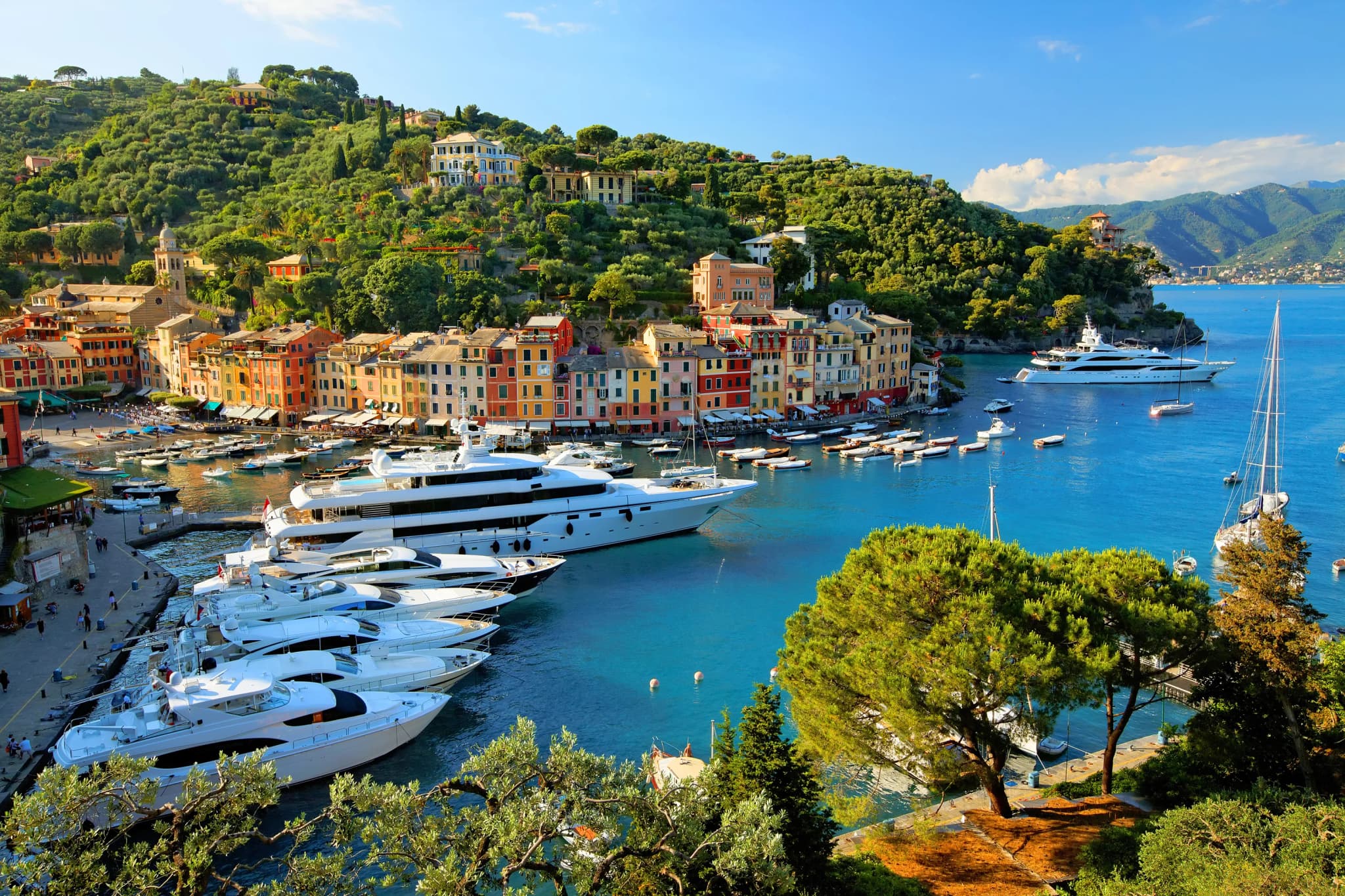

For Turkish investors, the Italy Golden Visa can become a way to gain easier access to Europe, create more opportunities for their children, and diversify wealth in a stable currency while keeping strong ties to Türkiye.
This guide explains the programme's benefits, requirements, investment options, costs, tax rules, family inclusion, and the path to permanent residence and citizenship.
What is the Italy Golden Visa?
The Italy Golden Visa is a residence by investment programme, officially called the Investor Visa for Italy. For a minimum investment of €250,000, it gives investors the right to live in Italy, include family members, and travel across the Schengen Area. The first residence permit is valid for 2 years and can be renewed for 3-year periods if the investor maintains the investment[1]Source: Ministry of Enterprises and Made in Italy — What is Investor Visa for Italy?.
To qualify for the Italy Golden Visa, Turkish applicants can choose from four investment options:
- €250,000 in an Italian innovative startup;
- €500,000 in an Italian limited company;
- €1 million as a donation to a public-interest project in culture, education, immigration management, scientific research, or cultural heritage;
- €2 million in Italian government bonds[2]Source: Investor Visa for Italy — Policy guidance.
The Italy Golden Visa is based on Article 26-bis of Legislative Decree No. 286/1998, Italy’s Immigration Act[3]Source: Italian Immigration Act — Legislative Decree No. 286/1998. This provision was introduced by Law No. 232/2016 and created the legal framework for the Investor Visa for Italy[4]Source: Budget Law — Law No. 232/2016. The practical rules for the programme, including the application process, are set out in the Inter-Ministerial Decree of July 21st, 2017[5]Source: Inter-Ministerial Decree of July 21st, 2017.

Trusted by 10,000+ investors
Check your eligibility for the Italy Golden Visa
Why Italian residence by investment appeals to Turkish citizens: 10 reasons
The Italy Golden Visa can serve different goals at the same time. For some Turkish investors, it is a way to expand business activities into Europe. For others, it provides easier travel, a stable residence option for the family, or an opportunity to diversify assets in euros. Alongside these practical advantages, Italy offers something equally valuable: a lifestyle built around culture, family, good food, and enjoying everyday life.
1. Protection against lira depreciation
For Turkish investors, the Italy Golden Visa can be a way to diversify capital in euros while obtaining residence in the EU. This may be especially relevant as Türkiye’s inflation remained high in 2025: annual inflation reached 30.89% at year-end, and the 12-month average was 34.88%[6]Source: Turkish Statistical Institute — Official inflation release.
Currency pressure is another factor. By October 2025, Turkish non-financial companies owed $182 billion more in foreign currency than they held[7]Source: Central Bank of the Republic of Türkiye — Financial Stability Report. Against this background, an investment in Italian government bonds or an Italian company can help reduce exposure to the Turkish lira and add a more stable European asset to the investor’s portfolio.
2. Visa-free access to the Schengen Area
For Turkish investors who travel to Europe often, the Italy Golden Visa can make each trip much simpler. A Turkish passport alone requires a Schengen visa, while an Italian residence permit allows travel across all 29 Schengen countries for up to 90 days in any 180-day period without an additional visa. This is useful for business meetings, conferences, negotiations, and family trips.
3. No relocation requirement
The Italy Golden Visa can suit Turkish investors who are not ready to move full-time. They can keep their business, home, and tax centre in Türkiye, while holding Italian residence and renewing it by maintaining the investment.
4. Business opportunities in one of Europe’s leading economies
Italy gives Turkish investors access to one of Europe’s largest and most diversified economies. It is the 8th-largest economy in the world by nominal GDP and one of the biggest consumer markets in the EU[8]Source: U.S. Department of State — 2025 Italy Investment Climate Statement.
Italy is strong in sectors where Turkish entrepreneurs often have experience: manufacturing, textiles, food production, logistics, construction, machinery, and automotive supply chains. The country has a large SME sector, accounting for over 99% of Italian businesses, and a skilled workforce[9]Source: European Commission — SME Country Fact Sheet 2025: Italy. Italy is also the 2nd largest manufacturing economy in Europe[10]Source: Italian Trade Agency — 10 Reasons to invest in Italy.
Business ties between Türkiye and Italy are already strong. In 2025, the two countries confirmed that bilateral trade had reached about $30 billion and set a new target of $40 billion. For Turkish investors, this creates a familiar business corridor and more room for partnerships, trade, and expansion[11]Source: Associated Press — Italy and Türkiye Pledge Stronger Trade and Defense Cooperation.
5. Flat personal income tax
After obtaining the Italy Golden Visa and residence permits, Turkish nationals can choose whether to become Italian tax residents. If they do, they may benefit from Italy’s lump-sum tax regime for foreign income.
Under the regime, new tax residents pay a fixed €300,000 per year on foreign income instead of standard progressive tax rates. Without the regime, foreign income may be taxed at 23 to 43%. The option can be used for up to 15 years. Family members can also join the regime and pay a fixed €50,000 per person per year on foreign income[12]Source: Agenzia delle Entrate — Tax Regime for New Residents.
6. Access to high-quality healthcare and education
For Turkish families, the Italy Golden Visa can open the door to strong healthcare in Europe. Investors need private health insurance, so they have medical cover from the start of residence and can use private clinics and doctors when needed. Italy also performs well in healthcare outcomes: life expectancy is around 82 years, one of the highest in Europe[13]Source: The Commonwealth Fund — International Health Care System Profiles: Italy.
Education adds another practical benefit. Children of residence permit holders can attend Italian public schools free of charge, and schools cannot refuse foreign children because of residence formalities[14]Source: UNHCR Italy — Education.
For older children, Italy also offers access to respected universities. Tuition fees apply, but the country has a strong higher education system: in the QS World University Rankings 2026, 15 Italian universities are listed among the world’s top 500[15]Source: QS World University Rankings 2026 — Italy.
7. Work rights for the whole family
The Italy Golden Visa gives Turkish investors room to build a real life in Italy, not just hold a residence permit. Investors can work for Italian companies, open a business, or become self-employed, which makes relocation more flexible for the whole family.
Italy also has a gentler working rhythm than many developed countries. OECD data shows that only 3% of employees in Italy work very long hours, compared with the OECD average of 10%[16]Source: OECD Better Life Index — Italy.
8. Growing Turkish community
Italy’s Turkish community is growing, with almost 24,000 Turkish citizens living there in early 2025. Many live in northern regions such as Lombardy, Piedmont, and Emilia-Romagna, whose main cities include Milan, Turin, and Bologna[17]Source: ISTAT — Resident Foreign Citizens in Italy by Nationality, 2025.
For Turkish investors, this can make relocation easier: these areas combine business opportunities, international schools, strong infrastructure, and existing Turkish-speaking networks.
9. Living in a country with a high quality of life
Beyond healthcare, education, and travel benefits, Italy gives Turkish investors something more personal: a country where everyday life can feel enjoyable, not only convenient. City centres are made for walking, coffee is part of the daily rhythm, while local markets, family-run restaurants, and evening strolls are built into the lifestyle.
Italy is also one of the global capitals of fashion, design, and luxury shopping. Milan sets trends for the world, while Rome, Florence, and other cities combine boutiques, architecture, art, and street life in a way that makes even ordinary weekends feel special.
For Turkish families, Italy can be more than a backup residence. It can become a place to slow down, spend time together, and enjoy the European lifestyle without losing the warmth, food culture, and family values that may already feel familiar.
10. Access to culture and nature for the whole family
Italy is easy to enjoy in every season. The Mediterranean climate makes outdoor life natural for much of the year: seaside holidays, lake weekends, countryside trips, and long walks through historic towns. In winter, ski lovers can head to the Alps or the Dolomites, while the rest of the year opens up the coast, islands, vineyards, and national parks.
Culture is just as close. Italy has 60 UNESCO World Heritage Sites, more than any other country, so history is not limited to museums — it is part of the streets, squares, churches, theatres, and old city centres[18]Source: UNESCO — Italy. For Turkish families, this means children and adults can explore nature, art, food, and history without turning every trip into a long journey.

Italy is home to 525 Blue Flag beaches in 2026, one of Europe’s highest totals, as well as 87 Blue Flag marinas and 23 lake destinations[19]Source: Wanted in Rome News — Where to find Italy's Blue Flag beaches in 2026
Who can apply for the Italy Golden Visa: eligibility requirements for Turkish investors and their families
Turkish citizens are eligible to apply for the Italy Golden Visa because the programme is open to non-EU nationals. As of May 2026, no rules or restrictions apply specifically to Turkish applicants.
Main applicant eligibility
To qualify for the Italy Golden Visa, a Turkish applicant must meet several basic conditions before choosing an investment route:
- Be at least 18 years old.
- Have a clean criminal record, with certificates confirming no final convictions or pending charges in the countries where they lived during the previous 5 years.
- Prove the legal source of investment funds and provide an anti-money-laundering declaration confirming that the money was obtained lawfully.
- Have comprehensive health insurance valid in Italy for the period of stay.
Family eligibility
The Italy Golden Visa allows investors to relocate with eligible family members. They can obtain their own visas and residence permits linked to the main investor’s status, provided they meet dependency requirements:
- Spouse — officially married to the investor.
- Children under 18.
- Children over 18 — financially dependent on the investor due to a health condition that causes total disability.
- Parents — financially dependent on the investor and have no other children in their country of origin or residence. Parents over 65 may qualify provided that their other children cannot support them due to documented serious health reasons.
Family members receive the same residence rights as the investor: they can live in Italy, travel across the Schengen Area, access healthcare, education, and labour market, and renew their permits together with the main applicant.
Italy Golden Visa investment options for Turkish citizens
Turkish investors can choose one of four investment routes under the Italy Golden Visa. The required amount must be invested in one category and maintained in full during each residence permit period. The programme does not allow applicants to split the investment between several routes.
€250,000+ in an innovative startup
The innovative startup route has the lowest entry threshold under the Italy Golden Visa. The investor buys a share or equity in an innovative Italian startup approved by the government. The official list of eligible startups is updated weekly on the portal managed by the Italian Chambers of Commerce.
Startup investment may suit Turkish investors interested in Italy’s innovation market and ready to accept higher risk. The capital goes into one early-stage company, which means limited liquidity and a higher risk of capital loss compared with more conservative routes.
The startup route is regulated separately by Decree-Law No. 179/2012, later converted into Law No. 221/2012[20]Source: Italian Startup Act — Articles 25–32 of Decree-Law No. 179/2012.
€500,000+ in an Italian limited company
The Italian company route allows the investor to buy a share or equity in an Italian limited company. The company must be active and have at least one financial statement available at the time of the visa application.
Company investment can be useful for Turkish business owners who want a real presence in the EU. An Italian company can support banking, contracts, VAT registration, and business activity with European partners. The route carries business and liquidity risks, but it also creates a practical structure for expansion into Italy and the wider EU market.
€1,000,000+ philanthropic donation
The philanthropic route requires a donation to a public-interest project in Italy. Eligible areas include culture, education, immigration management, scientific research, and the preservation of cultural or natural heritage.
A donation is non-refundable, so the route suits applicants with philanthropic goals or a personal interest in supporting Italian institutions. It is less suitable for investors whose main priority is capital preservation or future return.
€2,000,000+ in Italian government bonds
The government bond route is the most conservative option under the Italy Golden Visa. The investor buys Italian government bonds, which are traded on active markets and backed by the Italian state rather than a private company.
For Turkish families focused on protecting capital in euros, government bonds may offer the clearest capital-preservation logic. The route has lower company-specific risk than startup or business investment options, while income terms depend on the type of bonds selected. Some Italian government bonds pay fixed or floating coupons, while zero-coupon bonds generate income through the difference between the purchase price and redemption value[21]Source: Ministry of Economy and Finance — fixed coupons, floating coupons, and zero-coupon mechanics.
Italy Golden Visa investment routes compared

Required documents and source-of-funds proof for Turkish citizens applying for the Italy Investor Visa
For Turkish citizens, document preparation can be the longest part of the Italy Investor Visa process. The official review may be limited in time, but the application can slow down if the source of funds is not explained clearly or if the authorities ask for extra evidence.
Basic document checklist
The documents usually required for the Italy Investor Visa include:
- Valid passport with sufficient remaining validity.
- Curriculum vitae describing the applicant’s professional background, business activity, and source of wealth.
- Criminal record certificates from every country where the applicant has lived during the previous 5 years.
- Proof of accommodation in Italy, such as a rental agreement, hotel booking, or property ownership document.
- Comprehensive health insurance valid in Italy.
- Proof that the applicant has enough funds for the chosen investment route.
- Documents confirming the legal source of investment funds, such as bank statements, tax returns, income declarations, company documents, property sale agreements, or asset ownership records.
- Signed anti-money-laundering declaration confirming that the investment funds were obtained legally.
- Written commitment to make the chosen investment after receiving the visa.
- Documents related to the selected investment route, such as information about the startup, company, donation project, or government bonds.
- Completed online application forms submitted through the official Investor Visa portal.
- Proof of family relationship, if the applicant includes family members, such as marriage and birth certificates.
Turkish documents must usually be apostilled before translation. This applies to criminal record certificates, tax documents, land registry extracts, company papers, and family documents issued in Türkiye. After the apostille, the documents are translated into Italian or English by a sworn translator.
Source-of-funds proof
The source-of-funds package is especially important. It normally includes 12 months of bank statements, proof of asset ownership, tax returns or income declarations, and a written explanation of how the investor earned the money used for the application.
Turkish applicants with more complex finances should prepare this part carefully. Business income, company ownership, real estate sales, dividends, inheritance, and assets in several countries may all require additional documents. A clear source-of-funds narrative helps avoid delays and makes the application easier for the Investor Visa Committee and the Questura to review.

Cost of the Italy Golden Visa for Turkish citizens
The cost of the Italy Golden Visa depends on the investment route, the number of family members, and the amount of legal support needed.
Investors choosing the innovative startup option should also budget for a subscription fee starting from €12,200, depending on the selected startup and transaction structure.
Residence permit fees are:
- €3,406 for the main applicant;
- €567 for each adult dependant;
- €313 for each dependant under 18.
Investors from Türkiye should also budget for additional application-related expenses:
- power of attorney — €605+;
- Italian tax identification number and digital signature — €781+;
- apostille of documents — €1.51 per standard document, or €3.02 per court decision;
- translation of documents — €2,000+.
Private health insurance is also required. It usually costs around €300 per person per year, and applicants must take it out for the full initial residence period of 2 years.
Estimated cost of the Italy Golden Visa startup route by family composition
How the Italy Golden Visa application process works for Turkish citizens step by step
The Investor Visa for Italy process includes several stages: document preparation, Nulla Osta — an official approval that allows the investor to apply for the Investor Visa[22]Source: Ministry of Enterprises and Made in Italy — Investor Visa: how it works, consular visa application, arrival in Italy, residence permit filing, and investment completion.
Based on Immigrant Invest’s experience, the full process usually takes at least 4 months. The timeline depends on document preparation, consulate availability, and how quickly the residence permit card is issued in Italy.
1 day
Preliminary Due Diligence
Immigrant Invest starts with an internal compliance review. This step helps detect potential issues before the application begins and lowers the risk of refusal to about 1%.
The agreement with the investor is signed only after the check is complete. If any concerns appear, the team suggests a solution, such as choosing another residence programme or preparing extra documents.
The review is confidential and requires only the investor’s passport copy.
Immigrant Invest starts with an internal compliance review. This step helps detect potential issues before the application begins and lowers the risk of refusal to about 1%.
The agreement with the investor is signed only after the check is complete. If any concerns appear, the team suggests a solution, such as choosing another residence programme or preparing extra documents.
The review is confidential and requires only the investor’s passport copy.
7+ days
Collecting the documents and applying for Nulla Osta
To obtain the Nulla Osta, the investor collects the required documents and submits the application with the support of Immigrant Invest. The lawyers:
- organise translation and certification of the documents;
- create the applicant’s profile on the official programme portal;
- fill in the personal questionnaire;
- upload the full document package.
To obtain the Nulla Osta, the investor collects the required documents and submits the application with the support of Immigrant Invest. The lawyers:
- organise translation and certification of the documents;
- create the applicant’s profile on the official programme portal;
- fill in the personal questionnaire;
- upload the full document package.
90 days
Issuance of Nulla Osta
After the application is submitted, it is sent through the online system to the Prefettura responsible for the investor’s intended place of residence in Italy. The Prefettura checks the application and makes a decision within 90 days.
After the application is submitted, it is sent through the online system to the Prefettura responsible for the investor’s intended place of residence in Italy. The Prefettura checks the application and makes a decision within 90 days.
7+ days
Submission of an application
Nulla Osta is valid for 6 months. During this period, the investor needs to apply for the Investor Visa at an Italian consulate. Immigrant Invest lawyers help prepare, translate, and certify the documents for the consular application.
Turkish citizens apply for the Investor Visa at the Italian consulate responsible for the country where they actually live.
Nulla Osta is valid for 6 months. During this period, the investor needs to apply for the Investor Visa at an Italian consulate. Immigrant Invest lawyers help prepare, translate, and certify the documents for the consular application.
Turkish citizens apply for the Investor Visa at the Italian consulate responsible for the country where they actually live.
10 to 120 days
Obtaining an investor visa
The consulate reviews the visa applications of the investor and their family members. The maximum legal processing time is 120 days, but in practice, many applications are approved within 10 to 20 days. The consulate sends the decision to the applicant by email.
The consulate reviews the visa applications of the investor and their family members. The maximum legal processing time is 120 days, but in practice, many applications are approved within 10 to 20 days. The consulate sends the decision to the applicant by email.
Within 8 days
Applying for a residence permit in Italy
The Investor Visa allows the applicant to enter Italy. Within 8 days of arrival, the investor must apply for a residence permit in person at the Questura. The investment must be completed within 3 months after entering Italy.
The Investor Visa allows the applicant to enter Italy. Within 8 days of arrival, the investor must apply for a residence permit in person at the Questura. The investment must be completed within 3 months after entering Italy.
30+ days
Residence permit card issuance
Italian immigration authorities review the submitted documents. If they request additional information, the applicant has 30 days to provide it.
Once the application is approved, residence permit cards are issued to the investor and included family members.
Italian immigration authorities review the submitted documents. If they request additional information, the applicant has 30 days to provide it.
Once the application is approved, residence permit cards are issued to the investor and included family members.
After 2 years
Renewal of the residence permit
The first residence permit is valid for 2 years. It can then be renewed for 3-year periods if the investor keeps the investment. There is no minimum stay requirement, so relocation to Italy is optional.
The renewal request must be filed within 2 months before the permit expires. The procedure is similar to the first application: documents are prepared and submitted, biometrics are collected, and new residence cards are issued.
The first residence permit is valid for 2 years. It can then be renewed for 3-year periods if the investor keeps the investment. There is no minimum stay requirement, so relocation to Italy is optional.
The renewal request must be filed within 2 months before the permit expires. The procedure is similar to the first application: documents are prepared and submitted, biometrics are collected, and new residence cards are issued.
How Turkish passport holders can apply for the Italy Golden Visa from abroad
Turkish citizens do not always apply for the Italy Golden Visa through Italian consulates in Türkiye. The application is submitted in the country where the investor legally lives, so the process can look different for Turkish passport holders based in Dubai, Doha, London, New York, Istanbul, or Ankara.
Applying from GCC countries
Turkish citizens living in the UAE, Saudi Arabia, Qatar, or another GCC country apply through the Italian consulate responsible for their place of residence.
For GCC-based applicants, banking preparation is especially important. Transfers from UAE or other Gulf accounts to Italian banks may involve additional anti-money-laundering checks both in the country of transfer and in Italy. Italian banks also carry out their own KYC review before accepting non-resident clients, so account opening and transfer planning should start early.
Applying from the EU, UK, or US
Turkish citizens living in the EU, UK, or US apply through the Italian consulate in their current country of residence. Fund transfers from these jurisdictions are often easier because of SEPA payments or well-established correspondent banking routes.
Applicants still need to prepare two layers of documents: proof of current residence and income in the country where they live, and Turkish-origin documents explaining how the investment capital was originally earned.

Robert Outerbridge,
Investment Migration Expert
Turkish investors who plan to transfer money directly from Turkish bank accounts should prepare the banking route in advance. Cross-border transfers may require additional checks from Turkish banks and reporting under local financial rules.
SWIFT transfers to Italy, Italian bank onboarding, and non-resident KYC checks can take several weeks. Since the investor must complete the investment within 3 months after entering Italy, fund transfer planning should begin before the visa application, not after arrival.
Tax considerations for Turkish citizens obtaining the Italy Golden Visa
Understanding when Italian tax residence arises and how income, investments, property, and foreign assets are taxed is an important part of planning a move to Italy.
Tax residence triggers
Holding an Italy Investor Visa or residence permit does not automatically make a Turkish investor a tax resident in Italy.
Italian tax residence depends on where a person actually lives and has their main personal and economic ties. In general, an individual is considered an Italian tax resident if they:
- spend more than 183 days per year in Italy;
- or meet other legal criteria, such as having their domicile in the country[23]Source: Presidential Decree No. 917 — Article 2: Tax Residence Rules.
A domicile is not simply an address. It is the place with which a person has the closest personal and economic connections. For example, a Turkish investor who owns a home in Italy, moves their family there, manages their business activities from Italy, and spends most of their time in the country may be considered domiciled in Italy even if they maintain ties with Türkiye.
By contrast, a Turkish investor who holds an Italian residence permit but continues to live mainly in Türkiye, run their business there, and spend fewer than 183 days per year in Italy generally does not become an Italian tax resident solely because of the permit.
Taxation for Italian residents
Italy taxes personal income on a progressive scale. The higher the taxable income, the higher the rate:
- €0—28,000 → 23%;
- €28,001—50,000 → 33%;
- €50,000+ → 43%.
Regional and municipal taxes are added on top of these rates:
- regional tax → 1.23 to 3.33%;
- municipal tax → 0 to 0.9%[24]Source: Agenzia delle Entrate — Personal income tax, regional taxes, and municipal taxes.
Italy’s corporate income tax is 24%. Companies may also pay a regional production tax that is generally 3.9%, although the exact rate depends on the region and type of business[25]Source: Agenzia delle Entrate — Corporate tax and regional production tax.
Dividends and most financial capital gains are taxed at 26%[26]Source: PwC — Italy: corporate withholding taxes.
Property owners may pay a municipal property tax that ranges from 0.46 to 1.06% of the property's cadastral value, depending on the municipality and the type of property. The main residence is usually exempt unless it is classified as a luxury property[27]Source: Italian Ministry of Economy and Finance — Municipal Property Tax.
Rental income can be taxed under the standard personal income tax system, where it is added to the owner's other income and taxed at progressive rates, or under Cedolare Secca, a flat-tax regime for residential rentals. Under Cedolare Secca, the rate is 21% for standard rental contracts and 10% for certain regulated contracts that meet local housing rules[28]Source: Agenzia delle Entrate — Cedolare Secca.
Flat-tax regime for new residents
For Turkish investors who plan to relocate to Italy but keep income sources abroad, the country's special flat-tax regime can be one of the most attractive financial advantages of becoming an Italian tax resident.
Eligibility. The regime is available to foreign citizens who become Italian tax residents and have not been tax residents in Italy for at least 9 of the previous 10 years.
Tax amount. Individuals pay a fixed annual tax of €300,000 on foreign-source income. Family members can also join the regime, with each participating relative paying a fixed annual tax of €50,000.
Covered income. The regime covers most income earned outside Italy, including dividends, interest, capital gains, business profits, and rental income from foreign assets. Income generated within Italy remains subject to ordinary Italian taxation.
Robert Outerbridge,
Investment Migration Expert
The regime can be used for up to 15 years, providing long-term tax certainty. For Turkish investors with businesses in Türkiye, international investment portfolios, or property abroad, the main advantage is predictability.
Rather than calculating Italian tax on foreign income every year under progressive rates that can exceed 40%, they know in advance exactly how much tax will be due in Italy.
How Turkish citizens can obtain permanent residence and citizenship after the Italy Golden Visa
For Turkish investors, the Italy Golden Visa can become a pathway to permanent residence and, eventually, Italian citizenship. These statuses require more than maintaining the investment and renewing the residence permit. Applicants need to build a genuine life in Italy and spend substantial time in the country.
Permanent residence requirements
Turkish citizens can apply for Italy’s long-term EU residence permit after 5 years of legal and continuous residence in Italy[29]Source: Italian State Police — EC Residence Permit for Long-Term Residents. To qualify, the applicant usually needs to:
- Prove actual physical presence in the country.
- Hold a valid residence permit.
- Have sufficient income to support themselves and family members.
- Have suitable accommodation in Italy.
- Pass an Italian language test at A2 level.
Italian authorities expect applicants to show that Italy has been their actual place of residence during those 5 years.
Citizenship requirements
Turkish citizens can apply for Italian citizenship by naturalisation after 10 years of legal residence in Italy[30]Source: Law No. 91/1992, Article 9 — Italian Citizenship by Naturalisation. The main requirements include:
- Stable and sufficient income.
- Clean criminal record.
- Compliance with Italian tax obligations.
- Italian language proficiency at B1 level or higher.
- Continuous legal residence throughout the 10-year period and evidence of integration into Italian society.
Robert Outerbridge,
Investment Migration Expert
Italian legislation does not establish a simple annual minimum-stay requirement for permanent residence or citizenship applications. Instead, authorities assess whether residence has been continuous and genuine.
In practice, occasional travel abroad is allowed. Business trips, holidays, and temporary absences do not normally interrupt the residence period. However, living primarily in Türkiye while only visiting Italy occasionally would make it difficult to demonstrate the continuous residence required for either permanent residence or citizenship.
Italy Golden Visa vs. other European Golden Visas for Turkish citizens
Beyond Italy, residence by investment programmes are also open in Portugal, Greece, Hungary, Latvia, Malta, and Cyprus. Each country offers its own routes, and some programmes include a real estate option.
The choice also depends on family coverage, processing time, tax rules, and other benefits. For example, all programmes in the comparison give investors visa-free access to the Schengen Area, except Cyprus.
Malta and Cyprus stand out because they grant permanent residence from the outset, rather than temporary residence that needs regular renewal. At the same time, work rights are more limited there: investors need a separate permit to take up employment, while the other countries allow work or business activity under their residence routes.
Comparison of European Golden Visas for Turkish investors
Country

Minimum investment
€250,000
Real estate option
No
Processing time
4+ months
Family inclusion
Spouse, children under 18, parents
Personal taxation and special regime
Up to 43%, flat €300,000 per year for new residents
Country

Minimum investment
€250,000
Real estate option
No
Processing time
12+ months
Family inclusion
Spouse, children under 25, parents
Personal taxation and special regime
Up to 48%
Country

Minimum investment
€250,000
Real estate option
Yes
Processing time
4+ months
Family inclusion
Spouse, children under 21, parents
Personal taxation and special regime
Up to 44%, flat €100,000 per year for new residents
Country

Minimum investment
€250,000
Real estate option
No
Processing time
5+ months
Family inclusion
Spouse, children under 18, parents
Personal taxation and special regime
Flat 15%
Country

Minimum investment
€50,000
Real estate option
Yes
Processing time
3+ months
Family inclusion
Spouse, children under 18
Personal taxation and special regime
Up to 33%
Country

Minimum investment
€169,000
Real estate option
Yes
Processing time
6+ months
Family inclusion
Spouse, children under 29, parents, grandparents
Personal taxation and special regime
Up to 35%, non-dom regime for non-domiciled residents
Country

Minimum investment
€300,000
Real estate option
Yes
Processing time
9+ months
Family inclusion
Spouse, children under 25
Personal taxation and special regime
Up to 35%, non-dom regime for non-domiciled residents
Country | Minimum investment | Real estate option | Processing time | Family inclusion | Personal taxation and special regime |
|---|---|---|---|---|---|
€250,000 | No | 4+ months | Spouse, children under 18, parents | Up to 43%, flat €300,000 per year for new residents | |
€250,000 | No | 12+ months | Spouse, children under 25, parents | Up to 48% | |
€250,000 | Yes | 4+ months | Spouse, children under 21, parents | Up to 44%, flat €100,000 per year for new residents | |
€250,000 | No | 5+ months | Spouse, children under 18, parents | Flat 15% | |
€50,000 | Yes | 3+ months | Spouse, children under 18 | Up to 33% | |
€169,000 | Yes | 6+ months | Spouse, children under 29, parents, grandparents | Up to 35%, non-dom regime for non-domiciled residents | |
€300,000 | Yes | 9+ months | Spouse, children under 25 | Up to 35%, non-dom regime for non-domiciled residents |
Risks and pitfalls of the Italy Golden Visa for Turkish applicants
Most difficulties in the Italy Golden Visa process usually appear when applicants choose the wrong investment route, underestimate banking timelines, or prepare documents too late. Turkish investors can avoid many delays by planning the practical steps before the application is submitted.
Startup investment exposure
The €250,000 startup route has the lowest entry threshold, but it is not the safest option. The money goes into one early-stage company, so the investor depends on that company’s performance. There is no easy secondary market for the share, and selling the position during the permit period may be difficult.
For Turkish applicants, the startup route should be chosen only after proper Due Diligence. A lower minimum investment does not mean lower financial exposure.
3-month investment deadline
After entering Italy with the Investor Visa, the applicant must complete the investment within 3 months. This deadline can become tight if the money is held in Türkiye, the UAE, or another non-EU jurisdiction.
Italian bank onboarding, KYC checks, SWIFT transfers, and local banking controls can take several weeks. For this reason, bank account opening and fund-transfer planning should begin before arrival in Italy.
8-day Questura filing
After arriving in Italy, the investor must file the residence permit application at the local Questura within 8 days. The deadline is short, so the post-arrival schedule should be planned in advance.
A clear appointment plan, prepared documents, and legal support help avoid unnecessary pressure during the first days in Italy.
Source-of-funds evidence
Source-of-funds checks are often more detailed than applicants expect. Turkish investors may need to show bank statements, tax records, company documents, real estate sale contracts, dividend payments, inheritance documents, or other proof explaining how the investment capital was earned.
Applicants with assets in Türkiye and other countries should prepare a clear source-of-funds story before submission. A complete file can reduce extra questions from the Investor Visa Committee and Questura.
Investment maintenance
The Italy Golden Visa investment must remain in place during each permit period. Selling, withdrawing, or changing the investment too early can affect renewal.
Turkish investors should choose the route with their liquidity needs in mind. A startup or company investment may be harder to exit, while government bonds may offer a clearer structure for applicants focused on capital preservation.
Unplanned tax residence
Holding an Italian residence permit does not automatically make a Turkish investor an Italian tax resident. However, long stays in Italy can change the tax position.
If the investor spends more than 183 days in Italy or builds their main personal and economic ties there, Italian tax residence may arise. Tax planning should be done before long stays become a habit, especially for investors with income, companies, or assets outside Italy.
Permanent residence and citizenship expectations
The Italy Golden Visa can be renewed without a minimum stay requirement, but permanent residence and citizenship follow different rules. Investors who only visit Italy occasionally can usually renew the permit, but they do not automatically move towards permanent residence or citizenship.
Turkish citizens who plan to obtain permanent residence or an Italian passport need to spend real time in Italy and build continuous residence there.
How Immigrant Invest can help Turkish nationals with the Italy Golden Visa
Immigrant Invest is a licensed consulting company specialising in residence and citizenship by investment since 2006. We support investors across multiple jurisdictions, including the EU, the Caribbean, and Africa. More than 10,000 clients have chosen Immigrant Invest for their residence and citizenship goals.
Turkish applicants can work with our team through our office in Türkiye, which makes communication, document preparation, and case support easier throughout the Italy Golden Visa process.
We help Turkish investors:
- Assess eligibility before the process starts. Our in-house Compliance Department conducts a preliminary Due Diligence check before the application is prepared. This helps identify possible issues early and reduce the risk of rejection to around 1%.
- Choose a suitable investment route. We explain the differences between startup investment, company investment, donation, and government bonds, including costs, liquidity, risks, and long-term planning.
- Prepare a strong source-of-funds file. Our team helps structure bank statements, tax records, company documents, property sale papers, and other evidence needed to prove the lawful origin of investment funds.
- Collect, translate, and legalise documents. We guide Turkish clients through apostille, certified translation, and document preparation requirements for the Investor Visa Committee, consulate, and Questura.
- Submit the application and manage follow-up. We help complete the online forms, file the application, track its progress, and respond to additional document requests.
- Support the family application. Spouses, dependent children, and dependent parents can receive residence permits linked to the investor’s status, and we help prepare the required family documents.
- Assist after approval. Our support continues after the visa is issued: we help with residence permit filing, renewals, document replacements, and long-term planning for permanent residence or citizenship.
Immigrant Invest is a member of the Investment Migration Council and operates under official anti-money-laundering requirements. Each case is handled by a dedicated adviser, with support from compliance, legal, and client strategy teams. This helps Turkish investors move through the process with a clear plan, properly prepared documents, and fewer surprises.
Key takeaways about the Italy Golden Visa for Turkish citizens
- The Italy Golden Visa is open to Turkish citizens as non-EU nationals. They can choose one of four routes: €250,000 in an innovative startup, €500,000 in an Italian company, €1 million as a philanthropic donation, or €2 million in government bonds.
- The investor can include family members: spouse, minor children, dependent adult children with total disability, and dependent parents.
- The process takes at least 4 months, with key deadlines after approval: the residence permit must be filed within 8 days of arriving in Italy and the investment must be completed within 3 months.
- The first residence permit is valid for 2 years and can be renewed for 3-year periods. There is no minimum stay requirement for permit renewal, but the applicant must maintain the investment.
- The main benefits of the Italy Golden Visa for Turks include Schengen travel, EU residence rights, work and business opportunities, healthcare and education access, capital diversification in euros, flat-tax regime, and path to permanent residence and citizenship.
Immigrant Invest is a licensed agent for citizenship and residence by investment programs in the EU, the Caribbean, Asia, and the Middle East. Take advantage of our global 15-year expertise — schedule a meeting with our investment programs experts.

 Trusted by 10,000+ investors