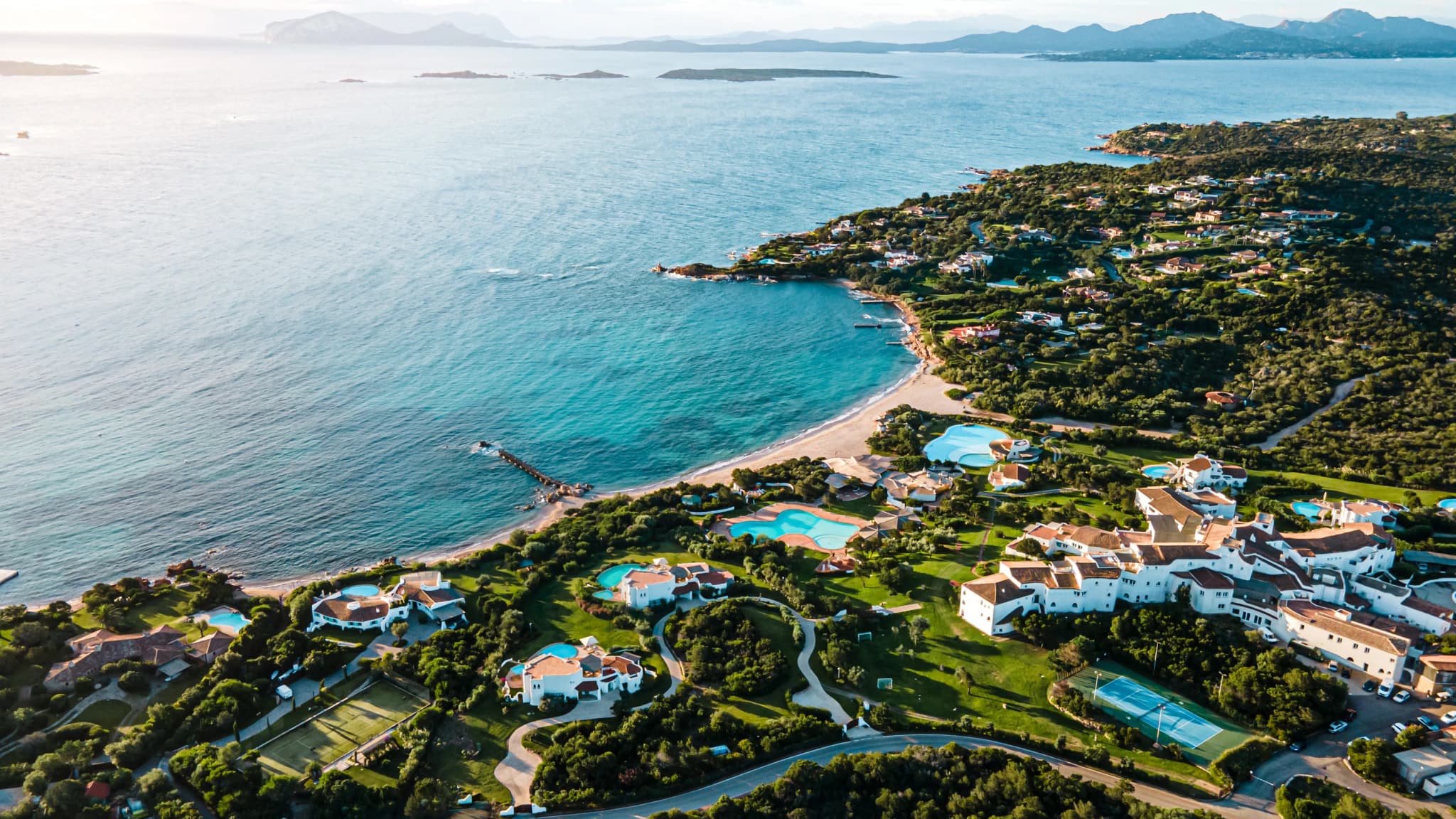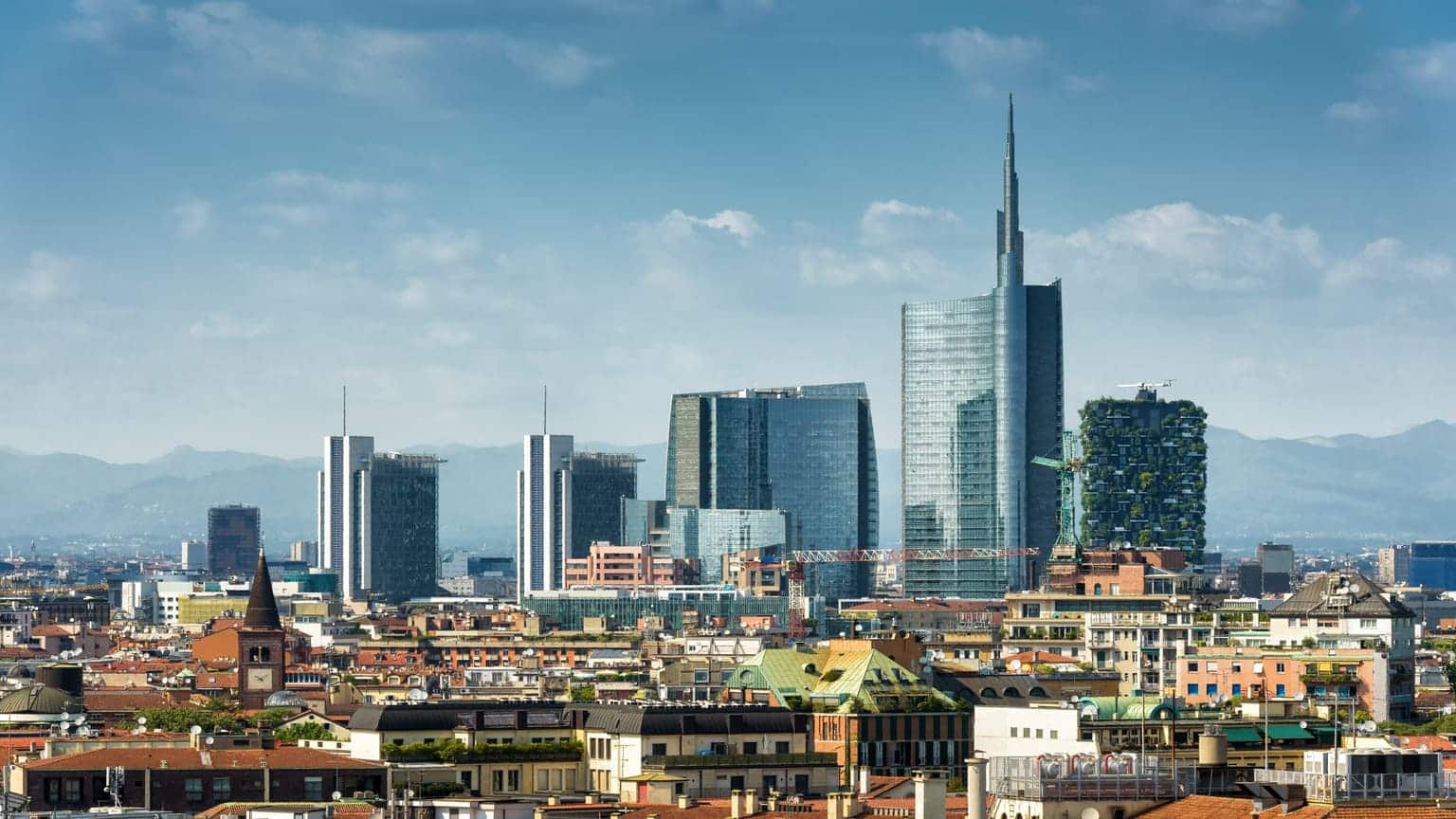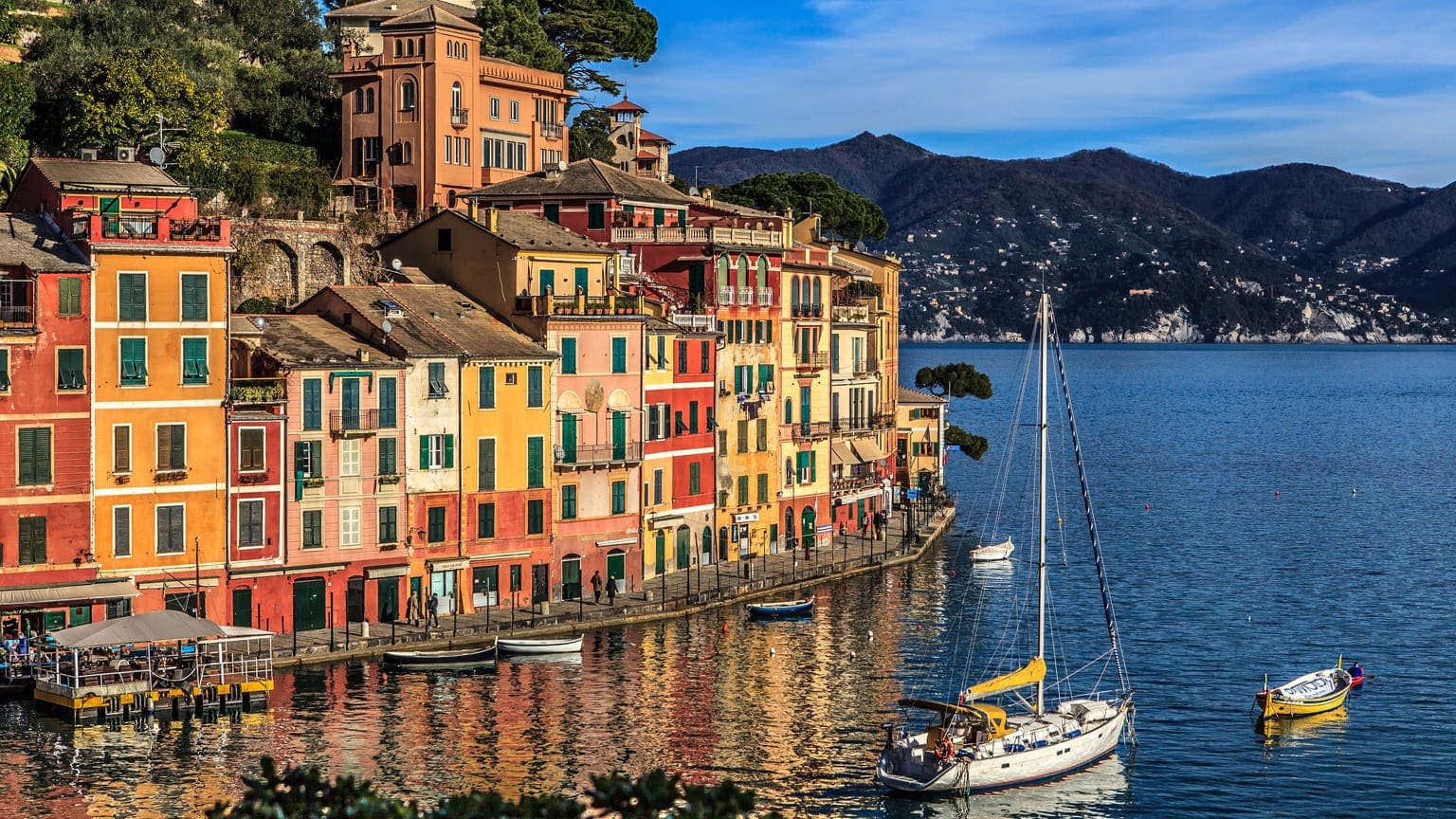










Italy offers a genuine cost of living advantage for professionals and investors relocating from the US, UK, Canada, and Australia.
The overall cost of living in Italy is 9,8% lower than in the US, with rents also lower by 47%[1]Source: Numbeo — Cost of Living Index.
For those who make the move, the numbers translate into a different quality of daily life. Fresh pasta as a casual lunch, gelato as an afternoon ritual, and weekends along the Amalfi Coast — none of it feels exclusive or out of reach.
In Italy, the math and the dream finally align. This guide lays out the practical numbers behind it.
Is Italy really affordable? Cost of living reality check
Italy's reputation for la dolce vita might suggest a premium price tag. In reality, the country remains surprisingly accessible, especially for expats arriving from London, New York, or Sydney.
For investors considering relocation, the Italy Golden Visa can also provide a straightforward route to residence while allowing them to enjoy the country’s moderate cost of living.
Living expenses in Italy
On average, a single person spends about €1,600—2,000 per month, depending on the city, while a family of four typically requires €4,100—4,500, excluding private school fees[2]Source: Numbeo — Cost of living in Italy.
Rent is the main expense. A one-bedroom apartment costs around €400—1,000 per month outside city centres and €500—1,500 in central areas. Larger family apartments range from €650 in smaller cities to €3,000 in major urban locations.
Utilities are relatively stable nationwide. Electricity, heating, water, and waste collection for a standard 85—100 m² apartment cost approximately €130—375 per month. Internet and mobile services are affordable, typically adding €24—60[2]Source: Numbeo — Cost of living in Italy.
Food expenses are moderate. A monthly grocery budget ranges from €250—400 for one person and €600—900 for a family. Dining out is part of everyday life: a meal at a mid-range restaurant costs €35—50 per person, while casual dining options remain significantly cheaper.

Trusted by 10,000+ investors
Check your eligibility for the Italy Golden Visa
Price levels in Italy compared to major global cities
For expats relocating from high-cost cities, the price gap becomes a direct source of savings. Even in Milan and Rome, Italy’s main economic and administrative centres, the cost of living remains lower than in New York, London, or Sydney.
A single professional in New York or London typically spends €3,500—4,000 per month on housing and everyday expenses. In Italy, a comparable lifestyle costs about €2,500 in Milan or Rome, while smaller cities require €2,000 or less.
In Italy, a family of four spends around €4,450 per month including rent. This is about 44% lower than in the US and 25% lower than in the UK[1]Source: Numbeo — Cost of Living Index.
To illustrate the cost of living in Italy compared to other major markets, the table below shows average monthly expenses across four key countries. These cover housing, utilities, leisure, and a standard grocery basket that includes milk, bread, eggs, cheese, chicken, apples, and wine.
Comparison of daily expenses in Italy, USA, UK, and Australia

Cost of living in Italy look by region: sample budgets for expats
Italy's regional price variation is among the widest in Western Europe. Monthly living costs range from over €2,700 in Milan in the north to under €1,000 in rural Sicilian towns in the south. This creates a gap of nearly 63% depending on where one chooses to settle.
Between major urban centres — such as Milan and the southern cities of Palermo or Catania — the gap is approximately 28%. Such differences are largely driven by housing costs, which typically account for the largest share of monthly expenses.
As a result, the income required to maintain a comfortable lifestyle varies significantly by region, requiring expats to estimate the level of earnings needed to live without financial pressure.
Northern Italy living costs
Northern Italy features the country’s most expensive housing markets and highest salaries. Milan, Turin, Bologna, Brescia, and Venice are the main economic centres, with Milan standing out as the most expensive city in Italy.
Total monthly spending for a single professional in northern Italian cities typically reaches €1,800—2,700 per month in Milan and €1,600—2,400 in Bologna or Turin. A one-bedroom apartment in Milan city centre at about €1,326 per month, while a three-bedroom apartment in the centre averages about €2,800[3]Source: Idealista — Rental data for Italian cities.
Annual living costs range from €21,600 to €38,500 for a single expat and from €42,600 to €77,800 for a family of four.
Estimated monthly basic costs in Northern Italy
Why expats choose the North despite higher costs. Higher costs in the Northern Italy are partly offset by strong infrastructure and international connectivity. The region offers the largest concentration of international schools, the strongest presence of international banks and corporate offices, and direct rail and air connections across Europe.
For investors, entrepreneurs, and globally mobile professionals, the North often provides the most practical operational base in Italy, despite the higher prices.

Milan boasts excellent public transport and rail connections across Europe, which can reduce commuting and travel costs
Central Italy expenses
Central Italy — particularly Rome and Florence — occupies the middle of the national price range. Living costs remain high by Italian standards but are typically 15—25% lower than in Milan, depending on the category of expenses.
€1,500—2,300 is the typical total monthly budget for a single professional, depending on neighbourhood and lifestyle. Rent for an 80 m² apartment averages €1,200 per month in Rome and around €1,100 in Florence[3]Source: Idealista — Rental data for Italian cities.
Annual living costs are estimated at €18,700—34,300 for a single expat and €38,600—69,600 for a family of four, depending on city and lifestyle.
Estimated monthly living costs in Central Italy
Reasons to choose Central Italy. Central Italy offers a balanced option for expats in terms of cost and lifestyle. Rome, the nation’s political and diplomatic centre, combines the scale of a European capital with high but below-Milan living costs, while Florence provides a slower pace without sacrificing cultural depth or economic activity in art and fashion.
The region occupies a middle position in Italy’s cost spectrum, with living expenses falling between the higher costs of the north and the more affordable southern areas. At the same time, infrastructure and connectivity remain strong, supporting stable long-term living conditions for both professionals and families.

Florence experiences seasonal rental fluctuations, but long-term leases remain around 10—20% cheaper than in Milan and about 5—10% lower than in Rome for comparable apartments
Southern Italy expenses
Southern Italy and the islands offer the lowest living costs in the country. This region includes southern cities such as Naples, Lecce, Bari, and Catania, as well as the islands of Sicily and Calabria.
Rent is 30—50% lower than in Northern Italy, particularly Milan, and around 20—35% below Central cities like Bologna or Turin. Food, transport, and everyday services are also 20—40% lower than in Northern Italy and 10—25% below the Central region, supported by strong local agriculture and regional markets.
The cost of living in Naples and Puglia are among the lowest of any major Italian urban area. A one-bedroom apartment in Naples city centre at about €1,000 per month. Comparable rents in Palermo and Catania are typically 10—20% cheaper, ranging from approximately €800 to €900 per month depending on location and property condition[3]Source: Idealista — Rental data for Italian cities.
For a single resident, total monthly expenses typically fall within:
- €1,200—1,700 in Naples or Bari;
- €900—1,400 in Palermo or Catania;
- €700—1,100 in smaller inland towns.
On an annual basis, total living costs amount to approximately €12,720—22,440 for a single expat and €26,760—51,840 for a family of four. Costs vary depending on the city, proximity to major urban centres, and overall lifestyle.
Estimated monthly living costs in Southern Italy
Tourist hotspots in the South cost more. Locations such as Positano or Capri experience seasonal demand and short-term rental pressure, which can push housing costs above the national urban average.
In Amalfi, for instance, average monthly rent for a one-bedroom apartment reaches approximately €1,200—1,600, compared to smaller inland towns in the province where rents are often closer to €800—1,000. In highly touristic coastal areas such as Positano and Capri, monthly rents can exceed €2,000—3,000 during peak demand periods.
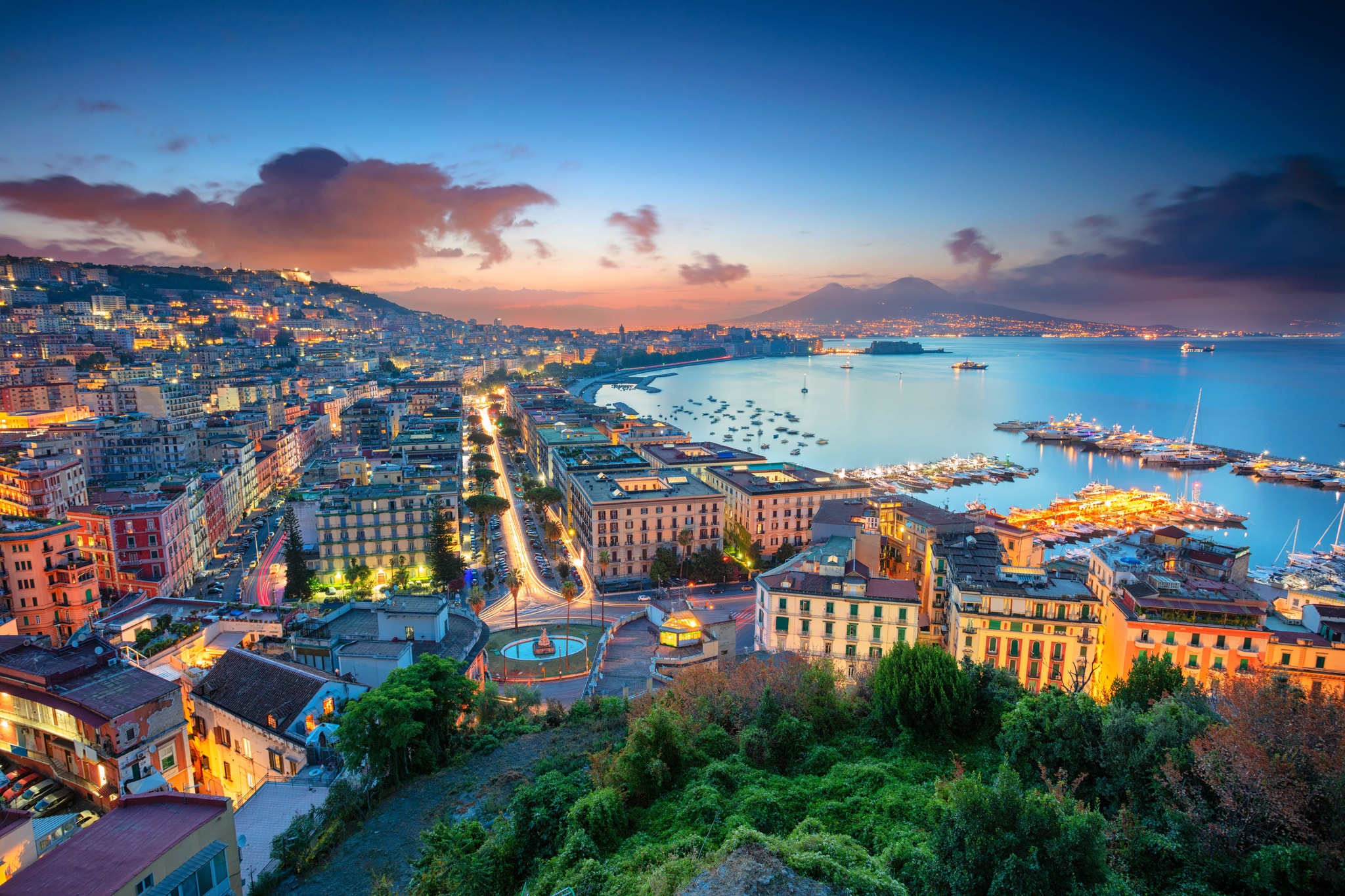
Naples is the birthplace of pizza — authentic Neapolitan pizza can cost as little as €5, making dining out a daily pleasure
The appeal of Southern Italy. Southern Italy attracts remote workers and freelancers with its lower living costs. According to Eurostat and OECD, remote professionals in Europe earn €2,500—3,000 per month on average. With essential costs in cities like Lecce or Catania — rent, utilities, groceries, and basic services — typically amounting to €900—1,400, expats can retain a monthly surplus of €1,100—2,100[4]Source: Eurostat — Earnings Statistics Database; OECD — Digital Economy Outlook and ICT wage distribution reports.
The surplus not only covers everyday living but also allows for higher-quality accommodation, discretionary spending, or savings. As a result, Southern Italy offers remote workers a high standard of living with relatively low overheads.
Beyond costs, Southern Italy is also gaining popularity due to its quality of life, favourable climate, and improving digital infrastructure. Coastal landscapes, historic cities, and a slower pace of life make the region attractive for long-term stays, while the expansion of coworking spaces and remote work-friendly services further supports expatriates.
Trusted by 10,000+ investors
Check your eligibility for the Italy Digital Nomad Visa
Housing costs in Italy
Housing is the largest monthly expense for expats in Italy. For any long-term visa or residence permit, providing a registered address is a legal requirement.
Rental prices
The Italian rental market primarily operates with two contract types:
- short-term transitional contract lasts up to 18 months;
- long-term leases with automatic renewal — typically 4+4 or 3+2 years.
For visa and residence permit purposes, applicants usually need a rental contract that covers the planned stay.
Rent depends on the city and neighbourhood. Besides monthly rent, tenants should budget for upfront costs: a security deposit of 2—3 months’ rent, agency fees of about one month’s rent plus VAT, and, in some cases, a small stamp duty.
In high-demand cities like Milan, competition for well-located, furnished apartments is strong. Properties are often rented within days of being listed. Landlords may also request proof of income or savings before signing a long-term lease.
Buying property in Italy
Property purchase in Italy can offer excellent value, particularly outside the main urban centres. On average, the price per m² is €2,150 nationwide. Milan and Rome remain more expensive, averaging €2,690 and €2,570 per m² respectively.
In Florence, city centre prices average €5,340 per m², dropping to €3,430 outside the centre. Naples follows at €4,330 in the city centre and €2,050 in outer districts, while Palermo offers the most accessible entry point at €2,400—2,500 in the centre and €1,200—1,300 on the periphery[3]Source: Idealista — Rental data for Italian cities.
Special municipal programs occasionally offer symbolic €1 homes in smaller towns and depopulated villages across Sicily, Calabria, and Molise. These initiatives aim to attract new residents, requiring renovation within 1—3 years and full payment of taxes, notary fees, and renovation costs — typically tens of thousands of euros.
Utilities and recurring expenses
Beyond rent, utilities and recurring household expenses form a notable part of monthly spending. Electricity, heating, water, and waste collection for an 85 m² apartment average €200 per month, with a range of €130—320 depending on location and building insulation.
Other costs include condominium fees for building maintenance and cleaning, typically €25—50 per month and the annual TV licence of €90. Rental contracts also incur a stamp duty of 2% of the annual rent, usually shared between tenant and landlord.
Fixed communication costs remain moderate, with fibre broadband at €25—35 per month and mobile SIM plans €10—20 per month, keeping remote work connectivity affordable.
Food and grocery costs in Italy
Food spending in Italy is close to the European average and remains moderate compared with Western and Northern Europe. According to Eurostat, Italian households spend about 14.7% of total consumption on food and non-alcoholic beverages, slightly above the EU average of 13—14%[5]Source: Eurostat — Household consumption expenditure by purpose.
Italy stays cost-competitive in fresh produce and local groceries, which helps keep everyday food expenses stable.
Average grocery prices in Italy
For expats, food is typically the second-largest monthly expense after housing, but it remains one of the areas where Italy offers strong value.
The country’s strong agricultural sector and dense network of local food markets help keep everyday grocery prices moderate. One person spends €250—350 per month on groceries, while a family of four needs €900—1,300.
To better illustrate typical day-to-day food costs in Italy, it is useful to look at the average prices of common grocery items across supermarkets and local markets:
- milk, 1 litre — €1.43;
- bread, 500 g loaf — €1.88;
- 12 eggs — €3.63;
- chicken breast, 1 kg — €10.40;
- local cheese, 1 kg — €13.70;
- tomatoes, 1 kg — €2.60;
- apples, 1 kg — €2.30;
- bottle of mid-range wine — €6.00;
The main supermarket chains in Italy include Conad, Coop, Esselunga, Carrefour, and Eurospin. Discount supermarkets such as Eurospin or Lidl often provide the lowest weekly grocery bills.
Regional differences in food prices
Food costs vary across Italy, although the difference is smaller than for housing. Typical grocery budgets per month by region are:
- North Italy, Milan and Bologna: €300—350;
- Central Italy, Rome and Florence: €270—320;
- South Italy, Naples and Palermo: €240—290.
Dining prices follow a similar pattern, with southern Italy generally 10—20% cheaper than the north. Because of these differences, expats living in southern regions can often reduce monthly food spending by €50—100 compared with Milan or Rome, while maintaining the same diet based on local products.
Dining out
Italy offers some of the most affordable prices in Western Europe for casual dining and daily coffee stops.
Restaurant prices remain moderate even in large cities because of strong local competition and a high number of small family-run establishments. Casual dining — such as pizza, pasta, or a neighbourhood trattoria meal — is therefore a regular part of everyday life rather than an occasional expense.
Average restaurant prices in Italian restaurants are as follows:
- inexpensive restaurant meal — €16;
- mid-range dinner for two, three courses — €70;
- pizza in a neighbourhood pizzeria — €7—10;
- cappuccino — €1.70;
- a glass of house wine — €4—6.
To compare, an inexpensive restaurant meal averages €22 in France and €25 in the United Kingdom, coffee in major northern European cities typically costs €3—4.
Because restaurant prices remain moderate, many residents combine home cooking with frequent casual dining, which is a central part of Italian lifestyle.

Most Italian households shop at both supermarkets and open-air markets, mercati. These markets sell fresh produce directly from local farms and help keep food prices lower
Transportation costs in Italy
Public transport in major Italian cities is about 30—60% cheaper than in many Western European capitals. Monthly passes usually cost €35—55, depending on the city. Intercity travel is also affordable: high-speed train tickets often start at €25—40 when booked in advance[6]Source: Trenitalia — Fare structure and travel times.
Private cars remain the most widely used mode of intercity travel in Italy. Ongoing expenses such as fuel, insurance, road tax, and highway tolls form a key component of annual transport costs for a typical mid-size vehicle.
Getting around Italian cities
Public transport in Italy is relatively inexpensive. A monthly public transport pass costs €35 in Rome and €39 in Milan, according to the official ATAC and ATM fare pages[6]Source: Trenitalia — Fare structure and travel times. By comparison, similar passes cost around €84 in Paris, about €86 in Berlin, and €190—220 in London.
A full year of public transport in Italy costs €420—620, depending on the city. This is 2—4 times lower than in major Western European capitals: annual passes cost about €1,000 in Paris, €1,030 in Berlin, and €2,300—2,600 in London.
A resident commuting exclusively by public transport spends roughly €1.60—2.35 per day.
Monthly public transport costs in major Italian cities
Owning a car in Italy increases monthly expenses substantially. Fuel prices are among the highest in Europe due to fuel taxes. Numbeo data for 2026 shows the average petrol price at around €1.70—1.90 per litre depending on market conditions[7]Source: Italian Automobile Club ACI — Vehicle ownership costs.
Besides fuel, car owners must also budget for mandatory expenses required by Italian law. Key recurring costs include:
- road tax or bollo auto — annual road tax based on engine power, €150—€600 per year;
- RC Auto — insurance variable by region, €300—€800 a year;
- maintenance and inspection — roadworthiness inspection, €45—€80 every two years;
- parking permits in urban areas;
- tolls — common on major highways;
- city centre access fees — for example, Milan's Area C congestion charge costs €5 per day for entry into the historic centre, Rome will introduce annual permits starting at €1,000 for electric vehicles from July 2026[8]Source: Comune di Milano — Area C access ticket; Roma Servizi per la Mobilità — ZTL permit updates.
Typical yearly car expenses for a mid-size vehicle can reach €1,800—3,500, depending on insurance rates and usage[7]Source: Italian Automobile Club ACI — Vehicle ownership costs.
Many expats in city centres choose public transport as the cheaper option. In most large cities, daily commuting does not require a car. Milan, Rome, and Turin operate extensive metro, tram, and bus networks that make city travel quick and affordable. Public transport also links with regional trains, so residents can travel between cities without a car.
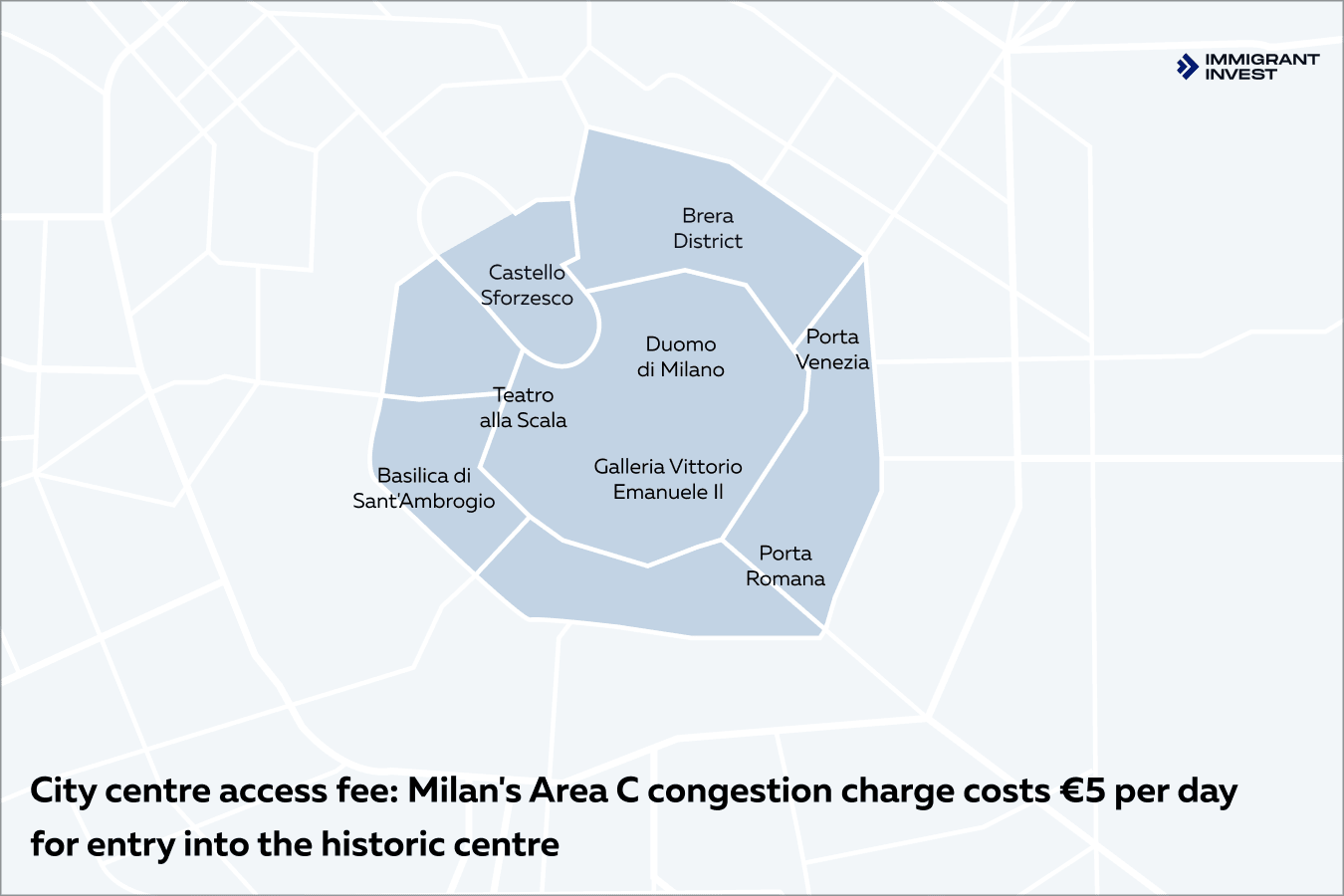
Driving into Milan’s central area costs €5 per day
Italy intercity travel
Private cars are the most common way people travel between cities in Italy. According to official Italian mobility statistics, about 69.5 % of all domestic passenger trips are made by private vehicle, while only around 11.2 % are made by train[9]Source: ISPRA — Italian mobility statistics. Most residents choose road transport for flexibility, coverage outside rail corridors, and direct point‑to‑point travel.
Italy’s high‑speed rail is often faster than driving, especially between major economic hubs. Trenitalia Frecciarossa and Italo EVO trains connect all major cities with modern trains and frequent departures. Their trains run at up to 300 km/h, with travels from Rome to Naples taking just over an hour, Milan to Florence about 2 hours, Turin to Milan under 1 hour, and Milan to Naples 4 hours 20 minutes to 5 hours, depending on the service.
High-speed train tickets are often 2—3 times cheaper than similar routes in France, Germany, Spain, or the UK. For example, Milan—Rome costs €40—90, while Berlin—Hamburg or Paris—Lyon can cost €70—150. Milan—Florence costs €35—65, compared with €75—130 for Paris—Strasbourg.
Advance train tickets booking 2—4 weeks ahead ensures the best prices. Last-minute tickets can exceed €100.
High-speed train costs and travel times in Italy
Long‑distance buses such as FlixBus provide the lowest cost overland option, typically €10—25 per trip on major routes. Travel times are longer than trains but still practical for non‑urgent travel between cities, especially for budget‑conscious expats.
Domestic flights are practical for North-to-South trips and connections to Sicily and Sardinia. Advance fares generally range €4—90 one way and often compete with high‑speed train prices, particularly when booked early.
Example route Naples—Milan: prices and options for domestic travel in Italy
Mobility across Europe
Rail is among the most reliable choices for cross‑border travel for people living in Italy. International routes are operated by national railway companies such as Trenitalia, Deutsche Bahn, SNCF, and ÖBB.
Direct connections link cities such as Milan with Paris, Venice with Vienna, and Rome with Munich. Additional routes include Turin to Lyon, Milan to Zurich, and Bologna to Innsbruck.
Travel times typically range from 3 to 7 hours, with ticket prices starting from €29—59 when booked in advance.
Air travel is the fastest option for medium and long distances. On popular routes — such as Rome to Barcelona or Milan to Berlin — flight times generally fall between 1.5 to 2.5 hours. Low-cost carriers such as Ryanair, easyJet, and Wizz Air cover most of Europe extensively, with one-way fares typically starting from €15—40.
Long-distance bus travel is the most cost-effective option for international routes. Companies such as FlixBus and BlaBlaCar Bus operate cross-border services connecting both major and secondary cities.
Typical routes include Milan to Zurich, Rome to Ljubljana, and Naples to Vienna. Travel times are longer, typically 6—12 hours, but ticket prices can start from €10—25, making buses a viable option for budget travel.
Travel by car from Italy to other European countries is straightforward due to open borders within the Schengen Area. Common routes include Milan to Geneva in about 4 hours, Venice to Vienna in around 6 hours, and Turin to Nice in under 3 hours.
For car travels, additional costs should be considered. Motorway tolls in Italy and France range from €0.07—0.10 per km, so a 500 km drive from Milan to Munich adds €35—50. Austria offers short-term vignettes from €9.60 for one day to €12.80 for ten days, while Switzerland requires an annual vignette of about €40.
Fuel averages €1.70—2.00 per litre, making a 600 km journey cost €70—100. City parking in Vienna or Geneva ranges €20—40 per day, and rental cars may add €30—100 in cross-border fees depending on the provider.
In practice, a 500 km drive from Milan to Munich typically costs €150—200 per car once fuel, tolls, vignettes, and parking are included. A trip from Venice to Vienna comes to around €130—170 for the 550 km journey, factoring in fuel, the Austrian vignette, and city-centre parking.
Healthcare costs in Italy
Italy operates a universal public healthcare system, the Servizio Sanitario Nazionale, funded through taxation. It provides residents with broad medical coverage at relatively low out-of-pocket cost, while private healthcare offers faster access and additional services.
Italy public healthcare costs
To access public healthcare, residents must register with the SSN using a tax number and a valid residence permit. After registration, one receives a health card, tessera sanitaria, which grants access to public medical services.
Under the SSN, most essential care is covered, including GP visits, hospital treatment, emergency care, basic diagnostics, and specialist consultations. GP visits, hospitalisation, and emergency care are generally free, with limited regional exceptions.
Some services require a co-payment, known as the ticket sanitario. Annual out-of-pocket co-payments typically range from €200 to 500 per person, depending on usage and region. Prescription co-payments are capped nationally at €36.15. More than one third of residents are exempt from co-payments based on income, age, disability, or chronic conditions.
Public healthcare costs for one person in Italy typically include:
- GP visits — €0;
- specialist visit — €20—50;
- diagnostic tests including blood work and imaging — €10—100;
- emergency room visit — €0 for urgent or a small ticket for non-urgent cases;
- hospitalisation — €0 per stay.
Italy private healthcare costs
Private healthcare in Italy gives faster access and extra services compared with the public system. Many expats combine private insurance with SSN registration to reduce waiting times, especially in regions where public healthcare capacity is limited. Private insurance usually covers GP visits, specialist consultations, diagnostic tests, and hospitalisation. Plans cover these costs fully or partly, reducing out-of-pocket expenses.
Private insurance costs per person range from €100 to €300 per month, or €1200 to €3600 per year. This is about 2—3 times lower than in Germany, where costs range from €250 to €500 per month[10]Health-Insurance.de — Private Health Insurance Cost in Germany, and far below the United States, where they reach $400 to $600 per month[11]Forbes Advisor — Average Health Insurance Cost in the USA.
Full medical coverage, combining private insurance with SSN co-payments, typically costs €1,200—4,100 per year for a single expat and €4,100—10,800 per family.
Without private insurance, patients pay full prices in private clinics for each visit and procedure: a specialist visit costs €70—150, MRI scans cost €200—350, blood tests cost €50—120, and hospital stays cost €500—1500 depending on complexity.
Taxes in Italy
Taxes are a key cost consideration for anyone relocating to Italy. Annual obligations depend on tax residency, income source, and residence permit type. Choosing the correct regime can save tens of thousands of euros, especially for high-net-worth expats, digital nomads, and families.
Tax residency in Italy
A person becomes a tax resident in Italy if they spend at least 183 days in the country during a calendar year and meet any of the following conditions[12]Source: Normattiva — DPR 22 dicembre 1986, n. 917, Testo Unico delle Imposte sui Redditi:
- physical presence in Italy, counting even partial days;
- habitual residence in Italy, which means the place where the person lives continuously;
- domicile in Italy, meaning the place where the person’s personal and family relationships are primarily centred;
- registration in the resident population register creating a presumption of tax residency, which can be rebutted by proving that actual residence differs from the registration.
Once tax residency is established, Italy taxes all income of the person, regardless of where it is earned, unless a double taxation treaty provides otherwise. This means that a resident must declare all global income, including employment, self-employment, business profits, capital gains, dividends, interest, rental income, in their annual Italian tax return and pay Italian income tax on it.
Before relocating, most expats obtain a codice fiscale. This is the Italian tax ID required to open a bank account, sign a rental contract, register for healthcare, and access most administrative and financial services in Italy. Without it, setting up daily life from scratch is nearly impossible.
The codice fiscale is free and can be obtained through the Italian Revenue Agency or at an Italian consulate before arrival.
Personal income tax IRPEF
Italian progressive income tax, or IRPEF, applies to all income sourced in Italy, regardless of the individual’s tax residency status. For tax residents, IRPEF also covers foreign‑source income.
Italian personal income tax rates are structured as follows:
- income up to €28,000 — 23%;
- income between €28,001 and 50,000 — 33%;
- income over €50,000 — 43%.
The higher rate applies only to the portion of income that exceeds each threshold, not to the entire income. For example, a single expat earning €45,000 per year pays €6,440 on the first €28,000 and €5,610 on the remaining €17,000, totaling €12,050, excluding regional and municipal surtaxes and any applicable deductions.
Flat tax for new residents
Article 24‑bis is a special optional tax regime for new residents in Italy. To qualify, a person must become a tax resident in Italy and must not have held this status for 9 of the previous 10 years[13]Source: Normattiva — TUIR Article 24-bis flat tax regime.
Under this regime, all foreign-sourced income is taxed at a fixed €300,000 per year, regardless of the amount earned abroad. Family members can be included for €50,000 each per year. The regime applies for up to 15 years.
Flat-rate tax for self-employed
A simplified flat‑tax system, Regime Forfettario, applies a 15% tax to income from qualifying self-employed activities. The regime is available to individuals conducting business, artistic, or professional activities, including independent workers and licensed professionals[14]Source: Law No. 190/2014, Article 1, paragraphs 54–89 — Regime Forfettario legal framework. To qualify, an individual’s annual income must not exceed €85,000.
For the first five years of new activities, the 5% reduced rate instead of 15% applies if all the following conditions are met:
- the taxpayer did not carry out any self‑employed, professional, or business activity in the previous three years;
- the new activity is not a continuation of prior dependent or self‑employed work, except for mandatory practice required for certain professions;
- if the activity continues a previous activity performed by another person, the income in the prior year does not exceed €85,000.
Comparison of tax regimes for expats in Italy
Legal ways for non-EU nationals to live in Italy
Non-EU nationals can reside in Italy through various long-stay visas. While most move as family members, students, or employees, there are also options for investors, remote workers, and financially independent individuals. Each visa has specific eligibility rules and post-arrival requirements.
Italy Golden Visa
The Italy Golden Visa, or Italy Investor Visa, provides a pathway to a 2-year residence permit for non-EU nationals who make a qualifying investment in Italy. Four investment routes are available:
- €250,000 in an innovative startup;
- €500,000 in a limited company as equity;
- €2,000,000 in government bonds with 2-year holding period;
- €1,000,000 in a philanthropic initiative in culture, education, research, or heritage preservation.
Investors are not required to relocate immediately and face no minimum stay obligation. The initial 2-year permit is renewable for 3 more years if the investment is maintained. After 5 years of continuous residence, holders may apply for permanent residence, and after additional 5 years — for Italian citizenship by naturalisation.
Investors’ spouses, children and parents may apply under family reunification rules:
- spouse must be officially married to the investor;
- children under 18 qualify automatically;
- children over 18 may qualify only if they are financially dependent on the investor due to their state of health leading to total disability;
- parents must be financially dependent on the investor and either have no other children in their country of origin or be over 65, with other children unable to support them due to documented serious health reasons.
Family members receive residence permits with the same validity period as the main applicant.

Italy Digital Nomad Visa
The Italy Digital Nomad Visa targets highly specialised non-EU nationals working remotely for employers or clients outside Italy. To qualify, applicants must hold at least a bachelor's degree recognised via CIMEA, a government-issued professional licence, or at least 5 years of professional experience. ICT specialists qualify with 3 years within the last 7.
Applicants must also meet the following criteria:
- earn at least €28,000 per year from remote work;
- have proof of savings — ideally around €30,000 in a bank account;
- have at least 6 months of remote work experience;
- provide proof of remote work from an employer or clients;
- hold medical insurance valid in Italy for the entire period of residence;
- provide documentary proof of accommodation in Italy;
- have no criminal record.
If family members are included in the application, the required savings increase by €9,360 for a spouse and €1,560 for each child, while the minimum income threshold remains unchanged.
Family reunification is generally possible after obtaining the residence permit and meeting income and accommodation requirements. Spouses, children, and dependent parents may join the main applicant under standard immigration rules.
The initial visa is valid for up to 1 year and can be extended for a further 2 years. Subsequent renewals are possible provided all requirements continue to be met. After 5 years of legal residence, digital nomads may apply for permanent residency.
Elective Residency Visa
The Elective Residency Visa[15]Source: Consulate of Italy in Boston — Elective Residency is designed for non-EU nationals who can support themselves in Italy without working. Eligible applicants must demonstrate sufficient passive income, typically around €31,000 per year for a single applicant. Acceptable income sources include pensions, annuities, rental income, or returns from investments[24].
This visa does not permit employment or self-employment in Italy, making it most suitable for retirees or financially independent investors seeking to live in Italy while maintaining their income abroad.
Spouses and dependent family members can be included in the application. The required income increases depending on family size, and all applicants must have sufficient accommodation in Italy. Family members receive residence permits aligned with the main applicant.
Permanent residence and citizenship in Italy
After 5 years of continuous legal residence in Italy, non-EU nationals may apply for permanent residence. To qualify, applicants must demonstrate stable and sufficient income, suitable accommodation, valid health insurance, and pass an Italian language test at A2 level, as required by Italian law.
Permanent residence grants the right to live in Italy without time limits and with fewer administrative requirements. At this stage, the residence status is no longer tied to the original visa conditions, such as maintaining an investment under the Italy Golden Visa or meeting income thresholds under the Digital Nomad or Elective Residency routes.
After 10 years of legal residence, non-EU nationals may apply for Italian citizenship by naturalisation. In addition to continuous residence, applicants must meet income requirements, demonstrate integration, have no serious criminal record, and prove Italian language proficiency at B1 level.
How to relocate to Italy with a Golden Visa: step-by-step process
Below is a step-by-step overview of how relocation through Italy’s Golden Visa is carried out in practice.
Based on the experience of Immigrant Invest lawyers, the process takes around 5 months from the initial application to obtaining residency and includes one mandatory visit to Italy to submit documents and fulfil the investment requirement.
1 day
Preliminary Due Diligence
Immigrant Invest runs a Preliminary Due Diligence check through its in-house compliance team. The check helps identify potential issues early, keeps the process fully confidential, and requires only a passport.
Immigrant Invest runs a Preliminary Due Diligence check through its in-house compliance team. The check helps identify potential issues early, keeps the process fully confidential, and requires only a passport.
7+ days
Collecting documents and applying for Nulla Osta
Immigrant Invest lawyers help the investor prepare the required document package, translate documents, and certify copies.
Then, the lawyers submit an application for a Nulla Osta certificate — confirmation from the Italian authorities that there are no obstacles to granting residency.
The lawyers also create an account for the investor on the program website, complete the personal questionnaire, and upload the necessary documents:
- copy of the passport;
- certificate confirming professional experience;
- documents proving the availability of investment funds;
- declaration in which the investor commits to transferring the investment after the visa is granted.
Immigrant Invest lawyers help the investor prepare the required document package, translate documents, and certify copies.
Then, the lawyers submit an application for a Nulla Osta certificate — confirmation from the Italian authorities that there are no obstacles to granting residency.
The lawyers also create an account for the investor on the program website, complete the personal questionnaire, and upload the necessary documents:
- copy of the passport;
- certificate confirming professional experience;
- documents proving the availability of investment funds;
- declaration in which the investor commits to transferring the investment after the visa is granted.
90 days
Issuance of Nulla Osta
Once the application is submitted, the online portal forwards it to the local Prefettura, based on the address where the applicant intends to reside in Italy.
The Prefettura has up to 90 days to review the application and complete the process.
Once the application is submitted, the online portal forwards it to the local Prefettura, based on the address where the applicant intends to reside in Italy.
The Prefettura has up to 90 days to review the application and complete the process.
7+ days
Submission of a visa application
Once Nulla Osta is issued, it is valid for 6 months. Within that period, the applicant submits a visa application at the Italian consulate in their country of residence.
The investor prepares a new pack of documents:
- Nulla Osta certificate;
- copy of the passport;
- purchase or rental agreement for residential property in Italy;
- proof of income exceeding healthcare expenses — at least €8,500;
- photograph.
Once Nulla Osta is issued, it is valid for 6 months. Within that period, the applicant submits a visa application at the Italian consulate in their country of residence.
The investor prepares a new pack of documents:
- Nulla Osta certificate;
- copy of the passport;
- purchase or rental agreement for residential property in Italy;
- proof of income exceeding healthcare expenses — at least €8,500;
- photograph.
10 to 120 days
Obtaining the investor visa
The Italian consulate checks the documents of the investor and their family. The official processing time can reach up to 120 days, although in practice decisions are often issued within 10—20 days after submission. The consulate sends the outcome directly to the investor’s email address.
The Italian consulate checks the documents of the investor and their family. The official processing time can reach up to 120 days, although in practice decisions are often issued within 10—20 days after submission. The consulate sends the outcome directly to the investor’s email address.
Within 8 days
Applying for a residence permit in Italy
The investor visa is valid for 2 years. During this period, the holder must enter Italy and apply for a residence permit.
After arriving in Italy, the investor:
- submits the residence permit application in person at the immigration office, Questura, within 8 days;
- transfers the investment within 3 months, depending on the chosen option.
At the Questura, the investor must provide a copy of their passport, two photographs, a revenue stamp, or marca da bollo, and receipts for postal payment slips.
Once the funds have been transferred, the investor uploads documents confirming fulfilment of the investment condition — such as a securities deposit certificate — to the official programme committee’s platform.
The investor visa is valid for 2 years. During this period, the holder must enter Italy and apply for a residence permit.
After arriving in Italy, the investor:
- submits the residence permit application in person at the immigration office, Questura, within 8 days;
- transfers the investment within 3 months, depending on the chosen option.
At the Questura, the investor must provide a copy of their passport, two photographs, a revenue stamp, or marca da bollo, and receipts for postal payment slips.
Once the funds have been transferred, the investor uploads documents confirming fulfilment of the investment condition — such as a securities deposit certificate — to the official programme committee’s platform.
30+ days
Residence permit card issuance
The Italian immigration office examines the documents submitted by the investor and their family members. If further information is required, the investor is given 30 days to submit the missing documents.
Once the application is approved, residence permit cards are issued.
The Italian immigration office examines the documents submitted by the investor and their family members. If further information is required, the investor is given 30 days to submit the missing documents.
Once the application is approved, residence permit cards are issued.
After 2 years
Renewal of the residence permit
The first residence permit card is valid for 2 years and can be renewed for another 3 years. As long as the investment is maintained, further renewals remain possible.
The renewal application must be filed no earlier than 2 months before the current card expires. The process mirrors the initial application: the same set of documents is gathered, submitted electronically, biometrics are provided, and a new residence permit card is issued.
The first residence permit card is valid for 2 years and can be renewed for another 3 years. As long as the investment is maintained, further renewals remain possible.
The renewal application must be filed no earlier than 2 months before the current card expires. The process mirrors the initial application: the same set of documents is gathered, submitted electronically, biometrics are provided, and a new residence permit card is issued.
How Italy compares with other Southern European destinations: Portugal, Spain, and Greece
Italy is often compared with Portugal, Spain, and Greece because these Southern European countries offer similar Mediterranean climates, cuisine, and lifestyle, making them natural alternatives for non-EU expats.
These countries attract a mix of digital nomads, retirees, investors, and families, which overlaps with Italy’s target audience. However, while climate and culture are similar, costs, tax regimes, and lifestyle options differ significantly, shaping the final choice for relocation.
Italy vs Portugal
Portugal stands out with lower everyday costs than Italy, but housing in its main cities is pricier and its special tax incentives are narrower. A single person in Lisbon spends €1,800—2,200 per month including rent, compared with €1,600—2,500 in Milan.
Housing in central Lisbon averages €1,300—1,600 per month for a one‑bedroom apartment and €2,000—2,600 for a three‑bedroom flat. In Milan, equivalent apartments rent for €1,500—1,700 and €3,000—3,500 respectively.
Average net monthly salaries in Portugal are €1,126, significantly lower than Italy’s €1,666—2,800. Professionals in tech, IT, and consulting often earn 50—80% more than the national average.
Income tax in Portugal is progressive, from 14.5% to 48%. New residents may qualify for IFICI, a 20% flat tax, but only certain high‑skilled professionals. Italy offers broader incentives: a 5—15% flat tax for self‑employed professionals and a €300,000 flat tax on foreign income.
Visa conditions are another important factor alongside living costs and taxation when choosing between Portugal and Italy. Portugal offers several residence pathways tailored to different applicant profiles:
- Portugal Golden Visa starts at €250,000 in investment, offers flexible options in funds or business, and carries minimal stay requirements;
- Portugal D7 Visa is based on passive income from €920 per month and is suited to retirees and financially independent applicants, leading to residency and citizenship;
- Portugal Digital Nomad Visa is designed for non‑EU remote employees and freelancers and requires remote work income from €3,680 per month;
- Portugal Global Talent Programme is based on academic or innovation cooperation with a Portuguese university, requires a bachelor’s degree and 3—5 years of experience, and is offered under an all‑inclusive fee covering the main applicant and family.
Italy vs Spain
Spain’s cost structure offers lower everyday expenses than Italy, but housing in major Spanish cities can be more expensive, and its special tax regime is narrower. Everyday costs in Spain are roughly 19% lower than in Italy.
Housing in central Barcelona rents for €1,350—1,950 per month for a one‑bedroom apartment, in Madrid, the cost is €950. By comparison, a similar apartment in Milan runs up to €1,700. A furnished three‑bedroom apartment in central Barcelona rents for €1,800—2,600 per month. In Milan, a comparable apartment costs €3,000—3,500.
Average net monthly salaries in Spain are €2,268, compared with €1,666—2,800 in Italy. Income levels vary significantly by region, with higher salaries typically recorded in Madrid, Barcelona, Milan, and Rome. This makes location a key factor when comparing living costs.
Income tax in Spain is progressive, ranging from 19% to 47%. New residents can apply the Beckham Law, which sets a flat 24% tax on Spanish-source income up to €600,000 per year for the first six years.
Visa options in Spain are tailored to different income sources:
- Spain Digital Nomad Visa — requires remote work income of at least €34,188 per year;
- Spain Non‑Lucrative Visa — requires passive income of €28,800 per year; employment is prohibited.
Italy vs Greece
Greece offers lower living costs than Italy, with food, housing, and transport all significantly cheaper. However, local salaries are also lower, and visa options are more limited.
Housing in central Athens is priced at €460—470 per month for a one‑bedroom apartment, while in Milan, a comparable apartment rents for €1,500—1,700. A three‑bedroom furnished apartment in central Athens averages €810—820 per month, while a similar‑sized apartment in Milan costs €3,000—3,500.
Average net monthly pay in Greece is €1,100—1,160, compared with €1,666—2,800 in Italy. Greece income levels are generally lower than Italian’s across both major cities and regional areas.
Income tax in Greece is progressive, from 9% to 44%. New residents can use the non‑domicile regime, which taxes foreign‑source income at a flat 7% with a minimum annual payment of €100,000. This is conceptually similar to Italy’s flat‑tax regime for new residents.
Visa options in Greece are structured around three main residency pathways, each designed for a specific income source:
- Greece Golden Visa — available through a minimum investment of €250,000 in real estate, investment funds, or bank deposits;
- Greece Financially Independent Person Visa — requires passive income of €42,000 per year, and employment is not allowed;
- Greece Digital Nomad Visa — for remote workers with stable foreign income of €3,500 per month.
Risks and pitfalls when relocating to Italy
The main challenges for Italy-bound expats are securing compliant housing, understanding tax rules, gathering correct documentation, and realistic budgeting. Most difficulties arise from underestimating true costs, choosing the wrong visa, or unintentionally triggering tax residency.
1. Real relocation costs are higher than expected
Visa requirements show only minimum investment or income levels, not the full budget. Additional costs typically include:
- government visa and residence permit fees: €300—500;
- document translation and notarisation: €200—600;
- housing deposits and initial rent for the first months: €2,000—6,000, depending on city and rental type;
- private health insurance: €300—1,000 for the first year, depending on coverage;
- travel and relocation expenses: €500—1,500;
- legal and consultancy fees: €2,000—10,000+.
A digital nomad who meets the €28,000 income threshold may face €10,000—20,000 in first-year relocation costs, and families should budget extra for each dependent. Currency transfers can add further hidden expenses, but using regulated providers and comparing exchange rates helps keep these costs under control.
2. Unplanned tax residency
Staying over 183 days in a calendar year usually triggers tax residency, requiring declaration of worldwide income. Italy’s progressive rates reach 43%. To avoid this, it’s possible to limit the time spent in Italy, rely on double taxation treaties, or apply for the substitute flat tax regime for new residents. The standard flat tax amounts to €300 000 per year on all foreign income.
3. Finding housing often delays the visa process
Many long‑stay visas require a registered rental contract. Unregistered leases cause delays or rejection. In cities like Rome or Milan, finding a long-term rental can take weeks. Applicants also face rental scams — in 2026, a €1 million fraud was uncovered in Rome. To avoid this, verify landlord ID and ownership, confirm lease registration, and pay only after signing a legitimate agreement. Starting the search early reduces risks.
Immigrant Invest helps secure consulate‑approved housing, manage deposits, and avoid scams.
4. Choosing the wrong visa type
Italian visas have precise income and activity requirements. Common mistakes include remote workers applying for the Elective Residency Visa or entrepreneurs selecting a remote work visa instead of an investor programme. Refusals happen when the application doesn’t match the real source of income.

Robert Outerbridge,
Investment Migration Expert
Choosing the correct visa type is essential. Immigrant Invest helps applicants select the programme that matches their income and professional activity, performs a preliminary Due Diligence check, and flags potential obstacles in advance. This approach reduces delays and refusals, making the process predictable.
5. Documentation preparation takes longer than expected
Consulates require numerous official documents, many needing apostille and Italian translation. Typical requirements include proof of income or capital, criminal record checks, university diplomas for specialist workers, rental contracts, and health insurance. Gathering the full package can take 4—8 weeks. Starting early prevents missed appointments.
6. Family eligibility rules can affect dependants
Dependants must meet strict criteria. Children usually must be financially dependent and unmarried, and some consulates apply age limits. Problems arise if a child reaches adulthood, becomes independent, or marries during the process. Confirm each family member’s status before applying to avoid last‑minute exclusions.
How Immigrant Invest helps expats relocate to Italy
Immigrant Invest is a licensed advisory company that has worked in the industry since 2006. We bring together more than 70 certified professionals across 11 countries and have assisted over 10,000 clients, achieving a 99% success rate in their residence permits and citizenship applications.
What Immigrant Invest does for clients:
- Preliminary Due Diligence. We review eligibility, income, and family structure early to identify risks and adjust the strategy.
- Visa route selection. We match clients to the right visa type based on income and lifestyle, ensuring legal compliance from the start.
- Document preparation and legal compliance. Our lawyers prepare the full application package, including translations, apostilles, and notarisation, checked against consulate standards.
- Housing support. We secure compliant long-term rental agreements through trusted partners.
- Banking and investment assistance. We help with bank account opening, fund transfers, and investment documentation.
- Post-arrival and residency support. We assist with residence registration, healthcare enrolment, administrative formalities, as well as renewals and extensions.
Key takeaways on living costs in Italy
- The cost of living in Italy is moderate by Western standards: €1,600—2,500 per month for a single person and €3,500—5,000 for a family of four.
- Life in Italy is more affordable than in major expat destinations: prices are 9,8% lower than the US and rent 47.9% lower, with similar gaps compared to the UK, Canada, and Australia.
- Location strongly affects costs. Rent ranges from €1,800—2,700 in Milan to €700—1,100 in southern regions like Puglia, Sicily, and Calabria.
- Housing is the main expense. A one-bedroom costs €1,200—1,600 in Milan, €1,100—1,300 in Rome, and €600—900 in cities like Palermo or Bari.
- Income tax is progressive, ranging from 23% to 43% depending on earnings.
- Foreigners can relocate to Italy under various residence permits — for work, family reunification, as digital nomads or investors.
Immigrant Invest is a licensed agent for citizenship and residence by investment programs in the EU, the Caribbean, Asia, and the Middle East. Take advantage of our global 15-year expertise — schedule a meeting with our investment programs experts.

 Trusted by 10,000+ investors