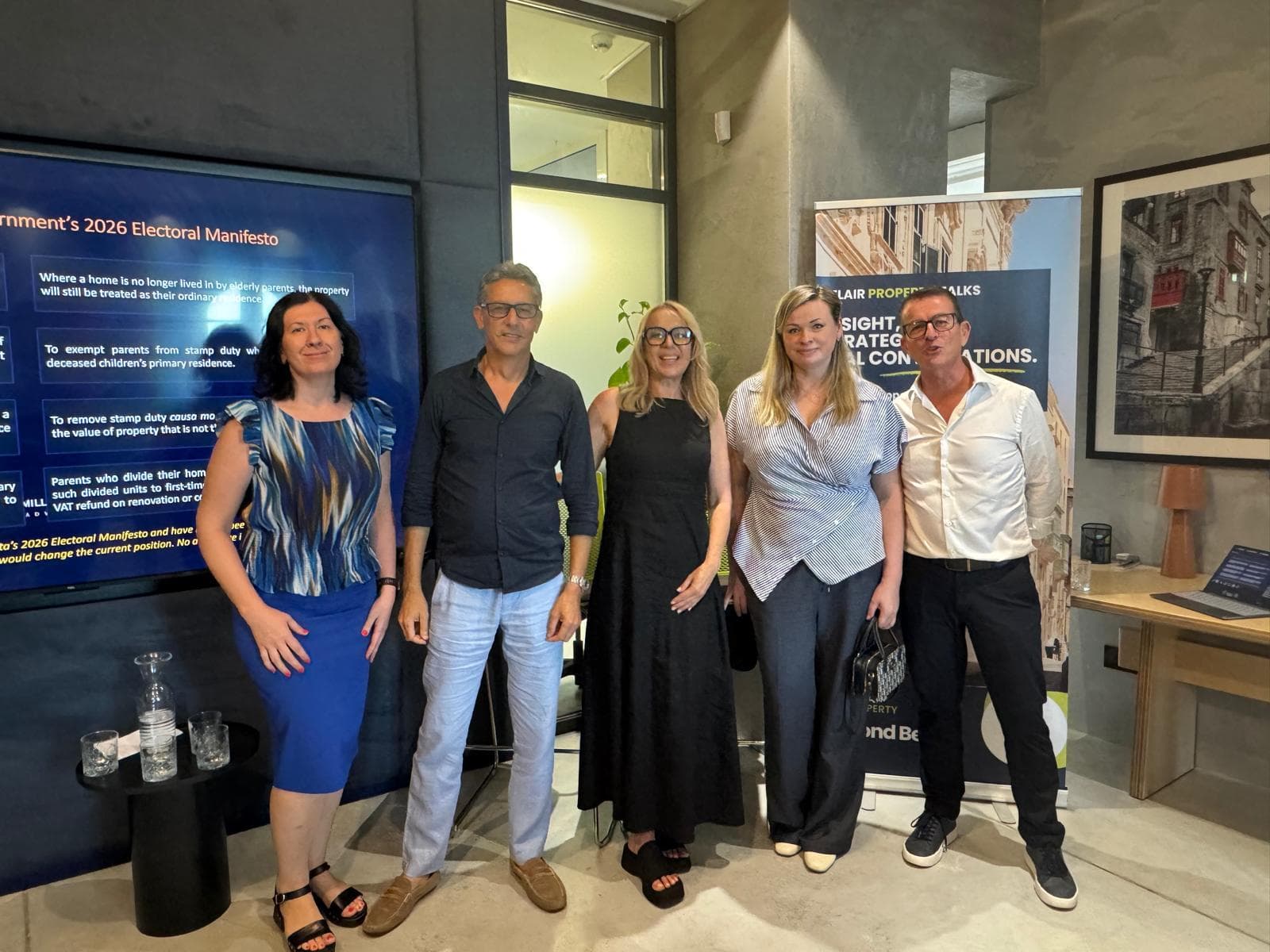
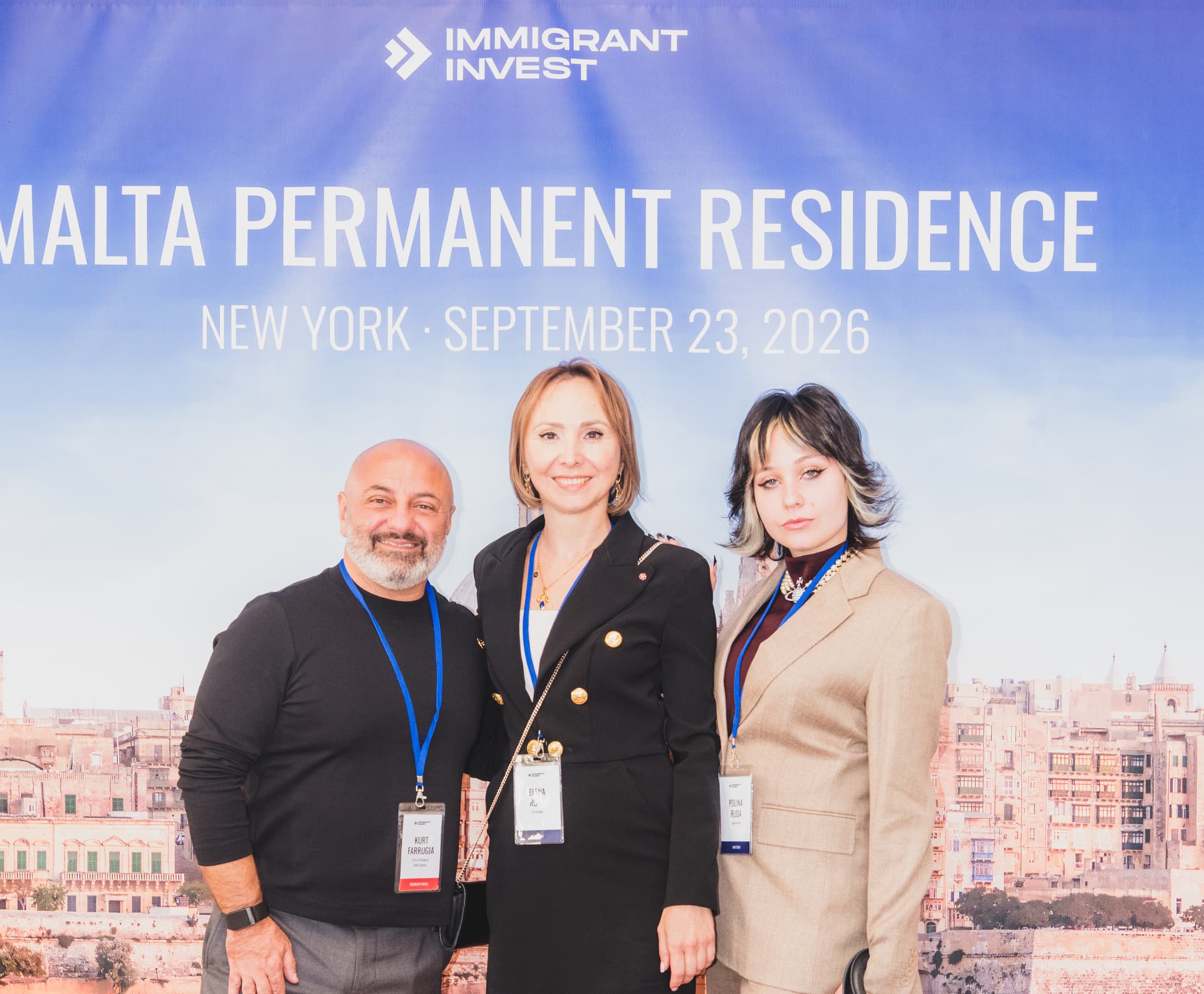
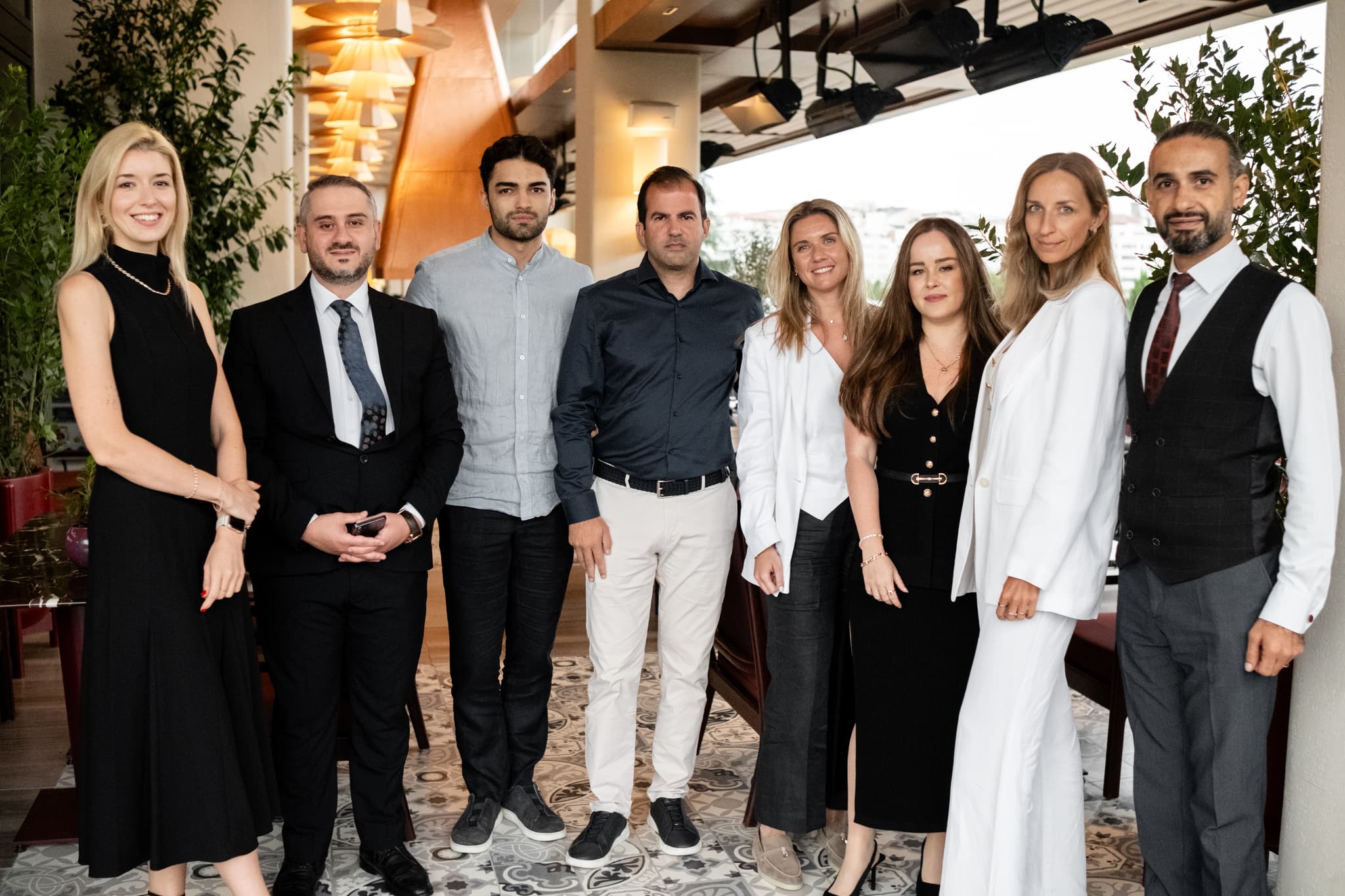
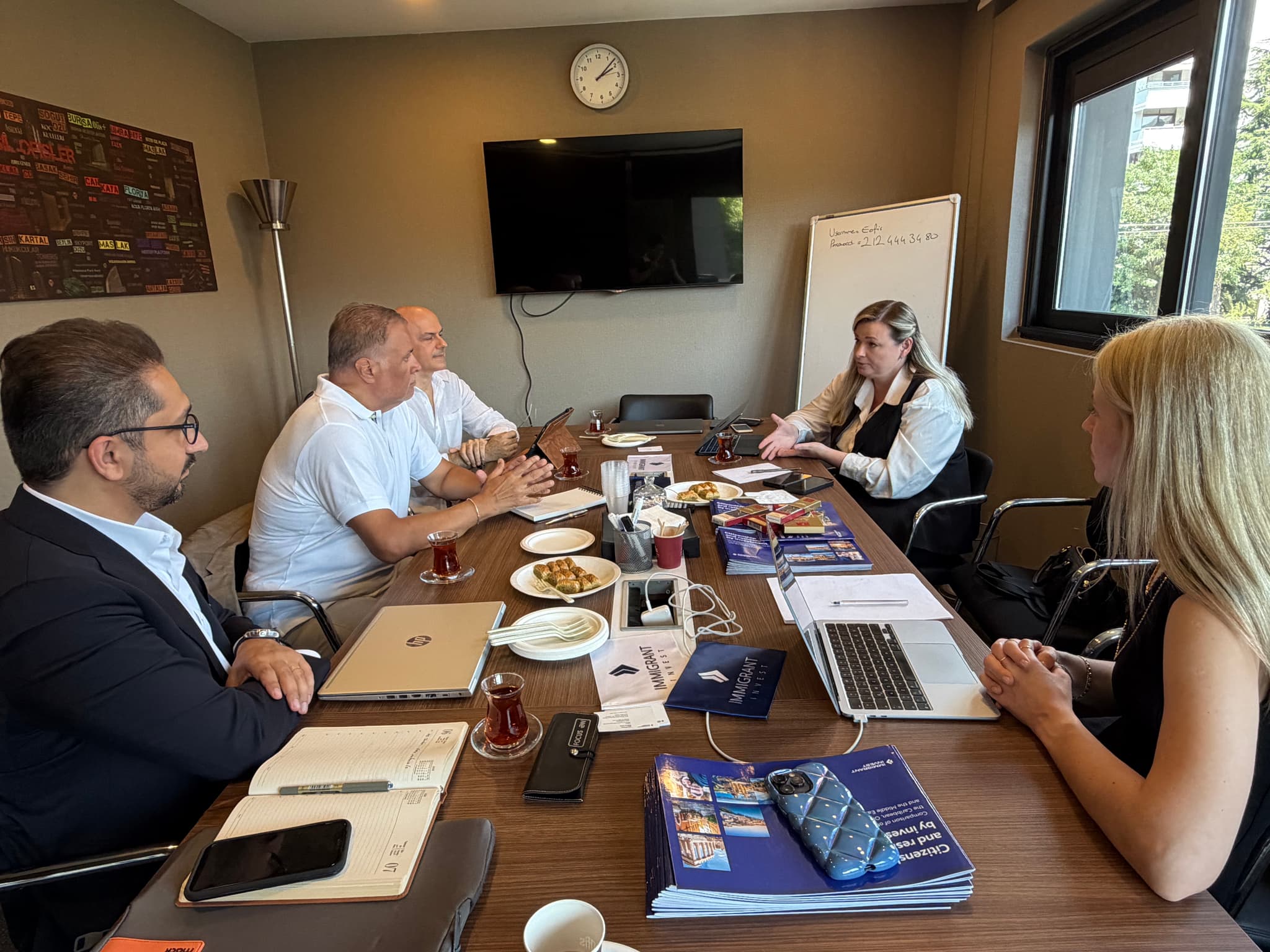
The event format encouraged an open discussion of issues that are often postponed until a family faces an inheritance, dispute, or unexpected change in circumstances. Rather than treating succession as a single transaction, the speakers presented it as an ongoing process involving ownership, governance, taxation, and the readiness of the next generation to manage the assets.
The discussion covered several factors that can affect the transfer and protection of a property portfolio:
- succession planning for property owners and family businesses;
- governance and decision-making between family members;
- inheritance arrangements following divorce, remarriage, or the formation of a blended family;
- transferring assets during an owner’s lifetime or after death;
- tax treatment of property, businesses, and company shares;
- use of bare ownership and retained usufruct;
- preparing the next generation to manage inherited assets.
Speakers compared the principal taxes that may arise in a Maltese succession-planning context, including capital gains tax, property transfer tax, and stamp duty, both in lifetime transfers and transfers following death.
The participants learned about exemptions and reduced rates that may apply in certain cases, and found out how to use lifetime asset donations and transfers of bare ownership to reduce the tax burden.
The event demonstrated that effective succession planning should begin before an inheritance or family crisis occurs. Early preparation gives property owners more time to compare available structures, clarify responsibilities, and involve future beneficiaries in decision-making.