








Several Caribbean countries offer citizenship by investment in real estate. By buying property for $200,000+, you can obtain a passport that grants visa-free access to popular countries, tax optimisation for businesses, and a safe haven in a tropical climate.
However, besides citizenship, there are several other criteria to consider when investing in Caribbean real estate. Let’s look at some options.
5 reasons to invest in real estate in the Caribbean
Caribbean real estate can serve more than one purpose. It may offer a route to citizenship, a second home, tax advantages, rental income, and potential capital growth.
1. Second citizenship
In some Caribbean countries, purchasing real estate of at least $200,000 can make investors and their families eligible for citizenship.
Caribbean passports can offer practical benefits beyond property ownership, including visa-free or visa-on-arrival access to more than 130 destinations.
2. Home in the Caribbean or a plan B
Buying real estate in the Caribbean offers flexibility in how and when the property is used. It can become a permanent home for relocation or serve as a personal plan B — a comfortable base abroad that remains available whenever a change of environment or greater mobility is needed.
Caribbean countries combine a high quality of life with a warm tropical climate, attractive living costs, and favourable tax regimes for individuals and businesses.
3. Beneficial taxes
Caribbean CBI countries do not levy a capital gains tax, which can make real estate investment more tax-efficient by allowing investors to retain more of the appreciation realised when a property is sold.
Some jurisdictions offer additional tax advantages. In St Kitts and Nevis, for example, there is also no inheritance tax or wealth tax, which can be beneficial for long-term property ownership and estate planning.
In Antigua and Barbuda, residents are also not subject to estate tax or personal income tax.
4. Diverse investment opportunities
Investing in Caribbean real estate offers a range of options, particularly in the booming tourism sector. Potential high returns can be found in properties such as hotels, resorts, or vacation rentals.
Additionally, as islands develop infrastructure and commercial areas, the value of both commercial and residential properties rises, providing prospects for both short-term rental income and long-term property appreciation.
5. Rental yields and price growth
The property bought in the Caribbean can be used to make a profit, too. Both the annual rental yield and the property prices growth are estimated to be around 3—5%. This means the purchased property can be rented out profitably, and after several years, the investor can resell it: the citizenship by investment programmes allow it.

Trusted by 10,000+ investors
Compare Caribbean citizenship by investment programmes
St Kitts and Nevis
St Kitts and Nevis is a two-island Caribbean state known for volcanic landscapes, uncrowded beaches, and a well-established luxury resort market. It has a strong British colonial influence and is known for a coastline shaped by both the Caribbean Sea and the Atlantic Ocean.
Why invest in real estate
By purchasing real estate in St Kitts and Nevis, investors can become eligible for citizenship. The country’s citizenship by investment programme was established in 1984, making it the first of its kind in the world[1]Source: St Kitts and Nevis CBI programme official website.
Today, investors can choose from several real estate options:
- invest at least $325,000 in a unit within a government-approved development, such as a hotel, resort, or other project;
- purchase a condominium unit or share in Approved Private Real Estate for at least $325,000;
- purchase a single-family private dwelling designated as Approved Private Real Estate for at least $600,000.
An investor can sell a property in 7 years. The investor also earns a profit of 5% a year from leasing the property.
In St Kitts and Nevis, investors have the option to purchase private real estate that can be held for long-term personal use. This distinguishes the programme from several other Caribbean countries, where real estate is more commonly limited to government-approved developments such as hotels, resorts, and tourism projects.
Average cost of property
A 3-bedroom apartment in St Kitts and Nevis costs approximately $4,800 a month — this is the highest price among the Caribbean countries with CBI programmes.
St Kitts and Nevis also has a higher annual rental yield than Antigua and Barbuda, Grenada, Dominica, or St Lucia — about 4—6%. Real estate prices in St Kitts and Nevis grow on average by 4—5% per year.
Property prices vary widely. Villas can start at $300,000, while premium beachfront properties can cost several million dollars. At luxury developments such as Four Seasons Nevis, beachfront villas are priced from $4.15 million, or approximately $11,000 per square metre[2]Source: Four Seasons Nevis — Villa’s at Pinney’s Beach. More affordable residential properties can be found from around $2,000 per square metre[3]Source: St Kitts and Nevis Real Estate — Unique Opportunity in Frigate Bay: A Serene Oasis Awaits.
Benefits of living in St Kitts and Nevis
St Kitts and Nevis is known for its medical schools — for example, the University of Medicine and Health Sciences. Graduates from St Kitts and Nevis are eligible for the scholarships offered by universities in the UK.
Healthcare in St Kitts and Nevis is free of charge for those under 18 and over 62.
St Kitts and Nevis citizenship can be inherited: a minor child of a country’s citizen can be granted citizenship by registration.
Renting a property for a family of four would cost about $3,000 a month. Prices per month for apartments in the city centre of St Kitts and Nevis start at $700.
Examples of investment properties in St Kitts and Nevis
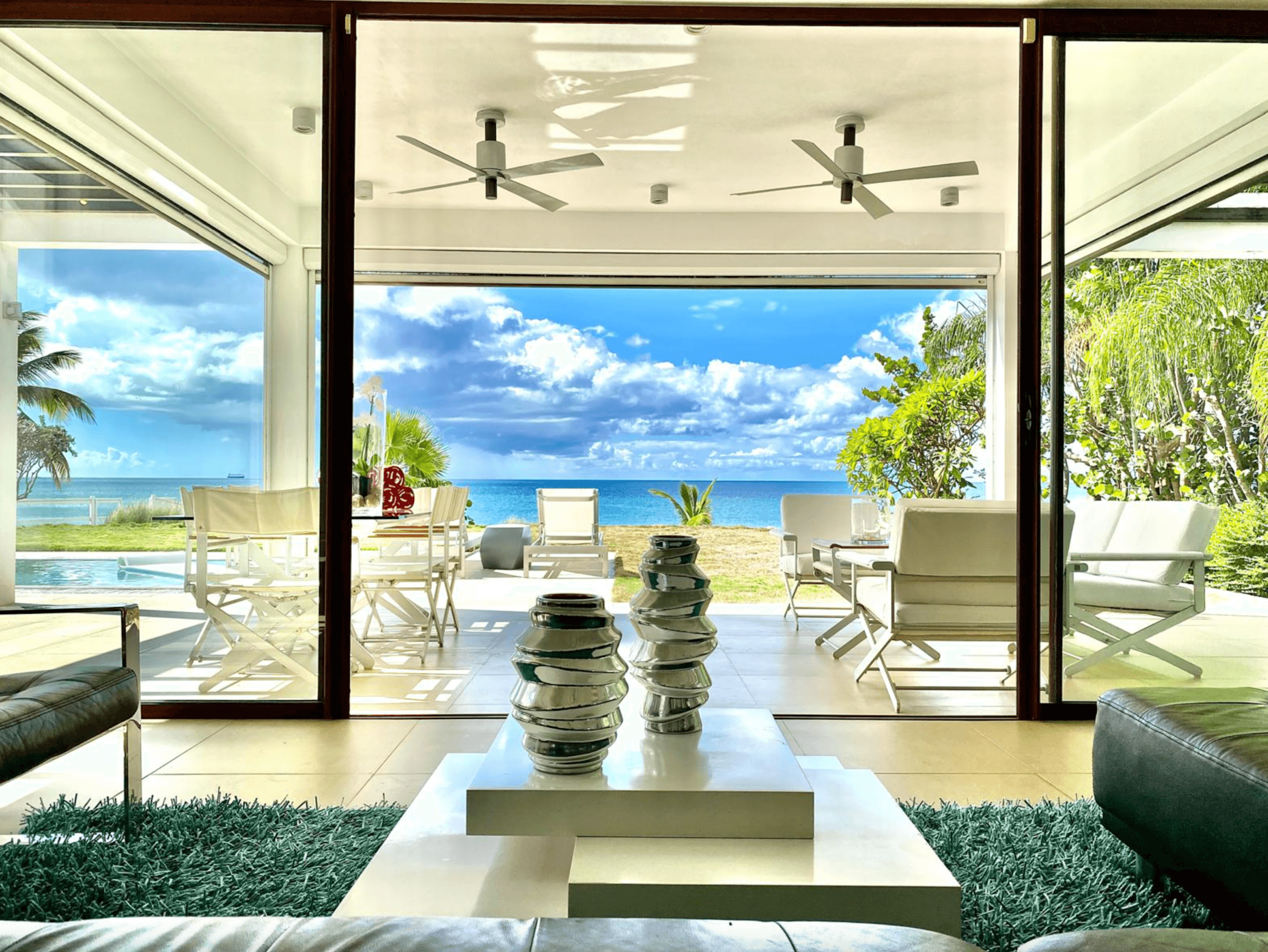

St Kitts & Nevis, Nevis
$325,000+
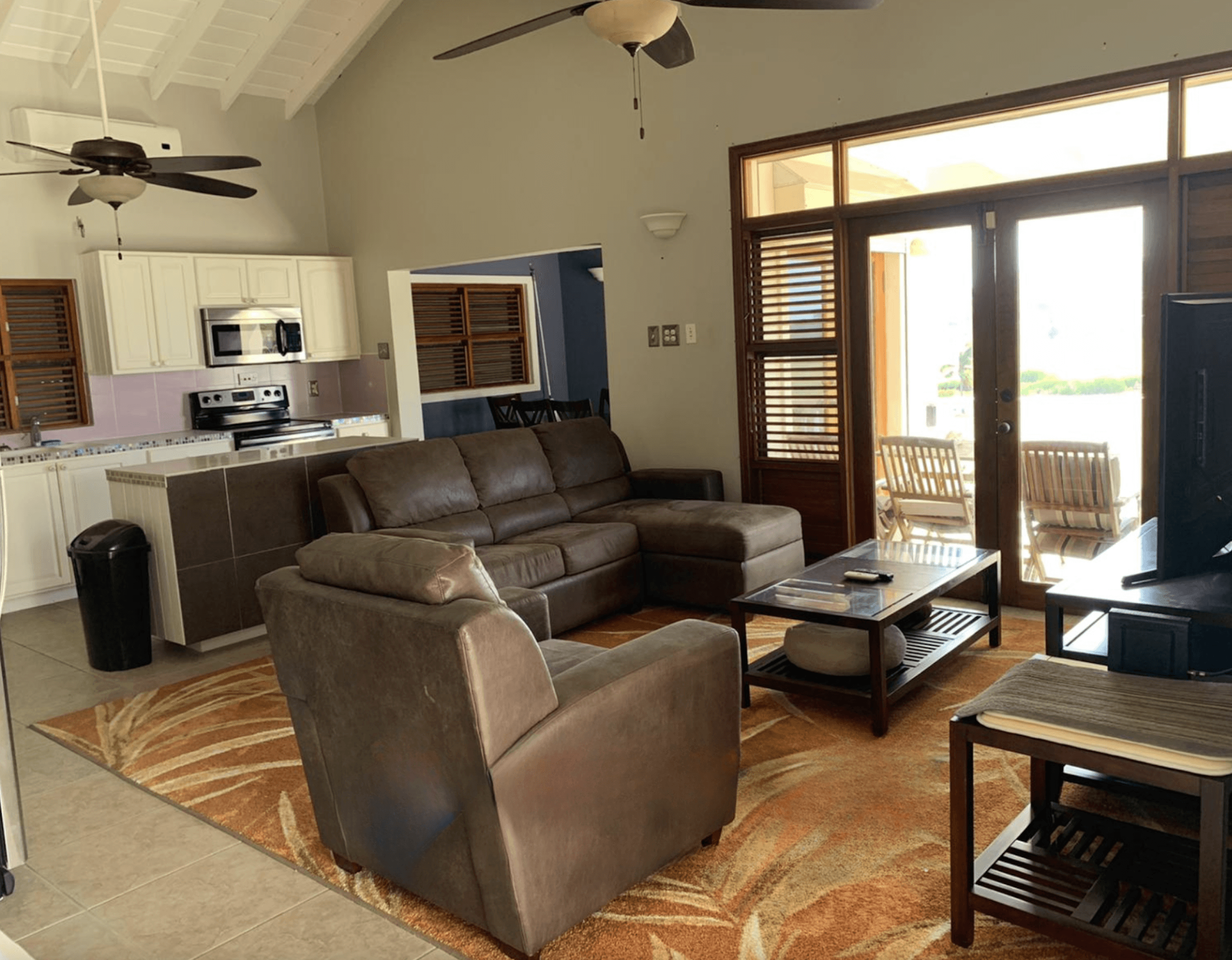
Share in villa with guaranteed rental income, Nevis, Saint Kitts and Nevis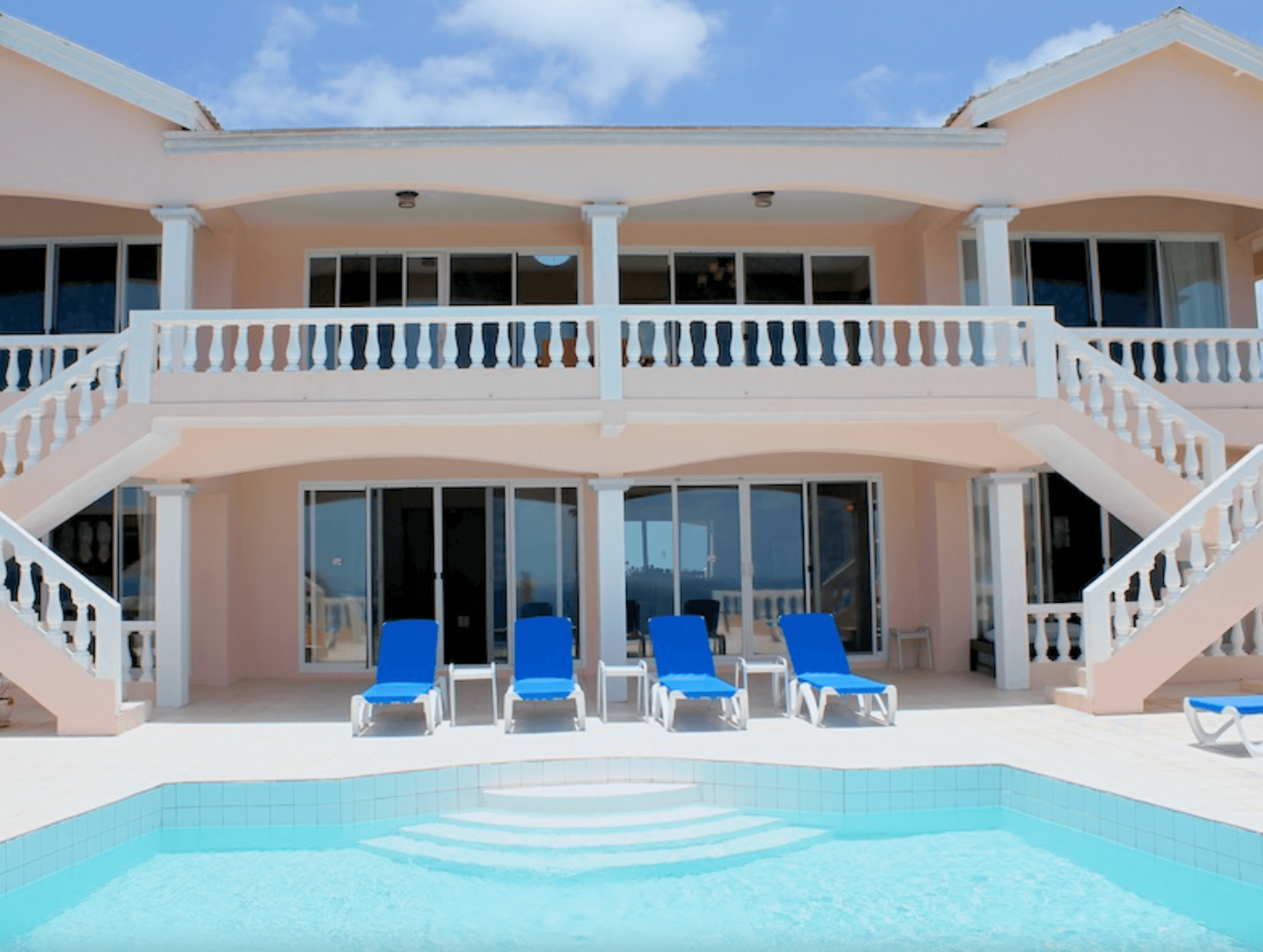
 1,356 m²
Antigua and Barbuda
Antigua and Barbuda is a twin-island Caribbean state best known for its extensive coastline, yacht-friendly harbours, and more than 300 beaches. Its property market is shaped largely by tourism, with a strong concentration of resorts, branded residences, and waterfront homes.
Why invest in real estate
Buying property in Antigua and Barbuda is a path to obtaining the country’s citizenship. To qualify, investors must purchase government-approved real estate worth at least $300,000[4]Source: Antigua and Barbuda CBI programme official website.
Investors can buy either an entire property or a share, for example, in a hotel complex. The property can be rented out, with an approximate annual rental yield of 4—5%, while real estate prices grow by around 3—5% a year.
The investment must be held for at least 5 years before it can be sold. Only a qualifying property can be resold under the citizenship programme, but each property can only be used for CBI resale twice before it is excluded from the programme.
Average cost of property
The average cost of renting a 3-bedroom apartment in Antigua and Barbuda starts at $2,500[5]Source: Numbeo — Cost of living in Antigua and Barbuda. Along with St Kitts and Nevis, Antigua and Barbuda has the highest monthly price for rented property.
Prices per square metre range from $3,800 to 6,500 and depend on the type of property[6]Source: Chestertons — Antigua Real Estate for Sale. Modest villas can start from around $250,000, while luxury beachfront homes may exceed $2 million[7]Source: Mirabello — Antigua Property Prices 2026. Premium oceanfront apartments in branded developments can start at about $1 million[8]Source: Nikki Beach Resort & Spa Antigua — The Branded Residences.
Benefits of living in Antigua and Barbuda
One of the benefits of living in Antigua and Barbuda is its steadily developing economy, supported by tourism and international investment.
Education in Antigua and Barbuda is free for those under 16, and there are both public and private schools. Getting an international degree is also possible. The American University of Antigua has agreements with the Herbert Wertheim College of Medicine located in Florida and the Warwick School of Medicine — they allow students from Antigua and Barbuda to study in the USA and the UK.
Healthcare in Antigua and Barbuda is on an international level. The Medical Benefit Scheme, available for legal residents of the country, allows citizens to seek primary medical treatment for free.
A family of four's estimated monthly costs are $4,100 without rent; a single person spends approximately $1,000 a month in Antigua and Barbuda.
Examples of properties in Antigua and Barbuda


Antigua & Barbuda, Saint Mary
$300,000 — $1,600,000
Share and full ownership of villas in a residential complex 2—3
 2—3
Grenada
Grenada is a mountainous Caribbean island known as the Spice Isle for its nutmeg and cocoa production. It combines rainforest-covered interiors, waterfalls, and quiet beaches with a compact capital and a strong international student community centred around St George’s University.
Why invest in real estate
Grenada is considered to be one of the safest Caribbean countries. It is a perfect place to relocate with a family and enjoy white sand beaches.
Grenada offers a CBI programme. Investors can buy a share that costs $270,000 if at least two people invest in a government-approved tourism project. In other cases, the threshold is $350,000[9]Source: Grenada CBI programme official website.
The investment can be returned in 5 years. In the meantime, an investor can rent the property out. The annual rental yield in Grenada is around 4%.
Grenada does not require investors to visit the country to invest in real estate; the procedure is remote. You can choose a property online, and the licensed agent will help you buy it.
Average cost of property
Renting out property in Grenada is less profitable than in other Caribbean countries, except Dominica. The monthly price for a 2-bedroom apartment in Grenada is about $1,000—1,600 in St George’s and True Blue, rising to about $1,800—2,500 in premium coastal areas such as Grand Anse and Lance aux Epines[10]Source: Mirabello — Cost of Living in Grenada 2026.
Property prices vary substantially by location and development. Apartment prices in central areas of Grenada average around $3,500 per square metre[11]Source: Numbeo — Property Prices in Grenada.
Benefits of living in Grenada
Grenada is home to one of the most internationally recognised medical schools, St George’s University. Its graduates have a 94% US residence placement rate over the 5 years from 2021 to 2025, and more than 1,000 graduates secured US residence positions in 2025[12]Source: St George’s University — Attend.
The healthcare system of Grenada is one of the best among the Caribbean countries. The island is small, but there are five public and four private hospitals. No household is left without a medical facility nearby.
Grenada is an affordable country. The monthly rent for a 2-bedroom apartment in the city centre starts at $1,000.
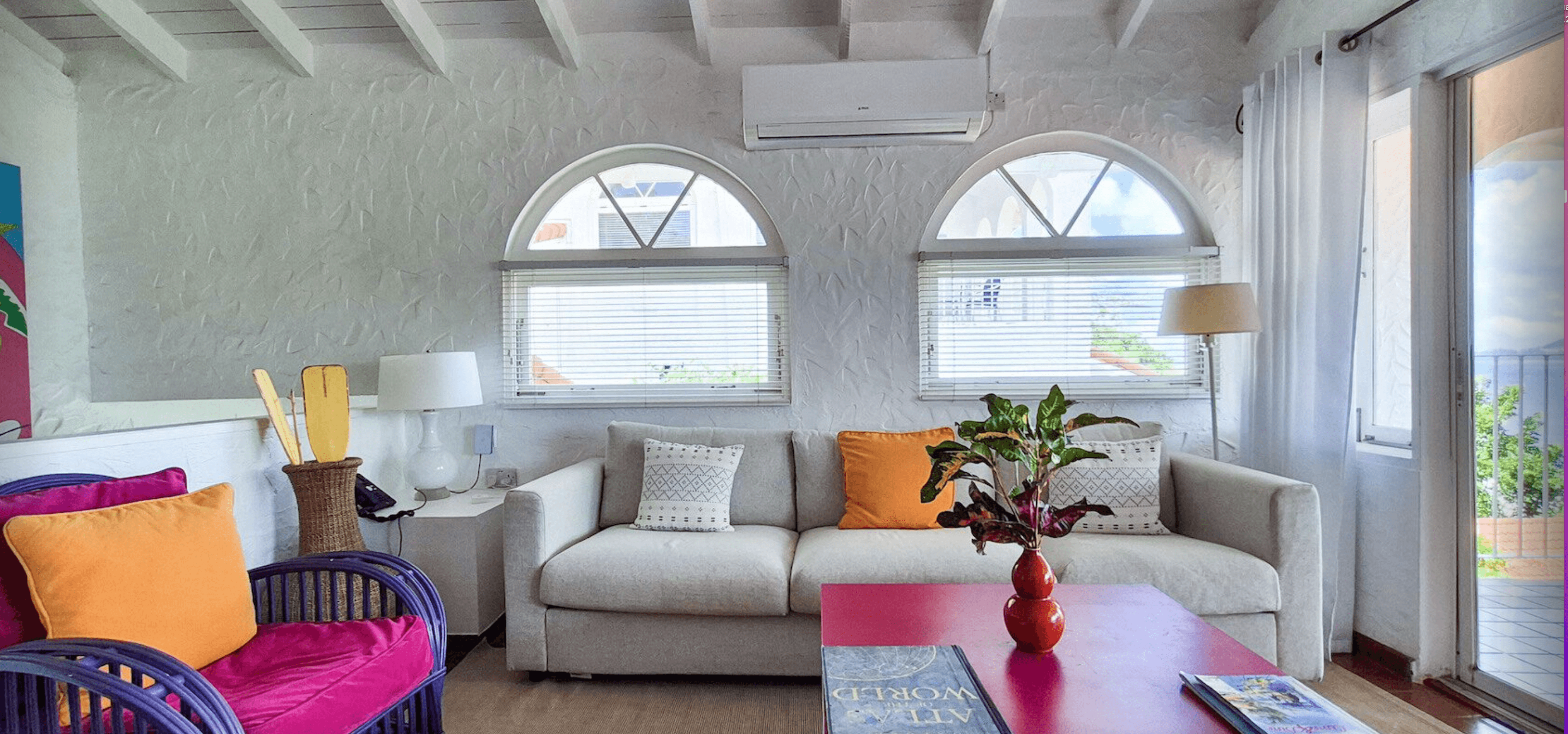
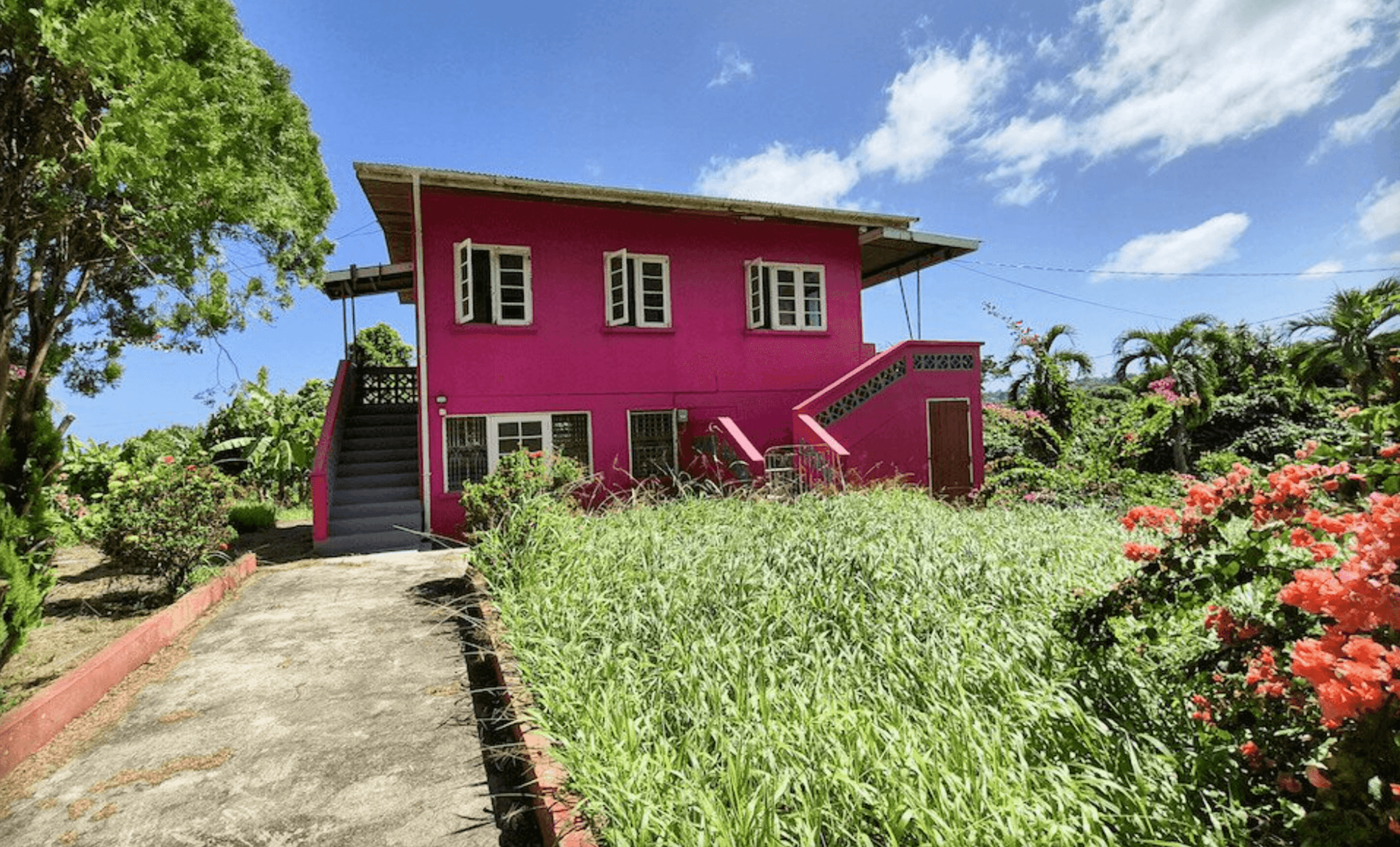
Examples of properties in Grenada
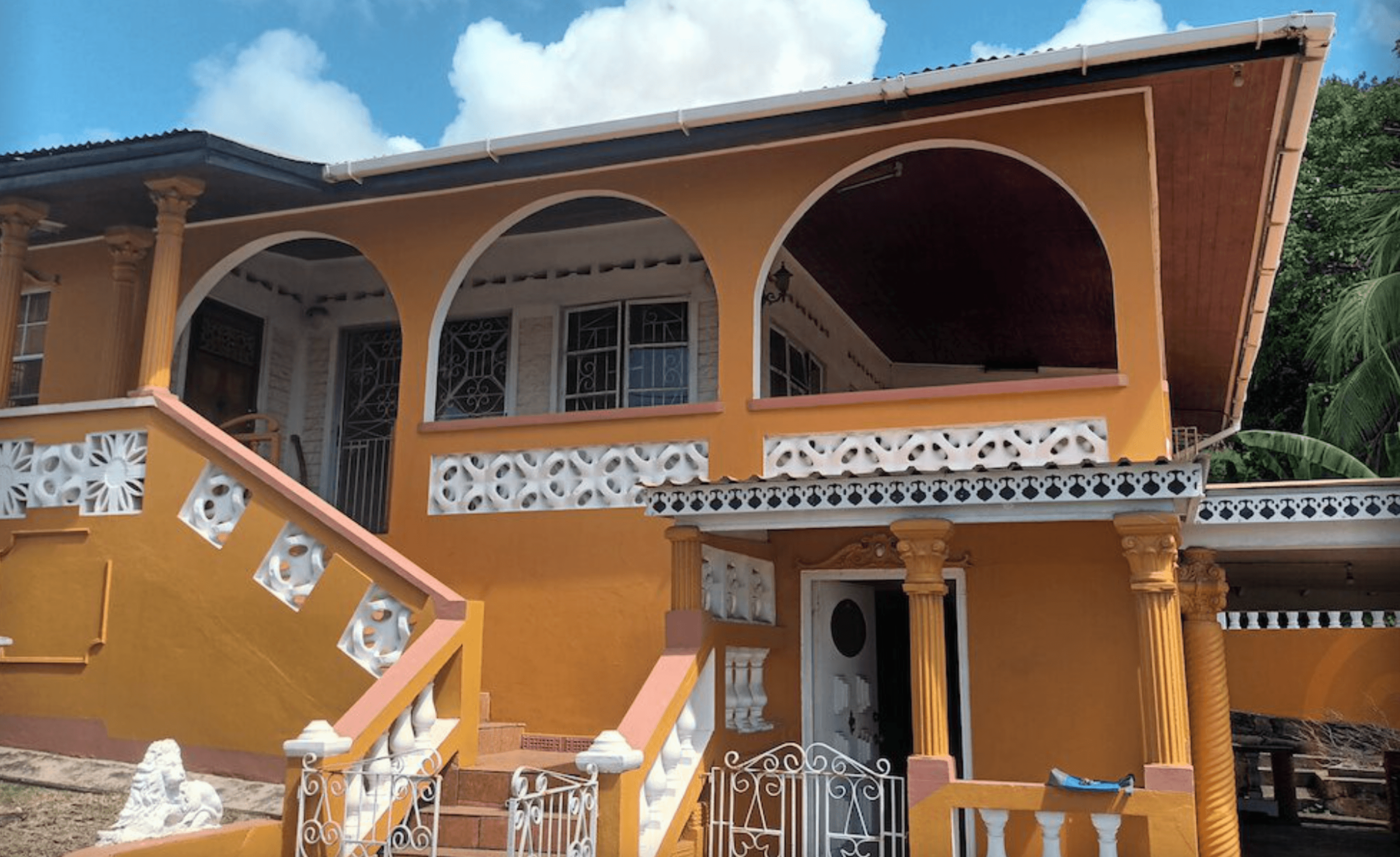
Dominica
Dominica is one of the Caribbean’s greenest islands, shaped by volcanic peaks, rainforests, rivers, and hot springs rather than large resort developments. Its quieter, nature-focused character sets it apart from many neighbouring destinations.
Why invest in real estate
Dominica is called the pearl of the Caribbean. If you want to admire the seaview from your family villa, consider participating in a Dominica citizenship by investment programme.
Dominica has one of the most affordable CBI programmes. Investors purchase real estate for $200,000 or more[13]Source: Dominica CBI programme official website.
Property can be rented out after purchase, or sold to an ordinary buyer 3 years after obtaining citizenship — this is 2 years earlier than in many other Caribbean CBI programmes. To resell it to another CBI investor, the holding period is 5 years. Real estate prices in Dominica grow by 4—5% annually.
Average cost of property
Dominica has the lowest rental prices in the Caribbean — about $800 a month for a 3-bedroom apartment[14]Source: Wise — Cost of living in Dominica.
The prices for property that is approved for citizenship by investment programme start at $3,000 per square metre. As in Antigua and Barbuda and St Kitts and Nevis, in Dominica it is allowed to purchase resale real estate.
Benefits of living in Dominica
Dominica is a perfect place to enjoy a hassle-free evening with a bottle of wine. Investors and tourists choose Dominica because of its lush nature and spectacular seaview.
Dominica has more than 60 schools, both private and public. Pursuing higher education is possible: there is a branch of the University of the West Indies and a medical school at the All Saints University of Canada. Nationals of Dominica often study in the UK as a part of the agreement between the Commonwealth Nations.
There’s no public healthcare in Dominica. For qualified treatment, Dominican citizens travel to other Caribbean islands.
A family of four's monthly costs in Dominica are $3,600, excluding rent. A single person spends about $1,000 a month, excluding rent. Prices for renting property in Dominica start at $300.
Examples of properties in Dominica
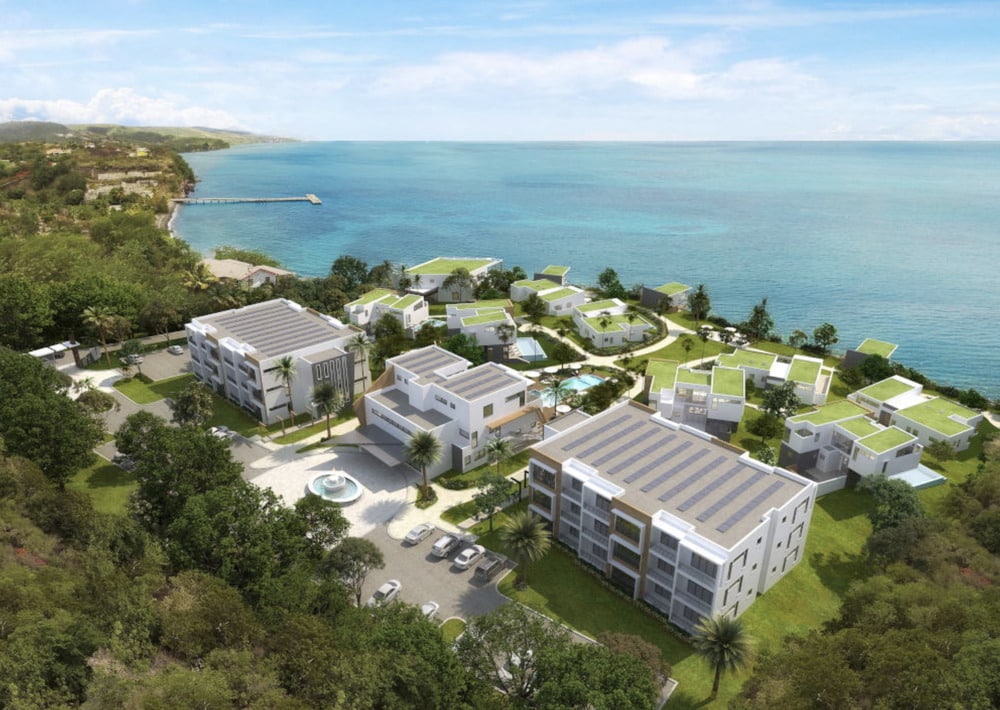


St Lucia
St Lucia stands out for its twin volcanic Pitons, steep green coastline, and rare mix of rainforest, sulphur springs, and sandy bays. The island has a more dramatic, mountainous character than many of its Caribbean neighbours.
Why invest in real estate
To obtain St Lucia citizenship by investment in real estate, one must purchase property for at least $300,000. The investment can be returned in 5 years[15]Source: St Lucia CBI programme official website.
The tourist market in St Lucia is well-developed due to the island’s affordability. The country is visited by more than 1 million tourists a year, so investment property can be easily used for lease. The rental yield is about 3—5% per year.
Average cost of property
St Lucia has one of the lowest rental prices — starting $700 monthly for a 3-bedroom apartment[16]Source: Numbeo — Cost of living in St Lucia.
1-bedroom units in high-end resort projects can start at around $540,000[17]Source: Terra Caribbean — A’ila Resorts Blue Zone 1-bedroom residence, while 2-bedroom apartments may cost $1 million or more. Waterfront villas can be found at around $1.3 million, with luxury beachfront properties priced significantly higher[18]Source: Belle Vue Properties — Sunnyside Villa.
Benefits of living in St Lucia
Many of the medical schools in St Lucia cooperate with international clinics in the USA and other neighbouring countries.
There’s no public healthcare in St Lucia, but the country has a National Health Scheme for legal residents. It does not equal public healthcare and only covers some of the possible health risks.
St Lucia offers an affordable lifestyle. A single person spends $700—800 a month without rent. A family of four would expect to spend around $2,500 in St Lucia.

The Bahamas
The Bahamas is an archipelago of more than 700 islands and cays, known for clear shallow waters, coral reefs, and a strong yachting culture. Its inhabited islands range from busy New Providence to sparsely populated out-islands with a much quieter pace of life.
Why invest in real estate
Investing in a stable real estate market in the Bahamas can be profitable. About 12.5 million people visited The Bahamas in 2025, making tourism one of the country’s key industries[19]Source: The Bahamas Ministry of Tourism Visitor Statistics 1971—2025.
Investors can buy rental property and make a profit of about 8% a year. The Bahamas are famous for luxury property that is appealing to high-net-worth individuals.
The Bahamas are a tax haven, but there is a real property tax — the percent depends on the property value.
Average cost of property
The average prices for real estate in the Bahamas start at $2.5 million and depend on the region[20]Source: Knight Frank — The Bahamas Luxury market digest. For example, one of the most affordable islands, Grand Bahama, offers property starting at $230,000[21]Source: Bahamas Realty — Riviera Towers, Unit 402 Grand Bahama Freeport.
Demand usually influences real estate prices in the Bahamas. Oceanfront property with access to beaches is sought after by investors and tourists.
Benefits of living in the Bahamas
The Bahamas is an inviting destination not only for tourists but also for students. The country offers several higher-education options, including the University of The Bahamas, the country’s national university, as well as private colleges and specialist institutions such as the Bahamas Institute of Business & Technology.
The Bahamas are expensive to live in: on average, prices there are about 30—40% higher than in the US, excluding rent.
Pregnant women, children, and the elderly can benefit from free primary healthcare.
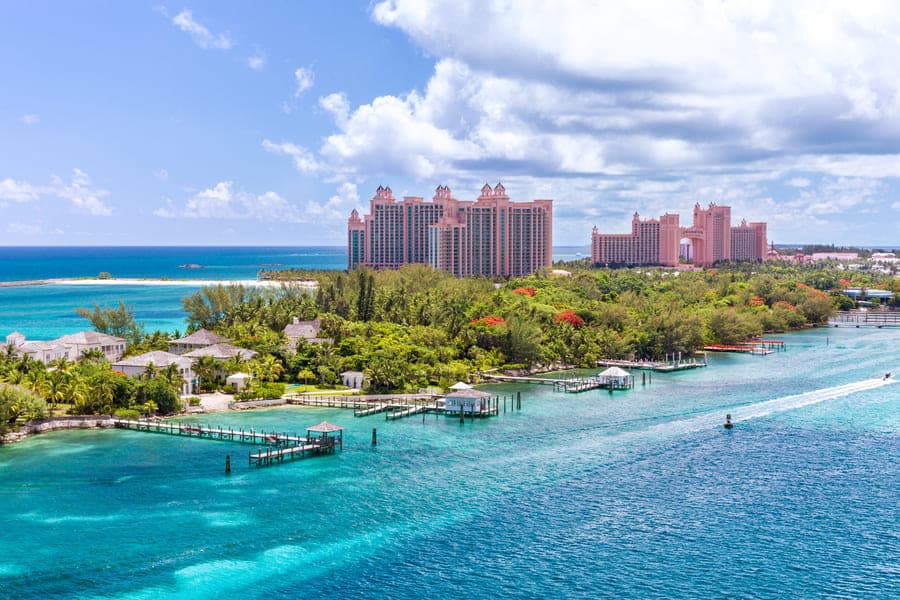
Nassau, the capital of The Bahamas, has a broad property market ranging from affordable residential options starting at $250,000 to multimillion-dollar luxury homes
The Cayman Islands
The Cayman Islands are a British Overseas Territory made up of three islands, with Grand Cayman as the main financial and residential centre. They are known for Seven Mile Beach, clear diving waters, and one of the Caribbean’s most developed offshore financial sectors.
Why invest in real estate
As an international tax haven, the Cayman Islands have a stable economy. The destination seems to be as popular as the Bahamas for the same reasons — pleasant climate and luxury resort property.
The annual rental yield in the Cayman Islands is up to 8%. The islands have profitable rental returns.
Average cost of property
The prices for a 2-bedroom apartment in the Cayman Islands start at $400,000[22]Source: Real estate for sale in the Cayman islands.
Condominiums cost around $2 million[23]Source: Cayman Islands Market Data, while properties near Seven Mile Beach command a substantial premium. 2-bedroom condos there can start at around $1.8—2.5 million, with luxury beachfront residences costing several million dollars.
Benefits of living in the Cayman Islands
The only public university in the Cayman Islands is the University College of the Cayman Islands. There are also schools affiliated with international universities — for example, Truman Bodden Law School.
Healthcare in the Cayman Islands is on an international level. There are two public hospitals — Cayman Islands Hospital and Faith Hospital — and two major private hospitals, Doctors Hospital and Health City Cayman Islands.
The Cayman Islands’ residents have a luxurious lifestyle. A family of four spends no less than $7,000 a month without rent.
Other Caribbean countries to invest in real estate
Jamaica and Barbados are other Caribbean options for property investment. Prices average around $2,700 per square metre in Jamaica and more than $6,000 per square metre in Barbados[24]Source: Place Called Yours — Barbados asking prices per square metre. Since the property there is in demand among wealthy tourists, it can be a profitable investment.
Jamaica and Barbados do not offer CBI programmes. In Barbados, foreign nationals must obtain permission to purchase property, while Jamaica imposes no restrictions on foreign property buyers.
The Dominican Republic is another option. The prices there are lower, but the country is as popular as Jamaica and Barbados. Apartments can start at around $100,000 in lower-priced areas, while a typical apartment nationwide costs around $210,000[25]Source: RE/MAX Metropolitana — How Much Does an Apartment Cost in the Dominican Republic?.
What is the cheapest Caribbean country to buy real estate in?
Saint Vincent and the Grenadines is probably the cheapest Caribbean state to buy a property. The average price for a square metre there starts at $600[26]Source: Wise — Cost of living in Saint Vincent and the Grenadines.
Despite being affordable, cheaper property might not be as beneficial as property that qualifies for citizenship by investment programmes.
The average prices per square metre in the Caribbean countries are as follows:
- $600 — Saint Vincent and the Grenadines;
- $1,900 — the Dominican Republic;
- $2,700 — Jamaica;
- $3,000 — Dominica;
- $3,400 — St Lucia;
- $3,500 — Grenada;
- $4,200 — the Bahamas;
- $5,000 — St Kitts and Nevis;
- $5,600 — Antigua and Barbuda;
- $6,400 — Barbados;
- $9,000 — the Cayman Islands.
Trusted by 10,000+ investors
Find the right Caribbean real estate investment for $200k+
How to buy real estate and get a Caribbean passport: a step-by-step procedure
Investors can obtain citizenship by investment in a Caribbean country’s real estate. Countries that provide CBI programmes are Dominica, St Kitts and Nevis, Antigua and Barbuda, St Lucia, and Grenada.
In Immigrant Invest lawyers’ practice, the average timeframe for obtaining citizenship in these countries is 6+ months.
1 day
Preliminary Due Diligence
Immigrant Invest conducts a Due Diligence check. The procedure is confidential, only an investor’s passport is needed.
The check helps reveal any issues in the investor’s biography and reduces the risk of rejection to 1%.
Immigrant Invest conducts a Due Diligence check. The procedure is confidential, only an investor’s passport is needed.
The check helps reveal any issues in the investor’s biography and reduces the risk of rejection to 1%.
4+ weeks
Preparation of documents and property selection
Lawyers help the investor select a property, prepare the required documents, complete the application forms, arrange certified copies and translations, and submit the application to the relevant authorities.
Lawyers help the investor select a property, prepare the required documents, complete the application forms, arrange certified copies and translations, and submit the application to the relevant authorities.
3—6 months
Due Diligence
The country chosen for the CBI programme by an investor performs its own Due Diligence check. The applicant pays state fees and passes a mandatory interview.
The country chosen for the CBI programme by an investor performs its own Due Diligence check. The applicant pays state fees and passes a mandatory interview.
Up to 3 months
Investing
After approval of the application, an investor fulfils the terms of the programme by buying property.
After approval of the application, an investor fulfils the terms of the programme by buying property.
Up to 4 weeks
Getting a new passport
A passport is issued within 4 weeks after making an investment in real estate. The procedure is remote; the documents are sent to the investor’s address by courier.
A passport is issued within 4 weeks after making an investment in real estate. The procedure is remote; the documents are sent to the investor’s address by courier.
Risks and pitfalls of buying real estate in the Caribbean
Buying property in the Caribbean can offer lifestyle, rental, and citizenship benefits, but it also comes with risks that vary by country and property type.
Hurricane and natural-disaster exposure
Hurricane risk is higher in the Bahamas, Antigua and Barbuda, Dominica, St Kitts and Nevis, the Cayman Islands, and the Dominican Republic. In long-term models, annual hurricane-related losses amount to about 4.8% of GDP in The Bahamas, 3.8% in Antigua and Barbuda, and 2.7% in Dominica[27]Source: World Bank — 360° Resilience: A Guide to Prepare the Caribbean for a New Generation of Shocks.
Insurance can soften the financial impact. In Grenada, average property insurance premiums rose by about 16% in 2023, even before Hurricane Beryl struck Carriacou as a Category 4 storm in 2024. Annual home insurance in the Caribbean commonly costs around 1—2% of the property value, and can be higher for beachfront or hurricane-exposed homes.
Restrictions on foreign ownership
Foreign buyers cannot always purchase Caribbean property under the same rules as citizens. In St Lucia, for example, non-citizens need an Alien Landholding Licence before buying or holding land. The licence must then be registered within 90 days.
Antigua and Barbuda also regulates land purchases by non-citizens through its Non-Citizens Land Holding rules. These extra requirements can add paperwork, costs, and time to a purchase.

Elena Kozyreva,
Managing Director for Real Estate projects
One way around this restriction is to obtain citizenship first. CBI investors who become citizens are no longer treated as foreign buyers, which may also give them access to a wider range of properties beyond those open to non-citizens.
CBI eligibility requirements for property
Buying real estate in a CBI country does not automatically make the property eligible for citizenship. Investors generally need to choose a project or property specifically approved under the programme. This considerably narrows the available market.
The number of approved projects varies by country:
- St Kitts and Nevis — 34 approved developments. The official list includes resorts, condominiums, villas, and hotel projects[28]Source: St Kitts and Nevis CIU — Approved Real Estate Developments.
- Antigua and Barbuda — 30 approved developments. These range from resort and hotel projects to residential communities[29]Source: Antigua and Barbuda CIU — Approved Development Projects.
- Grenada — 18 active CBI projects, mainly luxury hotels, resorts, villas, and other tourism-focused developments[30]Source: IMA Grenada — Approved Projects.
- Dominica — 8 approved real estate projects. The current list includes Jungle Bay, Secret Bay, InterContinental Dominica, and other resort developments[31]Source: Dominica CBIU — Approved Real Estate Projects.
- St Lucia — 2 real estate projects are currently listed: A’ILA Resorts, Villas & Residences and Saint Lucia Canelles Resort[32]Source: St Lucia CIP — Investment Projects.
Immigrant Invest works only with verified real estate that meets the requirements of the relevant investment programme. The company’s catalogue includes well over 200 properties ready for purchase, and experts help investors select options that are legally eligible and suitable for their goals.
Additional taxes, legal fees, and government charges
The property price is not the final cost of a Caribbean CBI investment. Real estate options usually come with government, Due Diligence, passport, legal, and conveyancing fees, and many of them increase with the number of family members included in the application.
In Dominica, for example, the real estate investment starts at $200,000, but the government fee is another $75,000 for a single applicant or $100,000 for a family of up to four. Each additional dependant costs $25,000 if under 18 or $40,000 if aged 18 or older. Due Diligence, processing, interview, and naturalisation fees are charged separately.
Limited liquidity and slower resale in smaller markets
Smaller Caribbean markets have fewer buyers, so properties can take longer to sell, especially outside prime resort areas. This is particularly relevant for high-value villas, niche CBI properties, and homes on less-developed islands.
A slower resale can also limit pricing flexibility: sellers may need to wait longer for the right buyer or accept a lower price to exit quickly.
Restricted personal use of the CBI property
Buying Caribbean citizenship by investment real estate does not always mean you can live in the property whenever you want. The level of personal use depends on both the country and the structure of the approved project.
St Kitts and Nevis and Antigua and Barbuda offer the clearest routes to property that can be used personally, including private homes or residential units. In Dominica, Grenada, and St Lucia, approved CBI real estate is more heavily concentrated in hotels, resorts, and tourism developments. In these cases, owner-stay periods are typically set by the individual project agreement rather than by the CBI programme itself.
Property-management challenges for overseas owners
Managing Caribbean property from abroad can be difficult. Owners may need local help with tenant communication, maintenance, repairs, utility bills, taxes, and short-term rental turnover, especially when the property is used as an investment rather than a permanent home.
Elena Kozyreva,
Managing Director for Real Estate projects
For CBI properties, this is often easier because many approved hotels, resorts, and residence projects come with professional management. Operators can handle rentals, maintenance, and day-to-day administration on the investor’s behalf, which reduces the burden of owning property remotely.
How Immigrant Invest can help with real estate purchase in the Caribbean
Immigrant Invest has worked with citizenship and residence by investment programmes since 2006 and have helped more than 10,000 clients worldwide.
We support investors throughout the entire process, from checking eligibility and selecting a property to handling post-approval matters such as passport renewals and other ongoing requests. Our services include:
- preliminary Due Diligence and risk assessment;
- selection of a suitable CBI programme and investment option;
- access to government-approved real estate;
- legal support and coordination of the property purchase;
- preparation and submission of the citizenship application;
- communication with developers, banks, lawyers, and government authorities.
Immigrant Invest is licensed by the governments of all five Caribbean countries with citizenship by investment programmes: Antigua and Barbuda, Dominica, Grenada, St Kitts and Nevis, and St Lucia. This allows its experts to represent investors throughout the application process.
Key takeaways about the best Caribbean islands to buy property
- Buying real estate in the Caribbean can be a path to citizenship. Dominica, St Kitts and Nevis, Antigua and Barbuda, St Lucia, and Grenada have citizenship by investment programmes.
- The minimum investment in real estate in the Caribbean is $200,000.
- The average cost of property in the Caribbean is $5,000 per square metre in the regions in demand and $1,000 in off beach areas.
- The Dominican Republic has the most affordable properties but is not the primary option for real estate investors.
- Investors typically choose countries that provide CBI programmes — investment property can be sold in 3—7 years after obtaining citizenship.
Immigrant Invest is a licensed agent for citizenship and residence by investment programs in the EU, the Caribbean, Asia, and the Middle East. Take advantage of our global 15-year expertise — schedule a meeting with our investment programs experts.

 Trusted by 10,000+ investors