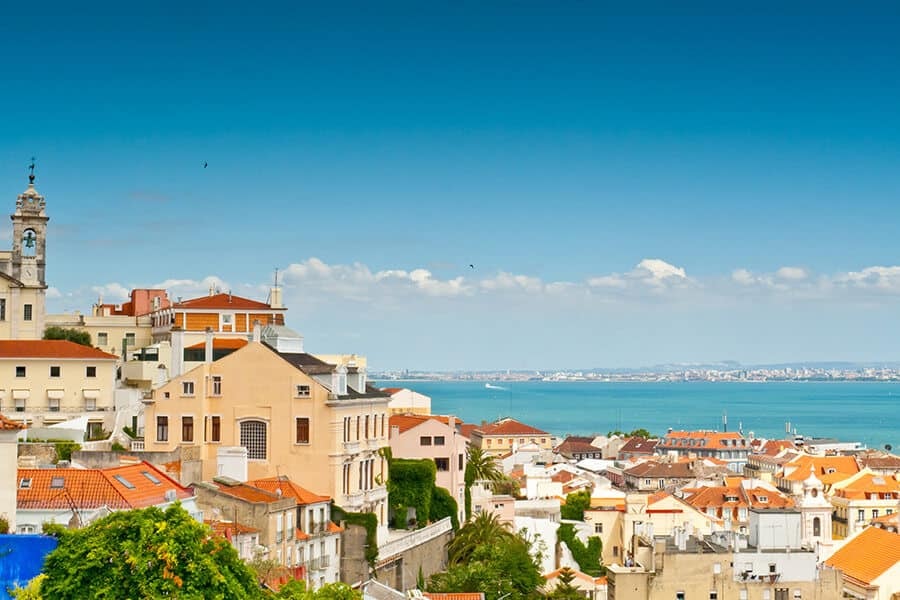
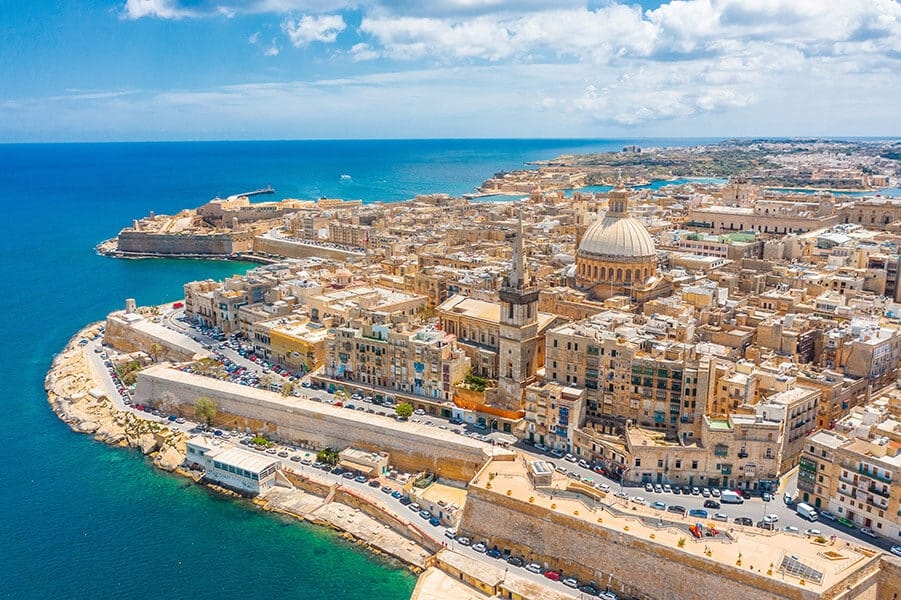
International Living is a magazine about living abroad. It tells which places in the world are the safest, freest and most comfortable to live in. More than 200,000 people visit the magazine’s website every day.
The Global Pension Index is compiled annually. Journalists poll their editors, correspondents, and emigrants about social events, prices, and impressions of life in another country.
Countries are evaluated according to 10 parameters:
climate;
political system;
urban infrastructure;
health care system;
business support;
affordability of buying or renting real estate;
cost of living;
benefits for pensioners;
diversity of leisure time;
possibility of obtaining a residence permit or visa.
A country is given a score from 1 to 10 for each parameter. The final score of the country and its place in the ranking is the total of all parameters. Full rating of countries on the website of the magazine.
Top 10 Countries for Retirement Living
Costa Rica won first place for its natural beauty, warm climate and low cost of living. Costa Rica is called the "Switzerland of Central America": the country has a high standard of living, affordable education and health care. Almost every citizen has its own home.
Costa Rica cares about the environment: a quarter of its land are national parks and nature reserves. The country has many equipped places for recreation: golf clubs, horse farms, yoga centers. The local population is conscientious about shopping and consumption, and tourists admit they come on vacation to "become a better version of themselves."
$1,000 is enough for one person to live in Costa Rica for a month. That amount includes rent for a one-bedroom apartment, food, transportation and medical care.
Emigrants say that in Costa Rica responsive people who share experiences of life, talk about the traditions and culture.
Panama has a mild climate, with a rainy season from May to December. The average annual temperature in the country is about +29 ° C, while in the mountain towns, such as Boquete, 10‑15 degrees lower. The country is well located on the mainland: hurricanes and other natural disasters here a rare phenomenon.
The transport infrastructure is well developed. Pensioners travel by public transport: buses, trains and planes.
Foreigners can get a retirement visa if they receive a pension of $ 1,000 or more a month. They enjoy benefits on a par with local pensioners. For example, pensioners have a 25% discount on electricity, airfare and meals at restaurants and cafes.
About $2,600 per month is needed for one person to live in the country. This amount is enough to rent a two-room apartment in the central city, pay for transportation, go to cafes, restaurants and movies.
Mexico was ranked third for the hospitality of the local population, comfortable transportation to the U.S. and distinctive culture and food.
Mexico celebrates various holidays, organizes ca ivals and theatrical performances, gathers in clubs and themed events. Locals talk about their culture and treat immigrants to traditional foods.
The wide variety of foods and goods in supermarkets is provided by the country’s proximity to the United States. Mexican homes have modern amenities such as high-speed Internet, satellite and cable television, cell phones, and appliances.
Mexico’s roads are well maintained and well paved. You can get to the U.S. in a couple of hours on a comfortable road.
Mexico has affordable health care for retirees. State clinics treat citizens and residents free of charge. There are private clinics where the cost of treatment is 20‑30% less than in the U.S.
A retired couple can live in Mexico on $2,000 per month: this is the cost of living and leisure.
Tourists are allowed to stay in Mexico for 180 consecutive days. To stay legally in the country, you must obtain a residence permit. Mexican law allows retirees to get a permanent residence permit if their pension is more than $2,000 per month. Another option is to open a bank deposit of $102,000 or more.