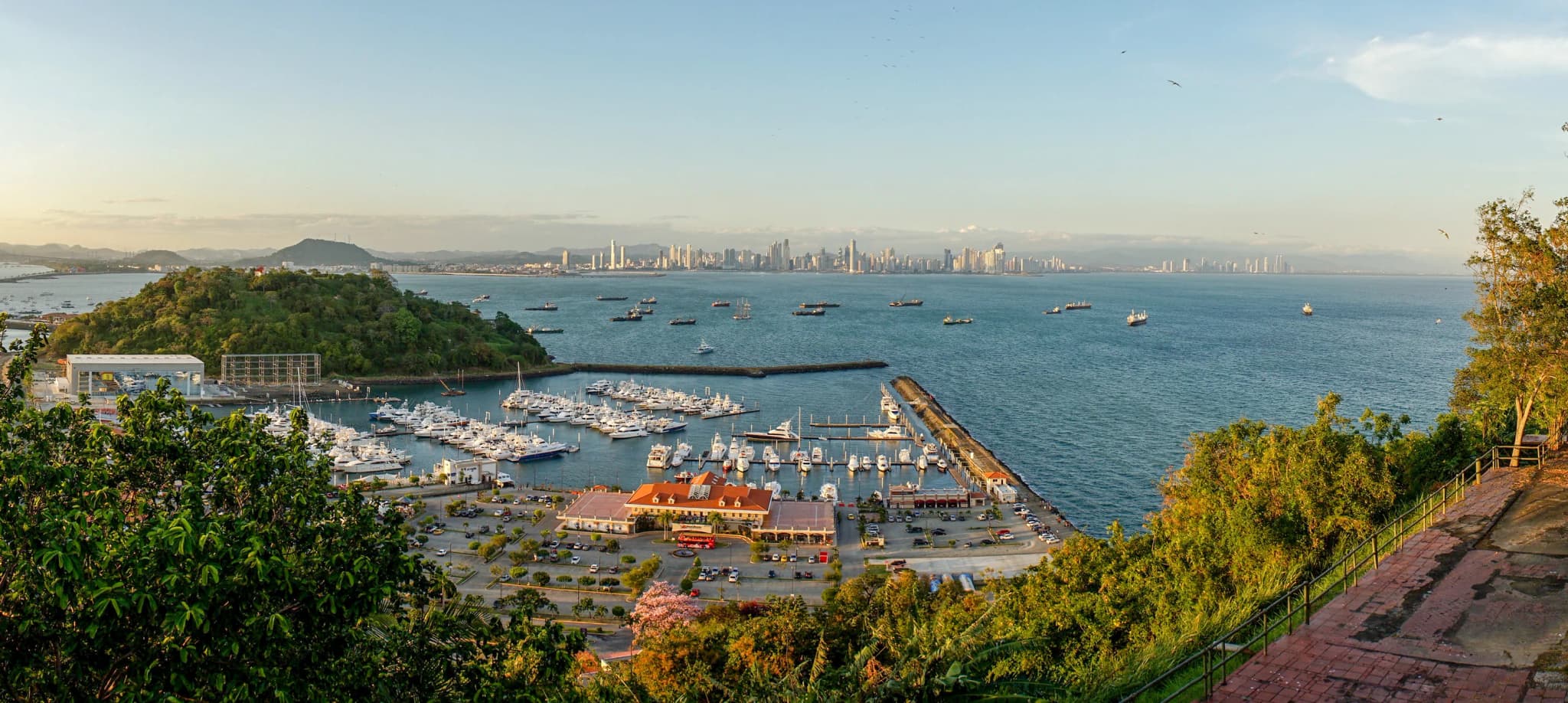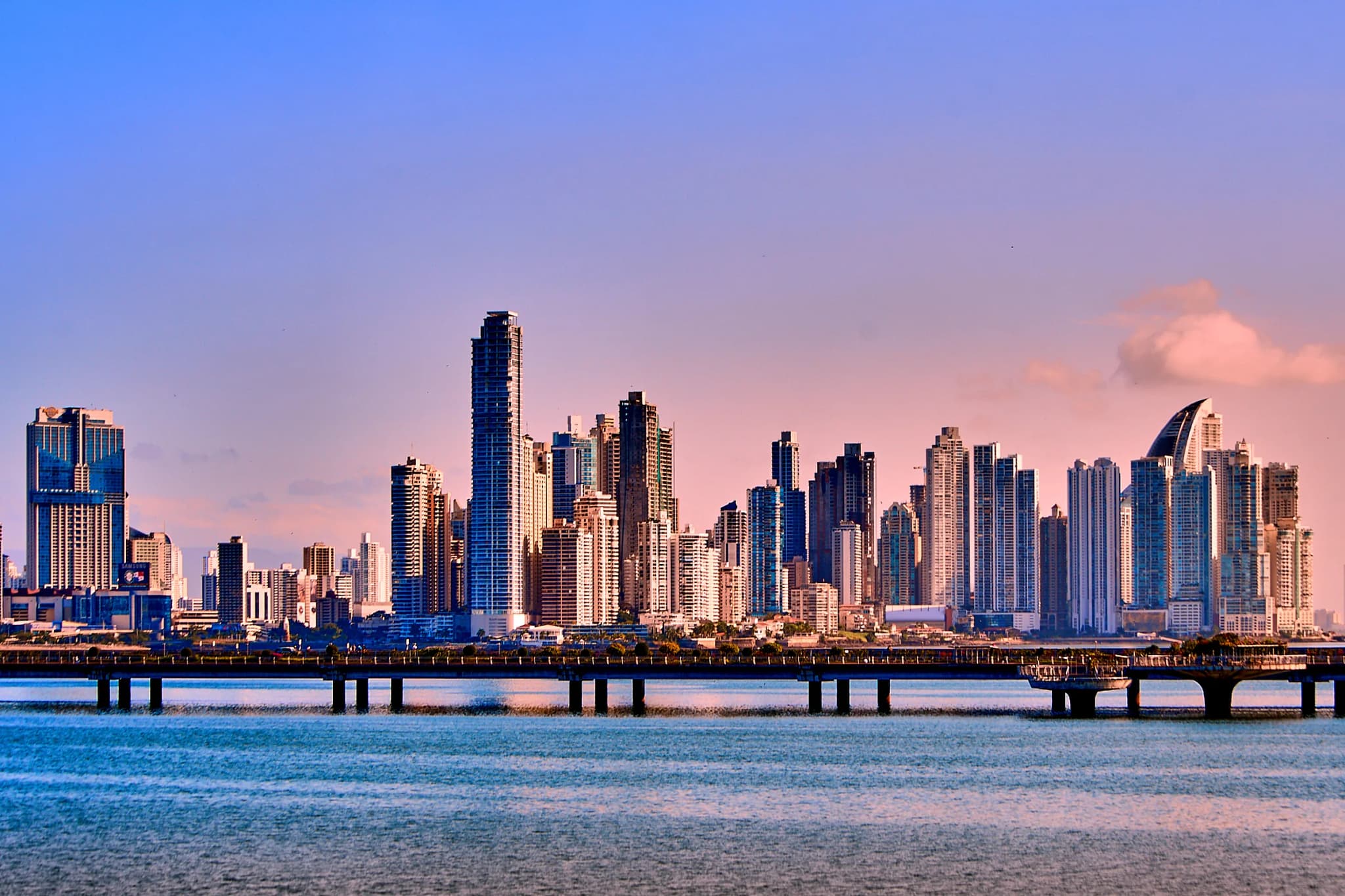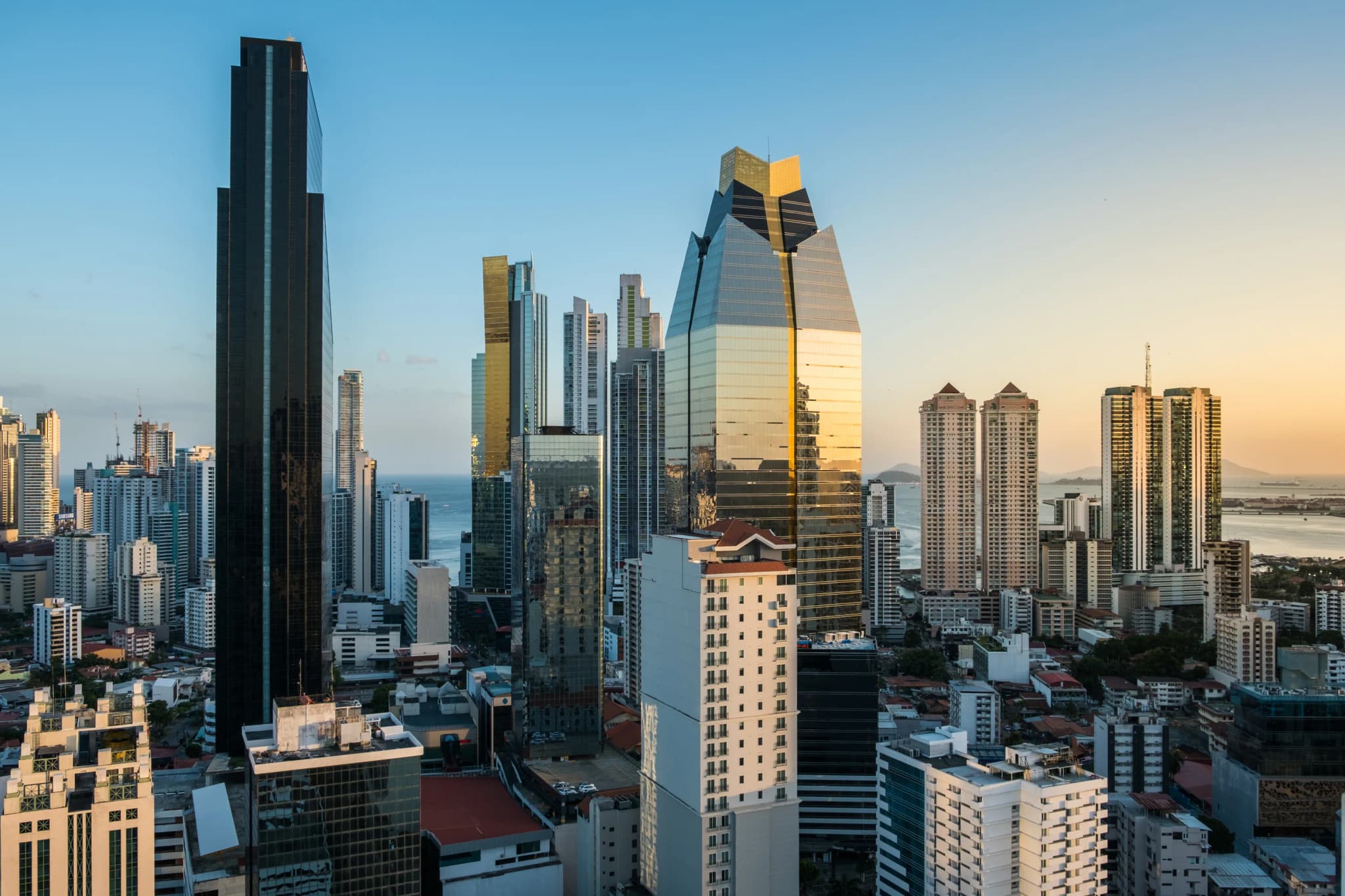








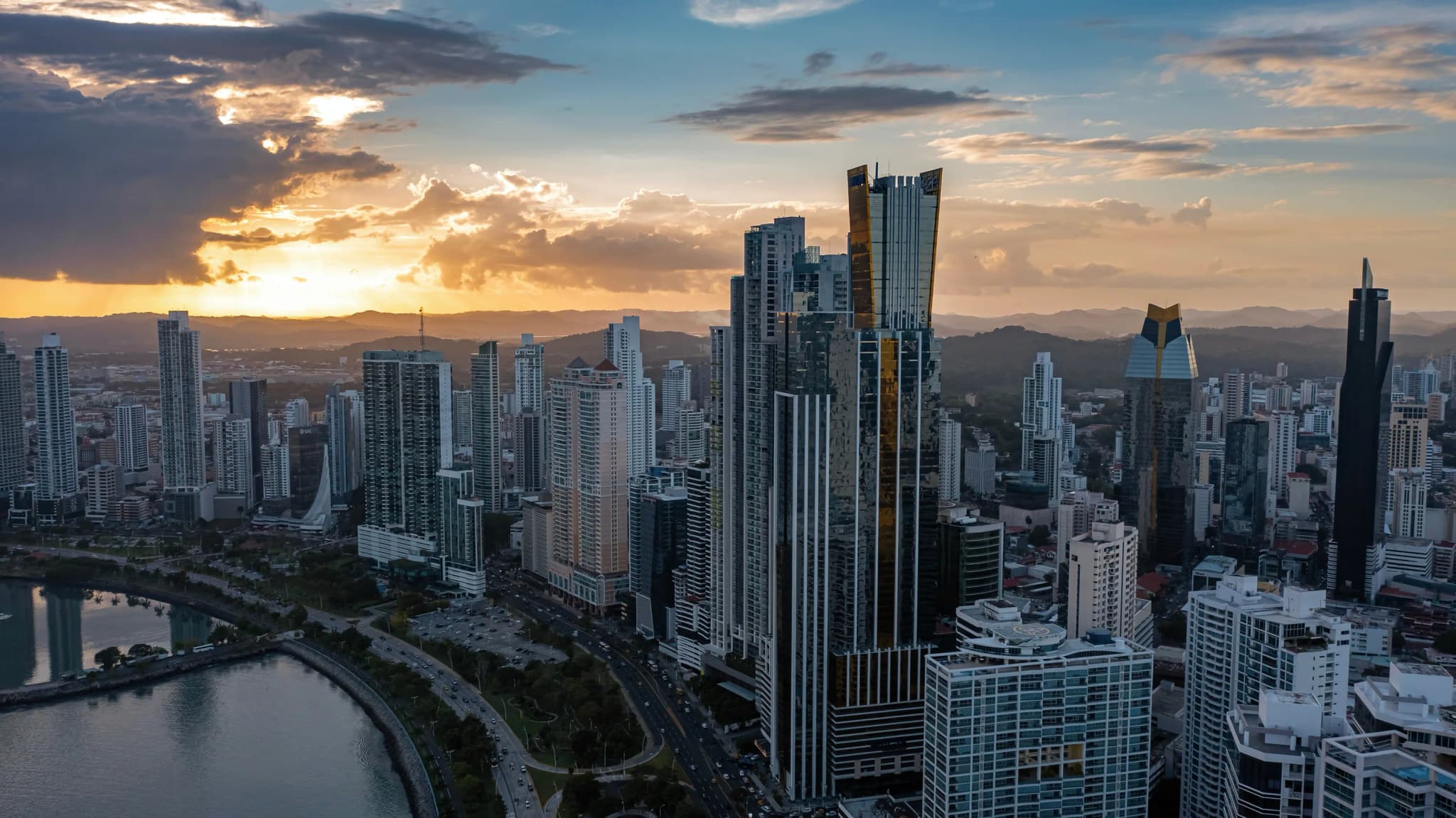

For high-net-worth investors from the UK, North America, and Asia-Pacific, Panama stands out as an attractive jurisdiction, as it combines a fully USD-denominated economy, a territorial tax system, and a business-friendly environment. The country also offers a direct pathway to permanent residence under the Qualified Investor Visa, with no physical stay requirements.
This article outlines the key investment sectors in Panama, including real estate, business, securities, and logistics. It also explains the process of obtaining the Qualified Investor Visa.
Panama investment environment: overview and statistics
Panama’s investment environment is shaped by the country’s role as a regional financial and logistics hub, which supports steady interest from international investors.
Foreign investment dynamics
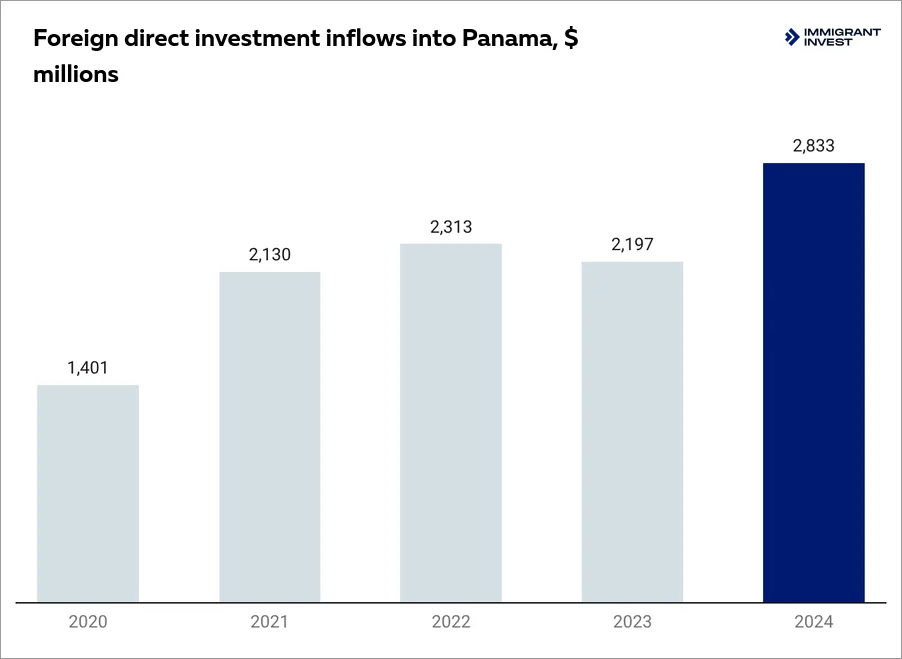
Panama has consistently attracted international capital over the past two decades, with investment flows showing cyclical rather than linear dynamics.
Foreign direct investment data reflects this pattern. After a net capital outflow during the COVID-19 period, inflows recovered quickly and stabilised in the following years, with moderate annual variation. This indicates a return to normal investment activity rather than a one-off rebound.
Preliminary data for 2025 confirms continued volatility in investment flows. For example, Panama recorded a net capital outflow of around $887 million in the second quarter of 2025, followed by an inflow of approximately $676 million in the third quarter[1]Source: Trading Economics, based on data from Panama’s National Institute of Statistics and Census, INEC. Such fluctuations are typical for economies with exposure to global capital markets and large-scale investment projects.
Overall, Panama’s investment profile is defined by stable long-term inflows combined with short-term variability, reflecting normal capital cycle dynamics rather than structural instability.
Regulatory framework for investors
When investing in Panama, individuals interact with the following government bodies:
- Superintendency of Banks of Panama[2]Source: Official website of the Superintendency of Banks of Panama — oversight of the banking system;
- Securities Market Superintendency[3]Source: Official website of the Securities Market Superintendency — oversight of the Panama Stock Exchange and licensed brokers;
- Ministry of Commerce and Industry[4]Source: Official website of the Ministry of Commerce and Industry — certifies investments for the Qualified Investor Visa;
- National Migration Service[5]Source: Official website of the National Migration Service — processes and approves residency applications;
- ProPanama[6]Source: Official website of ProPanama — government investment promotion agency providing market intelligence and facilitation services.
Some categories of investors might be eligible for residence permits in Panama. For instance, those who invest $300,000+ in real estate or $500,000+ in securities can obtain the Panama Qualified Investor Visa granted for life.

Trusted by 10,000+ investors
Check your eligibility for the Panama Golden Visa
Why are global investors turning to Panama in 2026?
Panama’s appeal to global investors is rooted in long-term macroeconomic stability. Supported by a USD-denominated economy, Canal-driven revenues, and consistent international capital inflows, the country offers a stable foundation for long-term investment planning.
Strategic location and time zone
Panama’s strategic location between North and South America has turned the country into one of the main logistics and financial platforms in Latin America. Tocumen International Airport, often called the ‘Hub of the Americas’, connects Panama City with more than 80—90 destinations across the Americas and Europe and ranks among the most connected airports in Latin America.
Panama’s time zone aligns with US East Coast business hours while remaining compatible with Latin American markets. This allows companies and investors to operate efficiently across multiple jurisdictions in real time.
Panama Canal as a macroeconomic anchor
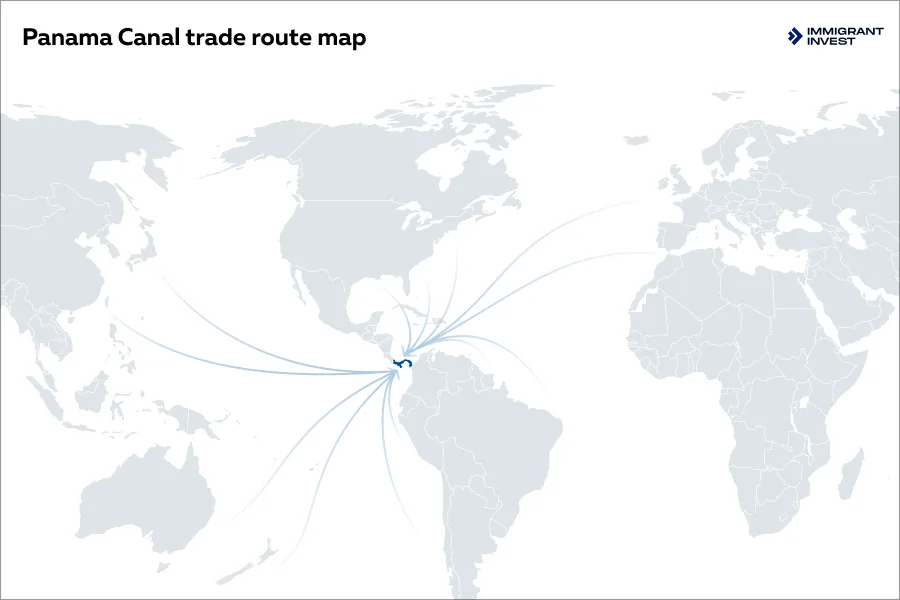
The Panama Canal is one of the world’s most important maritime trade routes, which links the Atlantic and Pacific Oceans and carries about 5—6% of global seaborne trade. Connecting 180 shipping routes across 170 countries, it underpins Panama’s economic model and strengthens the country’s role as a gateway for international commerce and investment.
The expansion of the Canal through the Neopanamax locks allows transit of large LNG tankers and high-capacity container vessels, reinforcing its long-term relevance. Canal revenues provide a stable source of national income and support overall economic resilience.
USD-denominated economy
Panama has used the US dollar as legal tender since 1904. The country’s official currency is the balboa, which is pegged to the US dollar at a 1:1 rate. This eliminates foreign exchange risk for dollar-based investors and simplifies cross-border transactions, capital transfers, and financial planning.
For international investors, this provides a level of currency stability that is uncommon in Latin America and reduces exposure to exchange rate volatility.
Territorial taxation
Panama’s territorial tax system means that only income sourced within Panama is subject to Panamanian income tax at the progressive rate of 0 to 25%[7]Source: General Directorate of Revenue of Panama: Income tax rates for individuals. Foreign-sourced income, including dividends, capital gains, rental income from abroad, and business profits generated outside Panama, is fully exempt.
This framework makes Panama particularly attractive for international structuring, allowing investors to separate local operations from global income streams.
Business-friendly environment
Panama offers a business-friendly environment supported by relatively simple company registration procedures and relatively moderate taxation: 25% corporate tax[8]Source: Worldwide Tax Summaries: Panama corporate tax rates and 7% VAT[9]Source: General Directorate of Revenue of Panama: VAT tax rates. Foreign investors enjoy the same ownership rights as local citizens, with no restrictions on holding shares or assets.
In addition, special economic zones such as the Colón Free Trade Zone and Panama Pacifico provide tax incentives, customs benefits, and simplified administrative procedures for internationally oriented businesses. These may include exemptions from import duties on re-exported goods, tax relief on re-export income, and reduced requirements for commercial licensing and registration.
Developed banking sector
Panama has a well-established financial system, with over 70 international banks operating in the country. This creates a mature private banking infrastructure supporting wealth management, international transactions, and corporate banking needs.
The presence of global and regional banks facilitates multi-currency operations, cross-border payments, and access to financial products. Key banks include:
- American Citibank;
- Canadian Scotiabank;
- French BNP Paribas;
- Colombian Davivienda;
- Panamanian Banco General, Banco Nacional de Panamá, Global Bank, and Caja de Ahorros.
Eligibility for permanent residence
Foreigners investing in Panama may be eligible for the Qualified Investor Visa that grants permanent residence in exchange of $300,000+ investment. Three options are available:
- $300,000 — in real estate;
- $500,000 — in securities listed on the Panama Stock Exchange;
- $750,000 — in fixed-term bank deposit from.
The process is relatively fast, with residence usually granted within 3+ months, provided all Due Diligence and documentation requirements are met. Investors can also include family members, which allows extending benefits to spouses, children, and parents.
Panama does not impose strict physical presence requirements to maintain status. This makes the country particularly attractive for investors who do not plan to relocate full-time but want a stable Plan B residency.
For many expats, the country’s main advantages include a lower cost of living than in major US cities, access to private healthcare, and a choice between international city life in Panama City and quieter, nature-oriented areas. This combination makes Panama attractive not only as a residence jurisdiction, but also as a place to spend part or all of the year.

Key investment sectors in Panama: where the opportunities are
Panama offers foreign investors access to multiple asset classes. Below is a map of the primary sectors relevant to those examining investment opportunities in Panama.
Real estate
Real estate remains one of the main entry points for investors in Panama, supported by demand from expatriates, tourists, and local residents. Foreign buyers enjoy the same full ownership rights as Panamanian nationals, which simplifies acquisition and provides legal certainty.
Most real estate activity is concentrated in Panama City, where the residential segment remains strong. This is reflected in construction data: in the third quarter of 2025, the capital accounted for about 68% of new construction projects across the main districts of the country, with over 60,000 square metres completed and more than 330,000 square metres under development[10]Source: Official data from INEC, Panama’s National Institute of Statistics and Census.
Market entry is usually achieved through direct property acquisition or participation in development projects, as real estate is a relatively transparent and widely understood asset class. Investment returns are typically derived from rental income, with capital appreciation depending on market cycles and location.
Business
Business investment is concentrated in services, retail, and hospitality. Services account for more than 70% of Panama’s GDP[11]Source: According to the data from the Ministry of Economy and Finance of Panama, which make them the backbone of the domestic economy
Small and medium-sized enterprises dominate, particularly in Panama City.
This type of investment offers active income with potential for scaling, with entry strategies including business acquisition, partnerships, or launching new operations. While returns can be higher, this approach usually requires ongoing operational involvement.
Financial instruments and capital markets
Panama’s financial sector is well developed, with over 70 international banks operating in the country and supporting a mature private banking ecosystem. The Bolsa de Valores de Panamá, the regulated national stock exchange, is overseen under Securities Market Superintendency.
The Panama Stock Exchange provides access to local securities and structured products. Investments in this segment typically generate returns through dividends, interest income, and capital gains, and are usually accessed via licensed brokers or banks. This makes financial instruments a more passive option, often used for diversification.
Logistics and trade-related assets
Panama’s logistics sector is underpinned by the Panama Canal, which handles approximately 3% of global maritime trade, and the Colón Free Trade Zone, one of the largest free zones in the world. Investments in this area are generally associated with stable operational cash flow.
Investors usually enter through ownership or partnerships in logistics businesses or infrastructure assets, benefiting from demand closely tied to global trade flows.
Other emerging and niche investment sectors
In addition to core investment areas, Panama offers opportunities in a range of emerging and niche sectors, driven by evolving consumer demand, digitalisation, and sector-specific growth trends. Some of these sectors include the following:
- Healthcare. Growing demand from expatriates and the local middle class supports opportunities in private clinics, specialised care, and outpatient services.
- Education and training. Demand for private education, language schools, and professional training is driven by international communities and workforce development needs.
- Agribusiness and food production. Niche segments such as organic farming, export crops, and food processing offer targeted opportunities linked to regional demand.
- Digital services and outsourcing. Increasing demand for back-office operations, customer support, and administrative services creates scalable, low-entry-cost business models.
- Technology and fintech. An emerging sector focused on digital payments, cross-border solutions, and financial infrastructure, supported by gradual regulatory development.
- Renewable energy. Investment opportunities are growing in solar and wind projects as Panama diversifies its energy mix and increases sustainability efforts.
- E-commerce and support services. Growth in online retail is driving demand for fulfilment, last-mile delivery, and digital commerce infrastructure.
Panama's business environment
Panama offers attractive opportunities for investors looking to establish or acquire a business, supported by a favourable tax regime, flexible corporate structures, and a stable, dollarised economy.
Business entry strategities
Investors can enter the Panamanian market through several approaches, depending on their risk profile and objectives:
- Acquiring an existing business, which provides an established client base and operational track record, allowing for immediate cash flow and reduced startup risks.
- Setting up a new company, which is relatively simple due to fast registration procedures, making Panama suitable for launching service businesses, trading companies, and regional headquarters.
- Entering through franchise agreements or joint ventures with local partners, which offer a more structured entry model, reduce operational risks, and enable faster access to the local market and business environment.
Company structures available to foreign investors
Foreign investors in Panama enjoy the same ownership rights as Panamanian nationals.
The most commonly used legal structure is the Sociedad Anónima, or S.A., a corporation with a legal identity separate from its owners. It is widely used both for operating businesses and for holding assets such as real estate or securities.
The Sociedad de Responsabilidad Limitada, or S.R.L., is another common structure. Similar to a limited liability company, it is usually used for smaller, closely held businesses, with the liability of its owners generally limited to the amount of their capital contributions.
Company incorporation in Panama is carried out through a licensed resident agent, usually a local law firm. The process takes around 5—10 business days and in most cases can be completed remotely. There is no minimum paid-in capital requirement; while companies often declare an authorised capital of $10,000, this is usually not required to be fully paid at the time of incorporation.
Special economic zones
Panama has several special economic zones, with Colón Free Trade Zone and Panama Pacifico Special Economic Zone being the most prominent ones. They provide an attractive environment for establishing and operating internationally oriented businesses, offering a combination of tax efficiency, simplified regulation, and operational flexibility.
The Colón Free Trade Zone, the largest in the Western Hemisphere by transaction volume[12]Source: Georgia Tech Panama Logistics Innovation and Research Center portal: Overview of the Colón Free Zone, is primarily focused on high-volume trade and redistribution.
Companies operating within the zone benefit from a range of fiscal and operational incentives, including exemptions from import and export duties on re-exported goods, as well as tax exemptions on re-export income and certain national and local taxes. This may include exemptions from municipal taxes, rates, and fees on the storage, processing, and movement of goods.
Additional advantages include simplified and automated trade procedures, access to an established banking and financial network, and immigration facilities for foreign executives, which support the efficient management of international operations[13]Source: Georgia Tech Panama Logistics Innovation and Research Center portal: Benefits of the Colón Free Zone.
The zone is particularly suited to trading companies, wholesalers, and distribution businesses managing cross-border flows of goods across Latin America.
The Panama Pacifico Special Economic Zone is a multi-sector special economic zone located on the site of the former Howard Air Force Base, designed to support logistics, light manufacturing, and corporate services, along with other international business operations.
Companies operating within the zone may benefit from exemptions from import duties, VAT, and certain local taxes, depending on the activity. For instance, this may include exemptions from commercial or industrial licence and registration charges, as well as relief from property-related taxes.
Additional advantages include simplified administrative procedures through a ‘one-stop shop’ system, more flexible labour regulations, and quicker immigration processes for foreign employees[14]Source: Georgia Tech Panama Logistics Innovation and Research Center portal: Overview of the Panama Pacifico Area.
The zone is particularly suited to companies establishing regional headquarters, service centres, or export-oriented operations, providing an efficient platform for managing international business activities. It is managed through a state-private partnership designed to attract targeted foreign direct investment.
Other special economic areas include:
- City of Knowledge — focused on research, education, and innovation.
- Aguadulce Special Economic Area — designed for agro-industry, logistics, trade, port activity, real estate, tourism, and services.
- Barú Special Economic Area — focused on agro-industry and petroleum refining.
- Tourist and Multimodal Logistics Support Zone — focused on tourism, logistics, and related business activities.
Key business sectors
Panama’s economy is predominantly service-based, accounting for more than 70% of GDP[11]Source: According to the data from the Ministry of Economy and Finance of Panama, which concentrates the most profitable opportunities in service-driven sectors. Some of them include:
- Financial and corporate services. Banking, legal, and corporate administration services benefit from steady demand from international clients and cross-border businesses.
- Trade and retail. Domestic consumption supports stable returns, particularly in mid- to high-end segments and franchise-based models in Panama City.
- Tourism and hospitality. Premium segments, such as boutique hotels and high-end hospitality, tend to generate stronger margins than mass-market offerings.
- Light industry and processing. Light manufacturing and food processing provide steady income streams linked to domestic demand and regional distribution.
Taxes for businesses
Corporate income tax is generally set at 25% on Panama-sourced profits. For companies with annual taxable income exceeding $1.5 million, tax must be calculated under one of two methods:
- 25% of net taxable income;
- 4.67% of gross taxable income under the alternative minimum tax calculation, CAIR[9]Source: General Directorate of Revenue of Panama: VAT tax rates.
If the application of CAIR results in a loss for the tax year, the company may request exclusion from the regime by submitting an application to the General Directorate of Revenue.
Dividends distributed from Panamanian-sourced profits are typically subject to withholding tax at 10%, while distributions from foreign-sourced income may benefit from reduced or zero taxation, depending on the structure.
Capital gains derived from the sale of assets located in Panama are generally taxed at 10%. Capital gains on foreign-sourced assets are not subject to taxation in Panama[15]Source: Worldwide Tax Summaries: Other taxes in Panama, including capital gains tax.
The value-added tax equivalent, ITBMS, is set at 7%[10]Source: Official data from INEC, Panama’s National Institute of Statistics and Census. Higher rates apply to certain categories such as alcohol and tobacco, but most goods and services fall under the standard rate.
US–Panama Trade Promotion Agreement
The United States–Panama Trade Promotion Agreement entered into force on October 31st, 2012[16]Source: Website of the Office of the United States Trade Representative: United States—Panama Trade Promotion Agreement. It eliminates tariffs across the majority of goods, provides investment protections for US investors against discriminatory or unlawful treatment, and covers Panama's services sectors. This is directly relevant to North American investors establishing Panamanian operations.
FATF compliance status
Panama was removed from the FATF list of jurisdictions under increased monitoring in October 2023, following the completion of its agreed action plan on anti-money laundering and counter-terrorist financing reforms[17]Source: Financial Action Task Force portal: Jurisdictions under and not under increased monitoring after October 2023.
For investors, this marked an important improvement in the country’s international compliance standing. In practice, it may reduce reputational and country-risk concerns when investing in Panamanian businesses, particularly in matters such as banking, fund transfers, transaction structuring, and Due Diligence.
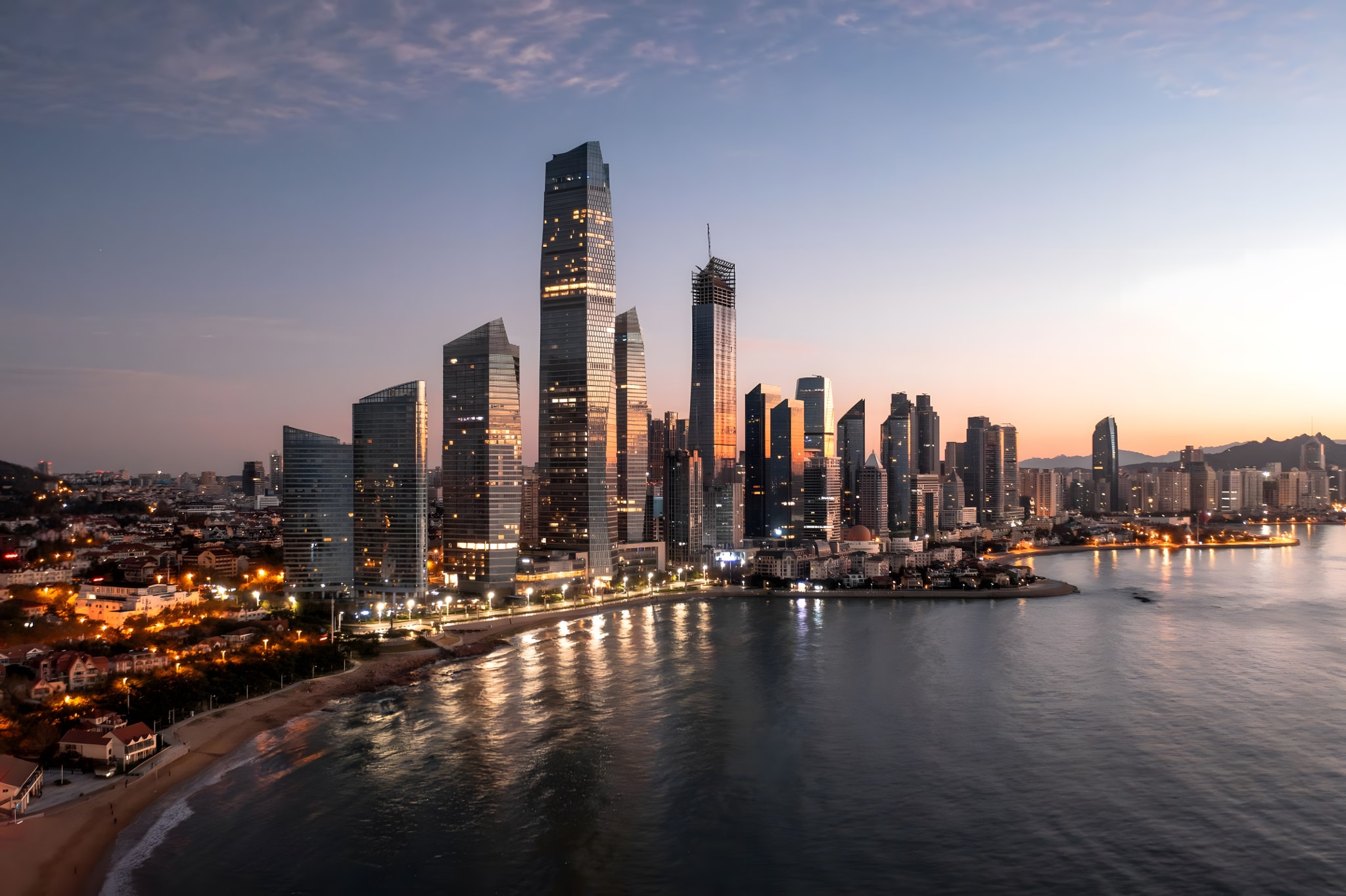
Panama City is a key international hub for corporations, with global companies such as Microsoft, Pfizer, and Maersk operating regional headquarters there
Panama real estate market
Foreign nationals hold the same titled property rights as Panamanian citizens. Thus, Panama real estate investment opportunities are among the most accessible in the Americas for foreign nationals.
Popular locations for real estate investment
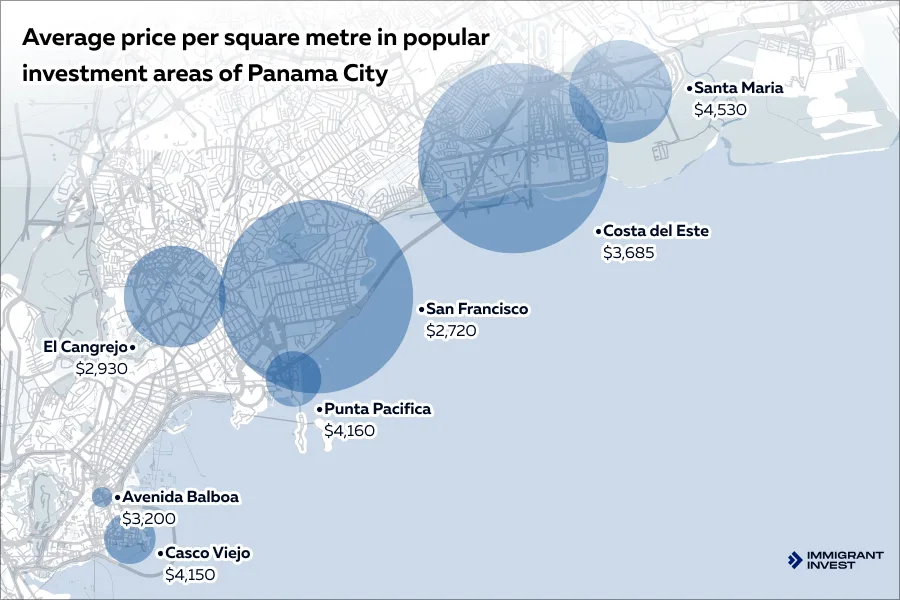
Real estate investment in Panama is concentrated in Panama City, where demand is driven by expatriates and international buyers. The key locations include the following:
- Prime areas Punta Pacifica and Santa Maria, which offer high-end properties with strong long-term positioning.
- Costa del Este, which combines stable demand with moderate returns.
- Avenida Balboa and Casco Viejo, which are well suited to short-term rental strategies.
- San Francisco and El Cangrejo, which appeal to investors seeking higher rental yields at lower entry prices.
Outside the capital, Coronado and Boquete are popular among lifestyle investors, but offer lower liquidity.
Property prices
Panama’s residential property market remains relatively affordable compared to many developed markets.
As of 2025, the average price for residential property in Panama City is approximately $1,800 per square metre, with national averages typically ranging between $800 and $1,500 per square metre, depending on location and property type.
Prime urban districts command significantly higher prices. For example, asking prices in central neighbourhoods range from approximately $2,700 per square metre in San Francisco to over $4,100 per square metre in areas such as Punta Pacifica and Casco Viejo[18]Source: According to the Global Property Guide.
Rental yields
Panama’s residential property market offers relatively strong rental returns compared to many international markets.
The gross rental yields in Panama average 7.03%[19]Source: According to the Global Property Guide, depending on property type and location. Expatriates and international residents are key drivers of demand for rental properties, with additional demand coming from short-term rentals in areas such as central districts of Panama City and tourist locations.
Smaller and mid-market units tend to generate higher yields due to broader tenant demand and lower acquisition costs. By contrast, prime properties generally offer lower yields, reflecting higher prices.
Actual performance varies based on occupancy rates, property management, and positioning within the market.
Property taxes
Annual property tax is progressive and depends on the classification and value of the property. The rates range from 0 to 0.9% annually[20]Source: Worldwide Tax Summaries: Other taxes in Panama, including property tax. Lower effective rates typically apply to primary residential property, while higher-value and investment properties are taxed at the upper end of the range.
Rental income generated from property in Panama is considered locally sourced income and is subject to taxation:
- for individuals — progressive rates up to 25%;
- for companies — standard corporate income tax rate of 25%
The taxable base may be reduced through allowable deductions, subject to applicable tax rules.
Capital gains from the sale of real estate located in Panama are generally taxed at 10%.
In addition, a 3% income tax advance payment applies to the higher of the sale price or the cadastral value. This amount may be credited against the final capital gains tax liability, and any excess may be eligible for a refund[20]Source: Worldwide Tax Summaries: Other taxes in Panama, including property tax.
Transfer tax. A 2% real estate transfer tax also applies to the higher of the sale price or the cadastral value[20]Source: Worldwide Tax Summaries: Other taxes in Panama, including property tax.
Panama Golden Visa for real estate investors
To become eligible for the Panama Golden Visa, the investor must acquire Panamanian residential or commercial property free of liens or encumbrances, with a minimum value of $300,000. This is a reduced threshold valid until October 15th, 2026. If not extended, the minimum investment amount will be $500,000.
Any amount exceeding the minimum investment may be financed with a Panamanian mortgage.
Eligible instruments include:
- direct freehold purchase of completed property;
- pre-sale or promise-of-sale contract at $300,000 or above;
- irrevocable purchase trust executed through a developer with a project under execution.
Co-ownership between spouses or dependent family members is accepted. Holding through a Panamanian corporation, trust, or foundation is permitted provided the applicant is the 100% owner or ultimate beneficiary.
Examples of real estate in Panama


Panama, Panama City
$447,000 — $1,043,000
Luxury apartments and town houses, Panama City
 102 m² — 235 m²
 2—3
2—3  2—3
2—3 
Panama, Panama City
$628,000+
Villas, apartments and houses with private pools, Santa Maria, Panama City
135 m²2—3 2—3 
Panama, Distrito de Balboa
$137,000 — $260,000
Elegant apartments, Distrito de Balboa
22 m² — 54 m²1 1 Investing in Panama securities: the stock exchange route
The Bolsa de Valores de Panamá, now operating as Latinex, is the country’s regulated national stock exchange, supervised by the Securities Market Superintendency. The exchange lists government bonds, corporate bonds, and equities issued by Panamanian and international companies.
The exchange is also a participant in the United Nations Sustainable Stock Exchanges Initiative[21]Source: Official website of the Sustainable Stock Exchange Initiative, which reflects its alignment with international standards on transparency, governance, and sustainable finance.
Market characteristics and liquidity
Panama’s stock exchange is relatively small, with total market capitalisation estimated at approximately $20—30 billion. The market is heavily weighted towards fixed-income instruments, which account for the majority of listings and trading activity.
As a result, investment strategies tend to be more conservative and income-oriented rather than growth-focused. Fixed-income instruments usually offer yields in the range of approximately 4—7%, depending on issuer risk and maturity.
Liquidity is more limited compared to major global exchanges, and investors should take exit timing into account, particularly when holding larger positions.
Currency and capital structure
All investments under the securities route are effectively USD-denominated, as Panama operates a dollar-based financial system. This eliminates foreign exchange risk for investors and simplifies portfolio integration with international assets.
This means that returns, valuations, and capital movements are aligned with US dollar dynamics, which is particularly relevant for investors from North America and those managing globally diversified portfolios.
Panama Golden Visa for securities investors
To qualify for the Qualified Investor Visa through the securities route, an investor must hold a minimum of $500,000 in listed instruments through a licensed Panamanian brokerage firm. The five-year holding period applies: selling or liquidating the securities before 5 years would put permanent residence status at risk.
All funds must originate from outside Panama, and the licensed broker provides a certified investment statement for the visa application file.
Panama as a logistics and trade hub: investment beyond the Canal
Panama’s logistics platform is built around the Panama Canal and extends into a broader ecosystem of ports, free trade zones, and air connectivity. Together, these elements create a fully integrated trade infrastructure and a diversified base for investment.
Canal infrastructure and capacity
The Panama Canal is the central pillar of the country’s economy and one of the most strategically important global trade assets. Handling approximately 3% of global maritime trade, it generates a stable and recurring revenue stream for the Panamanian economy.
Canal revenues reached approximately $4.99 billion in fiscal year 2024, with projected revenues of approximately $5.62 billion for fiscal year 2025. This provides a consistent source of government income and supports infrastructure development and overall economic stability.
The Neopanamax locks expanded the Canal’s capacity to accommodate LNG tankers and container vessels carrying more than 13,000 TEUs, as a result, the Canal can handle larger ships.
For investors and entrepreneurs, this translates into more efficient and larger-scale trade through Panama. Bigger ships reduce transport costs and increase cargo volumes, strengthening the country’s role as a logistics hub and supporting opportunities in logistics, trade, and related sectors.
The Canal carried 423 million tons of cargo in fiscal year 2024 across 9,944 deep-draft transits, with fiscal year 2025 projections indicating approximately 520 million tons and 12,582 transits[22]Source: According to the Panama Canal’s financial results presentation.
While the Canal itself is not directly investable, its scale and throughput create sustained demand across related sectors, including logistics, warehousing, and trade services. For investors, the Canal acts as a structural demand driver underpinning long-term activity in Panama’s economy.
Logistics infrastructure and trade ecosystem
Panama’s logistics ecosystem extends beyond the Canal to include ports, distribution networks, and major free trade zones. The Colón Free Trade Zone, the largest in the Western Hemisphere by transaction volume, and Panama Pacifico function as key operational hubs within this system.
These platforms support regional redistribution of goods, light manufacturing, and international trade operations, reinforcing Panama’s role as a gateway between global markets.
Investment opportunities in logistics
Investment in this sector is primarily indirect and linked to the infrastructure surrounding trade flows. The most common entry points include:
- commercial logistics real estate, such as warehousing and distribution centres;
- equity stakes in logistics operators and service providers;
- infrastructure assets, including cold-chain and storage facilities.
These investments typically generate income through leasing, service contracts, or trade-linked activity, with performance tied to global shipping volumes and regional trade demand.
Commercial logistics properties meeting the $300,000 titled real estate threshold may apply for the Qualified Investor Visa.
Connectivity and nearshoring
Panama’s connectivity plays a central role in its positioning as a nearshoring and regional business hub. Panama City is located less than three hours by air from Miami, and Tocumen International Airport connects to more than 80 passenger and cargo destinations globally.
Tocumen International Airport is also being developed as a multimodal air cargo hub, combining an expanded cargo terminal with an integrated logistics zone designed to support international trade operations.
This combination of geographic proximity, air connectivity, and expanding logistics infrastructure positions Panama as an effective nearshoring and regional headquarters location for North American companies expanding into Latin America, particularly for time-sensitive and high-value goods.
Geopolitical considerations
Discussions in 2025 regarding Canal access and fees introduced short-term uncertainty in investor sentiment. However, the Canal operates under Panamanian sovereignty following the 1999 transfer from the United States and is managed by the autonomous Panama Canal Authority.
While geopolitical developments may influence sentiment in the short term, they do not alter the underlying legal and operational framework of the Canal. Investors should monitor such developments as part of broader risk assessment.
Which investment route to choose when investing in Panama?
The choice depends on whether the investor prioritises capital preservation, income generation, scalability, or operational control. Many investors combine several approaches to balance risk and return across different asset classes or choose the option that grants them the right to apply for the Qualified Investor Visa.
Real estate is usually chosen by investors seeking a tangible asset and relatively predictable returns. It suits those focused on rental income and long-term capital appreciation, particularly in established areas of Panama City.
Business investment is more suitable for those looking for active income and higher return potential. Acquiring or launching a company allows investors to benefit from Panama’s service-based economy, but requires operational involvement and local market understanding.
Financial instruments, including bonds and listed securities, are better aligned with investors seeking a more passive approach. These investments are typically income-oriented and require minimal day-to-day involvement, although market liquidity is more limited compared to larger exchanges.
Logistics and trade-related investments are particularly relevant in Panama due to the Canal and the country’s role as a regional distribution hub.
This segment suits investors looking for exposure to global trade flows through assets such as warehousing, distribution centres, or logistics operators. Returns are often linked to long-term contracts and trade volumes, offering relatively stable cash flow with lower direct involvement than operating a business.

Eymi Castro,
Investment Migration Expert
Two of the options mentioned above, real estate and securities, allow investors to obtain permanent residence in Panama under the Qualified Investor Visa. The minimum investment is $300,000 for real estate and $500,000 for listed securities.
The Panama Qualified Investor Visa also offers a path to citizenship by naturalisation after 5 years of residence in the country, provided applicants can demonstrate knowledge of Spanish, a basic understanding of Panama’s geography, history, and political system, as well as good conduct and a clean criminal record.
Risks and pitfalls of investing in Panama
Despite its strong positioning as an international investment hub, Panama presents a number of risks that investors should consider before committing capital.
Regulatory and administrative complexity
While Panama is generally investor-friendly, administrative procedures can be time-consuming and require strict compliance. This is particularly relevant for banking, real estate transactions, and licensing. Delays are common without proper legal support and local expertise.
Real estate market variability
The property market is not uniform across the country. Prime areas in Panama City and established coastal locations tend to offer better liquidity, while secondary locations may involve longer exit timelines and less predictable demand. In some regions, ownership structures such as rights of possession instead of full title can create additional legal risks.
Banking and financial onboarding
Panama’s banking sector is stable but highly regulated. Opening an account often requires detailed documentation and source-of-funds verification. Enhanced compliance procedures may affect transaction timelines and overall investment execution.
Exposure to global trade cycles
Panama’s economy is closely linked to global trade and the Panama Canal. External shocks, including disruptions in shipping volumes or international trade, can have an indirect impact on sectors such as logistics, real estate, and services.
Hidden and ongoing costs
Investors should account for additional expenses such as property maintenance, management fees, taxes, and administrative costs. These can materially affect net returns if not properly incorporated into the financial model.
What are the tax implications for international investors?
Panama taxes only income sourced within its territory. Foreign-sourced income, such as dividends, rental income, capital gains, business profits, salary, and other income arising outside Panama, is not subject to Panamanian income tax.
Panama's territorial tax rule does not grant complete exemption from all taxes. Investors who retain home-country tax residency and do not establish genuine Panamanian tax residency remain subject to their home-country tax regimes on all income.
Residency vs. tax residency
Holding Panama permanent residence does not automatically confer tax residency. An individual is generally considered a tax resident if they spend more than 183 days in Panama within a calendar year.
In addition to physical presence, the tax authorities may take into account factors such as:
- location of the individual’s primary residence;
- centre of economic interests;
- local income-generating activities.
To formalise their status, individuals may register with the tax authority, the Dirección General de Ingresos, DGI, and obtain a tax identification number. Applicants are typically required to provide supporting documentation, such as entry and exit records, utility bills, and lease agreement.
Personal income tax for Panamanian tax residents
Individuals who qualify as Panamanian tax residents pay tax only on income sourced in Panama, in line with the country’s territorial tax system. The main taxes that may apply include:
Panama applies progressive rates:
- 0% on annual income up to $11,000;
- 15% on income between $11,000 and $50,000;
- 25% on income above $50,000.
In the latter case, the first $50,000 is taxed at the lower rates, and only the excess is taxed at 25%[7]Source: General Directorate of Revenue of Panama: Income tax rates for individuals.
Because Panama taxes only locally sourced income, foreign income such as overseas salaries or rental income is generally not taxed in Panama, even for tax residents.
Panama also does not tax wealth, inheritance, and estate.
Double taxation agreements
Panama has signed 17 double taxation treaties[23]Source: General Directorate of Revenue of Panama: Double Taxation Treaties with countries including Spain, France, the United Kingdom, the Netherlands, Singapore, and the United Arab Emirates. Major economies such as the United States and Canada are not included in this network.
For countries with which Panama has not signed a double taxation agreement, cross-border income may be taxed in both jurisdictions. In such cases, taxation is determined by the domestic laws of each country, and relief from double taxation depends on unilateral tax credits or other national tax provisions rather than a bilateral treaty.
Common reporting standard
Panama participates in the OECD’s Automatic Exchange of Financial Account Information under the Common Reporting Standard, a global system that includes around 120 participating jurisdictions. Under this framework, Panamanian banks may report financial accounts held by foreign residents to the account holder’s home-country tax authority.
If you live in a country that participates in the CRS, you should assume that your Panamanian financial accounts will be reported to your home tax authority.
Specific considerations for US citizens
The US taxes citizens and permanent residents on worldwide income regardless of where they reside. However, under the Foreign Earned Income Exclusion those working abroad may exclude up to $132,900 of foreign earned income in 2026[24]Source: US Internal Revenue Service: Foreign Earned Income Exclusion, provided they have a tax home outside the US and meet either the physical presence or bona fide residence test. The income must still be reported on a US tax return.
Holding a Panama Golden Visa does not in itself reduce US federal income tax obligations, and FATCA and FBAR reporting requirements continue to apply in full.
Panama and the United States signed a FATCA Model 1 Intergovernmental Agreement in April 2016[25]Source: Official text of the Agreement. Under this framework, Panamanian financial institutions report information on accounts held by US persons to Panama’s tax authority, which then exchanges the data with the US Internal Revenue Service.
For US citizens, this simplifies tax compliance because financial reporting follows a clear government-to-government framework. It also allows US taxpayers to maintain accounts in Panama while remaining compliant with US tax reporting requirements.
What is the Panama Qualified Investor Visa?
The Panama Qualified Investor Visa, also known as the Panama Golden Visa, is permanent residence granted for investments in the country’s economy. The Qualified Investor Visa was established by Executive Decree No. 722, signed on October 15th, 2020[26]Source: Official text of the Executive Decree No. 722.
The issuing authority is the Servicio Nacional de Migración, Panama's National Migration Service, SNM, operating under the Ministry of Public Security.
Obtaining the Panama Golden Visa takes at least 3 months. During this time, SNM processes the application within 30—45 business days. The procedure can be completed remotely with the assistance of a certified agent.
Three investment routes
Panama offers 3 investment routes, each subject to a five-year holding requirement:
- $300,000 — titled real estate, purchasable directly or via an irrevocable purchase trust with a developer delivering a project under construction;
- $500,000 — securities listed on the Panama Stock Exchange and invested through a licensed Panamanian securities broker
- $750,000 — fixed-term bank deposit at a Panamanian bank holding a general licence.
Eligibility criteria
The main applicant must be a foreign national aged 18 or over with a clean criminal record. All funds must originate from outside Panama.
Eligible family members include the following:
- spouse in the official marriage;
- children under 18;
- children over 18 if they are unmarried, studying full-time, and financially supported by the main applicant;
- parents of any age, provided they are financially dependent on the main applicant.
There are no nationality restrictions stated in the programme rules for both the main applicant and their family members.
Core benefits
Some of the most important benefits of the Panama Golden Visa include the following:
- permanent residence from the first day of issuance with no provisional residence stage;
- no obligatory residence requirement to maintain the status;
- right to live, work, and study in Panama;
- eligibility for Panamanian citizenship in 5 years, provided the investor continuously lives in the country and meets requirements.
Step-by-step process of obtaining the Panama Golden Visa: from investment to cédula
The end-to-end process, from investment selection through to E-Cédula issuance, takes at least 3 months when document preparation and banking onboarding are factored in alongside the official 30—45 business-day SNM review.
Immigrant Invest accompanies investors at each step of their application.
1 day
Preliminary Due Diligence
Immigrant Invest conducts a preliminary Due Diligence check to identify any circumstances that might lead to the denial of the application.The process is fully confidential.
Upon successful completion of the check, Immigrant Invest prepares a service agreement to provide further support.
Immigrant Invest conducts a preliminary Due Diligence check to identify any circumstances that might lead to the denial of the application.The process is fully confidential.
Upon successful completion of the check, Immigrant Invest prepares a service agreement to provide further support.
2 weeks
Document preparation
Immigrant Invest provides a list of required documents tailored to the applicant’s situation and background. A lawyer remotely coordinates the preparation to ensure compliance with local requirements.
Immigrant Invest provides a list of required documents tailored to the applicant’s situation and background. A lawyer remotely coordinates the preparation to ensure compliance with local requirements.
2+ months
Investment
To obtain a Panama residence permit, the applicant fulfils one of the following investment conditions:
- purchases real estate;
- invests in securities;
- makes a bank deposit.
To obtain a Panama residence permit, the applicant fulfils one of the following investment conditions:
- purchases real estate;
- invests in securities;
- makes a bank deposit.
1—3 months
Application submission and approval
The Immigrant Invest lawyer submits the complete application package to the SNM office in Panama City.
After submission, the application enters official review. Investors receive initial approval and a provisional residence status. The process then proceeds directly towards permanent residence.
The Immigrant Invest lawyer submits the complete application package to the SNM office in Panama City.
After submission, the application enters official review. Investors receive initial approval and a provisional residence status. The process then proceeds directly towards permanent residence.
Up to 4 months
Permanent residence card issuance
Investors receive the E-cédula, the national foreign resident ID card. This document enables banking access, property transactions, and full civil status in Panama.
Investors receive the E-cédula, the national foreign resident ID card. This document enables banking access, property transactions, and full civil status in Panama.
Every year
Annual compliance
For the first five years after approval, the authorities must receive annual proof that the investment remains in place. The deadline runs from the date the permanent residence permit was granted, not by calendar year.
The supporting evidence depends on the investment route and may include a broker certification for securities, a bank letter for a fixed-term deposit, or a Public Registry extract for real estate.
If the authorities cannot verify that the investment is maintained, the investor may face compliance issues, and residence can be cancelled if the investment ends before the five-year holding period and is not reinvested.
For the first five years after approval, the authorities must receive annual proof that the investment remains in place. The deadline runs from the date the permanent residence permit was granted, not by calendar year.
The supporting evidence depends on the investment route and may include a broker certification for securities, a bank letter for a fixed-term deposit, or a Public Registry extract for real estate.
If the authorities cannot verify that the investment is maintained, the investor may face compliance issues, and residence can be cancelled if the investment ends before the five-year holding period and is not reinvested.
Why should you trust Immigrant Invest help?
Immigrant Invest is a licensed consulting company specialising in residence and citizenship by investment programmes. The company assists clients pursuing the Panama Qualified Investor Visa through compliance screening, legal guidance, and structured application support.
Licensed representation and professional expertise. Immigrant Invest holds government-issued licences to advise on and represent clients in residency and citizenship by investment programmes. Immigrant Invest applies compliance procedures aligned with the EU’s 6th Anti-Money Laundering Directive, helping reduce potential banking or KYC issues.
Our legal team of over 70 experts includes members of the Investment Migration Council and CAMS-certified AML specialists.
In-house compliance and Due Diligence. Immigrant Invest conducts internal compliance checks before submitting applications. This includes source-of-funds verification, background checks, and eligibility screening. The process is overseen by a CAMS-certified compliance officer.
Advisory expertise across multiple programmes. Immigrant Invest has cross-programme expertise that allows us to compare options and recommend solutions that best match a client’s investment capacity, family structure, and long-term plans.
As part of the advisory process, dependent eligibility is verified early to avoid complications later in the application. Clients then follow a structured, step-by-step process from initial due diligence to residency approval, with realistic timelines covering investment, banking procedures, and residency requirements.
Key takeaways: investment opportunities in Panama
- Panama is an attractive place for investors thanks to its stable long-term capital inflows, and favourable tax system, and path to immediate permanent residency.
- The Panama Canal plays a central role in Panama’s economy, providing steady income and supporting sectors like logistics and real estate.
- Investors can choose from several options, including real estate, business, financial instruments, and logistics, depending on their goals and level of involvement.
- The Qualified Investor Visa offers a direct path to permanent residence with no stay requirements to those who invest in Panama at least $300,000.
- Panama’s territorial tax system allows investors to optimise taxes on global income, but it does not remove tax obligations in their home country.
Immigrant Invest is a licensed agent for citizenship and residence by investment programs in the EU, the Caribbean, Asia, and the Middle East. Take advantage of our global 15-year expertise — schedule a meeting with our investment programs experts.

 Trusted by 10,000+ investors