







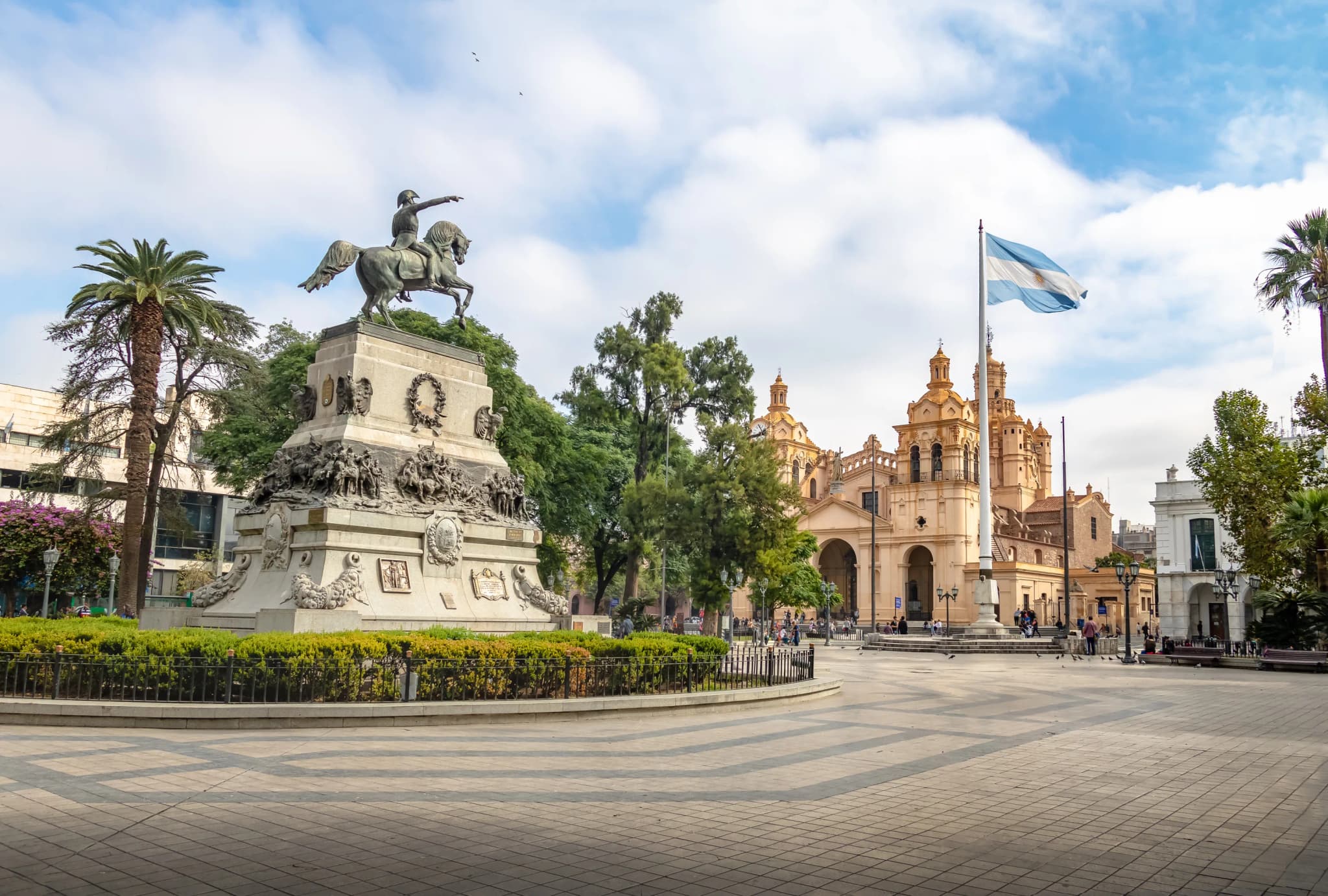

Argentina is known for its fast naturalisation process, allowing eligible residents to apply for citizenship after 2 years of legal residence. The government has also recently introduced a new citizenship by investment pathway, though the detailed rules and requirements are still being developed.
Argentine citizens enjoy visa-free or visa-on-arrival access to 160 destinations, along with strong constitutional protections that make citizenship irrevocable.
Can Argentina citizenship be obtained by investment?
Argentina has created a legal framework for citizenship by investment[1]Source: Investment Policy Measure, UNCTAD Investment Policy Monitor, but the programme is not yet fully defined in practical terms.
Here are the legal steps the government has taken to develop the programme:
- in May 2025, Decree 366/2025 amended the citizenship rules to allow foreign nationals who make a “relevant investment” in Argentina to qualify for naturalisation without meeting the usual two-year residence requirement;
- on July 31st, 2025, Decree 524/2025 set out the administrative procedure for this new route.
Investment threshold
Neither Decree 366/2025 nor Decree 524/2025 sets a fixed minimum amount. Officially, that decision has been delegated to the Ministry of Economy, and as of March 2026 no formal definition has been published.
The figure most often reported in connection with the future programme is $500,000. This amount appeared in Argentine media reports when the reform was first being prepared.
Investors who need a second passport in the near future can choose among several established citizenship by investment programmes. These operate under clear legislation, with defined investment thresholds starting at $90,000.

Process
Applications are to be filed with the new Agency of Investment Citizenship Programs under the Ministry of Economy[2]Source: Citizenship by investment decree, Argentina Government. The agency will first assess whether the investor’s contribution qualifies as “relevant”. If it does, the case will then undergo background and national security checks involving the Ministry of Security, the Financial Information Unit, and the National Registry of Reoffenders.
After that, the agency will send a recommendation to the National Directorate of Migration, which will have 30 business days to approve or reject the application.
What are the key benefits of obtaining Argentina citizenship?
Argentine citizenship offers a combination of mobility, legal security, and practical advantages that appeal to globally minded individuals seeking an Argentina passport.
Visa-free access to 160 countries
The Argentina passport provides visa-free or visa-on-arrival access to 160 destinations. Argentine citizens may visit the United Kingdom for up to 6 months after obtaining an Electronic Travel Authorisation online prior to travel.
Argentine passport holders can travel visa-free to the Schengen Area for up to 90 days within any 180-day period across 29 European countries. They also enjoy broad visa-free travel across Latin America under regional and bilateral agreements.
Right to dual citizenship
Argentina allows dual and multiple citizenship, which means that foreigners who obtain Argentine citizenship are not required to renounce their original nationality. Whether they may keep their first nationality depends on the laws of their home country.
In addition to this general rule, Argentina has signed bilateral agreements on dual nationality with several countries, including Spain, Italy, Norway, and Sweden, as well as a number of Latin American states. These agreements formally recognise dual citizenship and clarify how certain obligations apply to people who hold both passports.
For example, a person with both Argentine and Spanish citizenship is generally not required to fulfil military service obligations in both countries. The agreement helps determine which state has primary jurisdiction over such duties and other administrative matters.
Relocation to the country with affordable prices
Argentina offers a favourable balance between cost of living and quality of life. The estimated monthly cost for a single person, excluding rent, is around $700 and rents for a one-bedroom apartment are often below $500[3]Source: Cost of living in Argentina, Numbeo.
Overall living costs in Argentina are around 39% lower than in the United States, while rent is approximately 68.5% lower[4]Source: Argentina vs UK prices, Numbeo. Compared with the United Kingdom, housing is also significantly more affordable: the average rent for a one-bedroom apartment in a city centre is about $488 in Argentina versus $1,364 in the UK[5]Source: Argentina vs US prices, Numbeo.
Short time to passport
Argentina offers one of the shortest naturalisation periods in the world: eligible foreign nationals may apply for citizenship after 2 years of continuous and legal residence. Argentine law also does not require permanent residence first, so applicants may move directly from temporary legal residence to citizenship once the two-year period is met.
After citizenship is granted, the National Directorate of Migration coordinates with RENAPER so that the new citizen can receive an Argentine ID, after which they may apply for an Argentine passport. The passport application itself is a separate administrative step and the appointment takes about 15 minutes[6]Source: Express passport service, Argentina Government.

Argentina boasts stunning nature like Iguazu falls on the border with Brazil
What are the currently available ways to obtain Argentina citizenship?
Argentine law recognises four pathways to citizenship besides investment: naturalisation after a period of residence, birth on the country’s territory, descent from a citizen parent, and marriage to a citizen[7]Source: Nationality Law, UN Legislative Series.
Citizenship by naturalisation
Naturalisation is the most common route for foreigners who want to live in Argentina permanently. Under Law 346 Article 2, foreigners aged 18 or older who have maintained continuous legal residence in Argentina for at least 2 years may petition for naturalisation[8]Source: Citizenship Law article, Argentina Government.
Applicants must demonstrate a lawful and sufficient source of income, maintain good character, and express willingness to become Argentine citizens. The process does not require permanent residence status; temporary residence permits renewed over two years satisfy the residence requirement.
Citizenship by birth in Argentina
Children born in Argentina acquire Argentine citizenship automatically by birth. However, their foreign parents no longer receive permanent residence automatically[9]Source: Migration reform announcement, Argentina Government.
Under the 2025 migration reform, parents of an Argentine-born child now obtain temporary residence first. To qualify for permanent residence, they must meet additional conditions, including:
- proof of sufficient means of support;
- absence of a criminal record.
Permanent residence may also be cancelled after an absence from Argentina of more than one year, while temporary residence may be lost after an absence of six months or more. The general rule for naturalisation now requires 2 years of continuous residence in Argentina.
Citizenship by descent from Argentine parents
Children born abroad to Argentine parents acquire Argentine citizenship by descent. Adults seeking to claim citizenship by descent must provide evidence of parentage before Argentine consular authorities or, if residing in Argentina, before competent domestic authorities.
For minors, parents present the child's birth certificate and proof of parental citizenship at the nearest Argentine embassy or consulate to register the child as an Argentine citizen.
Citizenship through marriage to an Argentine citizen
Spouses of Argentine citizens may apply for naturalisation without fulfilling the standard two-year residence requirement. The marriage must be legally valid, including same-sex marriages recognised under Argentine law.
Applicants must demonstrate the legitimacy of the marital relationship and meet good character requirements. This route does not exempt applicants from proving honest means of subsistence or satisfying background checks.
Who is eligible for Argentina citizenship by naturalisation?
Eligibility for naturalisation by residence requires applicants to meet statutory criteria related to age, residency, financial self-sufficiency, and character. Applicants must be at least 18 years old and demonstrate good character, meaning the absence of serious criminal convictions and compliance with the laws of Argentina.
Eligibility criteria
To qualify for Argentine citizenship by naturalisation, applicants must meet the following requirements:
- be at least 18 years old;
- live in Argentina legally and continuously for at least 2 years;
- hold a valid residence status throughout that period;
- show a lawful and sufficient source of income;
- have no serious criminal record;
- demonstrate compliance with Argentine law.
In practice, the authorities also look at whether the applicant genuinely resides in Argentina and can document their income and legal stay.
Residence permits that may lead to citizenship
Several residence categories may allow applicants to live in Argentina legally during the 2-year period qualifying for citizenship. For high-net-worth individuals, the most relevant examples include:
- residence permit based on passive income from abroad, including pensions, dividends, interest, or rental income, — the Pensioner and Financier Permit, Residencia Temporaria para Rentista-Pensionado;
- residence permit based on investment in the Argentine economy — the Investor Permit, Residencia Temporaria para Inversores;
- other lawful temporary residence categories, provided they allow continuous legal stay in the country.
Argentina does not require applicants to obtain permanent residence before applying for citizenship. A valid temporary residence permit may be sufficient, as long as the applicant completes 2 years of continuous legal residence.
What documents are required for citizenship of Argentina?
Argentine immigration authorities require comprehensive documentation to establish identity, good character, financial capacity, and legal status.
Documents for citizenship application
After completing two years of residence, applicants for citizenship must provide:
- Argentine national identity document, DNI, or proof of residence registration;
- criminal record certificates issued within the previous six months;
- proof of continuous residence, such as rental contracts, utility bills, or employment records;
- evidence of integration into Argentine society, such as tax filings, social security contributions, or community involvement.
Authorities may request supplementary documentation to verify residence continuity and character.
Document translation and apostille procedures
All foreign documents must be translated into Spanish by a certified public translator registered in Argentina. Documents must also be legalised through apostille under the Hague Convention or, for countries not party to the convention, through consular legalisation at an Argentine consulate.
Apostilles authenticate the signature and seal of the issuing authority and are affixed by the designated competent authority in the country of issuance. Consular legalisation involves presentation of the document to an Argentine consular office abroad for verification.
Both processes ensure that Argentine authorities recognise the documents as authentic and legally valid.
How to obtain Argentina citizenship by naturalisation: step-by-step process
The entire process of obtaining Argentine citizenship through naturalisation takes about 2 years, depending on residence compliance, document preparation, and application processing times.
2 weeks
Collecting documents for a residence permit
Gather all required documents as specified by the National Directorate of Migration. Obtain criminal record certificates, bank statements, proof of income, and identity documents.
Translate documents into Spanish through a certified public translator in Argentina or a translator recognised by Argentine authorities. Obtain apostilles or consular legalisation for all foreign-issued documents.
This preparation typically requires two weeks, though timelines vary depending on the speed of issuing authorities in the applicant's country of origin.
Gather all required documents as specified by the National Directorate of Migration. Obtain criminal record certificates, bank statements, proof of income, and identity documents.
Translate documents into Spanish through a certified public translator in Argentina or a translator recognised by Argentine authorities. Obtain apostilles or consular legalisation for all foreign-issued documents.
This preparation typically requires two weeks, though timelines vary depending on the speed of issuing authorities in the applicant's country of origin.
1 day
Applying for a residence permit
Register an account on the RaDEX online portal operated by the National Directorate of Migration[10]Source: RaDEX application guide, Dirección Nacional de Migraciones.
Through the platform, you can complete the residence permit application form and select the category that matches your grounds for residence, such as pension income, passive income, investment, work, study, or family ties. Upload supporting documents and pay the government fee.
Upon successful submission, you will receive confirmation via email and be assigned a case reference number.
Register an account on the RaDEX online portal operated by the National Directorate of Migration[10]Source: RaDEX application guide, Dirección Nacional de Migraciones.
Through the platform, you can complete the residence permit application form and select the category that matches your grounds for residence, such as pension income, passive income, investment, work, study, or family ties. Upload supporting documents and pay the government fee.
Upon successful submission, you will receive confirmation via email and be assigned a case reference number.
Up to 6 weeks
Visiting the Directorate of Migration and receiving a permit
If the application meets initial requirements, the National Directorate of Migration schedules an in-person appointment at its headquarters in Buenos Aires or a regional office. Processing times vary but typically take up to six weeks.
At the appointment, applicants present original documents for verification, provide biometric data—fingerprints and photograph—and pay the migration fee. Applicants receive a temporary residence certificate valid for the processing period.
Upon approval, a physical residence card, Tarjeta de Residencia, is issued, valid for one year.
If the application meets initial requirements, the National Directorate of Migration schedules an in-person appointment at its headquarters in Buenos Aires or a regional office. Processing times vary but typically take up to six weeks.
At the appointment, applicants present original documents for verification, provide biometric data—fingerprints and photograph—and pay the migration fee. Applicants receive a temporary residence certificate valid for the processing period.
Upon approval, a physical residence card, Tarjeta de Residencia, is issued, valid for one year.
1 year after obtaining a residence permit
Extending the permit
Three months before the residence permit expires, applicants must initiate renewal through the RaDEX portal. Renewal requires updated bank statements, proof of ongoing income, and updated criminal record certificates if residing in Argentina for less than three years.
The renewal process confirms that the applicant continues to meet residence criteria and maintains honest means of subsistence.
Three months before the residence permit expires, applicants must initiate renewal through the RaDEX portal. Renewal requires updated bank statements, proof of ongoing income, and updated criminal record certificates if residing in Argentina for less than three years.
The renewal process confirms that the applicant continues to meet residence criteria and maintains honest means of subsistence.
2 years after obtaining a residence permit
Applying for Argentina citizenship
After maintaining continuous legal residence for two years, applicants become eligible to apply for citizenship under standard naturalisation. Applications are submitted to the National Directorate of Migration via an online portal.
Applicants provide proof of two years' continuous residence, updated documents, and evidence of integration, such as proof of address, tax or employment records, school enrolment, family ties, local bank account, or other documents confirming actual residence and daily life in Argentina.
Substantial physical presence in Argentina, approximating 183 days or more per year, strengthens the application and demonstrates genuine residence.
After maintaining continuous legal residence for two years, applicants become eligible to apply for citizenship under standard naturalisation. Applications are submitted to the National Directorate of Migration via an online portal.
Applicants provide proof of two years' continuous residence, updated documents, and evidence of integration, such as proof of address, tax or employment records, school enrolment, family ties, local bank account, or other documents confirming actual residence and daily life in Argentina.
Substantial physical presence in Argentina, approximating 183 days or more per year, strengthens the application and demonstrates genuine residence.
Up to 6 months
Getting Argentina citizenship by naturalisation
For applications submitted after October 2025, citizenship requests are processed administratively by the National Directorate of Migration through the designated online platform. The previous requirement to file a petition before a federal court no longer applies under the new procedure.
The authorities review the application, conduct background and security checks, and may request additional documents or clarification. Processing times may vary but are generally expected to range from several months depending on case complexity and workload.
If the application is approved, the applicant is granted Argentine citizenship and may proceed to register with the civil registry authorities in order to obtain a national identity document, DNI, and subsequently apply for an Argentine passport.
For applications submitted after October 2025, citizenship requests are processed administratively by the National Directorate of Migration through the designated online platform. The previous requirement to file a petition before a federal court no longer applies under the new procedure.
The authorities review the application, conduct background and security checks, and may request additional documents or clarification. Processing times may vary but are generally expected to range from several months depending on case complexity and workload.
If the application is approved, the applicant is granted Argentine citizenship and may proceed to register with the civil registry authorities in order to obtain a national identity document, DNI, and subsequently apply for an Argentine passport.
What are the costs and fees for Argentina citizenship?
The total cost of obtaining Argentine citizenship by naturalisation includes residence permit fees, document preparation expenses, legal services if required, and living costs during the residence period.
Residence permit fees
Application and processing fees for residence permits are paid through the RaDEX portal operated by the National Directorate of Migration[11]Source: Migration fees portal, Dirección Nacional de Migraciones.
As of 2026, the standard government fee for most temporary residence permits is approximately ARS 15,000, which equals about $13—15. This applies to categories such as:
- Pensioner permit.
- Financier permit, Rentista.
- Investor permit.
Document preparation costs
Applicants should also budget for document preparation and legalisation. Typical expenses include:
- certified translation into Spanish — ARS 8,000—20,000 per page, or about $7—19, depending on the translator and document complexity;
- apostille for foreign documents: typically $20—100 per document, depending on the issuing country;
- notarisation or consular legalisation: roughly $30—150 per document, where required.
Travel expenses may also arise if applicants need to attend appointments at the National Directorate of Migration in Argentina.
Citizenship application and court fees
For applications processed through the National Directorate of Migration under the new online procedure introduced in October 2025, government fees will be confirmed on the official DNM portal once the system becomes fully operational.
For court-based naturalisation applications, typical costs include:
- legal representation: approximately $1,500—5,000, depending on the lawyer and case complexity;
- court filing and administrative fees;
- certified copies and notarised documentation.
The total cost of obtaining Argentine citizenship by naturalisation is to exceed $2,000—5,000, as applicants must also budget for legal fees, document preparation, translations, apostilles, and other administrative costs.
What is the tax regime for Argentine citizens?
Argentina’s tax regime depends not only on citizenship, but also on whether a person is treated as a tax resident. This distinction is important because tax residents are generally taxed on worldwide income, while non-residents are taxed only on Argentine-source income.
Tax residence rules in Argentina
Under Argentina’s general tax rules, tax residency and citizenship are closely linked. Argentine nationals are generally treated as tax residents, while foreign individuals usually become tax residents after more than 12 months in the country.
An exception applies to the new citizenship by investment route. Foreigners who obtain Argentine citizenship by investment are not treated as Argentine tax residents solely because of that naturalisation[12]Source: Tax changes summary, Jebsen & Co.. In other words, citizenship alone should not automatically expose those investors to Argentine tax on worldwide income.
Taxes on worldwide income
For ordinary tax residents, Argentina applies tax on worldwide income. Residents are taxable on worldwide income and may claim a foreign tax credit on foreign-source income, while non-residents are taxable only on Argentine-source income.
Argentine tax residents, including self-employed individuals, are taxed on worldwide income at progressive rates from 5% to 35%. The applicable tax bracket depends on the level of annual taxable income, and the thresholds are adjusted periodically[13]Source: Tax residency rules, PwC Worldwide Tax Summaries.
Tax treatment for non-resident citizens
Argentine citizens who are not treated as tax residents are generally not taxed in Argentina on foreign-source income. Instead, they are taxed only on Argentine-source income.
Non-residents are usually taxed through withholding at source, and the effective rate depends on the type of income.
Risks and pitfalls when obtaining Argentina citizenship
While Argentine citizenship offers substantial benefits, applicants should consider economic, administrative, and practical challenges inherent in pursuing citizenship by naturalisation.
Process complexity and administrative errors
Argentina's naturalisation pathway involves multiple government agencies, such as: immigration, police, judicial system, and Spanish-language documentation. Applicants often underestimate the procedural requirements. Missing apostilles, incorrect translations, or incomplete residency proof can trigger delays or additional requests.
Residency continuity gaps
The two-year naturalisation pathway requires continuous legal residence. Applicants sometimes travel extensively or fail to maintain proper documentation proving physical presence, which can delay or derail citizenship applications when the court requests proof.
Maintaining clear records of entry and exit dates, utility bills, lease agreements, and local tax filings creates a defensible timeline. Showing at least 6 months per year in Argentina strengthens the case, though interpretations can vary.
Financial threshold volatility due to inflation
Argentina's high inflation means income requirements for investor and pensioner residence permits can rise rapidly, sometimes exceeding 100% year-on-year. What appears affordable at the research stage may require significantly higher income proof by application time.
Building a financial buffer above the stated minimum and verifying the current threshold immediately before application submission helps avoid last-minute scrambles to demonstrate additional income.
Rejection on criminal or financial grounds
Applications are rejected if the applicant has been subject to criminal prosecution, served a prison term exceeding three years in the past five years, or cannot demonstrate legitimate income sources. These checks occur late in the process, after time and money have been invested.
Conducting an honest self-assessment and, where appropriate, a preliminary background review before beginning the residency process helps identify disqualifying factors early.
Underestimating total costs
The focus on minimum investment thresholds, income requirements for permits, or property values, obscures additional expenses: legal fees, document translations, apostille services, notary costs, travel for biometrics, and permit renewals. Actual outlay often exceeds initial budgets by 30 to 50%.
Tax residency and reporting obligations
Obtaining Argentine residency does not automatically trigger tax residency, but spending significant time in the country or establishing economic ties may create tax obligations.
Even after becoming a tax resident in Argentina, individuals may still remain tax residents in their country of origin depending on that state’s domestic rules. This means tax obligations there may continue, potentially creating exposure to taxation in both jurisdictions unless relief is available under applicable double taxation agreements or domestic tax credits.
Most new citizens of Argentina become tax residents automatically and might face double taxation. The one exception is Argentine citizenship by investment, which will not automatically make a person an Argentine tax resident. In this case, tax residency will be determined separately, based on factors such as physical presence, habitual residence, and economic ties to the country.
As a result, a person may hold Argentine citizenship without becoming an Argentine tax resident, just as a foreign national may become an Argentine tax resident without yet acquiring citizenship.
Delays in government processing timelines
Although naturalisation "can" occur after two years, actual processing times vary based on court workload, completeness of documentation, and individual case complexity. Some applicants experience extensions beyond the nominal period.
Where can one obtain citizenship by investment today?
Since Argentina’s citizenship by investment route has not yet become operational, investors may consider established programmes in other jurisdictions.
Caribbean and Oceania
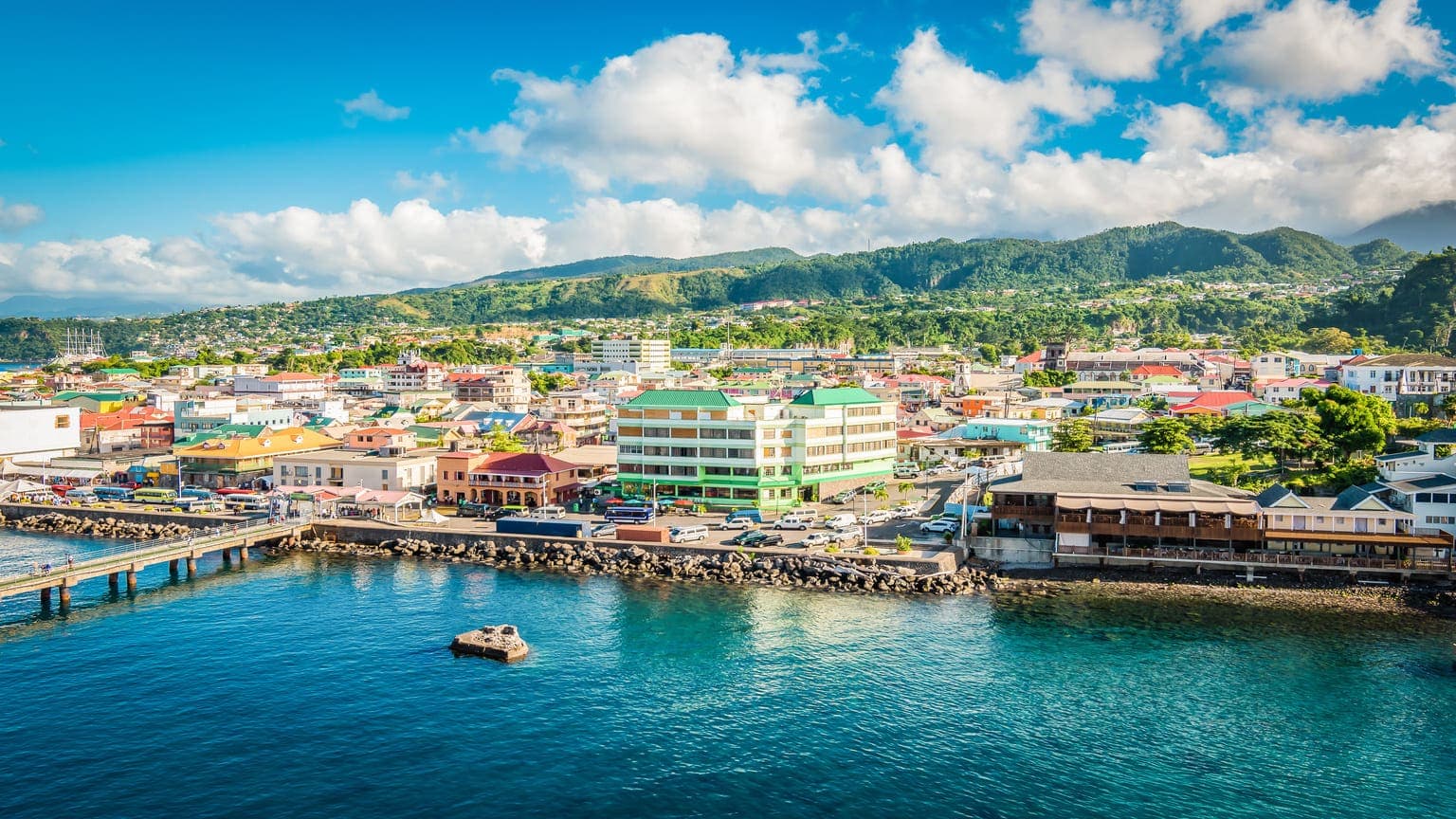
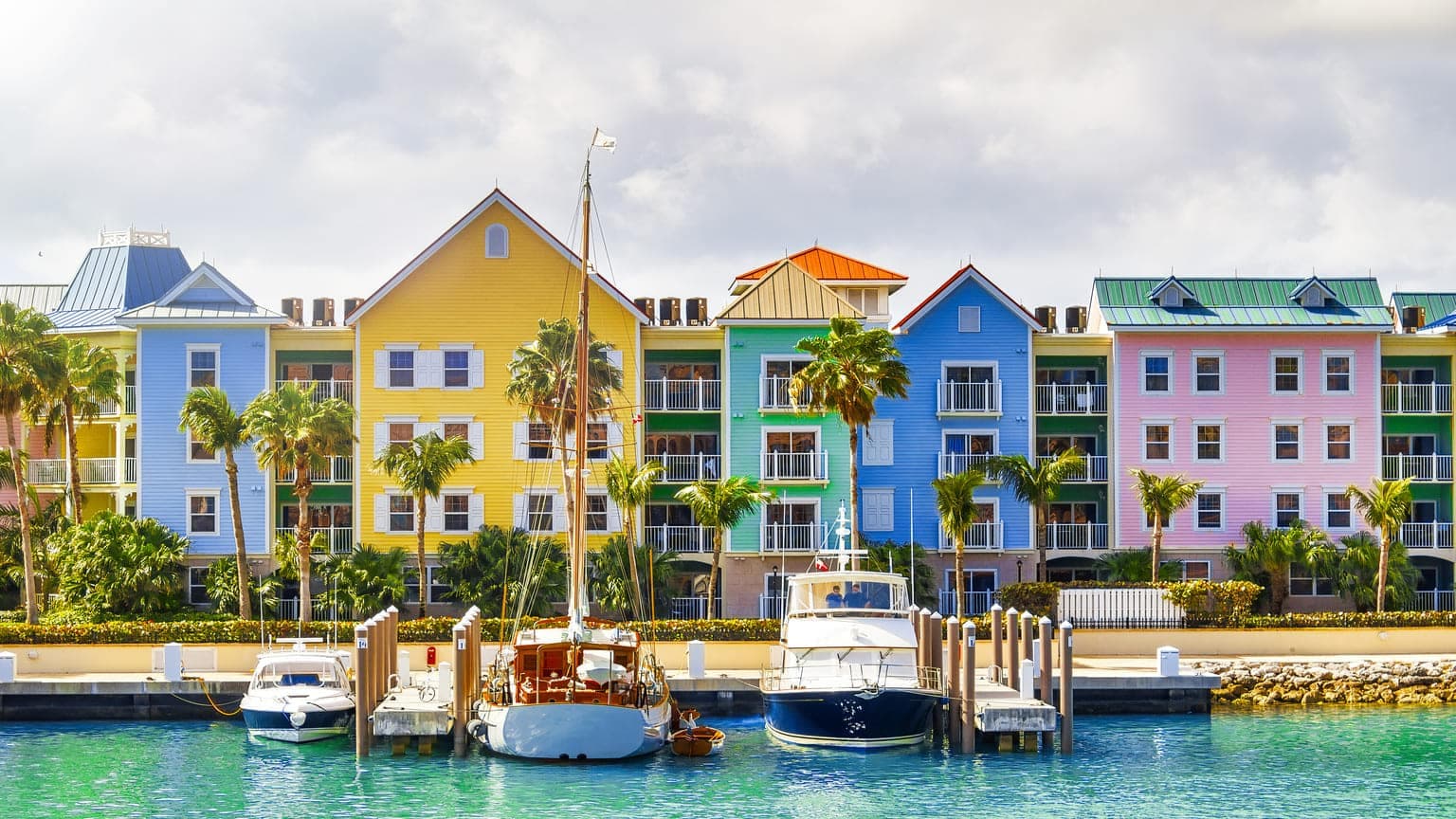
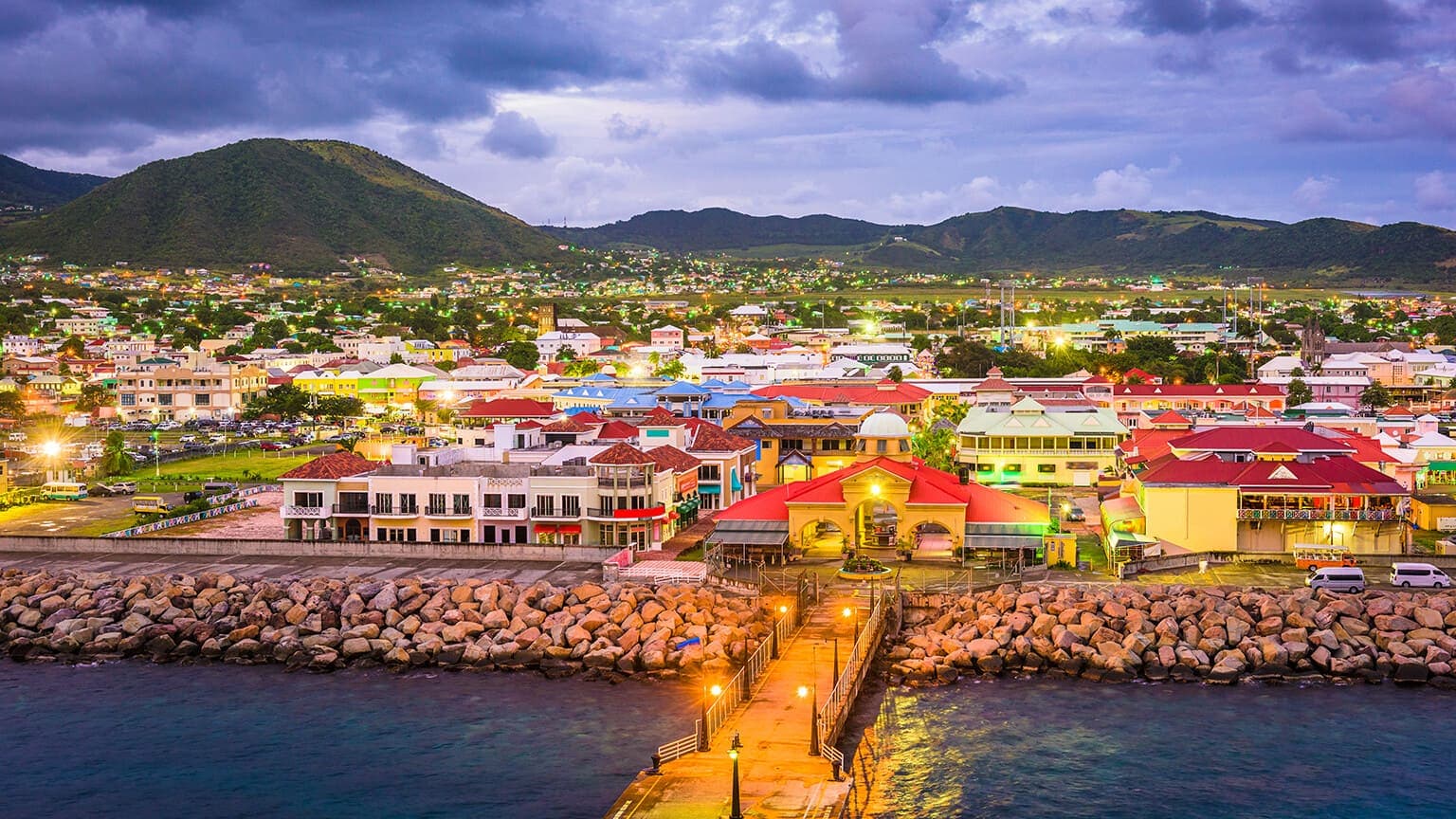
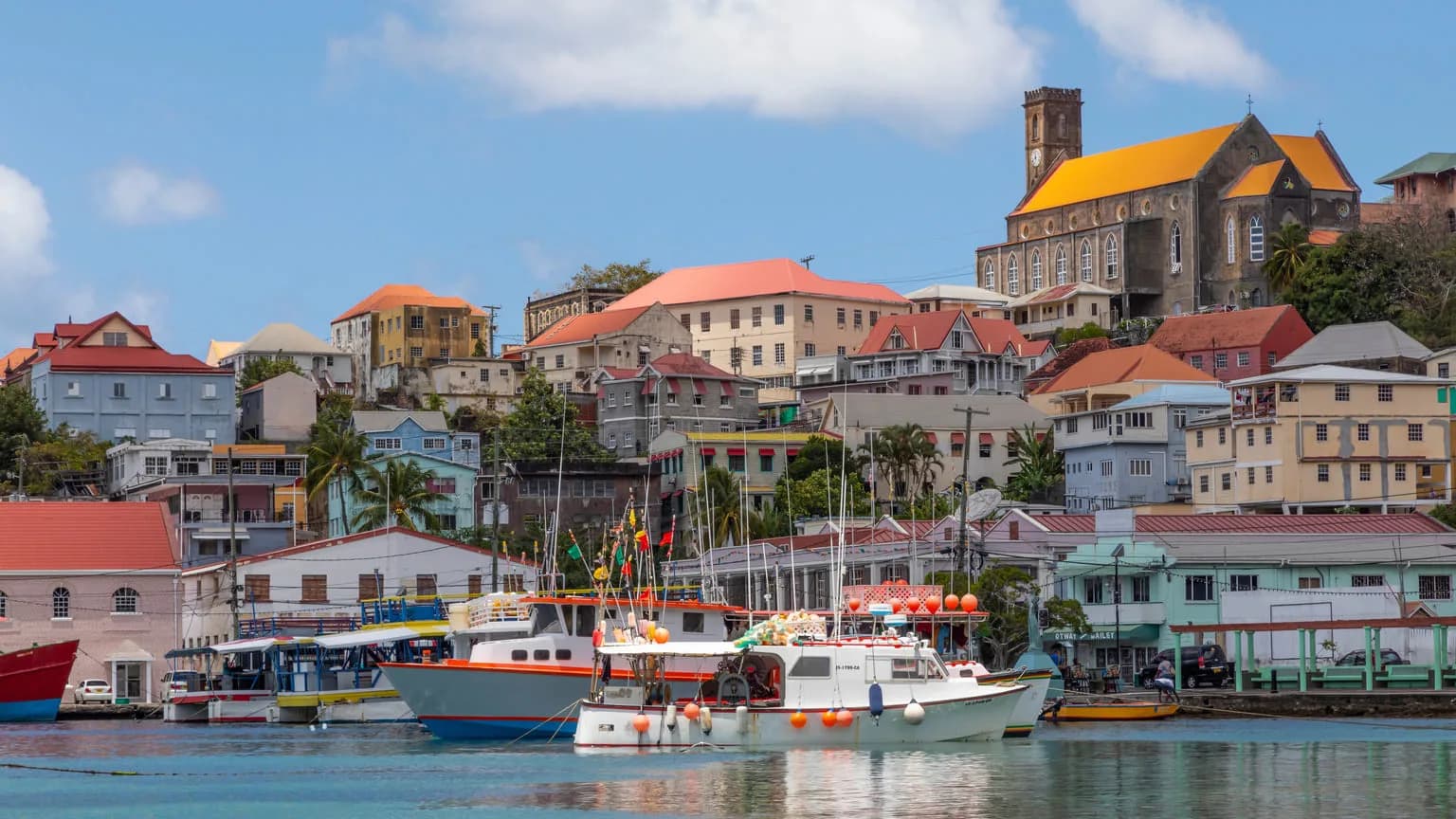
Investment threshold in Caribbean countries begins at $200,000 for contributions to government funds, with processing times ranging from 6 to 8 months. Five Caribbean states operate citizenship by investment programmes:
Caribbean passports offer visa-free access to over 140 destinations, including the Schengen Area. Most Caribbean citizenship by investment programmes do not impose residence requirements. The main exception is Antigua and Barbuda, where citizens must spend at least 5 days during the first 5 years. In St Kitts and Nevis, investors must collect their passports in person.
Vanuatu offers one of the fastest citizenship by investment programmes globally. Citizenship may be granted in approximately 2 months. The programme is based on a government contribution, with minimum thresholds starting from $130,000 for a single applicant plus fees.
There is no residence requirement, and the process is partly remote. Applicants must provide biometrics in person, which can be done in Vanuatu, Nauru, Dubai, or Hong Kong.

Trusted by 10,000+ investors
Compare Caribbean citizenship by investment programmes
Africa
São Tomé and Príncipe launched its citizenship by investment programme in 2025. The programme is structured around a government contribution starting at $90,000 for a single applicant, with higher amounts for families. Additional government and Due Diligence fees apply.
The process is conducted remotely and does not require residence, language tests, or interviews. The process takes around 2 months.
Trusted by 10,000+ investors
Check your eligibility for São Tomé and Príncipe citizenship
Egypt introduced its citizenship by investment programme in 2021. Investors can choose from several options, including a real estate purchase with thresholds starting at $250,000. Processing usually takes 6 to 12 months.
Europe
Turkey grants citizenship to foreigners who invest a minimum value of $400,000 in real estate, held for at least three years. Other options include capital investment or bank deposits of specified amounts. Processing typically takes 6 to 8 months.
There is no residence requirement after citizenship is granted, and Turkey permits dual citizenship.
Citizenship by investment comparison table

How Immigrant Invest can help with obtaining second citizenship
Immigrant Invest provides professional assistance with residence and citizenship applications. Operating since 2006, we have helped more than 10,000 people obtain passports and residence permits.
Immigrant Invest holds official licences issued by government authorities in multiple jurisdictions, including European Union member states and Caribbean nations. These licences are legal prerequisites for representing clients in citizenship and residency by investment programmes, and they subject the company to strict compliance standards and direct accountability for every application submitted.
Our Compliance Department includes certified Anti-Money Laundering Specialists and members of the Investment Migration Council. Before submitting any application, the team conducts a thorough preliminary review to identify and resolve potential red flags, reducing the risk of rejection and protecting both the client’s investment and the company’s licensed status.
Key takeaways on Argentina citizenship
- Argentina offers four main ways to obtain citizenship: by birth, by descent, through marriage, and by naturalisation after residence. A legal framework for an investment-based pathway has been introduced, but the detailed regulations and implementation rules are still being developed.
- Argentina offers a rapid naturalisation pathway with just 2 years of legal residence, making it one of the shortest timelines globally for obtaining citizenship.
- Dual citizenship is permitted under Argentine law, and citizenship is constitutionally irrevocable except in cases of fraudulent acquisition.
- The Argentine passport provides strong global mobility with visa-free or visa-on-arrival access to 160 destinations, including the United Kingdom with an ETA and the Schengen Area.
- Investors who do not want to wait for Argentina’s investment route to take shape may consider already active citizenship by investment programmes in other jurisdictions.
Immigrant Invest is a licensed agent for citizenship and residence by investment programs in the EU, the Caribbean, Asia, and the Middle East. Take advantage of our global 15-year expertise — schedule a meeting with our investment programs experts.