
Summary
Malta combines low employer on-top costs, generous tax refunds, and EU-leading GDP growth, which already makes it a smart base for doing business. Although only 2.4% of companies are foreign-controlled, they generate 43.8% of total value added — a clear sign that international firms tend to scale well in Malta[1].
One of the practical ways for entrepreneurs to move their business to Malta is through the Malta Permanent Residence Programme. It offers lifelong status, no minimum stay requirement, Schengen access, and a strategic EU location for reaching both European and Mediterranean markets.
What is a Malta Permanent Residence Programme?
The Malta Permanent Residence Programme, MPRP, allows non-EU nationals and their families to obtain permanent residency in Malta by investment[2]. It grants lifelong status without requiring continuous residence on the island.
While the programme does not permit employment, investors are free to own companies and serve as directors.
To qualify, applicants must meet specific financial and administrative conditions:
- Rent or purchase a qualifying property in Malta.
- Pay a government contribution.
- Pay an administrative fee.
- Make a donation to a registered Maltese non-profit organisation.
Why is MPRP attractive for business owners and entrepreneurs?
A stable economy, diverse growth sectors, low business costs, a convenient time zone, visa-free Schengen access, and no stay requirement make MPRP a strategic choice for business owners and digital entrepreneurs. Combined with an English-speaking environment and high quality of life, it’s a strong foundation for scaling operations in Europe while maintaining global mobility and family stability.
According to Home Affairs Minister Byron Camilleri, the Malta Permanent Residence Programme received 1,500 applications in 2024, generating €46 million for the Consolidated Fund, €50 million in lease contracts, and €36 million in property sales[3].
1. EU base with straightforward market access
Operating from Malta means tapping directly into the vast EU marketplace without the usual barriers faced by businesses outside the bloc.
With Malta residence, entrepreneurs gain access to a single market of over 450 million consumers, where goods, services, and capital move freely. This smooths out cross-border logistics, simplifies contracts, and cuts down on bureaucratic friction.
2. No stay requirement and Schengen mobility
Malta’s Permanent Residence Programme offers two major freedoms for business owners: no minimum stay requirement and visa-free travel across the Schengen Area. This means entrepreneurs can hold Malta permanent residence without relocating or spending a set number of days in Malta each year.
Residents of Malta may also travel visa-free within the Schengen Area for up to 90 days in any 180-day period. Schengen access simplifies business travel, allowing seamless movement for meetings, events, and expansion across 29 countries.
3. Diverse high-growth business sectors
Malta’s economy is a tight cluster of high-growth niches with real numbers behind them:
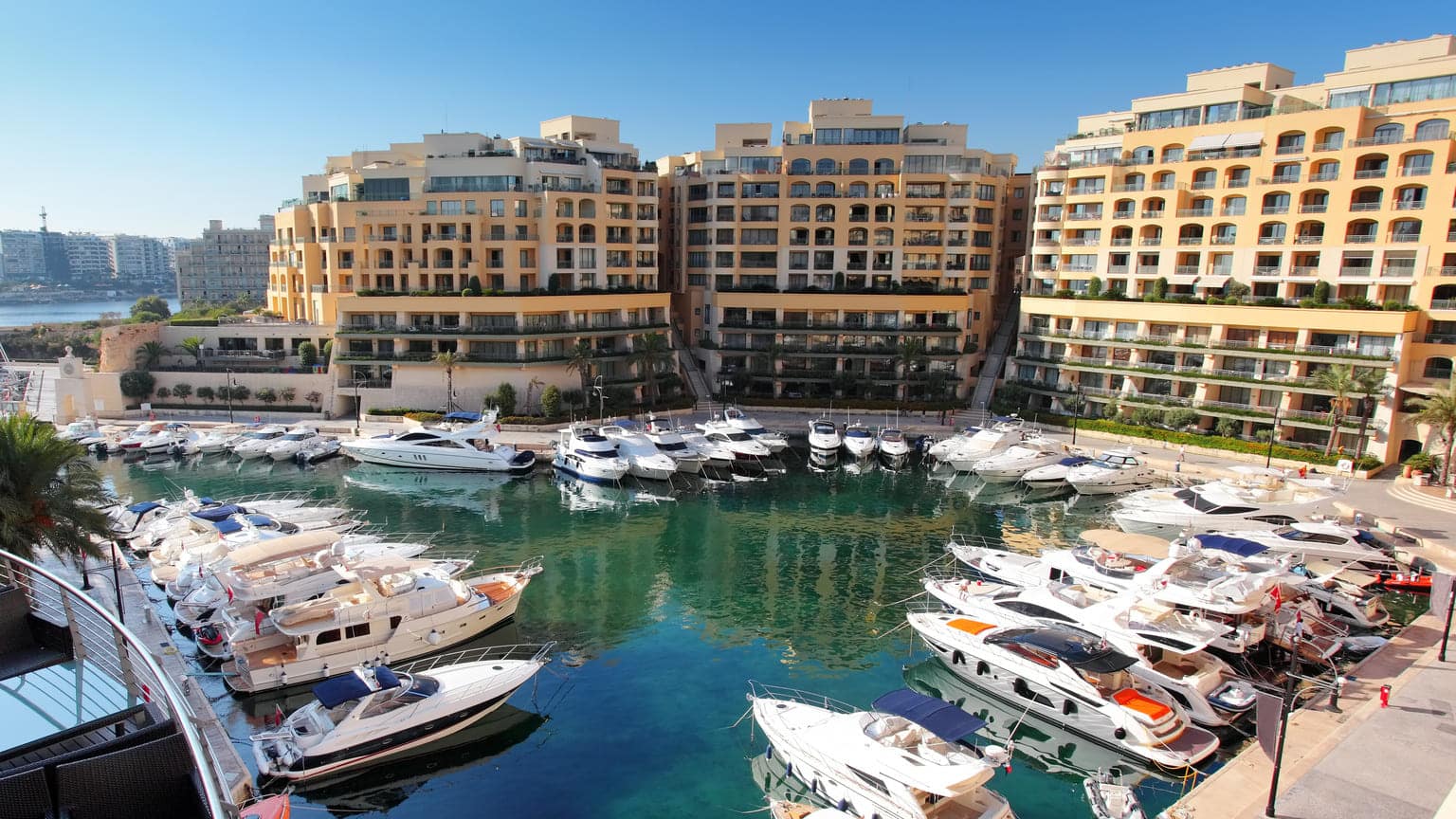
- Malta maintains Europe’s largest ship registry and ranks 6th worldwide, with the world’s biggest superyacht flag[6].
- The iGaming sector is another pillar, generating €1.39 billion in 2024, about 6.7% of GDP, and employing roughly 18,000 people[7].
- Financial services account for 8.2% of Malta’s economy, driven by banking, insurance, investment, and fintech activity[8].
- The aviation register listed 863 aircraft by early 2024, showing the island’s rise as a trusted base for leasing, maintenance, and private jet ownership[9].
- Film and media enjoy a cash rebate up to 40%, drawing major international productions and creating steady work for local crews[10].
- Tourism hit a record 3.56 million arrivals in 2024 with €3.3 billion in spending, fuelling growth in hospitality and services[11].
- Digital and Software as a Service businesses, SaaS, thrive on Malta’s almost universal gigabit internet coverage and tech-friendly regulation — ideal conditions for remote-first companies and online service providers[12].
Malta’s strong maritime base, together with its fintech, aviation, film, tourism, and digital sectors, gives entrepreneurs multiple growth paths. Companies can serve ships, aircraft, tourists, or export digital products across Europe, the Middle East, and Africa, EMEA, all from a well-connected EU hub.
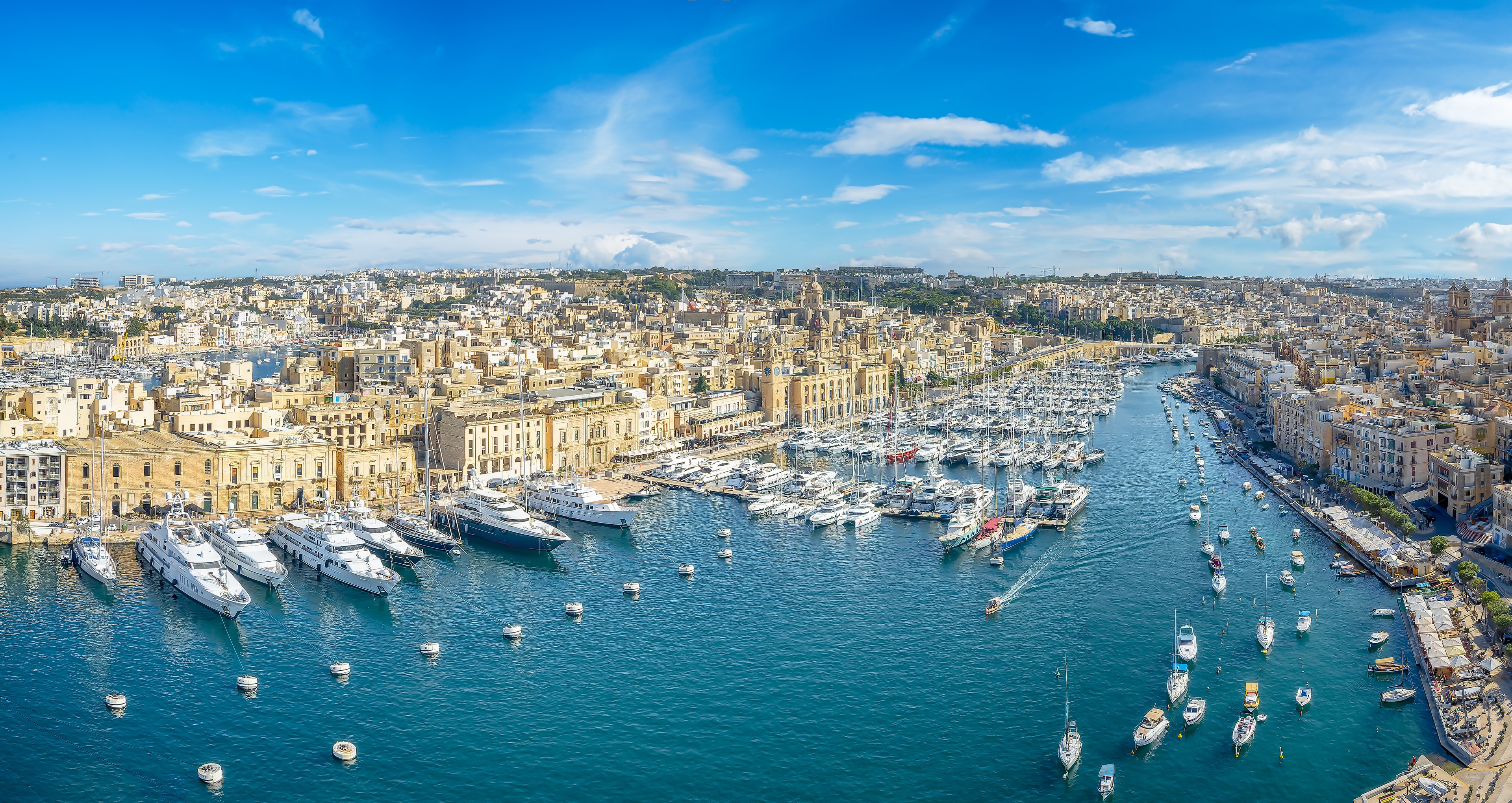
More than 10,000 ships were registered under the Maltese flag by the end of Q1 2025. When it comes to superyachts, Malta holds the largest register globally
4. Business-friendly tax refunds of up to 100%
Malta offers a business-friendly environment, thanks in large part to its efficient tax system. The country applies a full imputation model: while corporate profits are taxed at 35%, shareholders are eligible for a 6/7ths refund, reducing the effective tax rate to around 5%[4].
More than 8,000 companies have used this system, collectively saving €13 billion in corporate taxes between 2008 and 2022[5].
5. Faster GDP growth than EU average
Malta’s economy is growing six times faster than the EU average — 6% versus just 1%[13]. This creates a warmer market for selling, hiring, and raising capital: people spend more, demand rises, and new opportunities open up across sectors.
The surge is driven by high-performing service industries, with especially strong growth in construction and real estate, financial services, tourism, iGaming, and manufacturing — particularly in electronics and pharmaceuticals.

6. English is the official language
Alongside Maltese, English is an official language in Malta, used in government, courts, business, and everyday life. This gives international entrepreneurs a major advantage — there’s no language barrier when dealing with contracts, corporate filings, or local authorities.
Most service providers, from banks to accountants, operate in English by default, streamlining everything from company setup to tax compliance.
7. Strategic time zone
Sitting in Central European Time, Malta is perfectly placed to bridge time zones across the EMEA region. Teams based here can run morning calls with Dubai, Delhi, or Singapore, and wrap up their day with clients in London, Berlin, or even New York.
The overlap allows for near round-the-clock service without burning out teams or relying on overnight shifts. It’s especially valuable for global SaaS companies, remote-first teams, and service providers offering follow-the-sun support. One base, two markets — without the jet lag.
8. Low business costs
Malta has one of the lowest business costs in the EU. For example, prime office rents in Malta are on par with Germany, averaging around €30—50 per m² a month[14]. In comparison, rents are much higher in France and Italy — €80 and €60, respectively.
Electricity costs are also lower in Malta — VAT makes up just 4.8% of the total price, compared to the EU average of 14.4%[15]. This helps businesses keep their operating expenses stable.
On top of that, Malta has one of the lowest non-wage labour costs in the EU — just 5.8% of total labour costs, versus the EU average of 24.7% — reducing the burden of social contributions for employers[16].
9. High-quality lifestyle for founders relocating with family
Malta provides a family-friendly environment for business owners relocating with children. Once a parent receives a local work permit[17], children gain access to free state schooling, where English is the main language of instruction. Investors or their spouses are eligible to apply for a Maltese work permit.
For those who prefer private education, international schools also provide English-medium programmes, with annual fees ranging from €4,000 to 12,000.
Safety is another standout advantage — Malta ranked among the safest countries in the EU, recording just 0.37 homicides per 100,000 people in 2023[18]. Besides, the healthcare system is both accessible and reputable: MPRP holders have full access to private clinics, and the country ranks 18th globally for quality of care[19], with an average life expectancy of 83.36 years.

Almost year-round families sail in Malta, hike limestone trails, picnic by the sea, dine alfresco in medieval towns, and soak up golden hours on Mediterranean beaches
What are the investment requirements under MPRP?
The core requirement of the MPRP is to either purchase or rent a qualifying property. In both cases, the investor must also pay the necessary fees and make a donation to a registered Maltese non-governmental organisation.
Renting property — €169,000+
The minimum rental requirement under the MPRP is €14,000 per year. The investor must lease a qualifying property and maintain it as their residential address for a minimum of 5 years.
After the 5-year period, the lease must be renewed, but the minimum price no longer applies. Subletting is allowed after 5 years with the property owner’s written consent.
Total costs include:
- Rental for 5 years — €70,000+.
- Contribution fee — €37,000.
- Administration fee — €60,000 for the investor and €7,500 for each family member over 18, except for the spouse.
- Charitable donation — €2,000.
Buying property — €474,000+
The minimum property purchase price under the MPRP is €375,000, and the property must be held for at least 5 years. During this period, it may be rented out short-term when the investor is away from Malta.
After 5 years, the property can be sold. However, to maintain a valid residential address in Malta, the investor is required to immediately rent or buy another property, with no minimum value requirement.
Total costs include:
- Property purchase — €375,000+.
- Contribution fee — €37,000.
- Administration fee — €60,000 for the investor and €7,500 for each family member over 18, except for the spouse.
- Charitable donation — €2,000.
When purchasing real estate, additional government and legal fees amount to roughly 7% of the property value which is about €26,250.
Examples of real estate in Malta
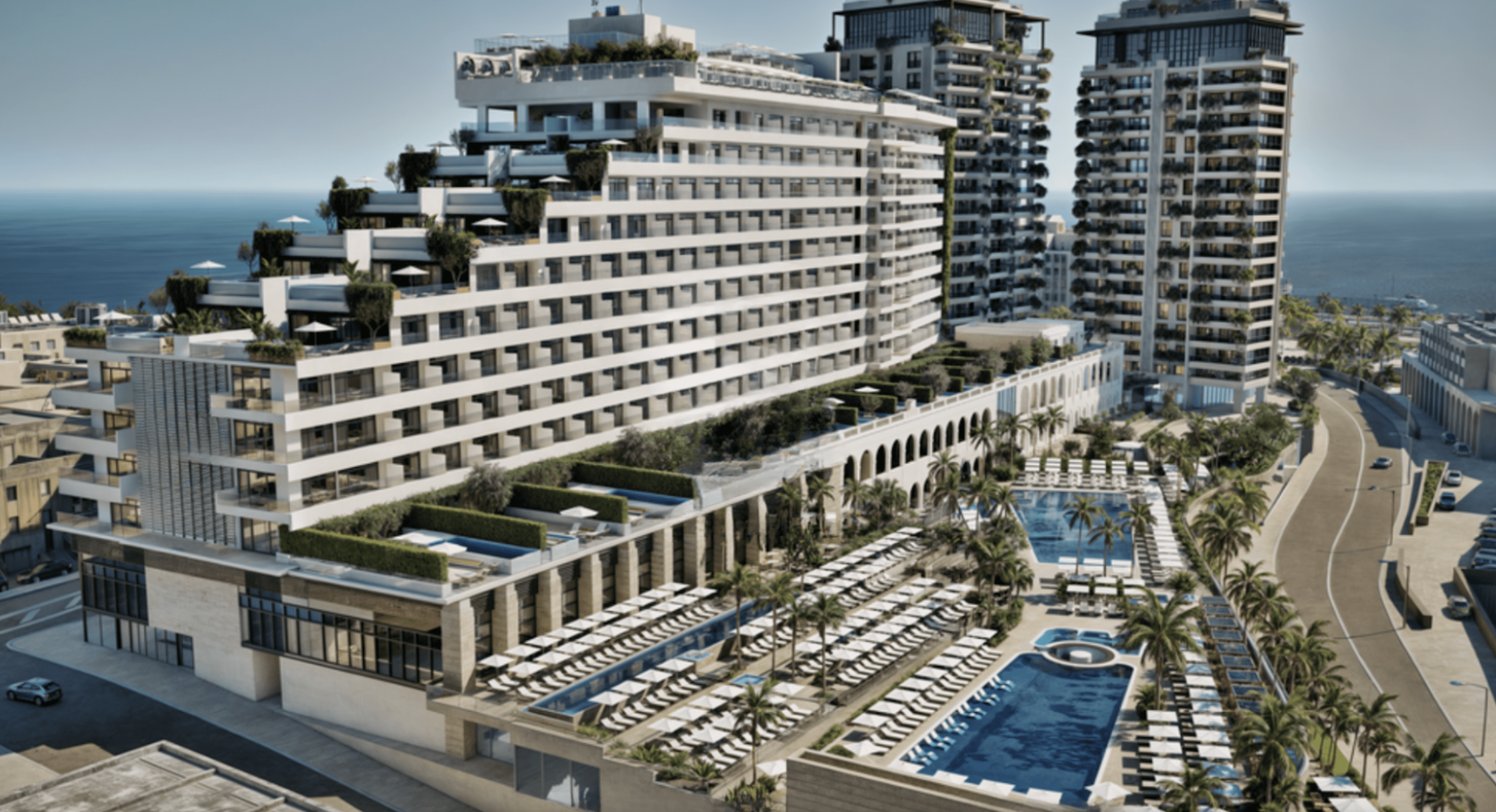

Malta, St Julian's
€950,000 — €2,290,000
Elegant apartments, St. Julians, Malta
 98 m² — 193 m²
 1—3
1—3  1—3
1—3 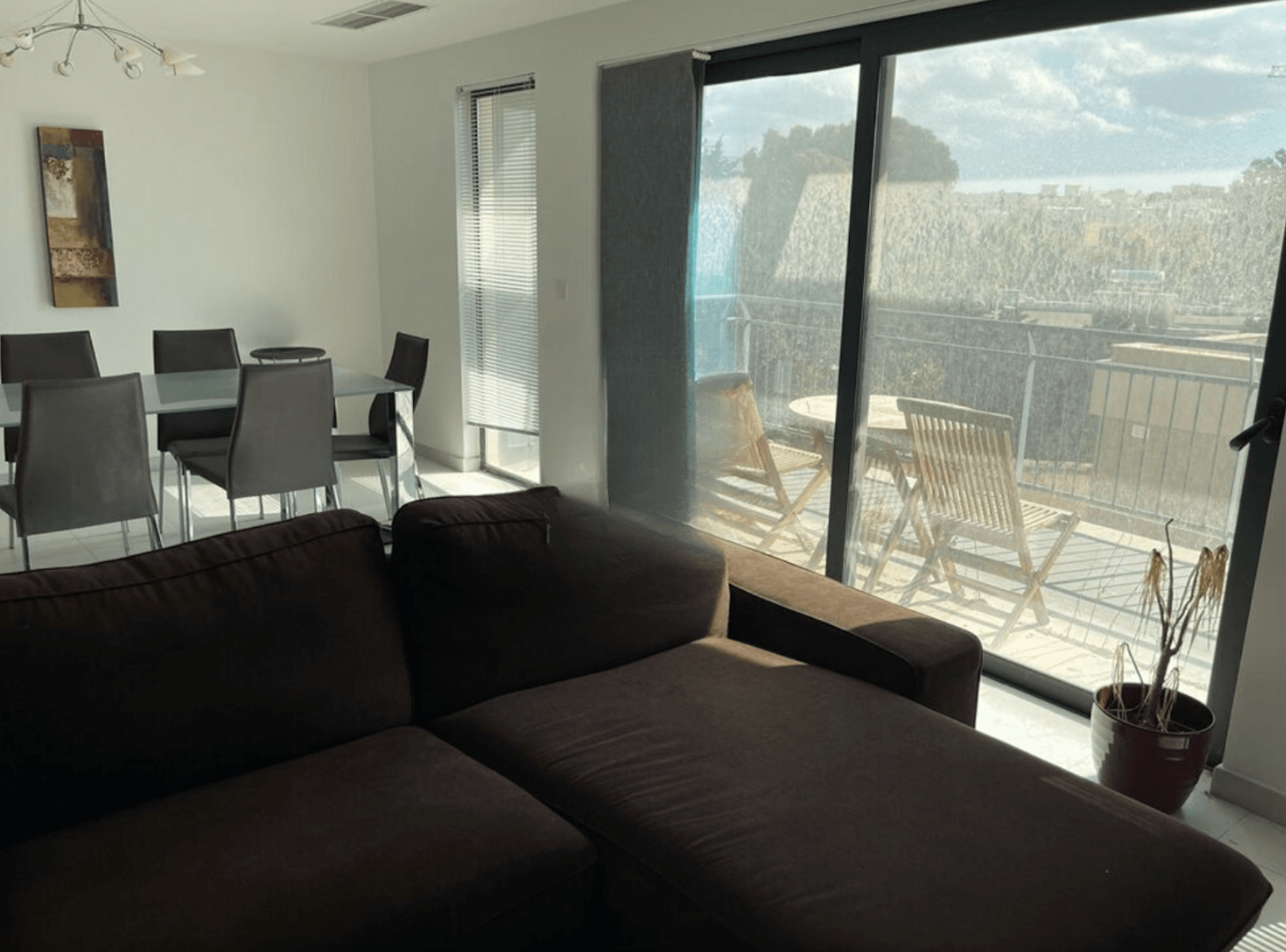
Malta, St Julian's
€750,000+
Apartments in modern style, St. Julians
172 m²3 2 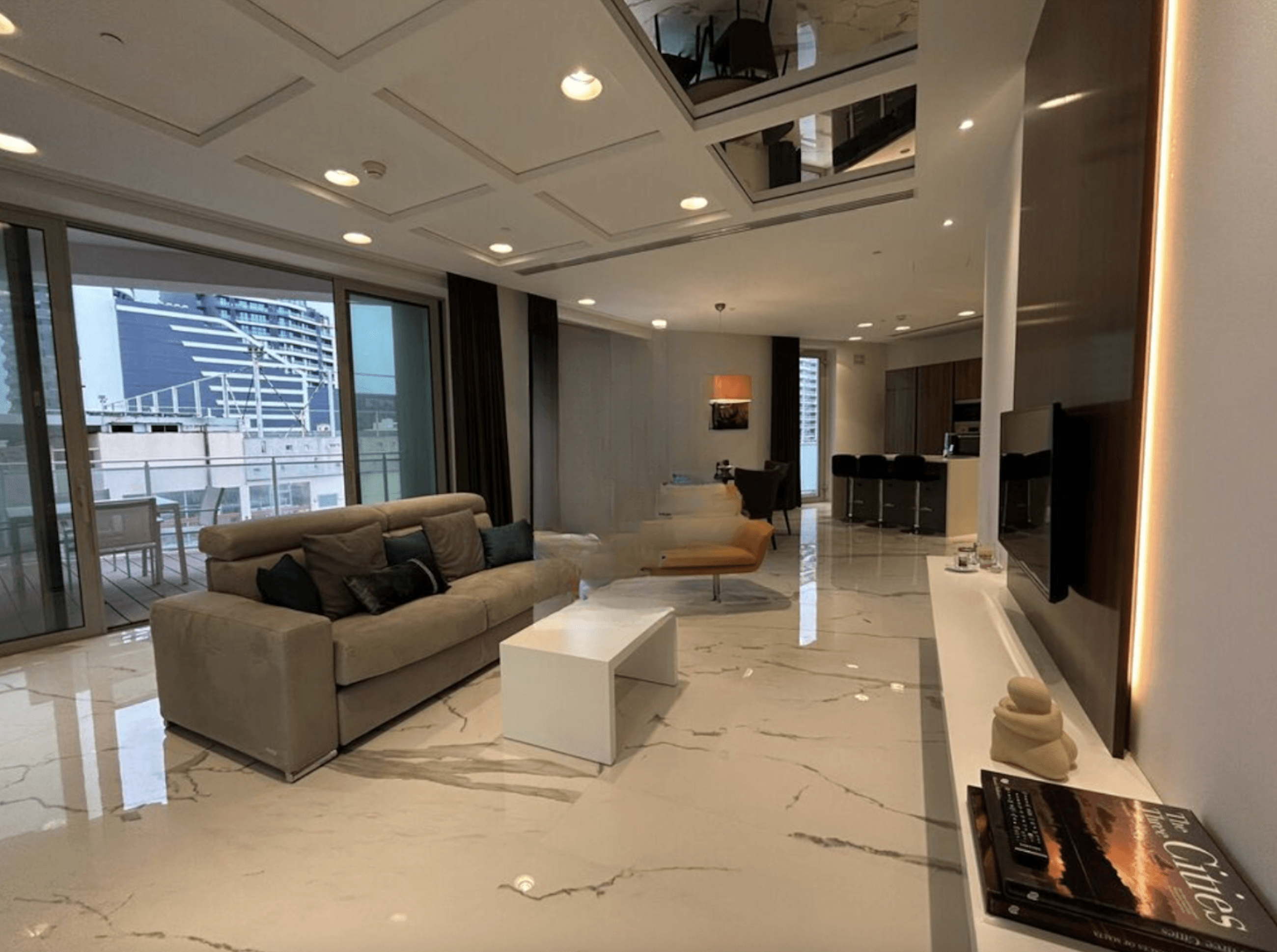
Malta, Sliema
€1,170,000+
Apartments in modern style, Sliema
116 m²1 1 Who qualifies for Malta Permanent Residence Programme?
Investors can qualify for MPRP by meeting several eligibility requirements. The programme also allows applicants to include family members such as a spouse or long-term partner, dependent children under 29, parents, and grandparents.
Investor
To be eligible, the investor must:
- Be a citizen of a country outside the EU, EEA, and Switzerland.
- Be at least 18 years old.
- Hold a clean criminal record, confirmed by an official police certificate.
- Not be subject to international sanctions.
- Be able to prove the lawful origin of funds used for the investment.
- Have no history of visa refusals from countries that maintain visa-free agreements with Malta.
- Maintain comprehensive health insurance coverage for all family members.
- Possess a minimum net worth of €500,000, including at least €150,000 in liquid financial assets, or alternatively a total of €650,000 in assets with at least €75,000 in liquid funds.
Investor’s family
Family members are also required to follow certain requirements:
- Spouse or long-term partner — legally married, in a registered partnership, or in a documented relationship. Same-sex couples are also eligible.
- Children under 18 — including biological, adopted or stepchildren, with the other parent’s consent, if applicable.
- Children aged 18 to 29 — unmarried and financially dependent on the applicant or spouse.
- Parents and grandparents of any age — financially dependent on the applicant or spouse.
What documents are required to apply for MPRP?
To obtain Malta Permanent Residence, the following documents must be gathered and submitted by the applicant:
- Passports.
- Identity cards.
- Residence permits from other countries.
- Evidence of dependence, including marriage and birth certificates, as well as documents confirming civil union or cohabitation.
- Parental consent form, if applicable.
- Marriage or divorce certificates, if applicable.
- Education certificates.
- Proof of residential address.
- Police conduct certificates for applicants over 14.
- Bank statements.
- Health insurance policy.
- Evidence of corporate affiliation, employment, source of funds and wealth, and a list of assets.
All copies must be notarised and either apostilled or legalised, unless certified by a Maltese notary. Originals must be sent to Malta for authentication and are returned after verification. Documents in other languages must be translated by a licensed Maltese translator.
How does the MPRP step-by-step application work — from file to card?
The entire process of obtaining Malta PR, from the initial consultation to the issuance of residence cards, usually takes about 6 months. It begins with a preliminary Due Diligence check.
Applications for the Malta PR are accepted only through licensed agents. Immigrant Invest, an authorised representative of the Maltese government, assists investors throughout the process, ensuring a smooth and transparent experience.
1 day
Preliminary Due Diligence
The process begins with an internal screening that uses the same international databases relied on by Residency Malta, the government agency administering the programme. This step helps confirm the applicant’s eligibility early on and lowers the risk of rejection to approximately 1%.
Following successful pre-approval, a service agreement is signed and the formal procedure begins.
The process begins with an internal screening that uses the same international databases relied on by Residency Malta, the government agency administering the programme. This step helps confirm the applicant’s eligibility early on and lowers the risk of rejection to approximately 1%.
Following successful pre-approval, a service agreement is signed and the formal procedure begins.
1+ months
Temporary residence permit (optional)
A temporary residence card can be issued while the main MPRP application is in progress. This option allows the investor to stay in Malta under temporary status during processing. The investor only needs to visit the country once to submit biometric data, and the card is ready within a few weeks.
At this stage, the fee of €100 per temporary residence card and the first instalment of the administrative fee — €15,000 — are payable.
A temporary residence card can be issued while the main MPRP application is in progress. This option allows the investor to stay in Malta under temporary status during processing. The investor only needs to visit the country once to submit biometric data, and the card is ready within a few weeks.
At this stage, the fee of €100 per temporary residence card and the first instalment of the administrative fee — €15,000 — are payable.
1—2 weeks
Choosing property
Property options are shortlisted based on the client’s preferences, in cooperation with trusted local real estate agents.
Once a suitable property is identified, legal experts review the contract in detail, handle negotiations if necessary, and ensure all terms are correct and compliant before the client signs any agreement.
Property options are shortlisted based on the client’s preferences, in cooperation with trusted local real estate agents.
Once a suitable property is identified, legal experts review the contract in detail, handle negotiations if necessary, and ensure all terms are correct and compliant before the client signs any agreement.
1+ months
Collecting documents and filing the application
The lawyers create a personalised checklist of required documents based on the composition of the applicant’s family. Most of the paperwork must be provided by the investor. The rest is handled by the legal team: completing all necessary forms and applications, ensuring proper formatting, and organising certified translations.
Once the file is complete, the full application is submitted to Residency Malta. At this stage, if the investor has not opted for a temporary residence permit, the first portion of the administrative fee of €15,000 is paid.
The lawyers create a personalised checklist of required documents based on the composition of the applicant’s family. Most of the paperwork must be provided by the investor. The rest is handled by the legal team: completing all necessary forms and applications, ensuring proper formatting, and organising certified translations.
Once the file is complete, the full application is submitted to Residency Malta. At this stage, if the investor has not opted for a temporary residence permit, the first portion of the administrative fee of €15,000 is paid.
3—6 months
Due Diligence by Residency Malta
The Residency Malta Agency carries out a thorough Due Diligence process and may request additional documents or clarifications during the review. All communication with the authorities is managed by the legal team, including the preparation and submission of responses, ensuring the applicant is not burdened with any paperwork.
Once the checks are complete, the agency issues either a Letter of Approval in Principle or a rejection based on the outcome of the assessment.
The Residency Malta Agency carries out a thorough Due Diligence process and may request additional documents or clarifications during the review. All communication with the authorities is managed by the legal team, including the preparation and submission of responses, ensuring the applicant is not burdened with any paperwork.
Once the checks are complete, the agency issues either a Letter of Approval in Principle or a rejection based on the outcome of the assessment.
Within 8 months of approval
Fulfilling investment conditions
Once the application is approved, the investor proceeds with the final formalities. These include paying the remaining administrative fee of €45,000, making the required donation, settling the government contribution, securing health insurance, and completing the rental or property purchase agreement.
After all investment conditions have been fulfilled, the Residency Malta Agency issues the certificate of permanent residence.
Once the application is approved, the investor proceeds with the final formalities. These include paying the remaining administrative fee of €45,000, making the required donation, settling the government contribution, securing health insurance, and completing the rental or property purchase agreement.
After all investment conditions have been fulfilled, the Residency Malta Agency issues the certificate of permanent residence.
4+ weeks
Issuance of permanent residence cards
Biometric data must be provided by the applicant and family members in Malta as part of the final stage of the procedure. Once this step is completed, residence cards are issued and either sent by courier to the applicant’s address or collected in person in Malta, depending on the selected delivery method.
Biometric data must be provided by the applicant and family members in Malta as part of the final stage of the procedure. Once this step is completed, residence cards are issued and either sent by courier to the applicant’s address or collected in person in Malta, depending on the selected delivery method.
For the first 5 years
Annual compliance checks
For the first 5 years, Residency Malta checks once a year that the investor still meets the programme conditions — specifically, maintaining a qualifying property and the required level of assets.
For the first 5 years, Residency Malta checks once a year that the investor still meets the programme conditions — specifically, maintaining a qualifying property and the required level of assets.
How do you relocate or set up a business in Malta?
Foreign investors can conduct business in Malta in three ways: relocate their existing company, establish a new Maltese entity, or set up a new company and gradually transfer assets from abroad.
All legal requirements and procedures are outlined by the Malta Business Registry, MBR[20]. Below is a concise overview of each option.
Moving an existing company to Malta
If the home country allows company continuation, the legal seat can be transferred to Malta. The company keeps its name, assets, and contracts, and becomes registered under Maltese law.
For redomiciliation, one should apply to the MBR and pay the filing fees calculated on the company’s authorised share capital[21].
Core documents to prepare include:
- Board and shareholder resolutions approving continuation to Malta.
- Memorandum and Articles updated to comply with Maltese law.
- Certificate of good standing from the foreign register.
- Directors’ declaration of solvency.
- Latest financial statements.
- Evidence that the foreign registrar will deregister the company, or a no-objection.
- Identification and Due Diligence documents for directors, shareholders, and ultimate beneficial owners, including the required beneficial ownership filing BO1[22].
After document review, the MBR issues a provisional certificate of continuation, which makes the entity provisionally Maltese. Within the period set by the MBR — commonly up to 6 months — proof of deregistration from the original register must be provided. Once accepted, the MBR issues the final certificate and the company becomes fully Maltese.
After approval, entrepreneurs are required to fulfil the following steps:
- File and keep beneficial ownership information up to date[22].
- Maintain a registered office in Malta and statutory company registers.
- Notify the MBR of any changes to directors, company secretary, registered office, share capital, or company name.
- File the annual return and financial statements within the statutory deadlines and settle the applicable annual fees.
If the home jurisdiction doesn’t permit redomiciliation, the simpler route is to register a new Maltese company and gradually transfer business assets, clients, and operations.
Creating a new company in Malta
Company type and legal framework. The most common structure is a private limited liability company, Ltd. It is regulated under the Companies Act Cap. 386, which defines requirements for incorporation, management, filings, and compliance. The process is handled by the MBR[23].
Before incorporation, the following elements must be decided:
- Company name — must be approved by MBR.
- Registered office in Malta.
- Directors and company secretary.
- Shareholders and shareholding structure.
- Business activity and authorised share capital.
For private companies, the minimum authorised share capital is €1,165, with at least 20% paid up[24].
The following documents must be submitted to the MBR[25]:
- Memorandum and Articles of Association;
- identification documents of directors, shareholders, and the company secretary;
- declaration of compliance with the Companies Act;
- details of the registered office;
- Due Diligence documents for shareholders and ultimate beneficial owners.
Once the MBR approves the documentation and fees are paid, a certificate of incorporation is issued.
After incorporation, the company must be registered with the Commissioner for Tax and Customs. This includes corporate income tax number and VAT registration, with a standard rate of 18%[26].
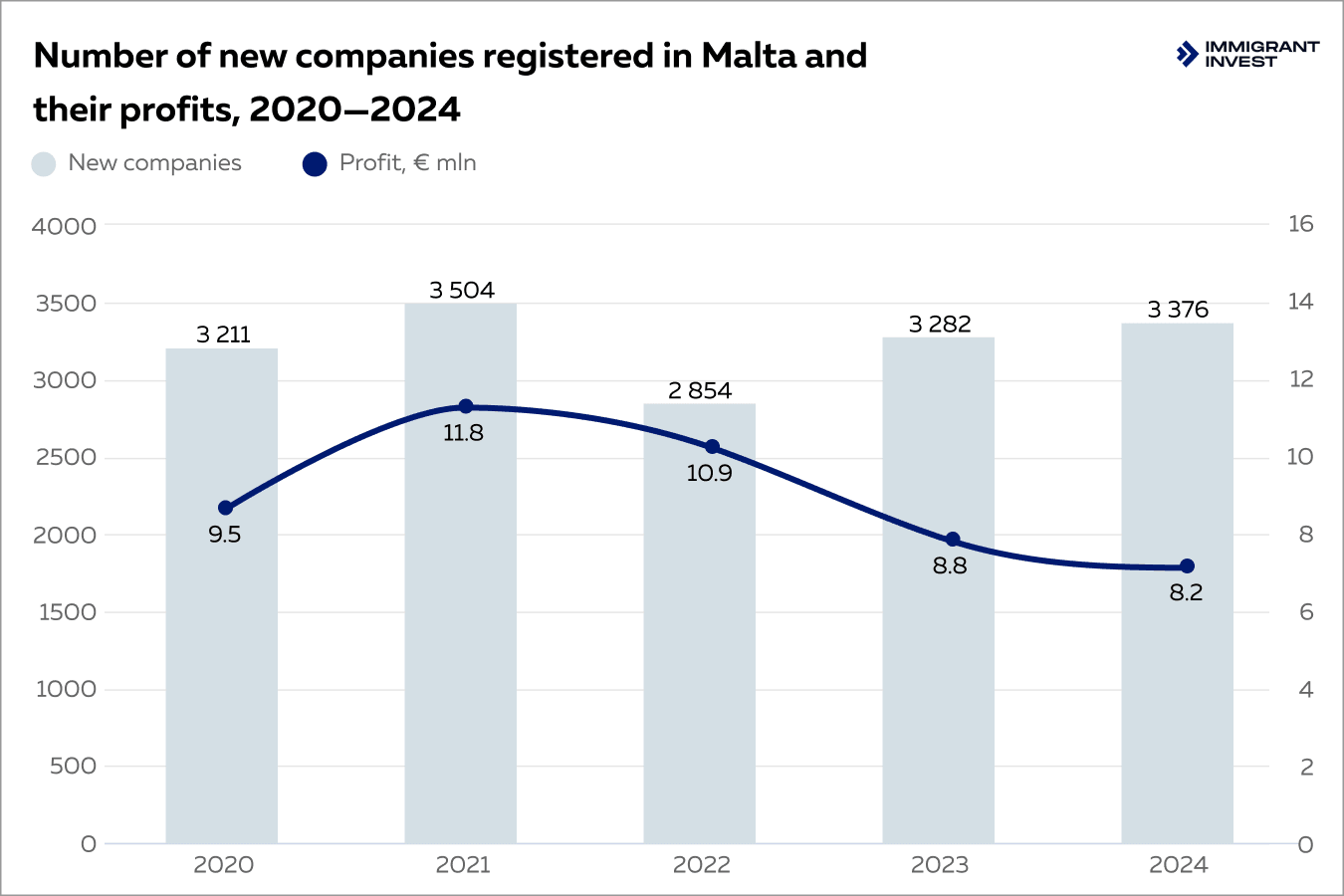
Most of the companies registered are private entities[27]
Transferring foreign business after setting up a Maltese company
When a foreign company forms a Maltese entity, the operational shift is typically phased: first establish structure, then transfer IP and contracts, and finally migrate clients, revenues, and staff.
Step 1. Set up operations and compliance. Establish the new company’s presence:
- Open a corporate bank account or EMI account.
- Lease office space or use a registered office service.
- Arrange accounting, audit, and payroll systems.
- Hold board meetings in Malta to establish management and control.
- Apply for any sector-specific licences, if the business is regulated, such as finance or gaming.
Step 2. Transfer infrastructure and IP. Move assets like trademarks, domains, software, and payment systems to the new entity. Update contracts and ensure GDPR compliance for any client data.
Step 3. Shift revenue and client activity. Start invoicing new clients through the Maltese company. Gradually transition existing clients by signing new contracts or novating old ones. Update your legal details, including bank and VAT numbers.
Step 4. Align suppliers, team, and visibility. Re-sign vendor agreements, move any staff to the new company with proper registration, and update your website, emails, and insurance policies.
Step 5. Close or keep the old company. Once the transition is complete, choose whether to wind down the old company or retain it for holding purposes. The phased process helps minimise disruption.
What is beneficial about the tax system in Malta for entrepreneurs?
Malta imposes no withholding tax on outbound dividends, interest, or royalties paid to non-residents — a rare advantage among EU jurisdictions. But that’s just the start. From flexible VAT registration to generous funding incentives, the island offers a business-friendly environment tailored to entrepreneurs.
1. Flexible VAT registration tailored to business scale
The Maltese VAT Act allows for three distinct registration types under Articles 10, 11, and 12, depending on the nature of a business’s supplies and turnover[28]:
- Article 10 is for businesses supplying taxable goods or services in Malta. They must charge VAT at standard rate 18%, with reduced rates of 7% and 5% and can reclaim input VAT.
- Article 11 is for small undertakings below certain thresholds such as €35,000 for goods. They do not charge VAT and cannot reclaim it.
- Article 12 applies when a non-Article 10 entity, like a holding company, receives services from abroad or makes intra-Community acquisitions. VAT is accounted for using the reverse charge mechanism.
2. Reduced tax burden through full imputation and refunds
Malta uses a full‑imputation tax system: companies pay 35% tax on profits, but when dividends are paid out, shareholders claim a credit or refund for that tax so they don’t get taxed twice.
For many business profits, a shareholder may receive a refund of 6/7ths of the 35% tax, meaning the overall tax rate after refund is about 5%[29].
3. Interest-like deduction for equity through NID
The Notional Interest Deduction, NID, allows companies to deduct a notional amount from their taxable income, simulating interest on risk capital. This aligns the tax treatment of equity with debt, making Malta attractive for capital-intensive companies.
The reference rate is the yield on 20-year Malta Government Stock plus 5%, and the deduction is capped at 90% of chargeable income[30].
4. Double Taxation Relief
Malta has signed over 80 double taxation treaties, allowing businesses to avoid being taxed both in Malta and in the source country. The credit method is used: foreign tax paid is credited against Maltese tax due, limited to the lower of the two.
The relief is limited to the lesser of the foreign tax paid, or the Maltese tax attributable to that income[31].

Albert Ioffe,
Legal and Compliance Officer, certified CAMS specialist
If no treaty exists, Malta still provides unilateral relief under domestic law. Companies can credit foreign tax paid against Maltese tax, provided proper documentation is kept. This ensures tax relief is available even outside treaty networks.
5. Flat-Rate Foreign Tax Credit as a fallback
When a Maltese company earns income or capital gains from a foreign source and cannot use double tax treaty relief or unilateral relief, it may opt for the Flat-Rate Foreign Tax Credit[32].
This works as follows:
- The company adds a fixed 25% notional tax to the foreign income, treating it as if tax had been paid abroad.
- This grossed-up amount is taxed under Maltese corporate tax rules, normally at 35%.
- Then, a 25% tax credit is applied to reduce the Maltese tax due.
6. Exemption on income from qualifying shareholdings
Malta exempts capital gains and dividends from tax if they come from a qualifying shareholding in another company. This usually means owning at least 10% of equity, voting rights, or control rights, held for at least 183 days.
The exemption applies fully to capital gains. For dividends, it applies if the subsidiary is in the EU, taxed at 15% or more, or earns mostly trading income. Anti-abuse rules ensure the exemption isn’t used for passive or Maltese real estate holdings[33].
7. No tax on foreign capital gains for non-domiciled resident companies
A foreign company that becomes Malta-resident but not domiciled is taxed only on income sourced in Malta and on foreign income remitted to Malta.
Foreign capital gains are not taxed, even if brought into Malta. For companies incorporated in Malta — resident and domiciled — global income is taxed, but with access to Malta’s refund system[34].
8. Funding programmes
Malta offers a range of business incentives designed to support investment, innovation, and competitiveness across different sectors. These incentives help businesses reduce operational costs, invest in growth, and expand internationally.
1. Investment Aid. Encourages businesses to expand or launch new operations by covering a portion of eligible costs such as land, buildings, and equipment. Benefit: up to 30% support on qualifying costs[35].
2. Start-Up Finance. Supports early-stage companies with funding for setting up, product development, and initial market entry. Benefit: grants of up to €400,000 to cover salaries, rent, machinery, and other operational costs[36].
3. Research and Development Incentives, R&D. Provides financial support for R&D projects aimed at developing new or improved products, services, or processes. Benefit: cash grants or tax credits covering up to 50% of eligible R&D costs[37].
4. Business Development and Continuity Scheme. Supports companies facing temporary challenges or restructuring for long-term viability. Benefit: financial assistance tailored to ensure job retention and business continuity[38].
5. MicroInvest. Designed for small businesses, this scheme offers tax credits for investment in business growth. Benefit: up to €70,000 in tax credits for eligible capital expenditure or wage costs[39].

A total of €13 million was allocated to Gozo firms via MicroInvest in 2023—2024[40]
Summary: MPRP for business owners at a glance
- To obtain Malta permanent residence, investors must contribute either €169,000 or €474,000, depending on whether they rent or purchase real estate.
- The total includes property costs, a contribution fee, an administration fee, and a charitable donation.
- A spouse, children under 29, and parents may be included in the application.
- No stay requirement and Schengen mobility are among the key benefits of MPRP for business owners.
- Entrepreneurs benefit from Malta’s favourable business environment, which offers tax incentives, diverse sectors, rapid GDP growth, a strategic time zone, low operational costs, business funding options, and English as an official language.
Immigrant Invest is a licensed agent for citizenship and residence by investment programs in the EU, the Caribbean, Asia, and the Middle East. Take advantage of our global 15-year expertise — schedule a meeting with our investment programs experts.
Will you obtain permanent residence in Malta?
-
Master the residency process
-
Get expert tips and documents
-
Estimate costs accurately
 Trusted by 10,000+ investors