



Taxes

Panama tax rates: a complete guide for Golden Visa investors and residents
Panama operates one of the most investor-friendly tax systems in the Americas. Under its territorial model, income earned outside the country is not taxed in Panama, whether or not the recipient holds tax residency. For a Qualified Investor Golden Visa holder, the tax result is straightforward: Panama does not tax foreign-source investment income, regardless of where the holder lives, as long as the income is genuinely sourced outside Panama. This guide explains Panama income tax, capital gains, property taxes, VAT, the tax treatment of each Qualified Investor route, key US, EU, and UK implications, and the main compliance rules.

Albert Ioffe

EU countries without a wealth tax: 2026 guide for high-net-worth investors
Most EU countries do not levy a net wealth tax, which makes them attractive to high-net-worth investors. Obtaining residency by investment in one of these countries can improve tax efficiency while also providing a legally secure second residence. This guide explains what a net wealth tax is and how it differs from other asset-based taxes, compares the main EU jurisdictions, examines the key countries for investors, outlines US and UK cross-border issues, and describes the relocation process.
Albert Ioffe

Tax benefits for Portugal Global Talent Visa holders: income, assets, and more
Moving to Portugal under the Global Talent Programme opens the door to residence and long-term planning in the EU, but it also raises important tax questions. A residence permit does not automatically mean tax residency, yet once the thresholds are crossed, Portugal may start taxing worldwide income. Understanding when tax obligations begin, how different types of income are treated, and where the main risks lie helps avoid costly surprises.
Albert Ioffe

Portugal tax rate in 2026: personal, corporate, and property taxes
Portugal taxes residents on a progressive income tax scale, while businesses may access preferential regimes that can reduce corporate tax to as low as 5%. Portugal does not impose a general inheritance tax, a separate gift tax, or a broad net wealth tax. This guide explains the key tax rules in Portugal, including personal and corporate taxation, special regimes, and cross-border protections.
Albert Ioffe

Malta non-domiciled tax regime: complete guide for high-net-worth individuals 2026
Malta remains one of the few Schengen countries where a genuine non-domicile regime is still available for qualifying residents. For entrepreneurs with international structures, investors with international portfolios, family offices, and remote professionals, Malta’s non-dom framework can offer a practical long-term base. This guide explains how it works in practice: eligibility, tax mechanics, compliance, how it aligns with residence routes, key pitfalls, and how Malta compares with other jurisdictions.
Albert Ioffe

Moving to Portugal with a Roth IRA: key rules and risks
In 2024, the number of Americans living in Portugal increased by 36%, reaching over 19,000\[1\]. For those applying for the Portugal Golden Visa or other residency visas, a Roth IRA can be a powerful funding tool. If the account holder qualifies, withdrawals are tax-free in the US and not taxed in Portugal either. This unique advantage makes the Roth IRA especially appealing for financing a move.
Albert Ioffe

403(b) retirement savings as a bridge to investment residency and a second home
Roughly 9 million Americans live outside the US\[1\], and many plan to stay abroad long term in retirement. For those looking at Golden Visas, citizenship by investment, or passive income visas, a 403(b) retirement plan can be more than just a pension pot. Properly timed withdrawals can help fund qualifying investments and prove stable income, turning workplace savings into a practical tool for securing residence or a second citizenship.
Albert Ioffe

Cyprus 60-day tax residency and dividend planning: building a tax base in 2026
The Cyprus 60-day tax route allows individuals to become tax residents with minimal annual presence. Combined with the non-dom regime and the absence of inheritance tax, it offers a stable, low-tax base while keeping income and assets international. Permanent residence by investment adds lifelong EU residence rights, which makes Cyprus a practical hub for tax-efficient dividend income, business ownership, and succession structuring without full-time relocation.
Albert Ioffe

Portugal tax optimisation guide for expats and investors in 2026
Portugal offers one of the most flexible tax systems in Europe, where the real burden depends on headline rates, residency status, available deductions, and access to international tax treaties. With the IFICI regime offering a 20% flat tax for certain professionals and Madeira’s corporate rate set at just 5%, smart planning can make a big difference. In practice, many end up paying less than the standard tax brackets would suggest. For those applying for Portugal’s Golden Visa, D7 visa, or Digital Nomad visa, it’s important to know how income is taxed and how to avoid being taxed twice.
Albert Ioffe

Taxes in Malta: what makes Maltese tax system attractive
Many wealthy people are planning to move to Malta in order to transfer assets to the country and optimise taxation. In this article, we explain the conditions of taxation in Malta.
Albert Ioffe

Non-dom tax regime in Greece: how to reduce taxes for 15 years
Greece offers a preferential non-dom tax regime for investors, allowing them to legally reduce their tax burden to a fixed amount or a favourable rate. Holders of non-dom status pay €100,000 a year instead of the standard income tax rate of up to 44%. Retirees are taxed at 7% on worldwide income, while entrepreneurs and employees receive a 50% discount on income tax for 7 years. Here is how to benefit from the non-dom regime in Greece, and how it compares with similar regimes in other countries.
Albert Ioffe

Montenegro tax rates: how individuals and companies are taxed
As Montenegro aims to join the EU, it introduced the tax reform at the beginning of 2022. Now, individual and corporate income is taxed according to progressive scales. Yet, tax rates remain pretty low and range from 9 to 15%. Montenegro also introduced a non-taxable salary part of €700, which is the highest among all European countries. Contributions for compulsory health insurance were cancelled. As a result, the tax burden on wages, including income tax and social contributions, is reduced by 1.2—1.9 times.
Albert Ioffe

How to get a Portuguese taxpayer number — and why it matters
Portuguese taxpayers are issued with a unique nine-digit number, Número de Identificação Fiscal (NIF). It is also referred to as Número de Contribuinte, the contribution number. NIF is often required even for simple everyday transactions. We explain why you need this individual tax identification number even if you are not planning to move to Portugal and pay taxes there.

Vladlena Baranova

17 tax-free countries in 2026: where you can legally pay zero income tax
“Zero income tax country” might sound appealing to a wealthy person seeking to optimise their tax burden. However, there are several things to be considered when choosing a low-tax country to live in: the general lifestyle of the country, other taxes it imposes on its residents, and the availability of residency or citizenship for foreigners. Immigrant Invest experts share their ratings of the best tax-free countries to live in and an overview of other options.
Albert Ioffe

Italy tax system: updated guide for individuals and companies in 2026
Italy is currently the world’s 8th largest economy and the fourth-largest economy in Europe by gross domestic product (GDP). Tax revenue makes up almost a third of the country’s GDP, which is higher than in most EU countries. Italy pays great attention to its tax system and attracts new residents by offering them favourable tax regimes. If you consider moving to Italy, it is important to know what taxes you will be charged and at what rate. Find out about the main Italian tax categories and what tax incentives you are eligible for.

Igor Buglo
Greece tax rates: ultimate taxpayer’s guide in 2026
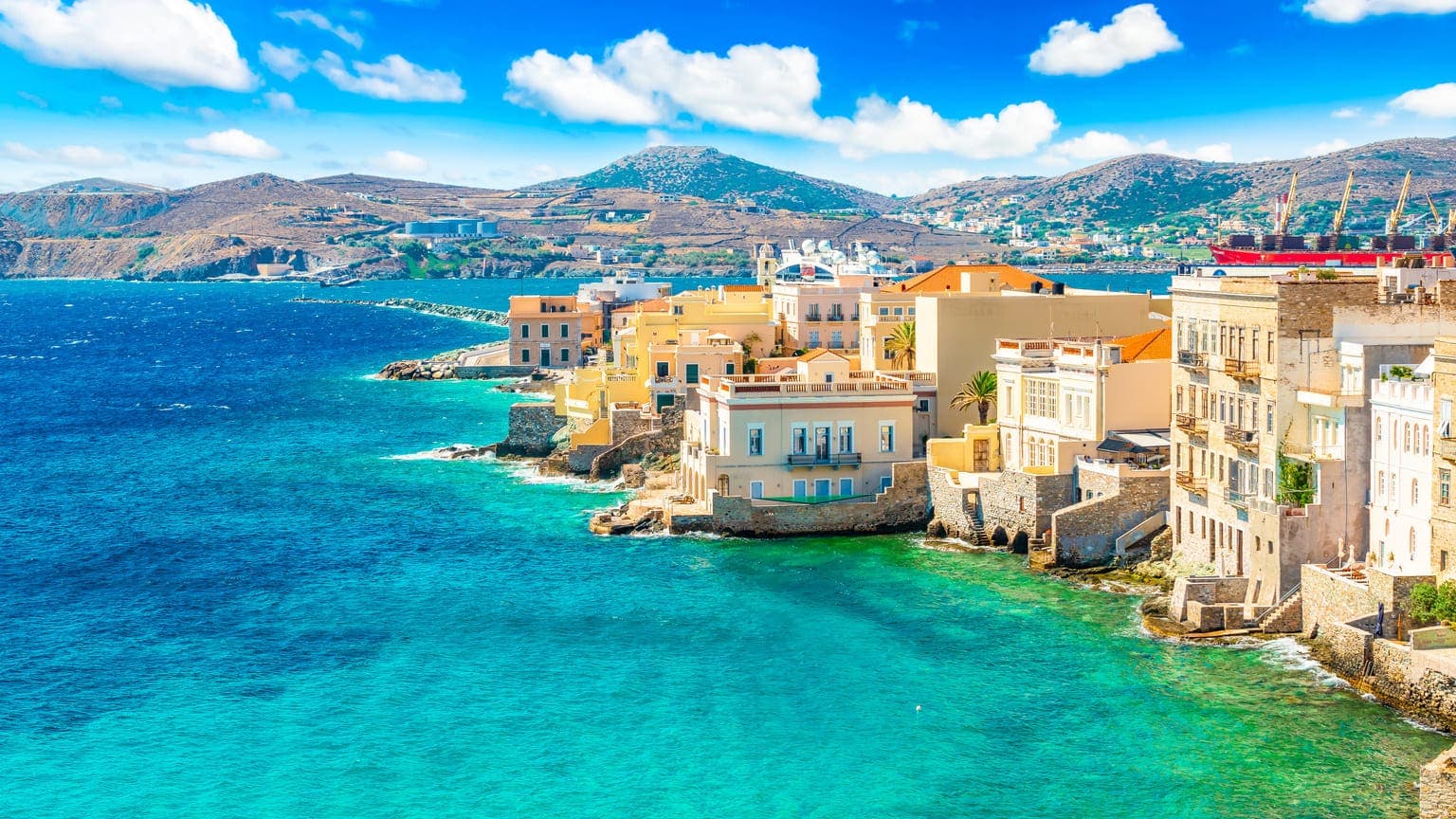
In Greece, income tax for individuals may reach 44%, but new tax residents can qualify for special tax regimes and lessen their tax burden. Corporate income is taxed at 22%. Greek tax rates are the same for tax residents and non-residents.
Albert Ioffe

Portugal’s NHR tax regime explained: how non-habitual residency works
The Non-Habitual Resident (NHR) in Portugal is a special tax status for new residents. Its owners are exempt from paying taxes on global income in Portugal for 10 years. The income earned in Portugal is taxed at a flat rate of 20%. From January 1st, 2024, the NHR tax regime was discontinued. However, if a foreigner was granted the status earlier, they will still enjoy the perks. Let's discuss who still qualifies for the NHR status after its end and the main benefits.

Eymi Castro

Andorra tax guide: real insights into one of Europe’s lowest-tax nations
The Principality of Andorra is a small state in the Pyrenees, which is believed to be a true tax haven, especially compared to neighbouring Spain and France. The legend is as close to reality as it can be. Thus, the first €24,000 of the income is tax-free, and the rest is charged up to 10%. The corporate tax is no bigger than 10%, while VAT is only 4.5%. Besides, Andorra doesn’t tax wealth and inheritance. However, a shadow is hanging over the perfect picture as Andorra has double taxation treaties only with 10 countries. Learn more about the effective rates, exemptions and special tax regimes to see if Andorra can ease your tax burden or not.
Albert Ioffe

Portugal's new tax regime for foreigners: how IFICI replaces NHR in 2026
Portugal has closed its popular Non-Habitual Resident, or NHR, special tax regime and introduced a new framework in 2025: the IFICI tax regime, unofficially known as NHR 2.0. In this expert guide, we explain the eligibility criteria, benefits, application process, required documents, and key differences between the NHR and IFICI regimes.
Albert Ioffe

Digital nomad taxes: complete guide to rates, rules, and benefits
Digital nomads have an appealing lifestyle with perks such as freedom of travel, flexibility, and exploring new cultures on the way. At the same time, digital nomads face the complexity of paying taxes in several countries and the possibility of double taxation. In this article, we explore all the aspects of tax regimes, rates, and available benefits.
Albert Ioffe

15 crypto tax havens in 2026: optimise your taxes legally and fast
The first cryptocurrency emerged in 2009, and as this market is young, governments are still developing rules for handling crypto. While there are countries that ban cryptocurrency or impose taxes on it, there are countries with no crypto taxes. The list of the most crypto-friendly countries as of December 2023 includes Portugal, Malta, the UAE, Germany, Bermuda, the Cayman Islands, El Salvadore, Georgia, Singapore, Hong Kong, Malaysia, Puerto Rico, Switzerland, the British Virgin Islands, and Gibraltar.
Albert Ioffe

Domicile vs. residence: key differences, how to apply, and top countries
Residence and domicile are often confused, yet they carry distinct meanings. In short, the difference lies in permanence and intent. Residence typically involves a temporary stay, while domicile refers to a permanent home. Domicile and residency concepts influence tax obligations, legal rights, and long-term commitments. In this article, we unpack these crucial distinctions and highlight seven countries where you can obtain non-dom status.
Vladlena Baranova

Cyprus tax rates explained: updated laws and investor benefits
Cyprus has an appealing tax system for both residents and non-tax residents. There is the lowest taxation in the EU for all resident-based companies, which is 12.5%. Non-resident companies are exempt from this tax. There are also various exemptions: for example, if your annual taxable income amounts to €19,500 or less, you are exempt from personal taxation. Read the complete guide to taxation in Cyprus, exemptions, and benefits.
Albert Ioffe

Greek property tax basics: what foreign buyers must know
Greece offers one of Europe’s most attractive real estate markets, with relatively affordable prices and strong rental yields, especially in tourist areas. Foreign buyers who invest €250,000 or more in property can also apply for a Greece Golden Visa, giving them a 5-year renewable residence permit. In this guide, we outline the key taxes on buying, owning, and selling property in Greece, so you know what to expect.
Albert Ioffe

Spain Digital Nomad Visa: optimise taxes while living abroad
If you're a digital nomad living in Spain, you’ll likely need to pay income tax. The usual tax rates range from 19 to 47%. But there’s good news: some remote workers can qualify for the special “Beckham Law”, which cuts the tax rate down to a flat 24%. This article explains how Spain’s tax system works, what taxes digital nomads must pay, and how to legally lower your tax bill.
Albert Ioffe

Hungary tax optimisation: lower your burden by moving to the EU
With Europe’s lowest corporate income tax rate of 9%, a simplified flat personal income tax of 15%, Hungary stands out as one of the top jurisdictions for tax optimisation. In this detailed guide, we explore key aspects of Hungary’s tax residency rules and beneficial tax regimes such as the KATA. Also, we highlight how residency options, including the Hungary Golden Visa, can further amplify your tax savings and streamline international business operations.

Ferenc Tihánszky

How to optimise taxes with a second citizenship and residency: detailed plan
An individual can optimise their tax liabilities by changing their country of tax residency or registering a company abroad. To do this, they need to hold a residence permit, permanent residency, or second citizenship. Discover the countries where an investor can obtain a residence permit, permanent residency, or citizenship in order to reduce the tax due on their global income, get a refund of up to 100% of the corporate tax paid, or receive an exemption from paying corporate tax for 50 years.
Albert Ioffe

Saint Lucia tax guide: updated rates for individuals and businesses
St Lucia citizens are exempt from capital gains, dividends, and inheritance taxes. Legal entities do not pay taxes on capital gains, dividends, and sometimes the value-added tax. This article discusses all the opportunities that St Lucian tax resident status provides.
Albert Ioffe

Caribbean tax guide: what individuals and businesses pay in 2026
Entrepreneurs get Caribbean passports by investment to develop their business and transfer assets to more convenient tax jurisdictions. There are no capital gains or inheritance taxes in the Caribbean. Residents of some states do not pay income and property taxes. We discuss the general taxation principles in the region and tax rates in five countries: St Kitts and Nevis, Antigua and Barbuda, Grenada, St Lucia and Dominica.
Albert Ioffe

Vanuatu taxes: updated guide for companies and individuals in 2026
In Vanuatu, there are no taxes on personal income, inheritance, capital gains, and capital export for individuals. Also, there are some tax benefits for legal entities: for example, companies can be exempt from corporate and other taxes for 20 years. The VAT rate in Vanuatu is 12.5%. Learn more about how the Vanuatu tax system works.
Albert Ioffe

Turkey taxes explained: updated guide for individuals and companies in 2026
In Turkey, individuals pay an income tax on a progressive scale of 15 to 40% and are entitled to tax deductions. Companies do not pay a corporate tax if registered in one of Turkey’s eighteen economic free zones. There are also reduced VAT rates of 1 and 8%.
Albert Ioffe

Antigua and Barbuda tax guide: what expats and investors must know
Antigua and Barbuda has one of the most attractive tax systems globally. No taxes on wealth, inheritance or capital gains exist on global income. International Business Companies (IBCs) get income tax holidays and are exempt from paying customs duties. Learn more about the underlying taxes in Antigua and Barbuda and the taxes paid by owners, buyers, and sellers of real estate. Take a closer look at the sales tax and discover the risks of double taxation.
Albert Ioffe

UAE tax guide: what residents and investors should know in 2026
Individuals in the UAE do not pay income tax, and businesses are exempt from corporate tax until June 2023, with a 9% tax afterwards. There are high taxes for businesses dealing in products considered harmful by the UAE government: companies selling tobacco, energy drinks, soda, and products containing sugar are subject to a 50–100% tax.
Albert Ioffe

St Kitts and Nevis taxes: key facts for individuals and businesses
There is no personal income, wealth or inheritance tax in St Kitts and Nevis. However, if a non-resident receives dividends, interest or royalties from a source in the country, 15% withholding tax is paid. Companies pay corporate income tax at a rate of 33% and VAT at up to 17%. Learn who is obliged to pay St Kitts and Nevis taxes and the basic tax rates.
Albert Ioffe

Dominica tax system: full breakdown for individuals and companies
Investors pay taxes in Dominica if they receive income in the country, open a company there, buy real estate or become its tax residents. The main tax is the income tax at up to 35% for individuals and 25% for companies. Legal entities also pay VAT at a rate from 10 to 15%. Learn more about the taxes that Dominica tax residents and non-residents pay.
Albert Ioffe

Grenada tax guide: what residents need to know about tax in 2026
Grenada citizenship helps investors optimize taxes. There are no taxes on inheritance and capital gains in the country. Income tax is payable only if the income is derived from a source in Grenada. In addition, there are two income tax rates: 10 and 28%, depending on the income amount. Grenadian companies pay corporate tax at 28% and the VAT at the standard rate of 15%. The annual property tax is up to 0.8% of the market property value. Learn what other taxes individuals and companies pay in Grenada.
Albert Ioffe