
Summary
In Berlin, a new refrain is heard more often: “Then just go to St Kitts.” It refers to a luxury apartment priced at around $325,000. For that sum, a buyer does not only acquire a property in the sun, but can also qualify for the passport of the island state of St Kitts and Nevis.
This guide examines why St Kitts and Nevis is gaining attention among Germans and outlines the key features of its citizenship by investment programme.
What is the St Kitts and Nevis citizenship by investment program?
St Kitts and Nevis citizenship by investment, CBI, programme allows foreign nationals to obtain a second passport in exchange for a qualifying economic contribution[1]. It is one of the oldest and most established programmes, known for fast processing and a strong international reputation.
The minimum investment is $250,000 as a non-refundable contribution. German applicants can also choose the real estate option or invest in an approved Public Benefit Project. Family members may be included in the same application.
There are no residence or language requirements, making the programme attractive to Germans seeking flexibility and security. However, applicants are subject to enhanced Due Diligence screening before approval.
The programme remains a vital economic pillar of St Kitts and Nevis, accounting for around 22% of the country’s GDP in 2023[2]. CBI revenues reached EC$620 million in 2023 and EC$218 million in the first 9 months of 2024, a drop that likely reflects both seasonal dynamics and the impact of recent regulatory reforms[3].
Why Germans choose St Kitts and Nevis citizenship by investment
Since the reform of Germany’s nationality law on June 27th, 2024, German nationals are allowed to obtain second citizenship without renouncing their first one[5].
The German passport ranks among the world’s strongest, offering visa-free access to 174 countries[4]. For most citizens, it already provides exceptional global mobility. That’s why Germans who apply for St Kitts and Nevis citizenship aren’t doing it for travel privileges — they’re pursuing something more strategic.
Plan B as the leading reason
For Germans, a second passport is a long-term hedge. St Kitts and Nevis citizenship serves as a reliable Plan B — an exit option in case political or economic stability at home deteriorates. It’s not about relocation today, but about having a ready-made alternative if circumstances demand it.
Common triggers include new visa restrictions for Germans entering certain countries, frozen bank accounts due to sanctions, or sudden tax reforms targeting foreign assets.

Zlata Erlach,
Head of the Austrian office
Dual citizenship is allowed both in St Kitts and Nevis and in Germany as well since the reform of the German Nationality Act 2024. German citizens may now generally acquire another nationality, such as St Kitts and Nevis, without needing a retention permit and without losing their German passport.
Tax optimisation
St Kitts and Nevis has no personal income tax and does not levy taxes on foreign income, capital gains, wealth, inheritance, dividends, interest, or royalties[6].
By relocating and spending more than 183 days a year in St Kitts and Nevis, Germans can shift their tax base to a low-tax jurisdiction — ideal for those with high investment income or global business interests.
However, Germany can still impose the so-called exit tax if a person both:
- moves abroad after being a tax resident in Germany for at least 7 of the last 12 years;
- and owns or has owned at least 1% of a company’s shares within the past 5 years[7].
If the conditions above are met, Germany treats the shares as if they were sold on departure and taxes the unrealised gain.
After emigration, Germany also continues to tax all German‑source income — including rent from German property — under limited tax liability, meaning only domestic income remains taxable[8].
Zlata Erlach,
Head of the Austrian office
To shift tax residency completely, German nationals need to establish actual tax residence in St Kitts and Nevis: move their centre of life there, obtain legal residence, get a Taxpayer Identification Number, and secure a certificate of tax residence from the Inland Revenue Department.
At the same time, they must give up tax residence in Germany. This usually means: no registered home in Germany, no habitual stay there, and shifting key personal and economic ties abroad. Only when both sides are met — exit from Germany and recognised residence in St Kitts and Nevis — does the tax base genuinely move.
7 benefits of St Kitts and Nevis citizenship for German nationals
The St Kitts and Nevis CBI programme ranks 1st in the CBI Index 2025[9]. What attracts German citizens is the programme’s predictability, strong legal framework, and clear application process. Investment returns add another layer of appeal.
1. Credible long-term hedge
Launched in 1984, the St Kitts and Nevis CBI programme is the oldest in the world. Its longevity signals reliability and institutional stability. With decades of uninterrupted operation, the programme has proven resilient through global and regional changes.
2. Rapid processing
St Kitts and Nevis citizenship obtaining time is at least 4 months, depending on the option. Saturn, the Citizenship by Investment Unit’s new digital platform launched in 2025, was introduced to manage citizenship applications entirely online. It now runs the workflow end to end, with real‑time status updates and a secure communication channel, improving responsiveness and keeping timelines predictable for well‑prepared applicants.
3. Confidentiality
The St Kitts and Nevis citizenship programme does not publish the names of approved applicants, ensuring a high level of privacy. For German nationals concerned about reputational protection, this confidentiality is a major advantage, allowing them to obtain second citizenship discreetly.
4. Programme Due Diligence reputation
All applicants for St Kitts and Nevis citizenship must pass a strict multi-layered Due Diligence process, which ensures that only reputable individuals are approved. The government has reinforced this system by introducing biometric data collection, pre-application screening, and mandatory interviews. Each applicant report is now accompanied by a blockchain-registered digital certificate, enhancing security and preventing fraud[10].
With the Citizenship by Investment Unit, CIU, now operating as a statutory body, St Kitts and Nevis is widely regarded as the benchmark for integrity and compliance in the CBI industry.

5. Multigenerational family inclusion
The St Kitts and Nevis CBI programme allows the main applicant to include a spouse, children up to age 25, and parents over 55 in one application. All family members gain full citizenship status, which includes the right to live, work, access education, and receive healthcare in the country.
6. Strong mobility
While the German passport offers broader visa-free access, St Kitts and Nevis citizenship can serve as a strategic alternative. A second passport can be a reliable backup should German travel rights be restricted due to geopolitical tensions or future regulatory changes.
7. Investment returns
German applicants obtaining St Kitts and Nevis citizenship under the real estate option can generate passive income by renting out investment property. Average rental yields are around 4% annually.
Tourism drives steady demand for short-term rentals in St Kitts and Nevis. In 2024, the country welcomed 875,000 visitors and earned approximately USD 140 million in tourism revenue[11].
Real estate under St Kitts and Nevis citizenship programme must be held for a minimum of 7 years and then can be resold, allowing investors to recoup their capital. Property values also show stable growth, increasing by an average of 4% per year.
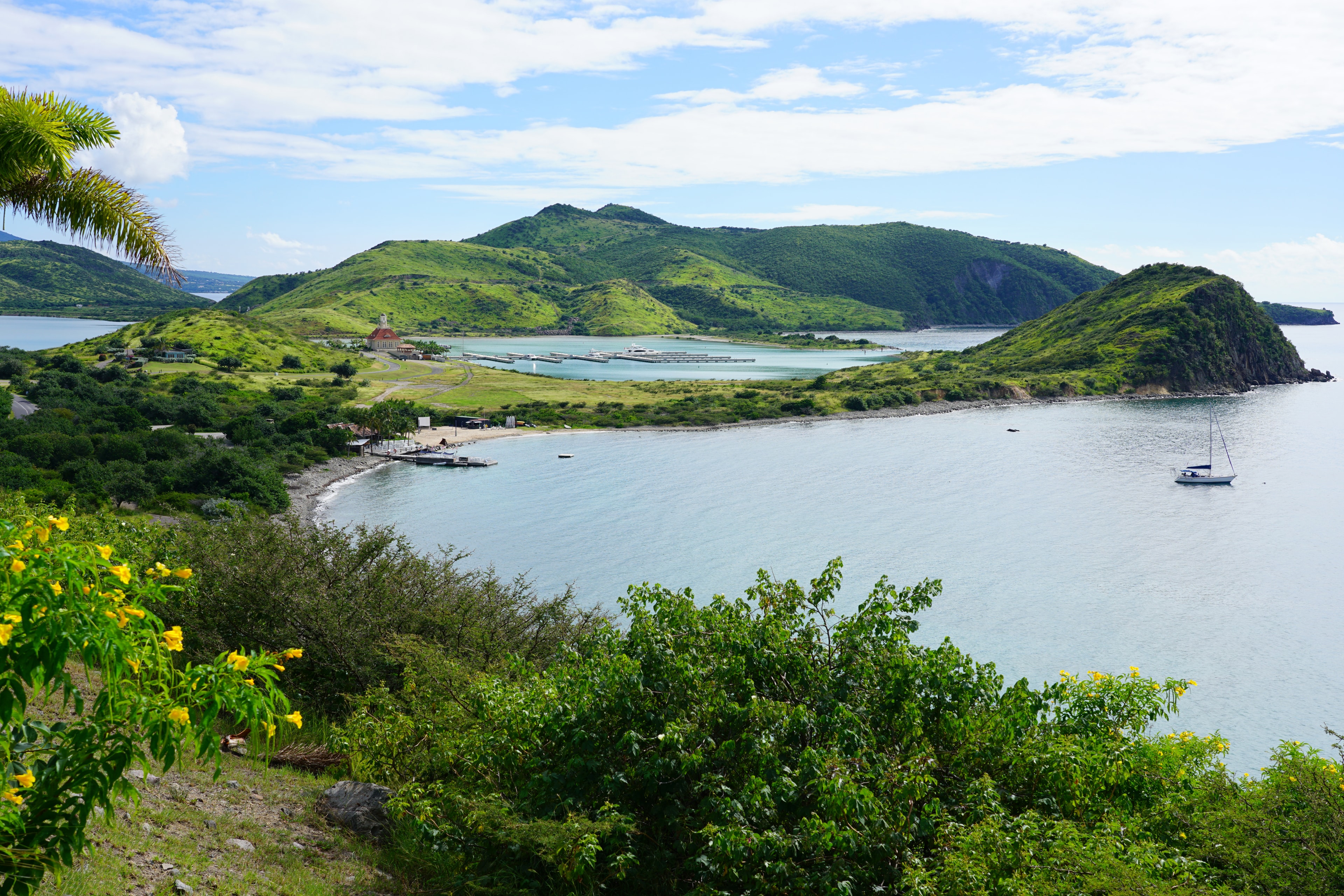
St Kitts and Nevis ranks as the 5th most popular tourist destination in the world, according to 2024 UN Tourism data[11]
St Kitts and Nevis CBI options for German investors
Applicants for St Kitts and Nevis citizenship by investment can choose between a non-refundable contribution, real estate investment, or a Public Benefit Option.
Fund contribution — $250,000+
Under the Sustainable Island State Contribution Option, SISC, investors transfer money to the Federal Consolidated Fund. The contribution is non-refundable and yields no income.
The SISC is used to support the economic and social development of St Kitts and Nevis following 7 pillars of prioritisation:
- Increasing local food production.
- Transitioning to Green Energy.
- Diversifying the economy.
- Attracting and supporting sustainable industries.
- Evolving the Creative Economy.
- Recovering from the impacts of the Covid‑19 pandemic.
- Expanding social protections and safety nets to protect the most vulnerable.
Real estate purchase — $325,000+
Investors may qualify for St Kitts and Nevis citizenship by purchasing real estate from an officially approved list, which includes shares in hotels, villas, and condominiums. For private homes, the minimum investment is $600,000.
The property can be rented out, generating 2—5% of annual income, and may be sold after a 7-year holding period.
Practical Guide
Your key to Caribbean citizenship: curated real estate for $200k+
Public Benefit Option — $250,000+
Investors who choose Public Benefit Option support key infrastructure and development projects in St Kitts and Nevis. Eligible initiatives include the Prime Creative Arts Centre and projects under the National Housing Corporation.
The Prime Creative Arts Centre is planned as a cultural and educational hub that brings together the arts, creative industries, and community life. It is intended to position St Kitts and Nevis as a cultural destination in the Caribbean, support tourism through festivals, events, and exhibitions, and create local jobs, education, and skills training in the arts and technology.
The National Housing Corporation, a statutory body established in 1997, focuses on expanding affordable housing for residents of St Kitts and Nevis. Investor contributions help increase housing stock, deliver visible neighbourhood improvements, and support wider socio-economic development.
Additional costs German nationals should consider for St Kitts and Nevis citizenship
Regardless of the investment option chosen, applicants must pay the following additional fees:
- Due Diligence fee — $10,000 for the investor and $7,500 per each dependant over 16;
- application processing fee — $250 per applicant;
- passport fee — $361 per applicant;
- naturalisation certificate fee — $50 per applicant.
For investment options with a minimum of $250,000, the donated amount covers a family of four. From the 5th applicant onwards, an extra contribution applies: $25,000 per dependant under 18 and $50,000 — over 18.
For the real estate option, the extra contribution above does not apply to the property purchase itself. Instead, investors pay a state fee:
- $25,000 for the investor;
- $15,000 for the spouse;
- $10,000 per dependant under 18;
- $15,000 per dependant over 18.
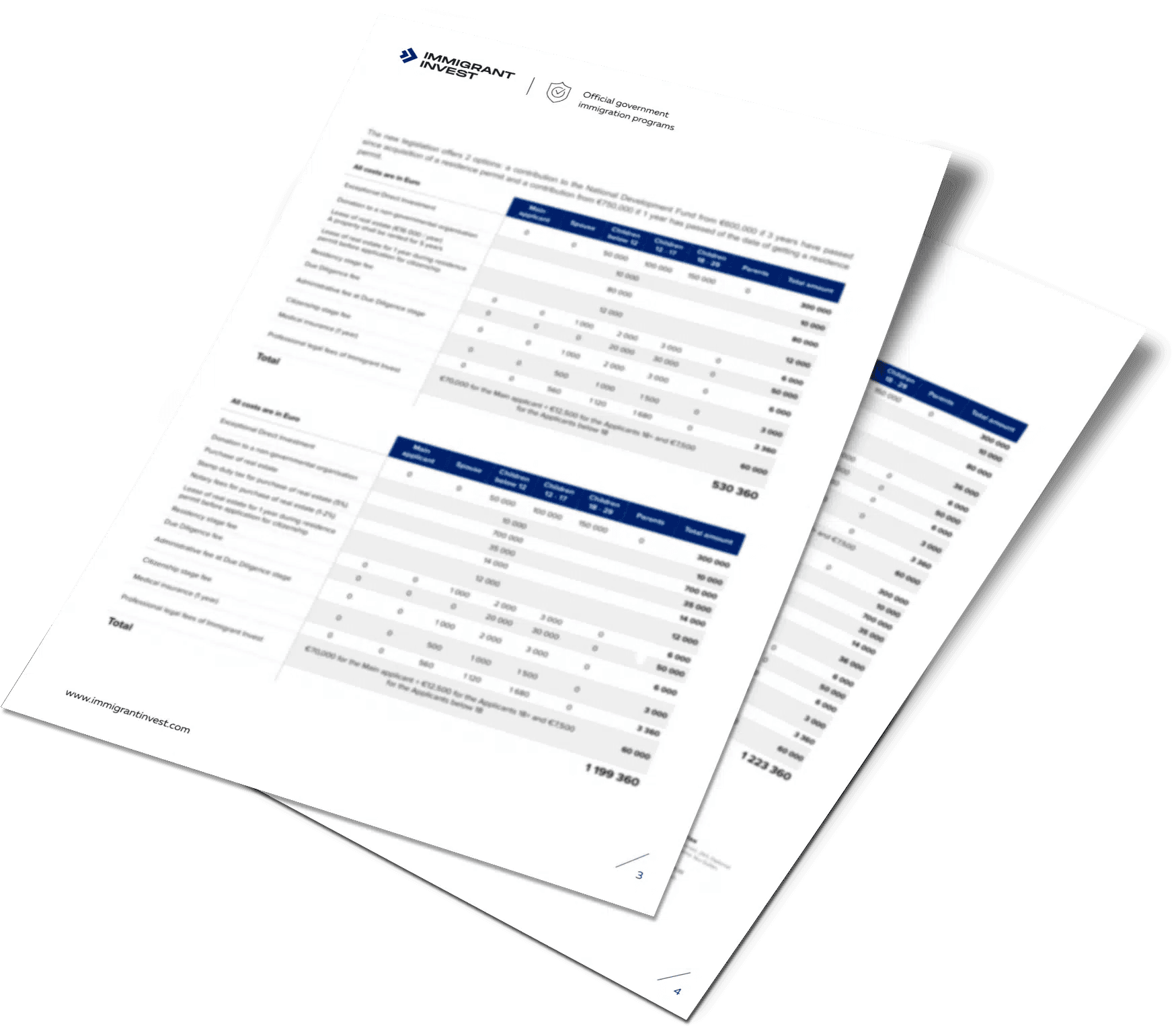
Cost of St Kitts and Nevis CBI, including investor, spouse, and two children aged 9 and 19
Eligibility requirements for German citizens applying for St Kitts and Nevis citizenship
To qualify for the St Kitts and Nevis CBI programme, both the investor and their family members must meet the eligibility criteria.
Requirements for the main applicant
Investors are eligible for St Kitts and Nevis citizenship if they:
- are over 18;
- have no criminal records or prosecutions;
- have no serious illnesses;
- prove stable income;
- are capable of confirming the legality of the income.
Requirements for family members
German nationals can include the following family members in the St Kitts and Nevis citizenship application:
- spouse — opposite sex, no criminal record;
- children up to 25 — financially dependent on the investor and in full-time attendance at a recognised secondary or tertiary-level institution of learning;
- parents over 55 — financially dependent on the investor.
St Kitts and Nevis proposed amendments allowing dependent children up to age 30 to be included without a full-time study requirement. These changes have been announced but are not yet in force[12].
St Kitts and Nevis citizenship document checklist for German nationals
German nationals are required to provide the following documents when applying for St Kitts and Nevis citizenship by investment:
- Valid passports.
- National identity cards.
- Proof of residential address — utility bill, bank statement, or confirmation from a licensed professional.
- Six recent passport-size photographs.
- HIV test results, issued within the last 3 months.
- Police clearance from the country of citizenship and any country lived in for over 1 year in the past 10 years.
- Employment letter stating position and salary.
- 12 months of personal bank statements.
- Statement explaining the source of investment funds.
- Bank reference letter, not older than 6 months.
- Professional reference letter, from a lawyer, accountant, or notary.
- Purchase and sales agreement, for real estate option.
- Business registration or licence, if self-employed.
- Military record or exemption, if applicable.
- Marriage certificate, if applicable
- Divorce documents, if applicable.
All documents must be translated into English and properly legalised by apostille or notarisation.
How German citizens apply for St Kitts and Nevis citizenship: step-by-step guide
The stages of obtaining St Kitts and Nevis citizenship are similar across all investment options, and Immigrant Invest’s team supports applicants at every step, from document preparation to receiving the passports.
The process includes preliminary Due Diligence, collecting and legalising documents, submitting the file to the CIU, and waiting for approval before making the final investment and taking the oath. Based on Immigrant Invest’s experience, the overall timeline is at least 4 months for a well-prepared application.
1 day
Preliminary Due Diligence
A Compliance Anti-Money Laundering Officer reviews the investor’s documents. This stage is fully confidential and lasts one business day. At this point, the applicant only needs to submit a passport.
Immigrant Invest has its own in-house Compliance Department. This initial Due Diligence review helps identify potential risks early and eliminate them before the application is submitted to the CIU.
A Compliance Anti-Money Laundering Officer reviews the investor’s documents. This stage is fully confidential and lasts one business day. At this point, the applicant only needs to submit a passport.
Immigrant Invest has its own in-house Compliance Department. This initial Due Diligence review helps identify potential risks early and eliminate them before the application is submitted to the CIU.
1+ months
Preparation of documents
Immigrant Invest’s lawyers draw up detailed lists of the personal and financial documents required to take part in the citizenship programme. They also help arrange translations into English so that the entire document package meets CIU requirements.
Our legal team completes all official state forms on the investor’s behalf; the investor’s only task is to sign the documents.
Immigrant Invest’s lawyers draw up detailed lists of the personal and financial documents required to take part in the citizenship programme. They also help arrange translations into English so that the entire document package meets CIU requirements.
Our legal team completes all official state forms on the investor’s behalf; the investor’s only task is to sign the documents.
6+ months
Due Diligence
The lawyers forward the finalised document package to the St Kitts and Nevis CBI unit. The applicant pays the Due Diligence fee, after which the official investigation starts. Every family member over the age of 16 must pass a Due Diligence check.
A compulsory interview forms part of the Due Diligence procedure and may be conducted online. The main applicant takes part in the interview, and dependants over 16 also join if the authorities consider it necessary.
The lawyers forward the finalised document package to the St Kitts and Nevis CBI unit. The applicant pays the Due Diligence fee, after which the official investigation starts. Every family member over the age of 16 must pass a Due Diligence check.
A compulsory interview forms part of the Due Diligence procedure and may be conducted online. The main applicant takes part in the interview, and dependants over 16 also join if the authorities consider it necessary.
2+ weeks
Fulfilment of the investment condition
The CBI unit informs Immigrant Invest of the decision on the investor’s application. Once approval is granted, the investor fulfils the investment requirement: makes a contribution to the state fund, participates in an Approved Public Benefit Project, or purchases real estate.
The CBI unit informs Immigrant Invest of the decision on the investor’s application. Once approval is granted, the investor fulfils the investment requirement: makes a contribution to the state fund, participates in an Approved Public Benefit Project, or purchases real estate.
Up to 2 weeks
Getting a passport
A Certificate of Registration is issued once the investment has been made. The Certificate of Registration must be collected in person in St Kitts and Nevis or at an authorised Embassy or Consulate. The passport is then issued on the basis of this certificate.
A Certificate of Registration is issued once the investment has been made. The Certificate of Registration must be collected in person in St Kitts and Nevis or at an authorised Embassy or Consulate. The passport is then issued on the basis of this certificate.
How can German passport holders renew a St Kitts and Nevis passport?
St Kitts and Nevis passports are valid for 10 years for adults and for 5 years for children under 16. After expiry, they are simply renewed; no reinvestment or re-application for citizenship is required.
Where to renew a passport
St Kitts and Nevis passport renewals are handled either:
- through a St Kitts and Nevis embassy, high commission or consulate, which forwards the file to the Ministry of National Security or Immigration Department in Basseterre;
- or via an authorised CBI agent, who submits the renewal to the Passport Office remotely.
For Germans living in Europe, renewal is usually arranged through an authorised agent or a nearby mission such as London or Brussels, without the need to travel to St Kitts and Nevis.
Zlata Erlach,
Head of the Austrian office
Immigrant Invest not only assists in selecting the most suitable investment option, provides real estate examples, and submit citizenship applications to the CBI unit. We also support clients with renewal after 10 years, sending reminders in advance. Personal presence is not required for renewal — the service can be fully arranged through our team.
Documents, fees, and processing time
The exact checklist for St Kitts and Nevis passport renewal can vary slightly by mission, but usually includes:
- completed passport renewal form;
- current or expired St Kitts and Nevis passport;
- certificate of naturalisation;
- birth certificate;
- two recent passport-size photos;
- proof of name change, if applicable;
- police report only if the passport was lost or stolen;
- payment of the official renewal fee.
Renewals typically take up to 4 weeks, and the passport renewal fee is currently the same as for the first issuance — $361.

Pitfalls for German investors in St Kitts CBI and how to avoid them
Even with a strong St Kitts and Nevis citizenship programme and clear rules, German applicants can still run into avoidable problems if they are not careful with structure, documentation, and advice. Below are the most common pitfalls and ways to avoid them.
Choosing non-approved or low-quality real estate. Stick to Citizenship by Investment Unit-approved developments and prioritise projects with a solid track record, reputable developers, and realistic resale prospects.
Underestimating Due Diligence and source-of-funds checks. Prepare a clean source-of-funds file early: bank statements, contracts, tax returns, and a consistent paper trail for every major inflow.
Using unlicensed agents or intermediaries. Work exclusively with CIU‑authorised agents. Verify licences directly and avoid “consultants” offering shortcuts.
Ignoring total cost details. Model the full cost stack upfront: government fees, agent and legal fees, ongoing maintenance, insurance, and exit or resale costs.
Assuming citizenship changes tax residency automatically. Citizenship does not alter German tax status. Tax effects arise only after a real change of residence, documented and compliant.
Application delays due to weak documentation. Use a strict document checklist, ensure proper legalisation and apostilles, and provide translations that fully meet CIU format and language requirements.
Other second citizenship options for German citizens
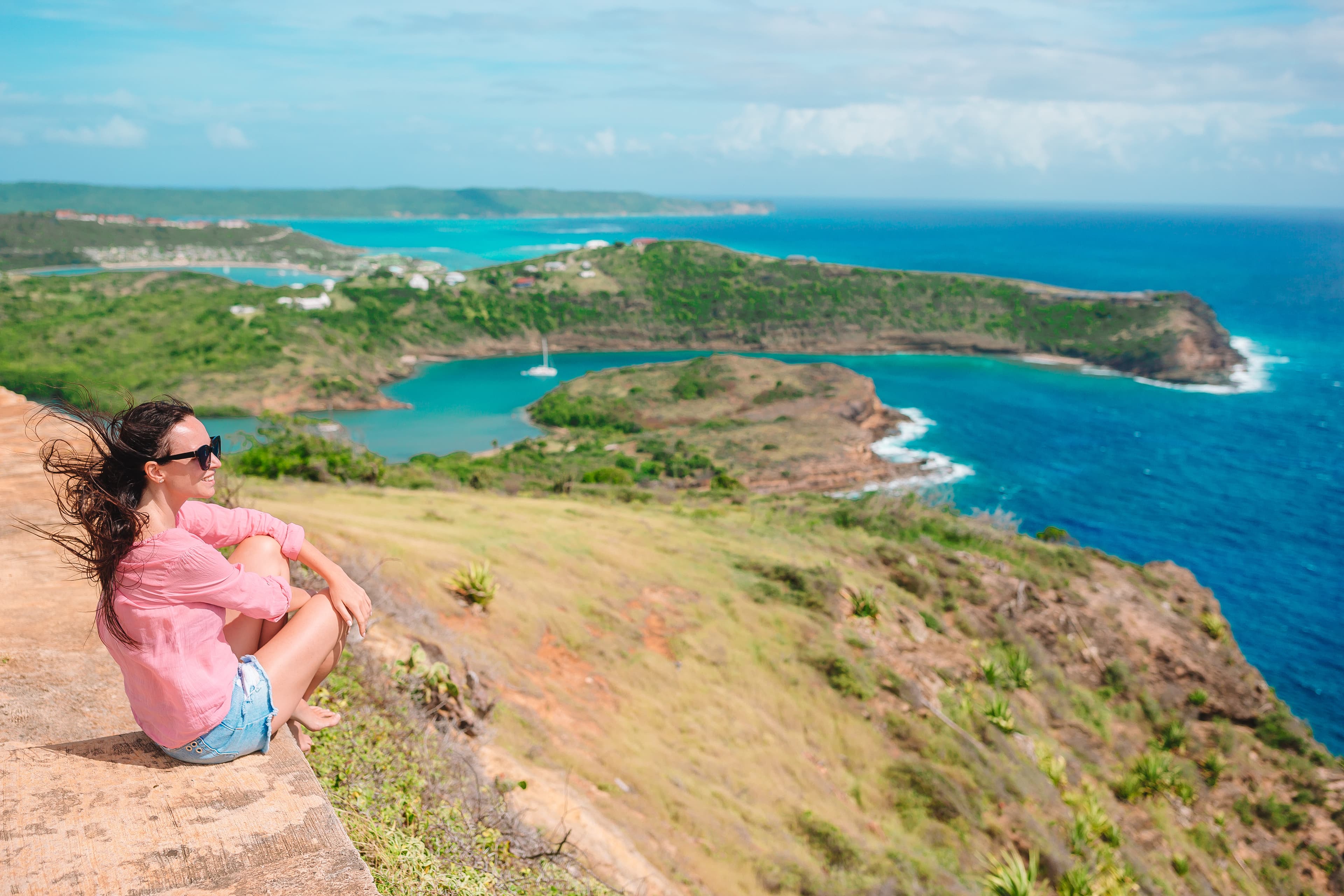
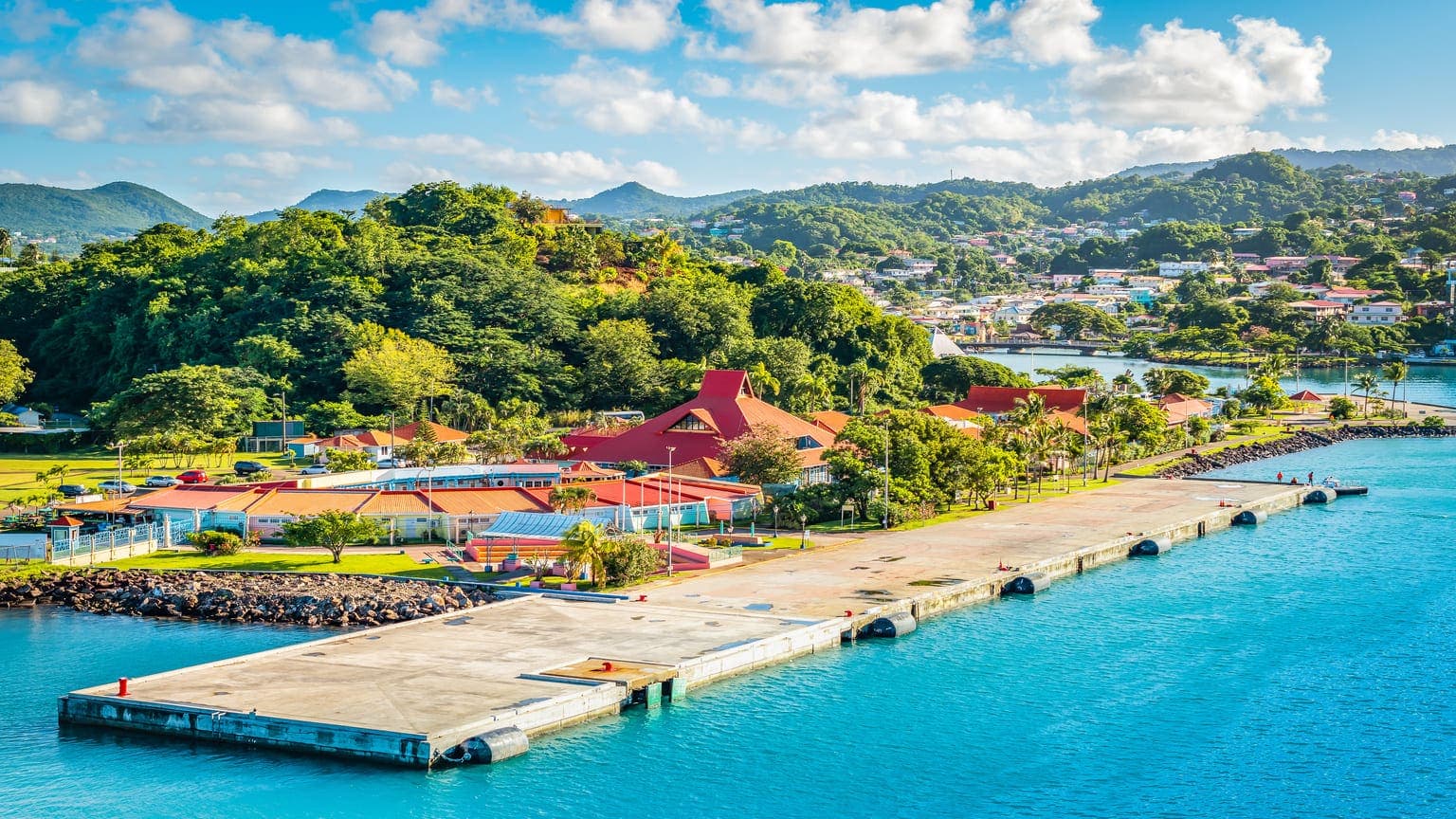
German nationals considering a second passport are not limited to St Kitts and Nevis. The other members of the “Caribbean Five” — Antigua and Barbuda, Dominica, Grenada, and St Lucia — also rank consistently among the top 5 CBI programmes worldwide. These Caribbean options continue to lead global comparisons, reflecting their ability to adapt to external pressure, tighten Due Diligence, and maintain investor demand.
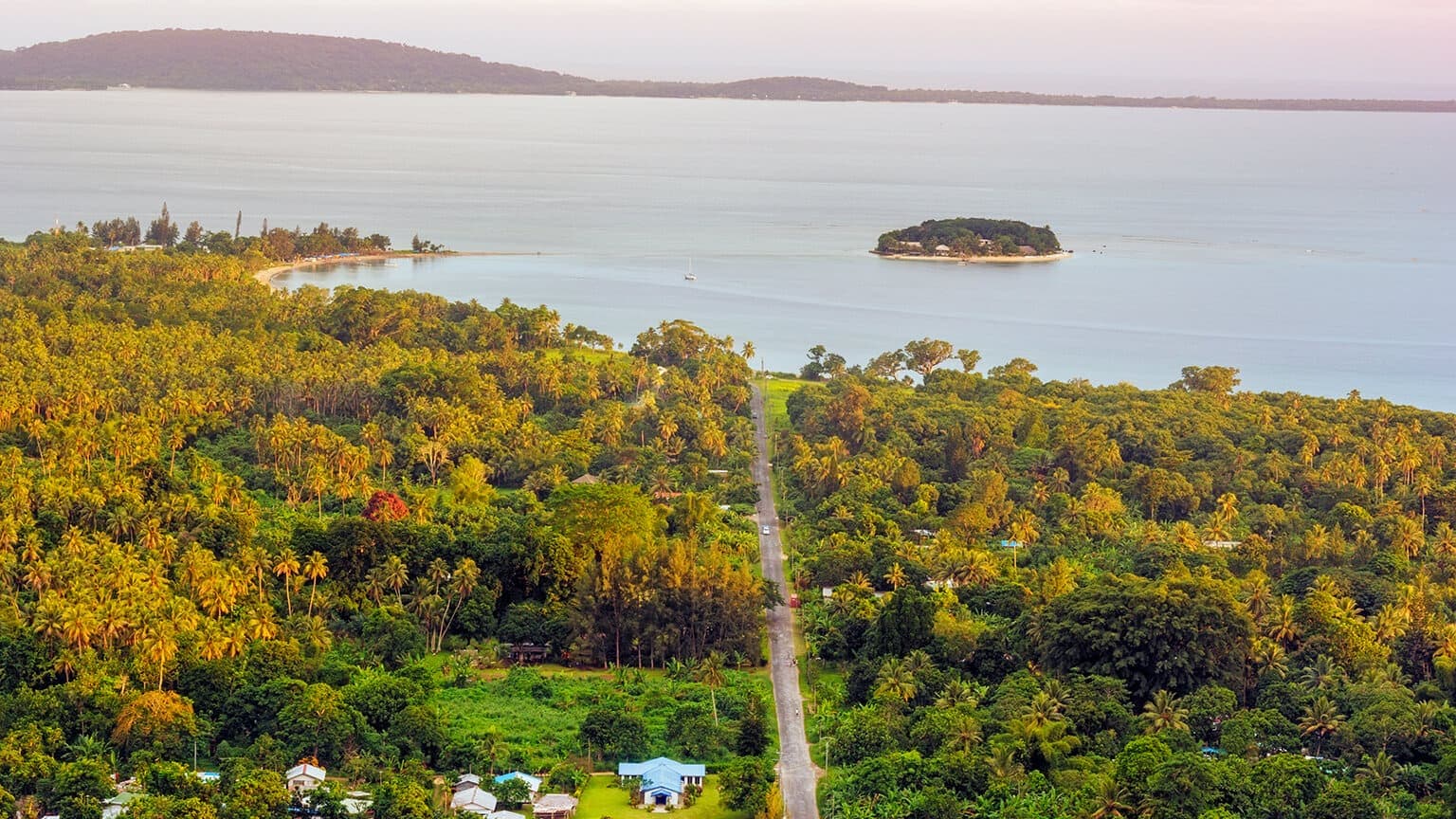
Beyond the Caribbean, Vanuatu in Oceania is another alternative, holding around 7th place in CBI rankings and standing out for its fast processing times and relatively low entry threshold.
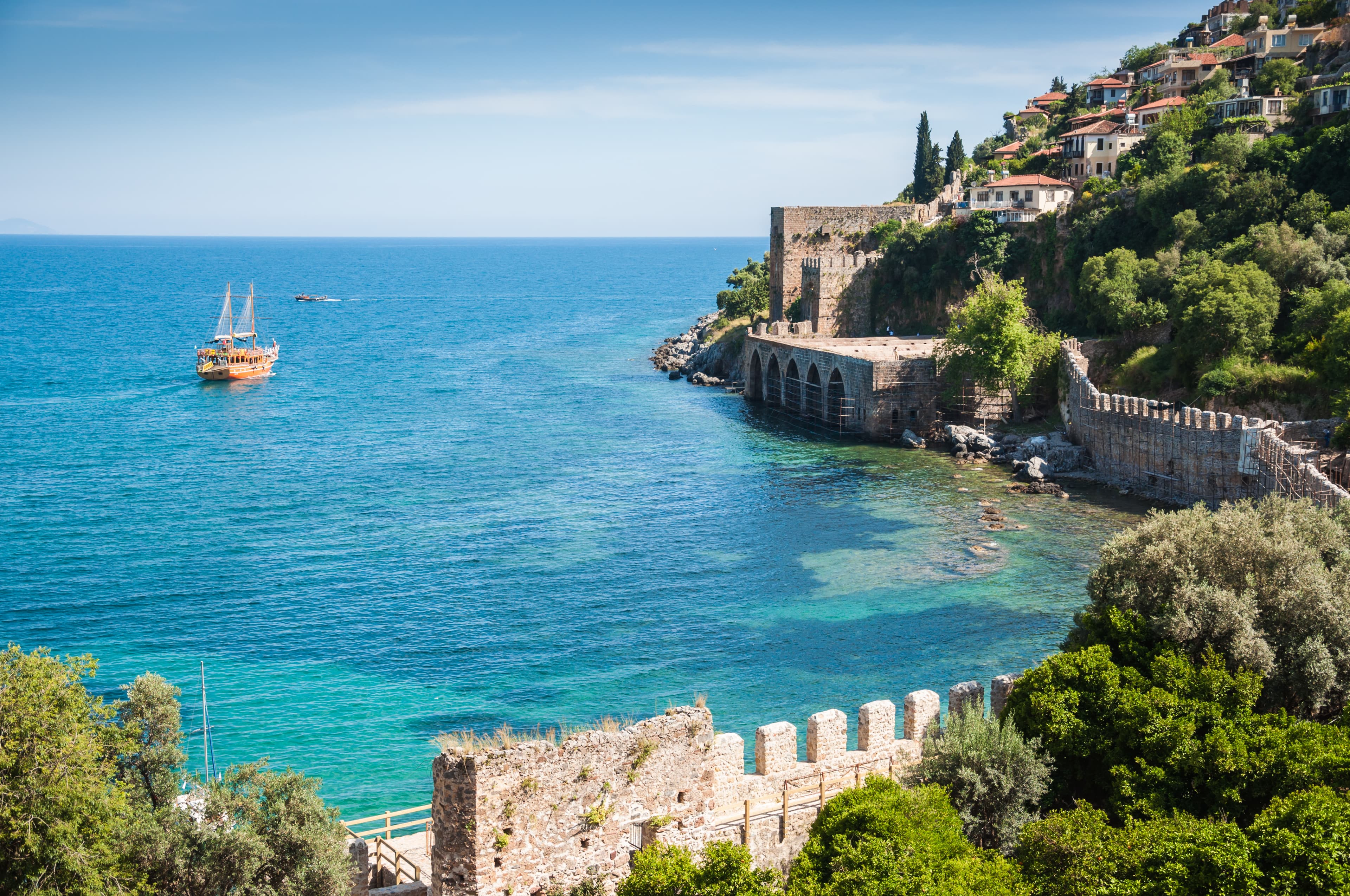
Turkey, which ranks 9th, is notable for its real estate route, where investors often target markets with projected property price growth in the range of 15—25%.
CBI programmes comparison at a glance
CBI criticism and tighter controls affecting German applicants
Citizenship by investment programmes operate under close international scrutiny. Organisations such as the OECD[13] and Transparency International[14] point out that these programmes must be carefully managed to prevent misuse for money laundering or sanctions evasion. EU and US authorities expect robust vetting so that only reputable applicants are approved[15].
Caribbean governments have responded by strengthening Due Diligence procedures, often working with established international security firms. Applicants now provide more detailed documentation and undergo additional checks, which has raised overall standards.
Immigrant Invest supports clients through preliminary Due Diligence, identifying potential issues in advance and structuring a clean application. This helps make the process smoother and reduces the risk of delays or refusals.
Summary: key things to know about St Kitts and Nevis CBI
- St Kitts and Nevis offers a top-ranked CBI programme that attracts Germans mainly as a long-term Plan B rather than a travel upgrade.
- Minimum investment is $250,000 for the donation and Public Benefit Option, and at least $325,000 for approved real estate.
- Under the real estate option, investors may target around 4% annual rental yield and about 4% average property price growth.
- The programme features predictable rules, strong DD, and relatively fast processing of at least four months.
- Germans can include a spouse, children up to 30, and parents over 55 in one application.
- Tax benefits arise only if German tax residency is genuinely given up and tax residence in St Kitts and Nevis is properly established.
Immigrant Invest is a licensed agent for citizenship and residence by investment programs in the EU, the Caribbean, Asia, and the Middle East. Take advantage of our global 15-year expertise — schedule a meeting with our investment programs experts.
Will you obtain St Kitts and Nevis citizenship?
-
Master the residency process
-
Get expert tips and documents
-
Estimate costs accurately
 Trusted by 10,000+ investors