
Summary
Countries issuing citizenship by investment do not grant it automatically: they need to check on the applicant to ensure they are not likely to bring trouble into the country, even if they can fulfil the conditions for investment.
The main points of interest are usually the sufficiency and legality of income, criminal record, and civil status. All of the above must be confirmed by specific documents.
Here is the list of documents needed for citizenship application.
Mandatory documents required for citizenship by investment
Depending on the country and its citizenship programme, the list of necessary documents may vary. But these are the documents you will definitely need:
- International passport. Not expiring anytime soon, with all the necessary visas and no violation of visa regimes, especially with the countries which are visa-free with the country of application.
- Citizenship application form. This is just a form you fill out to apply for citizenship. In some countries, those forms are quite complicated, while filling them out correctly is crucial, so you may want to consult licensed agents on how to proceed.
- No criminal record certificate. From the country you currently live in and from every country you have lived in for more than a year since you were 16, confirming that you are not and have never been under arrest or prosecution for any charges whatsoever. These are crucial to pass Due Diligence.
- Birth certificate. In most cases, it needs to be translated, notarised and apostilled.
- Certificate of civil status. This might be a marriage certificate or a divorce certificate, if applicable. Those also need to be notarised and apostilled.
- Bank account statements. These will be needed to prove the sufficiency and legality of an income.
- Confirmation of payment of investment. This confirms that an applicant has fulfilled the investment program’s conditions and can be thus considered for citizenship.
- Documents’ translations. If the documents aren’t in English or the country’s official language, you will probably need to get an official translation of all the necessary papers.
Note that these are requirements only for the main applicant; other applicants will also need to provide their respective citizenship paperwork, but their list might be shorter.

Additional documents you might need for citizenship by investment
Depending on the country, you might need to provide several additional documents to prove your background, wealth, and intentions. Here is what you might need to show.
CV
A brief description of an applicant’s life and career. Written in free form, a CV here is somewhat similar to a motivation letter when applying for the job: it should be designed to show that you have a good background, pure intentions, and are worthy of the country’s citizenship.
Medical certificates
Some counties, like Türkiye, do not give citizenship to people with poor health or serious diseases such as HIV. They require a certificate of a medical check-up, confirming that an applicant has good health.
Health insurance
You might need to provide it to ensure that you’ve got your health covered in case of sickness or accidents.
Proof of ties
This might be required if the country prescribes new citizens to reside for some time. For example, the Caribbean country of Antigua and Barbuda requires CBI programmes participants to visit the state for at least 5 days within the first 5 years after obtaining citizenship.
Proving residence might involve documents such as confirmation of a registered address, utility bills, or even boarding passes confirming that the applicant has visited the country and spent time there.
Assessment of property
When obtaining citizenship by real estate investment, some countries would like you to provide a confirmation that the property you buy complies with the programme requirements.
For example, in Türkiye, you would need to include the assessment of the value of the property and a report on the compliance of real estate with the conditions of the Turkish citizenship programme.
Documents for the company
When citizenship is granted for opening a business and investing money in it, you will naturally have to provide documents for the company, such as statutory documents and proof of investment.
Permissions for the children
If a second parent is not included in the citizenship application along with the main applicant, it will be necessary to provide consent for each underage child in the application.
Learn more from a case study on how an investor got St Lucia citizenship with children from different marriages.
High school certificates, university degrees
Those are not usually included in the required citizenship paperwork but may be provided nevertheless as an additional way to prove an applicant’s background and wealth.
Affidavits
Sometimes an applicant’s background doesn’t quite comply with the conditions of granting citizenship: for example, they had a minor misdemeanour like breaking traffic laws, or have insignificantly violated visa regimes.
By itself, those are the grounds for denying citizenship. But with the help of lawyers, the applicant may compose a legal document called an affidavit explaining the nature of those mishaps and why it shouldn’t be the reason for rejecting the application.
Affidavits are common, and they significantly raise the chances of applicants with less than the perfect background.

US visa denial is not the end of the road
Belkacem had a complicated background: a US visa refusal and an old judicial proceeding in his history. Such facts could easily raise red flags during the Due Diligence process for a citizenship by investment application in St Kitts and Nevis.
Our lawyers carefully prepared the full legal explanation and supporting documentation — and Belkacem was successfully granted his second citizenship.
Submitting the paperwork and obtaining citizenship: timeline
Countries granting citizenship by investment typically issue their passports somewhere between 2 and 8 months after the application.
The process of obtaining citizenship by investment may slightly differ: in Türkiye, for example, you would have to buy the property before applying, while in the Caribbean, you invest after you are already approved for citizenship.
For most countries, an estimated timeline for getting a second citizenship by investment looks like this.
1 day
Preliminary Due Diligence
Immigrant Invest lawyers conduct preliminary research to determine what issues may arise and how to proceed with them.
Immigrant Invest lawyers conduct preliminary research to determine what issues may arise and how to proceed with them.
Up to 1 month
Preparation of documents
Preparing documents for application, filling out the forms, translating and notarising documents.
Preparing documents for application, filling out the forms, translating and notarising documents.
2—6 months
Due Diligence
The documents are sent to the country to conduct their own research on the applicants and consider them for granting citizenship.
The documents are sent to the country to conduct their own research on the applicants and consider them for granting citizenship.
Up to 3 months
Approval and fulfilment of investment conditions
After the application is approved, the applicant has a limited amount of time to make an investment.
After the application is approved, the applicant has a limited amount of time to make an investment.
Up to 1.5 months
Getting a passport
The passport is issued in the country and sent to the applicant.
The passport is issued in the country and sent to the applicant.
9 best countries to get second citizenship by investment
Currently, about 20 states worldwide offer citizenship by investment programmes. However, only some of them have gained trust among investors.
The most affordable option is provided by São Tomé and Príncipe, where single applicants contribute $90,000 and families of up to 4 people — $95,000. It is fast, too: obtaining citizenship takes at least 2 months, like in another CBI country — Vanuatu.
Those seeking global mobility and returnable investment usually choose Caribbean citizenship by investment programmes.
Brief overview of CBI options
Country

Investment
$90,000+
Timeframe
2+ months
Investment return
Not applicable
Visit terms
None
Country

Investment
$130,000+
Timeframe
2+ months
Investment return
Possible, partially after 5 years
Visit terms
For biometrics
Country

Investment
$200,000+
Timeframe
6+ months
Investment return
Possible, after 3—5 years
Visit terms
None
Country

Investment
$230,000+
Timeframe
6+ months
Investment return
Possible, after 5 years
Visit terms
For 5 days within 5 years
Country

Investment
$235,000+
Timeframe
8+ months
Investment return
Possible, after 5 years
Visit terms
None
Country

Investment
$240,000+
Timeframe
6+ months
Investment return
Possible, after 5 years
Visit terms
None
Country

Investment
$250,000+
Timeframe
4+ months
Investment return
Possible, after 7 years
Visit terms
To collect citizenship docs
Country

Investment
$250,000+
Timeframe
10+ months
Investment return
Possible, after 5 years
Visit terms
To invest
Country
Investment
$400,000+
Timeframe
8+ months
Investment return
Possible, after 3 years
Visit terms
To apply
Country | Investment | Timeframe | Investment return | Visit terms |
|---|---|---|---|---|
$90,000+ | 2+ months | Not applicable | None | |
$130,000+ | 2+ months | Possible, partially after 5 years | For biometrics | |
$200,000+ | 6+ months | Possible, after 3—5 years | None | |
$230,000+ | 6+ months | Possible, after 5 years | For 5 days within 5 years | |
$235,000+ | 8+ months | Possible, after 5 years | None | |
$240,000+ | 6+ months | Possible, after 5 years | None | |
$250,000+ | 4+ months | Possible, after 7 years | To collect citizenship docs | |
$250,000+ | 10+ months | Possible, after 5 years | To invest | |
$400,000+ | 8+ months | Possible, after 3 years | To apply |
Property to buy and get citizenship by investment
Most countries that offer citizenship by investment let you choose between several investment options.
One of those options is, typically, a real estate investment. It is a favourable option for several reasons. For one, having a house in the country of your second passport adds a whole new perspective to the feeling of a “safe haven”: not just a country you can visit freely, but a real home where you can stay for as long as you wish.
Secondly, this option is usually eligible for a return on investment: you can sell the property after several years and still keep the second passport.
Moreover, the prices in real estate all over the world are generally only growing in the long run, so when buying a house, you can benefit both from leasing the property and reselling it after several years.
Examples of investment properties in St Kitts and Nevis


St Kitts & Nevis, Basseterre
Apartments in modern style, Basseterre
 3
3  2
2 
St Kitts & Nevis, Basseterre
Elegant apartments, Basseterre, St Kitts and Nevis
3 3 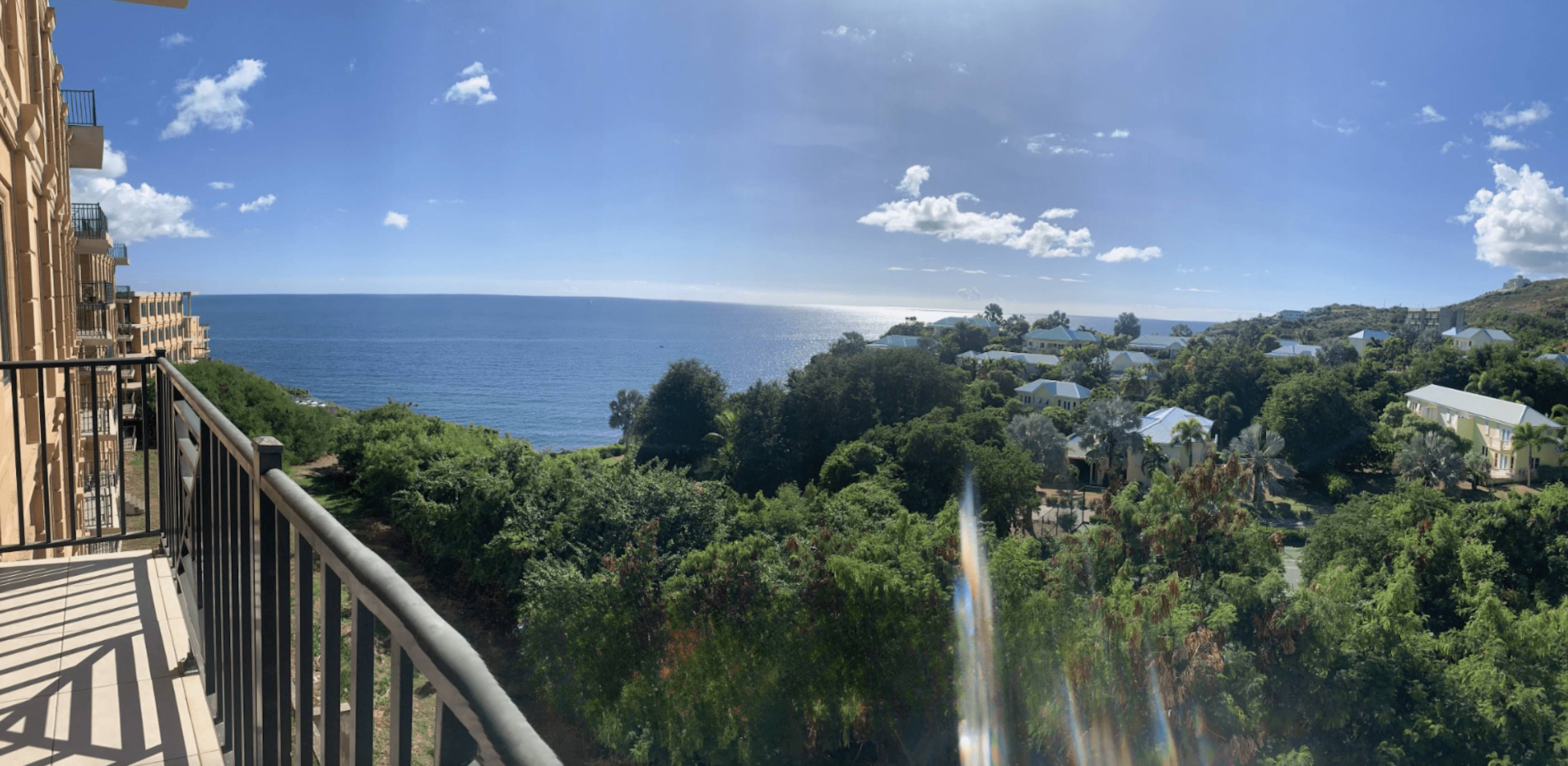
St Kitts & Nevis, Basseterre
Stylish apartments, Basseterre
3 3 7 advantages of having a second citizenship
1. Visa-free travel. Countries granting citizenship by investment typically have favourable travelling regimes with popular countries, especially the Schengen Area and the UK. You can either visit those states visa-free or apply for long-term visas.
2. US visas. Most citizens of the countries that grant citizenship by investment are eligible for long-term US visas, such as visitor B-1/В-2 visas for up to 10 years or investor E-2 visas for up to 5 years.
3. Safe haven. Whatever happens in your primary country of residence, you can safely travel to the country of your second citizenship and stay there as long as you like. Citizens are permitted to enter their countries even when the borders are closed, as was the case during the pandemic.
4. Tax optimisation. This applies especially to the Caribbean countries and Vanuatu, which all have attractive tax regimes for individuals and companies. Obtaining tax residency in those countries might mean saving a considerable amount of money every year.
5. International business. It is often beneficial for a business to register a company in a country with a favourable regime.
St Lucia, for instance, takes great precautions to protect company owners’ privacy and does not submit their information in the commercial register. Other countries make it easier to open bank accounts abroad and transfer payments without commissions.
6. Healthcare and educational system. Citizens can benefit from the healthcare and educational facilities of their second countries. For example, Türkiye boasts excellent healthcare, while an applicant’s family member can study at a university for free in Antigua and Barbuda.
7. Stability and security. A second passport provides an insurance policy against political instability, civil unrest, or economic collapse in your home country. Having the right to legally reside in another nation gives you and your family a reliable exit strategy and peace of mind in uncertain times.
Key points about documents for citizenship by investment
- Citizenship by investment requires background checks on income, criminal record, and civil status.
- Mandatory documents include a passport, birth certificate, civil status certificate, bank statements, criminal record certificate, and proof of investment.
- Additional documents may include a CV, medical certificates, health insurance, property assessments, company documents, and affidavits for applicants with minor legal issues. Affidavits can help applicants with imperfect backgrounds still qualify for citizenship.
- Around 20 countries offer CBI programmes; the most affordable is São Tomé and Príncipe at $90,000+. Popular CBI countries also include Caribbean nations, Türkiye, and Egypt, with minimum investments ranging from $200,000 to $400,000.
Immigrant Invest is a licensed agent for citizenship and residence by investment programs in the EU, the Caribbean, Asia, and the Middle East. Take advantage of our global 15-year expertise — schedule a meeting with our investment programs experts.