![How to obtain an EU passport in [!year]: all possible ways](/_next/image/?url=https%3A%2F%2Fa.storyblok.com%2Ff%2F176292%2F1536x864%2F05861b8c7e%2Fhow-to-become-eu-citizen-94725802.jpeg&w=3840&q=75)

Summary
To become a citizen of an EU country, one can follow three paths: descent, naturalisation, and naturalisation after making an investment.
Obtaining an EU country’s citizenship can take 3 to 10 years, depending on the specific state and circumstances, as well as on the applicant’s situation.
What is an EU citizenship?
EU citizenship is a supplementary status automatically granted to nationals of European Union member states. It was introduced in 1992 by The Maastricht Treaty, also known as the Treaty on European Union, TEU, at the same time as the creation of the EU.
EU citizenship complements national citizenship and provides additional rights and benefits, such as voting and standing for elections in the European Parliament and local elections in any EU country of residence. Some rights and benefits come from national law and may vary by country, while others come from EU law and are the same across all EU countries[1].
To get EU citizenship, one must apply for citizenship in a specific EU country[2]. This can be achieved through various pathways, including citizenship by birthright, naturalisation, descent, or marriage. Naturalisation after residence permit by investment allows individuals to obtain citizenship in some EU countries by contributing to their economies.
The process and requirements vary across member states but generally include criteria like continuous residence, legal status, and submission of a successful application.

What are the common ways to obtain a passport in an EU country?
What are the common ways to obtain a passport in an EU country?
To become an EU citizen, one must obtain a passport from one of the member states. It can be acquired through:
- birthright, when born in an EU country to parents who are nationals of that country;
- naturalisation, which usually requires living and working in an EU country for a minimum number of years;
- marriage to an EU citizen;
- descent, if a parent or grandparent was a citizen.
Descent
Citizenship by descent is granted to descendants in the direct line. If a person’s parents, grandparents, and, in some cases, great-grandparents are or were citizens of an EU country, they can also acquire a passport of that state.
Naturalisation
Citizenship by naturalisation allows third-country nationals who don’t have any ancestors in the country to obtain passports. To do so, the candidates need to prove that they have strong ties with the state.
Naturalisation is available to people who moved to an EU country to work, do business, or conduct research, invested in a country’s economy, or got resident permits as financially independent persons[3].
As a general rule, before applying for citizenship by naturalisation, foreign nationals first need to legally reside in the country for a set time — around 5—10 years, depending on the country.
Foreign spouses of EU citizens obtain passports through naturalisation, but the required period of residence is usually shorter, usually around 1—5 years. Applicants generally must demonstrate continuous cohabitation, integration into society and basic language skills.
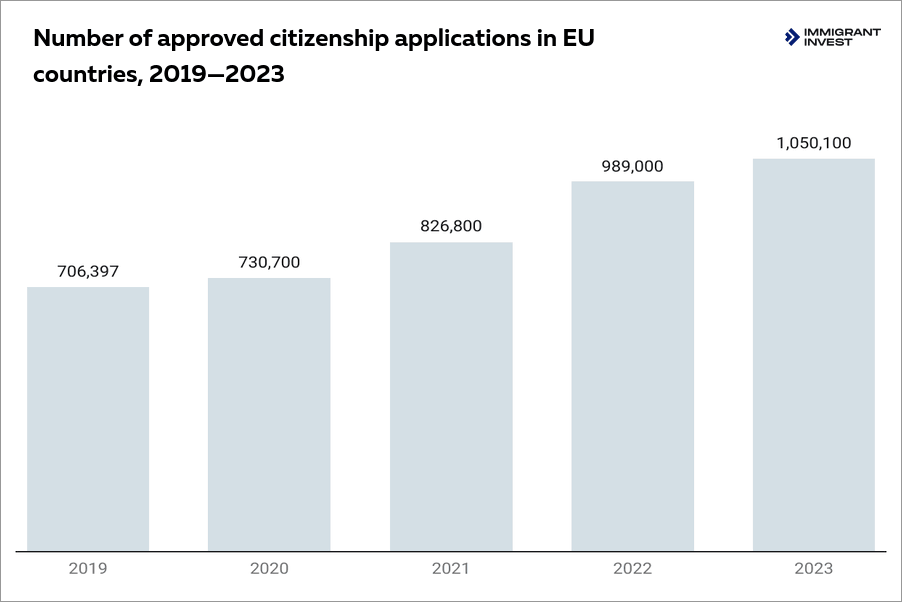
Top 10 European countries to obtain EU citizenship
Citizenship by investment is not directly available in EU countries. However, investors can initially obtain residence permits by investment.
After meeting residency and other criteria, they may apply for citizenship through naturalisation — this path typically takes at least 5 years.
1.Malta
Malta grants residence under the Malta Permanent Residence Programme, MPRP, which requires a minimum contribution of €169,000 to the Maltese economy. The investment consists of purchasing or renting property, making a government contribution, and donating to a local non-profit organisation.
Citizenship in Malta is available after 5 years of residence. Applicants must have genuine links to the country, a clean criminal record, and adequate knowledge of English or Maltese.
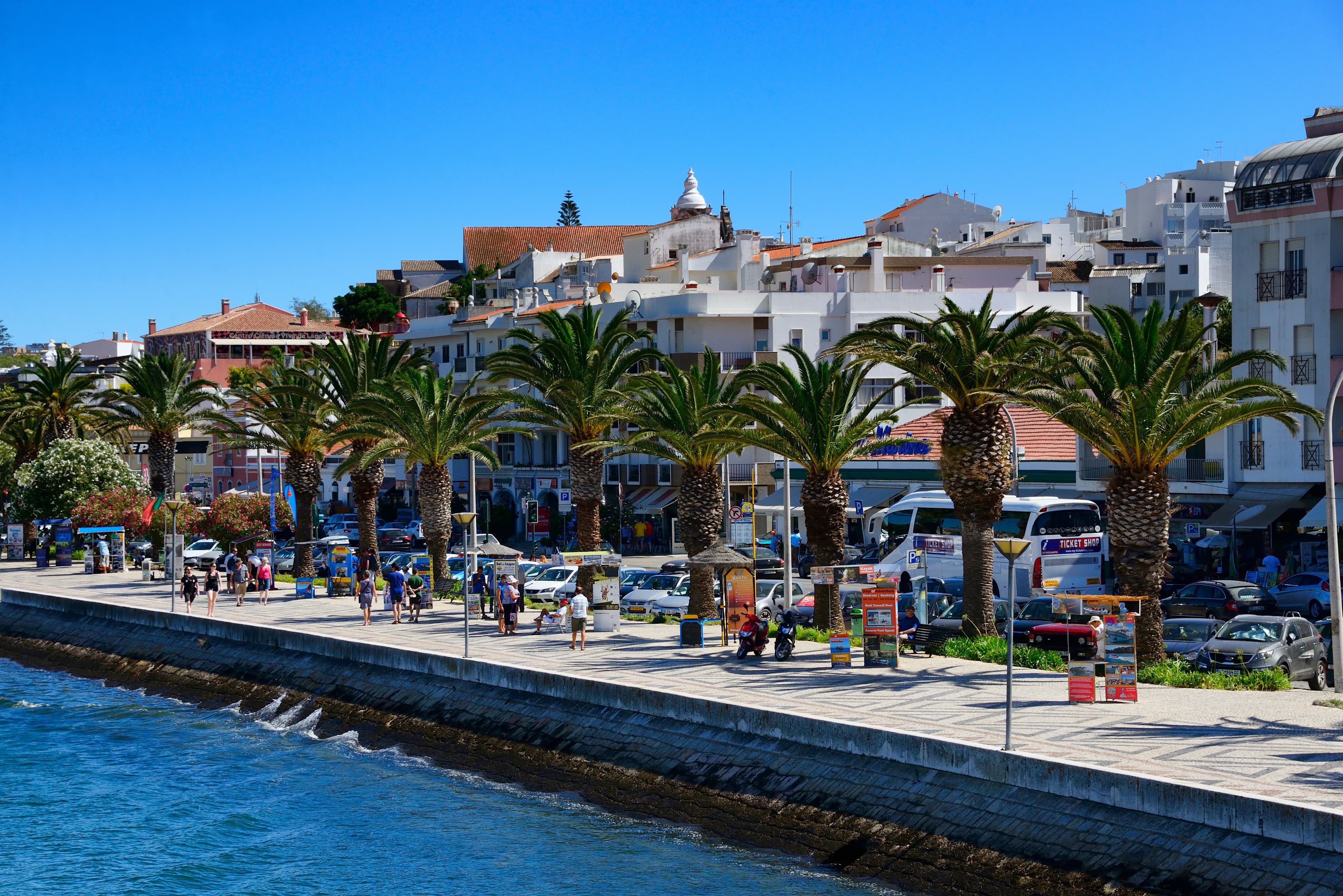
2. Portugal
Portugal offers residency for an investment of at least €250,000 to support the country's arts and cultural heritage. The most popular option is purchasing investment fund units for €500,000.
The Portugal Golden Visa holders can apply for permanent residence 5 years after obtaining residency.
In October 2025, Portugal approved reforms that would extend the residence period for citizenship by naturalisation. The law is now being reviewed by the Constitutional Court. If adopted, citizenship would require 7 years of residence for nationals of Portuguese-speaking countries and 10 years for nationals of other countries[4].
To be eligible for citizenship, one must demonstrate Portuguese language proficiency at A2 level or higher and have no criminal record.
3. Greece
Greece requires a minimum investment of €250,000 in real estate for a residence permit, which is renewable every 5 years.
After 7 years of living in Greece, the investor can apply for citizenship. They must take an exam to confirm their knowledge of the Greek language, culture, history, geography, and governmental system.
4. Cyprus
Cyprus offers permanent residency to foreigners who invest at least €300,000. Purchasing residential or commercial real estate is among the options.
Obtaining Cyprus citizenship is possible after 8 years of living on the island. The applicant must confirm knowledge of the Greek language and culture of Cyprus.
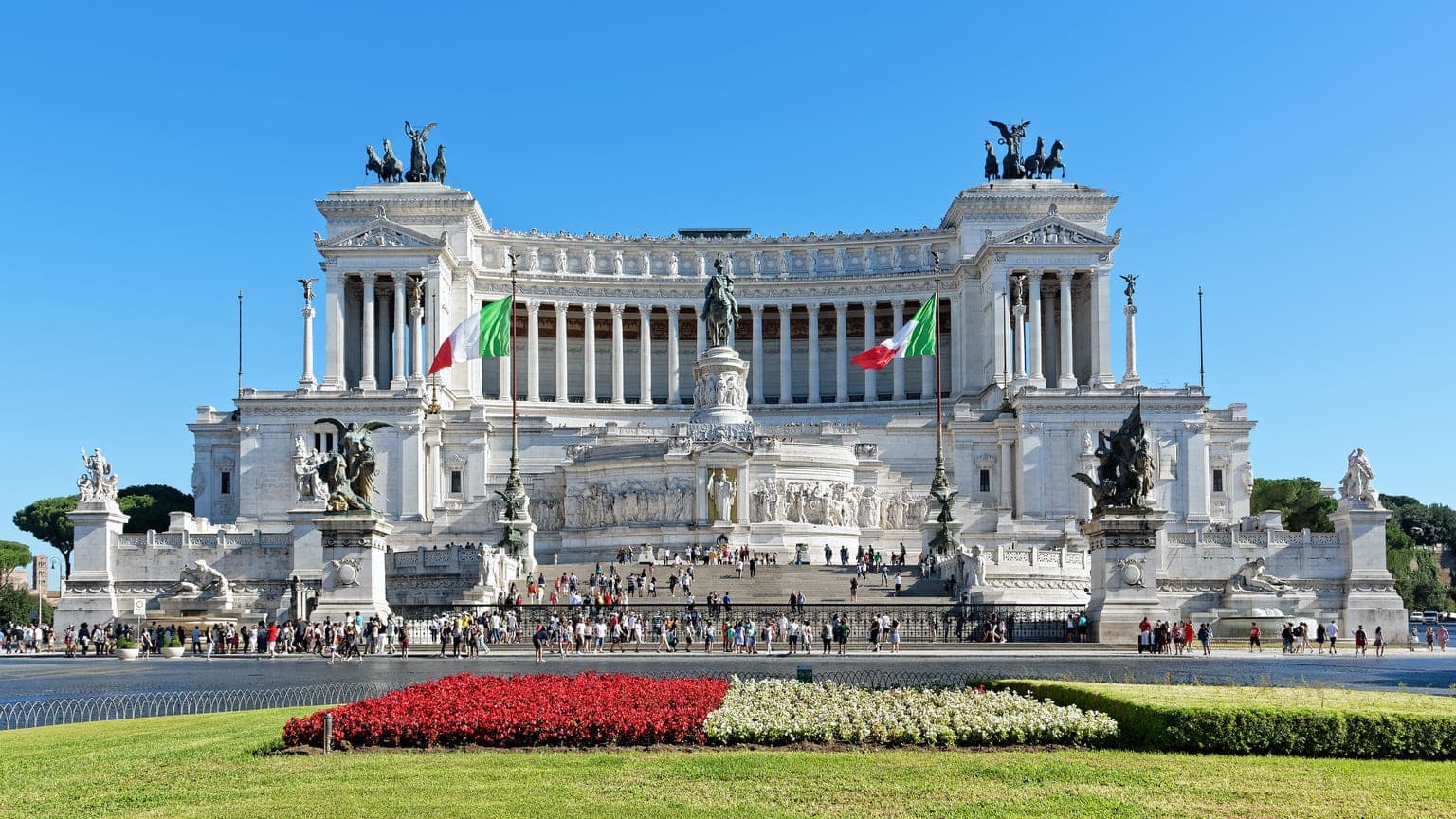
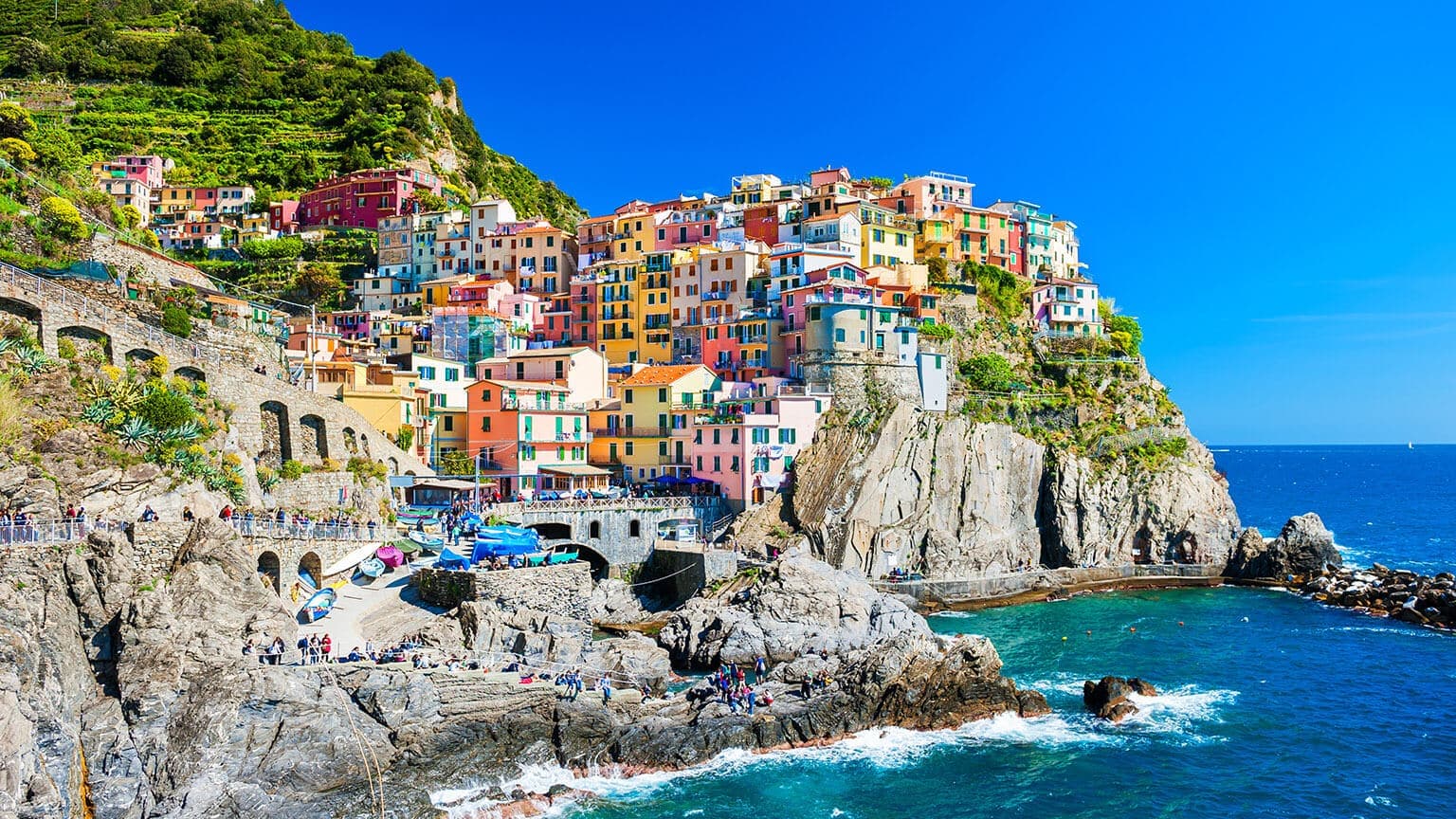
5. Italy
Italy has 4 investment paths to obtain the Golden Visa, with the cheapest of them worth €250,000 as an investment in an innovative startup. Purchasing real estate is not among the options.
Investors can apply for citizenship after residing in Italy for 10 years.
6. Hungary
Under its Golden Visa, Hungary grants 10-year residence permits for a minimum investment amount of €250,000 in fund units or €1,000,000 in higher educational institutions.
After 3 years of residing in Hungary, the foreigner is eligible for permanent residency.
To qualify for citizenship, a permanent resident must live in the country for an additional 8 years, making a total of 11 years.
7. Latvia
Latvia grants residency to investors who purchase real estate worth at least €250,000 or invest €50,000 in a Latvian company. The residence permit is valid for 5 years and can be renewed indefinitely.
Citizenship can be obtained after 10 years of legal residence, including 5 years of permanent residency. Applicants must demonstrate knowledge of the Latvian language, basic understanding of the country’s history and constitution, and have no criminal record.
8. Luxembourg
Luxembourg offers a residence permit to investors who contribute at least €500,000 to a local company or investment fund, or establish a new business with job creation in the country.
Citizenship by naturalisation is available after 5 years of residence. Applicants must pass tests in Luxembourgish language at A2 speaking and B1 listening and civic integration, showing familiarity with national institutions and values.
9. Bulgaria
Bulgaria issues residence permits to investors who invest at least BGN 1 million, or around €510,000, in government bonds, shares, or Bulgarian companies.
Citizenship may be obtained after 5 years of permanent residence. The applicant must have no criminal record, stable income, and basic knowledge of Bulgarian language and culture.
10. France
France allows entrepreneurs and investors to obtain residency through the Talent Passport program. Eligible applicants invest at least €300,000 in a French business, create jobs, or launch an innovative project recognised by the government.
After 5 years of continuous residence, investors can apply for citizenship, provided they demonstrate integration into the society, knowledge of French at the B2 level, and good moral conduct.

How to obtain citizenship in the EU as an investor?
Foreign nationals can get residency in EU countries by investing, which, in Immigrant Invest experience, takes around 3—12 months, depending on the country. After that, they can obtain citizenship by naturalisation.
The process of obtaining residency, and then citizenship, varies in EU countries. These are the most common steps for the investor before receiving a passport.
1 day
Preliminary Due Diligence
Regardless of which country the investor chooses, they must undergo a preliminary Due Diligence check to determine their chances of successfully applying.
Immigrant Invest has its own Compliance Department that carries out the procedure. The potential applicant only needs to submit their passport. Due Diligence helps reduce the rejection risk to 1%
Regardless of which country the investor chooses, they must undergo a preliminary Due Diligence check to determine their chances of successfully applying.
Immigrant Invest has its own Compliance Department that carries out the procedure. The potential applicant only needs to submit their passport. Due Diligence helps reduce the rejection risk to 1%
1—2 weeks
Preparation of documents
Depending on the requirements, Immigrant Invest lawyers provide the investor with a full list of documents for the application. The investor provides originals, and the lawyers help fill in government forms.
Depending on the requirements, Immigrant Invest lawyers provide the investor with a full list of documents for the application. The investor provides originals, and the lawyers help fill in government forms.
Up to 3 months
Fulfilling the investment condition and applying for a residence permit
In some countries, such as Italy and Hungary, applicants first receive an Investor Visa, which serves as a document allowing them to enter the country and apply for a residence permit. Other states let foreigners submit applications remotely.
In some countries, such as Italy and Hungary, applicants first receive an Investor Visa, which serves as a document allowing them to enter the country and apply for a residence permit. Other states let foreigners submit applications remotely.
Up to 8 months
Application approval
The country’s relevant government body processes the application and delivers a verdict. If the application is successful, the investor and their family members are usually required to travel to the country to submit their biometric data for the residence permit cards, which are issued in several weeks’ time.
The country’s relevant government body processes the application and delivers a verdict. If the application is successful, the investor and their family members are usually required to travel to the country to submit their biometric data for the residence permit cards, which are issued in several weeks’ time.
After 2+ years
Renewal of residence permit
The migration service checks whether the investor still complies with the residency terms and renews their residency permit.
The migration service checks whether the investor still complies with the residency terms and renews their residency permit.
After 5+ years in total
Obtaining citizenship
Investors obtain citizenship of an EU country by naturalisation. Usually, the investor must live in the country and take a language test to qualify for a passport.
Investors obtain citizenship of an EU country by naturalisation. Usually, the investor must live in the country and take a language test to qualify for a passport.
How much does it cost to get a European citizenship?
The total cost of obtaining citizenship in Europe depends on the country, the citizenship pathway, and the individual circumstances.
While EU citizenship cannot be acquired directly by investment, one can first get a residence by investment and later apply for citizenship by naturalisation.
Minimum investments range from €50,000 to 500,000, depending on the specific residence program. In addition to the investment, there are other associated costs:
- €500—2,000 for application fees;
- €280—1,500 for administrative fees;
- €300—1,000 for health insurance;
- €100+ for processing fees;
- €100—6,000 for issuance of a residence card;
- €70—650 for registration fees;
- document notarisation and translation fees.
When adding family members to the application, the total cost increases with each dependent. Living and maintaining a residence in the country may also involve additional expenses.
Countries to obtain residency by investment and then become a naturalised citizen
Country
Investment
€169,000
Qualifying family members
Spouse, children under 29, parents, grandparents
Time to citizenship
5 years
Dual citizenship
Allowed
Country
Investment
€250,000
Qualifying family members
Spouse, children under 24, parents
Time to citizenship
7 years
Dual citizenship
Allowed
Country
Investment
€300,000
Qualifying family members
Spouse, children under 25
Time to citizenship
8 years
Dual citizenship
Allowed
Country
Investment
€250,000
Qualifying family members
Spouse, children under 26, parents
Time to citizenship
10 years
Dual citizenship
Allowed
Country
Investment
€50,000
Qualifying family members
Spouse, children under 18
Time to citizenship
10 years
Dual citizenship
Not allowed
Country
Investment
€250,000
Qualifying family members
Spouse, children, parents
Time to citizenship
10 years
Dual citizenship
Allowed
Country
Investment
€250,000
Qualifying family members
Spouse, children under 55, parents
Time to citizenship
11 years
Dual citizenship
Allowed
Country | Investment | Qualifying family members | Time to citizenship | Dual citizenship |
|---|---|---|---|---|
€169,000 | Spouse, children under 29, parents, grandparents | 5 years | Allowed | |
€250,000 | Spouse, children under 24, parents | 7 years | Allowed | |
€300,000 | Spouse, children under 25 | 8 years | Allowed | |
€250,000 | Spouse, children under 26, parents | 10 years | Allowed | |
€50,000 | Spouse, children under 18 | 10 years | Not allowed | |
€250,000 | Spouse, children, parents | 10 years | Allowed | |
€250,000 | Spouse, children under 55, parents | 11 years | Allowed |
Where to obtain citizenship by descent?
All EU states provide citizenship to people born to families with at least one country’s national as a parent. If citizenship is not granted automatically, it can be obtained later.
Aside from that, most of the EU states also issue passports for grandchildren and great-grandchildren of the country’s nationals.
Countries that allow obtaining citizenship by descent
Country

Bulgaria
Grandchildren
Great-grandchildren
Other generations
Country

Croatia
Grandchildren
Great-grandchildren
Other generations
Country

Czech Republic
Grandchildren
Great-grandchildren
Other generations
Country

Greece
Grandchildren
Great-grandchildren
Other generations
Country

Hungary
Grandchildren
Great-grandchildren
Other generations
Country

Ireland
Grandchildren
Great-grandchildren
Other generations
Country

Italy
Grandchildren
Great-grandchildren
Other generations
Country

Latvia
Grandchildren
Great-grandchildren
Other generations
Country

Lithuania
Grandchildren
Great-grandchildren
Other generations
Country

Luxembourg
Grandchildren
Great-grandchildren
Other generations
Country

Malta
Grandchildren
Great-grandchildren
Other generations
Country

Poland
Grandchildren
Great-grandchildren
Other generations
Country

Portugal
Grandchildren
Great-grandchildren
Other generations
Country

Romania
Grandchildren
Great-grandchildren
Other generations
Country

Slovakia
Grandchildren
Great-grandchildren
Other generations
Country

Slovenia
Grandchildren
Great-grandchildren
Other generations
Country

Spain
Grandchildren
Great-grandchildren
Other generations
Country | Grandchildren | Great-grandchildren | Other generations |
|---|---|---|---|
Bulgaria | |||
Croatia | |||
Czech Republic | |||
Greece | |||
Hungary | |||
Ireland | |||
Italy | |||
Latvia | |||
Lithuania | |||
Luxembourg | |||
Malta | |||
Poland | |||
Portugal | |||
Romania | |||
Slovakia | |||
Slovenia | |||
Spain |
How to obtain citizenship by naturalisation in a European country?
Naturalisation is the most common way for foreign nationals to obtain citizenship of an EU country[5]. To be able to apply for naturalisation, one has to live in the country, have a residence permit, and prove one's ties to the country.
Aside from that, the common requirements to get an EU passport are usually to pass an exam on the national language or provide a language proficiency certificate. Some countries, like Austria and Greece, also require the candidate for naturalisation to pass an exam on the state’s history, culture, and political system.
How to get EU citizenship for financially independent people?
Financially independent individuals can obtain citizenship by naturalisation. They first acquire a residence permit and later qualify for a passport.
Many EU countries offer special residence permits to financially independent foreigners. These permits require proof of sufficient income or savings to support the applicant and their family without working in the host country. This pathway is popular among retirees, digital nomads, and those with passive income.
Requirements
Applicants must meet specific financial thresholds set by each country.
For example, to move to Portugal as a financially independent person, one has to prove an income of at least €920 monthly. Additional amounts apply for family members, such as 50% of the minimum wage for a spouse and 30% for each dependent child.
For Austria, the required monthly income is much higher: €2,500+ for a single applicant. This amount increases for each dependent: it is €3,900+ per month for a married couple, as well as €380 per month for each child.
Along with proof of financial means, applicants usually need health insurance that covers their stay in the host country, proof of accommodation, such as rented or owned property, and a clean criminal record.
Pathway to citizenship
After obtaining a residence permit, applicants must meet the residency requirements, which usually involve spending a certain number of days in the country each year. Over time, they become eligible for citizenship by naturalisation, typically after 5—10 years of continuous legal residence.
Some countries also require passing language or integration tests.
In Greece, citizenship is available after 7 years of residence, and applicants must demonstrate knowledge of the Greek language and pass the citizenship test. In Austria, citizenship requires at least 10 years of residence, as well as proficiency in German and a clear understanding of Austrian history and culture.

Trusted by 5000+ investors
Find your best-suited EU residency for financially independent people
How to get EU citizenship by marriage or family reunification?
Spouses and direct family members of EU citizens[6] can apply for citizenship by naturalisation. As in other pathways, they first get a residence permit and later a passport. Typically, this path is faster than other types of naturalisation.
Applicants must demonstrate their relationship to the sponsor, provide proof of financial stability, and secure appropriate housing. Language proficiency and cultural integration may also be required before naturalisation.
Citizenship by marriage
Foreign nationals who are married or live in a registered partnership with a citizen of Portugal will obtain their passport in 3 years instead of 5. In Spain, spouses of the country’s nationals can get naturalised after 1 year of residency, provided they spent it within the state.
Some countries put citizenship by marriage in a special category. For instance, when a person wants to obtain a passport of Malta after marrying a country’s national, they apply for citizenship by registration.
Citizenship by family reunification
EU citizens and residents can sponsor close relatives for residence permits under family reunification laws. Eligible relatives typically include spouses, minor children, dependent adult children, and, in some cases, parents. After meeting residency requirements, these family members may apply for citizenship.
For instance, family members of German citizens or permanent residents can reunite with their sponsor, provided they meet conditions such as basic language skills and financial stability. After living in Germany for 3 years, family members may apply for citizenship.
In Austria, family members of Austrian citizens or permanent residents can apply for residence permits to join their relatives. They can eventually qualify for naturalisation, typically after 6—10 years of residence.
In Greece, family members of Greek nationals or permanent residents can gain citizenship after 3—7 years of legal residency.
How to get EU citizenship through work?
EU company employees can also get citizenship by naturalisation. First, they get a residence permit, and later, a passport.
Types of residence permits
Being an employee of a company within the EU is another way to obtain residency. There are two work and residence permits available:
- Single Permit for people with no special qualifications;
- Blue Card[7] — a work and residence permit for highly qualified professionals with higher education.
The difference between the permits is in the obtainment process and the minimum salary that is required to be mentioned in the contract. The Blue Card provides more benefits to its holder — for instance, they can leave the country for a maximum of 12 months. Meanwhile, residents with Single Permits can be absent for only 6 months.
Pathway to citizenship
Employees of countries based in EU states obtain citizenship under the country’s general naturalisation laws. For example, in Austria, it’s 10 years; in Malta — 5 years.
How to get EU citizenship for entrepreneurs?
Entrepreneurs can obtain EU citizenship through naturalisation, starting with a residence permit that can later lead to a passport. To apply for citizenship, the must meet specific conditions, such as:
- residing in the country for a set number of days each year;
- fulfilling tax obligations;
- demonstrating integration, including language and cultural knowledge.
Residence permit can be granted to foreign who start a business under a specialised entrepreneur visa. Each country has its own legal and financial requirements, often including a solid business plan, proof of capital, and evidence of economic benefit.
D2 Visa in Portugal
The D2 visa to Portugal is designed for non-EU entrepreneurs and independent workers. Applicants must show a detailed business plan and demonstrate that their business will benefit the Portuguese economy. There are two main categories of the D2 Visa:
- Startup Visa — for entrepreneurs with innovative startups approved by IAPMEI and supported by an incubator;
- residence visa for entrepreneurs — for those starting or investing in a business in Portugal.
Applicants must provide proof of sufficient funds to invest. While there is no minimum required amount, €5,000 is often recommended as the starting share capital.
Hungary Business Residence Permit
Hungary issues a Business Residence Permit to non-EU entrepreneurs who establish or manage a company in the country. Applicants must register a Hungarian business, demonstrate sufficient capital, and prove that the activity will generate income or create jobs locally.
The initial residence permit is valid for 2 years and can be renewed if the company remains active.
Italy Startup Visa
Italy offers the Italia Startup Visa for non-EU entrepreneurs who plan to launch an innovative startup in the country. Applicants must have at least €50,000 in funding from personal resources or accredited investors and present a viable business plan.
The residence permit is issued for 2 years and can be renewed for 3 more, provided the business remains active.
Malta Startup Residence Programme
Malta offers residency to entrepreneurs through the Startup Residence Programme, which requires setting up or relocating a business with a minimum share capital of €25,000.
The residence permit is valid for 3 years and can be extended up to 8 years, covering founders and core employees.
Spain Entrepreneur Visa
Spain grants residency to entrepreneurs under the Entrepreneur Visa, available to those who launch an innovative business project or invest significantly in the Spanish economy. The initial residence permit is valid for 2 years and renewable for 5 years.
Trusted by 5000+ investors
Comparison of citizenship and residency by investment programs
How long does it take to get EU citizenship?
The time it takes to obtain EU citizenship varies by country and depends on the specific pathway an individual chooses, such as naturalisation:
- 5—10 years — for citizenship by naturalisation;
- 1—5 years — for citizenship by marriage.
Certain groups, such as refugees or stateless persons, may also qualify for citizenship faster in some countries. For example, in Greece stateless persons can apply for citizenship after 3 years of legal residence instead of 7 years, and in Spain stateless individuals are eligible for citizenship after 5 years of residence, compared to the standard 10 years.
Timeframes of obtaining citizenship by naturalisation in Europe
Country | Timeframe |
|---|---|
| 3 years |
5 years | |
| 5 years |
| 5 years |
| 5 years |
| 5 years |
| 5 years |
| 5 years |
| 5 years |
| 7 years |
7 years | |
8 years | |
| 8 years |
| 8 years |
| 8 years |
| 8 years |
| 9 years |
10 years | |
| 10 years |
| 10 years |
| 10 years |
10 years | |
| 10 years |
| 10 years |
10 years | |
11 years |
 Germany
 France
 Netherlands
 Belgium
 Finland
 Estonia
 Denmark
How to get EU сitizenship as a US citizen?
There are no special programs for US citizens to obtain citizenship in an EU country. They can explore the same paths as every other non-EU citizen, including descent, naturalisation, and marriage.
The United States recognises dual citizenship, meaning that US nationals who want to obtain a passport from a second country do not have to choose between them.
Trusted by 5000+ investors
Thinking of moving from the USA? Discover your options
Do EU countries allow dual citizenship?
There is no single EU-wide law governing the matter and nationality remains a national competence, which means each member state decides whether its citizens can hold another passport and under what conditions. However, most European Union countries do allow dual citizenship.
EU countries allowing dual citizenship
A large majority of EU members now permit their citizens to hold multiple nationalities without restriction. These include:
- Belgium,
- Bulgaria,
- Croatia,
- Cyprus,
- Czech Republic,
- Denmark,
- Finland,
- France,
- Germany,
- Greece,
- Hungary,
- Ireland,
- Italy,
- Luxembourg,
- Malta,
- Poland,
- Portugal,
- Romania,
- Sweden.
In these countries, a newly naturalised citizen can usually retain their original nationality unless their home country forbids it.
Germany used to prohibit dual nationality, but the 2024 reform ended the long-standing ban on dual citizenship, allowing most new citizens to keep their original nationality.
EU countries restricting dual citizenship
A few EU states allow dual citizenship only in specific cases.
Spain allows it only for citizens of Latin American nations, Portugal, Andorra, the Philippines, Equatorial Guinea, or Sephardic descendants; others must renounce their previous nationality.
Austria grants dual citizenship only by exception, such as for outstanding service to the Republic or when renunciation is impossible.
The Netherlands generally requires renunciation, with exceptions for marriage to a Dutch citizen, statelessness, or legal barriers abroad.
Latvia allows dual nationality only with EU, NATO, and EFTA countries; others must give up their first citizenship.
Estonia forbids dual citizenship for naturalised citizens but tolerates it for those born with multiple nationalities.
Lithuania follows a similar rule as Estonia, allowing it only for citizens by birth or those who emigrated before 1990.
Slovakia permits dual nationality only if acquired automatically by birth or marriage, not through naturalisation.
Slovenia allows dual citizenship mainly for people of Slovene descent or when renunciation would cause hardship.
What are the required documents and key criteria to obtain EU сitizenship?
Obtaining EU citizenship requires meeting legal, language, and integration criteria, supported by proper documentation. While exact rules differ by country, all applicants must prove genuine ties, good conduct, and stable residence in the state.
Documents list
The documents necessary to apply for citizenship in an EU country may differ depending on the path the applicant has taken to obtain it.
The most common documents required include the following:
- valid passport or a national ID card;
- passport photos;
- birth certificate;
- marriage or divorce certificate;
- proof of a clean criminal record;
- proof of a clean medical record;
- proof of residence in the country for the period required for citizenship by naturalisation;
- birth and marriage certificates of ancestors who were EU citizens for citizenship by descent;
- proof of investment for citizenship by investment.
Most common requirements
Residency duration. Applicants must legally reside in the country for a specified period, which varies by country and pathway. For naturalisation, this is typically 5—10 years.
Language proficiency. Many EU countries require applicants to demonstrate proficiency in the national language. The required level is often A2 or B1 on the Common European Framework of Reference for Languages, or CEFR.
Integration into society. Applicants may need to show they are socially integrated, often through participation in cultural activities, employment, or community involvement. Some countries also require passing a citizenship test that covers history, culture, and laws.
Good character. A clean criminal record is a standard requirement. Applicants must not have any serious convictions that could disqualify them.
Financial stability. Proof of financial independence or employment may be necessary to demonstrate the ability to support oneself without relying on public funds.
What are the benefits of being a citizen of an EU country?
EU citizenship offers numerous advantages, including visa-free travel, access to world-class healthcare and education, and the freedom to live and work in any EU member state. Citizens can also enjoy tax benefits, cultural diversity, and some of the highest quality-of-life rankings globally.
1. Highest quality of life in the world
Eight of the top 10 countries with the highest quality of life are EU states. European countries boast high levels of security, good healthcare and education systems, and low pollution indicators.
A citizen of any EU state can change their residency to any other EU country with almost no paperwork. This makes it possible for investors to reside in countries with the highest quality of life.
For instance, if one obtains citizenship in Portugal, the 20th in the quality of life index, they can move with no restrictions to Switzerland, the 1st country by quality of life.
2. 170+ visa-free destinations
EU countries provide some of the strongest passports in the world. Depending on the country, its citizens can travel visa-free to 170—180+ countries. Citizens of the EU states can travel freely to other countries of the Union.
In addition, they can visit the USA with an eTA[8], a type of e-visa that takes around 20 minutes and $40 to obtain.
3. Access to social services
Citizens of an EU country can take advantage of all the social benefits it has to offer. This includes high-quality healthcare, free education, high pensions, and public services.
Citizens of the EU countries can take advantage of the European Health Insurance Card[9], which allows medical treatment in any other state within the Union. Europe offers high-quality healthcare. In 2025, four EU countries ranked in the top 10 of the countries with the best healthcare systems in the world[10].
4. Education in any EU university
Citizens of EU countries can study at any university within the Union. This includes some of the world’s best universities
- Technical University of Munich, Germany, and EPFL, Switzerland — the 22th best universities;
- Université PSL, France — the 28th best university[11].
5. Access to the EU work market
While some residency statuses do not allow their holder to work within the country, citizens are free to get employed with any company they want or start their own business. As an EU citizen, the paperwork for them will be much easier in comparison to such for foreign nationals.
6. Consular and legal protection worldwide
When abroad, EU citizens can receive help not only from their own embassy but also from the consulates of any other EU member state if their country has no local representation. This covers situations such as lost documents, emergencies, detention or hospitalisation.
Within the EU, citizens benefit from a unified system that protects their rights in every member state. The SOLVIT service, run by the European Commission, provides free assistance when national authorities fail to follow EU law, helping resolve disputes and restore rights.
Together, these safeguards make EU citizenship one of the most protective statuses both when travelling and within the Union.
7. Cultural and linguistic diversity
EU citizens can easily participate in cultural programmes and festivals across Europe, enhancing their understanding and appreciation of its varied heritage. There are 24 “official and working” languages across the EU to learn and use.
What are the rights and protections for EU citizens?
Becoming a citizen of the European Union means gaining access to one of the world’s strongest systems of legal and social safeguards. EU citizenship complements national citizenship and grants every holder fundamental freedoms, equal treatment, and protection under common European law wherever they live or travel within the Union.
Freedom of movement and residence
Every EU citizen has the right to live, work, study, and travel freely across all 27 EU member states. This is one of the core principles of the European Union and includes the ability to move to another EU country, seek employment, or retire there without needing a visa or work permit.
Family members, including spouses and dependants, can usually accompany or join the citizen under simplified procedures.
Consular protection worldwide
EU citizens enjoy consular protection from any EU embassy or consulate abroad if their home country does not have a diplomatic presence in that territory.
For example, a Maltese or Portuguese citizen travelling in Asia can request help from a French or German embassy if their own country is not represented.
This right ensures that EU citizens are never left without access to assistance abroad in emergencies such as loss of documents, detention, or natural disasters.
Equal treatment and non-discrimination
Within the EU, citizens are entitled to equal treatment under national laws, regardless of nationality. This includes access to:
- employment and social security benefits;
- education and healthcare;
- business and property ownership.
EU law prohibits discrimination on grounds such as nationality, gender, religion, age, disability, or sexuality.
Political rights
Citizens of the European Union can participate directly in democratic life at both the national and EU levels. They have the right to:
- vote and stand as candidates in local and European Parliament elections in their country of residence, even if it is not their country of nationality;
- petition the European Parliament and submit complaints to the European Ombudsman regarding maladministration by EU institutions;
- participate in the European Citizens’ Initiative, ECI — a mechanism that allows EU residents to propose new legislation if they gather at least one million signatures from citizens across different member states.
Judicial protection and fundamental rights
EU citizens benefit from legal protection under EU law, including the Charter of Fundamental Rights of the European Union, which guarantees:
- right to privacy and data protection;
- freedom of expression and religion;
- right to a fair trial and effective legal remedy;
- protection against discrimination and arbitrary detention.
Key takeaways
- EU countries allow foreigners to obtain citizenship through descent, marriage, or naturalisation.
- Acquiring citizenship by naturalisation or marriage usually requires obtaining a residence permit and maintaining legal residence for a specific number of years.
- EU countries do not grant passports through investment; however, investors can get residence permits or permanent residence.
- In addition to investment, foreigners may secure residence permits through marriage, family reunification, employment, establishing a business, or by proving their financial solvency.
- An EU passport offers numerous benefits, including visa-free travel to over 170 countries, the freedom to live anywhere in the EU, and access to high-quality healthcare and education.
Immigrant Invest is a licensed agent for citizenship and residence by investment programs in the EU, the Caribbean, Asia, and the Middle East. Take advantage of our global 15-year expertise — schedule a meeting with our investment programs experts.
40+ options in different countries by 25 criteria

Sources
- Source: Overview of EU countries rights
- Source: List of all the European Union countries
- Source: EU Immigration Portal: practical information on immigration to the EU
- Source: EuroWeekly: news about increase of timeframes for citizenship by naturalisation
- Source: Requirements for citizenship by naturalisation in EU countries
- Source: Requirements for citizenship to family members of EU citizens
- Source: European Commission: Overview of an EU Blue Card
- Source: Application for an eTA to travel to the US
- Source: Official information about the EHIC
- Source: According to the CEOWORLD Magazine
- Source: According to the QS World University Rankings