
Summary
The country has one of the fastest citizenship by investment programs, with approvals in 2+ months, and one of the most affordable, starting with $130,000 for a single applicant.
Vanuatu passport holders enjoy visa-free access to around 100 countries, a zero-tax regime and the option to establish International Business Companies exempt from tax for up to 20 years.
Common questions about Vanuatu’s citizenship program were discussed with Zlata Erlach, Head of the Austrian office at Immigrant Invest.
— Please tell us about Vanuatu: what kind of country is it?
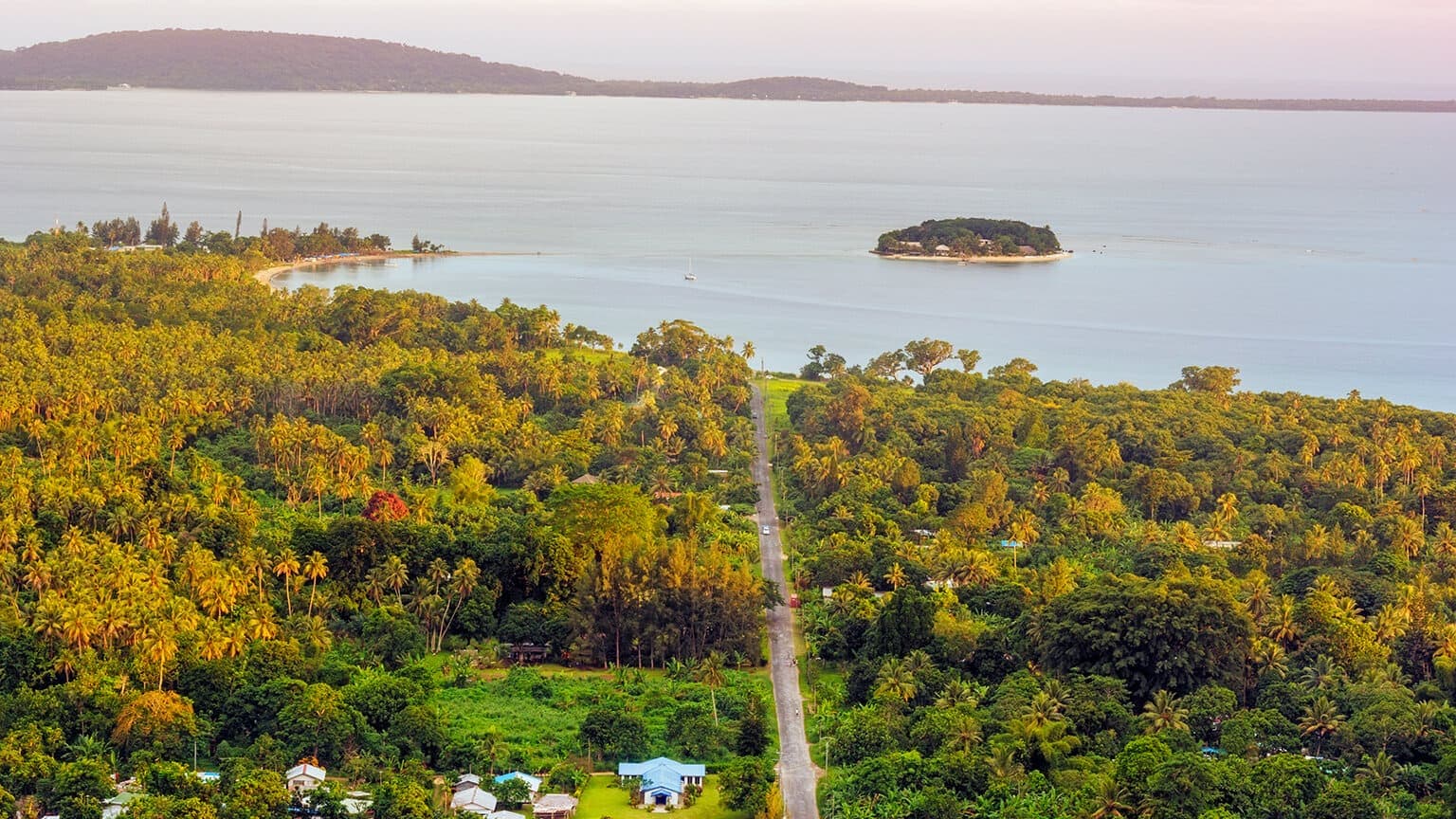
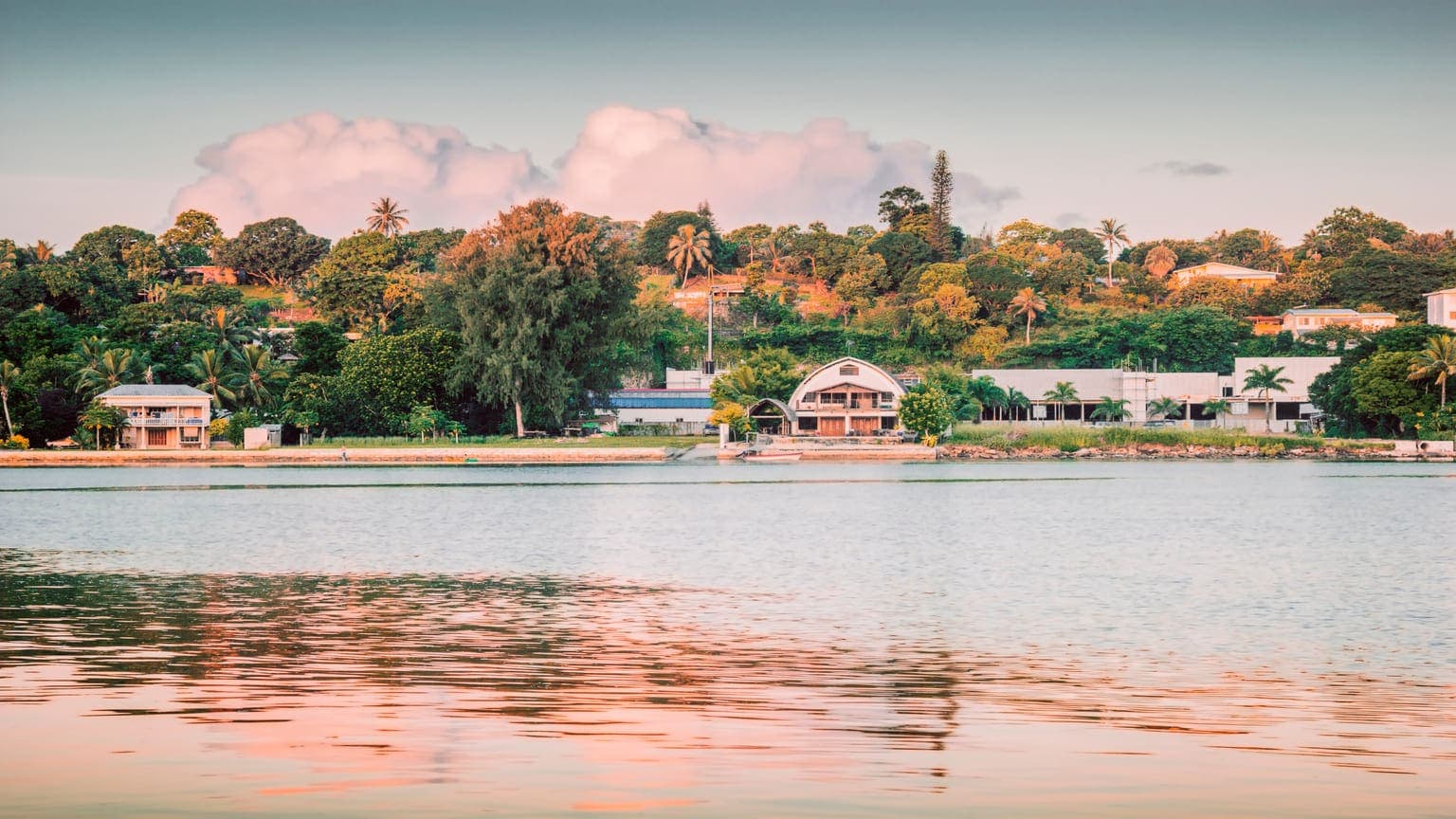
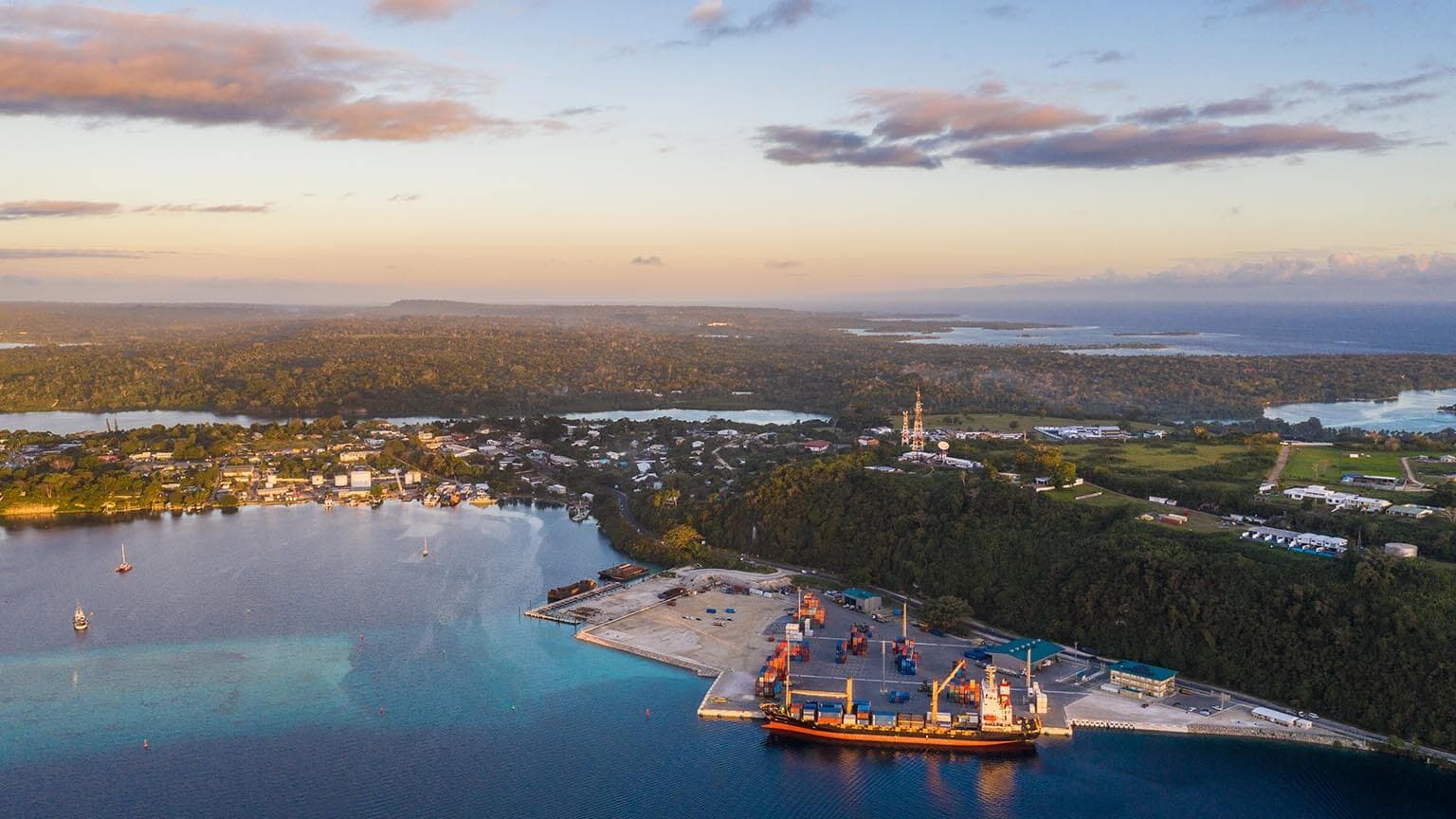
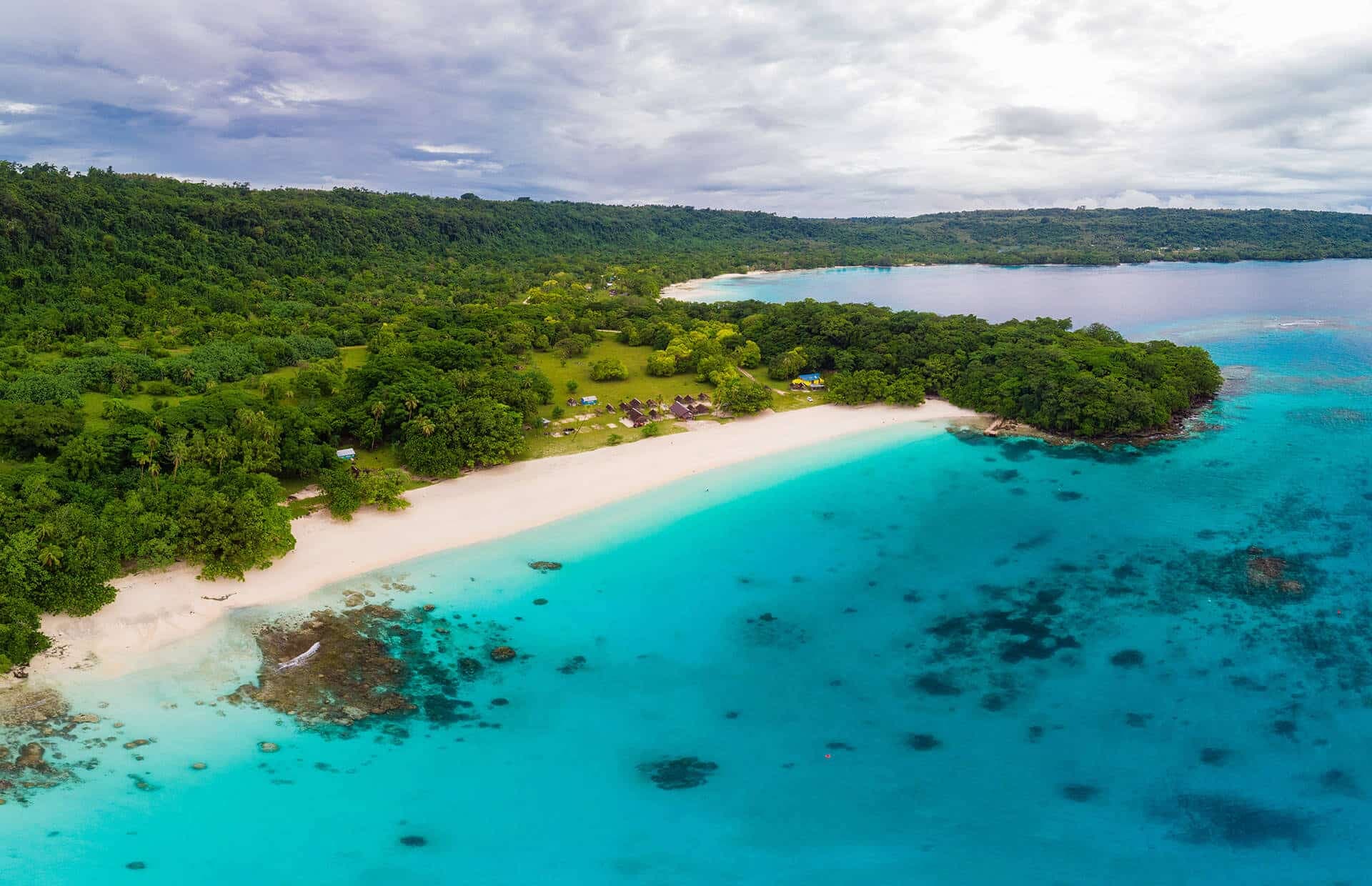
— Vanuatu is an island nation in the South Pacific, east of Australia. It is one of the best resort areas in Melanesia. Due to the remoteness of the islands, their pristine nature has been preserved so far, and is one of Vanuatu’s priceless treasures.
People come to the country to immerse themselves in an unusual culture, go diving and spearfishing and see coral reefs. There are relatively few tourists, even from the East or Australia, which is an advantage for those who want a quiet break and to relax away from the crowds.
Vanuatu’s infrastructure is quite well developed. Vanuatu’s British Commonwealth membership provides access to educational scholarships, diplomatic support networks and trade preferences that distinguish it from non-Commonwealth citizenship programs.
The country operates a stable parliamentary democracy with English, French, and Bislama as official languages, reflecting its historical ties to both British and French colonial administration.
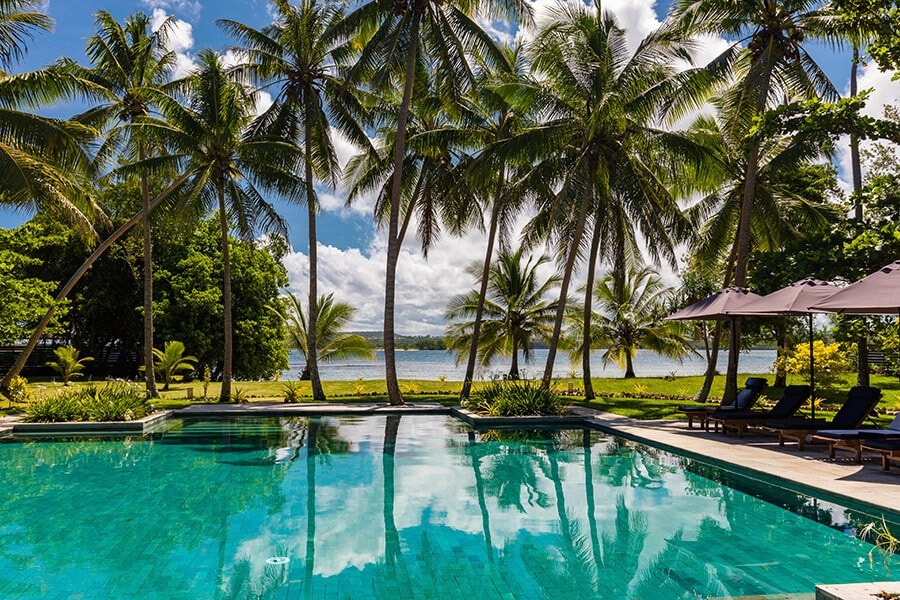
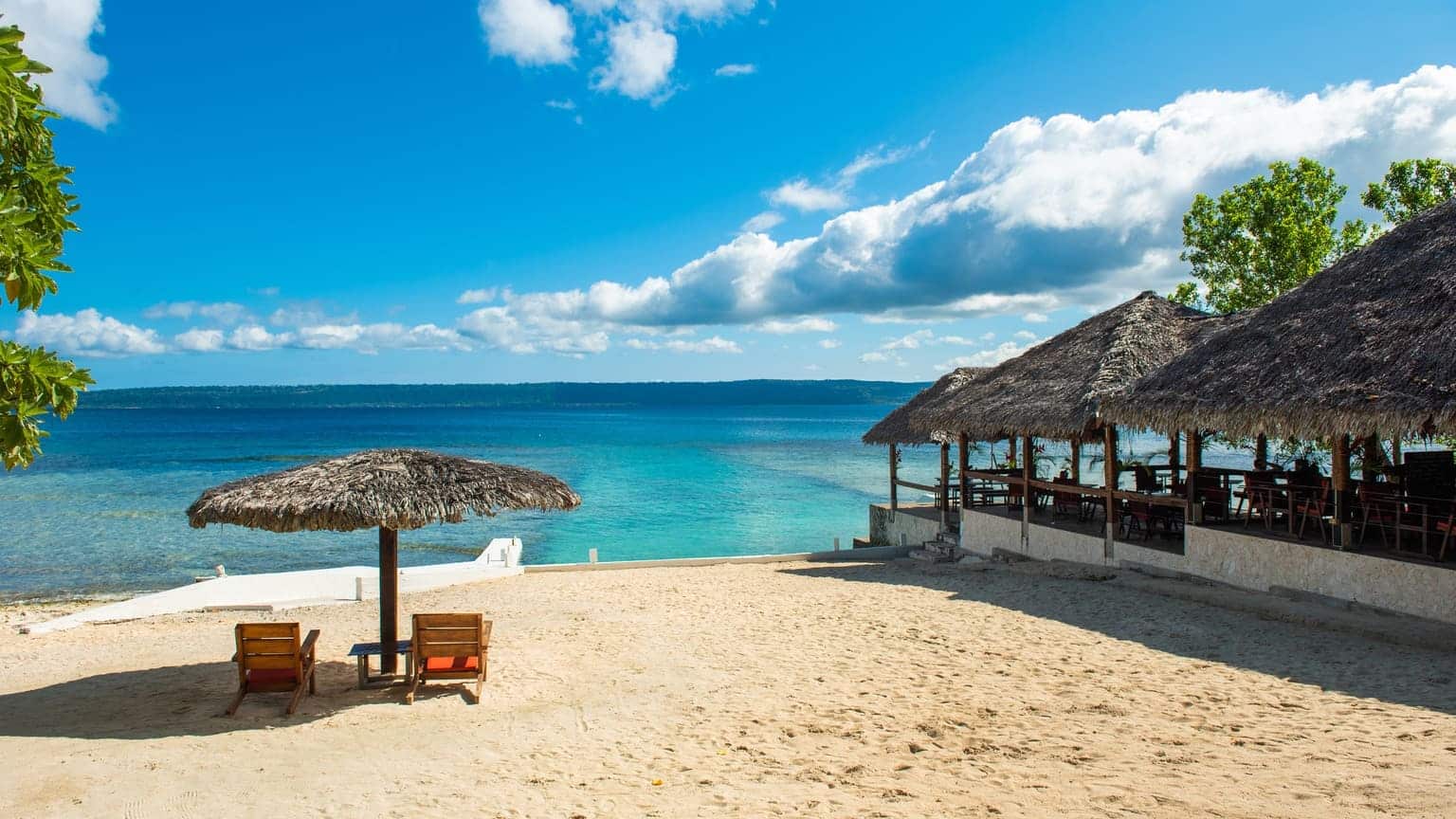
Classical tropical scenery: hotel swimming pool overlooking the ocean on Efate Island in Vanuatu
— What is the Vanuatu citizenship program?
— Vanuatu citizenship by investment is one of the world’s fastest routes to second citizenship, which offers a second passport in 2+ months. Two investment options with different thresholds exist:
- non-refundable contribution to the state fund — $130,000+;
- contribution to the Cocoa Sustainable Development Fund — $165,000+.
Investors do not need to live in the country or pass any citizenship exams to become eligible for passports.
Vanuatu citizenship by investment operates under two primary legal instruments: the Citizenship Act CAP 112[1], the Development Support Programme Regulations[2], and the Capital Investment Immigration Plan Regulations[3]. These establish the framework for eligibility, Due Diligence, application procedures, and timelines.
— How does Vanuatu CBI compare to Caribbean programs?
— Many people know about the benefits of Caribbean citizenship. However, when investors find out that Vanuatu citizenship offers the same opportunities and at the same time is issued faster and is cheaper, they select it. Especially when their time and budget are limited.
Some applicants are put off by the geographical remoteness of Vanuatu. However, in fact, investors rarely have to travel there.
A Vanuatu passport is used as a way to create a Plan B against instability in one’s country of residence or to register companies in a low-tax jurisdiction.
Vanuatu vs. Caribbean countries: comparison
Country
Minimum investment

Vanuatu
$130,000

St Kitts and Nevis
$250,000

Antigua and Barbuda
$230,000

Dominica
$200,000

St Lucia
$240,000

Grenada
$235,000
Country
Processing time
Vanuatu
2+ months
St Kitts and Nevis
4+ months
Antigua and Barbuda
6+ months
Dominica
6+ months
St Lucia
6+ months
Grenada
8+ months
Country
Family inclusion
Vanuatu
Spouse, children under 25, parents over 50
St Kitts and Nevis
Spouse, children under 25, parents over 55
Antigua and Barbuda
Spouse, children under 30, siblings, parents and grandparents over 55
Dominica
Spouse, children under 30, parents and grandparents over 65
St Lucia
Spouse, children under 30, siblings under 18, parents over 55
Grenada
Spouse, children under 30, siblings over 18, parents, grandparents
Country | Vanuatu | St Kitts and Nevis | Antigua and Barbuda | Dominica | St Lucia | Grenada |
|---|---|---|---|---|---|---|
Minimum investment | $130,000 | $250,000 | $230,000 | $200,000 | $240,000 | $235,000 |
Processing time | 2+ months | 4+ months | 6+ months | 6+ months | 6+ months | 8+ months |
Family inclusion | Spouse, children under 25, parents over 50 | Spouse, children under 25, parents over 55 | Spouse, children under 30, siblings, parents and grandparents over 55 | Spouse, children under 30, parents and grandparents over 65 | Spouse, children under 30, siblings under 18, parents over 55 | Spouse, children under 30, siblings over 18, parents, grandparents |
— Who qualifies for Vanuatu citizenship by investment?
Vanuatu citizenship by investment is available to applicants with a legitimate source of funds and their family members including spouse, children, and financially dependent parents.
Vanuatu accepts applicants from most nationalities, unlike some Caribbean programs that maintain restricted nationality lists following international pressure.
Investor
The main applicant must satisfy several eligibility criteria, including a minimum age, a clean criminal record, and a verifiable lawful source of funds.
Age. The applicant must be at least 18. There are no upper age limits.
Clean criminal record. The applicant must provide police clearance certificates from their country of citizenship and any country where they have resided for more than 6 months in the past 10 years. Convictions for serious criminal offences typically result in automatic rejection.
Legal source of funds. The applicant must demonstrate a legitimate source of funds for the investment and all associated fees. Documentation requirements include bank statements, tax returns, business ownership records, employment contracts, property sales agreements or inheritance documentation.
The applicant must also have no outstanding financial obligations or bankruptcy proceedings that could indicate financial instability or fraud risk. There are no minimum net worth requirements beyond the ability to fund the investment and fees.
Good health. A medical certificate confirming absence of contagious diseases is required, though specific health conditions do not automatically disqualify applicants.
Investor’s family members
The conditions of the program allow the following members to be included in the same application as the investor:
- main applicant’s spouse;
- children under 25;
- parents of the main applicant and their spouse over 50 years of age.
Spouses must provide a valid marriage certificate, apostilled and translated into English if originally in another language.
Dependent children aged 18 to 25 must provide proof of full-time enrolment in an accredited educational institution and evidence of financial dependency on the main applicant. Acceptable documentation includes university enrolment letters, tuition payment receipts and affidavits confirming the dependent does not earn independent income.
Marriage or financial independence at any point disqualifies the dependent.
Parents and parents-in-law must be at least 50 years old and financially dependent on the main applicant. Dependency is demonstrated through bank statements showing regular financial support, shared living arrangements or sworn affidavits. Parents must also pass due diligence checks and provide the same supporting documents as the main applicant.
All dependents, regardless of age, undergo the same Due Diligence process as the main applicant, including police clearance certificates and medical examinations.
— What are the investment options under the Vanuatu citizenship by investment?
— The Vanuatu program offers two investment options varying in minimum investment: a non-refundable contribution to the state fund and a CNO Future Fund Option.
State fund contribution
The Vanuatu Development Support Programme, DSP, requires a non-refundable donation to the state fund with no possibility of refund or return. This contribution funds infrastructure projects, educational programs, healthcare improvements, and economic development initiatives across the island nation.
The required contribution increases when family members are included:
- $130,000 for a single applicant;
- $150,000 for a married couple;
- $165,000 for a family of 3;
- $180,000 for a family of 4.
Each additional family member from the fifth adds $15,000[4].
Contribution to the Cocoa Sustainable Development Fund
The investor contributes to the Cocoa Sustainable Development Fund, which supports the growth of the Vanuatu cocoa industry.
After the passport is issued, the applicant also receives a unit in the Cocoa Sustainable Fund CSF valued at $50,000. After 5 years, this unit can be redeemed, allowing the applicant to recover part of the investment.
The investment sum is $165,000 for families of up to 4 people. Each additional family member from the 5th adds $25,000.
— Are there any additional costs aside from the investment?
— Yes, in addition to the main investment amount, applicants should plan for several mandatory and practical expenses that increase the overall cost of the program.
Government and program fees
A Due Diligence fee of $5,500 per application applies regardless of the number of applicants.
In addition, a bank fee is charged, applying to all transactions.
Document preparation costs
Applicants should budget for translation and certification of documents of at least $2,000, with the final amount depending on the number of documents required.
In addition, investors must obtain a National ID Card and Birth Certificate, costing $1,500 per person.
Biometric submission and travel expenses
Biometric submission requires travel to Vanuatu or another designated location. Travel expenses typically range from $1,000 to 3,000 per person, while biometric collection fees vary by location:
- $1,000 in Vanuatu;
- $3,000 in Dubai;
- $3,000 for a consular visit, plus any additional individual expenses.
Payment structure and timing
Some fees are paid in full after the service agreement is signed, while the investment itself is divided into two stages:
- At the application stage, 25% of the investment amount must be paid and is non-refundable in case of rejection.
- The remaining 75% is transferred after approval.
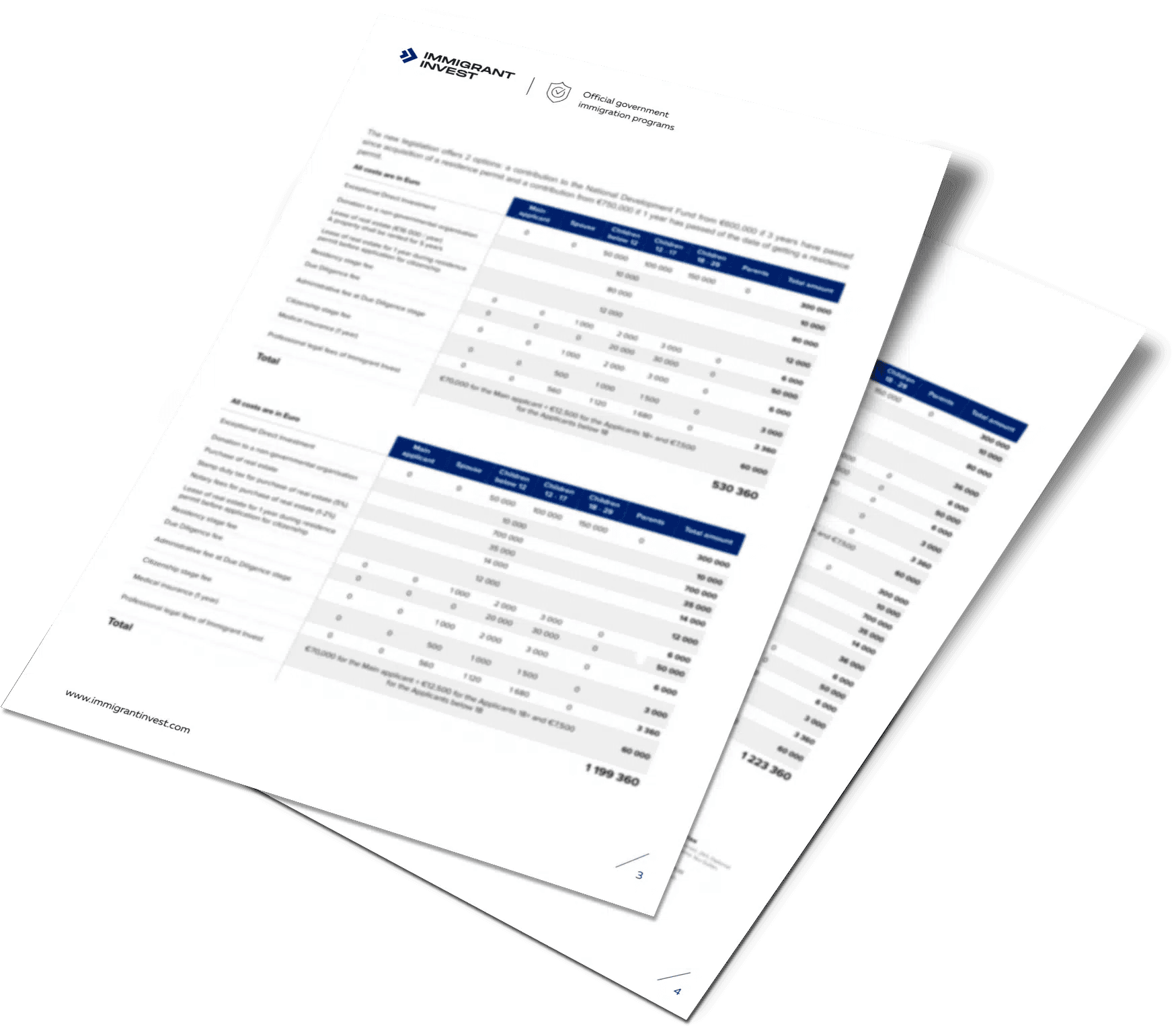
Total cost breakdown depending on the number of applicants
— Is it difficult to get a Vanuatu passport?
— Getting a Vanuatu passport is one of the easiest and fastest ways to get a second citizenship. Very few citizenship programs in the world offer better conditions in terms of speed.
In Immigrant Invest experience, Vanuatu citizenship is usually issued within 2+ months.
The realistic timeline breaks down into six distinct phases.
1 day
Preliminary Due Diligence
Immigrant Invest conducts a preliminary Due Diligence check to identify any circumstances preventing the applicant from participating in the selected program.
Upon successful completion of the check, Immigrant Invest prepares a service agreement to provide further support.
The process is fully confidential.
Immigrant Invest conducts a preliminary Due Diligence check to identify any circumstances preventing the applicant from participating in the selected program.
Upon successful completion of the check, Immigrant Invest prepares a service agreement to provide further support.
The process is fully confidential.
2+ weeks
Document preparation
First, Immigrant Invest lawyers prepare documents for verification by the country’s Financial Intelligence Unit, FIU.
At this stage, a passport, a police clearance certificate, and a CV containing the investor’s biography and career are required.
The investor also has to provide personal and financial records. Immigrant Invest lawyers complete the necessary forms.
First, Immigrant Invest lawyers prepare documents for verification by the country’s Financial Intelligence Unit, FIU.
At this stage, a passport, a police clearance certificate, and a CV containing the investor’s biography and career are required.
The investor also has to provide personal and financial records. Immigrant Invest lawyers complete the necessary forms.
Up to 1 week
Due Diligence
Immigrant Invest lawyers send the documents to the citizenship program’s agent in Vanuatu.
The agent submits the documents to the FIU, which checks the investor’s and family members’ backgrounds.
Due Diligence involves identity verification with issuing authorities, criminal record checks through international law-enforcement databases, verification of the source of funds, screening against global sanctions lists, and checks for politically exposed person status.
If the check reveals adverse information, the government may request additional documentation, impose conditions on approval or reject the application outright.
The Due Diligence fee is non-refundable regardless of outcome.
Immigrant Invest lawyers send the documents to the citizenship program’s agent in Vanuatu.
The agent submits the documents to the FIU, which checks the investor’s and family members’ backgrounds.
Due Diligence involves identity verification with issuing authorities, criminal record checks through international law-enforcement databases, verification of the source of funds, screening against global sanctions lists, and checks for politically exposed person status.
If the check reveals adverse information, the government may request additional documentation, impose conditions on approval or reject the application outright.
The Due Diligence fee is non-refundable regardless of outcome.
2—4 weeks
Applying for citizenship
Following approval from the FIU, attorneys forward the finalised application along with scanned documents to the Vanuatu authorities.
Before this, the investor must deposit 25% of the investment amount and submit payment confirmation together with other required documents.
The Screening Committee and the Citizenship Commission review the submitted documents.
Following approval from the FIU, attorneys forward the finalised application along with scanned documents to the Vanuatu authorities.
Before this, the investor must deposit 25% of the investment amount and submit payment confirmation together with other required documents.
The Screening Committee and the Citizenship Commission review the submitted documents.
Up to 3 months, 3 to 6 weeks on average
Approval and investment
The investor is required to transfer the remaining 75% of the investment amount to the Central Bank of Vanuatu.
This payment must be completed within 90 days following approval of the investor’s application by the Citizenship Commission.
The investor is required to transfer the remaining 75% of the investment amount to the Central Bank of Vanuatu.
This payment must be completed within 90 days following approval of the investor’s application by the Citizenship Commission.
1 day
Biometric submission
The passport is issued after the investment has been received and biometric data has been processed.
For biometric submission, the investor and each family member must travel in person to Vanuatu or to one of its designated overseas representations.
The biometric information is used to produce a chip that is integrated into the passport.
The passport is issued after the investment has been received and biometric data has been processed.
For biometric submission, the investor and each family member must travel in person to Vanuatu or to one of its designated overseas representations.
The biometric information is used to produce a chip that is integrated into the passport.
2—4 weeks
Receiving a passport
Once the authorities receive the agreed investment amount, the Citizenship Commission issues a naturalisation certificate and asks the passport office to produce the passport.
The documents are then delivered to the address the investor chooses.
Once the authorities receive the agreed investment amount, the Citizenship Commission issues a naturalisation certificate and asks the passport office to produce the passport.
The documents are then delivered to the address the investor chooses.
— What are the required documents for Vanuatu citizenship?
— As a rule, the set of documents vary depending on each investor’s individual situation. Immigrant Invest lawyers provide applicants with a list of required papers tailored to them.
For the main applicant
Typically, investors are required to submit the following documents:
- Valid passport with at least 6 months’ validity.
- National identity card if applicable.
- Birth certificate.
- Police clearance certificate from country of citizenship and all countries of residence for more than six months in the past 10 years.
- Medical certificate confirming absence of contagious diseases.
- Proof of address: utility bills, rental agreements or property ownership documents.
- Proof of source of funds: bank statements, tax returns, business ownership documentation, employment contracts, asset sale agreements, or inheritance records.
- Professional references: two letters from bankers, lawyers, accountants, or employers attesting to character and financial standing.
- CV in English detailing education, employment history, and business activities.
- Passport-size photos.
For dependents
The spouse provides all the documents listed for the main applicant, plus a marriage certificate and proof of name change if applicable.
For dependent children under 18, one must provide the following:
- apostilled birth certificates;
- copies of passports;
- notarised consent letter from both parents for citizenship application;
- school enrolment certificate if applicable;
- 2 passport-size photos.
For dependent children aged 18 to 25 all documents for children under 18 are required, plus the following:
- certified university enrolment certificates or acceptance letters;
- proof of full-time student status, such as transcripts or tuition payment receipts;
- notarised affidavits of financial dependency signed by main applicant;
- notarised declarations of unmarried status.
For dependent parents over 50, all documents listed for the main applicant are required. In addition, one must provide the following:
- proof of age, such as apostilled birth certificate or national ID;
- notarised affidavit of financial dependency signed by main applicant;
- proof of relationship to the main applicant, such as apostilled birth certificate of the main applicant showing parent names.
All documents issued outside Vanuatu must be apostilled under the Hague Convention if the issuing country is a signatory, or legalised by the Vanuatu consulate or embassy if not. Documents in languages other than English must be translated by certified translators, with translations notarised and apostilled.
— Do investors need to take an Oath of Allegiance?
— Yes, investors must take an Oath of Allegiance. The process is conducted via secure video conference with a designated Vanuatu government official or honorary consul. All family members included in the application must participate in the oath ceremony individually.
The oath requires the applicant to swear allegiance to the Republic of Vanuatu, renounce any obligation to other states that conflicts with Vanuatu citizenship and commit to uphold the Constitution and laws of Vanuatu. Vanuatu permits dual citizenship, so applicants are not required to renounce their existing citizenship.
The ceremony typically lasts 15 to 30 minutes and is conducted in English. Applicants receive a recording and written confirmation of oath completion for their records.
— What are the common rejection reasons?
— Whilst Vanuatu’s program maintains relatively high approval rates, certain factors consistently trigger rejections or prolonged processing delays.
Unverifiable source of funds
Source of funds issues are the most common reason for rejection. Applicants must clearly document the lawful origin of their funds through tax records, business accounts or asset sales. Proper mitigation requires complete financial evidence prepared by licensed accountants, with certified translations where needed.
Criminal history or non-disclosure
Serious criminal convictions, including fraud, money laundering, terrorism or violent crimes, lead to automatic rejection. Minor offences over 10 years old may be considered with full disclosure and evidence of rehabilitation. Any concealment of criminal history guarantees rejection.
Incomplete or inconsistent documentation
Incomplete or inconsistent documentation can delay processing or result in rejection if discrepancies raise fraud concerns. Common issues include name mismatches, gaps in residence history, and unexplained income changes. Review by licensed agents before submission helps reduce this risk.
Nationality linked to sanctions or high-risk jurisdictions
Applicants from sanctioned or high-risk jurisdictions face enhanced scrutiny and may be rejected after extended Due Diligence. Although Vanuatu has no formal banned nationality list, attempts to obscure nationality through intermediaries or complex structures increase rejection risk.
Politically exposed person status
Politically exposed persons, PEPs, and their immediate family members undergo heightened due diligence. Disclosure of PEP status is mandatory. Successful PEP applications require extensive documentation proving legitimate wealth accumulation and absence of corruption allegations.
— What is the Vanuatu passport’s strength?
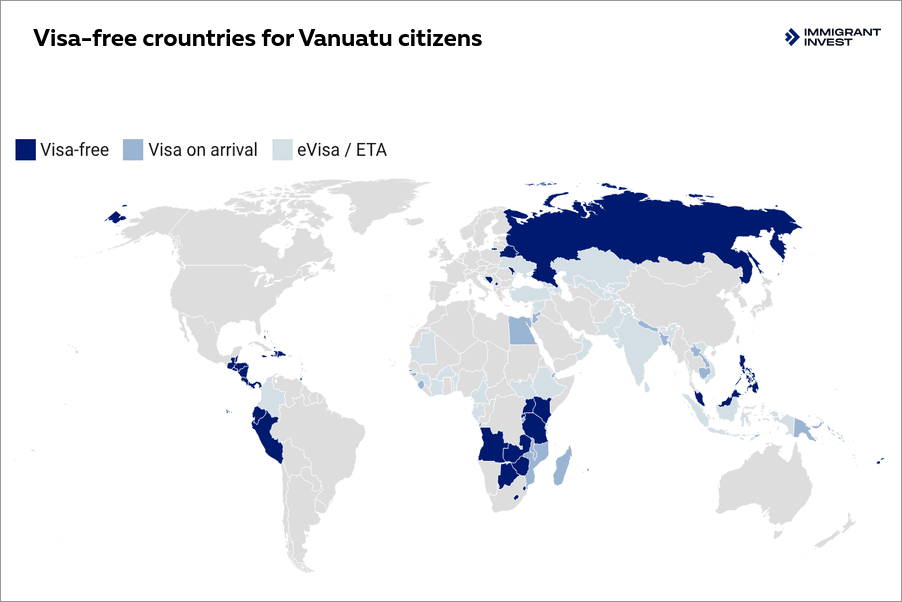
— Vanuatu passport holders enjoy visa-free or visa-on-arrival access to approximately 107 destinations, down from 134 in 2020 due to the EU Schengen revocation[5].
The passport provides strong access to Asia-Pacific, Middle East, Latin America and Commonwealth countries, but requires visas for the United States, Canada, Schengen Area, and most high-income Western destinations.
— Is it possible to get a US visa with a Vanuatu passport?
— Yes, Vanuatu citizens can obtain a US Visa, including the B‑1/B‑2 Visitor Visa[6] issued for up to 5 years. The process takes around 2 weeks.
Application process
Applicants complete the online DS‑160 form on the US Department of State website, pay the non-refundable $185 application fee and schedule an interview appointment at a US consulate or embassy. Vanuatu citizens may apply at US consulates in any country where they have legal status, including visa-free destinations such as Singapore, Hong Kong or the UK.
Interview wait times vary by location but typically range from 2 to 6 weeks. Applicants present their Vanuatu passport, proof of ties to their home country or country of residence, evidence of sufficient funds to cover the trip and a detailed itinerary. Approval is usually communicated within 1 to 2 weeks, with the passport and visa returned by courier.
Entry conditions
The B‑1/B‑2 visa permits stays of up to 180 days per entry, as determined by the US Customs and Border Protection officer at the port of entry. The visa does not grant work authorisation or permit enrolment in full-time academic programs. Violations of visa conditions can result in deportation and future visa denials.
Approval rates for Vanuatu citizens are generally high for applicants with strong financial profiles, clear travel histories and credible purpose of visit. CBI passport holders should be prepared to explain their citizenship status during the interview if asked.
— What are the tax benefits in Vanuatu?
— Vanuatu operates a territorial tax system with one of the world’s most favourable tax regimes for high-net-worth individuals. For instance, the country does not have income, wealth, and capital gains taxes for citizens and tax residents and enjoys 20-year corporate tax exemption.
Zero-tax categories
Zero-tax rate applies to the following:
- income tax, including foreign-source income;
- capital gains on worldwide assets;
- wealth tax, regardless of asset value;
- inheritance;
- estate;
- dividends tax, on domestic or foreign dividends;
- interests income;
- gifts tax.
This zero-tax structure applies to all Vanuatu citizens and tax residents regardless of how citizenship was obtained. Investors relocating to Vanuatu or establishing tax residency can potentially eliminate taxation on global investment income, asset appreciation and intergenerational wealth transfers.
However, obtaining these benefits legally in the investor’s home jurisdiction requires careful tax planning and compliance with exit tax and reporting obligations in the country of prior residence.
20-year corporate tax exemption
International Business Companies, IBCs, established in the country are exempt from taxes for 20 years. Instead of taxes, they make an annual payment of $300 to the government of Vanuatu[7].
The VAT rate for certain domestic transactions is 12.5%, zero tax rate applies to export services. There are also no dividend withholding and capital gains taxes and no stamp duty on share transfers.
To incorporate an IBC, the investor does the following:
- Reserves a name by submitting a proposed company name to the Vanuatu Financial Services Commission for approval.
- Provides incorporation documents, such as articles of incorporation, memorandum of association, details of directors and shareholders, registered office address in Vanuatu, and beneficial ownership declaration.
- Obtains the government approval.
- Pays an incorporation fee and gets a Certificate of incorporation.
- Opens a corporate bank account, which requires corporate documents, director identification, beneficial ownership declaration and business plan.
Investors must ensure compliance with economic substance and anti-money laundering rules in relevant jurisdictions. Banks often apply enhanced Due Diligence to IBC account applications due to global transparency standards.
Owners of IBCs must meet the following annual compliance requirements:
- pay an annual government fee of $300 — due by anniversary of incorporation;
- submit annual return filings — confirmation of registered office, directors and shareholders;
- do accounting and bookkeeping — recommended but not legally required unless the IBC engages in certain regulated activities.
IBCs are often used for holding foreign assets, international trade, consulting or professional services for non-Vanuatu clients, and investment management. Business with Vanuatu residents or ownership of local real estate may trigger additional tax and regulatory requirements.
— Can I open a bank account in a European bank with a Vanuatu passport?
— Opening bank accounts in European institutions with a Vanuatu CBI passport faces significant challenges due to enhanced compliance scrutiny and the December 2024 EU visa revocation.
Major Tier1 European banks including HSBC UK, Barclays, Deutsche Bank, and BNP Paribas may impose restrictions on account opening for CBI passport holders unless the applicant demonstrates substantial economic ties to the bank’s jurisdiction, such as property ownership, employment or business operations generating local revenue.
Investors can use alternative banking access pathways include, such as:
- Presenting original citizenship alongside Vanuatu passport. Applicants who retain their original passport from a recognised jurisdiction can use it as primary identification, disclosing Vanuatu citizenship secondarily. This approach improves approval odds but requires full transparency.
- Engaging private banking divisions. High-net-worth individuals with €500,000+ in liquid assets may access private banking services that conduct individualised risk assessments rather than applying blanket CBI restrictions.
- Opening accounts in non-EU European banks. Swiss, Liechtenstein and Monaco banks maintain different risk frameworks and may be more receptive, though they also impose rigorous source of funds scrutiny.
- Using intermediary jurisdictions. Opening accounts in Singapore, Hong Kong or UAE, then using correspondent banking relationships for European transactions, offers an indirect solution.
Please do not assume that Vanuatu citizenship automatically grants European banking access.
— Are there benefits and concessions for Vanuatu citizens when studying in the UK?
— Yes, Commonwealth scholarships at UK Universities are available for Vanuatu citizens. The children of foreigners who received Vanuatu passports by investment may be eligible to apply for some of these scholarships.
Commonwealth scholarship programs accessible to Vanuatu citizens include the following:
- Commonwealth Rutherford Fellowships. Postdoctoral research fellowships are tenable at UK institutions for 12 to 24 months. Open to citizens of all Commonwealth countries. Applicants must hold a PhD and demonstrate research excellence in science, technology, engineering or mathematics, STEM, fields.
- Commonwealth Master’s Scholarships. Full scholarships for Master’s degree programs at participating UK universities. Eligibility requires Vanuatu citizenship, residency in a Commonwealth country and academic merit. CBI passport holders may face additional scrutiny regarding genuine connection to Vanuatu.
- Commonwealth PhD Scholarships. Full funding for doctoral research at UK institutions. Requires strong academic record and research proposal aligned with Commonwealth development priorities.
- Commonwealth Professional Fellowships. Mid-career professional development programs for 2 to 4 months at UK institutions. Open to Vanuatu professionals in healthcare, education, public administration and other priority sectors.
Scholarship eligibility depends on citizenship, not how it was obtained. However, selection committees favour applicants with clear ties to their country, such as residence, education or employment. CBI passport holders applying soon after acquiring citizenship may be less competitive than long-term or natural-born citizens.
The application deadlines usually fall in October to December each year for programs commencing the following academic year.
— Do investors need to renew Vanuatu passports?
— Yes, Vanuatu passports are issued with a 10-year validity for adults and 5 years for children under 16.
Passport renewal is processed through the Vanuatu Immigration and Passport Services department. Investors do not need to visit Vanuatu in person, as applications may be submitted by mail or through authorised agents.
The process includes the following steps:
- Complete passport renewal application form.
- Submit current Vanuatu passport.
- Provide 2 recent passport-size photos in ICAO format.
- Pay renewal fee.
Renewal applications should be submitted well before passport expiration to avoid processing delays that could affect travel plans.
— What issues does Immigrant Invest help solve after their client obtains a Vanuatu passport?
— Our lawyers not only accompany our clients until they get citizenship but also provide additional services after they get citizenship.
Most often, our clients contact us with the following requests:
- IBC registration and annual compliance. Assistance with International Business Company incorporation, registered agent services, annual return filing and maintaining good standing with the Financial Services Commission.
- Banking introductions. Liaison with Vanuatu banks and international institutions willing to onboard CBI clients, preparation of banking application packages and due diligence support.
- Vital document issuance. Obtaining Vanuatu birth certificates for children born after citizenship acquisition, marriage certificates for weddings conducted in Vanuatu and certified copies of citizenship certificates.
- Passport and ID card renewals. Managing renewal applications, document collection and courier services to minimise client travel requirements.
- Real estate acquisition support. If Vanuatu permits CBI citizens to purchase property, agents assist with title searches, purchase agreements and registration.
- Legal representation. For disputes involving Vanuatu authorities, contract enforcement or regulatory compliance matters.
— Tell us about the unusual cases in which investors have chosen a Vanuatu passport.
— Vanuatu citizenship attracts political refugees seeking unrestricted travel, entrepreneurs requiring neutral business registration jurisdictions and investors needing rapid second passport acquisition.
Recent examples include a Thai political refugee using Vanuatu citizenship for international travel while under asylum status.
Political refugee from Thailand: mobility and business registration
We were approached by a Thai political refugee, Narong, who was temporarily residing in Germany. Travelling outside the European Union with his Thai passport risked deportation to Thailand, prompting him to seek a second citizenship. He chose Vanuatu.
After obtaining Vanuatu citizenship, Narong was able to travel freely, including spending four months in the UK before returning to Germany. He also registered a company in Vanuatu and benefited from the country’s favourable tax regime.
Narong’s case highlights how Vanuatu citizenship can help individuals facing political or mobility restrictions in their home countries. For Thai activists and refugees with temporary protection in Europe, national passports often prevent international travel due to the risk of detention or surveillance.
A Vanuatu passport provided Narong with a neutral travel document, enabling movement between visa-free destinations without exposure to Thai authorities.
Armenian family: mobility planning amid safety risks
An Armenian entrepreneur, Arthur, applied for Vanuatu citizenship together with his spouse and son. The family’s primary objective was to secure a second passport for their child before the age of 14, amid concerns about potential travel restrictions linked to mobilisation rules in Armenia.
Initially, the family considered Caribbean citizenship, but rising program costs and prolonged processing timelines made that option impractical. Vanuatu was ultimately selected due to its faster processing timeframe and lower overall investment threshold.
Arthur and his family obtained Vanuatu citizenship within approximately 3 months. The total cost amounted to about $165,000, including investment and Due Diligence fees.
— Zlata, what is your advice to those who are choosing a country of second citizenship?
— First of all, think of your goals rather than simply follow the fashionable trend when selecting a country for a second passport. When Pavel Durov obtained a St Kitts and Nevis passport by investment, many of our clients also wanted to apply for citizenship of this particular country.
I hope that in the future one of our famous clients will choose to get a Vanuatu passport: then there will be a dramatic increase in the number of international citizens with a Vanuatu passport.
Vanuatu citizenship by investment is beneficial for the following investors:
- Speed-critical applicants. Investors who need a second passport within 60 to 90 days due to travel restrictions, business opportunities or urgent family circumstances. Very few programs match Vanuatu’s processing speed.
- Cost-sensitive HNW individuals. Applicants with budgets under $200,000 for a family who prioritise affordability over maximum visa-free access. Vanuatu’s $130,000 single-applicant cost undercuts all Caribbean alternatives.
- Non-Schengen-dependent travellers. Investors whose primary mobility needs focus on Asia-Pacific, Middle East, Russia, or Latin America rather than Europe. Vanuatu’s visa-free countries cover these regions despite Schengen loss.
- Tax optimisation seekers. HNW individuals seeking a zero-tax jurisdiction for personal or corporate tax planning, combined with fast citizenship acquisition.
- Applicants from non-aligned geopolitical contexts. Middle Eastern or Asian nationals seeking a neutral second passport that avoids Western or Eastern bloc associations.
Vanuatu citizenship might not be suitable for the following investors:
- European travel priorities. Applicants who travel frequently to Schengen countries for business or family should choose Caribbean alternatives that retain visa-free access.
- Banking-centric strategies. Investors who expect Vanuatu citizenship to unlock European or Tier1 banking will likely face disappointment. CBI passports face enhanced scrutiny regardless of jurisdiction; original citizenship matters more for banking access.
- Maximum global mobility seekers. Applicants prioritising the highest possible visa-free count should select Antigua and Barbuda or Grenada with around 140 visa-free destinations over Vanuatu’s approximately 100.
- Reputation-sensitive Tier1 professionals. Western European or North American professionals in finance, law or other regulated industries may find that CBI passport association outweighs practical benefits.
Additionally, investors who plan to physically relocate should consider residence by investment programs offering pathways to naturalisation in desirable jurisdictions rather than instant citizenship in remote islands.
Key takeaways: is Vanuatu citizenship right for you?
- Vanuatu citizenship by investment is one of the fastest and most affordable routes to a second passport, with the minimum investment of $130,000. The processing takes 2+ months.
- Vanuatu suits investors focused on speed, cost efficiency, tax benefits, and an Asia-Pacific or global travel profile outside Europe.
- The program’s position changed after the EU revoked Schengen access in December 2024, which placed Vanuatu behind Caribbean alternatives in overall passport strength. However, for investors aligned with Vanuatu’s strengths, the program remains competitive.
- Successful applicants need a clearly documented source of funds, realistic expectations about European banking access, and an understanding that visa-free privileges can change over time.
Immigrant Invest is a licensed agent for citizenship and residence by investment programs in the EU, the Caribbean, Asia, and the Middle East. Take advantage of our global 15-year expertise — schedule a meeting with our investment programs experts.

Will you obtain Vanuatu citizenship?
-
Master the residency process
-
Get expert tips and documents
-
Estimate costs accurately
 Trusted by 5000+ investors
Sources
- Source: Full text of the Vanuatu Citizenship Act
- Source: Full text of the Citizenship Development Support Program Regulations Order № 33 of 2019
- Source: Republic of Vanuatu Official Gazette
- Source: Official website of the Vanuatu Citizenship’s Office and Commission
- Source: Vanuatu Department of Immigration and Passport Service: EU halts Vanuatu visa-free access
- Source: Official website of the US Department of State: Visitor Visas
- Source: Law of the Republic of Vanuatu concerning International Companies