
Summary
There are officially 4.4 million stateless people worldwide[1]. For a small group with sufficient resources, citizenship-by-investment and Golden Visa programs offer a potential way to secure a passport and full legal identity.
São Tomé and Príncipe and Grenada are among the few CBI programs that accept stateless applicants, with minimum investments of $90,000 and $250,000. São Tomé and Príncipe takes about 2 months, while Grenada takes around 8 months but offers a stronger passport and extra benefits.
Who is a stateless person?
A stateless person is someone whom no country recognises as its national under its laws[2]. Stateless persons live in every region of the world, with large groups in Europe, the Middle East and North Africa, South and South-East Asia, and parts of Sub-Saharan Africa. UNHCR estimates at least 4.4 million people are stateless or of undetermined nationality, although the real figure is higher.
Many wait years for any formal recognition as stateless, and in countries without a dedicated procedure — such as Malaysia, North Macedonia, or Australia — they may never be recognised at all.
Citizenship-by-investment programs and Golden Visas can be a direct way to solve this legal gap for stateless people. However, access depends on each country’s eligibility rules, which the next sections explain.

How the lack of citizenship limits everyday life for stateless persons
The 1954 Convention sets a baseline of protection for stateless persons[3], and on paper, these rights look solid. In reality, the absence of nationality still determines how a person can move, work, study, access money, and plan a future.
Most systems are designed around citizens and clearly documented foreign nationals. When someone has neither, even everyday tasks turn into long negotiations with authorities and banks. Outcomes differ by country, but the same patterns repeat.
Practical limitations in daily life
Typical real-world barriers include:
- lack of a national passport, which limits travel and visa options;
- unstable or temporary residence status, creating a risk of losing legal stay;
- difficulty obtaining formal employment, as employers require clear legal status;
- restricted access to banking and other financial services;
- limitations on buying, inheriting, or renting property on a long-term basis;
- inconsistent access to healthcare, social support, and higher education;
- ongoing paperwork, frequent checks, and delays, with no clear path to citizenship.
Naturalisation systems are built for people who already have a passport, stable residence, and full documentation, so many stateless applicants fail at the very first step: they cannot show the papers or residence history that the law expects.

Albert Ioffe,
Legal and Compliance Officer, certified CAMS specialist
Because stateless persons face documentary and residence constraints, standard naturalisation routes are often unavailable. This is why investment-based pathways deserve separate consideration: in successful cases, they open the door to a first passport, secure residence, and full legal protection.
How the world is responding to statelessness
Global attention to statelessness has grown in recent years. UNHCR’s #IBelong campaign and the Global Action Plan to End Statelessness have helped over half a million people acquire a nationality and encouraged states to reform nationality laws, protect stateless children, and set up identification procedures[4].
In Europe, statelessness is increasingly acknowledged. The European Parliament has noted with concern the number of stateless people in the EU, especially children born stateless, and has called for an EU-wide strategy and action plan[5]. Some Member States are starting to respond: for example, the Netherlands is now creating a formal statelessness determination procedure and simplified routes to nationality for stateless children[6].
Immigrant Invest, as a member of the Investment Migration Council, sees statelessness as a problem that investment migration can help to address, not ignore. Immigrant Invest supports efforts to ensure that stateless people can access lawful routes to citizenship, including citizenship by investment.
On September 24th, 2025, a historic session on statelessness took place in the European Parliament, organised by a European network advocating for the rights of stateless people. Albert Ioffe, Legal and Compliance Officer at Immigrant Invest, participated in the session, addressing the issue of Latvian non-citizens and proposing amendments to citizenship legislation.
Albert Ioffe,
Legal and Compliance Officer, certified CAMS specialist
I am a Latvian non-citizen, already in the third generation. I have faced lifelong discrimination: treated as stateless everywhere in the world, excluded from EU benefits and rights in education, employment and healthcare, stopped at borders for additional checks and even officially denied entry to certain countries.
Main pathways to citizenship for stateless persons
Stateless persons have several legal routes to acquire citizenship, each coming with its own conditions and limits. The main options are direct citizenship by investment, residence that later leads to naturalisation, and special procedures aimed specifically at resolving statelessness.
Citizenship by investment
Citizenship by investment, CBI, programs offer naturalisation in exchange for a qualifying investment, usually in real estate, government funds, or business projects. They are designed for investors who can demonstrate a clean background and a clear, legal source of funds.
For a stateless person, access to CBI typically depends on three points:
- program formally accepts stateless applicants;
- applicant can provide enough documents to prove identity and personal history;
- Due Diligence provider can verify personal history across several countries or territories.
São Tomé and Príncipe and Grenada are among the few CBI programs that allow stateless persons to participate, provided applicants can supply all necessary documentation.

Citizenship through special provisions
Some countries create simplified or special procedures that focus directly on resolving statelessness[7]. These may include:
- automatic or facilitated citizenship for children born stateless on the territory;
- shortened residence periods or eased requirements for recognised stateless adults;
- group naturalisation measures for long-term stateless communities;
- restoration or confirmation of nationality where a legal link to the state previously existed.
For example, France and Portugal automatically grant or facilitate citizenship for children born on their territory who would otherwise be stateless.
These provisions aim to reduce and prevent statelessness, and they can offer a more realistic path for those who cannot meet standard investment, income, or documentation thresholds.
Residency-first routes leading to naturalisation
The more common route for stateless persons is residence first, citizenship later. A state grants a residence status, then after a minimum number of years and subject to conditions, the person may apply for naturalisation.
Residence can arise in different ways:
- ordinary residence permits based on work, study, or family ties;
- humanitarian or protection-based residence;
- specific residence status for recognised stateless persons;
- residence-by-investment programs.
Naturalisation usually requires lawful and continuous residence, good character, no serious criminal record, and language or integration tests.
Evidence and requirements for stateless applicants
Investment-based programs apply strict documentary and Due Diligence standards to all applicants, including stateless persons. The key questions concern identity, confirmation of stateless status, and the lawful origin of funds.
Proof of identity
Program rules usually start with a clear, verifiable identity. For a stateless applicant, this may involve a wider set of documents, for example:
- Travel documents.
- Expired passports, national identity cards, or other historic documents from a former country of habitual residence.
- Birth certificates and civil-status records, such as marriage or divorce certificates.
- Residence permits, registration cards, or other documents issued by the host state.
- The UN Refugee Agency, UNHCR, or other international-organisation identification.
- Recent photographs and biometric data collected by the host state.
Authorities often require certified copies, legalisation or apostilles, and official translations into the language used in the program.
Proof of stateless status
To treat an applicant as stateless, authorities look for formal confirmation rather than personal statements alone. Common forms of evidence include:
- Decision from a national statelessness determination procedure.
- Official letter from a government body confirming the absence of nationality.
- Court judgment that recognises the person as stateless.
- Documents where nationality is recorded as “stateless”, “none”, or equivalent.
- Certificates or attestations from UNHCR, recognised by the state.
Where no formal procedure exists, programs may still expect clear documentation that the previous nationality has been lost and no new nationality has been acquired.
Proof of source of funds
Stateless applicants are assessed under the same anti-money-laundering and counter-terrorist-financing standards as other investors. Typical documents include:
- Bank statements showing accumulation and movement of funds.
- Employment contracts, payslips, or employer letters confirming income.
- Company registration documents, financial statements, and dividend records for business owners.
- Sale-and-purchase agreements for real estate, securities, or other assets.
- Inheritance, gift, or trust documents, where relevant.
- Tax returns or tax residency certificates, if available in the country of residence.

Risks and difficulties for stateless CBI applicants
For stateless CBI applicants, typical problems include:
- Identity verification gaps. Fragmented or outdated documents make it harder to confirm identity and travel history.
- Insufficient statelessness proof. Lack of formal recognition means programs may not accept available evidence.
- Source of funds opacity. Limited banking and employment records complicate proof of lawful income and assets.
- Geopolitical sensitivity. Links to certain regions or communities can trigger extra political and security checks.
- Higher refusal probability. Because of these factors, applications are more likely to face delays or refusals.
Immigrant Invest conducts preliminary Due Diligence to keep the refusal rate at about 1%. For stateless applicants, this stage is especially important: lawyers check identity documents, proof of stateless status, and potential red flags before any government submission.
If serious issues are found, the team can request additional evidence, adjust the application strategy, or recommend another route rather than risk an official refusal.
Albert Ioffe,
Legal and Compliance Officer, certified CAMS specialist
There are no exemptions for stateless applicants: they are expected to provide the full set of required documents, just like any other applicant. Each case is assessed individually, because not all stateless travel documents are recognised in the same way — some may be accepted by certain states, while others are not.
Civil-status certificates are also mandatory, or the applicant must submit equivalent documents that confirm birth and explain why the original certificate cannot be provided. Ultimately, the decision on whether the alternative documents are acceptable rests with the competent state authorities.
CBI programs open to stateless applicants
Two CBI programs are available to stateless persons: São Tomé and Príncipe, and Grenada in limited, case-by-case situations, provided applicants can supply all required documents.
São Tomé and Príncipe
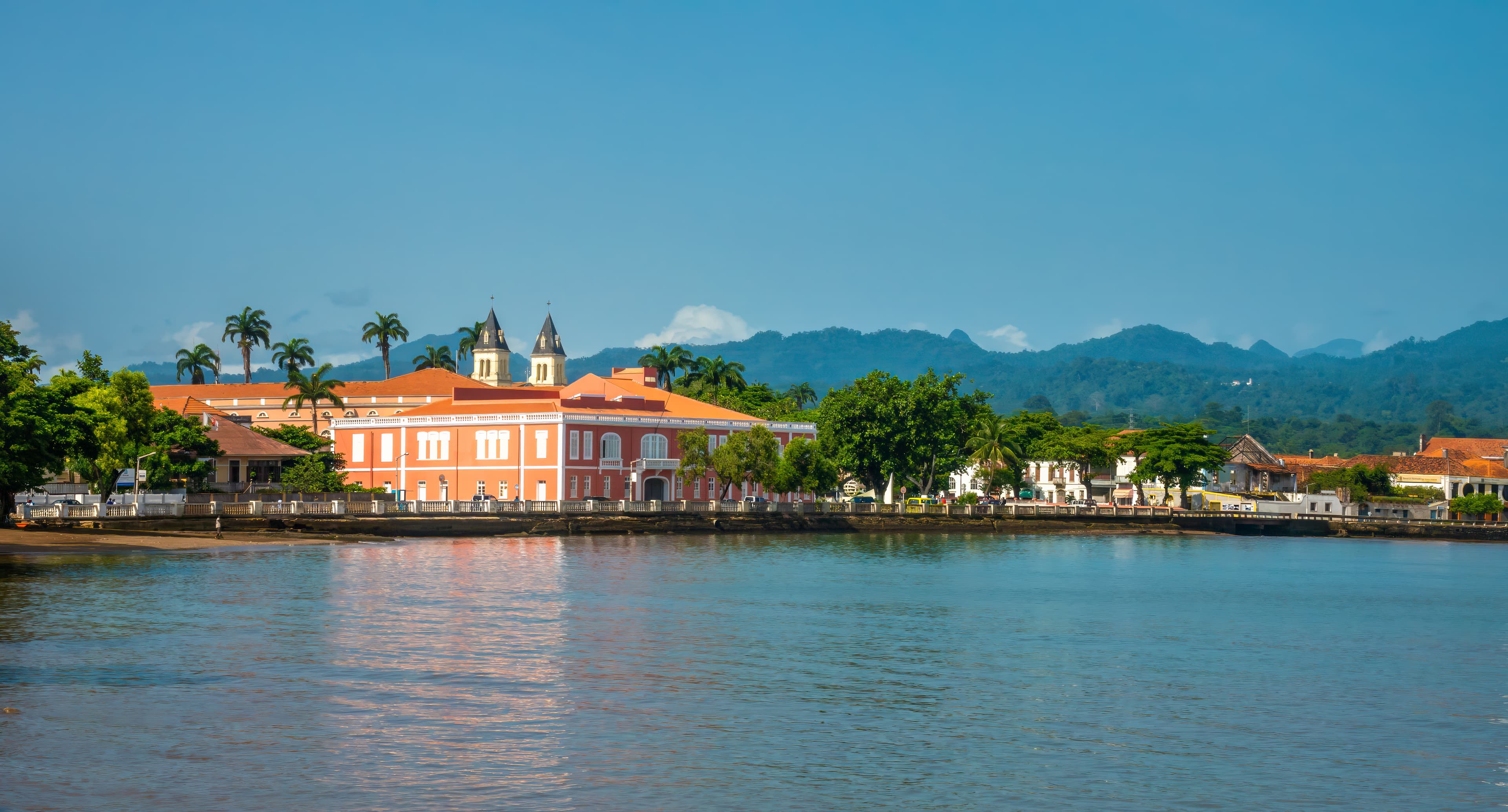
São Tomé and Príncipe is an island state in the Gulf of Guinea, a member of the United Nations and recognised worldwide as a sovereign country. Its passport allows visa-free or visa-on-arrival travel to 71 destinations, including Singapore, Hong Kong, and several Southern African states.
The minimum investment is $90,000 under São Tomé and Príncipe CBI program. This is a non-refundable contribution to the National Transformation Fund, which finances projects in renewable energy, education, and infrastructure.
Family members can join the investor. Eligible applicants include spouses, children under 30, and parents and grandparents over 55.
São Tomé and Príncipe citizenship obtaining process takes 2 months, offering a fast route to citizenship with no requirement to visit São Tomé and Príncipe. Citizenship applicants are also not required to undergo an interview, take language or history tests, or travel to São Tomé and Príncipe in person.
Grenada
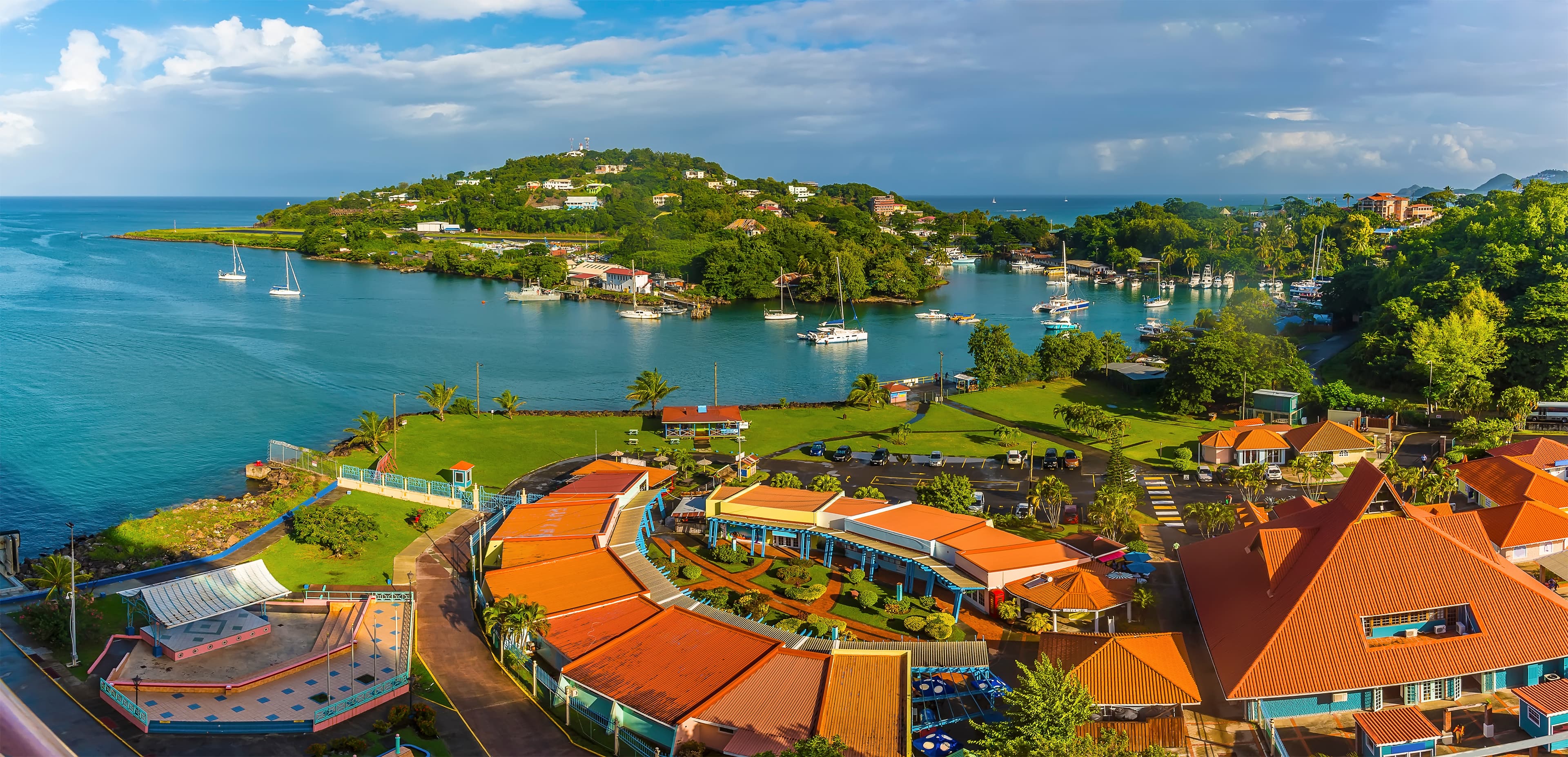
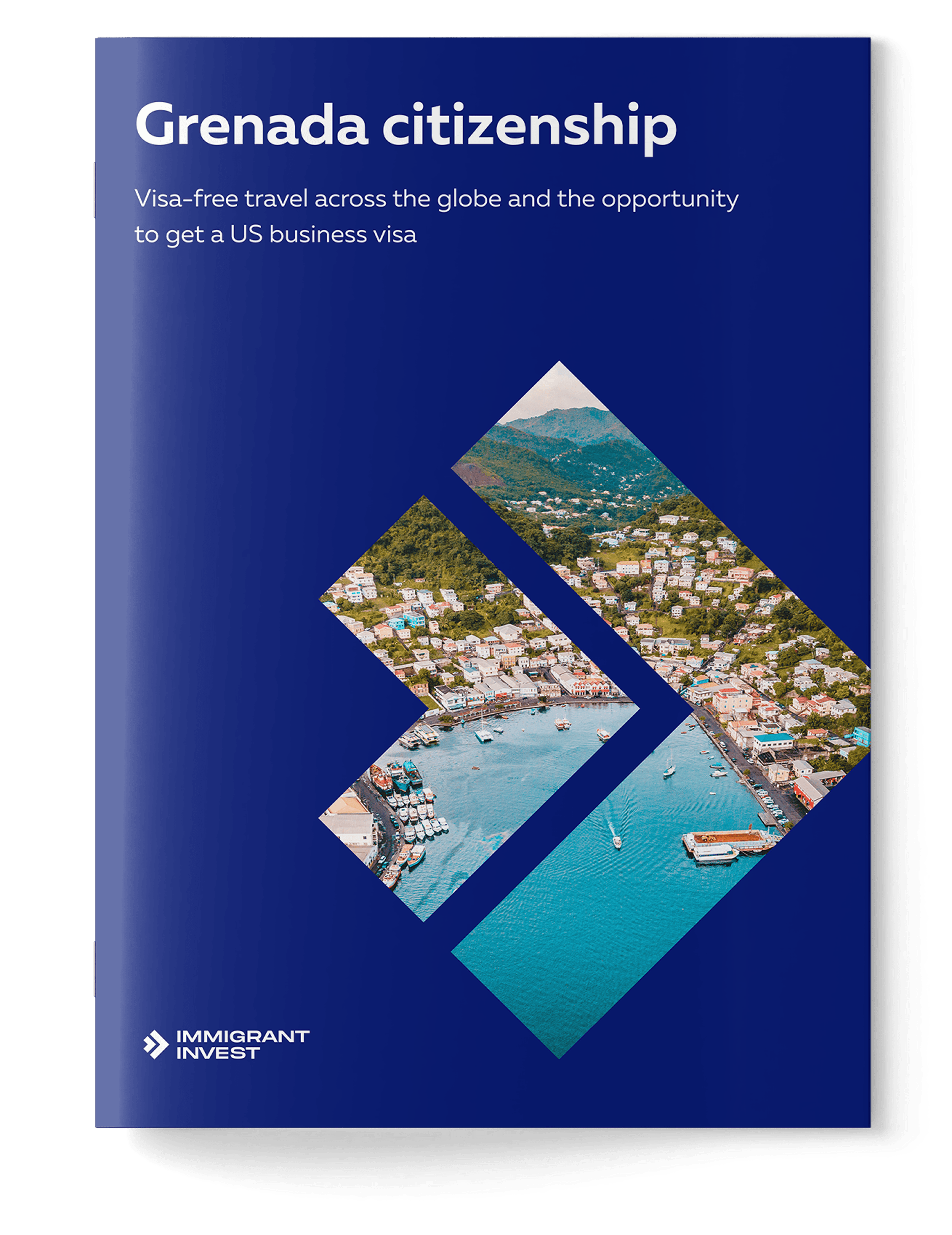
Since summer 2025, Grenada has also allowed stateless applicants to obtain citizenship by investment, although each case is assessed individually. Grenadian citizens can enter 141 countries without visas, including the UK, the Schengen states, Singapore, Ireland, Saudi Arabia, Hong Kong, and China.
Investors with Grenada passports may apply for an E-2 visa to live and work in the USA by starting or buying a business and can obtain a B-1/B-2 visa for tourism, business or medical visits, staying up to 180 days a year.
Two investment options are available under Grenada CBI program:
- Fund contribution — $235,000+.
- Real estate purchase — $270,000+.
Family members can be included in the CBI application: a spouse, children under 30, parents, grandparents, and siblings.
Grenada citizenship process takes about 8 months, with no language test, history exam, or visit to Grenada required.
Step-by-step process for stateless applicants pursuing CBI
The process of obtaining São Tomé and Príncipe citizenship is much faster than in Grenada: typically about 2 months versus around 8 months. For stateless applicants, both programs may require extra time for identity checks and document verification, so the overall processing period can exceed these standard timeframes.
Below is a step-by-step guide to how the procedure usually unfolds, based on Immigrant Invest’s legal practice.
1 day
Preliminary Due Diligence
Immigrant Invest conducts an internal check on the applicant, including sanctions, background and basic eligibility, and recommends the most suitable program. This stage helps to identify risks early and adjust the application strategy.
Immigrant Invest conducts an internal check on the applicant, including sanctions, background and basic eligibility, and recommends the most suitable program. This stage helps to identify risks early and adjust the application strategy.
2+ weeks
Preparation of documents
Immigrant Invest lawyers draw up a list of required documents, help collect and certify them, and complete all government forms. The full application package is then submitted to the competent authority.
São Tomé and Príncipe: the package is sent to the CIU, which issues an application invoice;
Grenada: the package is filed with the Investment Migration Agency, IMA.
Immigrant Invest lawyers draw up a list of required documents, help collect and certify them, and complete all government forms. The full application package is then submitted to the competent authority.
São Tomé and Príncipe: the package is sent to the CIU, which issues an application invoice;
Grenada: the package is filed with the Investment Migration Agency, IMA.
Up to 6 months
Government Due Diligence and application processing
The competent authority conducts comprehensive Due Diligence, checking the applicant’s background and eligibility and preparing a recommendation for the relevant ministry or cabinet. A decision is then issued in the form of an approval or refusal.
São Tomé and Príncipe: no interview is required.
Grenada: applicants aged 17+ must attend an interview as part of the process.
The competent authority conducts comprehensive Due Diligence, checking the applicant’s background and eligibility and preparing a recommendation for the relevant ministry or cabinet. A decision is then issued in the form of an approval or refusal.
São Tomé and Príncipe: no interview is required.
Grenada: applicants aged 17+ must attend an interview as part of the process.
Up to 90 days
Investment and payment of state fees
After approval, the applicant fulfils the chosen investment option and pays all state fees for citizenship and passport issuance, then provides proof of payment and signed oath forms.
São Tomé and Príncipe: payments may be made within 90 days.
Grenada: payments must usually be completed within 30 days.
After approval, the applicant fulfils the chosen investment option and pays all state fees for citizenship and passport issuance, then provides proof of payment and signed oath forms.
São Tomé and Príncipe: payments may be made within 90 days.
Grenada: payments must usually be completed within 30 days.
1+ month
Issuance of citizenship and passport
Once all formalities are completed, the authority issues the certificate of registration, national ID, and passport. The documents are sent to Immigrant Invest and then forwarded to the client. In both programs, the entire procedure can be completed remotely without visiting the country.
Once all formalities are completed, the authority issues the certificate of registration, national ID, and passport. The documents are sent to Immigrant Invest and then forwarded to the client. In both programs, the entire procedure can be completed remotely without visiting the country.
Golden Visas as an alternative for stateless applicants
Residence-by-investment programs can be a strong starting point on the path to citizenship.
Countries like Greece, Portugal, Malta, Cyprus, Hungary, Latvia, and Italy grant residence permits in return for significant contributions. These countries permit stateless persons to submit applications under the program. Residence holders gain access to visa-free travel across the Schengen Area, as well as free primary education and healthcare.
After 7 to 11 years, investors can apply for citizenship if they pass language exams at the A2 or B1 level, pass integration and civic tests, and spend more than half of each year in the country throughout the qualifying residency period.
Country | Path to citizenship | Minimum investment | Family inclusion | Obtainment time | Language proficiency for citizenship |
|---|---|---|---|---|---|
7 years | €250,000 | Spouse, children under 21, parents | 4+ months | B1 level of Greek | |
8 years | €300,000 | Spouse, children | 9+ months | A2 or B1 level in Greek | |
5 years | €250,000 | Spouse, children under 26, parents | 12+ months | A2 level of Portuguese | |
10 years | €50,000 | Spouse, children under 18 | 3+ months | Level enough to understand and communicate in Latvian | |
10 years | €250,000 | Spouse, children | 4+ months | B1 level of Italian | |
11 years | €250,000 | Spouse, children under 18, parents | 5+ months | Level enough to understand and communicate in Hungarian |


Greece — 7 years to citizenship
Greece is the most popular Golden Visa program, with almost 70,000 permits issued to investors and their families[8]. Investors become eligible to apply for Greek citizenship 7 years after receiving a Golden Visa.
Investment options. Greece offers one of the broadest sets of qualifying investments. The main options are:
- real estate purchase — €250,000;
- fund units — €350,000;
- bank deposit — €500,000.
Investors may let out their properties on a long-term basis, usually earning yields of 4.5—10% a year. After 5 years and once long-term status is secured, the property can be sold, with capital gains often in the 7—9% range.
Family eligibility. A spouse or registered partner, children under 21, and the parents of both the applicant and their partner may join the application.
Path to citizenship. After 5 years, investors can obtain permanent residence. A further 2 years of residence and Greek at B1 level are then required before applying for citizenship[9].

Trusted by 5000+ investors
Will you obtain residence by investment in Greece?
Cyprus — 8 years to citizenship
Cyprus grants permanent residence from the outset rather than a classic Golden Visa. After 8 years of residence, investors may apply for Cypriot citizenship.
Investment options. There are four main pathways, each with a minimum of €300,000:
- purchase of residential or commercial property;
- acquisition of shares in local companies;
- subscription to units in Cyprus-based investment funds.
Rental of property is allowed, with typical yields in the 4—6% range each year.
Family eligibility. The main applicant may include a spouse or partner, children under 25, and children of any age with physical or mental disabilities.
Path to citizenship. As permanent residence is granted immediately, the next step is an application for citizenship after 8 years, with Greek at A2 or B1 level[10].

Portugal — 5 years to citizenship
Portugal is the second-largest Golden Visa market, with around 50,000 applications pending[11]. It was once the quickest route to citizenship, but investors now apply only after 10 years of residence.
Investment options. The most popular routes are:
- support for arts and culture — €250,000;
- investment in fund units — €500,000.
Fund strategies vary, with returns generally in the 2—20% range and dividends paid quarterly or annually.
Family eligibility. A spouse or partner, children under 26, and parents over 65 can be included.
Path to citizenship. Investors may obtain permanent residence or apply for citizenship after 5 years of living in Portugal. In both cases, they must demonstrate knowledge of the Portuguese language at A2 level[12].
However, the timeline to citizenship may soon change. In November 2025, the government proposed amendments, later approved by parliament, that would extend the minimum residence period to 10 years for most nationalities and to 7 years for EU citizens and nationals of the Community of Portuguese Language Countries. The law has not yet come into force.

Trusted by 5000+ investors
Will you obtain residence by investment in Portugal?
Latvia — 10 years to citizenship
The Latvia Golden Visa offers three qualifying routes:
- equity investment into the share capital of a Latvian company — €50,000;
- purchase of real estate in Riga or within a 30 km radius — €250,000;
- fixed-term bank deposit with a Latvian credit institution — €280,000.
Family eligibility. A spouse and children under 18 may be added to the main application.
Path to citizenship. Investors first qualify for permanent residence after 5 years of continuous stay and Latvian at A2 level[13]. Another 5 years of residence are then required before a citizenship application is possible, with language sufficient to understand and communicate in Latvian[14].

Trusted by 5000+ investors
Will you obtain residence by investment in Latvia?
Italy — 10 years to citizenship
Under the Italy Golden Visa, two routes are most in demand:
- investment in an innovative startup — €250,000;
- investment in an Italian company — €500,000.
Family eligibility. A spouse, children under 18, unmarried adult children who are financially dependent and have no children, and parents may all be included.
Path to citizenship. Permanent residence comes first after 5 years of continuous living in Italy and Italian at A2 level[15]. After a further 5 years, investors can seek citizenship, which requires Italian at B1 level[16].

Hungary — 11 years to citizenship
The Hungary Golden Visa offers two qualifying investments:
- purchase of units in a real estate fund — €250,000;
- non-refundable donation to an institution of higher learning — €1,000,000.
Family eligibility. A spouse or registered partner, children under 18, and parents can be added to the application.
Path to citizenship. Investors become eligible for permanent residence after 3 years, with no language requirement at that stage. A further 8 years of residence are then needed before applying for citizenship, with language at a level sufficient to understand and communicate in Hungarian[17].

Trusted by 5000+ investors
Will you obtain residence by investment in Hungary?
Malta Permanent Residence Programme
The Malta Permanent Residence Programme, MPRP, is not a classic Golden Visa, but it grants permanent residence from the start in return for a real-estate commitment and meeting specific financial criteria.
Investment options. Applicants can:
- rent a property for at least €14,000 a year on a lease of at least 5 years;
- or buy a property worth at least €375,000.
The total minimum cost starts at €169,000 for the rental route and €474,000 for property purchase. These figures cover:
- purchasing or renting real estate in Malta;
- contribution fee of €37,000;
- administrative fee of €60,000;
- charitable donation of €2,000.
Applicants must also show sufficient financial means in one of two ways: €500,000 in total assets, including at least €150,000 in liquid financial assets, or €650,000 in total assets, with a minimum of €75,000 in liquid financial assets.
Family eligibility. A spouse, children under 29, parents, and grandparents may be included. An administrative fee of €7,500 applies to each dependent over 18, except spouses.
Prospects. While Malta’s Permanent Residence Programme is not directly tied to citizenship, the general rules of naturalisation in the country imply that after 5 years of physical residence and with adequate knowledge of Maltese or English, an application for Maltese citizenship may be submitted[18].
9 benefits of citizenship by investment for stateless persons
Citizenship by investment can close the legal gap that stateless persons face and unlock rights that are hard to secure through other routes:
- Full legal identity and protection. Clear, recognised legal status with stronger protection from detention, expulsion, and discrimination.
- Recognised passport and travel freedom. Standard passport instead of stateless documents, with broader visa-free and visa-on-arrival access.
- Secure right of residence. No more dependence on temporary permits or constant renewal and status checks.
- Consular assistance abroad. Access to embassies and consulates for help in emergencies and legal issues.
- Ability to work and run a business legally. Stable access to jobs, business registration, and licences on normal terms.
- Ability to open bank accounts and use financial services. Easier bank checks, account opening, payments, and investments.
- Family security and reunification. Spouses, children, and other relatives can regularise status and share protection.
- Prevention of statelessness for children. Children obtain secure nationality and avoid inheriting statelessness.
- Right to own property. Fewer restrictions on buying, registering, and inheriting real estate.
Examples of real estate in Grenada
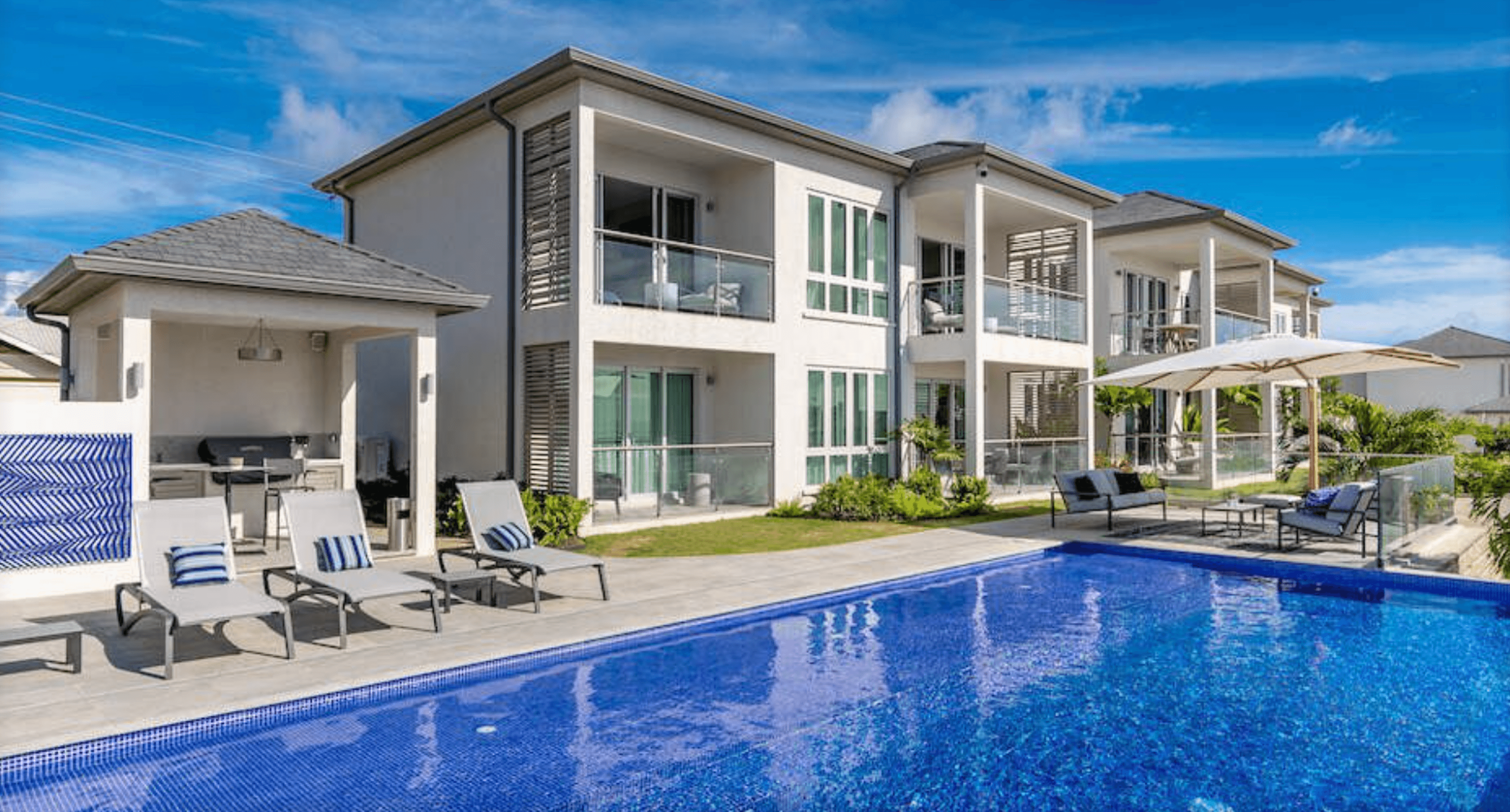

Grenada, St. George's
$197,000+
Apartments with ocean view, St. Georges, Grenada
 138 m²
 2
2  2
2 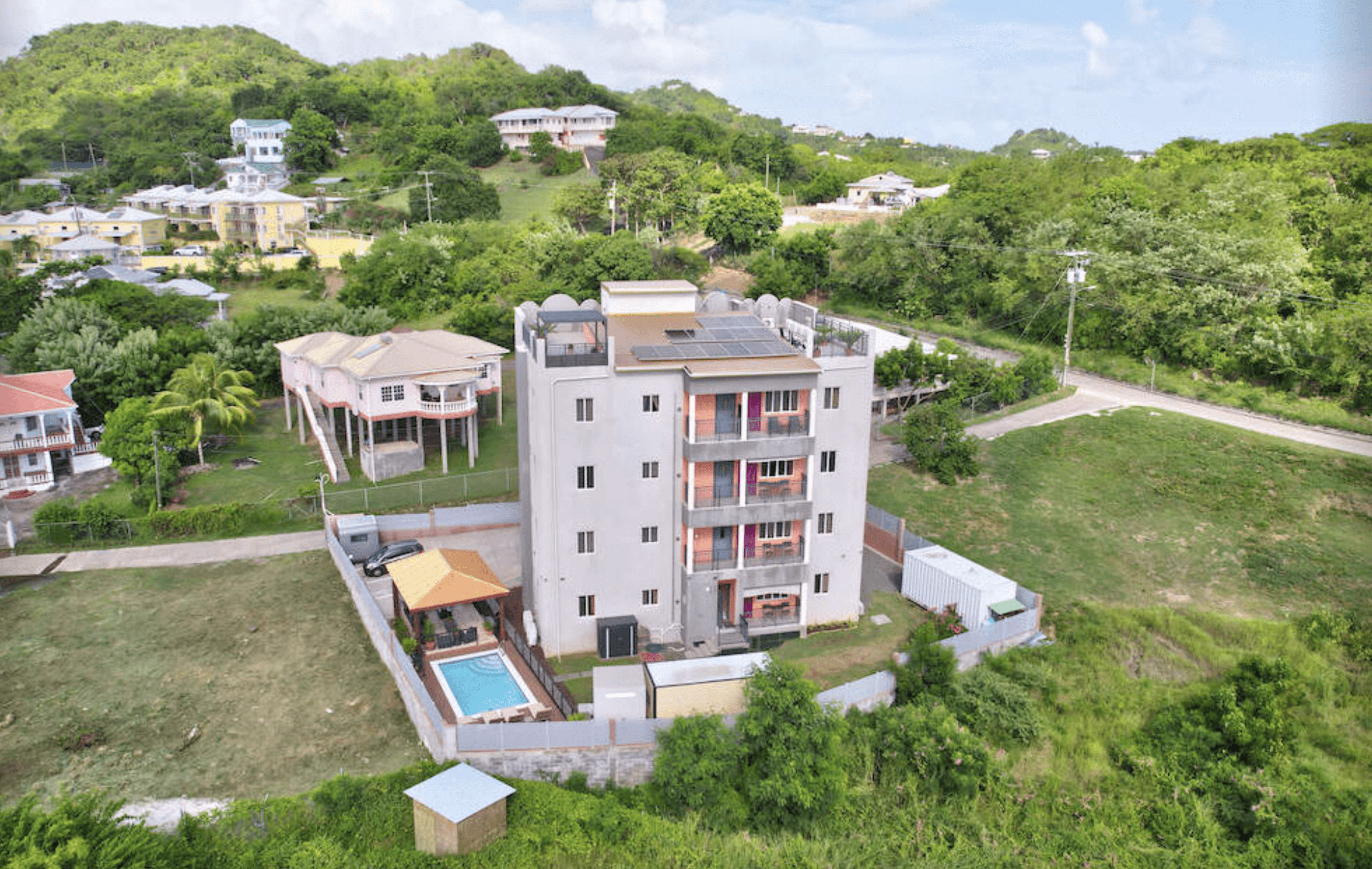
Grenada, St. George's
$250,000 — $375,000
Apartments in modern style, St. Georges, Granada
43 m² — 79 m²1—2 1—2 
Grenada, St. George's
$395,000+
Elegant apartments with ocean view, St. Georges
118 m²2 2 Key thoughts about citizenship for stateless people
- Citizenship by investment gives stateless applicants a recognised passport, full legal identity, and stronger protection.
- Golden Visa is an alternative to CBI that first grants residence by investment and can lead to citizenship after 7—11 years.
- Only São Tomé and Príncipe and Grenada currently accept stateless applicants for CBI, and Grenada does so case by case.
- The minimum investment is $90,000 in São Tomé and Príncipe and $235,000 in Grenada.
- CBI applications from stateless persons face higher scrutiny, and refusals often result from document gaps or unverifiable sources of funds.
- Strong preparation, especially preliminary Due Diligence, reduces refusal risk and helps structure a compliant application.
- Residence-by-investment programs in the EU can provide a long-term pathway to citizenship, but require real residence and integration.
Immigrant Invest is a licensed agent for citizenship and residence by investment programs in the EU, the Caribbean, Asia, and the Middle East. Take advantage of our global 15-year expertise — schedule a meeting with our investment programs experts.
Comparison of citizenship and residency by investment programs
-
Master the residency process
-
Get expert tips and documents
-
Estimate costs accurately
 Trusted by 5000+ investors
Sources
- Source: The UN Refugee Agency, UNHCR — Global Trends report 2024
- Source: The UN Refugee Agency, UNHCR — Stateless person definition
- Source: United Nations Human Rights — Convention relating to the Status of Stateless Persons
- Source: UNHCR’s #IBelong campaign and the Global Action Plan to End Statelessness
- Source: European Network on Statelessness — EU Parliament calls for strategy and action plan on statelessness
- Source: UNHCR — Netherlands page on the Statelessness Determination Procedure
- Source: United Nations Human Rights — Good practices in nationality laws for the prevention and reduction of statelessness
- Source: Greek Ministry of Migration & Asylum — Legal Migration: Annex B (Analytical tables), September 2025
- Source: Government of Greece — Ministry of the Interior: Participation in the PEGP (Certificate of Adequacy of Knowledge for Naturalisation) exams
- Source: Cyprus’s Ministry of the Interior — Acquisition of Cypriot Citizenship By Naturalization
- Source: Bloomberg — Portugal
- Source: IAVE — Instituto de Avaliação Educativa (Portugal)
- Source: European Commission — Long-term resident status in the EU
- Source: Office of Citizenship and Migration Affairs Republic of Latvia — Examinations determined in the Citizenship Law
- Source: European Commission — Long-term resident status in the EU
- Source: Ministero dell’Interno (Italia) — Guida alla cittadinanza italiana
- Source: Embassy of Hungary in The Hague — Ministry of Foreign Affairs and Trade: Simplified naturalization
- Source: UNHCR — Maltese citizenship